Why Is My Money Tree Drooping? 8 Proven Causes and How to Fix Them
Why is my money tree drooping? The most common reason is a watering problem.
Either too much water or not enough can cause those leaves to sag and look sad. Start by checking the soil moisture before watering.
Watch the top 2 to 4 inches of soil for dryness. Wait to water your plant until the soil dries to avoid stress. A drooping money tree often bounces back in one to four weeks after fixing watering issues.
Temperature matters too. Keep your money tree in a spot between 65 and 80 degrees Fahrenheit to stay comfy. Don’t put your plant outside where temperatures go above 80°F. Keep it away from cold spots below 40°F. This way, your money tree won’t get shocked by the heat or cold.
Key Takeaways
- Check soil moisture before watering your money tree every 1 to 2 weeks.
- Let the top 2 to 4 inches of soil dry before watering again. Too much water can make your money tree’s leaves droop. Only add water when the soil feels dry on top.
- Keep your money tree’s temperature between 65 and 80°F for best health.
- Move your tree indoors or to shade if outside temperatures go beyond 80°F.
- Allow 1 to 4 weeks for your money tree to recover after correcting care.
- Avoid watering if the soil still feels moist on the top layer.
1. Common Causes of a Drooping Money Tree
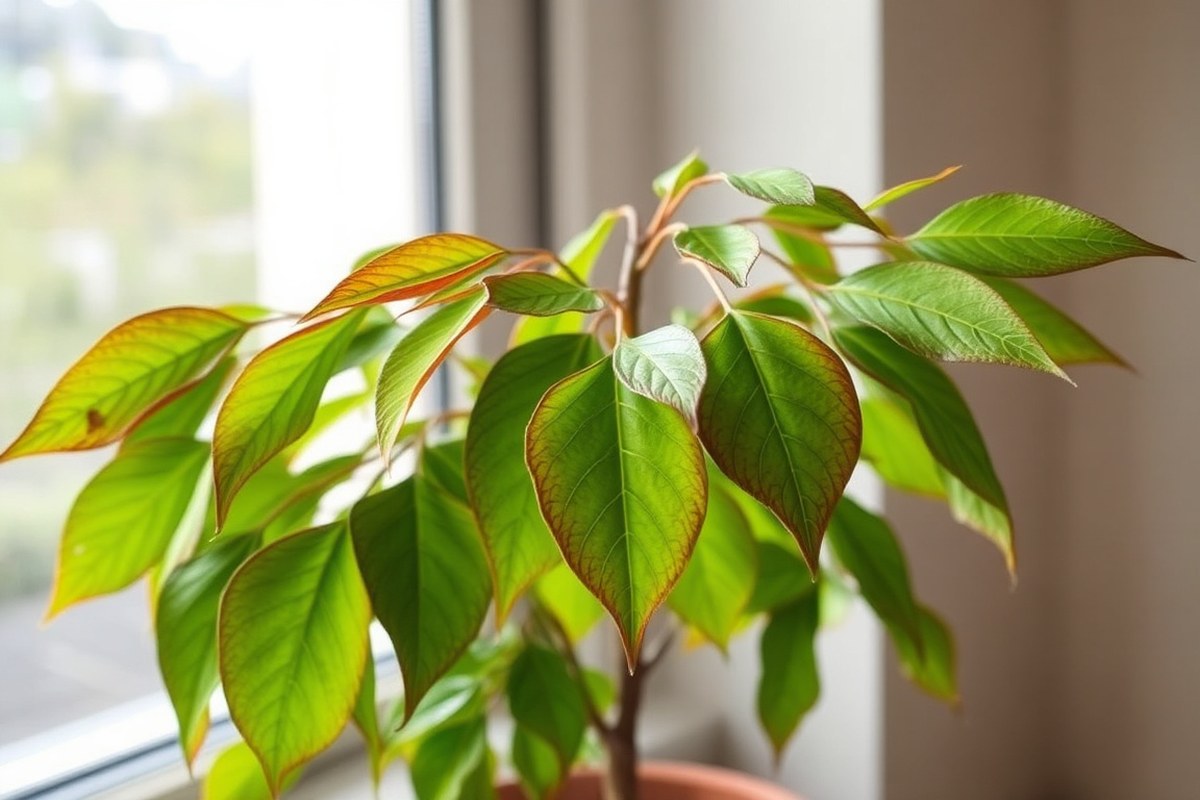
Money tree leaves droop mainly due to incorrect watering habits. Too much water keeps the soil soggy, hurting the roots badly. Not watering enough dries the soil, stopping water from reaching roots.
Light is another factor. Money trees like bright, indirect light, not harsh direct sunlight.
Too little light causes leggy, droopy leaves. Too much direct sun can scorch and stress them.
Temperature changes stress the plant, causing drooping too. Money trees prefer steady, warm temperatures between 65°F and 80°F. Sudden cold drafts or hot spots can shock their leaves and make them droop.
Pests can also cause drooping leaves. Small insects like spider mites or aphids suck sap and debilitate the plant. Look for sticky spots or tiny webs, then treat pests promptly to help the tree recover.
2. How Overwatering Causes Drooping Leaves
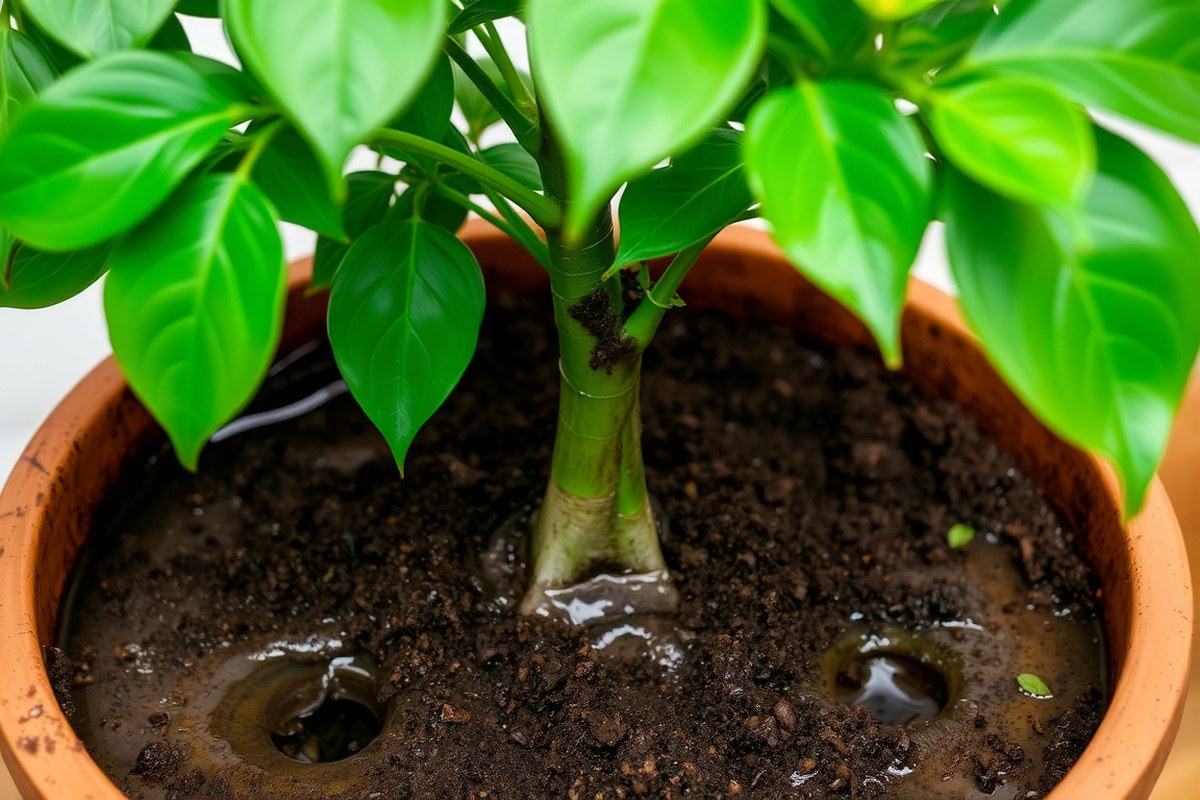
Overwatering harms your money tree by drowning its roots. When roots sit in soggy soil, they can’t absorb oxygen well. Lack of oxygen makes leaves droop and turn yellow.
This shows your plant is stressed. It could mean the roots are damaged.
Signs of Overwatering to Watch For
Look for soil that stays wet for several days after watering. Stick your finger 2 to 4 inches deep; if soil feels damp, avoid watering. A sour or musty smell coming from the pot also hints at overwatering and root problems.
Check the leaves and stem closely. Drooping leaves combined with yellowing, especially on older leaves, indicate overwatering. The trunk’s base may feel soft or mushy, which means the roots are suffering.
Steps to Recover from Overwatering
Spot these signs and act fast to save your money tree. First, let the soil dry out fully before watering again. Improve drainage by moving the pot or adjusting care.
- Stop watering immediately and remove any standing water from the saucer.
- Check the soil moisture with your finger before watering again.
- Increase airflow around the plant by placing it where there’s gentle breeze or a fan nearby.
- Remove yellow or dead leaves to reduce stress on the plant.
- Inspect roots if possible; trim any soft, brown, or rotten roots with sterilized scissors.
- Repot the plant into fresh, well-draining soil if root rot is severe.
- Water your money tree after the top 2 to 4 inches of soil dry out. Change your watering schedule to match the soil’s dryness for best health. Stick to this routine to keep the plant thriving indoors.
Don’t water again until the soil feels dry a few inches below the surface.
Preventing Overwatering in the Future
After recovery, reduce watering to avoid overwatering. Let the top 2 to 4 inches of soil dry before watering again. This keeps the roots healthy and prevents new issues.
Use a pot with drainage holes and a suitable soil mix that drains well. Avoid letting your plant sit in leftover water, especially in low light where soil dries slowly. Keep an eye on soil moisture regularly.
3. Underwatering and Dehydration Effects
Yes, underwatering can cause your money tree’s leaves to droop. When the soil stays too dry, the plant loses moisture and wilts. You can fix this by watering it thoroughly and then sticking to a regular schedule.
Recognizing Signs of Underwatering
Drooping leaves often signal your money tree needs water. The leaves may also turn slightly yellow or brown around the edges. If the soil feels dry an inch below the surface, your plant is likely underwatered.
Watch out for slow growth or leaves that look dull. These signs mean the plant is conserving water to survive. Catching these early helps you avoid serious damage.
Best Practices to Rehydrate Your Plant
Rehydrating means soaking the soil evenly and deeply. Pour water until it flows out of the drainage holes at the pot’s bottom. This flushes the dry layer and lets roots absorb moisture properly.
Don’t drench the soil too fast, though. Sudden saturation can stress the roots and cause leaf drop. Let the plant soak up water for about 45 minutes before checking soil moisture again.
Here’s a step-by-step way to rehydrate your money tree:
- Place the pot in a sink or bathtub to catch excess water.
- Water slowly and evenly until water drains from the bottom.
- Allow the soil to absorb moisture for 45 minutes.
- Empty standing water from the saucer to prevent root rot.
- Move the plant back to its usual spot with proper light.
- Check the soil moisture after a few hours to avoid overwatering.
Creating a Consistent Watering Schedule
Water your money tree every 7 to 10 days, checking the soil moisture first. Your goal is to keep the soil damp but not soggy. Use your finger to test the top inch before watering again.
Adjust frequency based on your home’s temperature and humidity. Plants in warmer, drier rooms often need water more often. Cooler or humid spaces require less frequent watering.
Stick to this routine and avoid letting the soil completely dry out. Consistency keeps your money tree healthy and stops the leaves from drooping again.
4. The Role of Humidity in Money Tree Drooping
Money trees do best when humidity stays between 50% and 65%. Dry air can cause their leaves to droop because it pulls moisture away. This drying makes the leaves lose turgor pressure, so they look limp and weak.
To raise humidity, mist your money tree’s leaves once or twice a day. Use a spray bottle with room-temperature water, and avoid soaking the leaves. Misting adds moisture directly to the leaves but only helps briefly, especially in dry rooms.
A humidifier works better for steady humidity. Place it near the plant to keep humidity within the 50-65% range. Small humidifiers cost about $20 to $50.
They run quietly. They help protect your tree from dry air.
Another option is a water and pebble tray. Fill a shallow dish with pebbles. Add water just below the pebble tops.
Set your pot on the dish. As water evaporates, it raises humidity gently around the plant. This requires little effort and costs only a few dollars for the tray.
Watch your money tree after increasing humidity. Leaves should stop drooping within a few days. They might stay limp for reasons besides low humidity.
Check other factors affecting your tree. Keep your home temperature steady near 65-75°F to support healthy humidity levels.
5. How Light Levels Affect Your Money Tree’s Health
Your money tree needs bright, indirect light to stay healthy. Too little light slows growth and causes leaves to droop. Direct sunlight can burn leaves and stress the plant.
This causes drooping and leaf damage. Keep your money tree out of harsh sun.
Placing your money tree near a north or east-facing window usually works well. These spots offer plenty of bright light without harsh sun rays. Your space has low light.
Try a grow light. Use it 12 to 14 hours daily. This mimics the natural light your plant needs to thrive.
| Light Type | Effect on Money Tree | Placement Example |
|---|---|---|
| Bright, Indirect Light | Promotes healthy growth with no leaf drooping | Near east-facing window with sheer curtains |
| Direct Sunlight | Causes leaf burn and drooping from stress | South or west-facing window without shade |
| Low Light | Slows growth, leads to leaf drooping and weak stems | Interior room far from windows |
| Artificial Grow Light | Supports growth in low natural light areas | Close to plant, 12-14 hours per day |
Keep your money tree away from cold drafts. Cold air dries it out. It can cause leaves to drop.
Drooping leaves from too much sun or drafts? Move it to a spot with filtered light. Sheer curtains can reduce harsh light without darkening the room.
Use sheer curtains to soften direct sunlight and prevent leaf burn.
After fixing light, your money tree will improve. It usually gets better in one to four weeks. Watch how leaves respond to the new spot.
Less drooping and fuller leaves mean it’s happy. Move the plant gradually to avoid shocking it from sudden light changes.
6. Diagnosing and Treating Root Rot Problems
Root rot can cause money tree leaves to droop because it damages the roots. You can check for root rot by inspecting the roots for softness and dark colour. Treating it means trimming infected roots and repotting the tree in fresh soil.
Identifying Root Rot Symptoms
You’ll notice your money tree leaves drooping and turning yellow when root rot is present. The roots may look black, brown, or slimy instead of firm and white. The plant might also develop a foul smell near its base, which signals decay.
Touch the roots to check firmness gently. Mushy or brittle roots mean root rot is likely. Also, look for soil that stays soggy for days, which can suffocate roots and trigger rot.
Treating Infected Roots Safely
First, take your money tree out of its pot. Next, gently shake off the soil around the roots. Be careful not to hurt them while doing this.
Next, use sterilized scissors to cut away mushy, dark, or smelly roots. This helps stop the infection from spreading.
After trimming, rinse the healthy roots with clean water to remove leftover soil and dead tissue. Repot the tree using fresh, well-draining soil and a pot with drainage holes. Water less frequently, only when the top 1 to 2 inches of soil feel dry.
Follow these steps to treat root rot:
- Gently remove the money tree from its pot.
- Inspect roots for softness, dark colour, and smell.
- Use sterilized scissors to trim affected roots carefully.
- Rinse remaining roots with clean water.
- Let roots air dry for an hour to reduce moisture.
- Refill the pot with fresh, well-draining potting mix.
- Place the tree back in the pot and water lightly.
- Monitor soil moisture and water only when dry.
Preventing Future Root Rot
Keep the soil almost dry between waterings to avoid root rot. Check moisture with your finger or a moisture meter before watering again. Make sure your pot drains well to stop water from sitting at the roots.
Water your money tree less during cool months when growth slows down. Position it where it gets bright, indirect light to help the soil dry faster. Use good-quality, fast-draining soil made for houseplants.
7. Repotting and Soil Tips to Prevent Drooping
The soil you use affects how well your money tree grows. Poor soil holds too much water or drains too fast, making leaves droop. Use a well-draining soil mix with peat moss, perlite, and potting soil to keep moisture balanced.
Pick a pot just one size bigger than the current root ball. A pot that’s too big keeps soil wet for too long. This stresses the roots.
Drooping can happen from this stress. Make sure the new pot has drainage holes to prevent water buildup at the bottom.
Before repotting, water the plant lightly so soil stays damp but not soggy. Gently remove your money tree from its pot without damaging roots. Put fresh soil at the pot’s bottom.
Set the root ball on top. Fill around with soil and press lightly to remove air.
After repotting, avoid watering for about a week. This wait helps the roots settle and reduces transplant shock.
Your money tree usually recovers in two to four weeks. It needs good light and humidity to bounce back.
Check the top two inches of soil; water only when dry. Overwatering right after repotting can make leaves droop. A balanced mix helps soil dry evenly, giving roots air and water as they need.
Drooping soon after repotting often means transplant shock. Keep your money tree in stable light and temperature during recovery.
A soil mix with perlite or sand improves drainage. This helps prevent drooping from root stress.
Low indoor humidity? Move your plant to a brighter spot but keep light indirect. Use the right soil mix and pot size.
Water properly too. These steps help stop drooping leaves. Repot on a mild day to reduce sudden stress.
8. Preventing Pests and Nutrient Deficiencies
Aphids, spider mites, and scale insects often attack money trees. These pests suck sap from leaves and stems, causing discoloration and drooping. Check your plant regularly for small bugs or sticky residue at leaf joints and undersides.
To treat pests, wipe leaves gently with a cotton ball. Use water mixed with mild soap on the cotton ball. Spray your money tree with neem oil once a week.
Do this for three weeks to control pests. Avoid harsh pesticides, especially around pets or kids, and repeat treatments as needed.
Don’t wait too long to treat pests; infestations quickly weaken your money tree.
Nutrient deficiency also leads to drooping and yellowing leaves. Use a balanced water-soluble fertilizer on your plant. Make sure nitrogen, phosphorus, and potassium are about 10%.
Apply fertilizer every four to six weeks during spring and summer. These are the plant’s fastest growing times.
Less frequent feeding works well in fall and winter, about every eight weeks. Too much fertilizer risks root burn and leaf drop. So follow the package amounts carefully.
Check soil quality if leaves stay pale and droopy after feeding. Repot the plant if roots are not getting nutrients.
Avoid moving your money tree often or placing it near drafts or heat sources. Sudden changes cause stress and make leaves droop or fall.
Keep your plant in a spot with steady light and humidity. This helps stop nutrient and pest problems from worsening.
Step-by-Step Action Plan for a Drooping Money Tree
Follow these steps to spot the cause of drooping leaves and fix your money tree quickly. Watch for signs after each action to see if your tree perks up.
- Day 1: Check soil moisture by sticking your finger 2 inches deep. Water only if dry and see if leaves lift in 1-2 days.
- Week 1: Move your tree to a brighter spot with indirect light. Leaf drooping should reduce within a week if light was the issue.
- Week 2: Inspect roots by gently removing the plant from its pot. Look for dark, mushy roots that indicate rot.
- Week 3: Repot using well-draining soil if you found root rot or compacted soil. Drooping should improve over two weeks.
- Week 4: Increase humidity by misting or using a humidifier. Watch for leaf firmness returning within 7-10 days.
- After 1 month: Check for pests like spider mites or scale. Treat with insecticidal soap if needed and see health improve in two weeks.
- After 6 weeks: Feed with a balanced, water-soluble fertilizer once every 4-6 weeks during growing months. Healthy growth will boost leaf strength.
Frequently Asked Questions
Why Is My Money Tree Drooping After Repotting?
Your money tree is likely experiencing transplant shock. It usually takes 1 to 4 weeks for the plant to adjust and recover. Keep watering properly and avoid sudden environment changes.
Can Cold Drafts Cause Money Tree Leaves to Droop?
Yes, cold drafts can stress your money tree and cause drooping. Avoid placing it near windows or doors that let in cold air. Keep the room temperature steady above 60°F.
Does Fertilizer Cause Money Tree Leaves to Droop?
Over-fertilizing can damage roots and cause drooping leaves. Use a balanced fertilizer every 4-6 weeks during the growing season. Always follow package instructions to avoid fertilizer burn.
Can Pot Size Affect Money Tree Drooping?
A pot that’s too large or too small can cause stress and drooping. Repot only when roots outgrow the pot, choosing one slightly bigger. Ensure good drainage to prevent root rot.
Will Drooping Money Tree Leaves Recover Naturally?
Yes, leaves can perk up after the right care changes. It often takes 1 to 4 weeks after fixing issues like watering or light. Prune any dead leaves to encourage new healthy growth.
Can Dry Indoor Air Cause Money Tree Drooping?
Dry air can make the money tree lose moisture and droop. Increase humidity by misting or using a humidifier nearby. Keeping humidity around 50% helps the plant stay healthy.
Wrapping Up
Your money tree droops mainly due to water, light, or root issues. Start by checking soil moisture and light conditions first. Watch your tree’s reaction to these fixes before moving on.