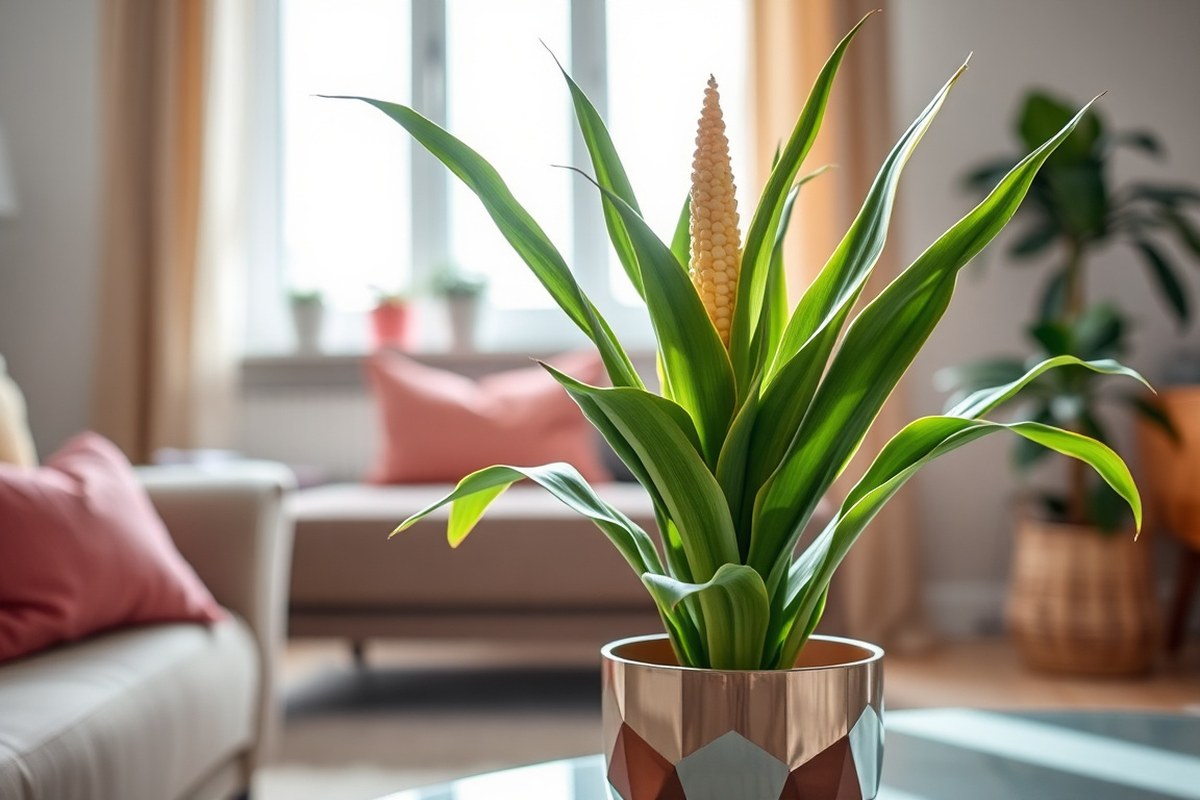
How to Take Care of a Corn Plant: Complete Guide with Proven Care Tips
Taking care of a corn plant is easy once you learn the basics. Keep it away from direct sunlight.
Water the plant once a week only when the top 1 to 2 inches of soil feels dry. This helps prevent overwatering, which can damage the roots.
Choose a pot that fits your plant without crowding its roots. Corn plants like to be a little root-bound.
So repot only every 2 to 3 years. Make sure the pot drains well to avoid water buildup.
Keep your corn plant in a room between 60° and 70°F. Bring your corn plant inside if temperatures fall below 55°F. This stops cold damage. Use a humidifier to raise moisture around your corn plant.
A pebble tray works too. Aim to keep humidity between 40 and 50 percent.
Key Takeaways
- Only water your corn plant when the top 1 to 2 inches of soil are dry. Check soil moisture before watering to avoid overwatering.
- Keep your corn plant out of direct sunlight to avoid leaf burn.
- Feed your plant with balanced liquid fertilizer every 4-6 weeks in spring and summer.
- Use a pot 2 inches larger in diameter when repotting your corn plant.
- Maintain indoor temperature between 60° and 70°F for healthy growth.
- Boost humidity with a humidifier or pebble tray to keep leaves happy.
How to Water and Light Your Corn Plant Correctly
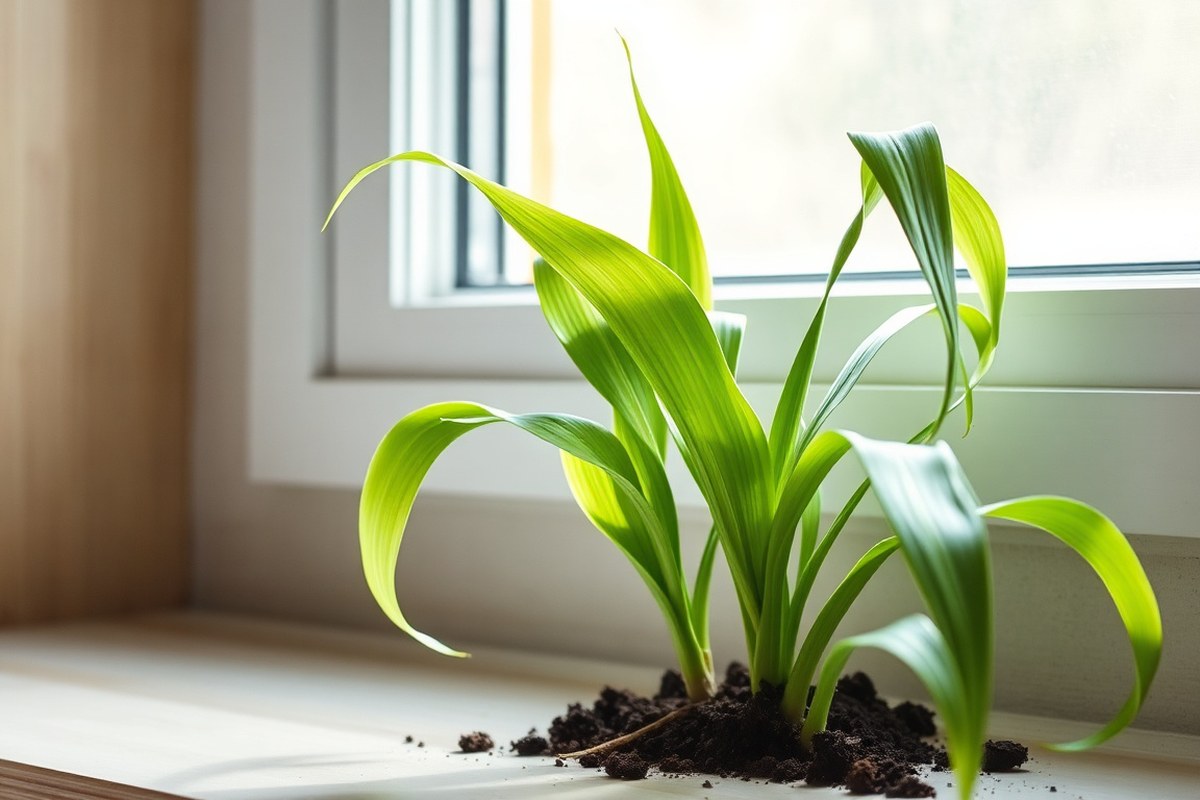
Water your corn plant only when the top 1 to 2 inches of soil feels dry. Stick your finger into the soil to check.
Wait a few more days when the soil still feels moist. This simple test stops you from overwatering, which can cause root rot.
Typically, watering once a week works well for most indoor conditions. However, cooler temperatures or low light slow the plant’s water use. So you might stretch watering to every 10 to 14 days.
In warmer homes, check the soil more often. Water every 3 to 4 days if it dries fast.
Give your corn plant a thorough drink each time you water. Pour water evenly until it starts draining at the pot’s holes. Make sure the pot has good drainage to avoid standing water, which can harm roots.
Corn plants like bright, indirect sunlight, similar to what they get under a forest canopy. Put your plant near a north or east window.
It needs gentle light without direct sun rays. Direct sunlight can scorch its leaves and cause brown spots.
While corn plants tolerate low light, they grow slower and may lose some vibrancy. Try giving your plant some indirect light every day.
Use light from a shaded south or west window. Rotate the plant occasionally to keep its shape even.
Adjust watering and light based on season and location. During winter, the plant uses less water due to lower light and cooler temps. You can check soil moisture every few days to avoid overwatering.
In spring and summer, brighter light and warmth speed growth and water needs. So watch the soil closely.
Choosing the Best Soil and Pot for Your Corn Plant
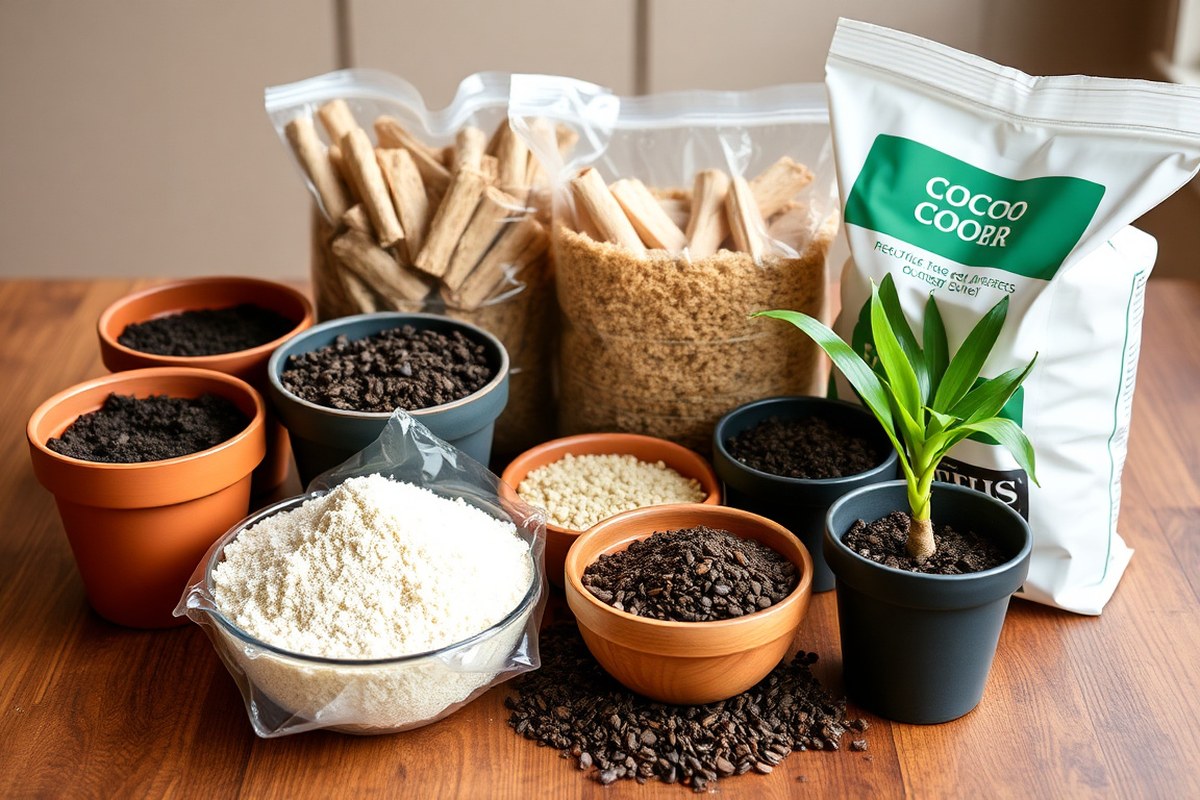
Your corn plant needs loose, well-draining soil rich in organic matter. Pick a pot with drainage holes. It should fit the root ball well.
Leave about 2 inches of extra space around. Repot your plant every 1 to 2 years.
Do this when it gets too big. Also repot if the roots start to crowd.
Ideal Soil Mix Components
Corn plants grow best in soil that stays moist but drains well. A mix of peat moss or coco coir with standard potting soil works great.
These components mimic forest soil, which helps corn plants get nutrients and air. Avoid heavy garden soil that holds too much water and causes root rot.
How to Pick the Right Pot Size
Your pot should be about 2 inches wider in diameter than the current root ball. This gives roots space to spread without drowning in excess soil.
Make sure the pot has drainage holes. Good drainage prevents water from sitting in the bottom, which can cause root rot.
Taller pots suit young corn plants. Wider ones help mature plants with bigger root systems.
Step-by-Step Repotting Guide
Repot your corn plant during early spring or summer for the best growth response. Prepare new soil and pot before you start.
- Drain water from the current pot to avoid mess.
- Gently remove the plant from its pot by tipping it sideways.
- Loosen the root ball carefully without breaking healthy roots.
- Fill the new pot with 2 inches of dampened potting soil.
- Set the plant in the new container centered at the same depth.
- Fill around the roots with more potting mix up to the base of the cane.
- Press soil gently to remove air pockets but don’t compact it too much.
- Water the plant lightly to settle the soil.
A void heavy watering right after repotting, it can drown fresh roots.
Understanding Temperature and Humidity Needs
Corn plants like temperatures between 60 and 75°F (16 to 24°C). Keep them away from cold drafts, air conditioners, and hot radiators. Your plant may slow growth and show stress below 55°F temperatures.
These plants prefer average home humidity but do better with a bit more moisture. Place your pot on a tray filled with pebbles and water to raise humidity. Running a humidifier nearby also helps, especially in winter when heaters dry the air.
Cold drafts can cause leaf drop and discoloration in corn plants. Sudden temperature changes also stress them, causing slowed growth and weak leaves. Avoid placing your plant near open windows or doors during chilly weather.
To boost humidity cheaply, add a pebble tray under the plant pot. Make sure water touches the pebbles.
But the pot’s bottom should stay dry to prevent rot. Humidifiers cost around $30 to $50 and keep air moist in larger rooms.
Keep the temperature steady. Maintain humidity at 40% or higher. Your corn plant will stay healthy with these conditions.
Watch for curling or browning leaf tips as signs of dry air or cold stress. Adjust your humidity and temperature setup as needed to stop these problems.
Feeding Your Corn Plant: Fertilizer Types and Schedule
Your corn plant does best with a balanced houseplant fertilizer. Use one labeled equal parts nitrogen, phosphorus, and potassium, such as a 10-10-10 mix. You can buy these at garden centers or online stores.
Prices usually range from $5 to $15 each. The cost depends on the bottle size.
Feed your plant only during the growing season, which is spring through summer. Apply fertilizer once a month at half the recommended strength to avoid burning roots or overfeeding. For example, the label might say one tablespoon per gallon of water.
Use just half a tablespoon instead. This helps avoid overfeeding your plant.
Don’t fertilize in fall or winter. During these months, your corn plant rests and won’t absorb nutrients well. Overfeeding during dormancy causes yellowing leaves and unhealthy growth.
Watch for nutrient deficiency signs on your plant’s leaves and stems. Yellow edges mean low potassium, pale leaves show low nitrogen, and weak stems suggest a lack of phosphorus. To fix deficiencies, return to the half-strength monthly feed during spring and summer.
Reduce feeding if you notice white or brown leaf tips on your plant. These often mean salts from fertilizer are building up in the soil. Flush your plant’s soil well with water.
This removes extra salts. Then pause fertilizing for about a month.
In low-light spots, feed less often since plants grow slower and need fewer nutrients. Feeding once every six to eight weeks can prevent fertilizer buildup. On the other hand, corn plants in bright light can handle monthly feeding.
Identifying and Solving Common Corn Plant Problems
Brown tips on your corn plant leaves often show too much sun exposure. It can also happen because the air is too dry. Both cause stress to the plant’s leaves.
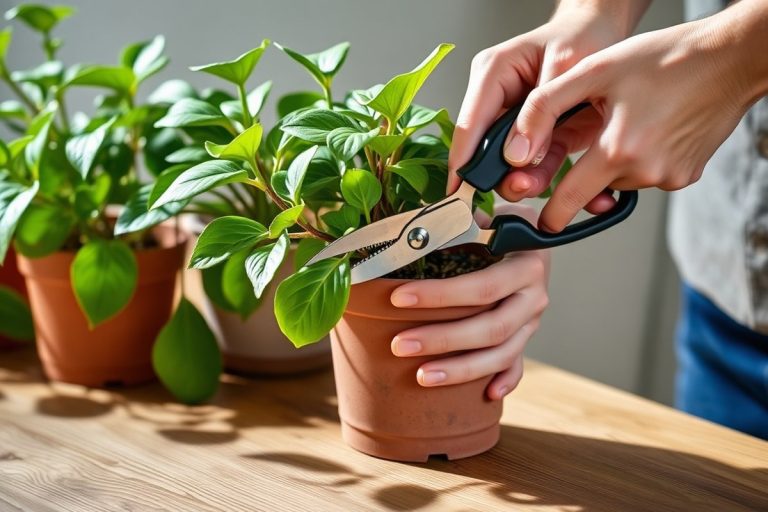
This problem also happens if you use tap water with fluoride or harsh chemicals. Cutting off the brown tips is okay to keep the plant looking good. Use clean scissors and cut just above the brown area without damaging healthy parts.
Yellow leaves and soft canes usually show nutrient problems. Overwatering your corn plant can also cause these symptoms. Both need quick attention to help the plant recover.
Pale lower leaves with a yellow V shape down the center show a nitrogen deficiency. To fix this, feed your plant with a balanced houseplant fertilizer following the package instructions. Soft canes may mean root rot from too much water.
Check the roots carefully for any mushy parts. This helps you decide how to treat your plant. Trim affected roots and repot into fresh, well-draining soil.
Spider mites are a common pest that can cause tiny brown or yellow specks on leaves. Since you can’t see these mites easily, inspect leaves regularly and look for webs. To treat pests, wipe leaves with a damp cloth first.
Then, use insecticidal soap or neem oil every seven days. Keep doing this until the pests are gone.
- Brown leaf tips: trim with clean scissors above healthy tissue
- Yellow leaves: apply balanced fertilizer monthly during growing season
- Soft canes: cut out rotten roots and repot in fresh soil
- Spider mites: clean leaves and spray with insecticidal soap weekly
- Sunburn spots: move plant to indirect light away from windows
- Use distilled or rainwater to avoid fluoride damage
Check your corn plant’s environment to avoid most problems. Make sure it gets bright, indirect light and keep humidity levels around 40 to 60 percent. Wipe leaves regularly with a damp cloth to keep dust off and allow better photosynthesis.
Adjust watering to keep soil moist but not soggy. These steps help your plant recover and grow strong again.
Trim brown tips to keep your corn plant tidy. But don’t cut too deep into healthy leaf parts.
Pruning and Shaping Your Corn Plant for Healthy Growth
Prune your corn plant to control its height and encourage new growth. Cutting back the top helps keep the plant manageable indoors. You can also use the cuttings to grow new plants.
Signs You Should Prune Now
Prune your corn plant if it grows taller than your space allows. When the leaves look brown or damaged, prune those too. Pruning at the end of the growing season works best.
Watch for leggy stems with few leaves at the top. This shows the plant needs trimming to stay healthy. Pruning also helps the plant focus energy on fresh growth.
Tools Needed for Pruning
Use clean, sharp pruning shears or scissors to avoid damaging the plant. Sterilize your tools with rubbing alcohol before and after pruning. This prevents spreading any diseases.
Have a small container or bag ready for trimmings. Wearing gloves protects your hands from sap, which can irritate skin.
Step-by-Step Pruning Process
Follow these steps to prune safely and promote healthy new growth:
- Pick a spot slightly above a leaf node or stem joint.
- Cut the stem cleanly using sharp, sterilized shears.
- Remove any yellow or brown leaves while you prune.
- Save the top cutting to root for a new plant.
- Dispose of cuttings that show signs of disease.
- Wipe your tools with alcohol after finishing.
- Place the plant in bright, indirect light after pruning.
Pruning reduces the plant’s height and promotes fuller growth. It usually takes a few weeks to see new shoots. Avoid heavy pruning outside the growing season to prevent stress.
Propagating Corn Plants: How to Grow New Plants from Cuttings
You can easily grow new corn plants from cane cuttings. The best way is to root stem segments in soil and keep them moist. Once roots are about an inch long, move cuttings to pots for healthy growth.
Selecting Healthy Cuttings
Choose strong, green stems without damage or disease. Each cutting should have at least two to three leaf nodes. Cut sections about 4 to 6 inches long for best success.
Avoid cuttings with yellow or brown spots and no signs of pests. Fresh cuttings have more energy to sprout roots. Use clean scissors or pruning shears to avoid infection.
Rooting Timeline and Conditions
Rooting takes about 2 to 4 weeks under ideal conditions. Place cuttings in a warm spot with indirect light at room temperature. Avoid direct sun to prevent leaves from burning during rooting.
Keep the rooting medium consistently moist but not soggy. Use well-draining soil or a mix designed for houseplants. A humidity dome or clear plastic bag can help keep humidity high.
Potting and Growing New Plants
Plant cuttings in soil once roots reach about one inch long. You can plant two or three cuttings together for a fuller look. Choose pots with drainage holes to prevent water buildup.
Water new plants enough to keep soil moist but not wet. Place pots in bright, indirect light and keep temperatures between 65°F and 75°F. Avoid cold drafts or direct heat sources.
- Cut a 4 to 6-inch stem segment with at least two leaf nodes.
- Remove lower leaves, leaving one or two at the top.
- Place cut end in moist, well-draining soil or rooting medium.
- Keep soil moist and cover with a plastic bag for humidity.
- Set the cutting in a warm spot with indirect light.
- Check for roots after 2 weeks; expect rooting within 2 to 4 weeks total.
- Once roots are about 1 inch, transplant into pots with drainage.
- Continue watering and provide bright, indirect light for growth.
Tips for Choosing the Ideal Location Indoors
Look for a spot with medium indirect light for your corn plant. It thrives near east- or west-facing windows where sunlight comes in gently. Avoid placing it in direct sun since that can scorch the leaves quickly.
You can keep your plant in rooms with low light, but expect slower growth. Corn plants tolerate shade but don’t grow as fast or look as vibrant. Adding a lamp in darker rooms helps maintain steady growth without damage.
Keep your plant away from cold drafts near doors or windows. Sudden temperature changes stress the plant and stunt growth. Also, avoid heating and air conditioning vents that blow air directly on the leaves.
Since corn plants grow tall, give them enough space, about 2 feet around. This stop leaves from crowding and lets air circulate well. Rotating the plant every few weeks makes sure all sides get light evenly.
In mild summer climates, you can move your corn plant outdoors for a few months. This simulates natural light and temperature shifts. Just bring it back indoors before cold weather starts to prevent shock.
Keep your corn plant at least one foot from drafty windows or vents. Drafts can stress your plant and slow growth. Avoid cold or hot air blowing directly on it.
You can use the plant to fill low-light corners that need some greenery. It adapts well to awkward spots as long as the room has some natural light. Check the leaves for yellowing, which signals not enough light.
Adjust location as your plant grows. Young corn plants handle shade better but need more room later. Put your corn plant in a bigger pot to give roots room.
Move it somewhere brighter to help stronger, taller growth. These changes support healthier plants over time.
Your First Weeks: A Step-by-Step Action Plan
Follow this plan to get your corn plant off to a healthy start indoors. It helps you build good habits and spot any issues early.
- Day 1: Place your corn plant in bright, indirect light near an east- or north-facing window. Check for new growth and no leaf droop after a week.
- Week 1: Water the plant once the top inch of soil feels dry. Use room-temperature water to avoid shock.
- Week 2: Feed your plant with a balanced liquid fertilizer diluted to half strength. Look for greener leaves after two weeks.
- Week 3: Check humidity around the plant. Add a pebble tray or mist leaves if air is dry. Leaves should look glossy, not dry.
- Week 4: Inspect for pests or brown tips and prune any damaged leaves. Healthy leaves should be firm and vibrant.
- After 4 weeks: Adjust watering and feeding based on plant response. If leaves yellow, water less; if slow growth, feed more cautiously.
Frequently Asked Questions
Should I Cut the Brown Tips Off My Corn Plant?
Yes, trim brown tips carefully with clean scissors to improve appearance. Brown tips often happen from fluoride in tap water or chemicals in soil.
Should I Water Corn Plants Every Day?
Only water your corn plant when the top 1-2 inches of soil feel dry. Giving it too much water can lead to root rot and harm the plant.
What Is the Average Lifespan of a Dracaena Corn Plant?
Dracaena corn plants can live for many years, often over a decade. They are slow-growing and can thrive indoors with good care.
Do Corn Plants Like Full Sun?
Corn plants prefer bright, indirect light rather than direct sunlight. Too much sun can scorch the leaves and cause brown tips.
How Do I Fix Leggy Growth on My Corn Plant?
Leggy growth is from too little light; move your plant to a brighter spot. Trim long stems to encourage fuller, bushier growth.
Can I Use Tap Water for My Corn Plant?
Tap water often has fluoride, which causes brown leaf tips. Use filtered or distilled water to avoid this problem.
The Bottom Line
Your corn plant thrives with consistent care and the right spot indoors. Watch it closely during the first month to learn its needs. Start by choosing the best light for it today to keep it growing strong.