How to Save Plants from Frost Damage: 9 Proven Methods That Work
Knowing how to save plants from frost damage means acting fast and smart. Cover or move sensitive plants before nightfall when frost is expected. Protecting them early prevents cold air and ice from killing leaves and flowers.
Start by checking local frost advisories and predicted low temperatures. Water your plants fully two or three days ahead to help them absorb moisture. Moist soil stays warmer longer and keeps plant roots safe during cold nights.
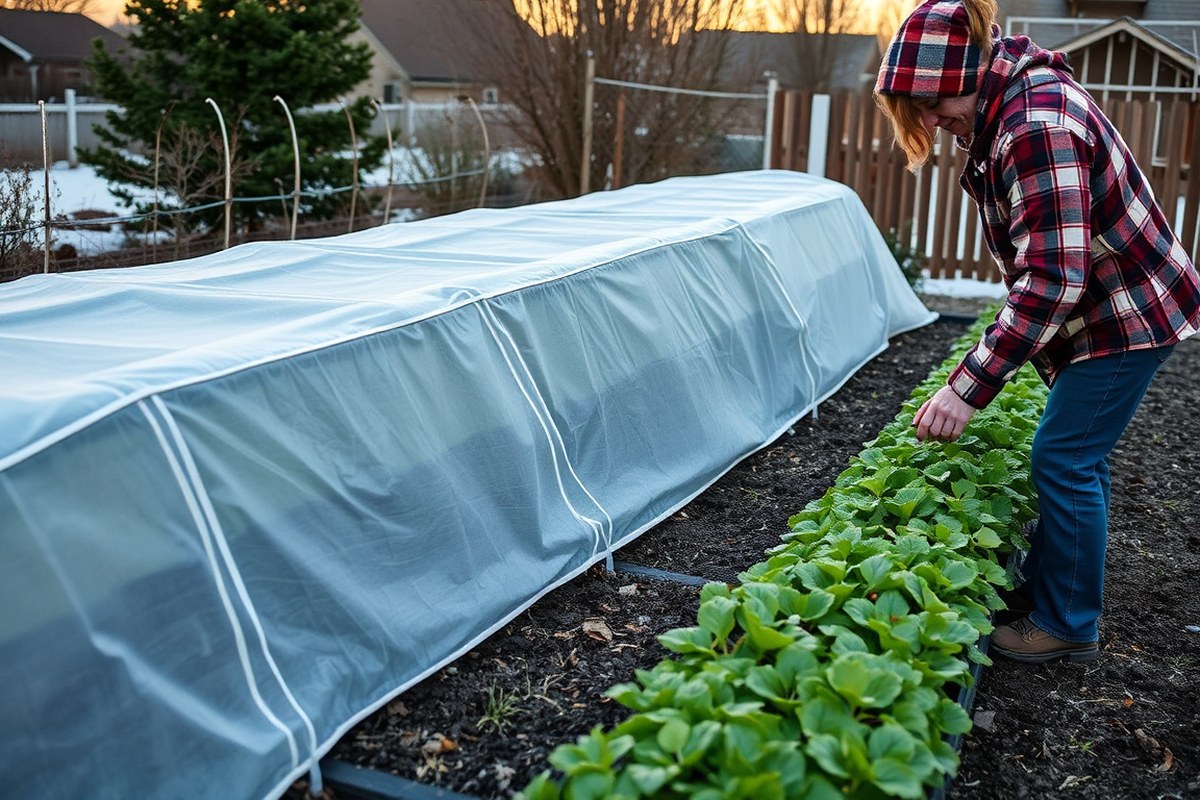
Use frost blankets, old sheets, or even burlap to cover plants at night. Secure covers with rocks or stakes so wind doesn’t blow them off. Keep covers off the ground slightly to trap heat without freezing the plants.
Remove covers early in the morning to avoid overheating or moisture buildup. Move potted plants into sheltered spots or indoors if possible. Taking these steps quickly can protect your garden from costly frost kills and keep your plants healthy.
Key Takeaways
- Check frost warnings nightly during cold seasons to act before the freeze starts.
- Water plants deeply two to three days before expected frost to retain soil heat.
- Cover sensitive plants with breathable frost blankets or sheets before temperatures drop to 32°F.
- Lift covers in the morning to avoid overheating plants in early sunlight.
- Arrange frost-sensitive plants away from open, windy spots that chill faster.
- Know your plants’ frost tolerance to prioritize protection efforts effectively.
1. How to Save Plants from Frost Damage Quickly and Effectively
Start by protecting your most frost-sensitive plants first. Prioritize tender annuals like tomatoes and basil, tropical plants such as hibiscus, and seedlings just sprouted. These plants need urgent care because frost can blacken their leaves and kill new growth quickly.
Use materials you already have to provide quick frost protection. Lightweight fabrics like sheets, blankets, or floating row covers work well.
Avoid plastic directly on plants, as it can trap cold and cause damage. You want covers that let light and moisture through while trapping warmth.
Apply covers in the early evening when winds calm down. Take off covers by mid-morning. This lets plants get sunlight.
Sunlight warms them and dries off frost moisture. For tall plants, use stakes or hoops to keep fabric from touching leaves directly. This prevents frost damage where the cover presses down.
Water plants a couple of days before frost hits. Well-hydrated soil holds heat and helps protect roots. Dry plants are much more vulnerable.
Container plants lose heat faster. So move them indoors or to sheltered areas if you can.
- Pick priority plants: Start with tender annuals, tropicals, and seedlings. These are most vulnerable.
- Gather covers: Use lightweight fabrics like sheets or frost blankets. Avoid plastic touching leaves.
- Set up support: Place stakes or hoops around tall plants first. This keeps the cover off the foliage.
- Cover plants: Drape fabric over plants fully to trap heat. Secure edges with rocks or soil.
- Water soil: Hydrate plants 2-3 days before frost to keep roots warm.
- Check at night: Add extra fabric if temperature drops quickly or winds increase.
- Remove covers: Take them off by mid-morning once temperatures rise above freezing.
2. What Causes Frost Damage and How Frost Harms Plants
How Frost Forms and Temperature Thresholds
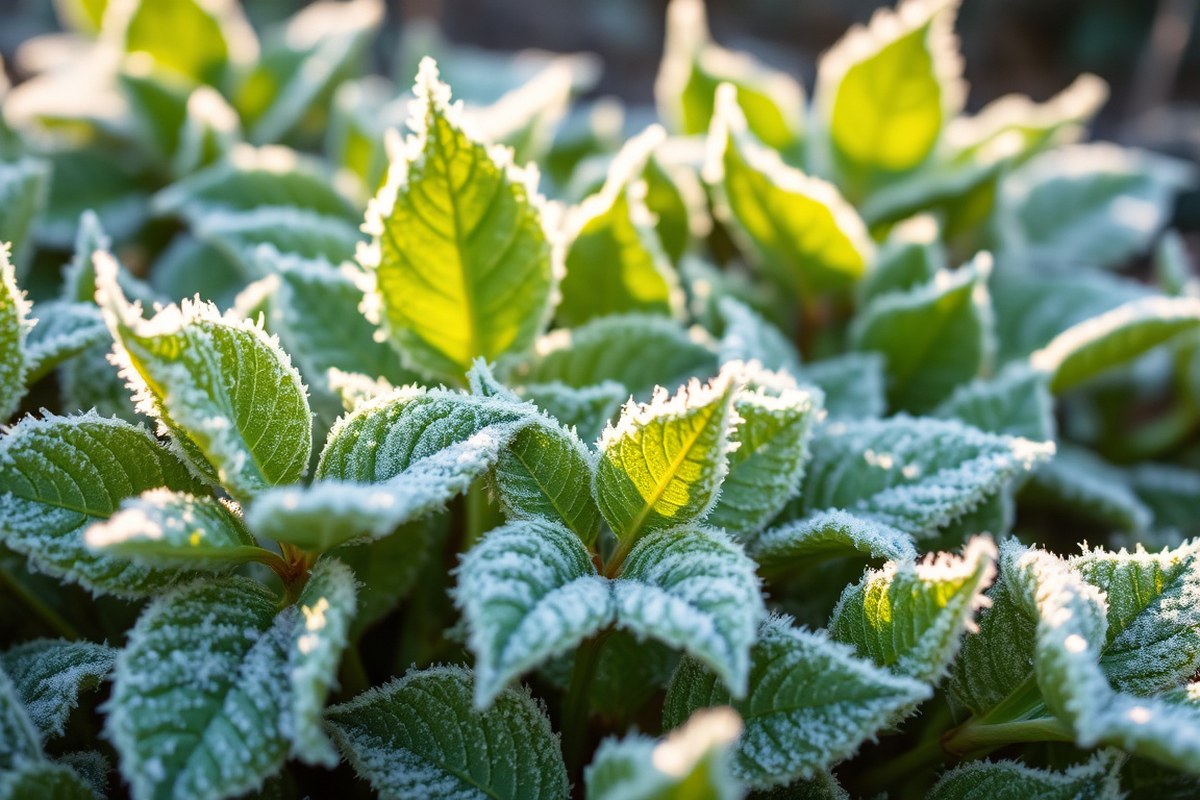
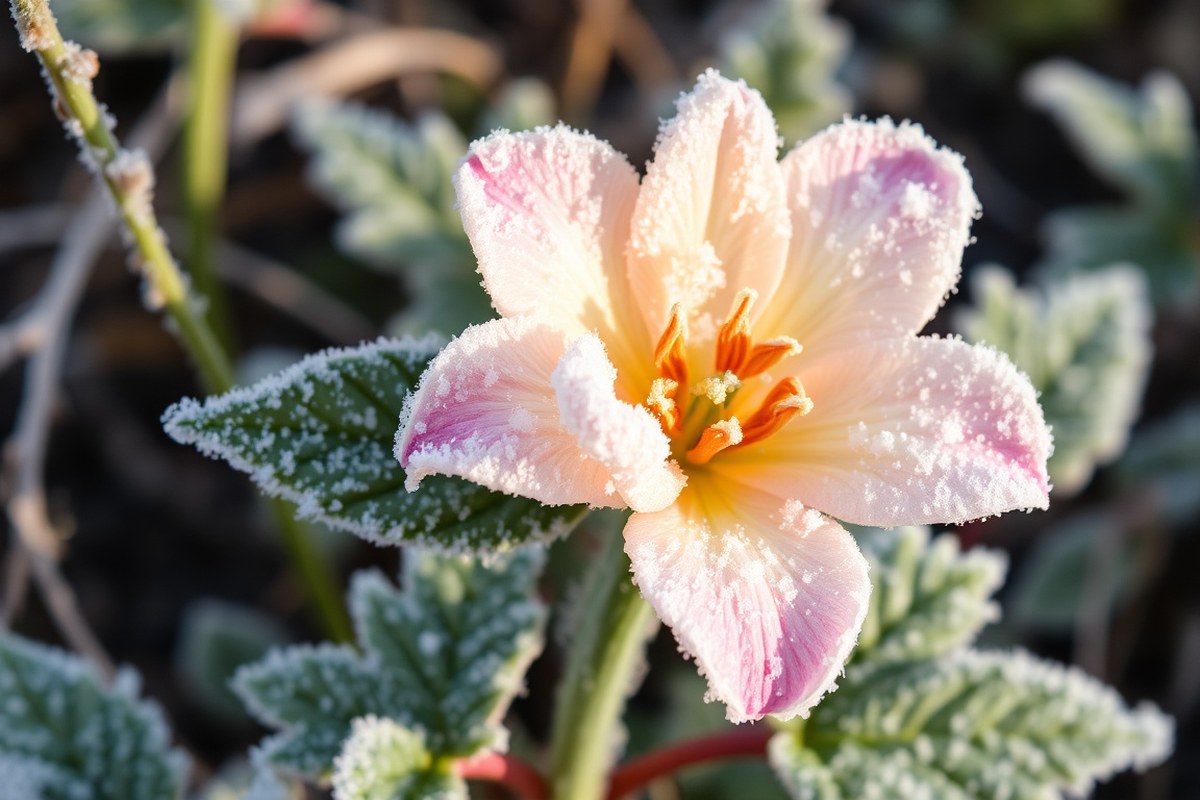
Frost appears when temperatures drop to 32°F or below, causing water to freeze. This ice first forms on plant surfaces and then inside cells. Temperatures slightly above freezing can cause frost on plant leaves overnight.
Some plants, like sweet potato vine, get damaged at temperatures near 45°F. Hardier crops, such as spinach and kale, survive light frosts down to about 28°F. Damage risk grows if temperatures stay below freezing for hours or if plants lack cover.
Physical Damage: Ice Crystals Inside Plant Cells
Water inside plant cells freezes and expands when frost forms. This expansion creates tiny ice crystals that pierce cell walls and membranes. The ruptured cells dry out, leading to browning, wilting, and eventual plant tissue death.
This freezing can stop water and nutrient flow inside plants. Damage usually appears first as dark, limp leaves. If freezing lasts long or happens repeatedly, plants may not recover.
Difference Between Frost and Freeze Damage
Frost damage occurs at or just below freezing with surface ice crystals visible. Freeze damage means deeper, longer exposure to sub-32°F temperatures. Freeze harms plants more severely, because their internal cell water freezes solid.
Plants can tolerate light frost but not a hard freeze below 28°F. Freeze can kill young plants or those with high water content faster. Knowing this helps you decide how much protection each plant needs.
Why Some Plants Are More Vulnerable
Plants with higher water content inside cells freeze more easily. Seedlings and tender annuals lack protective fibers and are more frost sensitive. Others have thicker leaves or stored sugars that lower their freezing point.
For example, sweet potato vines are damaged above freezing. Spinach can survive brief dips near 28°F. Frost-sensitive plants need extra care like covering or bringing indoors. Hardy plants handle cold better but still face risks during hard freezes.
Biological Impact of Frost on Plant Health
When ice damages cells, plants lose their ability to grow and photosynthesize. Damaged tissue means reduced energy and weakened defenses against pests. Frost can also dry out plants by pulling moisture from leaves and stems.
Giving plants water after frost can help rehydrate undamaged roots. Protecting roots and maintaining soil moisture improves survival chances. Recovery depends on how bad the freeze was and how quickly you act.
Keep plants close together overnight to trap soil heat and reduce frost harm.
3. Identifying Frost Damage Early: Signs and Recovery Timeline
Frost damage usually shows up a day or two after the frost event. You’ll see darkened or blackened leaves and stems on sensitive plants.
Fruiting plants often lose blossoms or drop small fruits early on. Woody plants like lavender take longer to show damage, sometimes two weeks or more.
Look for wilted leaves that feel soft or limp when frost hits. Brown leaf tips and margins also appear quickly.
Some frost damage shows as translucent spots where the tissue froze and died. These signs help you spot problems before the plant fully declines.
Recovery depends on the plant type and severity of the frost. Hardy plants bounce back in one to two weeks with new growth.
Woody shrubs and herbs may take several weeks to recover from frost damage. Avoid cutting damaged branches too soon because some parts may still heal.
If new leaves turn yellow or fail to grow, damage may be permanent. Plants that stay brown or dry after two or three weeks probably won’t recover well.
Dead buds and stems that snap easily off the plant are also bad signs. At that stage, pruning dead wood helps the plant focus on healthy growth.
Cold winds worsen frost damage by removing heat from plants and soil. Covering plants before frost helps trap heat and prevents early damage.
Watering soil before a freeze also protects roots by retaining warmth. Both steps help reduce frost injury and speed recovery.
4. Choosing and Using Covers: Frost Blankets, Row Covers, and More
You can protect plants from frost using covers like frost blankets. Row covers or plastic sheets also work well. Each cover helps keep the cold off your plants.
Each type suits different plants, temperatures, and garden setups. How you install and remove these covers is just as important as choosing the right one.
Types of Frost Protection Covers
Frost blankets are made of thick fabric that traps heat close to plants. Row covers are lightweight fabrics that allow air, light, and water through while providing frost protection. You’ll also see plastic sheets and cloches used for quick frost defense.
Cold frames and grow tunnels suit larger garden beds. They trap heat from the soil to keep plants warm. This extra warmth helps protect plants on cold nights.
Floating row covers are common for vegetable gardens. They come in various fabric weights for different temperatures. You pick the weight based on your frost risk.
Use hoops or stakes to hold the fabric above plants. So leaves don’t touch the cover and risk freezing.
Proper Installation and Removal of Covers
Install covers in the late afternoon or early evening before frost forms. Leave enough fabric to cover plants completely, including the soil around their roots. Secure edges with soil, rocks, or stakes to keep wind from blowing covers off.
Remove covers as soon as the temperature climbs above freezing, usually mid-morning. Leaving covers on too long can cause overheating and diseases from trapped moisture. During multiple frost nights, remove covers during the day and replace them at night.
- Check weather forecasts so you know when to cover and uncover plants.
- Use hoops or frames to keep fabric from resting on plants.
- Secure edges with heavy objects or bury fabric slightly in soil.
- Remove covers in the morning to allow sunlight and air circulation.
- Avoid letting fabric dry on plants to reduce fungal risk.
Pros and Cons of Different Cover Materials
Fabric frost blankets offer good insulation and let some moisture through. They cost about $0.25 to $1 per square foot and can protect plants down to 28°F. Row covers let light and moisture in, preventing overheating. They’re best for light to moderate frost protection.
Plastic sheets trap more heat but do not let air or water pass. They can cause plant damage if they touch leaves or if moisture builds up.
Tarps and blankets are easy to find but heavy and can smother delicate plants. Use them only when temperatures drop below 25°F.
| Cover Type | Temperature Range | Light & Water Passage | Cost per Sq Ft |
|---|---|---|---|
| Frost Blanket (Thick Fabric) | 28°F and above | Allows some air and moisture | $0.50 to $1 |
| Floating Row Cover (Light Fabric) | 30°F and above | Good air and water passage | $0.25 to $0.60 |
| Plastic Cover | Below 28°F (for quick frost) | No air or water passage | Varies, often reusable |
Using Plastic Covers Safely
Plastic covers can protect plants from hard frost but require caution. Keep plastic off plant leaves by using stakes or hoops as supports. When plastic touches leaves, it can damage or freeze them more easily.
Remove plastic covers during the day for air and water access. Do not use plastic in warm weather or on sunny days.
It traps heat and moisture, which can cause overheating or fungal issues. Consider plastic only for short-term use during hard freezes with temperatures below 28°F.
5. Watering and Mulching to Protect Plants from Freezing
Watering your plants before a frost adds moisture that helps insulate roots and soil. Moist soil holds heat longer during cold nights, offering natural protection for plant tissues. This also keeps plants healthier and stronger, which makes them less likely to suffer frost damage.
The timing of watering is key. Water deeply 2 to 3 days before frost to maximize soil moisture.
Doing it in the afternoon helps. This timing ensures plants absorb water before temperatures drop at night.
Mulching forms another protective layer around plant roots. Apply mulch thick enough to prevent soil from freezing but not so thick it suffocates roots. Two to four inches of mulch works best, spread evenly around the plant base.
Organic mulches like straw, bark, or shredded leaves work well. They trap heat and slow soil temperature drops without harming plants. Avoid mulches that compact too much or hold excess moisture, which can cause root problems.
- Water plants deeply in the afternoon, two to three days before frost.
- Check soil moisture by digging a few inches down. It should feel damp but not waterlogged.
- Gather organic mulch such as straw or bark, enough for a 2-4 inch thick layer.
- Clear weeds and debris from the area around the plant base.
- Spread mulch evenly around plants, leaving a small gap near the stem to prevent rot.
- For container plants, wrap pots in bubble wrap or burlap. Then, add mulch to cover the soil surface. This helps keep the roots warm.
- Cover plants with frost cloth after sunset. The cloth traps heat released from the mulch and soil. This keeps plants warmer overnight.
Do not wait until the frost night to water or mulch. Late action won’t protect roots effectively.
6. Using Heat and Shelter: Windbreaks, Lights, and Warmth
Windbreaks protect plants by blocking cold winds that increase frost risks. You can use fences, walls, or tall plants to create a windbreak. Plant dense rows of sturdy crops like Jerusalem artichokes.
This can cut wind speed around your garden by 75%. It helps protect your plants from harsh winds. Place windbreaks on the coldest side of your garden.
This is usually the north or northwest. They block strong winds and keep warmth near plants.
Garden walls and nearby buildings can act as natural windbreaks too. They slow down chilly air and trap heat from sunshine during the day.
Position sensitive plants close to these structures but watch for reflected cold air at night. Sometimes a small gap works better than tight planting against a wall.
Adding gentle heat near plants can prevent frost damage effectively. Old-style incandescent Christmas lights give off soft warmth and work well under frost blankets. Keep lights a few inches away from leaves to avoid burns.
A safe range is 6 to 12 inches based on wattage. This prevents damage to your plants. Avoid LED lights as they don’t emit enough heat for frost protection.
Never use open flames near plants. High-heat sources can cause fires or dry damage. Always choose safer frost protection methods.
Small electric heaters designed for greenhouses are a safer choice but need careful monitoring. Check cords and plugs for damage and always use GFCI outlets outdoors to reduce electrical risks.
Heating works best combined with covers that trap warmth and moisture around plants. Lights placed under frost cloth raise the temperature by a few degrees. This warmer microclimate often protects plants on cold nights.
It helps reduce frost damage. This method can cost under $20 if you reuse holiday lights and covers.
Keep in mind windbreaks and heat sources affect small areas only. Use them around your most frost-sensitive plants or seedlings. These lights don’t replace general frost protection methods.
But they make a big difference if used right before a freeze. They add extra warmth quickly. Test setups during cold snaps to spot problems early and adjust as needed.
7. Hardening Off and Preparing Plants for Frost Season
Hardening off helps plants build tolerance to frost by slowly exposing them to colder temperatures. Pruning before frost removes weak parts that frost can damage easily. Preparing container plants for cold protects their roots from freezing.
Hardening Off Process Steps
Start hardening off about two weeks before the first expected frost. Move plants outdoors for a few hours in a sheltered spot on the first day. Increase outdoor time by 1 to 2 hours each day while reducing watering slightly.
Provide protection like shade or cover if temperatures drop below 50°F (10°C). Bring plants indoors overnight for at least the first week to avoid frost. After 10 to 14 days, plants should handle cooler nights if frost hasn’t started.
- Day 1, 2: 2 hours outside in a shady, protected area
- Day 3, 5: 4 to 6 hours outside, including some sun
- Day 6, 9: 8 hours outside, less shelter if daytime temps hold
- Day 10, 14: Full day out, bring indoors if below 45°F at night
- Reduce watering gradually during the process
- Watch for leaf wilting or damage and slow down exposure if needed
Plants exposed too fast can get scorched or stressed, losing frost resistance. A gentle step-up helps them toughen cell walls and adjust metabolism. This process reduces shock when colder weather arrives.
Pruning Tips Before Frost
Trim dead or weak branches and foliage to reduce frost damage risks. Remove any broken or diseased growth to prevent infections in cold weather. Avoid heavy pruning, which stresses plants and reduces their stored energy.
Focus on light shaping and removing only damaged or crowded stems. Cut back perennials only if they are heavily overgrown, leaving some foliage for insulation. Use clean, sharp tools to make clean cuts.
- Remove frost-damaged leaves and branches after a light frost
- Cut weak or thin stems to help plant focus on strong growth
- Do not prune tender new growth late in the season
- Disinfect pruning tools to avoid spreading diseases
- Leave structural branches intact to help wind resistance
- Prune early in the day to allow cuts to dry
Pruning keeps plants healthy and less vulnerable to frost injury. Heavy pruning too close to frost can weaken branches and cause dieback. A light touch preserves the plant’s energy for winter survival.
Container Plant Winterizing
Bring potted plants indoors or into a protected spot when frost warnings show. Containers cool faster than the ground, so their roots freeze easily. Group pots together to retain warmth and wrap them with insulating materials like bubble wrap.
Improve pots off cold surfaces with wooden pallets or bricks to reduce root chill. Mulch the soil surface with straw or bark to hold moisture and warmth. Water container plants about a day before expected frost to help them resist cold.
- Bring pots into a garage or shed during frost alerts
- Group containers tightly to keep warmth in
- Wrap pots with insulating cloth or bubble wrap
- Improve pots to avoid cold from the ground
- Mulch soil surface for extra root protection
- Water plants the day before frost to keep roots moist
Containers need extra care since they lose heat quickly. A missed frost warning can cause root damage and kill plants. Keeping plants moved or insulated reduces this risk.
Timing for Preparations
Begin hardening off and pruning about two weeks before average first frost dates in your area. For example, if your area’s first frost is around October 15, start mid-September. This gives plants time to adjust and recover.
Check local frost forecasts regularly in fall. Start container plant winterizing as soon as nights reach 40°F (4°C) to avoid surprise freezes. Preparing plants early avoids last-minute stress and damage.
- Start hardening off 10 to 14 days before expected frost
- Prune after initial frost damage or just before frost season
- Move container plants indoors at first frost warnings
- Watch local weather updates daily in fall
- Adjust timing if early cold snaps occur
Starting early lets plants build frost resistance gradually. Late preparations leave plants vulnerable to sudden cold. Staying ahead makes a big difference in plant survival through winter.
8. Frost-Sensitive vs. Frost-Hardy Plants: What to Know
Knowing if your plants are frost-sensitive, frost-tolerant, or hardy helps you protect them properly. Some plants die quickly in freezing temperatures.
Others survive light frost or even do better after frost. Your approach to covering, watering, or sheltering these plants changes depending on their frost tolerance.
The plants most at risk are tender, meaning freezing temperatures kill them fast. This group includes tomatoes, beans, and petunias, which start showing damage below 32 degrees Fahrenheit. Rhododendrons, while sensitive, can bounce back since their flowers and leaves suffer damage above 34 degrees.
| Frost Tolerance | Examples | Lowest Temperature Tolerated | Protection Needed |
|---|---|---|---|
| Tender (Frost Sensitive) | Tomatoes, Beans, Petunias | 28°F to 32°F | Cover completely; bring indoors if possible |
| Frost-Tolerant | Leafy greens like kale, broccoli | 28°F to 32°F (can survive short frost) | Use frost blankets; mulch well |
| Hardy | Carrots, some perennials | Below 28°F for short periods | Minimal protection; mulch or windbreaks |
| Plants That Improve After Frost | Brussels sprouts, rhubarb | Above 28°F | Ensure light frost exposure; no heavy cover |
For tender plants like tomatoes and petunias, use complete covers every night frost is forecast. Bring potted tender plants indoors or into garages if early warnings are possible. Use fabric frost blankets instead of plastic to protect your plants.
Plastic traps moisture and heat. This can harm the leaves.
Frost-tolerant vegetables such as broccoli and kale tolerate brief frosts. Use lightweight covers or cloches to reduce temperature dips but avoid sealing plants inside fully. Mulching well keeps soil warmer and slows frost depth, protecting roots.
Always remove covers during the day to prevent overheating and moisture buildup.
Hardy plants handle cold better but still benefit from windbreaks or mulch during prolonged freezes. For plants like carrots, a 3-4 inch layer of straw or leaves works well. Some crops, like Brussels sprouts, taste better after frost.
Cold changes starch into sugar. This makes their flavor sweeter. Avoid covering these because it blocks frost.
Adjust your frost protection based on the plant type. Tender plants need tight, full protection. Frost-hardy crops often need only light cover or mulch.
This prevents damage and saves effort and materials. Knowing these differences protects your garden and gives you better harvests long-term.
9. Common Frost Protection Mistakes and How to Avoid Them
Gardeners often cover plants too tightly or with the wrong materials. Plastic touching plant leaves or stems can freeze them instead of protecting them. Leave 6 to 8 inches of airspace between plastic covers and plants to avoid this problem.
Overwatering before a frost can harm plants by freezing the water inside their tissues. Water plants well a day before frost hits. Avoid soaking soil the night of the freeze.
Keep soil damp but not soggy during cold nights. This stops ice crystals from damaging roots and stems.
Mulch provides great insulation but must not touch stems or trunks. Keep mulch 2 to 4 inches away to prevent rot and rodent damage. Too-close mulch traps moisture, making stems soft and vulnerable to disease or pests.
- Don’t wrap plants tightly; use loose covers that allow air flow.
- Keep plastic covers improve 6, 8 inches above plants to avoid contact.
- Water plants 24 hours before frost, not during or right before it.
- Maintain mulch 2, 4 inches from plant stems to prevent rot.
- Remove covers by midmorning once temperatures rise above 32°F (0°C).
- Stop frost protection once nighttime lows stay above 32°F consistently.
- Check plants daily during frost nights for early damage signs.
Knowing when to stop protecting plants saves effort and prevents fungal problems. Remove any covering after frost passes and temperature remains above freezing. Holding covers too long creates damp conditions that encourage mold and mildew.
Fungal diseases often appear after frost if moisture builds under covers. Let plants dry and get some sun between frosts to reduce infection risk. Prune damaged parts once the plant recovers to improve air circulation and health.
Step-by-Step Action Plan to Protect Your Plants from Frost
Follow these steps to guard your plants and reduce frost damage fast. You’ll see results if you act before freezing nights.
- Before the frost: Cover your plants using frost blankets or row covers every evening. Check that all leaves are tucked inside to keep warmth trapped overnight.
- Night before frost: Water the soil around plants deeply but not soaking. Moist soil holds heat longer and protects roots.
- Early frost night: Turn on outdoor string lights or use safe heat lamps near sensitive plants. Feel the air near the plants for gentle warmth.
- Next morning: Remove covers when the sun comes out to prevent overheating. Check plants for limp or dark leaves, signs of frost damage.
- Day after frost: Prune damaged leaves gently to help plant focus energy on new growth. Avoid heavy pruning immediately after frost.
- Following week: Mulch around your plants with straw or shredded leaves to maintain soil warmth. Watch plants daily for new growth or further damage signs.
- Before next frost: Harden off your seedlings with gradual outside exposure. Increase cover thickness if frost persists.
Frequently Asked Questions
How Long After Frost Damage Can Plants Still Recover?
Plants can begin to recover within a week if damage is minor. Watch for new growth and remove dead parts carefully to help them bounce back.
Can Frost Damage Affect Plant Roots or Just Leaves?
Frost mainly harms leaves and stems, not roots. Roots stay warmer underground, so protecting the soil helps keep roots safe.
Is It Better to Water Plants Before or After a Frost?
Water plants thoroughly before a frost hits. Moist soil holds heat better, protecting roots and delaying frost damage.
Can Adding Mulch Too Early Cause Problems for Frost Protection?
Yes, applying mulch too early can trap excess moisture and cause rot. Wait until the ground starts to freeze for best results.
Are There Types of Plants That Naturally Resist Frost Damage?
Some plants like evergreens and ornamental grasses handle frost better. Knowing your plants helps you plan protection based on their frost tolerance.
How Often Should I Check Frost Protection During Cold Snaps?
Check daily during frost events, especially at night and early mornings. Timely adjustments can prevent serious frost damage.
The Bottom Line
Frost damage can be limited with quick action and consistent care. You can save many plants if you act before and right after frost hits. Start tonight by setting up your covers to keep your garden safe through cold spells.