What Does Strawberry Seeds Look Like a Complete Guide to Their Appearance and Growth
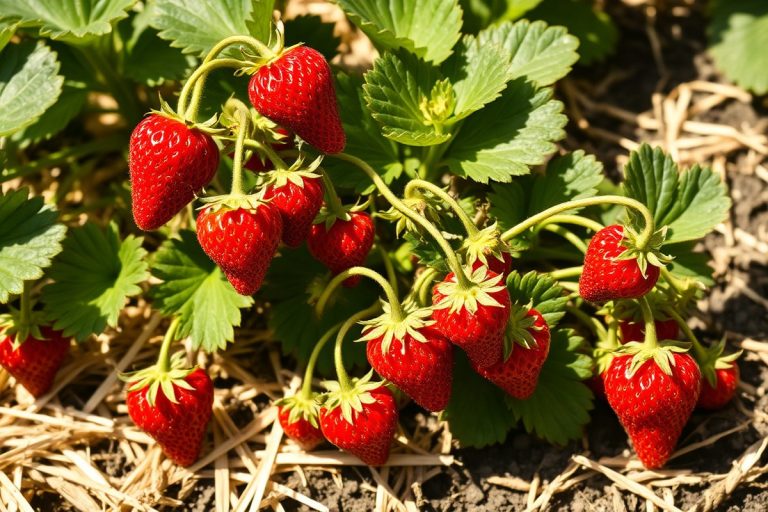
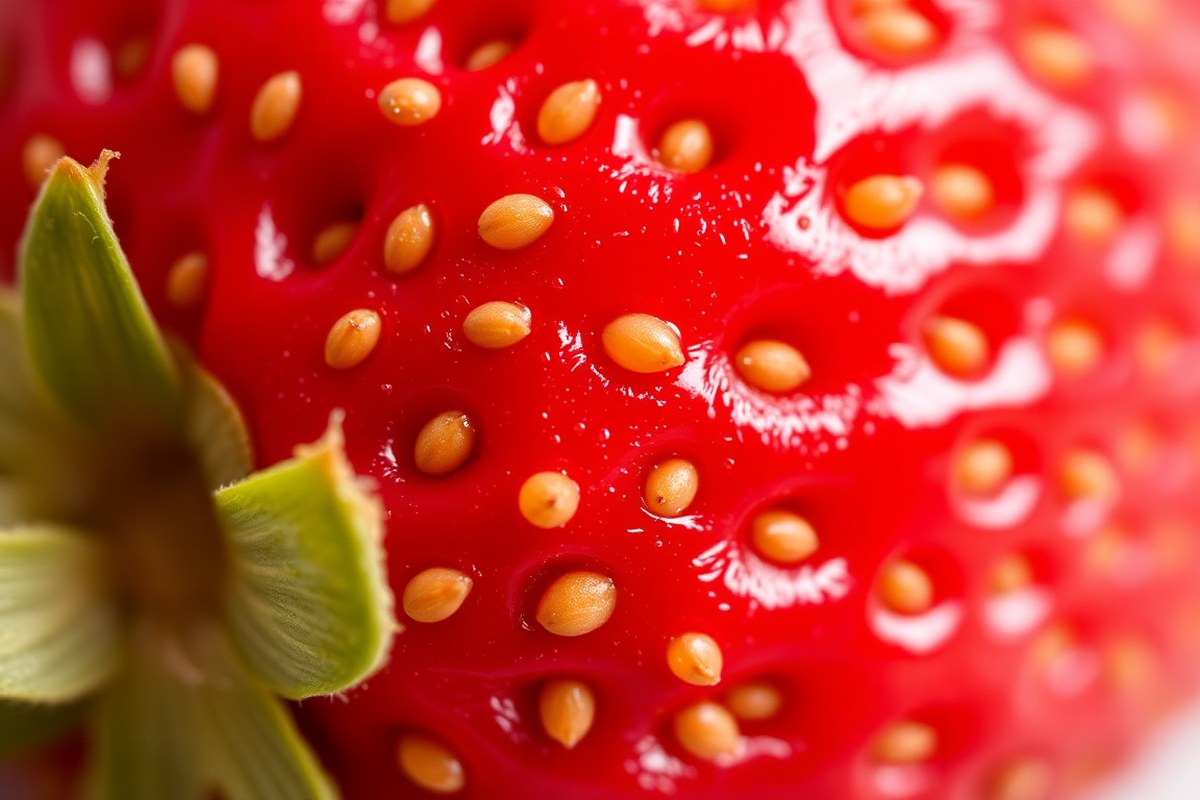
What does strawberry seeds look like? They are tiny, roughly 0.5 to 1 millimeter across. You’ll notice they sit on the strawberry’s outside, each one like a tiny dot.
These seeds are actually called achenes. They’re the hard part you feel when biting into a strawberry.
Each strawberry carries about 200 of these little seeds on its surface. They look like tiny bumps that add a bit of texture. Their color can range from light tan to darker shades depending on the strawberry variety.
Strawberry seeds are tiny, so you need to look close. They usually have an oval or slightly round shape.
Knowing what these seeds look like helps if you want to grow strawberries from scratch. Start by chilling the seeds for at least 30 days to prepare them for planting.
Key Takeaways
- Strawberry seeds, or achenes, are tiny bumps on the fruit’s outside surface.
- Most strawberry seeds measure between 0.5 and 1 millimeter wide.
- A single strawberry usually carries about 200 seeds on its skin.
- The seeds’ color and size vary slightly with strawberry variety.
- Seeds need to be chilled in the fridge for 30 days before planting.
- Use a magnifying glass to get a good close-up view of seeds.
What Do Strawberry Seeds Look Like Up Close?
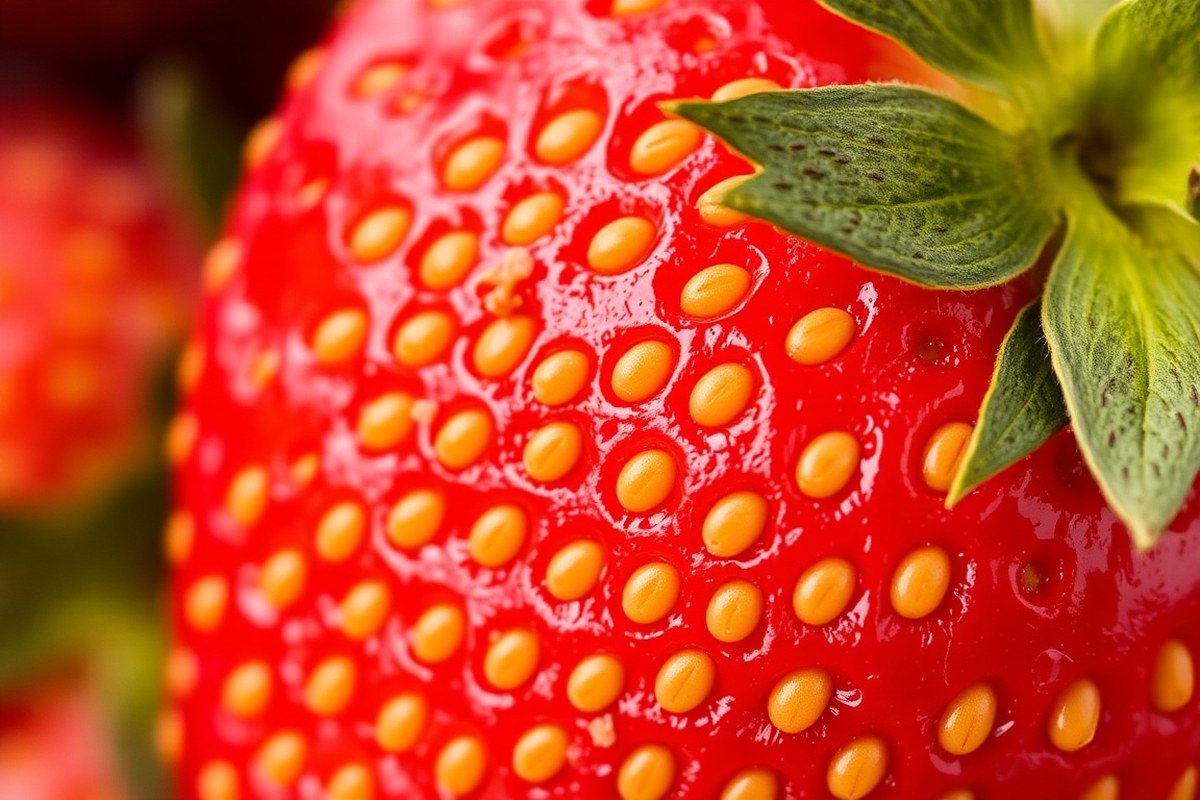
Strawberry seeds are incredibly small, typically ranging from 0.5 to 2 millimeters in diameter. They sit on the strawberry’s outer surface, giving the fruit its familiar bumpy feel. Up close, the seeds look oval or slightly elongated with a smooth to slightly ridged texture.
The color of strawberry seeds depends on the variety. Commonly, seeds range from light brown to dark brown. Some, like the Seascape variety, have yellowish-green seeds.
These seeds blend in more with the red fruit skin. They stand out less than typical strawberry seeds.
Under magnification, you can see that the surface of each seed is slightly pitted or grooved. This texture helps the seeds attach firmly to the strawberry’s skin. The tiny ridges also make the berry feel rough rather than smooth when you touch it.
Understanding Strawberry Seeds Versus Achenes
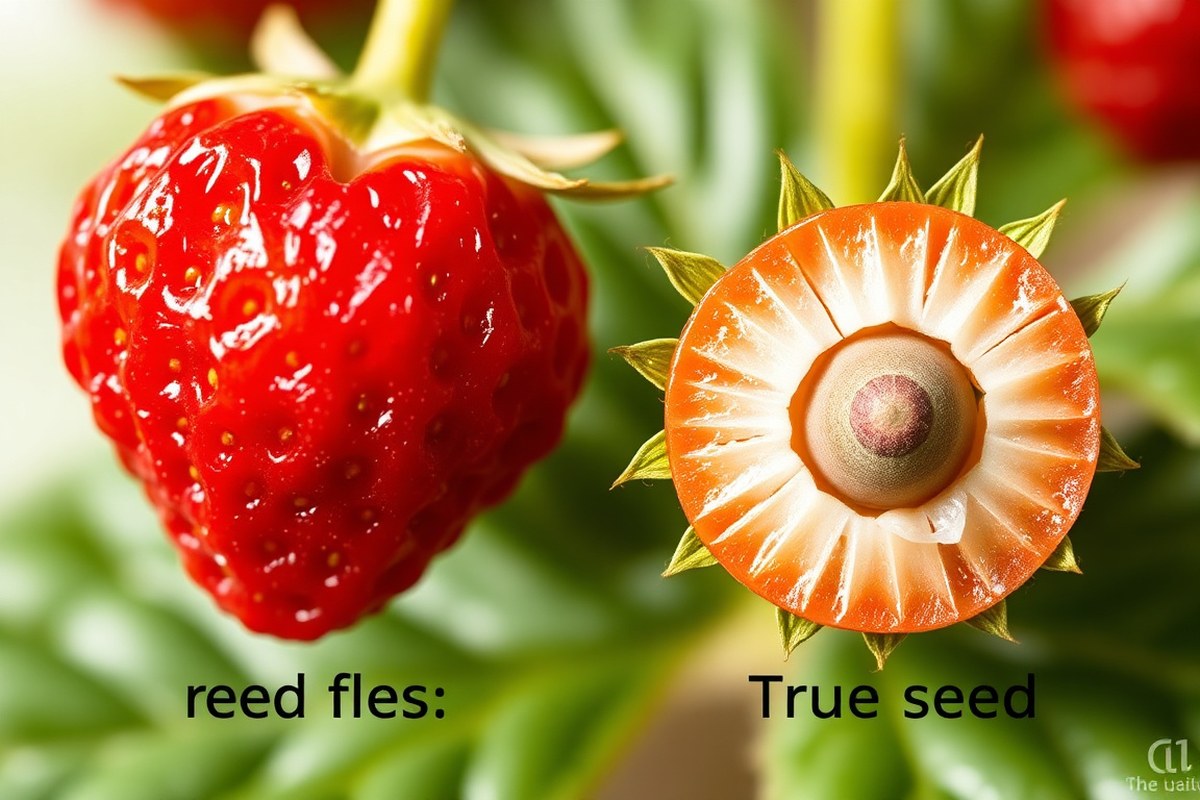
All the tiny dots on the outside of a strawberry are called achenes. These are often called seeds, but they aren’t true seeds by botanical standards. Each achene is a small, dry fruit containing a seed inside a hardened wall.
The difference between a seed and an achene lies in their structure. A true seed grows inside a fruit and includes the embryo and its food supply.
An achene is a whole fruit with one seed inside. It has a tough outer covering separate from the seed.
A closer look at a strawberry achene reveals its bumpy surface, similar to the moon’s craters. This outer casing protects the seed inside and helps with seed dispersal.
The achenes stick to the strawberry’s skin. They sit on the surface, not inside the fruit’s flesh.
Each achene’s role is more than protecting the seed. They also act like tiny buoys.
This helps the strawberry float right side up in water or soil. It raises the chance that seeds will sprout.
Inside the achene is the actual strawberry seed. It’s tiny, usually under 2 millimeters long, with a visible seed embryo.
The hard wall around the fruit doesn’t stick to the seed. Soaking achenes before planting softens this cover and helps germination.
Be careful not to soak strawberry achenes too long. A few hours is enough to soften the seed coat. Too much soaking can drown the seed and reduce germination success.
How Strawberry Seed Appearance Varies by Variety
Strawberry seed appearance varies by variety in size, color, and how much they stick out. Some have larger or darker seeds, making them easier to spot. Others blend more with the fruit’s surface.
Earliglow Seed Traits
Earliglow seeds are small and moderately prominent on the berry’s surface. The seeds often have a pale tan color, contrasting lightly with the red fruit. Their size is typical, about 1 to 2 millimeters, fitting into the strawberry’s smooth outer skin.
This variety’s seeds don’t stand out as much as others. The berries look smooth to the eye. The moderate prominence helps with protection but keeps the berry’s soft texture noticeable.
Chandler Seed Traits
Chandler strawberry seeds are a bit larger and darker than Earliglow’s. They usually have a light to dark brown color.
It stands out well against the bright red. You can see the seeds clearly as small dots about 1.5 to 2 millimeters wide.
These seeds are more visible on the fruit’s surface. They make the berries feel a bit rougher. This prominence can make Chandler strawberries easier to identify by touch and sight.
Alpine Strawberry Seed Traits
Alpine strawberries have the tiniest seeds among common varieties. Their seeds are very small, often under 1 millimeter wide.
The seed color ranges from yellowish to light brown. It blends well with the red or orange skin.
Because the seeds are less raised, the fruit feels very smooth. This makes Alpine strawberries feel softer and more delicate. Their subtle seed presence adds to the delicate look.
Albion and Seascape Seed Traits
Both Albion and Seascape cultivars have noticeably large and dark seeds. Their seeds are around 2 millimeters and range from dark brown to almost black. These seeds stand out sharply against the firm red flesh.
They tend to be more raised than in other varieties, making the berries rougher to touch. The seeds’ rich color and size create a distinct look that gardeners often recognize. Below is a table comparing seed traits of these common strawberry varieties.
| Strawberry Variety | Seed Size (mm) | Seed Color | Seed Prominence |
|---|---|---|---|
| Earliglow | 1 to 2 | Pale tan | Moderate |
| Chandler | 1.5 to 2 | Light to dark brown | High |
| Alpine | < 1 | Yellowish to light brown | Low |
| Albion | ~2 | Dark brown to black | Very high |
| Seascape | ~2 | Dark brown to black | Very high |
These variations affect cherry pickers and gardeners who prefer certain textures. The seed color also hints at how ripe or what cultivar you hold.
Seeds that stand out can make strawberries look bumpy. Less prominent seeds help promote a smooth fruit feel.
Why Are Strawberry Seeds Located on the Fruit’s Surface?
Strawberry seeds grow on the outside of the fruit. This placement helps the plant spread its seeds better. It makes seed dispersal easier and more effective.
Each tiny seed, called an achene, is actually a separate fruit with its own seed inside. The achenes stay on the fruit’s surface.
This lets animals find and carry them away. It helps spread the seeds to new spots.
The achenes protect the seed and help it survive until conditions are right for growth. Animals like birds or small mammals eat strawberries. The seeds pass through and hitch a ride in droppings.
This moves seeds to fresh areas. This natural method spreads the seeds far and wide. Strawberries have seeds on the outside, not inside.
This setup helps attract more animals to the fruit. Animals notice and spread the seeds better.
Seeds on the fruit’s surface can dry out quicker. This helps them germinate faster once in the soil. It speeds up new plant growth.
When planting strawberry seeds, keep them on the soil surface. They need light to start growing well.
Covering them too deep can stop growth. So, the achenes’ position supports both natural spreading and the early seedling growth gardeners aim for.
How to Prepare Strawberry Seeds for Planting
Preparing strawberry seeds before planting helps improve germination. You need to clean, cold stratify, and sometimes scarify the seeds. These steps make seeds ready to sprout healthy plants.
Cleaning Seeds from Fresh Strawberries
Seeds must be cleaned to remove any fruit pulp. The pulp can cause mold and reduce seed viability. Rinse seeds gently under cool water and let them dry completely.
Drying prevents rot and makes storing easier if you’re not planting right away. Use a fine mesh strainer to avoid losing tiny seeds. Handle seeds carefully to avoid damage.
Moist Cold Stratification Process
Cold stratification mimics winter conditions by chilling seeds for 30 days. This breaks dormancy, telling seeds to start growing when warm. Most strawberry seeds won’t sprout well without this step.
To stratify seeds, keep them moist but not soaking wet. Then, store the seeds in the fridge at about 40°F. This helps prepare the seeds for germination later.
Use a sealed plastic bag or container with damp paper towel to maintain moisture. After 30 days, seeds will be ready to plant in spring.
Optional Scarification Techniques
Scarification means gently breaking or softening the seed coat. It helps water reach the seed faster. Strawberry seeds can have hard coats that slow germination, so scarification often helps.
Lightly rub the seeds with fine sandpaper first. You can also nick the seed coat using a nail file. This helps the seed sprout faster.
Do this carefully to avoid damaging the embryo inside. Scarification is optional but can speed up germination.
- Pick ripe strawberries and scrape seeds into a bowl.
- Rinse seeds under cool running water to remove pulp.
- Spread seeds on a paper towel to dry for 1, 2 days.
- Put dry seeds on a damp paper towel. Fold the towel and place it inside a plastic bag. This keeps the seeds moist for stratifying.
- Store the bag in the refrigerator at 40°F for 30 days.
- Optionally, lightly rub seeds with sandpaper before or after stratification.
- Plant seeds in seed-starting mix indoors after chilling.
Don’t skip drying seeds completely before storing. Wet seeds can mold fast in the fridge.
How Long Strawberry Seeds Take to Germinate and What Affects It
Strawberry seeds usually take two to three weeks to start germinating. Warmth is key for quicker germination.
So placing seeds on a bottom heat pad or the top of a refrigerator helps. Cold temperatures slow down sprouting or can stop it entirely.
Keep the soil moist but not soaked to prevent the seeds from rotting. You want it damp like a wrung-out sponge.
Light also plays a small role. Some warmth plus indirect light encourages the seeds to wake up.
You can store dry strawberry seeds for about one year. Keep them in a cool, dry place inside an airtight container. Avoid heat and humidity as these reduce seed viability and lower your chances for good germination.
What Strawberry Seedlings Look Like During Early Growth
Strawberry seedlings start as tiny green shoots with two oval leaves. After sprouting, they quickly grow true leaves that look more like mature plant leaves. You should thin them to avoid crowding once they develop their first true leaves.
Seedling Sprout Characteristics
When strawberry seeds sprout, they produce two small oval-shaped leaves called cotyledons. These leaves are smooth and pale green. The stem at this stage is thin and delicate, usually only a couple of inches tall.
The cotyledons supply energy for growth before true leaves form. You will notice these leaves stand up from the soil and open wide soon after germination.
First True Leaves and Growth Indicators
The first true leaves appear after the cotyledons. These leaves have the jagged edges typical of strawberry plants. True leaves are darker green and more textured.
Seedlings with three or more true leaves have strong stems. They are ready to move into larger pots.
At this stage, the plant is healthy enough for transplanting. Transplanting reduces competition and helps root growth.
Thinning Seedlings for Best Growth
Seedlings grow crowded if left to develop in thick clusters. Thinning helps the remaining plants get enough space, light, and nutrients.
To thin seedlings, gently remove the weaker plants close to the base. Use scissors or pinch the stem without disturbing nearby roots. Aim to leave the healthiest seedlings about 2 to 3 inches apart.
- Thin seedlings after they have their first true leaves
- Leave the strongest, healthiest plants in the bed or pot
- Use clean scissors or fingers to avoid damaging roots
- Space seedlings 2 to 3 inches apart for better air flow
- Remove the smallest or slowest-growing seedlings first
- Handle seedlings carefully to avoid breaking stems
- Thinning improves air circulation and reduces disease risk
After thinning, seedlings grow stronger with more access to nutrients. Crowded plants stay weak and produce smaller fruits. Thinning early saves you work later and helps establish a healthy garden.
Common Mistakes When Growing Strawberries from Seeds and How to Fix Them
Common Mistakes When Growing Strawberries from Seeds and How to Fix Them
Planting seeds straight from a fresh strawberry rarely works well. Fresh seeds usually need cleaning and drying first. The fruit pulp can spoil the seeds or cause mold, killing them before they sprout.
Many gardeners fail to cold-stratify strawberry seeds. This chilling step mimics winter and boosts germination. Without it, seeds may lie dormant or sprout slowly, leading to weak seedlings.
Some also plant seeds too deeply, which prevents tiny seedlings from pushing through the soil. Cover seeds lightly, about 1/8 inch deep, with fine soil or vermiculite. Seeds need light and warmth around 65 to 75°F (18 to 24°C) to germinate well.
- Don’t plant fresh seeds directly; clean and dry them first.
- Stratify seeds by chilling them for 2-4 weeks in a fridge.
- Use a shallow seed tray or pots with well-draining soil.
- Keep soil moist but not soggy to prevent mold or rot.
- Provide at least 12-16 hours of light daily using grow lights or sunny windows.
- Thin seedlings if overcrowded to avoid slow growth and disease.
- Wait 8-10 weeks for seedlings to grow before transplanting outdoors.
Overwatering is another common error. Seeds and young seedlings die fast if soil is too wet.
Allow soil surface to dry slightly before watering again. Good drainage and airflow help keep the roots healthy.
Cleaning strawberry seeds before planting helps stop diseases and gives seedlings a strong start.
Starting strawberries from seed takes patience and care. Avoid rushing steps like drying, chilling, and gentle watering. These simple fixes help your plant start growing tiny leaves.
They improve your chances of healthy plants that grow strong. The plants will become bushes that bear fruit.
Step-by-Step Action Plan to Grow Strawberries from Seeds
Follow these clear steps to identify, prepare, and start growing strawberry seeds. This plan helps you get good seedlings in about a month.
- Day 1: Collect fresh strawberries and scrape off seeds from the surface. The seeds should be small, yellow-brown, and firm.
- Day 2: Rinse seeds gently under water to remove the pulp. Dry them on a paper towel for a day to prevent mold.
- Week 1: Place the seeds in the refrigerator inside a moist paper towel for 2-3 weeks. This cold period mimics winter and helps germination.
- After stratification: Plant seeds ¼ inch deep in moist seed-starting mix. Keep the soil warm, around 65-75°F, and bright but out of direct sun.
- Week 3: Look for tiny green seedlings breaking the soil. Mist gently to keep soil moist but not soaked.
- Week 4: Thin the seedlings by snipping the weaker ones. Each healthy seedling needs enough space to grow strong leaves.
- Month 2: Move seedlings to pots or garden beds once they have several true leaves. Harden them off by gradually exposing them to outdoor sun and wind.
- Ongoing: Water regularly and watch for pests or disease. Good air circulation and sunlight keep seedlings healthy.
Frequently Asked Questions
How Long Does It Take for Strawberries to Grow from Seed to Fruit?
Strawberries can take several months to produce fruit from seed. Usually, you see fruit 4 to 6 months after seedlings grow. Seedlings must be strong enough to transplant outdoors first.
Then wait for the fruit to appear. Patience is key when growing strawberries from seed.
Can I Plant Strawberry Seeds Straight from a Strawberry?
Yes, you can plant seeds straight from a ripe strawberry. But you should clean the seeds well first and let them dry before planting. This helps prevent mold and improves germination chances.
Can You Pick the Seeds Off a Strawberry and Plant Them?
You can pick off the tiny seed-looking parts on the berry’s surface. Those are achenes, each containing one seed inside. Planting these properly after drying can give you new strawberry plants.
What Do Strawberries Look Like When They Germinate?
When strawberry seeds germinate, tiny green shoots appear above the soil. Seedlings start with two small rounded leaves called cotyledons. This stage usually happens within 1 to 4 weeks after sowing.
Are Strawberry Seeds Shiny or Dull?
Strawberry seeds typically look dull and slightly rough, not shiny. Their surface texture resembles tiny craters like a moonscape. This detail helps tell real strawberry seeds from other small seeds.
Do Strawberry Seeds Grow Best Indoors or Outdoors?
Strawberry seeds start best indoors where temperature and moisture are steady. Keep soil around 65 to 75°F (18 to 24°C) for good germination. After seedlings develop, move them outdoors in spring for best growth.
Key Points to Remember
Strawberry seeds are tiny and sit on the fruit’s outside, easy to spot with some care. Learn how to prepare and germinate them to get healthy plants. Next, gather ripe strawberries and start your seed-saving process today.