What Do Spider Mites Look Like? A Complete Guide with Images and Tips
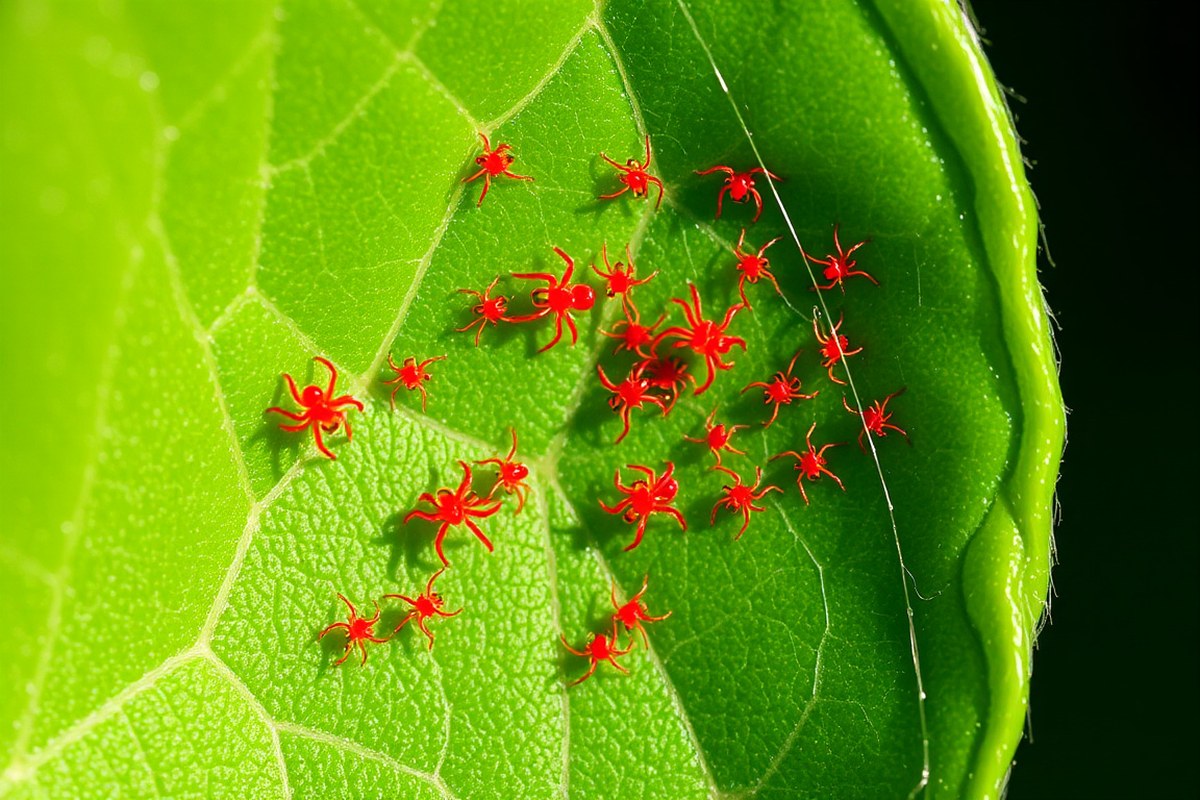
What do spider mites look like? To the naked eye, these pests look like tiny, moving dots on plant leaves. They usually have red, brown, or black bodies.
They are very small, under 1 millimeter. That’s about the size of a little speck of dust.
You’ll often spot spider mites on the undersides of leaves where they hide and feed. Their small size makes them hard to see.
But a 10X hand lens makes them easier to identify. Catching them early helps you stop the damage to your plants.
Look closely for fine webbing, which spider mites spin as they move. Checking leaf undersides regularly can help you spot spider mites before their numbers explode. Acting quickly means fewer plants get hurt.
Key Takeaways
- Spider mites look like tiny red, brown, or black dots under 1 mm.
- Check the undersides of leaves carefully to find spider mites.
- A 10X hand lens will help you see spider mites clearly.
- Spider mite webbing looks like thin, silky threads on leaves.
- Spotting spider mites early stops plant damage from spreading.
- Spider mites move fast and can double their population in a week.
What Do Spider Mites Look Like to the Naked Eye?
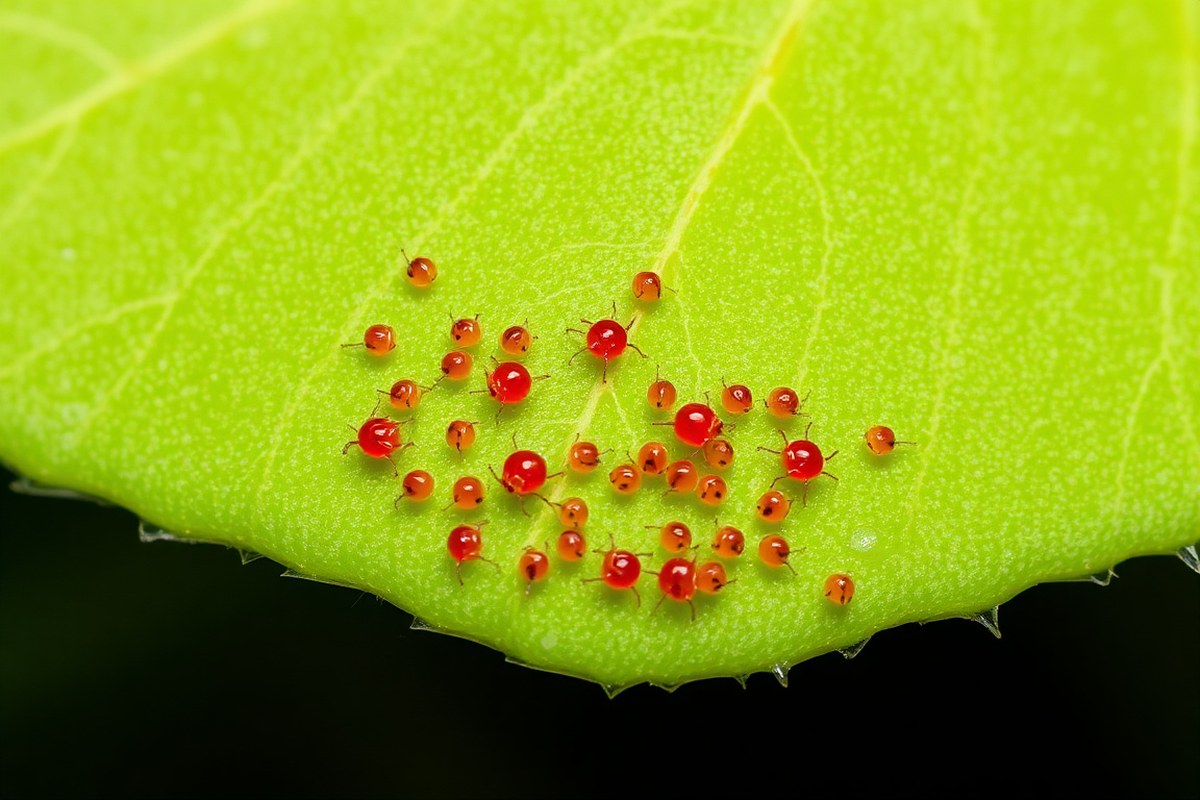
Spider mites measure under half a millimeter and look like tiny dots. You usually notice them on plant leaves’ undersides where they hide. These spots move slowly and indicate mite activity on your plants.
Oval and spider-like, these pests have eight legs that need magnification to see. Their size matches a sentence’s period, making detailed viewing tough. Spotting them needs close inspection, not just a glance.
The color varies by species but often includes red, brown, black, or even yellowish-green hues. For example, the two-spotted spider mite is green or yellow with two dark spots.
Others like the carmine mite show a bright red color. Spotting their movement is usually the key to identifying them without a magnifying tool.
Recognizing Spider Mite Eggs, Larvae, and Adults
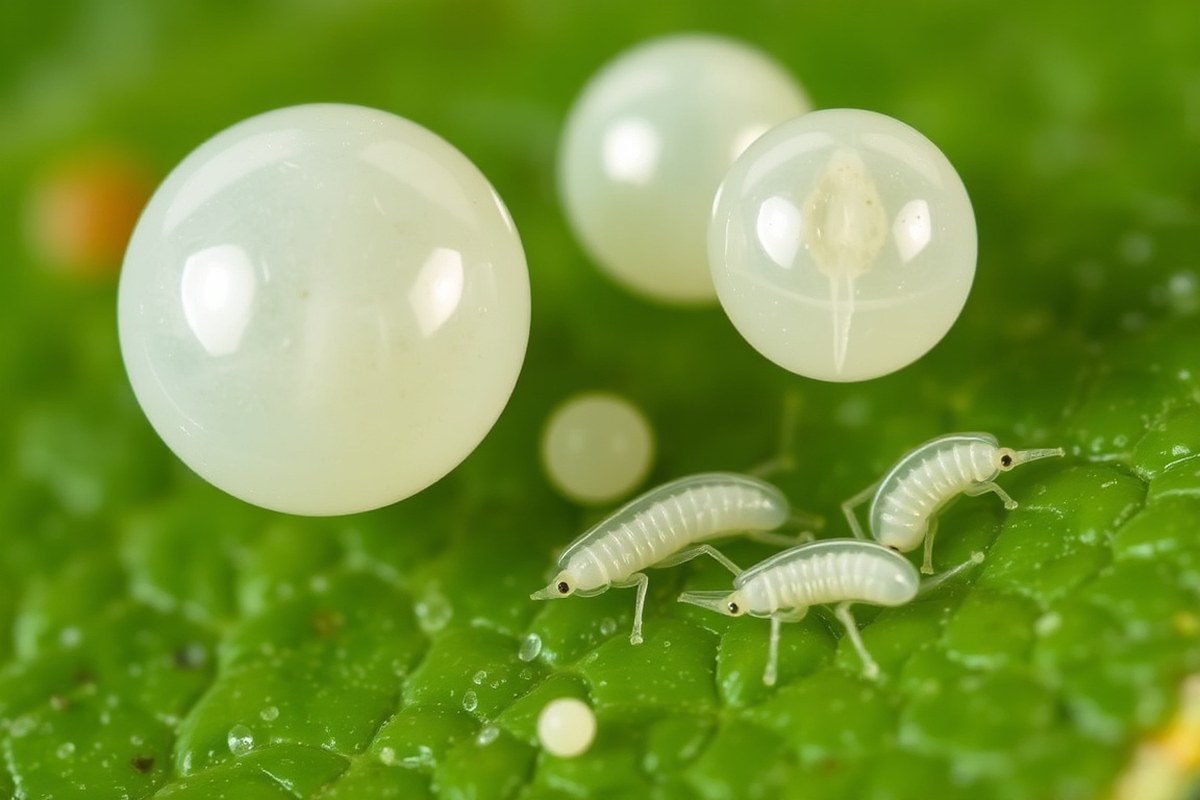
Spider mites go through several life stages, each with unique looks and sizes. Eggs are tiny, round, and often stuck to leaf undersides. Larvae and nymphs are smaller and lighter than adults, which are under 0.4 millimeters long.
Identifying Eggs on Leaves
Spider mite eggs look like tiny round beads on leaf surfaces. You’ll find them mostly on the underside of leaves or hidden inside the webbing.
They measure less than 0.2 millimeters. So a magnifying glass helps spot these clear to pale spheres.
Eggs usually stick in small clusters, especially near veins or sheltered spots. These eggs protect the mites through colder months.
The female can lay up to 200 eggs. So spotting them early helps control spread.
- Check leaves’ undersides regularly with a magnifier.
- Look for tiny, round, shiny beads clumped together.
- Notice if clusters appear near leaf veins or webbing.
- Use a white paper beneath leaves to catch any dropped eggs.
- Compare sizes; eggs are smaller than all mite stages.
- Take photos for closer study or reference later.
Spider mite eggs are easy to miss without a magnifier. Try checking in natural light.
Visual Traits of Larvae and Nymphs
Larvae and early nymph stages are smaller and lighter than adults. They sometimes have only six legs, making them look less like tiny spiders. Their bodies appear slightly translucent and less colorful.
These young mites crawl slowly compared to adults and don’t produce noticeable webbing yet. As they grow, deutonymphs resemble adults but remain smaller and paler. Spotting these helps catch infestations before adults form.
Adult Characteristics and Color Variations
Adults measure less than 0.4 millimeters, barely visible without magnification. They usually have eight legs.
Their colors range from red and yellow to green or brown. Two-spotted spider mites show tiny dark spots on their backs.
Adult females produce fine silk threads about 0.11 micrometers thick, which form webs. Adults lay eggs and die in colder months, but some species overwinter as adults. They move faster and appear darker than young stages.
What Does Spider Mite Webbing Look Like and Where to Find It
Spider mites make very fine silk webbing. It looks lighter and more delicate than spider webs. You can barely see these webs at first.
You often find this webbing on the undersides of leaves or between leaf joints. The presence and amount of webbing help show how bad the infestation is.
Appearance of Spider Mite Silk Threads
The silk threads from spider mites look very thin and delicate compared to spider webs. They do not form neat patterns or traps like spider webs do. Instead, spider mite webbing appears as a loose, thin layer floating over the plant’s surface.
Because the threads are so fine, many gardeners think they are just dust or spider webs. The strands spread out sparsely at first and clump more as mite numbers increase. Shaking the plant gently can reveal moving dots caught inside the webbing.
Common Webbing Locations on Plants
Spider mite webbing is most commonly found where leaves meet or on the leaf undersides. They favor these spots because they offer some protection from wind and predators. Webbing can also appear around growing shoots and stems on affected plants.
- Leaf undersides and veins
- Between leaves near the stem
- New growth tips
- Leaf joints and branch forks
- Along clusters of crowded leaves
Check these areas first when you suspect spider mites. The webbing here often signals the earliest and densest activity. Plants like tomatoes, peppers, and many houseplants commonly show webbing in these places.
Webbing Intensity and Infestation Levels
The amount of webbing directly relates to how severe the infestation is. A light infestation shows just a few thin strands. Heavy infestations have thick mats on leaf surfaces.
These mats cover a lot of the leaf. You can use webbing as an early warning sign to act before damage worsens.
Isolating the plant and closely examining webbing urgency helps in deciding how to manage pests. Small webbing patches suggest you still have time for simple control steps.
Large webs covering whole leaves or areas call for immediate treatment. Act fast to stop damage.
Early Signs of Spider Mite Damage on Plant Leaves
Spider mite feeding often shows up as tiny pale dots called stippling. These spots look like tiny pinpricks scattered across the leaf surface. Mites pierce plant cells and suck out the contents.
This causes pale spots. Those lighter areas are a sign of mite damage.
At first, the stippling stays localized, usually on just a few leaves or one plant branch. You might also notice leaves losing their normal green color, turning yellow or faded in patches. Early on, the leaves may still feel normal in texture but start looking dry or dusty.
As the infestation grows, you’ll see bigger changes like more extensive yellowing or brown spots. The leaves can also start curling or becoming brittle. Damage on entire leaves or many branches shows heavy infestation.
You need quick treatment for this. The mites are spreading fast.
- Look for tiny light dots or stippling on leaves.
- Check for general leaf yellowing or faded color.
- Watch for black or brown spotting on leaves.
- Notice any curling or drying of leaf edges.
- Gently shake leaves over white paper to spot tiny moving mites.
- Inspect several plants regularly for early signs.
Use a white sheet of paper under the leaves, then shake gently. Tiny mites will fall, making it easier to see them. Your leaves may have spots, color loss, and curling.
Check closely for mites right away. Take action soon to protect your plants. Prompt detection limits damage before webbing or heavy infestation sets in.
Where on Plants Are Spider Mites Usually Found?
Spider mites usually hide on the undersides of leaves. These spots protect them from sunlight and predators. The leaf undersides also have softer tissue that makes feeding easier.
They prefer young leaves and softer foliage because those areas have more accessible nutrients. Spider mites can also infest stems and flowers, though less often. Some mite species survive in soil if plant debris provides cover.
Checking the undersides of leaves is key to spotting spider mites early. Dusty, hot conditions make plants more vulnerable. Removing heavily infested leaves or stems limits mites from spreading further.
Follow these steps to inspect your plants thoroughly:
- Isolate the plant to avoid spreading mites to others.
- Use a bright flashlight or magnifying glass to see clearly.
- Turn leaves over and examine the undersides closely.
- Look for tiny moving dots and fine webbing between leaves.
- Check flowers and stems carefully for signs of infestation.
- Inspect soil surface for mites or debris harboring them.
- Remove any leaves or stems that are heavily infested.
- Wash the plant with water focusing on leaf undersides.
Spider mites are tiny and fast. So use steady light and slow movements to avoid missing them.
How to Distinguish Spider Mites from Similar Garden Pests
Spider mites are tiny, less than 1 mm, and look like moving dust particles. They have eight legs because they are arachnids, not insects like aphids or whiteflies. Aphids, thrips, and whiteflies have six legs.
They have a bigger, more defined body than mites. Mites are smaller and less shaped.
Spider mite webbing is a big clue you have them and not similar pests. Only spider mites produce visible fine silk webbing on plants.
The webbing usually covers leaf undersides where spider mites feed in colonies. Aphids, thrips, and whiteflies do not produce webbing but may leave sticky honeydew behind.
Damage patterns also help tell mites from lookalikes. Spider mites cause a speckled or stippled pattern on leaves. This happens as they pierce leaf cells to drink sap.
Aphids cause leaves to curl or turn yellow. Thrips make silvery streaks on leaves. Whiteflies cause yellow spots but no webbing.
| Pest | Size & Body Shape | Number of Legs | Webbing Presence | Damage Pattern | Sticky Residue |
|---|---|---|---|---|---|
| Spider Mites | <1 mm, round, dust-like | 8 (arachnids) | Fine silk webbing on leaf undersides | Speckled, stippled leaves | None |
| Aphids | 1-4 mm, pear-shaped | 6 (insects) | No webbing | Leaf curling, yellowing | Sticky honeydew |
| Thrips | 1-2 mm, slender | 6 (insects) | No webbing | Silvery streaks on leaves | Sometimes sticky honeydew |
| Whiteflies | 1-3 mm, white wings | 6 (insects) | No webbing | Yellow spotting | Sticky honeydew |
Look closely with a 10x magnifier to check legs and body shape. Webbing signals spider mites, so don’t confuse it with dust.
Sticky honeydew means aphids or whiteflies, not spider mites. Good observation helps you pick the right treatment fast.
Spider Mite Appearance on Different Common Plants
Spider mites look mostly the same across different plants. But how you see them and their signs changes. Webbing and damage show up more clearly on some plants than others.
You adjust how closely you check based on the plant type. Leaf shape or size helps decide how detailed your check is. Some plants need closer inspection than others.
Spider Mites on Vegetables and Herbs
On vegetables and herbs, spider mites are tiny and pale, often white or yellowish. You usually find spider mites on leaf undersides. There they make tiny, light spots on the leaves.
These spots look like damage from drought or sun. Webbing is less obvious here. So you need a hand lens to catch them early.
Check plants like peppers or basil by turning leaves over slowly and using a magnifying glass. Spray them gently with water to knock mites off without spreading them.
Vegetables can show the damage as dry or stippled spots. So inspect regularly during warm, dry weather.
Appearance on Flowers and Ornamentals
Spider mites on flowers and ornamentals look similar in size and color. You notice their webbing more on these plants. The webbing is easy to spot.
Flowers like marigolds or petunias develop noticeable fine webs on stems and leaf joints. Petal damage can happen too, showing as fading or browning edges where mites feed.
Ornamental leaves with smooth surfaces show mites and their webs better than fuzzy or textured leaves. Watch for quick wilting or leaf curl, which often signals heavy mite numbers. Inspect closely with a flashlight pointed at angles to catch the tiny, moving dots.
Spider Mites on Indoor and Houseplants
Indoor plants face spider mites year-round. Spider mites favor the warm, dry air inside heated homes. Plants with large, smooth leaves like Fiddle Leaf Figs show webbing clearly.
You see it on their undersides and stems. The webbing stands out well.
Houseplants like Calathea or Ivy show damage fast as pale spots or leaf yellowing. You might miss the mites without a magnifier.
So check plants weekly using bright light and lift leaves gently. Spray plants with water to reduce mite numbers but avoid damaging the leaves.
Tools and Techniques for Getting a Closer Look at Spider Mites
Seeing spider mites clearly helps you confirm their presence and act fast. A 10x hand lens often works well for spotting mites on leaves. Clip-on macro lenses for smartphones can give about 25x magnification.
They help show detailed images of tiny pests like spider mites. Use these for better close-ups of small insects.
These lenses cost around $10 to $20 online and fit most phone models. Using a clip-on macro lens is a good method because it combines ease and powerful zoom. You can carry it in your pocket and check plants anytime you want.
Preparing plant samples makes spotting spider mites easier. Remove a leaf with tiny specks or webbing on it. Hold the leaf steady under your lens to inspect it.
This lets you see the pests more clearly. Look at both the top and underside because spider mites usually hide under leaves.
- Choose a suspicious leaf or stem from your plant, especially ones with yellowing or webbing.
- Position the leaf in a shaded area or use a small flashlight for better contrast.
- Attach your 25x clip-on macro lens to your smartphone camera if you have one.
- Hold the leaf steady with one hand. Bring your phone or hand lens close with your other hand. This keeps your view steady for better focus.
- Move your phone or lens closer or farther from the leaf. Adjust until the spider mites become visible and clear. Focus changes help you see very small pests well.
- Look for tiny reddish or greenish specks that look like pepper grains moving slowly.
- Take photos if needed to check later or compare online resources for identification.
- Repeat the inspection on multiple leaves to confirm spider mite presence across the plant.
Be gentle with the leaf to avoid shaking it. Hard touches might knock spider mites off the leaf. This makes them harder to spot under the lens.
Step-by-Step Action Plan to Spot and Manage Spider Mites
Follow these steps to catch spider mites early and protect your plants. Acting fast can save leaves and keep your garden healthy.
- Daily check: Look on the underside of leaves for tiny moving dots and webbing. Spotting early means easier treatment.
- Week 1: Use a magnifying glass to confirm spider mites by their shape and color. The more you look, the quicker you’ll spot them.
- Week 2: Inspect neighboring plants since spider mites spread quickly. Catching spread helps you avoid bigger problems.
- After 2 weeks of no sightings: Keep checking weekly to catch any late arrivals early. Prevention beats harder fixes.
- Immediate action on discovery: Spray plants with a strong water jet. This helps wash off spider mites. Act quickly to avoid spread. Repeat every few days until symptoms stop.
- Following water sprays: Apply insecticidal soap or neem oil as a targeted treatment. This controls mites without harming the plant.
- Ongoing care: Ensure plants are well-watered and stress-free. Strong plants resist spider mites better.
- Monthly review: Regularly inspect all plants with a magnifier to catch any new signs early.
Frequently Asked Questions
Can Spider Mites Change Color as They Grow?
Yes, spider mites can change color from light yellow to red or brown as they mature. This color shift helps you identify different life stages on your plants.
Do Spider Mites Prefer Certain Plant Species over Others?
Spider mites favor hot, dry plants like tomatoes and peppers. Look closely under leaves of these plants first.
Are Spider Mites Active During Specific Times of the Day?
Spider mites are usually more active during warm, dry daylight hours. Check plants then for better spotting.
Can Spider Mites Jump or Fly Between Plants?
No, spider mites cannot jump or fly. They spread mainly by crawling and wind carrying their webs.
How Quickly Can Spider Mite Populations Grow?
Spider mite populations can multiply fast, doubling in about a week under good conditions. Early detection is key.
Do Spider Mites Cause Damage Only on Leaves?
Most damage appears on leaves through stippling and curling. However, severe infestations can weaken entire plants.
Final Thoughts
Spider mites are tiny but leave clear clues like webbing and speckled leaves. Checking leaves closely can help you spot them before damage spreads. Start inspecting today.
Look under leaves closely. This spot gives you the best chance to find them early.