What Is Mushroom Manure? A Complete Guide for Safer, Richer Gardening
What is mushroom manure? It’s the leftover material after mushrooms are harvested.
This mix mainly contains straw, manure, and other organic matter once used to grow mushrooms. Though it’s called manure, this material is composted and much gentler on plants than raw manure.
Gardeners use mushroom manure to improve soil structure and add nutrients. It helps soil hold moisture better and encourages beneficial microbes.
You can spread a thin layer on top of your beds. Mixing it into the soil gives the best results.
Mushroom manure usually has a neutral to slightly acidic pH, making it safe for many plants. Start slowly to see how your plants respond, as too much can make soil soggy. Avoid overusing it and watch your soil’s texture closely for changes.
Key Takeaways
- Mix mushroom manure into the top 6 to 12 inches of soil for best results.
- Use about 25% mushroom manure with 75% regular soil in containers.
- Apply 1 to 2 inches as a top dressing on garden beds.
- Don’t exceed 50% mushroom manure in your soil mix to avoid sogginess.
- Check the pH, typically between 5.8 and 7.7, to match plant needs.
- Aged mushroom manure is safer but still avoid using raw on fresh vegetables.
What Exactly Is Mushroom Manure and Its Composition
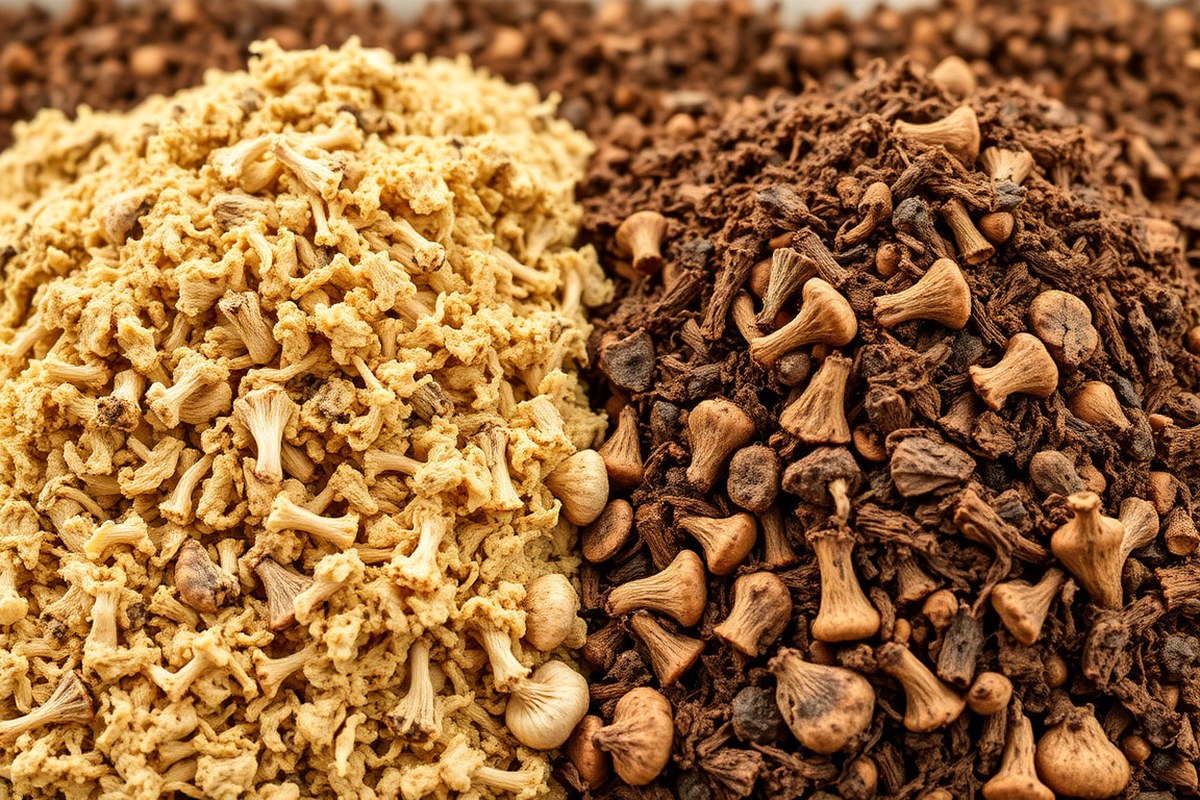
Mushroom manure, also called spent mushroom substrate, is the material left after mushrooms are harvested. It’s mainly a mix of organic ingredients used to grow mushrooms. This usually has aged chicken or horse manure and wheat straw.
It also includes gypsum and sometimes peat moss. These materials get heat-treated and sterilized before use.
This manure differs from fresh manure because it’s already been used in mushroom production. The process breaks down many nutrients but leaves a nutrient-rich, stable compost.
This spent substrate usually has a pH near 7.1. Still, it can range from 5.8 to 7.7 depending on freshness and weathering.
Fresh mushroom substrate is what growers use to start mushrooms. It’s moist, full of nutrients, and can contain improve salts and ammonia.
After mushrooms grow, the leftover substrate has less nitrogen. It still contains organic matter and a good mix of nutrients.
The key difference between fresh and spent substrate is nutrient availability and salt content. Fresh substrate has more nitrogen and salts, which can harm sensitive plants or seedlings.
Spent mushroom manure is gentler for garden beds and containers. It is richer than many common composts but not too strong.
Mushroom manure offers a different blend of nutrients than regular cow manure. It contains about 1.4, 2% total nitrogen on a dry weight basis, mostly organic nitrogen. It also has a higher organic matter content, around 50%, compared to liquid dairy manure’s 10%.
This material is produced through commercial mushroom farming, which takes weeks to months. Farms often sell spent substrate to gardeners, which saves time and effort. You get a ready-made soil amendment that supports plant growth without needing extra composting.
How Mushroom Manure Benefits Soil and Plant Growth
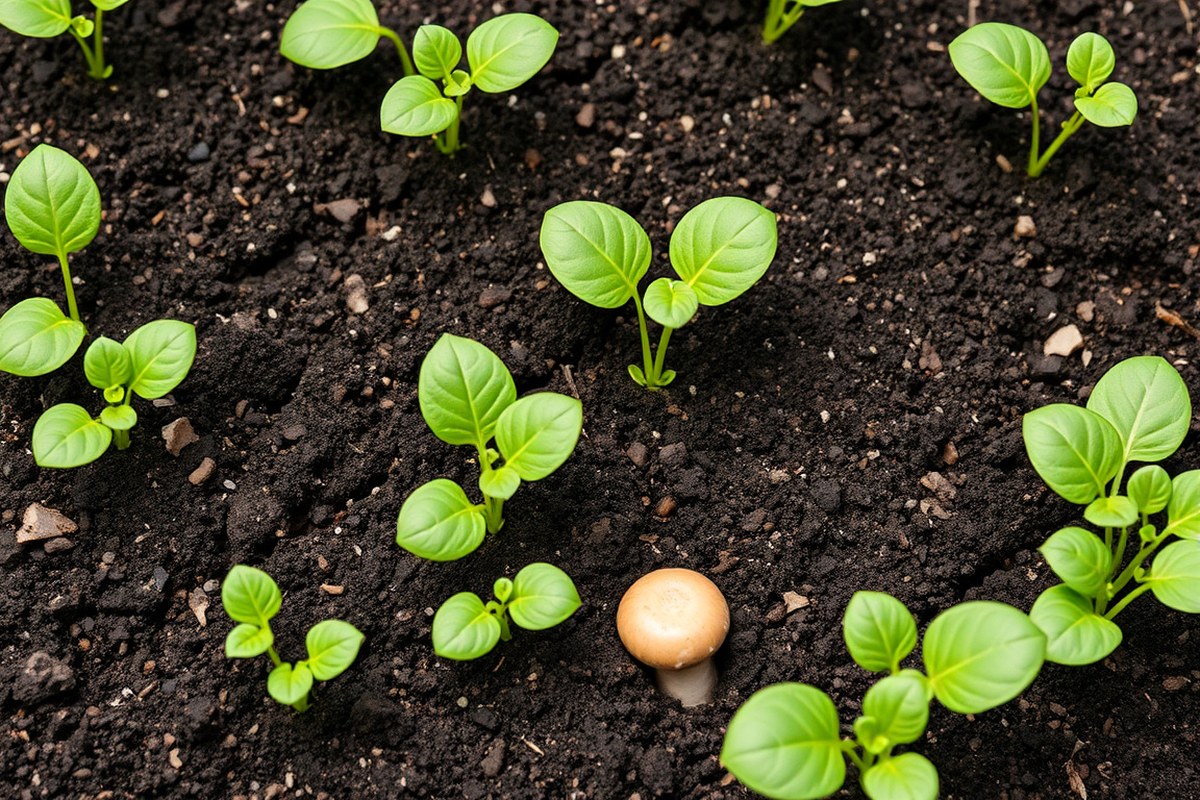
Mushroom manure improves soil by adding organic matter that softens tough clay and sandy soils. It helps aerate dense soil, letting roots grow better.
This improves drainage in heavy soil and increases water retention in sandy beds. So your garden stays moist longer.
It supplies a modest but steady mix of nutrients. These nutrients support plant growth without risking nutrient burn like some richer manures can. Mushroom manure has fewer weed seeds and pathogens compared to other manures.
It is safer to use directly in garden beds. You won’t spread unwanted plants or diseases this way.
Besides soil and nutrient benefits, mushroom manure also helps with pest control. It creates a healthier soil environment that supports beneficial microbes and earthworms. These improve soil biology, which can reduce harmful pests naturally by outcompeting or eating them.
Always use well-aged mushroom manure. Fresh material can harm plants and attract pests.
For watering, blend mushroom manure into your soil at about 25%. This ratio improves moisture retention without heavy buildup.
In sandy soils, aim for up to three inches layered on top to hold water longer. This means you’ll water less often, saving time and water.
The organic matter also improves soil structure, making soil less compact and easier to work. This alteration keeps the soil stable and improves the flow of air and water. As a result, plants develop healthier roots and stronger growth over time with regular use.
Typical Nutrient Content and pH Levels in Mushroom Manure
Mushroom manure contains a moderate nutrient level, with nitrogen, phosphorus, and potassium (N-P-K) totalling about 1.1-0.7-1.2 on a dry weight basis. Its nitrogen content is lower than typical fresh manure because mushrooms consume some nutrients while growing.
Still, it is rich in organic matter that improves soil structure, water retention, and microbial activity. The pH of mushroom manure usually ranges from 6.6 to 8, making it neutral to slightly alkaline.
Compared to cow manure, mushroom manure has more balanced nutrients but less nitrogen overall. Cow manure is mainly raw dung and can have nitrogen levels around 0.5%, with a near neutral pH. Mushroom manure has higher soluble salts than cow or horse manure.
This is due to how it’s composted and used in cropping. The process results in the salt buildup. This salt presence may impact sensitive plants if used in excess.
| Feature | Mushroom Compost | Cow Manure (Composted) | Horse Manure (Aged) | Chicken Manure (Composted) |
|---|---|---|---|---|
| Typical N-P-K (dry weight) | 1.1-0.7-1.2 | 0.5-0.15-0.5 | 0.7-0.3-0.6 | 1.5-1.5-0.8 or higher |
| Soil pH effect | Neutral to alkaline (6.6 to 8) | Near neutral | Near neutral | Slightly alkaline |
| Soluble salts | Moderate to high | Moderate | Low to moderate | High |
| Weed seeds | Very few (pasteurized) | Few if hot-composted | Often many | Few |
| Smell | Earthy | Typical manure odor | Strong manure odor | Strong manure odor |
The organic matter in mushroom manure adds bulk and helps balance soil pH, aiding nutrient absorption. Its microbes continue breaking down leftover material, feeding plant roots over time. You can mix mushroom manure with other composts or manures.
This creates a more balanced nutrient boost for your garden. Mixing helps provide all needed nutrients.
Be careful with mushroom manure’s high salt levels in soil. It can stress plants that do not like salty soil. Watch your sensitive plants closely.
Applying it sparingly or blending with lower-salt compost helps avoid damage. Mushroom manure’s nutrient profile mainly improves soil quality.
It doesn’t give a strong fertilizer dose like chicken manure. Use it to build soil, not feed plants fast.
How to Apply Mushroom Manure for Best Garden Results
Apply mushroom manure in early spring before planting for best soil improvement. In new beds, mix it into the soil.
For containers, blend with potting soil. Established beds benefit from top-dressing each spring using a thinner layer.
Applying in New Garden Beds
Clear the bed of weeds and break up the soil surface. Spread mushroom manure about 2 inches thick across the area. Blend it into the top 4 to 6 inches to spread nutrients evenly.
Use a 3:1 ratio of soil to mushroom manure for good balance. This ratio supports plant growth without overloading nutrients. Early spring is ideal for this process before planting begins.
- Clear the garden bed of weeds and debris.
- Spread a 2-inch layer of mushroom manure over the bed.
- Blend the manure into the upper 4 to 6 inches of soil. Be sure to mix it well to maximize nutrient availability. This thorough mixing helps plants get the most from the manure.
- Rake the surface smooth to create an even planting area.
- Water the bed lightly to settle the soil and manure mixture.
- Wait a few days before planting to allow nutrients to stabilize.
Using in Container or Potting Mixes
Mix mushroom manure with garden soil or potting mix for containers. Use one part mushroom manure to three parts soil or potting mix. This ratio prevents nutrient burn and excess moisture retention.
Fill your containers with this blend to improve soil texture. It helps plants get nutrients and and water better than plain soil alone. Avoid piling manure thickly in pots to stop root damage.
Top-Dressing Established Gardens
For beds already growing plants, apply 1 to 2 inches of mushroom manure each spring. Keep the layer away from plant stems to avoid rot. Lightly rake it into the soil surface or leave it as mulch.
Use thicker layers of 3 to 5 inches for flower beds or shrubs. Avoid placing this mulch right next to young stems.
Top-dressing nourishes plants gradually during the growing season. It also helps retain soil moisture and reduce weeds.
Safety Precautions and How to Avoid Common Mistakes
Mushroom manure usually benefits most plants but has safety risks if fresh or overused. Fresh mushroom manure can harm roots due to high salts and microbes. Age the manure before use.
Watch for salt burn signs. Apply it properly for safe soil health.
Identifying Unsafe Mushroom Manure
Fresh mushroom manure often looks moist and may smell strong or sour. This “hot” manure can damage sensitive plants or seedlings. Manure with warmth or strong ammonia smell needs more curing.
High salt levels also make mushroom manure unsafe for some plants. Signs include leaf burn or poor seedling growth.
Avoid using manure on acid-loving plants like blueberries. It can block nutrient uptake due to alkaline pH.
Check if manure is spent mushroom substrate. This means mushrooms are harvested.
The material is mostly decomposed. Raw manure, unlike this, carries risks of pathogens and too-high nitrogen, which can burn your plants.
Proper Aging and Curing Techniques
Let mushroom manure cure for 6 to 12 months first. This reduces heat and harsh salts. Spread it in a thin layer where air can reach it.
Turn it regularly to speed decomposition. The manure should become dry and crumbly with an earthy smell when ready.
Aged manure will have a more neutral pH around 7.1, safer for most plants. Apply it monthly or every few months to enrich soil. Avoid fresh manure that looks or smells like dung, as it may harm plants.
Here’s a checklist before use:
- Manure is dry, crumbly, and not warm or damp
- No strong ammonia or sour smell
- PH near neutral, ideally 6.5 to 7.5
- No visible fresh mushroom growth or mold
- Stored in a well-ventilated place
- Not applied directly to seedlings or acid-loving plants
- Used sparingly to avoid salt buildup
Following these steps lowers risks and boosts benefits from mushroom manure.
Handling and Storage Guidelines
Store mushroom manure in a dry, ventilated spot to avoid mold growth. Keep it covered to prevent rain from washing out nutrients. Moist, compact piles heat up and spoil faster, risking root burn.
Avoid overapplying mushroom manure; excess salt buildup can cause root rot or stunt plants. Incorporate smaller amounts into soil or mix with other composts to balance nutrients and salts. Repeat applications every few months rather than one heavy dose.
Test soil pH after applying mushroom manure. Watch plants for salt damage signs early.
Comparing Mushroom Manure to Cow Manure and Other Compost
Mushroom manure differs from cow manure mainly in its composition and texture. It’s made from a mix of straw, manure, gypsum, and other materials used in mushroom farming. Mushroom manure is lighter and drier than cow manure.
This makes it easier to handle. You can spread it easily in your garden.
Both types can work well in vegetable gardens or flower beds. But your choice depends on the soil needs and plant types. Cow manure is richer in nutrients and great for new planting holes or flower borders.
Mushroom manure adds organic matter without too much nitrogen. It creates a lighter mix. This mix won’t get soggy.
| Feature | Mushroom Manure | Cow Manure |
|---|---|---|
| Main Ingredients | Straw, manure, gypsum, hardwood dust, coir | Mostly cow feces and bedding material |
| Texture | Lighter and drier | Heavier and wetter |
| Nutrient Content | Moderate nitrogen, already composted | Higher nitrogen, fresh or composted |
| Weed/Pathogen Risk | Lower due to pasteurization | Potentially higher if not composted well |
| Cost and Availability | Common in gardening centers, moderate cost | Varies by region, sometimes cheaper |
| Best Use | Top dressing, mixing up to 50% of soil | Amending soil for nutrient boost |
Mushroom manure comes from a pasteurization process that lowers its risk of carrying weeds or pathogens. Cow manure needs thorough composting to avoid these problems. You can find mushroom manure at garden centers in bags.
Use it by spreading about three inches deep. It works well over garden beds. Cow manure may need more sourcing and sometimes sits wetter and heavier in the soil.
Price depends on where you live and the supply sources. Mushroom manure costs a bit more than cow manure. However, it is easier to handle.
It also stores better. Avoid using more than half mushroom manure in your mix to prevent soggy soil texture.
Cow manure’s stronger nutrients suit annual vegetables. Mushroom manure’s stable quality is gentler for perennials and flowers.
Plants That Thrive or Struggle with Mushroom Manure
Mushroom manure suits plants that enjoy nutrient-rich but well-structured soil. It feeds vegetables and some ornamentals very well. However, it can stress plants sensitive to high salts.
It may also affect plants that prefer low pH. Knowing which plants handle it helps you apply it right and avoid damage.
Ornamental Plants Benefiting from Mushroom Manure
Ornamental plants that prefer a balanced nutrient supply grow well with mushroom manure. It improves soil structure and adds organic matter without overloading nutrients. Good choices include:
- Roses, which like the slow nutrient release and improved soil texture
- Hydrangeas, benefiting from better moisture retention and nutrients
- Perennials like daylilies that tolerate moderate nutrients
- Ornamental grasses, which thrive in improved soil aeration
- Azaleas and rhododendrons only if you avoid high salt levels by mixing compost with other soil
Apply mushroom manure before planting or as a top dressing in spring. Use moderate amounts to avoid high salt buildup around roots, especially for newly planted ornamentals.
Vegetables and Herbs That Respond Well
Vegetables and herbs that are heavy feeders gain the most from mushroom manure’s rich nutrients. It supports vigorous growth and good yields when used properly.
Tomatoes, peppers, and leafy greens love rich soil. They also benefit from better soil structure. Good moisture retention helps these plants thrive.
Other strong candidates include potatoes and squashes. Add mushroom manure to soil before planting or mix it into raised beds. Avoid direct contact with seeds or young seedlings to prevent salt stress.
Plants Sensitive to Mushroom Manure
Some plants struggle with mushroom manure due to its salt content and slightly alkaline pH. Root crops often suffer from slowed growth or root damage.
Sensitive species include blueberries, which prefer acidic soil and low salt. Succulents and cacti do not like salty soil.
Too much salt can lead to root rot. They need well-drained, less rich soil for health.
Japanese maples can be harmed by fresh mushroom manure’s alkalinity. Avoid mulching them with it. Use mushroom manure carefully with sensitive plants.
Mix it with acidic soil or compost first. Use only a little before planting.
Buying, Storing, and Composting Mushroom Manure at Home
Mushroom manure is usually sold as spent mushroom compost, a by-product from mushroom farms. You can find it at garden centers, nurseries, or local farms. Prices change by location and quality.
Expect to pay $30 to $50. This is per cubic yard.
This compost is already used for growing mushrooms, making it safer and richer than raw materials. You want to make sure it’s well-aged and cooled before using. Fresh mushroom manure can burn plants because it still contains decomposing material and high salts.
For storage, keep mushroom manure in a dry, shaded spot. Use breathable bags or containers to reduce moisture buildup. When it gets too wet or soggy, it can rot.
It may also smell bad. This makes it less useful.
- Buy only spent mushroom compost, not fresh or raw material
- Store in a dry, shaded place with good airflow
- Check for weeds or pests before bringing compost inside
- Compost or age it for 6 to 12 months for best results
- Mix with garden soil or other compost to lower salt levels
- Apply after compost is fully cooled to avoid harming plants
You can compost mushroom manure at home. Add it to a pile with kitchen scraps and yard waste. Then add some water.
Turn the pile every few weeks to speed decomposition. It usually takes six to twelve months to fully age, depending on temperature and pile size.
Composting breaks down leftover salts and organic matter. This makes mushroom manure safer. It’s better for sensitive plants.
Don’t rush if there’s a strong ammonia smell. Also wait if the compost is very hot.
Let it cool down. Both mean it still needs time to cool and mature.
Always keep mushroom manure dry during storage to prevent harmful mold and odors.
Step-by-Step Action Plan for Using Mushroom Manure in Your Garden
Follow these steps to add mushroom manure to your garden safely and effectively.
- Before planting: Mix mushroom manure into your garden soil at about 10-20% by volume. You’ll know it worked when the soil feels loose and dark.
- Week 1: Water the area thoroughly to start breaking down the nutrients. Healthy plants soon will show stronger growth.
- After 2 weeks: Check soil moisture regularly. Mushroom manure holds water well, so adjust watering to avoid soggy soil.
- Month 1: Add mulch on top to keep nutrients from washing away. Your soil should stay moist and crumbly.
- Before planting new crops: Let your soil rest if it’s too rich. Nutrient burn signs on plants mean your soil needs a break. Resting soil helps avoid ruining your new crops. Wait 2-3 weeks for balance.
- Throughout growing season: Watch for needy plants. Add a small side dressing of mushroom manure every 6-8 weeks for steady feeding.
- After harvest: Refresh soil by mixing in fresh mushroom manure before winter or your next crop. Dark soil texture means it’s ready.
Frequently Asked Questions
What Makes Mushroom Manure Different from Regular Compost?
Mushroom manure is the leftover mix from mushroom farms. It often has more organic matter than normal compost. It has straw, gypsum, and manure in it.
This adds nutrients and good soil texture. It also has more soluble salts than compost.
Can Mushroom Manure Be Used Every Season in the Garden?
Yes, you can apply mushroom manure each growing season but keep it to a thin layer. Use about 1 to 2 inches as top-dressing in spring.
This keeps soil fertile but prevents salt buildup. Salt could harm young seedlings.
Is Mushroom Manure Safe for Vegetable Gardens?
Mushroom manure is safe if pasteurized. But causing salt stress is a risk with thick layers.
Use a thin layer to protect vegetable roots. Avoid fresh manure that may have bacteria or salts.
How Does Mushroom Manure Affect Soil pH over Time?
Mushroom manure tends to raise soil pH slightly, making soils more alkaline. This helps sour or acidic soils but may not be suited to acid-loving plants like blueberries.
What Common Mistakes Should I Avoid with Mushroom Manure?
Don’t apply mushroom manure too thickly; it can harm young plants with salt. Do not use mushroom manure straight in seed trays. Don’t mix it with untreated manure because of pathogens.
Can Mushroom Manure Improve Water Retention in Sandy Soils?
Yes, mushroom manure’s organic matter helps sandy soils hold moisture better. Adding 3 to 5 inches helps dry beds hold water longer. It also boosts nutrients for plants in these beds.
Wrapping Up
Mushroom manure is a rich, easy-to-use soil booster for many garden plants. Start adding it slowly to your soil to see better growth. Get some mushroom manure this week and try it out in a small patch first.