How Does Hydroponics Work? A Complete Guide with System Comparisons
How does hydroponics work? It grows plants without soil by using nutrient-rich water instead.
Plants get their nutrients directly from this water, helping roots absorb what they need quickly. This setup saves time and boosts growth by skipping soil-related limits.
Usually, hydroponic plants live in a growing medium like coconut coir or clay pebbles. Their roots sit in water filled with minerals, which the plants drink up. You can reuse this water, making hydroponics a smart way to save water.
Good water quality matters. Tap water often works. But letting it sit 24 hours or filtering it helps remove chlorine.
Adding oxygen to the water helps roots stay healthy. Keep water temperatures between 65 and 75°F. This temperature range also supports strong root growth.
Key Takeaways
- Hydroponics feeds plants nutrients through water, bypassing soil entirely.
- Use inert mediums like clay pebbles or coir to support roots.
- Let tap water sit for 24 hours or filter out chlorine before use.
- Maintain water temperature between 65 and 75°F for healthy roots.
- Oxygenate water with air stones to prevent root suffocation.
- Recirculating systems reduce water use by about 90% compared to soil farming.
How Hydroponics Grows Plants Without Soil
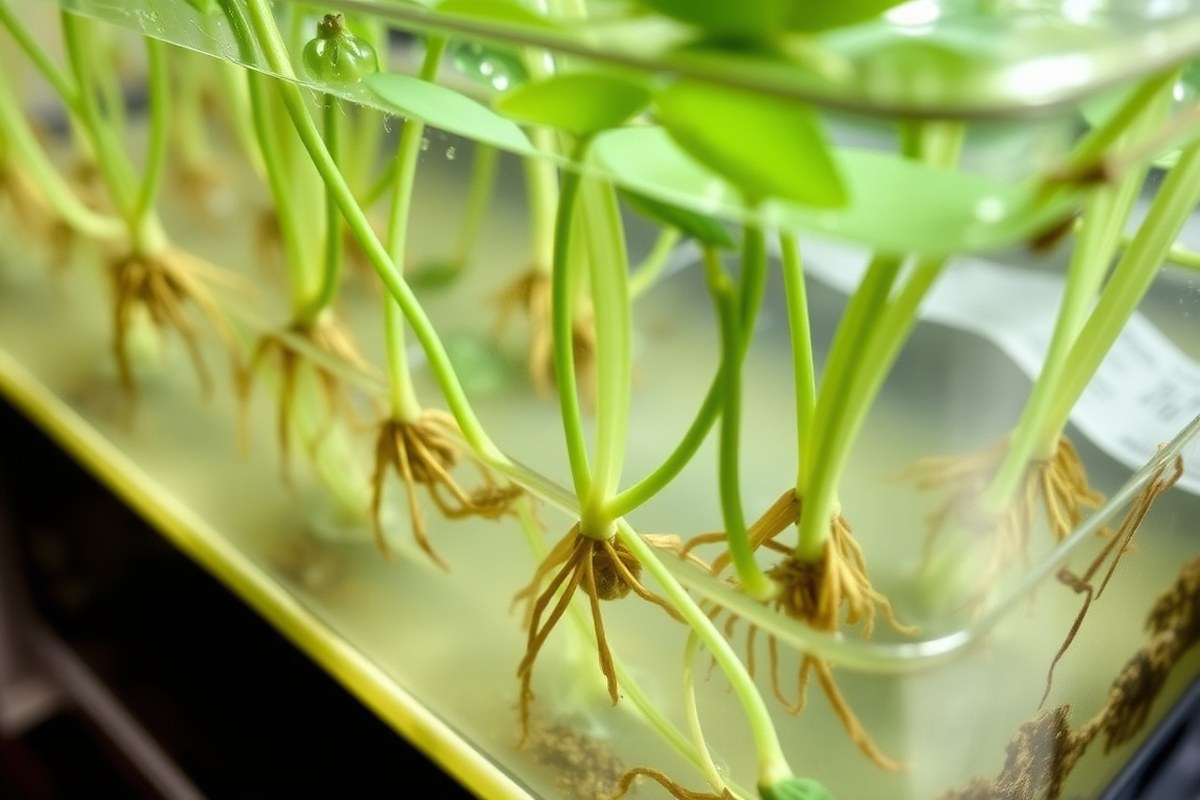
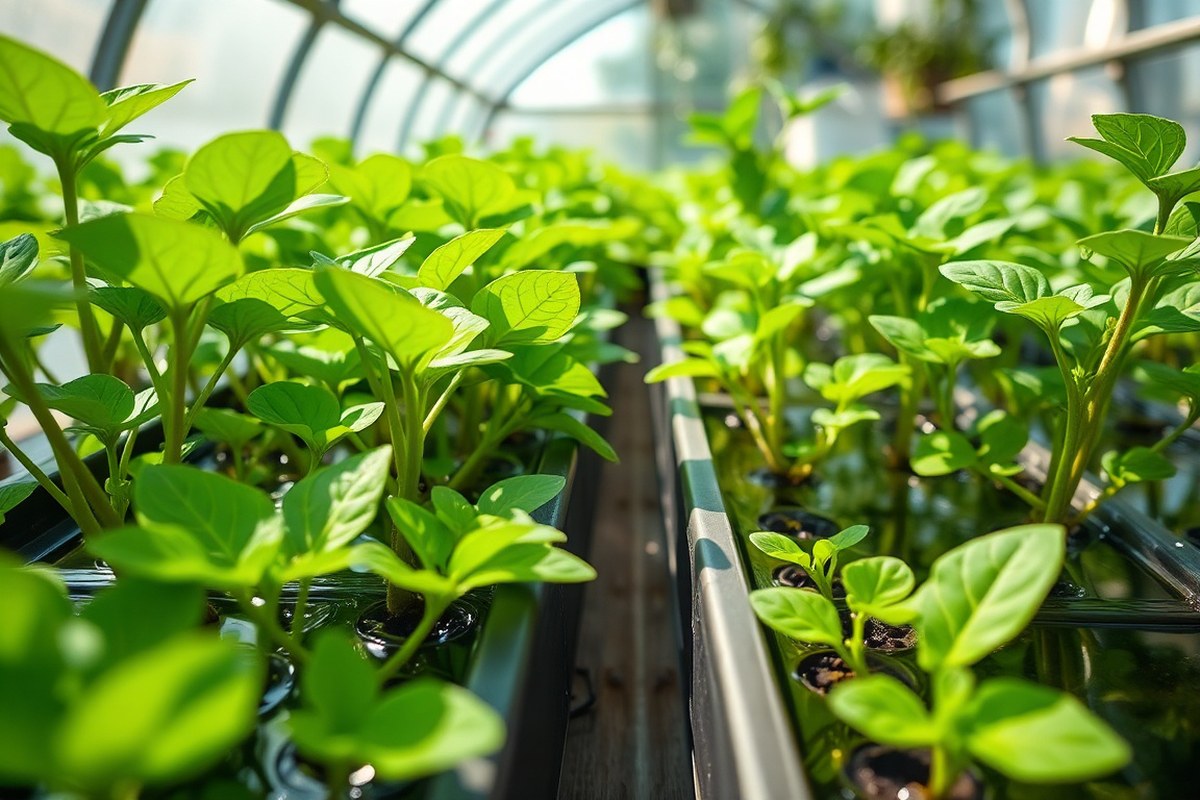
Hydroponics grows plants without soil by using a nutrient-rich water solution. This water delivers all the essential minerals and nutrients directly to plant roots. The roots aren’t buried in dirt; instead, they hang in or touch this solution.
Without soil, plants get minerals like nitrogen, potassium, and phosphorus straight from the water. This direct delivery lets roots absorb nutrients faster and in precise amounts. The water also provides moisture so roots can take up nutrients efficiently.
Oxygen in the root zone plays a big role in healthy growth. Roots need oxygen to breathe and avoid rotting.
Hydroponic systems mix air into the water or expose roots to air regularly. So they get enough oxygen.
Pumps or air stones create bubbles in the water. These bubbles add oxygen. This process helps dissolve the oxygen into the water.
Good oxygen levels help roots grow strong and keep plants healthy. Without enough oxygen, roots can suffocate and stop absorbing nutrients properly.
Plants grow 30 to 50 percent faster in hydroponics. They get nutrients and oxygen exactly where they need them. This improves their growth speed.
The system removes barriers soil can create, like uneven nutrient availability. Water moves nutrients quickly, and roots don’t waste energy searching for food.
You set up a reservoir with water and nutrients at the right balance for your plants. Then the solution circulates to the roots through tubes or a thin film. This keeps roots moist, fed, and oxygenated without the mess or variability of soil.
Costs start around $50 for simple setups like a drip system. But can rise with pumps and grow lights.
You’ll also need to check pH and nutrient levels regularly to avoid imbalances. Problems like clogged lines or low oxygen can slow growth or cause root diseases.
Doing hydroponics means watching water quality and oxygen often. Still, you get faster, cleaner growth than traditional soil gardening. This method suits home growers and small farmers well.
It helps grow healthy plants without much space. It also reduces the need for soil.
Types of Hydroponic Systems and How They Differ
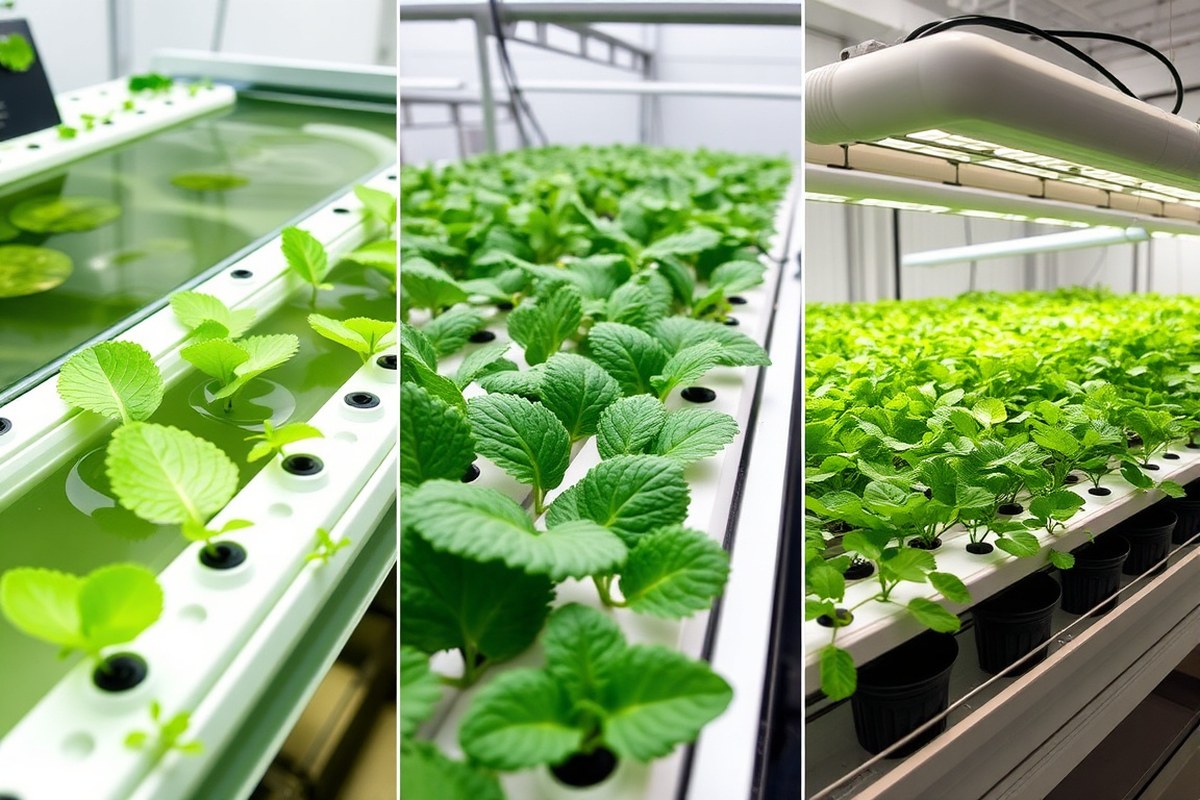
Hydroponic systems differ mainly in how they deliver nutrients and oxygen to the plants. Each system suits various plant types and skill levels. Water and energy use vary widely across these systems.
Deep Water Culture Explained
Deep Water Culture (DWC) suspends plant roots directly in oxygen-rich nutrient water. A pump or air stone adds air to the water. This gives roots constant nutrients and oxygen.
DWC suits fast-growing leafy greens like lettuce and herbs. It’s simple to set up, making it good for beginners and small spaces.
This system uses water efficiently because it recirculates solution. The setup requires electricity for pumps and aerators, which run continuously.
Nutrient Film Technique (NFT) Basics
NFT flows a thin, continuous film of nutrient solution over plant roots inside sloped channels. Roots get nutrients and oxygen but stay mostly exposed to air.
This method excels for small plants, leafy greens, and herbs grown at scale. It needs a good pump to maintain constant flow and prevent drying.
NFT systems use water efficiently by recycling nutrient solution. But they depend on electricity for the pump. Any pump failure risks drying roots quickly.
Aeroponics and Other Advanced Systems
Aeroponics suspends roots in air and sprays them with nutrient mist regularly. This maximizes oxygen exposure, boosting growth.
It works well for expert growers focusing on high yields or root crops. The equipment is more complex and costly than other systems.
This system saves water but needs reliable pumps and timers. It mists roots regularly. This can increase power use and maintenance.
Flood and Drain (Ebb and Flow) Mechanism
Flood and Drain systems periodically flood plant roots with nutrient solution. Then they drain the water back to a reservoir for reuse.
This setup fits many plant types, especially those in containers with rooting media. Timers control flooding cycles to balance moisture and oxygen.
The system recycles water well but requires pumps and timers, using some electricity. It’s versatile but can flood roots if not timed properly.
Wick System Simplicity and Limits
Wick systems pull nutrient solution to roots via a cotton or nylon wick. They need no pumps or electricity, making them very simple.
This system works best for small, low-water plants like herbs. It struggles with big or water-thirsty plants because nutrient flow is slower.
Wicks provide passive nutrient delivery, limiting control but using almost no power. They are great for beginners or portable home setups.
- Deep Water Culture: continuous root immersion, needs aeration
- Nutrient Film Technique: thin nutrient flow, pumps important
- Aeroponics: misted roots, high oxygen, costly setup
- Flood and Drain: timed flooding, versatile plants
- Wick System: no pumps, simple but limited
Keep a backup power plan for pump-based systems to avoid drying out roots.
| System | Nutrient Delivery | Best For | Water Use | Energy Use |
|---|---|---|---|---|
| Deep Water Culture | Roots in aerated nutrient water | Leafy greens, beginners | Low, recirculates solution | Moderate, continuous aeration |
| Nutrient Film Technique (NFT) | Thin nutrient film over roots | Small plants, leafy greens | Low, recirculates | Moderate, pump needed |
| Aeroponics | Misted nutrient spray | High yields, advanced growers | Very low | High, pumps and timers |
| Flood and Drain (Ebb and Flow) | Periodic flooding and draining | Multiple plant types | Low | Moderate, pump and timer |
| Wick System | Capillary action via wick | Small, low-water plants | Low | None |
Preparing and Managing Nutrient Solutions
Mixing and maintaining a nutrient solution is key to hydroponic success. It means adding essential nutrients to water, checking pH levels, and keeping nutrients balanced. Regular testing helps plants absorb food and grow strong without soil.
Essential Nutrients Overview
Plants need 17 essential elements, including nitrogen, phosphorus, potassium, calcium, and magnesium. Trace elements like iron, manganese, and zinc are also necessary. Hydroponic nutrients come as liquid concentrates that mix easily with water.
Using a complete hydroponic nutrient mix, like the classic Hoagland Solution, gives plants what they need. You can find these premixed formulas online or at garden centers. Choose nutrients based on the plants you grow for the best results.
Adjusting and Testing pH
Keep the nutrient solution pH between 5.5 and 6.5 for most crops. This slightly acidic range helps roots absorb nutrients properly. A pH too low or high locks out nutrients, which stops plant growth.
Test the pH daily with a digital pH meter or test strips. Add small amounts of pH up or down solutions. Check the pH after each addition.
Stop when the pH reaches the right range. Check pH especially when adding fresh nutrients or water.
Monitoring Electrical Conductivity (EC)
EC measures the nutrient strength in your water. Most plants do well with EC levels between 1.2 and 2.0 mS/cm. Too low means weak nutrients; too high can burn roots and slow growth.
Use an EC meter regularly to keep levels in the right range. Adjust nutrient concentration by adding water or more nutrient solution. Watch plants for signs of stress, such as yellowing leaves, which can signal EC issues.
Replacing and Recycling Nutrient Solution
Replace your nutrient solution every one to two weeks. Regular changes keep nutrient levels balanced and prevent buildup of salts and microbes. Check water levels daily and top off with fresh water.
Reuse leftover nutrient solution by storing it in a cool, dark place. Stir it well before reuse and always test pH and EC before adding plants. Avoid reusing solution if it looks cloudy or smells bad.
Use this checklist when preparing your nutrient solution:
- Fill your reservoir with clean, room-temperature water.
- Measure and add hydroponic nutrient concentrate according to label instructions.
- Mix the solution thoroughly with a clean tool or pump.
- Test pH using a meter or test strips and adjust to 5.5, 6.5.
- Measure EC and adjust nutrient strength if needed.
- Fill your hydroponic system reservoir and start circulation.
- Check pH and EC daily and adjust as plants uptake nutrients.
- Replace or top off nutrient solution weekly or biweekly as needed.
Environmental Factors Affecting Hydroponic Growth
Hydroponic plants need 12 to 14 hours of light each day. Without a greenhouse, you’ll have to use grow lights to reach this amount. A white surface on containers reflects light evenly and helps leaves get enough light for photosynthesis.
Keeping temperature between 65 and 75°F (18 to 24°C) works best. When water or air temperature rises above 72°F (22°C), oxygen levels drop. Low oxygen invites root rot and slows growth, so keep water temperature cool.
Roots in hydroponics get plenty of oxygen because they aren’t soaked constantly. You should use air stones in the reservoir to add oxygen to the water. Clean your water reservoir regularly to stop bacteria and keep roots healthy.
Humidity affects how fast plants lose water from leaves. Around 50% to 70% humidity fits most hydroponic greens and herbs.
Too low humidity dries plants out; too high brings mold and fungal risks. You can use a humidifier or ventilation fan to balance this.
If the water pump or timer fails, roots can dry out fast. You’ll see leaves droop quickly.
Set timers so nutrient-rich water or mist hits roots every 30 minutes. This frequent cycle keeps roots wet and oxygen-rich without drowning them.
Light, temperature, humidity, and oxygen work together. Good control means faster, healthier growth.
It may cost $50 to $150 for reliable grow lights plus a small air pump. That setup helps your hydroponic plants thrive and avoid common problems.
Speed and Yield: How Fast Do Hydroponic Plants Grow?
Hydroponic plants grow faster because you control their nutrients, water, and oxygen precisely. This control stops plants from wasting energy searching for nutrients. It also helps them avoid problems with poor soil.
Plants can focus on growing instead. They get what they need, when they need it. So growth speeds up by about 20% to 30% compared to soil gardening.
You can see plants grow faster by a few days or weeks. The speed depends on the type of crop you grow. Growing hydroponically speeds up some plants.
Leafy greens like lettuce grow in about 30 days with hydroponics. In soil, they take around 40 days to be ready. This cuts down growing time by 10 days.
Growing crops faster helps if you want many harvests each year. It also lets you grow indoors throughout the year. This is key for busy gardeners.
Yields also improve. Hydroponic gardens usually produce 25% or more fruits and vegetables per space compared to soil. Crops can be planted closer together without worrying about root space.
Hydroponics doesn’t need extra soil room for roots to spread out. This saves space for more plants.
That higher density results in more harvest from less square footage. You might also get bigger fruits if the plants receive optimal nutrients without shortage or excess.
Plant growth speed mainly depends on genetics and environment. Light, temperature, and humidity affect how fast plants grow. These factors limit how quickly crops can develop.
You can’t force a tomato to grow faster than its natural limits, even with hydroponics. Also, setting up the system correctly matters a lot. Poor nutrient balance or temperature swings can slow growth, just like with soil plants.
Always check and adjust your nutrient solution regularly to avoid growth stalls or nutrient burns.
Common Hydroponic Problems and How to Fix Them
Leaf discoloration often signals nutrient imbalances or pH problems in hydroponics. Leaves may turn yellow, brown, or develop spots when the pH drifts outside 5.5 to 6.5 or if essential nutrients are missing. Regularly test the nutrient solution using a pH meter.
Also, use an EC (electrical conductivity) meter. This helps catch problems early.
Root rot is a common hydroponic issue that can destroy plants fast. It isn’t caused by too much water but by low oxygen and pathogen buildup around roots. Using an air pump connected to an air stone oxygenates your nutrient solution and stops rot.
Check roots weekly; healthy roots are white and firm. Rotting roots look brown and mushy.
Slow growth in hydroponics can have several causes. It may come from low nutrient levels or wrong pH. Poor lighting can also slow growth.
Use an EC meter to measure nutrient strength. Adjust feedings to fit your crops’ recommended ranges. Keep the levels steady for best results.
Improve light quality or hours if plants appear leggy or pale. Also, check temperatures; most herbs and greens grow best between 65 and 75°F.
- Use an air pump and air stone for oxygen in the water.
- Test pH and nutrient levels at least twice a week.
- Inspect roots weekly for signs of disease or rot.
- Adjust nutrient strength with an EC meter as needed.
- Ensure plants get 12 to 16 hours of good light daily.
- Maintain water temperature around 65 to 70°F for most crops.
Use pH meters, EC meters, and timers to watch your system. Monitoring helps you track its health every day. Good tools catch problems early.
Watch for small changes in leaf color or roots. These signs let you fix problems early.
Catch issues before plants get stressed. Keep your reservoirs clean and replace nutrient solutions every two weeks to avoid buildup and imbalances.
Choosing the Right Hydroponic System for Your Needs
Pick a hydroponic system by matching it to your space, budget, and plants. Vertical systems fit small spaces well. They take up less floor area.
You can use them indoors or on balconies. You want an easy start and low cost.
A wick or deep water culture system works well. These are great for herbs and leafy greens.
Drip and ebb and flow systems support roots better. These work well for fruiting plants, like tomatoes and peppers. You get stronger root support this way.
These systems often use a growing medium, which helps support heavy plants. They have more parts and need more care but yield better results for these crops.
Balancing manual care and automation depends on your time and interest. Simple systems like wick setups need less monitoring but may not support big fruiting plants well. More automated systems keep nutrients steady but cost more and need some technical know-how.
Here’s a basic comparison of key systems based on space, cost, complexity, and ideal plants:
| System | Approximate Cost | Space Needed | Best For | Complexity |
|---|---|---|---|---|
| Wick | $50 – Low | Small Tabletop | Herbs, Leafy Greens | Low |
| Deep Water Culture (DWC) | $50 – Low | Small to Medium | Leafy Greens, Herbs | Low to Medium |
| Vertical Tower | $100 – Medium | Very Small Floor Space | Herbs, Greens, Compact Veggies | Medium |
| Drip | $150 – Medium | Medium to Large | Fruiting Plants like Tomatoes | Medium to High |
| Ebb and Flow | $150 – Medium | Medium to Large | Fruiting Plants | Medium to High |
| NFT (Nutrient Film Technique) | $100 – Medium | About 55″ x 55″ x 31″ | Leafy Greens, Smaller Fruits | Medium |
Vertical towers fit compact spaces best, especially where floor room is tight. A six-channel NFT system takes a moderate space but supports around 36 plants.
Budget systems often start around $50 and suit beginning gardeners. More expensive setups cost hundreds and come with automation options that save time but add complexity.
Choose simpler systems for quick starts or tight budgets. Move to drip or ebb and flow systems as you gain skill. These handle fruiting plants better.
Upgrade when you want to grow more confidently. Keep in mind that heavy plants need a media to support roots, not just water. Your choice affects how much effort you put into daily care versus system management.
Essential Tools and Maintenance for Hydroponic Success
Hydroponic systems need pumps, air stones, meters, and regular upkeep. Pumps and air stones keep water moving and roots oxygenated. You also want to check and clean parts often to avoid clogs or diseases.
Daily Checks and Tasks
Look over your system every day to spot issues early. Check pH and nutrient levels using meters to keep plants healthy.
Pump running smoothly? Roots should look firm and white, not slimy or brown.
Keep an eye on water temperature too. Aim for 65 to 75°F; warmer water holds less oxygen. Adjust or add cooling if needed, especially in hot rooms or summer months.
Weekly Cleaning and Water Changes
Once a week, clean your system to stop algae and bacteria buildup. Flush the reservoir with fresh water and nutrients after draining old solution. Wipe down containers and tubing to keep grime from settling.
Rinse air stones in vinegar or replace them if bubbles slow down. Dirty stones reduce oxygen flow, which stresses roots and slows growth.
Equipment Calibration and Replacement
Calibrate pH and EC meters every few weeks with standard solutions. Accurate readings mean your plants get just the right nutrients. Replace worn-out pumps or damaged tubing to keep water flowing correctly.
Check air pumps every few months, listening for noise or weak airflow. A faulty pump can cause roots to suffocate quickly because oxygen drops fast in still water.
Preventative Steps to Avoid Disease
Clean tools and trays regularly to prevent mold or root rot. Use a mild bleach solution or hydrogen peroxide on hard surfaces every few weeks. Avoid overwatering or letting water sit still too long; stagnant water breeds problems.
Add these prevention steps to your routine to stop plant sickness. It helps you save time fixing problems later. These simple actions keep your plants healthy.
- Test pH and nutrient levels daily and adjust as needed.
- Inspect pumps, air stones, and tubing for blockages or damage every day.
- Flush and refill reservoirs with fresh nutrient solution weekly.
- Clean air stones weekly by soaking in vinegar or replace as needed.
- Wipe containers and trays weekly to stop algae and buildup.
- Calibrate meters with standard solutions every 2-4 weeks.
- Check pumps and air stones monthly for wear or weak performance.
- Sanitize system parts monthly to prevent infections and mold growth.
Without regular cleaning and oxygenation, roots can quickly die or get infected.
Step-by-Step Action Plan to Start Your Hydroponic Garden
This plan helps you begin hydroponic gardening smoothly and check if you’re on the right track.
- Before you start: Choose the right hydroponic system for your space and goals. You’ll know it works if you can set up easily with the supplies you find.
- Day 1: Prepare your nutrient solution according to the plant type. Test the solution’s pH and electrical conductivity (EC) to make sure levels are correct.
- Week 1: Plant your seeds or seedlings in the system, keeping the environment stable around 65-75°F. Healthy sprouts in 7 days show your setup is good.
- Week 2: Monitor water level and nutrient strength daily. Water stays clear and plants look green and firm when balanced.
- Weeks 3-4: Check roots for white healthy growth and no signs of rot. Adjust nutrient mix or airflow if roots appear slimy or brown.
- After 4 weeks: Start pruning and harvesting leafier crops to encourage growth. Speedy regrowth after harvest means your system is working well.
- Monthly: Clean your system parts and replace nutrient solution. Clear tanks and no algae build-up indicate good maintenance.
Frequently Asked Questions
How Does Hydroponics Deliver Nutrients to Plants?
Hydroponics uses water mixed with essential nutrients to feed plants directly. The nutrient solution ensures plants get all they need, without soil.
What Role Does Oxygen Play in Hydroponic Systems?
Oxygen enters plant roots through the water or air in hydroponics. Adequate oxygen prevents root rot and helps plants absorb nutrients better.
How Do Plants Get Support in Hydroponic Systems Without Soil?
Hydroponics uses inert materials, like clay pellets or rockwool, to hold roots. These materials keep plants stable while letting roots access water and nutrients.
Can You Reuse Nutrient Solutions in Hydroponics Safely?
Yes, reusing nutrient solutions is common but needs regular testing. Adjust pH and nutrient levels to avoid buildup and keep plants healthy.
Why Is pH Balance important in Hydroponic Setups?
PH affects nutrient availability in the water solution for plants. Keeping it between 5.5 and 6.5 usually works best for most hydroponic crops.
How Does Hydroponics Reduce Water Use Compared to Soil Gardening?
Hydroponics uses up to 90% less water by recycling nutrient solutions. This efficiency comes from closed systems that reuse water with little waste.
Wrapping Up
Hydroponics grows plants fast by feeding roots directly with nutrients. Stick to stable conditions and check your system often. Try setting up a small system today, using this plan to see results quickly.