Do Strawberries Spread? A Complete Guide to Growing and Managing Runners
Do strawberries spread? Yes, strawberry plants naturally send out runners to grow new plants.
These runners shoot off from the main plant and root into the soil nearby. This helps strawberries quickly cover more ground and form larger patches.
Strawberries usually spread through runners rather than seeds. You’ll see thin stems shoot out sideways from the main crowns, rooting every few inches. This way, one plant can turn into several in the right conditions.
Planting strawberries about 18 inches apart gives space for runners to develop without crowding. Keep them in full sun, so the young plants can establish strong roots. Watching runner growth helps you decide when to let them spread or prune excess ones.
Key Takeaways
- Strawberries mainly spread by runners that root and form new plants.
- Space strawberry plants 18 inches apart for healthy runner growth.
- Full sun, at least 8 hours daily, supports vigorous strawberry spreading.
- Monitor runners to prevent overcrowding and maintain plant health.
- Day-neutral varieties need less space, about 10 to 12 inches between plants.
- Remove older plants after 2-3 years to allow runners room to grow.
Do Strawberries Spread Naturally and How?
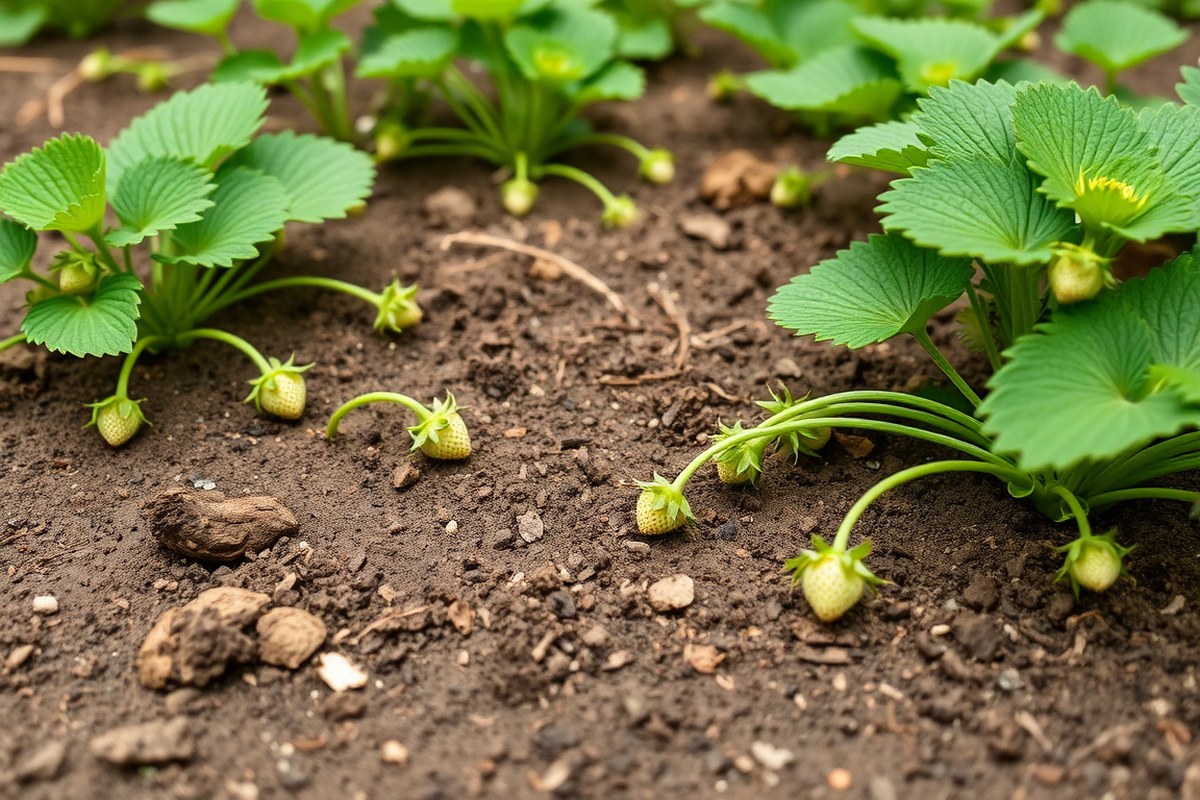
Strawberry plants spread naturally by sending out long, thin stems called runners or stolons. These runners grow outward from the main plant, stretching across the soil surface. At certain spots, runners grow small roots and tiny new plants.
These new plants are called daughter plants. They take root in the soil and grow on their own.
The process starts with the mother plant producing a runner. This stem extends horizontally and touches the ground at nodes, which then form roots. These rooted nodes grow leaves and eventually become new strawberry plants.
This way of spreading plants is called vegetative reproduction. It happens because new plants are clones of the original. They grow without seeds.
Strawberries can spread through seeds, but this is less common in home gardens. Seed-grown plants often show more variation and take longer to produce fruit. Most gardeners use runners because daughter plants grow fast.
They look just like the mother plant. They quickly fill up the bed. For example, one Nelly Kelly strawberry plant spread to five plants.
It took about three months to do this. All spread happened through runners.
Allowing runners to root lets strawberry patches expand naturally without extra work. The daughter plants will share the same qualities as the original, ensuring consistent fruit quality.
Runners mostly form after the plant has ripened fruit. June-bearing strawberries send out the most runners to fill gaps between rows.
Not all varieties produce many runners. Some give few or none, focusing energy on fruit production instead. To give runners space, plant strawberries about 18 inches apart.
When runners root well, they make the patch stronger. They create a tight group of plants. This helps control weeds and boosts yield.
How Fast Do Strawberry Plants Spread via Runners?
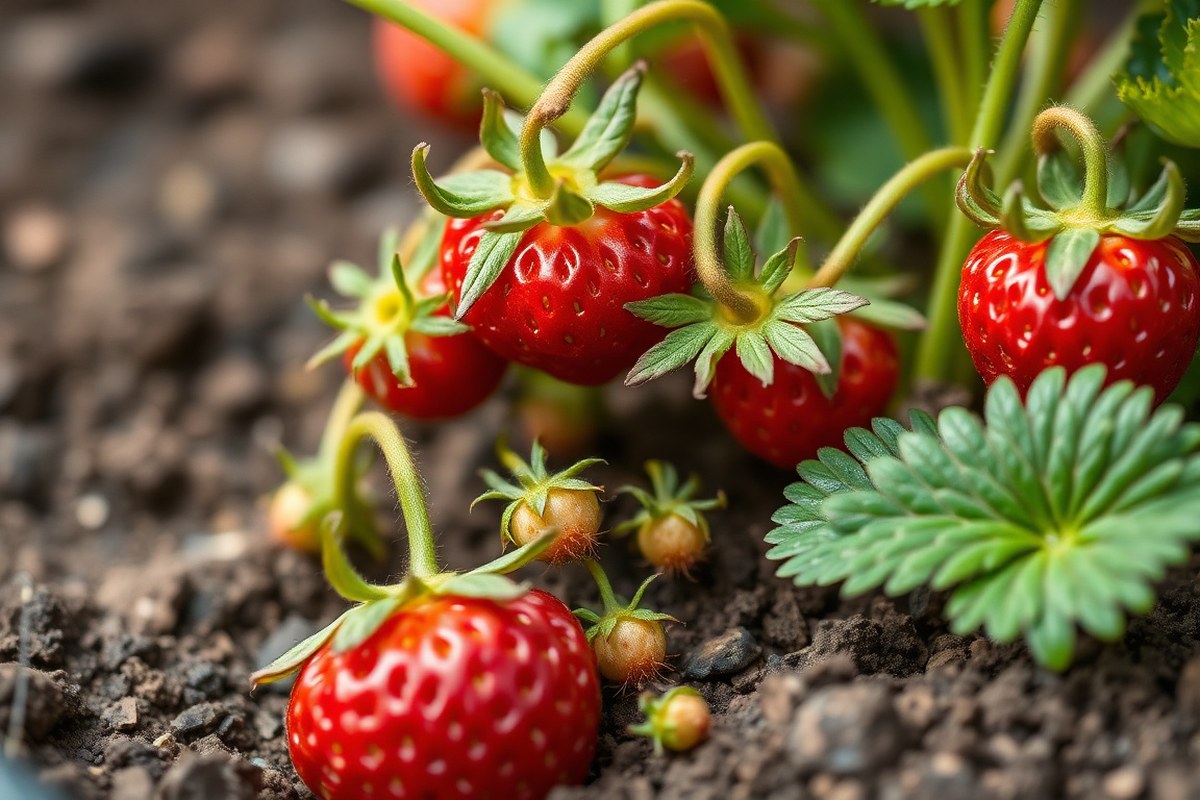
Runner Growth Timeline and Plant Establishment
Strawberry plants start sending out runners early in the growing season. Runners are long stems stretching from the mother plant. They grow new daughter plants at their tips.
It usually takes two to three weeks for runner tips to root. They also start developing leaves in that time.
Once the new plants root, they grow leaves and roots for four to six weeks. Then they become independent. After that, cut the runner from the mother plant.
This lets the daughter plant grow on its own. Usually, a runner will take two months to become a stable, fruit-producing plant.
Speed of Spread in a Growing Season
The spread speed depends on how many runners a plant produces. It also depends on how fast they root.
Healthy, mature strawberry plants can produce multiple runners within one growing season. Under ideal conditions, spreading occurs rapidly, expanding your patch within three to four months.
The plant’s third year is key for runner production. You can use runners to replace older mother plants then. This natural renewal keeps your strawberry bed productive without needing new transplants often.
Environmental Factors Affecting Runner Development
Temperature plays a big role. Strawberry runners root best in soil temps between 60°F and 75°F. Cooler or hotter soil slows rooting and new plant growth. Maintaining consistent moisture helps, but too much water can cause rot, reducing runner success.
Strawberries need full sun, about eight hours daily, for strong runner growth. Less sunlight results in fewer and weaker runners. Soil fertility also influences spread speed, balanced nutrients encourage vigorous runner and root development.
Variety and Plant Health Impact on Spread Rate
Some strawberry varieties produce runners faster than others. June-bearing types tend to make many runners quickly. Everbearing and day-neutral types produce fewer runners.
Plants free from pests and diseases spread runners faster. They have more energy for runner growth.
Overcrowded beds or poor soil conditions slow spread. Space plants about 18 inches apart in well-prepared beds.
This helps runners root and new plants thrive. Raised beds make it easier to manage spread and keep runners contained.
Managing Runners for Effective Spread
Allow runners to root before cutting them from the mother plant so new plants establish well. You can pin runners down with small stakes or soil mounds to keep them in place.
Check rooted plant strength after a few weeks before detaching. Weak plants won’t grow well on their own.
Controlling runner growth prevents overcrowding and disease risks. Let runners grow only when you want to expand your patch. Otherwise, pruning runners keeps the strawberry bed focused on fruit production instead of spreading.
Keep track of how long runners are left connected. Cutting them too soon stops root establishment, cutting too late wastes energy from the mother plant.
Differences in Spreading Among Strawberry Varieties
Different strawberry varieties don’t spread the same way. June-bearing types usually send out more runners and spread faster. Day-neutral and everbearing strawberries produce fewer runners.
They spread more slowly than others. This changes how you manage and space them.
Runner Production by Variety
Runner production varies a lot between strawberry types. June-bearing strawberries create many runners to expand quickly. Day-neutral strawberries produce the fewest runners.
Everbearing types produce a moderate amount. This affects how you grow them.
| Strawberry Type | Runner Production |
|---|---|
| June-bearing | High runner production, spreads fastest |
| Everbearing | Low runner production, slow spread |
| Day-neutral | Very low runner production, slowest spread |
This table shows how runner production affects patch expansion. You can use more runners to propagate new plants in June-bearing types. The slower runner growth of day-neutral plants needs closer management for spreading.
Fruiting and Spreading Habits
June-bearing strawberries produce one main summer crop. After fruiting, they send out lots of runners to create daughter plants. These runners help increase your patch size quickly.
Everbearing strawberries fruit twice a year and send out fewer runners. Day-neutral varieties fruit continuously in mild temperatures but produce the fewest runners. This means their spread is slower and more controlled.
Recommended Plant Spacing
You should space June-bearing strawberries around 18 inches apart. This distance allows runner expansion without overcrowding the plants. It also helps ensure proper air flow and fruit production.
Everbearing and day-neutral strawberries can be planted closer, about 10 inches apart. Since they produce fewer runners, they take up less horizontal space. Remove any runners you don’t want to keep to control spread and maintain healthy plants.
How to Space and Plant Strawberries for Healthy Spread
Space strawberry plants according to their runner habits and variety. Leave enough room for roots and runners to grow without crowding. This lets the plants spread healthily and produce more berries.
Soil Preparation Steps
Strong strawberry plants start with good soil. Aim for soil that’s a bit acidic, with a pH from 5.5 to 6.8. Check your soil’s pH before planting and adjust it as needed.
Improve poor soil by adding organic matter like compost or aged manure. This helps drainage and boosts nutrients. Avoid planting strawberries where weeds or grass are thick, since they compete for water and nutrients.
- Test soil pH and adjust to 5.5, 6.8
- Add 2, 4 inches of compost or organic matter
- Till soil 6, 8 inches deep to loosen it
- Remove weeds and debris thoroughly
- Ensure soil drains well but holds moisture
- Apply balanced fertilizer if soil is nutrient-poor
After preparing the soil, water it well to settle and support new roots. Keep soil moist but not soggy to avoid root rot and stress.
Optimal Spacing Distances
Spacing depends on the variety and how much runners it produces. June-bearing varieties need about 12 to 18 inches between plants. This lets runners fill the space without overcrowding.
For everbearing and day-neutral types, leave 18 to 24 inches apart. They send out more runners and spread wider in a single season. Rows should stand about 3 to 4 feet apart for easy access and air flow.
- Plant holes wide enough to spread roots out slightly
- Position plants so crown is just above the soil
- Space June-bearing plants 12, 18 inches apart
- Space everbearing and day-neutral plants 18, 24 inches apart
- Keep rows 3 to 4 feet apart to allow runner spread
Giving each plant room lets runners root firmly and grow quickly. Crowded plants lead to poor air flow and fewer berries. So don’t skip proper spacing.
Best Planting Seasons
Timing your planting affects how well strawberries will spread and survive. In zones 7 and warmer, fall is ideal for planting. This includes much of the southern U.S.
Fall planting lets plants establish deep roots before winter. They then spread vigorously when spring arrives. In colder regions, plant strawberries in early spring after the threat of frost passes.
- Plant in fall for zones 7 and southward
- Plant in early spring for colder zones
- Water well right after planting to settle roots
- Pick a sunny spot for 6 to 10 hours of direct sun
- Mulch around plants to keep soil moist and weeds down
Water newly planted strawberries regularly until growth is strong. Too much shade or irregular watering slows runner formation and overall spread.
When and Why Should You Let Strawberry Runners Spread?
Let your June-bearing strawberry runners root if you want to naturally fill out your patch. Space mother plants about 18 inches apart and allow runners to root between them. This helps the plants cover ground and renew your strawberry rows effectively.
Allowing runners to root fills the bed over summer, which keeps your patch productive. New daughter plants take root and fruit well by the following season. This natural fill-in avoids bare spots and keeps sunlight hitting the crowns to boost fruiting.
Encourage natural spreading in early summer after harvest to renew the strawberry bed. Thin crowded daughter plants later to prevent overcrowding, which can lower yields. Controlled thinning keeps your plants strong and healthy.
It lets you keep enough runners to grow more. The runners won’t get in each other’s way.
Letting runners spread helps keep soil covered, which reduces weeds and preserves moisture. It also spreads disease risk by avoiding dense clusters. For June-bearing types, spread is key to continuous harvests and avoids the need for costly replanting.
Day-neutral strawberries don’t require runners for spread. So you can trim runners more aggressively with those.
Focus on keeping strawberry rows airy and spaced for good light and airflow in both types. This balance supports strong plants that produce plenty of sweet berries.
Keep runner spacing consistent at 18 inches and thin after runners root to avoid overcrowding.
How to Control and Manage Excess Strawberry Spread
Control strawberry runners by snipping them off regularly. This stops the plants from spreading beyond the area you want. Use sharp scissors or pruning shears to cut runners near the main plant without damaging it.
Watch your strawberry patch for signs of overcrowding. Leaves that look crowded or brown patches can mean plants are too close. Overcrowding increases the risk of diseases like powdery mildew.
These diseases spread quickly from plant to plant. Gray mold is another common issue caused by crowding.
Here are easy ways to manage strawberry runners and keep your plants healthy:
- Cut runners weekly during the growing season with clean scissors
- Thin plants to keep 10 to 18 inches of space between crowns
- Remove dead leaves to improve air flow and reduce disease risk
- Add mulch to retain moisture and control weeds
- Fertilize regularly to promote strong plants and runners
- Watch for pests and treat promptly to avoid weak plants
- Contain runners within garden beds or containers for neatness
Prune runners when they start to spread beyond your designated patch. Do this in spring or early summer for best results. Keeping good spacing helps fruit production by allowing plants more room and light.
Neglecting runner control wastes the plant’s energy on spreading, not fruit. Healthy maintenance, like regular pruning and proper spacing, gives the best strawberries. Notice disease?
Pull out affected parts right away. Clean tools before the next cut to avoid spreading germs.
Common Mistakes When Managing Strawberry Spread and How to Fix Them
Allowing strawberry plants to grow too close causes overcrowding. Crowded plants get less air and light. This lowers fruit yield and raises disease risk.
Weak runners often mean poor soil or lack of nutrients. Pests and diseases can stunt runner growth and spread. Healthy runners need good care and timely pest control.
Here’s a table that lists common mistakes, their effects, and how you can fix them.
| Mistake | Consequence | Solution |
|---|---|---|
| Overcrowding plants too closely | Less fruit, more diseases | Space plants 18 inches apart and rows 4 feet apart |
| Ignoring strawberry type | Wrong spread management, lower yield | Learn if your plants are June-bearing, everbearing, or day-neutral |
| Poor soil quality | Weak runners, stunted growth | Amend soil with compost or balanced fertilizer before planting |
| Skipping pest control | Runner damage and disease spread | Use natural predators or recommended pesticides safely |
| Wrong watering schedule | Runner and root stress | Keep soil moist but not soggy, especially during spread |
Feeding strawberries with a balanced fertilizer helps runners stay strong. Use a 10-10-10 NPK fertilizer once a month in growing season. Avoid excess nitrogen because it hurts fruit production.
To prevent pests, check plants often and remove damaged leaves. You can try insecticidal soap or introduce ladybugs for aphids. Keeping weeds down reduces pest hiding spots and runner competition.
Watering and Sunlight Practices to improve Strawberry Spread
Strawberry plants need full sun for at least 6 to 8 hours daily. This sunlight is essential because it fuels photosynthesis and runner production. Without enough sun, strawberries struggle to spread and produce fruit effectively.
Soil matters a lot for strawberries. They like a pH from 5.5 to 6.8, which means slightly acidic soil is best.
The soil should let water drain well and stay moist without getting soggy. These conditions help runners root quickly and spread out.
Watering should keep the soil moist but not soaked. Overwatering leads to root rot and weak runners. Water your strawberry plants deeply once a week.
Aim to give about 1 inch of water total. Do this early in the morning to help avoid fungal diseases.
Use drip irrigation or water at the base to avoid wetting leaves. Wet leaves can cause disease and slow runner growth. In dry or hot climates, you might need to water twice a week instead of once.
Consistent hydration encourages strong runner growth and new plantlets. Too little water causes runners to dry out and die off. Check the soil regularly so it feels moist an inch below the surface.
Water strawberry plants early in the day to keep leaves dry and prevent diseases.
Step-by-Step Action Plan for Managing Strawberry Spread
Follow these simple steps to encourage healthy strawberry spread and keep plants under control.
- Before planting: Choose strawberry varieties that match your garden size and spread goals. This sets the stage for a manageable patch.
- Planting day: Space plants 12 to 18 inches apart. You’ll see runners start to form without overcrowding.
- Week 2: Check soil moisture and water evenly to help runners root successfully. Soil should be moist but not soggy.
- Month 1: Pinch off excess runners if you want larger fruit on main plants. Healthy leaves and blooms show success.
- After 2 months: Allow some runners to root to expand your patch naturally. New plants should have healthy green leaves.
- Spring and summer: Mulch around plants and runners to retain moisture and suppress weeds. Mulch will keep weeds low and soil cool.
- Fall: Remove dead runners and prepare plants for winter. Look for brown or shriveled runners to trim away.
- Annually: Rotate or divide plants every 3 years to maintain vigor. Young, productive plants mean a thriving patch.
Frequently Asked Questions
Can Strawberries Spread If You Don’t Let Runners Grow?
Strawberries rely on runners to spread well, so no runners means limited spread. Without runners, new plants won’t form, keeping growth minimal.
Do Strawberry Runners Need Special Soil to Root?
Strawberry runners root best in loose, well-draining soil with good nutrients. Hard or compact soil can slow rooting and reduce spread.
Will Cutting Off Strawberry Flowers Affect Plant Spreading?
Cutting flowers helps runners focus on new plant growth and spreading. Removing blooms early directs energy to runners, improving patch size.
Can Strawberry Plants Spread Through Seeds Instead of Runners?
Strawberries rarely spread by seeds in the garden; runners are the main method. Seeds from fruits usually don’t form new plants nearby.
How Does Soil pH Affect Strawberry Runner Growth?
Strawberries prefer slightly acidic soil, around pH 5.5 to 6.5, for runner growth. Soil too alkaline or acidic can stunt runner development.
Do Strawberry Runners Spread Differently Indoors Versus Outdoors?
Outdoors, runners spread freely in natural soil and sunlight. Indoors, limited space and light reduce runner growth and spread.
The Bottom Line
Strawberries spread mainly by runners, and you can control this spread easily. Watch your runners and decide when to root or prune them. Start by spacing plants right and watering well to see healthy new growth.