Do Jade Plants Need Sun? How to Give Just the Right Light for Healthy Growth
Do jade plants need sun? Yes, they do.
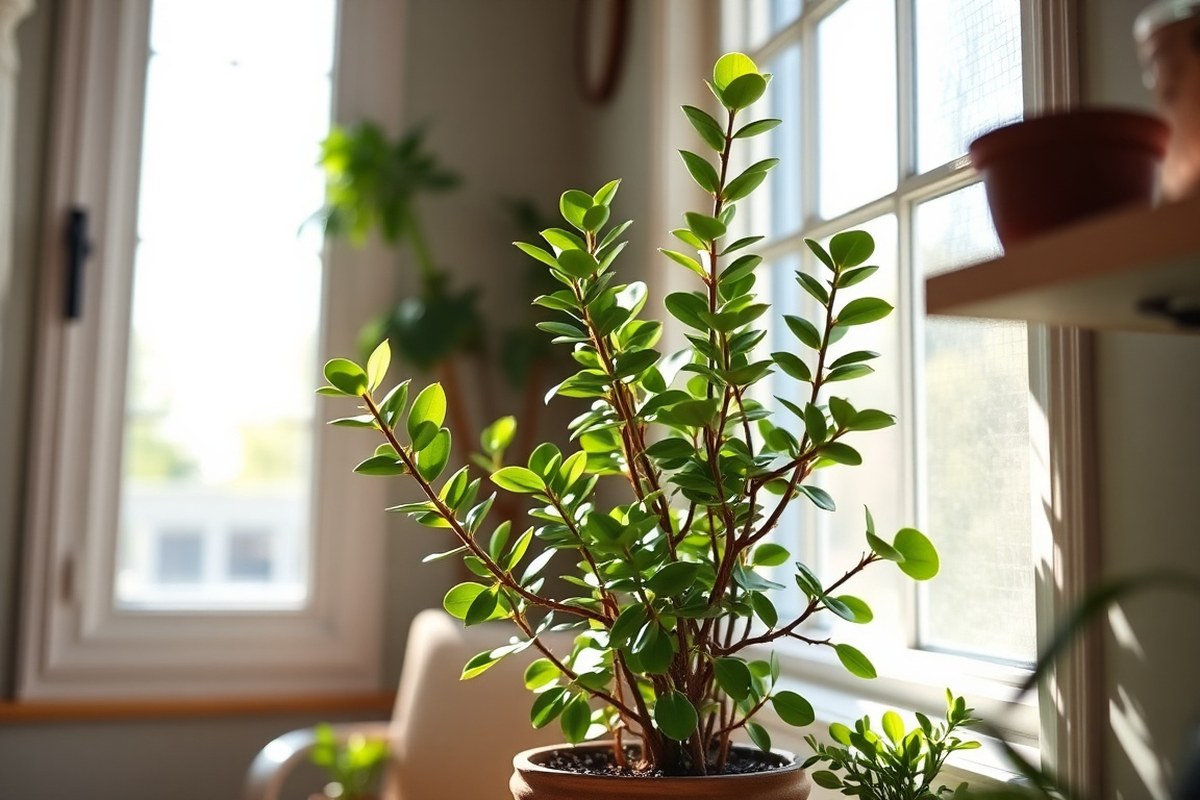
Jade plants grow best when they receive 4 to 6 hours of bright, indirect light every day. This level of sunlight encourages healthy growth and maintains their firm, colorful leaves. Bright but indirect rays prevent leaf damage while helping the plant thrive.
Too little light makes jade plants grow slowly and causes leaves to lose their shine. Too much direct sun, especially strong afternoon rays, can burn their thick leaves and create brown spots along the edges.
To find the right spot, place your jade plant near a south or west-facing window but not right against the glass. Keep it about 5 feet from the window to avoid harsh sun while still getting plenty of light.
Check the leaves weekly for signs of too much or too little sun, such as fading or browning. Adjust the plant’s placement within two weeks to keep it healthy and looking its best throughout the year.
Key Takeaways
- Jade plants need at least 4 hours of bright, indirect sunlight daily.
- Place young jade plants near south or southeast-facing windows for 8 hours of light.
- Mature jade plants prefer direct morning sunlight from an eastern window.
- Too much direct sun can cause leaf burn, especially above 85°F outdoor temp.
- Keep jade plants 1, 2 feet from a sunny window indoors.
- Moving plants gradually outdoors helps prevent sun shock.
How Much Sunlight Do Jade Plants Really Need?
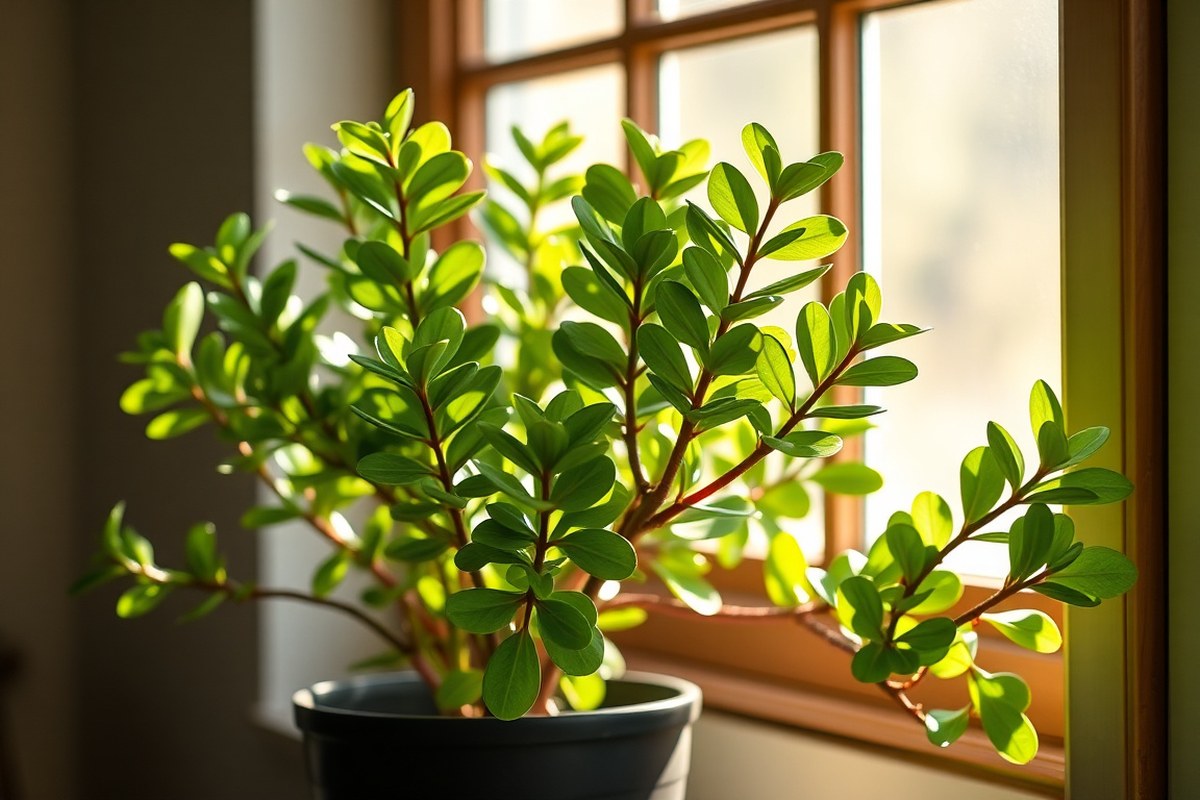
Jade plants need about 4 to 6 hours of bright sunlight daily to thrive. They prefer bright, indirect light for most of that time. Give your plant 2 to 3 hours of direct morning sun.
This helps create strong stems. It also improves leaf color.
Direct sunlight in the afternoon is usually too intense and can burn the leaves. Indirect light keeps jade plants healthy and compact without risk of scorch.
Young plants especially benefit from mostly indirect light. Mature ones tolerate some direct sun safely.
Place your jade plant near an east-facing window for the best balance. Morning sun is cooler and gentler. So 4 hours of direct light before noon works well.
After morning sun, place the plant in bright indirect light. You can also move it a bit away from the window. This avoids the harsh afternoon sun.
What Are the Signs of Too Much or Too Little Sunlight?
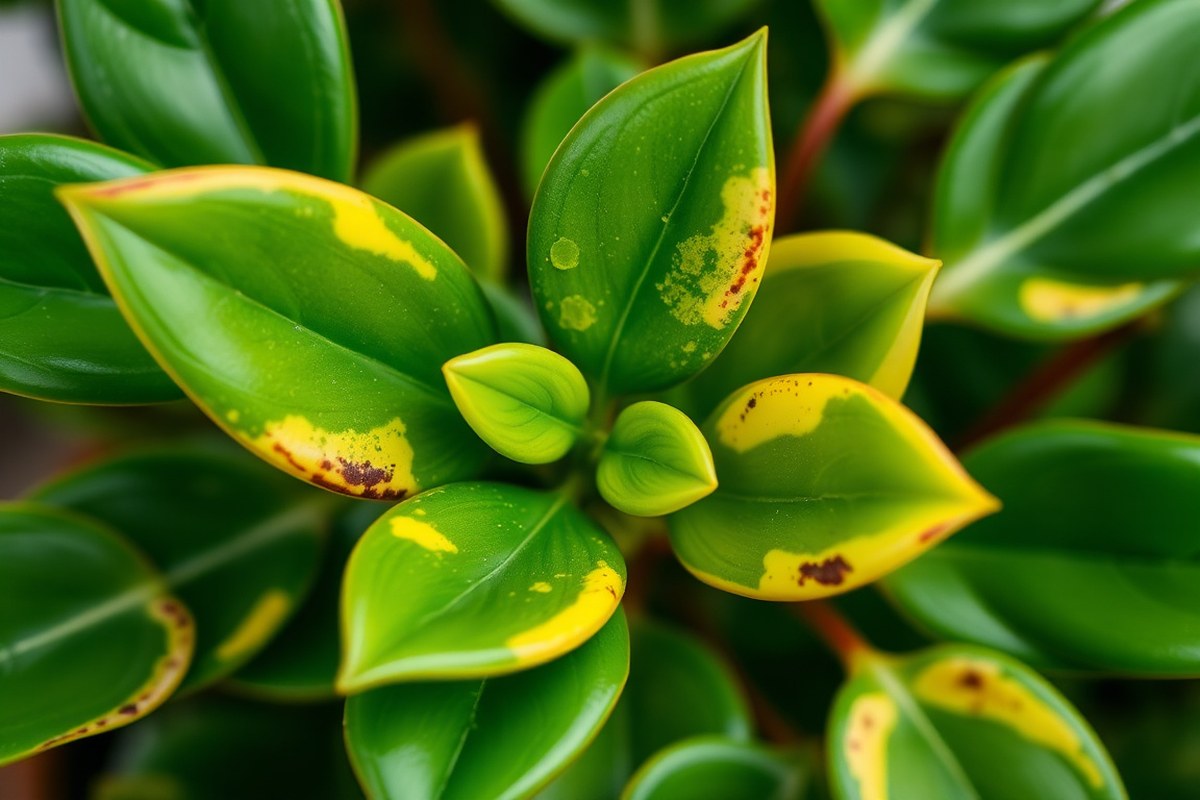
Jade plants show clear signs when they get too much or too little sun. Too much direct sunlight can scorch the leaves, especially in young plants. You might see brown or reddish edges on leaves, or dry, yellow leaves that feel brittle.
Leaves may curl or cup when exposed to excessive light and dry air. When the plant gets under three hours of bright light daily, expect leggy growth.
The stems grow long and thin to find more light. Leaves spread farther apart on the stems.
- Brown or reddish leaf edges mean sunburn; move plant to filtered light.
- Yellow, dry leaves suggest too much sun and possible dryness; check soil moisture.
- Leaf curling or cupping points to excessive light and low humidity. Increase shade and mist plant lightly.
- Leggy, stretched stems signal insufficient light; move jade to a brighter spot.
- Yellow leaves with dropping indicate too little sun and slow growth; improve light access.
- Premature leaf drop can result from stress; adjust lighting and prune damaged leaves.
- Mild sunburn spots on leaves call for trimming affected parts and reducing direct sun temporarily.
Leaves turning yellow and dropping happens with too little sun. The plant can’t photosynthesize well, which slows growth. This also causes nutrient deficiency signs like faded leaf color.
Sudden exposure to stronger light can cause brown spots or burns on leaves. Taking your jade from a shady spot directly into strong midday sun often causes this. You should gradually increase sun exposure over one to two weeks instead.
Move your jade plant slowly into brighter light to avoid sunburn and stress.
Best Window Directions and Light Conditions for Jade Plants
East- and south-facing windows suit jade plants best indoors. Young plants prefer gentle morning sun from east windows.
Mature plants handle longer, brighter light near south-facing windows. Adjust placement as seasons change to keep your jade happy and growing.
South-Facing Windows for Bright Indirect Light
South-facing windows provide the brightest light most of the day. Jade plants get up to six to eight hours of bright, indirect sunlight here. Mature plants thrive near these windows but need filtering if sun gets too strong.
Use sheer curtains to protect your jade from strong summer sun. Outdoor temperatures over 90 °F (32 °C) can harm your plant. The curtains help block harsh light while keeping air flow.
This avoids sunburn and leaf damage while giving enough light for growth. Check your plant regularly to catch signs of stress.
East-Facing Windows for Gentle Morning Sun
East-facing windows offer moderate to high light intensity in the morning. This gentle sunlight suits young jade plants well, avoiding harsh afternoon heat. You can expect about 2, 4 hours of direct morning sun here in spring and summer.
This spot helps new jade plants develop healthy leaves. This also lowers the chance of sun damage to leaves. Strong afternoon sun hits west or south windows the most.
These rays can cause leaf spots or burns on your jade plant. Place your plant 1 to 2 feet from the window for balanced bright indirect light.
West-Facing and North-Facing Options and Limits
West-facing windows deliver intense afternoon sun, which can harm jade plants. High heat and bright rays during late afternoon may cause leaf scorch.
Use west windows carefully by moving plants further back. You can also hang curtains to soften the intense light.
North-facing windows offer the least light, producing less than 500 foot-candles. Jade plants here may grow slowly or stretch toward the light. They need supplemental light sources or regular window moves to brighter spots.
Adjusting for Seasonal Sunlight Variation
Sun intensity and day length vary with seasons, affecting how much light your jade gets. In winter, place plants closer to south or east windows to boost light exposure. Moving jade plants seasonally prevents slow growth from low light.
During summer, relocate plants slightly away from south-facing windows or use sheer curtains. This avoids heat stress during hotter months. Monitor your jade’s leaves to see if it needs repositioning when sunlight changes.
Use the table below to compare window directions with light conditions and exposure hours:
| Window Direction | Light Intensity (ft-c) | Direct Sun Hours | Best For | Notes |
|---|---|---|---|---|
| South | 500, 1000 | 6, 8 (indirect if curtained) | Mature jade plants | Use sheer curtains in summer |
| East | 1000+ (morning) | 2, 4 (direct morning sun) | Young jade plants | Gentle morning sun; cooler temperatures |
| West | High (afternoon) | 2, 4 | Limited use | Risk of leaf scorch; use curtains |
| North | <500 | 0 | Supplemental light needed | Poor growth; best with artificial light |
Checking light intensity with a foot-candle meter helps keep your jade in the right spot. Move your jade plant a few feet away if leaves burn. Bring it closer to windows when light feels too weak.
Watch your plant’s leaves to see what it needs. Seasonal moves usually take 10 minutes and prevent shock.
How to Acclimate Jade Plants to Outdoor Sunlight Safely
To move your jade plant outdoors safely, increase sunlight slowly over a week or more. Sudden exposure to full outdoor sun can cause leaf burn and stress. Give your plant time to adjust by following a few simple steps.
Gradual Light Exposure over 7, 10 Days
Start by placing your jade plant in a shaded area outside for a few hours daily. Every 3 to 5 days, move it about 2 feet closer to brighter light. This slow increase prevents sunburn while boosting the plant’s strength.
Limit daily direct sunlight to 4 to 6 hours for your jade. Morning sun is best since it’s less strong then. Avoid harsh afternoon sun to protect the plant.
Avoid harsh midday or afternoon sun to protect the leaves from damage. Watch for color changes or leaf curling as signs to slow down the transition.
- Pick a shady outdoor spot to start the transition.
- Place the plant there for 2-3 hours during the morning.
- After 3 to 5 days, move it about 2 feet closer to full sun.
- Increase direct sun exposure gradually, aiming for 4-6 hours a day.
- Avoid placing the plant in midday or afternoon sun during this time.
- Check daily for sunburn signs like brown spots or wilting.
- Repeat steps until the plant is comfortable in full bright light.
Using Filters or Shade Structures
Use shade cloth or an umbrella to block harsh midday sun. These filters reduce light intensity without cutting off sunlight. Neighboring trees or walls can also provide useful afternoon shade outdoors.
Indoors, a sheer curtain can filter sunlight near windows. Outdoors, a simple frame with shade cloth costs about $10 to $20. These accessories help keep leaves healthy while your jade adjusts to new light levels.
Monitoring Plant Stress and Leaf Condition
Check leaves daily during acclimation for dark spots, drooping, or curling edges. These signs show your plant is stressed from too much sun too fast. Move it back to a shadier spot if you see these issues.
Also watch for leaves turning pale or stretched out, which means too little light. Adjust its position accordingly. Proper monitoring keeps your jade plant healthy throughout the transition process.
Adjusting Acclimation for Temperature Extremes
Outdoor temperatures over 85°F (29°C) mean shade is better for your jade. Place the plant where it gets indirect light only then. This prevents heat stress and leaf burn.
Hotter weather boosts sun damage risk, so provide extra shade. Early morning sun with protection from afternoon heat usually works best.
Cooler temperatures below 50°F (10°C) can stress jade plants. So bring them back inside if needed.
In warm seasons, shift the plant’s location if the sun angle changes. Temperature matters as much as light during outdoor transitions.
Can Artificial Light Replace Sunlight for Jade Plants?
LED grow lights work well for jade plants because they offer a full spectrum of light. Pick LED bulbs between 20 and 40 watts for one plant. These bulbs give enough light.
Fluorescent lights cost less but must be placed closer. You need about 24 to 40 watts.
The light should be on for about 12 to 16 hours daily to mimic natural sunlight. Too little time slows growth, while too long may stress the plant. Using a timer helps keep the lighting consistent without extra effort from you.
Set the light about 12 to 18 inches above your jade plant. This distance gives good intensity without overheating the leaves.
Keep LED lights farther away if they feel hot to touch. Fluorescent lights may need to be closer to provide enough heat and light.
Put your light source in a place where it shines evenly over the plant’s leaves. Moving the plant or light every few days stops uneven growth and encourages a fuller shape.
Watch your plant’s leaves for light problems. Change the light if needed.
Keep artificial lights on a timer to prevent overexposure and help your jade plant grow strong.
Daily Care Tips to Maximize Jade Plant Growth with Light
Water jade plants when the soil feels dry about one inch down. Check moisture in the morning before the light heats the soil.
Give enough water to moisten roots. But avoid standing water or soggy soil to prevent root rot.
Rotate your jade plant pot by 90 to 180 degrees at each watering session. Turning the plant regularly lets all sides get light. It stops the jade plant from leaning toward the sun.
Do this every week for best results. Your plant will grow in a balanced shape, which looks healthy and neat.
Feed your jade plant every one or two months during growth. This happens from early spring to late autumn. Use a balanced fertilizer for the best care.
Use a flowering houseplant fertilizer with balanced nutrients. Avoid fertilizing in winter when plants rest and need less food to avoid stress.
- Only water your jade plant after the top inch of soil is dry. Check the soil with your finger before adding water. Avoid watering too often to stop root rot.
- Rotate pot 90-180 degrees each watering.
- Fertilize every 1-2 months during spring to autumn.
- Choose a pot 2 inches larger in diameter when repotting.
- Place pot where it gets steady, indirect to bright sunlight.
- Repot every 2-3 years to refresh soil and check roots.
Choose a pot about 2 inches wider than the current one when you repot. Fresh soil supports growth without drastically changing light needs. Repotting gives you a chance to move the plant to a better-lit spot if needed.
Position the jade plant where it receives bright, indirect sunlight most of the day. Strong sunlight can heat your home and harm leaves. Use filtered light to protect your jade plant from sunburn.
Move it away from direct, harsh sunlight. Adjust location during hot summer months to maintain a healthy balance of light and temperature.
Common Mistakes with Jade Plant Sun Exposure and How to Fix Them
Common Mistakes with Jade Plant Sun Exposure and How to Fix Them
Leaf scorch happens when a jade plant gets too much sun. It is most common through south or west windows. This strong light causes damage to the leaves.
The leaves turn brown or crispy, which can kill parts of the plant. Move the plant to a spot with bright, indirect light.
Use clean scissors to prune off damaged leaves. This helps the plant recover.
Leggy growth means the plant stretches tall and thin because it’s not getting enough light. It looks weak and spindly. Increase the daily light exposure to 4 to 6 hours.
Use bright, indirect sunlight or gentle morning sun. This fixes lack of light problems. Rotate the plant so all sides get light evenly to prevent leaning.
Sudden light shifts can shock jade plants and cause stress. Moving a plant quickly from low light to strong sun can cause leaf drop or scorch. Change the plant’s position slowly over 1 to 2 weeks.
Add one hour of sunlight each day. This helps the plant adjust safely. This slow change helps the plant adjust without stress.
- Too much direct afternoon sun, move to east-facing window or filtered light.
- Too little light, add a grow light or increase natural light hours.
- Sudden relocation to brighter spots, gradually increase light exposure.
- Ignoring rotating the plant, turn it every week for even growth.
- Leaves turning pale, reduce sun exposure or check for overwatering.
Most jade plants like some direct sun. But not more than 6 hours a day. Morning sun is gentler and safer for them.
Watch leaf color and growth shape closely. This helps you decide if the light needs adjustment.
Adjust light based on these signs. Healthy jade plants develop thick, shiny leaves and a sturdy, compact shape indoors.
How Jade Plant Sunlight Needs Change by Season and Temperature
Jade plants need changes in sunlight and location through the seasons. Cooler months call for more direct sun and slightly lower temperatures. Warm months require filtering direct sunlight and sometimes moving your plant to avoid heat damage.
Winter Light and Cooler Temperatures
Winter days are shorter. So your jade plant needs the brightest spot you can find. Placing it near a south-facing window helps deliver up to 4 hours of direct sunlight daily.
Temperatures below 50°F can damage leaves. Watch your jade plant closely.
Cooler temps around 55 to 60°F help your jade produce small star-shaped flowers. Maintain bright light during this time but avoid freezing drafts. Rotate your jade plant between windows.
This helps it follow the sun. It keeps the plant healthy.
In fall, move your jade plant to brighter spots slowly. This prepares it well for winter light.
Summer Heat and Shade Strategies
Summer’s intense sun and heat can stress jade plants even though they like brightness. Give your plant some shade during the hottest midday hours to prevent leaf burn. Use a sheer curtain on windows.
Or place the plant a few feet away. This filters light safely.
Temperatures above 75°F mean your jade needs partial shade sometimes. Leaves may scorch or wilt in full strong sun.
Avoid leaving your jade exposed too long. Adjust watering slightly to match higher heat and avoid letting the soil dry out completely.
Never leave your jade in direct afternoon sun on hot summer days. This prevents sun damage.
Spring and Autumn Moderate Light Care
Spring and fall bring moderate temperatures near 65 to 75°F with longer daylight hours. Jade plants grow well with 3 to 4 hours of direct sunlight daily.
These hours help growth. You can place the plant closer to windows without harsh midday sun risks.
As sunlight fades in autumn, start moving your jade plant gradually toward warmer, brighter spots indoors. This switch helps keep photosynthesis steady and supports healthy leaf growth and flowering potential. Keep light exposure balanced with regular turns to prevent uneven growth.
Step-by-Step Action Plan for Ideal Jade Plant Sunlight
Follow these steps to give your jade plant the right amount of light. Watch for signs of healthy growth as you go.
- Day 1: Place your jade plant near a south- or west-facing window. Check if the leaves look bright green with firm edges.
- Week 1: Slowly increase sunlight exposure by moving your jade plant closer to the window. Leaves should stay firm, not bleached or scorched.
- Week 2: If light looks too harsh, add a sheer curtain. You can also move the plant a few feet back. This softens the light reaching the plant. Leaves remain a deep green without brown spots.
- After 3 Weeks: Observe if your plant has new growth and thickened leaves. This means your sunlight is just right.
- Monthly Check: Rotate your jade plant 90 degrees to keep light exposure even. Growth should stay balanced on all sides.
- Seasonal Adjustment: In winter, move the plant closer to the window as sunlight weakens. Watch for droopy leaves as a sign it needs more light.
- Use Artificial Light: If natural light is low, use a grow light. Set the grow light on for 10-12 hours each day. This helps your jade plant get enough light indoors. Your plant should retain vibrant leaf color.
Frequently Asked Questions
Do Jade Plants Need Direct Sunlight to Grow?
Jade plants do not need direct sunlight all day. They do best with 4 to 6 hours of bright, indirect light daily to avoid sunburn.
Can Jade Plants Survive in Low-Light Rooms?
Jade plants struggle in low-light areas. Without enough light, they grow leggy and weak, so place them near bright windows.
Is Morning Sun Better Than Afternoon Sun for Jade Plants?
Morning sun is gentler and less likely to burn leaves. East-facing windows providing morning light suit jade plants well.
Should I Rotate My Jade Plant for Even Sun Exposure?
Yes, rotating jade plants weekly helps all sides get light. This prevents uneven growth and leaning toward the light.
Can Too Much Sun Cause Jade Plant Leaves to Turn Red?
Red tint in leaves can result from sun stress or heat. It often signals the plant needs less direct sun.
Does Jade Plant Size Affect Its Sunlight Needs?
Larger jade plants may tolerate slightly more sun. Young jade plants require more filtered or indirect light to protect tender leaves.
Before You Go
Your jade plant thrives with moderate, indirect sunlight for most of the day. Keep an eye on leaf colour and firmness for quick clues. Start by placing your jade plant near a good window.
Watch how the light changes and move it if needed. Adjusting the light helps the plant grow well.