Do Perennial Plants Come Back Every Year? A Complete Guide for Gardeners
Perennial plants live for several years, dying back each winter. They sprout fresh growth from their roots when spring arrives.
This process lets you enjoy the same plants year after year without replanting. Most perennials go dormant in cold seasons to protect themselves from frost.
Some care is needed to keep perennials healthy and returning. For example, asters and chrysanthemums require division every 1 to 2 years. Without dividing, these plants can become crowded, which often reduces their flower production.
Picking perennials suited to your garden’s climate and soil boosts their chances of coming back. Look out for issues like disease, pests, or poor drainage that can stop growth. Planting at the right time and in the right spot also supports strong returns.
Key Takeaways
- Perennials regrow each spring from roots established the year before.
- Some perennials require regular division to maintain healthy blooms.
- Choose plants that fit your climate zone for reliable yearly growth.
- Ensure proper soil drainage to prevent root rot and winter loss.
- Plant in the right season to help perennials establish strong roots.
- Watch for pests and diseases that might stop perennials from returning.
Do Perennial Plants Come Back Every Year?
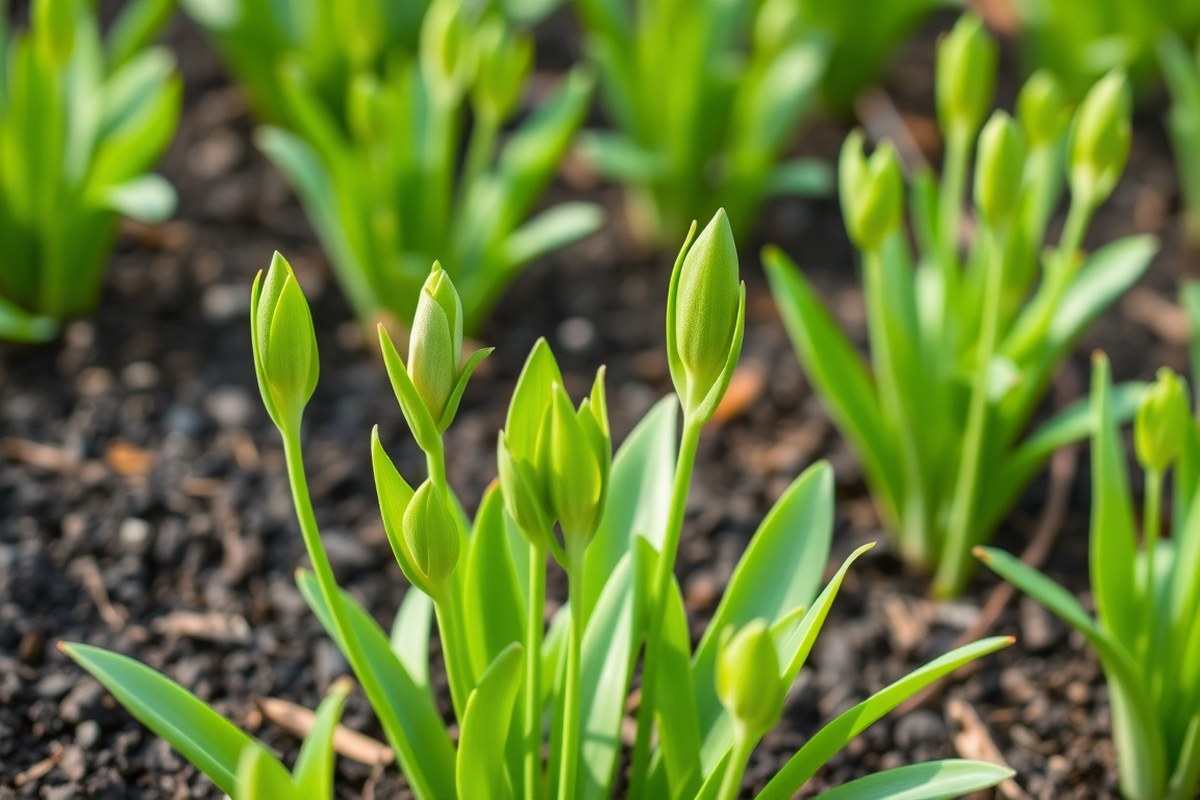
Perennial plants generally come back every year because they regrow from the same root system. During winter, these plants die back above ground but stay alive underground. This cycle is called seasonal dormancy.
It helps plants survive cold or dry seasons. They wait until conditions get better.
Seasonal dormancy means the plant conserves energy by shutting down leaves and stems above soil. In spring, roots wake up and send new shoots upward.
This cycle depends on temperature, moisture, and soil quality. For example, many perennials need soil temperatures above 50°F to break dormancy and start growing.
Perennials fail to come back after harsh conditions. These include extreme cold, long drought, or bad soil drainage. Pests, diseases, or improper planting can also damage their roots.
Brown or mushy roots during planting show there is a problem. Most perennials won’t come back if roots die from these stresses.
Planting perennials in suitable locations helps ensure their return each year. Choose plants that match your garden’s climate zone and soil type.
Mulching can protect roots during cold months and keep soil moist in heat. Also, avoid digging or disturbing roots in fall and winter to prevent damage during dormancy.
How Long Do Perennials Typically Live? Lifespan Explained
How Long Do Perennials Typically Live? Lifespan Explained
Perennials live for different lengths of time, depending on the species. Some last just a few years, called short-lived, while others stick around for decades. Their lifespan affects how often you might need to divide or replace them.
Short-Lived Perennials (3, 10 Years)
Short-lived perennials typically last between three and ten years. These plants often bloom well but may decline after a few seasons. Catmint fits here, blooming from late spring to early fall and coming back stronger each year.
After a few years, these perennials may need dividing or replanting in the garden. Dividing keeps them healthy and boosts flowering. This process only costs your time and a little effort.
It helps the plant live much longer. You get a big pay-off from this small work.
Medium-Lived Perennials (10, 20 Years)
Medium-lived perennials can thrive for 10 to 20 years before they start fading. Coneflowers and daylilies fit in this group, returning reliably but sometimes needing division every few years. They might take a few years to fully establish but then become garden staples.
These plants usually die back to their crown in winter, then regrow in spring. They don’t keep above-ground stems year-round, making winter care simpler. You won’t need to replant annually, which saves expense and effort.
Long-Lived Perennials (20+ Years)
Some perennials live 20 years or more. They can thrive for many decades. Good conditions help them last longer.
Goatsbeard might live 100 years or longer in one spot. Hellebore patches can age past 40 years without care. Woody perennials like rose or lavender also last many years.
These plants often have stems that persist through winter. Their longevity makes them valuable for the garden’s permanent structure. They’re worth the upfront investment because you won’t replace them often.
Here’s a quick table showing key differences between basic plant types:
| Type | Above Ground in Winter? | Replant Needed? | Examples |
|---|---|---|---|
| Herbaceous perennial | No, dies back to crown | No | Coneflower, hosta, daylily |
| Woody perennial | Yes, stems persist | No | Rose, lavender, hydrangea |
| Annual | No, entire plant dies | Yes, every year | Marigold, zinnia, petunia |
| Biennial | Rosette only (year 1) | No (self-seeds) | Foxglove, hollyhock |
Divide short- and medium-lived perennials every few years to keep them healthy.
Which Popular Perennials Reliably Come Back Each Year?
Many popular perennials reliably come back each year with little fuss. These plants suit beginners and thrive in different climates while blooming season after season. Knowing which types fit your garden’s sun and soil helps you grow a dependable perennial bed.
Top Perennials for Full Sun Gardens
Perennials that love full sun usually need six or more hours of direct sunlight daily. They are easy to grow and bloom vividly for months. Lavender is a top choice because it smells great and thrives in zones 4 to 8.
Daylilies are another hardy option. They tolerate most soils and even partial shade. They bloom in mid-summer to early fall and require very little care once established.
- Lavender: fragrant, blooms early summer, zones 4, 8
- Shasta Daisy: extra-long bloom, full sun
- Daylily: tough, thrives in most soils
- Spike Speedwell: blue or purple flower spikes
- Bee Balm: deer resistant, attractive flowers
- Echinacea (Coneflower): long-lasting lavender blooms, 2, 5 feet tall
Choosing perennials suited for full sun in your zone boosts their chances of returning each year. Expect minimal watering once they settle in. Good air circulation and well-draining soil help avoid common problems like rot.
Best Perennials for Shade or Partial Shade
Some perennials like less sun and grow well in partial shade. They need about 3 to 6 hours of sunlight each day.
Hostas are a popular choice for their bold, decorative leaves and ease of growth. They flourish in zones 3 to 9 and add texture to shaded areas.
Pinks are another good option. They bloom brightly all summer and handle partial shade well. Peonies can live for decades with little care and bloom reliably every year in cooler zones.
- Hosta: striking foliage, partial shade, zones 3, 9
- Pinks: bright flowers, summer bloom, partial shade
- Phlox: tall or ground cover, works in part shade
- Peony: long-lived, low-maintenance perennial
Shade perennials often need moist, rich soil to thrive. A layer of mulch keeps roots cool and moist. These plants usually don’t need much fertilizer to come back yearly once established.
Perennial Flowering Vines and Hanging Basket Plants
Certain vines and plants suited for hanging baskets come back yearly if cared for properly. Choose varieties hardy to your zone and give them the right support or potting mix. Zones 4 to 8 allow many flowering vines to return seasonally.
Examples include Clematis, which show impressive blooms each year in sun or part shade. Some perennial vines need pruning in late winter. This helps them grow well and bloom in spring.
- Clematis: colorful flowers, sun to partial shade
- Climbing Honeysuckle: fragrant flowers, deer resistant
- Sweet Pea (Perennial types): fragrant, bright flowers
Use well-drained soil and water regularly during hot months. Annual pruning prevents overgrowth and helps the vines bloom heavy every year. Hanging baskets need extra watering, as soil dries quickly.
How Climate Zones Affect Perennial Survival and Return
The USDA Hardiness Zone Map divides regions by their average lowest winter temperatures. This helps you know if a perennial can survive your winters. For example, Zone 5 usually means winter lows between -20°F and -10°F.
Perennials have specific zone ratings like zones 4 to 9, showing the coldest zones they tolerate. Choose plants with hardiness ranges that match your zone. This ensures they survive and return each year.
A plant rated 6 to 9 won’t survive a Zone 4 winter. So check the label before buying.
Some plants sold as perennials are only hardy in warmer zones. Tender perennials like certain salvias may survive mild winters but die in cold ones.
Check if the plant is called “hardy” for your area. Some plants are tender and need more care.
Even if a perennial is rated for your zone, poor planting can cause it to fail. For instance, soggy soil can rot roots before freezing happens. Planting in well-drained soil or raised beds helps roots avoid waterlogging during winter.
You might also see some perennials that handle cold but not heat. A cool-season plant might survive a harsh winter yet collapse in a hot summer.
Know your area’s usual winter lows and summer highs. This helps you pick plants suited for your season.
When you buy perennials, find your zone on the USDA map online. Then pick plants labeled safe for your zone or a wider range that covers your zone. This simple step prevents disappointment and saves money over years.
Perennials rated for broad zones like 4 to 9 tend to have greater survival odds. These plants often deal well with varied winters and soil conditions. Yarrow is an example; it tolerates drought, poor soil, and a wide zone range.
Common Reasons Perennials Fail to Return and How to Fix Them
Poor soil and bad drainage often stop perennials from coming back. Water pooling around roots can rot them. To fix this, loosen the soil before planting and add organic matter to improve drainage.
Planting time also affects perennial survival. Roots need time to settle before winter or hot weather. Aim to plant in early spring or fall when soil is workable but not frozen.
Overcrowding is another issue. When plants are too close, they compete for light, water, and nutrients.
This weakens growth and slows or stops return. Dividing congested perennials every few years helps keep them healthy.
- Remove perennial weeds and loosen soil before planting
- Add compost or sand to improve drainage if water pools
- Plant early in spring or fall for better root establishment
- Space plants according to their mature size to prevent crowding
- Divide clumps every 1 to 3 years, depending on species
- Cut back plants like catmint hard after first bloom to boost regrowth
Catmint is a good example of a perennial that needs yearly division to thrive. The University of Minnesota Extension says it can be divided every year if crowded. Cutting it back after its first spring bloom helps it flower longer into fall.
Leaving perennials in soggy soil can cause root rot, so improve drainage before planting.
Loose, well-draining soil lets roots grow deep and strong. Overcrowded plants struggle to get nutrients. Planting at the right time helps roots settle well.
This is important before tough weather arrives. It lets the plant get strong and ready. These steps prevent many common problems that lead to perennials not returning.
Best Practices to Help Perennials Come Back Stronger Every Year
Helping your perennials come back means setting them up right. You also need to care for them through the changing seasons. This keeps them strong year after year.
Prepare the soil well before planting your perennials. Plant them at the right time for your area.
Keep up with watering and regular trimming. Dividing and watching for pests also keeps your plants healthy year after year.
Preparing Soil and Site Selection
Good soil and the right spot make all the difference. Most perennials need well-draining soil with plenty of organic matter. Choose a location that suits your plant’s sunlight needs, whether full sun or shade.
Adding compost or aged manure improves soil texture and nutrients. Avoid areas where water pools after rain; soggy soil can kill roots fast.
Testing soil pH helps if you want perfect conditions. But many perennials tolerate a wide range.
Proper Planting Timing and Techniques
Plant perennials in early spring or early fall for best root growth. Soil temperature should be around 55°F or higher to wake up roots. Avoid planting in hot summer weather, which stresses young plants.
Dig a hole twice as wide and deep as the root ball. Gently loosen roots if they’re tightly packed. Plant at the same depth it was in its pot.
Fill in soil around the roots carefully. Press the soil gently but firmly to remove air pockets.
Water well after planting to settle soil and help roots start. Mulch with 2 to 3 inches of shredded bark to retain moisture and block weeds.
Seasonal Maintenance: Watering, Cutting Back, and Mulching
Water consistently, especially in the first year after planting. Most perennials need about 1 inch of water per week. Check soil moisture by sticking a finger about 2 inches deep.
Cut back dead foliage in late fall or early spring to prevent disease. Some, like daylilies, benefit from deadheading spent flowers during the growing season. Add fresh mulch yearly to protect roots and keep soil even.
Mulching also helps keep weeds from crowding your perennials. Avoid piling mulch against plant crowns to prevent rot.
Dividing and Transplanting Perennials
Dividing crowded perennials renews vigor and extends life. Do this every 3 to 5 years in early spring or after blooming in fall. Dividing reduces competition for nutrients and opens center growth.
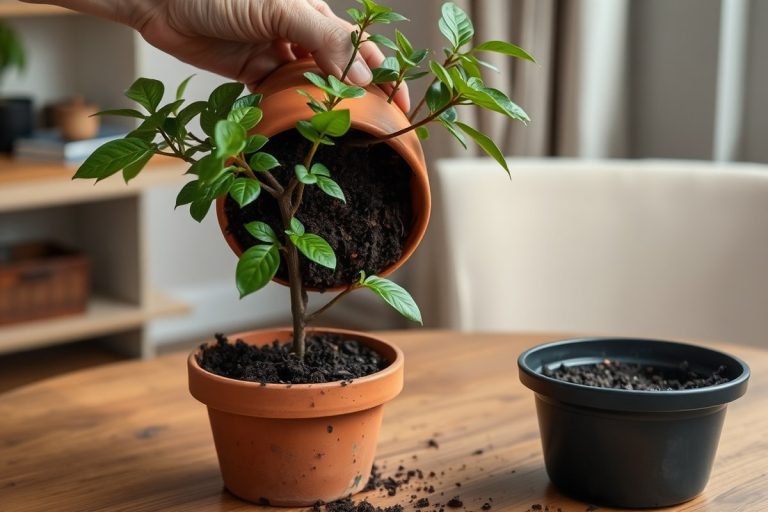
Lift clumps with a shovel. Pull or cut them apart into smaller sections with roots and shoots. Replant divisions at the same depth and water well.
Check your plant tags or resources for specific division timing. Some like daylilies divide best after flowering, while others prefer early growth stages.
Monitoring for Pests and Diseases
Watch plants regularly for spots, discoloration, or wilting. Catching issues early helps avoid serious damage. Use a magnifying glass if needed to spot tiny bugs like aphids.
Remove affected leaves or stems and dispose of them away from the garden. Good airflow and proper spacing reduce fungal problems. Avoid overhead watering to keep leaves dry.
Most perennials tolerate routine pests without much trouble. Check local extension services for safe treatments if pests spread rapidly or disease worsens.
- Test soil and amend with compost before planting.
- Choose a planting site that matches the plant’s sunlight needs.
- Plant in early spring or early fall, avoiding summer heat.
- Water deeply after planting and regularly during dry spells.
- Cut back old growth and deadhead flowers during the season.
- Mulch annually with 2 to 3 inches of organic material.
- Divide perennials every 3 to 5 years to prevent crowding.
- Inspect plants weekly for pests or diseases and treat promptly.
Understanding Perennial Blooming Cycles and What to Expect
Perennial plants bloom every year. But their flowers do not always appear on the same schedule. Each variety blooms at different times.
This depends on day length and temperature. Soil conditions also affect blooming periods. The cardinal flower blooms bright red spikes in early July.
It keeps blooming until late September. It adds color when many summer plants fade.
Bloom length varies widely. Some perennials flower for just a few weeks. Others can bloom for months if conditions stay favorable.
Temperature swings, drought, or poor soil can shorten the bloom period. That’s why it’s helpful to know your plant’s typical flowering cycle. Watch your garden while flowers bloom.
This helps spot fewer flowers or strange timing. Early detection can prevent bigger problems.
Following flowering, many perennials take time to rest and build energy for the next season. After they bloom, their leaves continue to photosynthesize, storing nutrients in roots or crowns underground. This stage supports healthy regrowth and next year’s flowers.
Cut back spent blooms right after flowers fade. This helps the plant focus on root growth. The plant stays healthier this way.
Divide crowded plants in early spring. You can also do this just after flowering. This refreshes plants and boosts future blooms.
How to Choose Perennials for Your Garden Conditions and Goals
Match your perennials with your garden’s sunlight and soil conditions. Some plants like full sun, others need shade. Soil moisture also matters; drought-tolerant species suit dry spots, while others prefer moist soil.
Think about how much care you want to give these plants. Low-maintenance perennials like daylilies thrive with little watering.
Showy plants like peonies take more time but offer big blooms. Decide what fits your schedule and style.
Here is a table to help you pick the right perennials. Use it to match sunlight, soil, and your garden goals. Use it to compare popular choices that come back reliably:
| Perennial | Sunlight | Soil Moisture | Maintenance | Garden Style |
|---|---|---|---|---|
| Daylily | Full sun | Well-drained, medium to dry | Low | Easy, informal |
| Perennial Sage | Full sun | Well-drained, medium to dry | Low | Herbaceous, natural |
| Hosta | Shade to part shade | Moist, average | Low to medium | Shade garden, borders |
| Peony | Full sun to part shade | Average, consistently moist | Medium to high | Showy, formal |
| Coneflower | Full sun | Average to dry | Low | Wildflower, sunny borders |
| Black-eyed Susan | Full sun | Average to dry | Low | Sunny, informal |
| Siberian Iris | Full sun to part shade | Evenly moist | Medium | Water garden, borders |
| Veronica | Full sun to part shade | Average | Low | Vertical accents, borders |
Select perennials suited to your climate zone. In Zones 4 to 8, some plants take full sun and moist soil.
These plants usually do well in those conditions. Adjust your choices based on your local weather and seasonal patterns.
Divide your perennials every few years. It keeps them healthy and prevents overcrowding.
Simple care like dividing plants can help keep your garden thriving. Also, watch soil moisture regularly. Avoid dry spells for moisture-loving plants, or pick drought-tolerant types for neglected areas.
Step-by-Step Action Plan for Growing Reliable Perennials
Use this simple plan to help your perennial plants come back strong each year. Follow the steps in order and watch your garden thrive.
- Before Planting: Choose perennials suited for your climate zone to ensure they return. Check your area’s USDA zone online.
- At Planting: Pick a site with the right sun and soil for your plants. Healthy roots start here.
- First 2 Weeks: Water newly planted perennials daily to keep soil moist but not soaked. Check soil by touch, it should feel damp.
- Month 1: Mulch around plants to keep moisture steady and reduce weeds. Mulch should be 2 to 3 inches deep but keep it away from stems.
- Growing Season: Deadhead flowers regularly to encourage more blooms and prevent seed drop. Look for faded blooms and pinch them off.
- Late Season: Cut back dying foliage once it yellows or browns. This helps the plant store energy for next year.
- Winter Prep: Put a layer of mulch or leaves on your plants. This helps protect them from harsh winter cold. It keeps the roots warmer and safer. Remove this in early spring when growth starts.
- Early Spring: Fertilize lightly with a balanced fertilizer to boost new growth. Watch for fresh shoots as a sign it worked.
Frequently Asked Questions
What Is the Longest Blooming Perennial Flower?
Cardinal flower blooms from early July to late September. It has one of the longest blooming periods for perennials. Its bright red spikes keep your garden colorful when many others fade.
What Is the Easiest Perennial to Grow?
Lavender is one of the easiest perennials to grow and comes back every year. It smells great and needs little care once it’s established.
Which Plant Gives 12 Months of Flowers?
No perennial flowers all year round naturally. But some extended bloomers provide many months of color. You can combine plants to cover most seasons instead.
What Is the 3-year Rule for Plants?
The 3-year rule suggests some perennials bloom best after they’ve settled for three seasons. It means patience pays off before you expect full blooms.
Can Perennials Survive Harsh Winter Temperatures?
Some perennials handle cold winters well and come back each spring. Choose plants suited to your zone for the best chance of survival.
Do All Perennials Need Pruning Each Year?
Most perennials benefit from pruning to remove dead growth and encourage strong blooms. However, some low-maintenance types can grow fine without yearly cutting.
Wrapping Up
Perennial plants often return yearly if they fit your garden well. You also need to care for them properly. Good care helps them survive and thrive.
Focus on good planting choices and steady care to help them thrive. Start by checking your climate zone and picking perennials made for it today.