Does Perennial Come Back Every Year? A Complete Guide to Reliable Returns
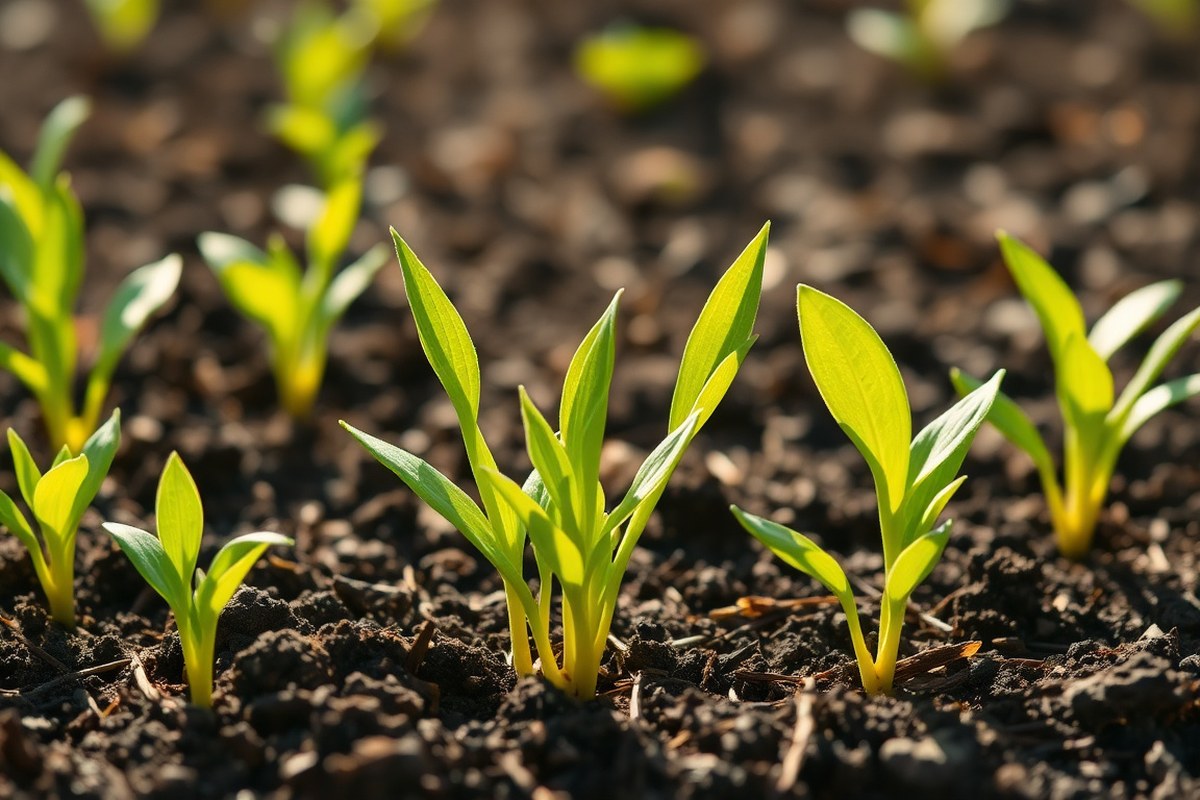
Does perennial come back every year? Most perennials do return each season. They die back in winter but regrow when spring arrives.
This cycle saves you time by not replanting yearly. The underground parts survive cold weather and send up new growth.
Some perennials live only a few years, while others can last decades. Factors like plant type, location, and winter conditions affect their return.
Harsh winters or poor drainage can stop some perennials from coming back. Choosing the right perennial for your zone and care helps ensure it comes back strong.
Start by picking plants suited to your climate zone to improve survival odds. Watch soil moisture and light needs since they vary greatly among perennials.
For example, some perennials prefer well-drained soil, while others like more moisture. These simple steps make a big difference in reliable returns.
Key Takeaways
- Most perennials die back in winter but regrow in spring reliably.
- Some perennials live only 2 to 3 years; others can last 50+ years.
- Choosing zone-appropriate plants increases their chances of coming back.
- Provide proper soil moisture and light based on each perennial’s needs.
- Mulching after the first hard frost protects roots through winter.
- Planting perennials in fall or early spring helps their root establishment.
Do Perennials Come Back Every Year?
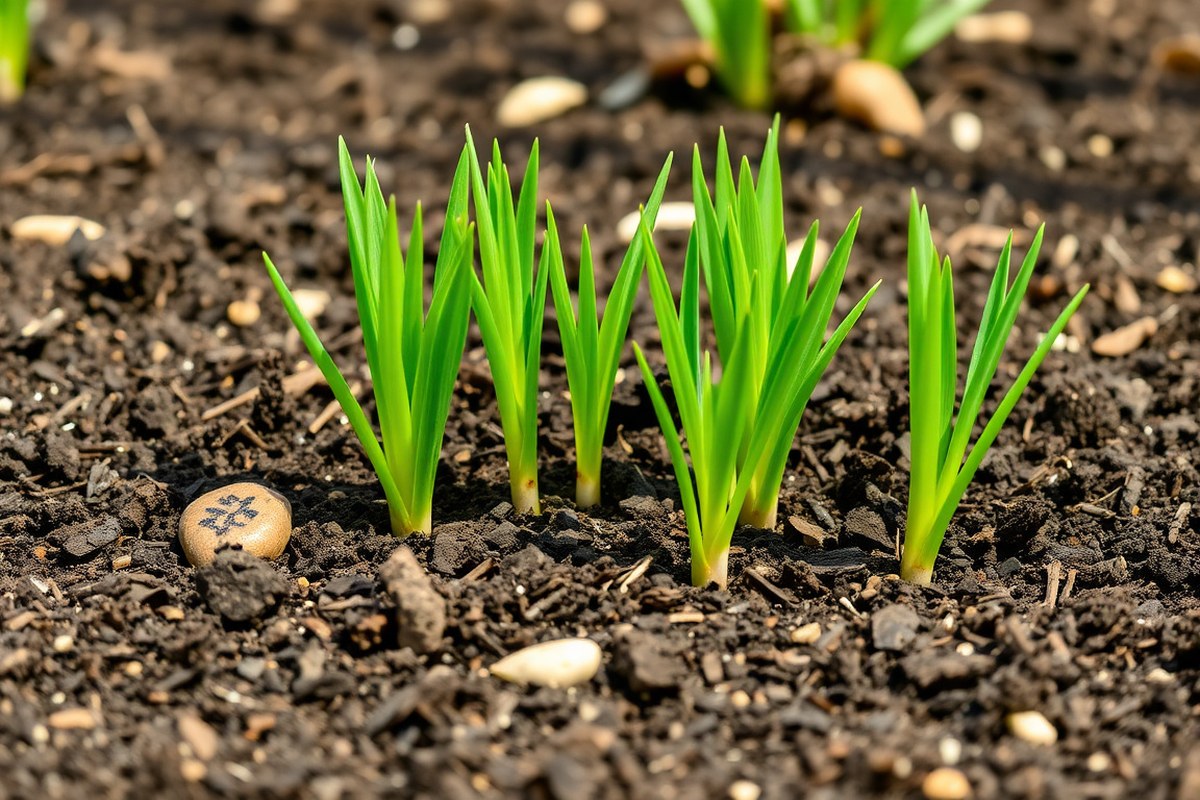
Perennials live more than two years. They lose leaves in winter. Their roots stay alive underground and sprout again in spring.
This means perennials come back every year but only when planted in suitable conditions. A perennial that doesn’t come back may have died from cold or bad care. Sometimes extreme cold, too much water, or disease kills the root system.
Many herbaceous perennials lose all their top growth during winter but regrow after the soil warms. This cycle helps them survive harsh weather. Daylilies and peonies die back in winter.
They return strong every spring. Proper care helps them grow well.
Perennials need the right climate and soil to thrive. Plants rated for your gardening zone have a better chance to return annually. Planting them where conditions match their needs increases your chances of seeing them come back.
Some gardeners confuse perennials with annuals or biennials. Annuals complete their life cycle in one season.
Biennials take two years but only bloom once. Perennials, by contrast, keep growing and blooming for many seasons if they stay healthy.
A perennial not returning often means root damage or poor growing conditions. Make sure your plant suits your zone. Water it right and keep it safe from frost.
Giving them time is important too. Some perennials take a few seasons to establish and return regularly.
How Perennials Survive Winter and Dormancy
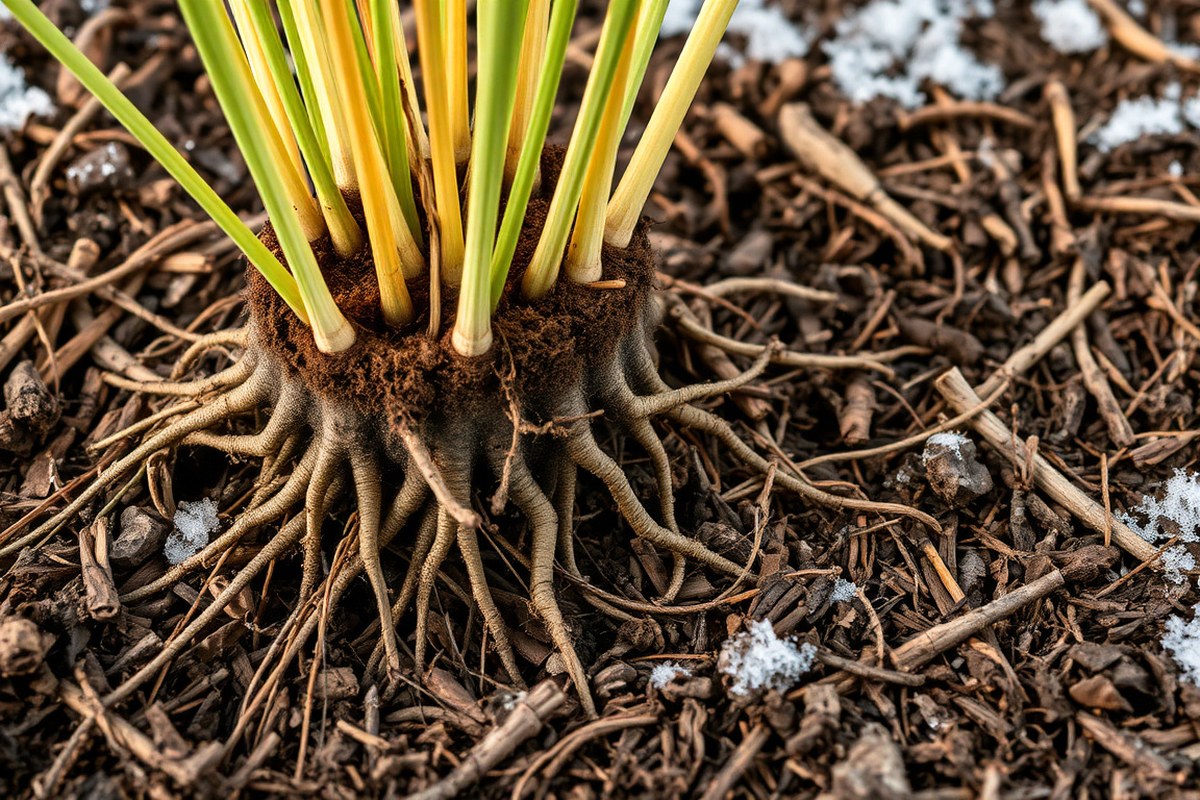
Perennials survive winter by going dormant. During dormancy, their above-ground parts die back.
But underground structures like bulbs, tubers, or rhizomes stay alive. These underground parts store energy that fuels new growth when spring warms the soil.
This cycle makes bare spots in your garden during cold weather. Meanwhile, the roots hold on below ground, protected from freezing temperatures and harsh winds. When soil temperatures reach around 50°F, the roots send up shoots again.
Some perennials disappear for a year before returning because dormancy can vary by species and climate. For example, plants in colder zones 3 to 5 enter deep dormancy with extensive root protection. In milder zones 8 to 11, perennials may remain green longer or even year-round.
Waterlogged soil in winter can cause root rot, killing perennials before spring. Avoid planting in poorly drained areas to prevent this.
Perennials are built for tough winters, but they need well-drained soil to survive. Root rot happens when water stays too long around roots, especially under freeze-thaw cycles. Without healthy roots, new growth won’t emerge in spring.
When perennials don’t come back, it’s often because of climate mismatch or soil problems. A perennial rated for warmer zones will struggle or die in harsher winters. Choosing plants suited to your USDA Hardiness Zone prevents this and improves winter survival.
Common Perennials That Come Back Every Year
Many common perennials come back year after year from their root systems. Plants like Rudbeckia fulgida are very reliable. They can grow well even in poor soil.
Garden varieties of this plant thrive too. These perennials usually return in most garden conditions without needing replanting.
Not all plants sold as perennials behave the same. Some only return in mild climates and act like annuals where winters are harsh. Young perennials can seem like they don’t return.
They sometimes grow slower or change shape early. This can make you think they disappeared.
| Feature | Annuals | Perennials |
|---|---|---|
| Lifespan | One growing season | Three or more years |
| Energy Focus | Maximum flower/seed production | Root development and survival |
| Growth Strategy | “Sprint” to completion | “Marathon” endurance |
| Garden Role | Immediate, high-impact color | Long-term structure and reliability |
| Root System | Shallow and temporary | Deep, strong, and permanent |
Perennials develop a strong root system that helps them survive dormant seasons. This root system brings them back without planting again. Annual plants focus on making seeds fast.
They live only one season. After that, they die and don’t come back.
Simple care like mulching and watering helps perennials return successfully. Choosing established types, like named Rudbeckia cultivars, increases your chance of a long-lasting plant. Watch for those that may only behave like perennials in your climate zone to avoid disappointment.
How Hardiness Zones Affect Perennial Survival
The USDA Hardiness Zone Map divides the U.S. Into zones based on average winter lows. Knowing your zone helps pick perennials that can survive your coldest winters. Planting perennials outside their zone risks root damage or death during freezing temperatures.
A perennial rated for zones 4-9 can handle cold winters. It survives where temperatures drop between -30°F and 20°F. This range helps you choose plants for your area. Planting that perennial in zone 3 can be risky.
Winter temperatures often drop below -30°F here. That cold can kill the plant’s roots. This stops the plant from coming back the next year.
| Feature | Details |
|---|---|
| USDA Zones | 4-9 |
| Sun Needs | Part Shade |
| Height | 1-2 Feet |
| Spread | 1-2 Feet |
| Bloom Time | Late Winter to Spring |
Choosing perennials that match your zone makes winter survival more likely. Start with plants rated for your zone and provide the right sun and soil conditions. Peonies in zones 5-8 need cold winters to grow well.
Avoid mulching in winter so they get enough chill. This helps them thrive each season.
Growing perennials outside their zones can harm their survival. These plants might need extra care or winter protection. Plan for this if your zone is far off.
When roots freeze, the plant won’t return next season. That’s why matching zone hardiness with your climate saves time, energy, and money on lost plants.
When and How to Plant Perennials for Best Return
Plant perennials in spring or early fall for the best chance they come back. These seasons help plants develop roots before harsh weather hits. Choosing the right site and using careful planting methods also boost success.
Ideal Planting Times by Region
Perennials need at least six weeks to grow roots before frost arrives. In cold regions, plant in early fall to allow root growth before the ground freezes. In hotter climates, spring planting works better unless you can water often during summer.
Spring planting encourages quick establishment since the soil warms up. Early fall planting leads to stronger root systems, helping plants survive winter stress. Summer planting is risky without regular watering and shade to prevent heat damage.
Preparing the Planting Site Correctly
Good soil drainage prevents root rot, a common cause of perennial failure. Remove weeds and loosen soil to allow roots to spread easily. Make sure the spot fits the sunshine needs of your plant to save growth energy.
Adding compost improves soil nutrients and helps young plants settle in faster. Avoid planting in low spots where water collects and freezes in winter. Choose a site where perennials won’t compete heavily with tree roots.
Step-by-Step Perennial Planting Process
Follow these steps for strong root establishment and healthy perennial growth:
- Dig a hole twice as wide and the same depth as the root ball.
- Loosen the plant’s roots gently if they are tightly packed.
- Place the plant in the hole so the crown is level with the soil surface.
- Fill the hole with soil, firming it lightly without packing.
- Water deeply to settle the soil around the roots.
- Add a 2-3 inch layer of mulch, keeping it away from the crown.
- Check soil moisture regularly, especially the first few weeks.
Don’t plant perennials too deep; the crown should sit just at soil level.
Container Growing Tips for Perennials
Containers work well for plants like mint that spread aggressively. Use a pot with drainage holes to avoid water buildup and root rot. Choose a size large enough for roots to fill in, usually 12 inches or more wide.
Use high-quality potting mix and water when the top inch of soil feels dry. Feed container plants monthly during growing season with a balanced fertilizer. Bring pots indoors or into protected spots during harsh winter weather.
Seasonal Care Tips to Help Perennials Come Back Strong
Perennials come back strong when you care for them through all seasons. Watering, mulching, cutting back, and fertilizing at the right times help the plants survive. These tasks keep roots healthy and ready to grow again after winter.
Watering Best Practices Before Winter
Water perennials deeply during the fall, especially when rains are sparse. This strengthens roots and improves winter survival. Stop watering when the ground freezes to prevent root damage.
Water needs depend on soil and climate. For clay soils, water less often but longer. Sandy soils dry faster and need more frequent watering.
Here’s a simple watering checklist before winter:
- Water once a week if no rain falls
- Give about 1 inch of water per session
- Avoid watering after the first hard frost
- Stop watering once the soil stays frozen
- Use soaker hoses or drip irrigation to soak roots
Mulching: When and How Much
Apply mulch only after several hard frosts hit to avoid waking plants early. Mulch protects roots from temperature swings during winter. Use 2 to 4 inches of mulch for best results.
Materials like shredded leaves, straw, or bark work well. Avoid piling mulch against the plant stems to stop rot. Remove mulch in spring once the soil thaws to encourage new growth.
Fall Cleanup and Cutting Back
Cut back dead or yellowing stalks after the first frost to tidy beds. This prevents pests and mold from settling in. Save cutting back flowering stems until after their first bloom for a second flower flush.
Leave some greenery on plants that store energy in leaves, then trim in early spring. Dead growth can hide insects or diseases.
So clean up fallen leaves and debris too. Leaving some stems helps seed feeders over winter.
Fertilizing Perennials Properly
Perennials don’t need heavy feeding to return each year. Apply a balanced, slow-release fertilizer once or twice during the growing season. Avoid high nitrogen fertilizers late in the year to prevent tender new growth before winter.
Good fertilizing supports strong roots and blooming. Use about 1 pound of 10-10-10 fertilizer per 100 square feet in early spring. Avoid fertilizing just before frost as plants shut down their growth.
Reasons Perennials Might Not Come Back
One major reason perennials don’t come back is poor drainage. When the soil holds too much water, roots may rot before spring.
You can check this by digging near where the plant was. When the soil feels soggy or smells sour, drainage is the issue.
Another cause is planting depth. Planting too deep or too shallow stresses the roots. To fix this, gently dig around the area and look for root damage or dryness.
Make sure to plant new perennials with their crowns just above soil level. Mulch should be pulled away a few inches from this crown to avoid rot.
Climate plays a big role, too. Some perennials aren’t hardy where you garden.
When a plant disappears, compare your USDA zone to the plant’s needs. Choosing plants suited to your zone helps them survive winter and come back strong.
Pests and wildlife also kill perennials. Rodents and insects dig or eat roots and crowns.
Look for bite marks or tunnels in the soil. Adding physical barriers or natural repellents can protect vulnerable plants.
Lastly, poor planting time or weak establishment can lead to failure. Plant too late in the season, and roots don’t settle before cold weather.
Choose planting dates based on your local climate, usually early spring or fall. Giving new plants water and some shade helps them get started.
To find why a perennial failed, start by checking soil drainage. Feel the soil and see how wet it is. Check the crown health and how deep you planted it.
Also, review your local hardiness zone and look for pests. Finally, think about when you planted it. This step-by-step approach can save you from repeating the same mistake on your next planting.
What Happens During the First Three Years of Perennial Growth
Perennials typically take three years to fully settle in and return reliably every year. During this time, they grow roots, build up strong foliage, and start blooming well. The first few years are mostly about their foundation, so patience helps a lot.
Year One: Establishing Roots
In the first year, your perennial focuses on growing roots and settling into the soil. It might not flower or will produce only a few blooms that season. This root growth is key for winter survival and healthy growth later.
Planting too late in the season can hurt root development, especially near the first frost. Pick a planting time at least 6 weeks before the frost. Give roots 6 to 8 weeks to grow well.
This helps plants settle before cold weather. Water regularly but avoid overwatering, which can rot the roots.
Year Two: Growing Foliage and Strengthening
The second year, your plants will grow bigger foliage and develop stronger stems. They use their established root system to take in more water and nutrients.
You’ll often see more flowers this year. But it’s still building strength for future growth.
Fertilizing in early spring can boost growth, using a balanced 10-10-10 fertilizer. Remove dead flowers to help new blooms grow. This stops the plant from wasting energy on seeds.
Deadheading keeps your plant healthy and blooming. This care helps the plant store energy in roots.
Year Three: Full Bloom and Vigorous Return
By the third year, perennials often reach full bloom and start coming back reliably every spring. They have deeper roots and more buds above ground for better growth and flowers. Now, they look mature and provide steady color in your garden.
Cut back old, dead stems early in spring to make room for new growth. Mulching around the plants can keep roots cooler and moist. Good drainage and regular watering remain important during active growth and blooming.
Below is a simple routine to help perennials thrive through their first three years:
- Choose a planting site with well-drained soil and the right sun exposure.
- Plant perennials 6 to 8 weeks before the first expected frost.
- Water newly planted perennials regularly during the growing season.
- Apply balanced fertilizer in early spring of the second year.
- Deadhead flowers during years two and three to promote more blooms.
- Cut back old growth in early spring of year three.
- Mulch plants to conserve moisture and regulate soil temperature.
Don’t plant perennials too close to the first frost. Roots need weeks to establish before winter.
Your Quick-Start Plan for Perennial Success
Follow these steps to help your perennials come back strong every year. Check each step off as you see the signs of growth or health.
- Before Planting: Choose perennials suited for your hardiness zone. You’ll know it worked if they thrive without stress in your local weather.
- Planting Time: Plant in early spring or fall. Watch for healthy roots and green shoots in 4 to 6 weeks.
- Spring: Remove any winter mulch carefully. New growth should appear soon after.
- Summer: Water regularly during dry spells and deadhead spent flowers. Your perennials will keep blooming longer.
- Late Summer to Fall: Cut back spent stems and apply mulch to protect roots. Perennials will prepare to go dormant.
- Winter: Check mulch cover and add more if needed. Plants that stay covered show better winter survival.
- Early Next Spring: Divide crowded perennials to promote fresh growth. You’ll see new healthy clumps by summer.
Frequently Asked Questions
How Can I Tell If a Plant Is Perennial Before Planting?
The best way is by plant identification. Look for labels or use plant guides. Perennials will come back yearly, so knowing their type helps you plan your garden.
Do All Perennials Flower Every Season They Come Back?
Not all perennials flower every year. Some focus on foliage or need maturity. It depends on the plant’s species and growing conditions.
Can Perennials Survive If the Winter Is Unusually Harsh?
Perennials usually survive harsh winters if in the right zone. Mulching can help protect roots from extreme cold. Extra care might be needed in unusual climates.
How Does Soil Type Affect Perennials Coming Back Each Year?
Soil impacts perennial survival a lot. Well-drained, fertile soil helps growth and repeat blooming. Poor soil can stunt plants or stop them from returning.
Are There Perennials That Can Grow in Partial Shade and Come Back Yearly?
Yes, many perennials tolerate partial shade and come back yearly. Hostas and hellebores are good examples. Choosing shade-tolerant perennials fits varied garden spots.
What Is the Typical Lifespan of a Perennial Plant?
Perennials usually live for 3 or more years. Some live decades if cared for properly. Lifespan depends on species and growing conditions.
Final Thoughts
Most perennials come back year after year when cared for right. Watch how your plant responds to changes in seasons to learn what it needs. Pick a plant that matches your zone.
Watch how it grows each year. Adjust care based on what you see.