Are Alliums Perennials? A Complete Guide to Growing Them Year After Year
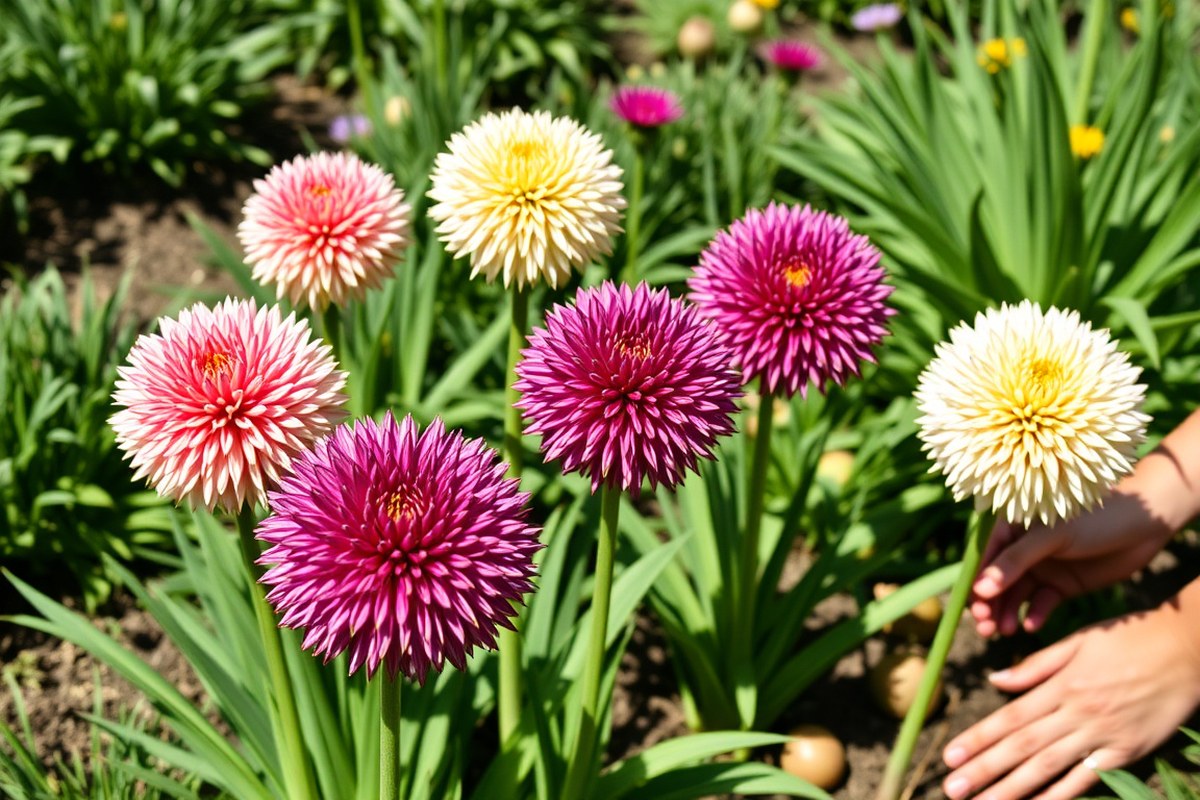
Are alliums perennials? Yes, many alliums are true perennials that come back year after year.
These plants survive winters and bloom repeatedly without needing replanting. Their bulbs store energy to produce flowers each spring or summer.
Alliums thrive especially well in USDA zones 3 through 9, where they handle cold winters. Full sun is key.
So plant them where they will get at least six hours of direct sunlight daily. Well-drained soil helps prevent bulb rot during wet seasons.
To grow alliums successfully as perennials, prepare your soil with compost in the fall. This improves nutrients and soil structure, helping the bulbs stay healthy over time. Avoid overwatering once established to prevent fungal issues.
Dividing allium bulbs every few years encourages stronger growth and more blooms. This is best done in late summer when leaves die back. Mulching in winter protects bulbs from freeze-thaw cycles in colder climates.
Key Takeaways
- Most alliums are hardy perennials in USDA zones 3 to 9.
- Plant alliums in locations with full sun, minimum six hours daily.
- Add 2, 3 inches of compost or well-rotted manure each fall.
- Divide alliums every 3 to 4 years to keep them vigorous.
- Plant and divide bulbs in fall, at least six weeks before ground freezes.
- Some popular perennial species include Allium giganteum and Allium caeruleum.
Are Alliums True Perennials or Not?
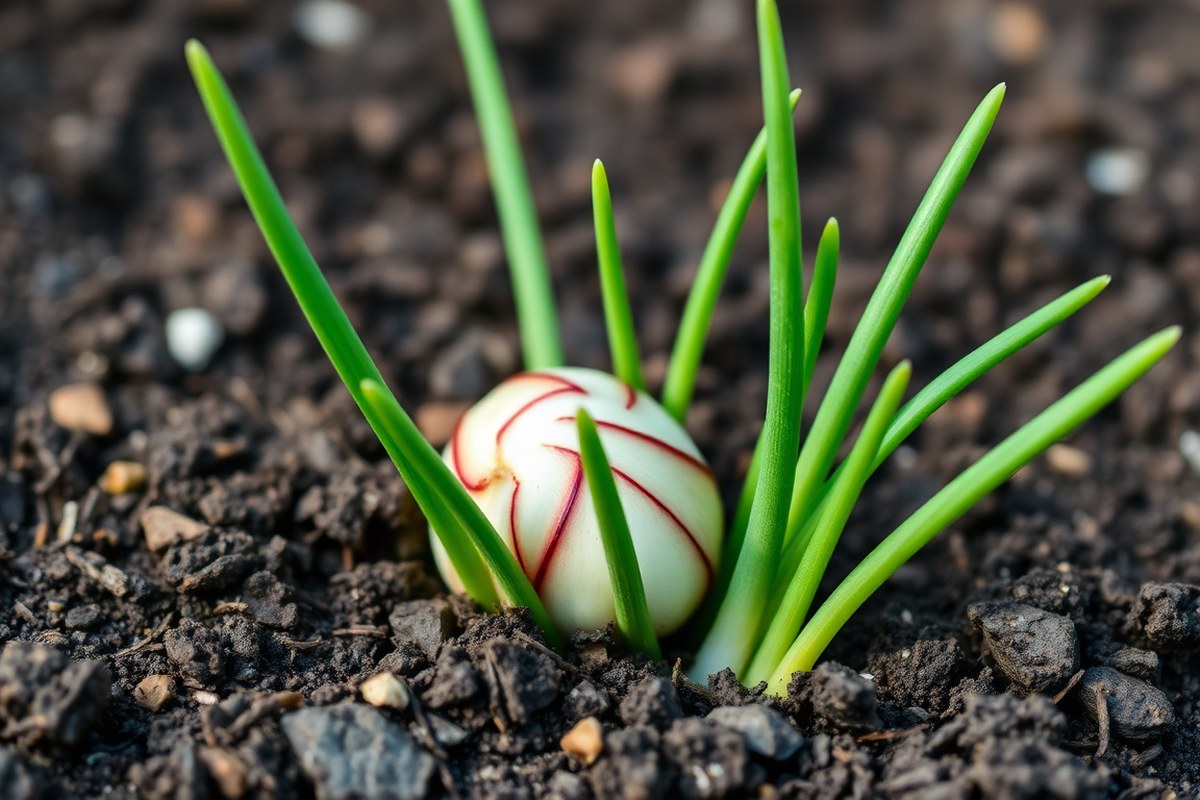
Most alliums are perennials, meaning they come back year after year from the same bulb. They die back in winter but regrow each spring without needing replanting. This makes them different from annual alliums.
Annual alliums live only one year. They do not grow back after that.
Alliums are generally bulbous perennials, which means they store energy in underground bulbs. These bulbs survive the cold season and send up new shoots the next growing season. Some alliums, like the drumstick allium, form clumps over time, making them long-lasting garden plants.
Distinguishing a perennial allium involves checking how it grows. True perennial alliums bloom annually for at least three to five years. You can treat them similarly to tulips, planting bulbs in the fall for spring blooms.
Annual or biennial alliums will finish their growth faster and won’t persist. So knowing the species or variety helps you plan your garden.
Which Allium Species and Varieties Are Perennial?
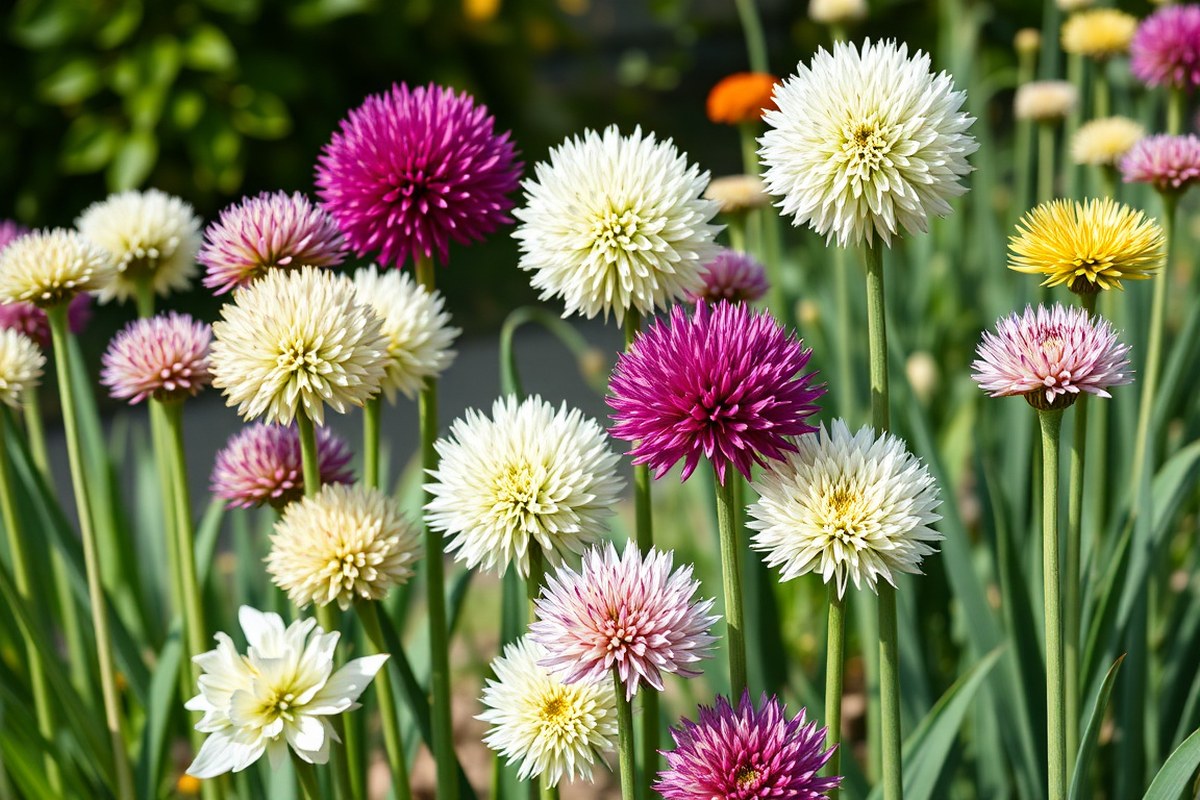
Many ornamental alliums are perennial, coming back year after year from bulbs. Several popular species like Allium giganteum and Allium caeruleum suit garden beds for their lasting bloom.
Some alliums live longer than others. So knowing the variety helps you plan your garden well.
Spring-blooming alliums usually grow between 1 and 2 feet tall. They include species like Allium caeruleum. These plants stay shorter than summer varieties.
Summer bloomers like Allium giganteum grow much taller. They can reach up to 6 feet high.
Their flower heads are large and impressive. Short-lived alliums or certain culinary varieties may behave more like annuals or biennials in your garden.
| Allium Variety | Bloom Season | Lifespan | Height | Key Growing Characteristics |
|---|---|---|---|---|
| Allium giganteum | Summer | Perennial | Up to 6 feet | Large, spherical flower heads; needs staking |
| Allium caeruleum | Spring | Perennial | Up to 2 feet | Blue flowers; drought tolerant |
| Allium ‘Purple Cailah’ | Spring | Perennial | Varies | Large purple flower clusters |
| Ornamental Garlic (various species) | Mid to late summer | Perennial or short-lived perennial | Varies | Showy flowers; prefers well-drained soil |
| Culinary Onions & Garlic | Varies | Typically annual/biennial | Varies | Usually not grown as ornamentals in perennial beds |
Perennial alliums add structure and bold color every year with little fuss. Plant bulbs before the ground freezes so roots can grow early.
Avoid disturbing the soil around emerging shoots in spring to protect shallow roots. Dividing crowded clumps every 3 to 4 years keeps the plants lively and fertile.
Be careful with pests like the allium leafminer. It can harm both edible and ornamental alliums.
Spring bloomers tend to be shorter and less dramatic than midsummer giants. Choose species based on where and when you want color.
Larger types like Allium giganteum work as strong focal points. Smaller spring bloomers fit well in borders or rock gardens.
In What USDA Zones Are Alliums Perennials?
Ornamental alliums usually survive as perennials in USDA zones 3 through 9. Their bulbs handle cold winters if the soil drains well.
Keep soil dry to protect the bulbs during winter. Wet, freezing soil for months can cause bulbs to rot, cutting their lifespan.
In zones 3 and 4, use sandy or loose soil for bulbs. Avoid soil that holds water after rain. Bulbs need dry soil to survive cold.
Adding mulch helps moderate soil temperature and protect bulbs from extreme freeze-thaw cycles. In zones 7 to 9, alliums need less winter care.
Still, keep soil from becoming too wet or soggy. Wet conditions can harm the bulbs.
Alliums grown in containers generally survive winters in zones 5 and warmer. Below zone 5, containers risk freezing solid and killing bulbs. Protect container plants by moving them indoors to a cool garage or basement.
You can also bury pots in the ground to keep them warm. These steps stop roots from freezing.
Zone affects bulb longevity mainly through winter temperature and soil moisture. Cold, wet winters shorten bulb life by inviting fungal decay. Well-drained soil and mulching extend bulb health by preventing soggy conditions and temperature swings.
Regularly check bulbs in the fall for firmness and dryness. Bulbs showing soft spots or shriveling may not survive winter. In containers, reduce watering after summer to keep bulbs dormant and less prone to rot.
How to Plant Alliums for Best Perennial Results
Plant alliums in fall. Plant them 4 to 6 inches deep. Space bulbs 6 to 12 inches apart.
Prepare well-drained soil with good nutrients for strong perennial growth. Follow these steps to make sure your alliums thrive year after year.
Optimal Planting Time
The best time to plant allium bulbs is in fall, usually between September and November. Planting in fall helps bulbs develop roots before winter and bloom in spring. Avoid planting in spring, as it may delay growth and reduce blooms.
Fall planting sets your alliums up to return reliably every year. It also gives bulbs a chance to establish before cold weather. Don’t plant alliums in heavy shade or poorly drained soil, they won’t come back well.
Planting Depth and Spacing
Plant bulbs at four times their height. This is about 4 to 6 inches deep.
Keeping the right depth protects bulbs from temperature swings and pests. Too shallow planting exposes bulbs to frost, while too deep delays shoot emergence.
Space bulbs 6 to 12 inches apart depending on the variety. Smaller varieties need 6 inches between bulbs.
Larger ones do better with 12 inches. Proper spacing prevents overcrowding and lets bulbs grow big and strong.
Leaving enough room also helps air circulate around bulbs, reducing rot risks. Bulbs planted too close may compete for nutrients and weaken over time.
Preparing the Soil and Bed
Choose a sunny spot with well-drained soil for planting alliums. Soil should feel loose, not compacted or waterlogged. Poor drainage leads to bulb rot and failure to return in following years.
Loosen soil to about 8 to 12 inches deep and work in compost or aged manure. This adds nutrients and improves drainage. Avoid heavy clay soils unless you add organic matter or use raised beds.
Rotating alliums with unrelated plants helps prevent soil diseases and keeps bulbs healthy. Avoid planting alliums repeatedly in the same spot without crop rotation. Follow these steps to plant your alliums:
- Pick a sunny, well-drained site with loose soil.
- Dig the bed to loosen soil 8 to 12 inches deep.
- Mix in 2 to 3 inches of compost or aged manure.
- Mark spots 6 to 12 inches apart depending on bulb size.
- Dig planting holes 4 to 6 inches deep, about 4 times bulb height.
- Place bulbs pointy side up in the holes.
- Cover bulbs with soil and pat down gently.
- Water the bed well after planting to settle soil.
Seasonal Care to Keep Alliums Perennial and Healthy
Alliums need simple, year-round care to bloom each year. Water them lightly if the ground dries out. Feed with slow-release fertilizer every spring.
Mulching helps keep soil cool and moist. Removing dead leaves after blooming lets new growth shine.
Fall and Winter Care
In fall, wait until the foliage turns yellow and dies back naturally before cleaning it up. This process helps the plant store energy in the bulb for next year’s growth. Apply a thin layer of mulch around the bulb base for frost protection.
Keep the mulch layer light. Heavy mulch can cause moisture buildup.
Alliums don’t need extra watering in fall or winter when natural rain supplies water. They tolerate cold well without special protection.
Move potted alliums to a sheltered spot. This helps stop bulbs from freezing.
Spring Growth and Bloom Time
Start fertilizing alliums with a balanced, slow-release option as soon as new shoots appear. This feeds bulbs for strong stems and more flowers. Water them moderately when the soil feels dry, but avoid overwatering to prevent rot.
Plant alliums among taller plants to hide yellowing foliage after bloom. Allium flower stalks grow about 2 feet tall. They add height and color to garden borders.
This happens from late spring to early summer. You’ll see blooms last several weeks, giving your garden long-lasting color.
Summer After-Bloom Maintenance
Cut back flower stalks once all blooms fade to keep beds tidy and stop seed formation. Leave the leaves alone until they turn brown and dry.
So bulbs can refill with nutrients stored for next year. Avoid pulling leaves early, which can weaken the bulbs over time.
Every 3 to 5 years, dig up crowded bulbs in late summer before fall frost. Separate and replant healthy bulbs to keep alliums blooming well. This step stops overcrowding and promotes vigorous growth season after season.
Never cut back allium leaves before they fully yellow. This starves bulbs of important energy for next season.
Dividing Alliums to Maintain Perennial Vigor and Longevity
Dividing alliums helps keep the plants healthy and blooming well. You should divide clumps every 3 to 4 years to prevent overcrowding. Doing this at the right time and carefully reduces stress on the bulbs.
Signs Alliums Need Dividing
Alliums look crowded when flower stems decline in size or count. Bulbs produce fewer flowers or stop blooming after several years. Watch for clumps spreading unevenly or some bulbs rotting in damp soil.
Division refreshes growth and stops bulbs from competing for water or nutrients. You’ll notice more strong leaves and fuller flower heads after you separate crowded bulbs.
Best Timing for Division
Wait until the foliage turns yellow and dies back in late summer or early fall. The bulbs go dormant and can handle disturbance better then. Avoid dividing bulbs when new shoots have started, usually in spring.
Late summer division gives bulbs time to settle and build energy before winter. Plant them within a week of dividing to prevent drying out or damage.
Step-by-Step Division Method
Follow these steps to safely separate allium bulbs without stressing the plants.
- Dig carefully around the clump using a garden fork or spade.
- Lift the entire clump gently to keep bulbs intact.
- Brush off excess soil to expose individual bulbs.
- Separate bulbs by hand or use a clean knife for tough clusters.
- Discard any shriveled or rotted bulbs to prevent disease spread.
- Replant bulbs 4 to 6 inches deep and about 6 to 8 inches apart.
- Water the new planting area lightly but thoroughly after replanting.
- Mulch to help retain moisture and protect bulbs over winter.
Handle bulbs gently to avoid bruising, which invites rot. Space new plants properly to reduce overcrowding and encourage vigorous growth. Watering and mulching support root recovery for a strong start next season.
Common Problems That Affect Alliums’ Perennial Growth
Alliums don’t usually have many problems, but pests and diseases can slow their growth. Onion maggots and thrips sometimes attack bulbs, causing damaged leaves and poor flowering. Spot leaves that look spotted or wilting?
Check for fungal diseases. Neck rot or white rot can harm bulbs over time.
Missing blooms often mean your alliums aren’t getting enough nutrients or sunlight. Bulbs need full sun and well-drained soil to store energy for next year’s flowers. Don’t plant alliums in heavy, wet soil.
Avoid shaded spots too. Wet or shady spots weaken bulbs and cut blooms later.
Overwatering or poor drainage can cause bulbs to rot, especially in rainy climates. Water alliums only when soil feels dry about 2 inches deep.
You can add compost or grit to improve drainage. This helps keep bulbs healthy and ready to bloom again.
Leaving dead leaves on the plant too long can also create problems. Remove dried foliage once it yellows and wilts.
This stops fungal spores from spreading and lets the bulb send energy into next year’s growth. Don’t cut foliage too early either, or the bulb won’t rebuild strength.
Rotating allium planting spots every few years lowers fungal risks and pest buildup. Avoid planting alliums where you grew onions or garlic in the last two years. This simple step costs nothing but helps bulbs stay vigorous and bloom well for several seasons.
Using balanced fertilizer in spring and fall supports strong bulbs and healthy roots. Avoid too much nitrogen fertilizer, which encourages leaf growth but not flowers.
A 10-10-10 mix or slow-release bulb fertilizer suits alliums well. Applying this feed twice a year can keep blooms strong for years.
Regularly check bulbs in fall for damage or softness. Soft or shriveled bulbs won’t produce good flowers next year. Healthy bulbs feel firm and show no decayed spots.
Store bulbs for replanting in a cool, dry place. This helps stop rot and pests.
Growing Alliums in Containers and Small Spaces Perennially
Choose smaller allium varieties that fit well in containers and small spaces. Allium moly and ‘Millenium’ are good choices because they stay compact. Larger types like Allium schubertii need bigger pots for proper growth.
Small pots can cause roots to become crowded and stressed. Using the right pot size helps plants stay healthy.
Use pots at least 12 inches deep and wide for most container alliums. The bulbs should be planted about two to three times their depth below the soil surface.
This means if a bulb is 1 inch tall, plant it 2 to 3 inches deep. This protects the bulb from temperature swings and helps roots anchor firmly.
Containers need well-draining soil mixed with organic matter. Alliums dislike soggy roots, so don’t let water pool at the bottom.
Make sure containers have drainage holes. Add a layer of gravel or broken pottery shards beneath the soil to improve drainage.
Alliums need full sun for the best blooms. But you can move containers to slightly shadier spots in hotter climates. They bloom from early to late summer.
Plant a mix of varieties with different bloom times. This keeps flowers coming for a longer stretch. This keeps your garden colorful for months without extra space.
Winter survival is possible if you protect container alliums from extreme cold. In USDA zones colder than 6, move containers inside when cold hits. Use a sheltered spot like an unheated garage or porch.
This protects them from harsh weather. You can also keep pots warmer by wrapping them with bubble wrap or burlap.
This extra insulation protects roots from freezing temperatures. It helps plants survive cold winter days.
Water container alliums moderately during the growing season but reduce watering after blooming. They go dormant in late summer or early fall.
So cut back on water to prevent bulb rot. Keep soil just barely moist, especially in winter when growth stops.
Fungal problems or water mold can damage potted alliums. Avoid overhead watering and remove any dead foliage promptly.
Using a fungicide approved for ornamental plants can help if you notice leaf spots or mold. Good airflow is key in container settings.
Don’t plant allium bulbs too shallow in containers. Shallow planting exposes bulbs to freezing and drying out, risking the bulbs’ survival.
Step-by-Step Action Plan for Growing Alliums as Perennials
Follow these steps to plant and care for alliums so they bloom year after year.
- Before planting: Choose a sunny spot with well-drained soil. Check that your USDA zone supports perennial alliums.
- Planting time: Plant bulbs 4 to 6 inches deep in fall. Bulbs should feel firm and healthy.
- First spring: Water regularly but avoid soggy soil. Look for shoots breaking through the soil.
- After flowering: Let the leaves die back naturally. Do not cut foliage too soon.
- Late summer: Apply a balanced fertilizer to support next year’s growth. Leaves should stay green until dormancy.
- Every 3 to 4 years: Divide clumps in fall if the bulbs get crowded. New bulbs should be firm and well-shaped.
- Seasonal check: Watch for pests or rot. Remove any damaged bulbs or leaves promptly.
- Optional container care: Use a large pot with drainage holes. Water sparingly in winter and repot every couple of years.
Frequently Asked Questions
Can Alliums Survive Harsh Winters Without Special Protection?
Most alliums can survive winter in USDA zones 3-9 without extra help. Mulching can improve their survival in colder spots by protecting bulbs from freeze-thaw cycles.
Do Allium Flowers Attract Pollinators Every Year?
Yes, allium flowers regularly attract bees and butterflies after blooming. This can help support your garden by boosting pollination for nearby plants.
Can Alliums Naturalize and Spread in the Garden?
Many alliums do naturalize by producing offsets and bulblets, slowly increasing their numbers. This makes them good for filling and expanding perennial beds over time.
How Long Do Allium Bulbs Stay Viable in Soil?
Allium bulbs usually stay viable and bloom well for about 3 to 4 years. Dividing bulbs after this period helps maintain strong flower production.
Are Alliums Deer and Rodent Resistant Perennials?
Alliums tend to be resistant to deer and rodents due to their taste and smell. This makes them a smart choice for gardens with wildlife problems.
Do Allium Leaves Need Trimming After Flowering?
You can leave leaves to die back naturally as they feed the bulb for next year. Hiding fading leaves with low perennials keeps the bed tidy until foliage fades.
Final Thoughts
Alliums can be reliable perennials when planted and cared for right. Keep an eye on soil conditions and bulb health through the seasons. Start today by picking the right spot and quality bulbs for your garden.