How Often Should I Water My Pothos? A Complete Guide with Proven Tips
Water your pothos only after the top 2 to 3 inches of soil dry out. Typically, this means watering once a week to every two weeks indoors. Testing soil moisture before watering prevents root damage from overwatering.
Use the finger test to check soil moisture. Push your finger 1 to 2 inches into the soil. This helps you feel if it’s dry or damp.
Dry soil at that depth means your plant needs watering now. Wet soil means wait a few more days before checking again.
Your pothos will dry faster in warmer rooms or bright spots. In cooler, darker spaces, water less often, maybe once every 3 or 4 weeks. Adjust watering to fit your plant’s light, temperature, and humidity for the best health.
Key Takeaways
- Water pothos when the top 1 to 3 inches of soil is dry to touch.
- Use the finger test by feeling 1, 2 inches below the soil surface.
- Water approximately every 7 to 14 days in typical indoor conditions.
- Bright light and warm temperatures speed up soil drying, needing more water.
- Cooler, shaded places slow soil drying; water less frequently there.
- Avoid watering on a fixed schedule, base it on soil dryness.
How Often Should I Water My Pothos for Best Health?
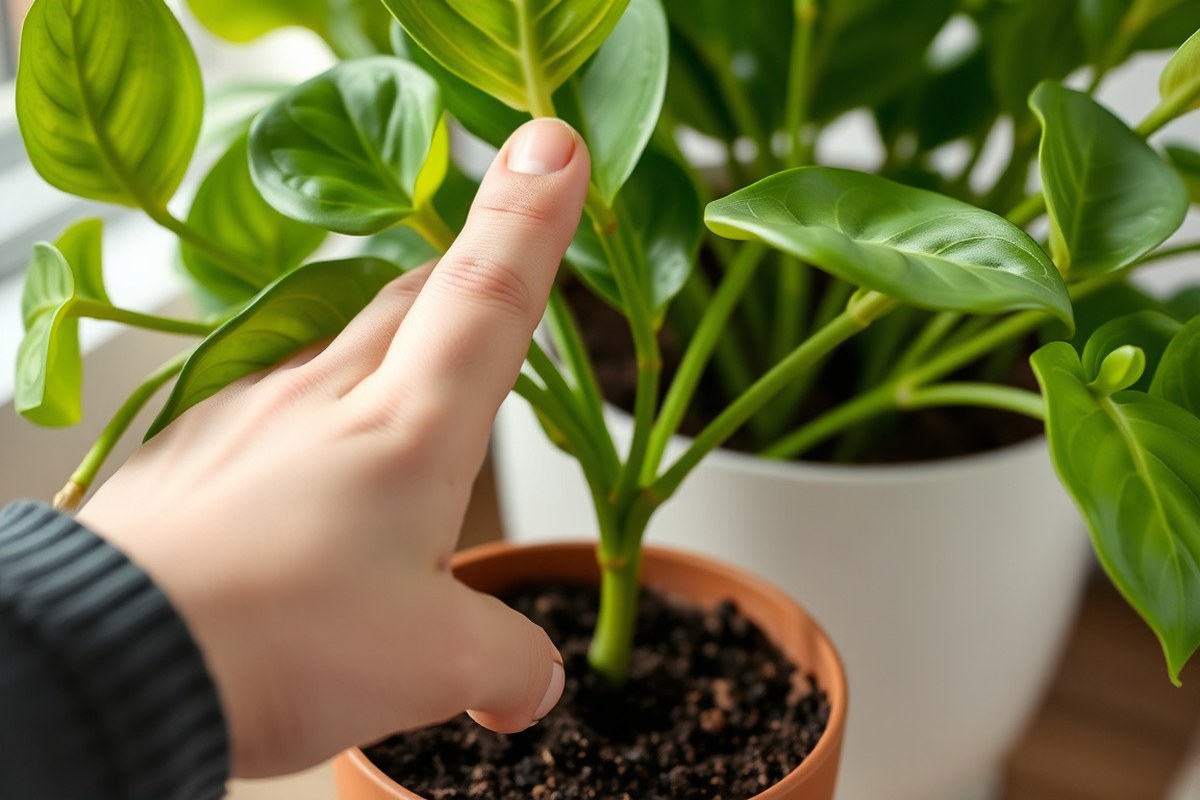
Water your pothos when the top 1 to 2 inches of soil feel dry. Check this by sticking your finger into the soil.
When the soil is dry that deep, water it fully. Keep watering until you see water draining out the bottom.
Pot size affects watering frequency. Smaller pots dry out faster, so you might water every 7 to 10 days. Bigger pots with more soil keep moisture longer.
They usually need watering every 10 to 14 days. This fits most indoor spots.
Light also changes how often you water. A pothos in a bright window will dry soil faster, needing more frequent watering. In lower light, the soil stays moist longer, so watering can slow down.
During active growth in spring and summer, your pothos uses more water. It may need watering closer to once a week. In dormant seasons or cooler temperatures, watering less often helps prevent root rot.
Always use the soil dryness as your guide, not a fixed schedule. A medium pot under average indoor light often needs watering every 1 to 2 weeks. Skip watering if the top soil still feels moist, no matter the calendar.
Being mindful of soil dryness helps avoid overwatering or underwatering. Overwatering keeps the soil soggy, inviting root rot. Underwatering causes droopy leaves and dry tips, so timely checks keep your pothos healthy.
How Can I Tell When My Pothos Needs Water or Is Overwatered?
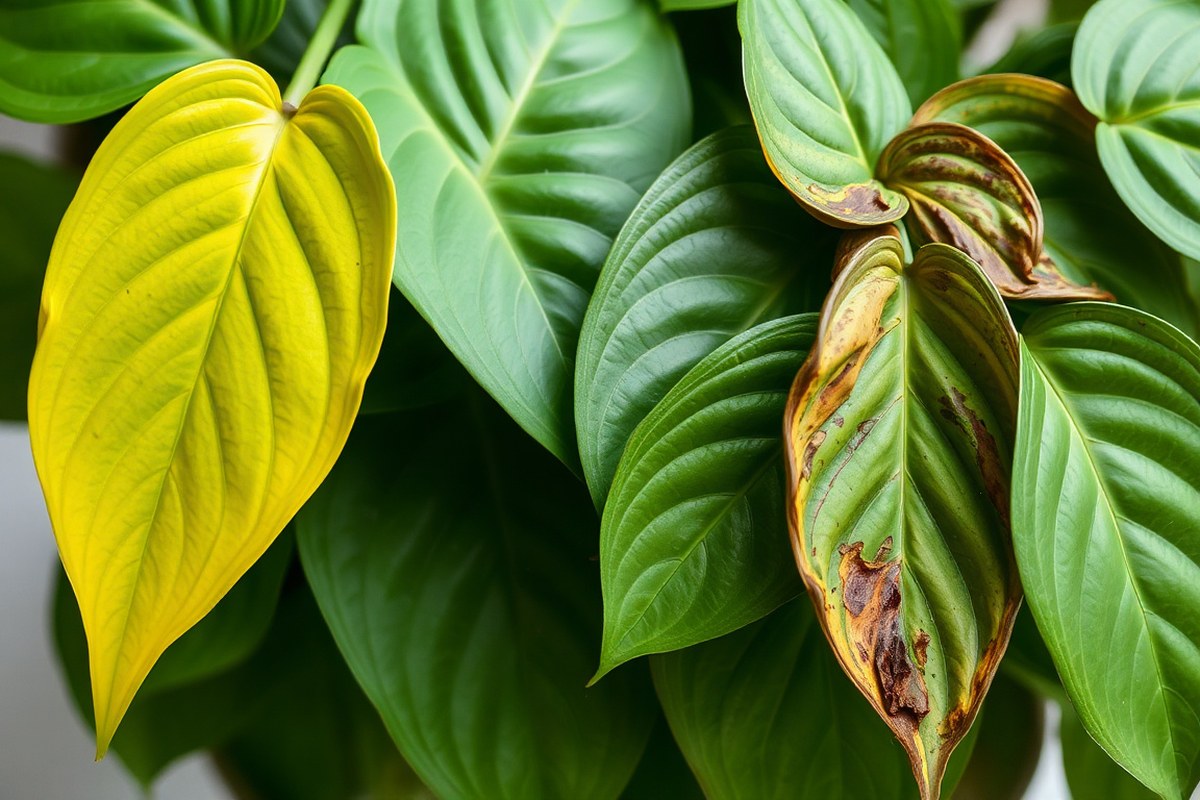
Underwatered pothos plants show dry, crispy leaf edges and droopy vines. The leaves may turn yellow. But they often feel dry and brittle to the touch.
The soil looks dry and pulls away from the pot sides. This makes the plant look wilted. The plant seems weak.
Overwatering causes problems like yellow leaves with soft spots. Black patches can appear from root rot too. The leaves often feel limp and look tired rather than dry.
The soil stays wet too long and smells musty. Roots may turn brown and mushy when checked.
The finger test is a simple way to check soil moisture. Stick your finger 1 to 2 inches into the soil near the plant base. Feel the soil at this depth.
If it is dry, water the plant. Check the soil again in a few days if it is damp. This helps you avoid overwatering your plant.
Another handy method is lifting the pot to feel its weight. A well-watered pothos pot feels heavier than a dry one. Lift the plant after watering to feel how heavy the pot is.
This shows when the soil has enough moisture. This helps you decide when to water again by comparing the pot weight over time.
- Underwatered pothos shows dry or brown leaf edges and droopy vines
- Overwatered pothos has yellow or black-spotted leaves and soft stems
- Use the finger test: soil dry 1, 2 inches down means water needed
- Lift the pot to feel if it’s heavier with moisture or lighter when dry
- Roots that are brown and mushy point to root rot from too much water
- Crisp, dry leaves and soil pulling away from pot edges signal underwatering
- Wait between watering if soil still feels moist or pot is heavy
Don’t water your pothos just by looking at the surface. Check deeper soil moisture or pot weight instead.
Yellow leaves could mean too much or too little water. So feel the soil to confirm. Wet soil with yellowing leaves often means poor drainage or overwatering.
Dry soil with yellow leaves usually means underwatering. Checking soil moisture before watering helps avoid these problems.
Overwatering is more risky than underwatering for pothos. The roots need air as well as water.
Sitting in soggy soil can lead to root rot, which can kill the plant. Use pots with proper drainage holes and a light, airy potting mix to prevent this issue.
What Environmental Factors Affect How Often I Water Pothos?
How often you water your pothos depends on many things around it. Light, temperature, humidity, season, pot type, and soil all change how fast the soil dries. Watching these clues helps you water just right for your pothos’s spot and pot.
Light Intensity and Watering Needs
Bright indirect light makes pothos use more water and dry the soil faster. In dim corners, your pothos grows slower and needs less water. The soil stays moist longer in these spots.
Water less often to avoid overwatering. Moving your plant just a few feet changes its light a lot.
This shift affects how much water it needs. Adjust watering based on the new spot’s light.
Watch the sunlight your pothos gets every day. Water only when the top 2 inches of soil feel dry. This helps prevent watering it too often.
You might water every 5 days in strong light. But every 10 to 14 days in lower light.
Temperature and Humidity Influence
Higher room temperatures around 65-75°F speed up drying and boost watering needs. When it gets cooler than 55-60°F indoors, especially in winter, reduce watering. Warmth pulls moisture from the soil quicker, while cold slows it down.
Humidity also plays a role. Dry air makes soil lose moisture fast, so you water sooner. In rooms with moderate to high humidity, watering can stretch out longer since evaporation slows down.
Seasonal Watering Adjustments
Seasons change the light, temperature, and humidity around your pothos, affecting watering. During warmer months, you may need to water once a week or more. Winter usually calls for fewer waterings, sometimes every two weeks or more.
Use a simple log to track watering times and soil dryness. Write down the date, how deep your finger goes, and light levels.
This keeps watering consistent. This helps you spot how your environment shifts with seasons and dress your watering routine.
| Condition | Light | Temperature (°F) | Humidity | Pot Type | Watering Frequency |
|---|---|---|---|---|---|
| Bright Indoor (South Window) | Bright Indirect | 65-75 | Low | 6-inch Terracotta | Every 5, 7 days (summer) |
| Dim Corner | Low Indirect | 65-75 | Moderate | Plastic or Glazed Pot | Every 10, 14 days |
| Winter Low Light | Low | Below 60 | Moderate to High | Plastic Pot with Drainage | Every 14 days or more |
Pot Material and Soil Type Effects
Terracotta pots dry out faster because they are porous. Pothos in terracotta pots dry out faster than in plastic or glazed pots. These pots soak up water from the soil more quickly.
Check soil moisture more often if using terracotta. Good drainage is key. Pots without holes hold more water, raising risk of root rot if you water too much.
The soil mix also matters. An airy mix with perlite or bark dries fast. So pothos plants in this mix might need water more often.
Soil mixes with peat or dense material hold water longer. But they can trap water if the pot doesn’t drain well.
Use well-draining soil to avoid root rot. Check if the soil repels water, this means refresh it with better-draining soil.
What Are the Best Ways to Water a Pothos Plant Effectively?
You can water your pothos from the top, bottom, or by soaking its roots. Each method has benefits and steps that help you keep your plant healthy.
Choosing the right watering method depends on your setup. It also depends on how thorough you want to be.
Top Watering Best Practices
Top watering means pouring water directly onto the soil surface. It hydrates the soil evenly and lets excess water drain out to avoid waterlogging.
This way helps prevent mineral buildup on your soil’s surface. Bottom watering alone can cause this buildup.
Follow these steps to water your pothos from the top effectively. Use room-temperature water and stop when water starts draining through the pot holes. Let the excess water fully drain before putting your pot back on its saucer.
- Check the top 1 to 3 inches of soil for dryness before watering.
- Slowly pour water over the soil evenly, avoiding splashing leaves.
- Keep watering until you see water begin draining from the pot holes.
- Wait 10 to 15 minutes to let water drain completely.
- Empty any excess water from the saucer to stop roots from sitting in water.
- Return your pothos to its normal spot after drainage.
Bottom Watering Method Explained
Bottom watering means placing water in the saucer below your pot. The roots then soak it through drainage holes.
This keeps pothos leaves dry, reducing fungal risks. However, it may lead to mineral buildup on soil surface if used exclusively.
Use this when your pothos’ topsoil is dry but you want gentle watering. Don’t let the plant sit in water longer than 30 minutes to avoid root rot. Top up water gradually every few minutes to let roots absorb moisture fully.
- Place your pothos pot in a shallow dish with 1 to 2 inches of water.
- Let it sit for about 15 to 30 minutes to absorb water through drainage holes.
- Remove the pot and let excess water drain completely.
- Discard any leftover water in the dish to avoid soggy roots.
- Put the pot back in its usual place.
- Repeat this once your topsoil is dry again.
Soaking Pothos Roots Safely and Effectively
Soaking means putting the whole pot in water to rehydrate soil. Use it when the top 2 to 3 inches are dry. Only do this after longer watering breaks or very dry soil.
Soaking takes more time but ensures deep water penetration into the soil mix. Make sure your pot has drainage holes to prevent waterlogging. After soaking, allow the pot to drain thoroughly before placing it back on its saucer.
- Fill a sink or tub with a few inches of lukewarm water.
- Place your pothos pot into the water so the soil base is submerged.
- Let the pot soak for 30 to 60 minutes to let the soil absorb moisture.
- Remove the pot and let it drain fully for at least 15 minutes.
- Empty excess water from the saucer before returning the pot to its spot.
- Only soak when you confirm the soil is dry to this depth.
How Does Watering Frequency Differ by Season and Growth Stage?
During spring and summer, your pothos grows actively. It uses more water to support new leaves and vines. Water your pothos once or twice a week.
Check if the top inch of soil feels dry first. Only water when that layer feels dry to the touch.
This schedule may be every 5 to 7 days in bright, indirect light. When indoor temperature goes above 80°F, your pothos needs more water.
Water it more often to keep it healthy. Pots made from terracotta dry out faster, so adjust watering accordingly.
In fall and winter, your pothos enters dormancy or slower growth. It needs less water because it uses fewer nutrients. Water your pothos every 10 to 14 days.
You can wait 2 to 3 weeks if humidity is high and light is low. Adjust water timing depending on your home’s conditions.
You can tell if your pothos needs more water by watching growth signs. New, fast growth usually means it requires more frequent watering. When leaves look dry or soil feels very light, add water sooner.
Keep in mind the pot type and room humidity when deciding your watering rhythm. Plastic pots retain moisture longer than terracotta. In dry rooms, water more often in summer but reduce frequency in winter.
Water your pothos only when the top inch of soil is dry to avoid overwatering. Check pot weight to help decide if your plant needs water.
Can Tap Water Affect My Pothos, and How Should I Prepare It?
Tap water usually works fine for pothos plants. Let water with a strong chlorine smell sit open for 24 to 48 hours. This time lets chlorine evaporate.
Salts will also settle down. The water then is safer for your plant.
Hard tap water with a lot of minerals can also stress your pothos over time. Letting the water sit uncovered for a full day helps reduce harsh minerals.
Run plain water through the pot for 2 to 3 minutes. This flushes out mineral buildup from the soil.
Rainwater or filtered water works better if tap water is heavily treated or softened. Bottled water works too, but it costs more and creates waste. Either option lowers the risk of mineral salts or chemicals building up in your pot’s soil.
Water temperature matters. Use water at room temperature, about 65 to 75°F (18 to 24°C).
Cold water can shock your pothos roots and slow growth. Avoid hot water, since it can harm roots and kill beneficial microbes in the soil.
Storing water before use is easy. Fill a pitcher or bucket. Leave it uncovered on the counter for at least 24 hours.
This not only lets chlorine escape but also brings the water to room temperature. You can gently heat tap water to speed up the process and then cool it before use. But leaving it out is best.
Letting tap water sit doesn’t cost anything but time. Just make sure the container is clean to avoid growing algae. Check your water source when leaves yellow or your plant looks sick before changing anything else.
How Do I Manage Watering When I’m Away or Using Special Pots?
Before you leave or use special pots, adjust your pothos watering to fit the situation. Give it a deep watering, check the soil moisture, or set up a self-watering system. Watch out for pots without drainage holes since they hold water differently and need careful watering.
Preparing Pothos for Vacations
Water your pothos thoroughly before you leave. This means soaking the soil until water drains from the bottom holes. The roots must absorb plenty of moisture to last several days.
Use these steps for the best prep before a trip:
- Take the pothos to a sink or watering spot.
- Pour water slowly until it drains from the pot’s bottom holes.
- Let the pot drain for about 15 minutes to avoid soggy roots.
- Check that the soil surface looks moist but not soaked.
- Place the pot where it won’t get direct sun to slow drying.
- Turn off heaters or vents near the plant to prevent extra drying.
For trips longer than two weeks, consider asking someone to water or use a self-watering pot.
Using Self-Watering Containers
Self-watering pots can be a good choice if you travel frequently. Their wicks draw water up to the soil slowly. This keeps the roots moist without sitting in water.
These pots help keep pothos hydrated for days or weeks, depending on the reservoir size. They cost between $15 and $40 online or at garden centers.
Note that you still need to fill the reservoir before leaving. Check that water can flow freely to avoid overwatering. Self-watering systems let you water less often but watch for mold or root rot.
Handling Pots Without Drainage Holes
Pots without drainage holes need extra care because water can get trapped inside. This trapped water can make roots rot, causing yellowing leaves or other problems.
Water less often and use small amounts to keep soil moist but not wet. Wait until the top 2 inches of soil feel dry before watering again.
When watering, do it slowly and in small doses. If possible, move the plant to a pot with drainage holes or into a hanging basket to improve airflow and drainage.
What Common Watering Mistakes Harm Pothos and How Can I Fix Them?
Overwatering pothos leads to root rot, where roots turn soft and brown. It happens when soil stays wet too long, especially in low light. Water logging cuts oxygen to roots and makes your plant sick.
On the flip side, underwatering wilts leaves, turning them dry and crispy. The plant shrinks and loses its glossy look without regular moisture. Both mistakes stress your pothos and slow down growth.
Fix root rot fast by removing the pothos from its pot. Wash off soggy soil from the roots using room-temperature water. Trim any black, mushy roots with clean scissors, cutting back to healthy white roots.
Repot in fresh soil with good drainage. Make sure the pot has drainage holes to avoid soggy soil again.
Water your pothos in the morning. This gives the soil time to dry. It also helps keep the roots healthy.
Dehydrated pothos needs a gentle rehydration plan. First, soak the whole pot in a basin of lukewarm water for 15 minutes. This deep watering lets the soil absorb moisture evenly.
After soaking, let the excess water drain out fully. Then water lightly a day later if the top inch of soil feels dry.
Avoid drowning the plant again. It takes about one to two weeks for leaves to perk back up from dehydration.
- Don’t water on a strict schedule; check soil moisture first.
- Use pots with drainage holes to prevent standing water.
- Choose well-draining soil, not dense or compacted mixes.
- Adjust watering frequency for lighting; less water in low light.
- Trim damaged roots if you spot rot or bad smells.
- Water more sparingly in fall and winter when growth slows.
- Keep leaf tips dry during watering to avoid fungal issues.
Keeping a close eye on your pothos lets you catch watering problems early. The plant’s roots store water well, but only if soil stays balanced. Trying to fix these issues too late can cost you the whole plant.
Adjust watering based on how your pothos looks and feels, not just the calendar. Patience and observation help your plant bounce back from both over and underwatering.
Step-by-Step Action Plan for Watering Your Pothos
Follow these steps to keep your pothos healthy with the right watering routine. Check your plant’s soil and leaves regularly to adjust as needed.
- Before planting: Choose a pot with drainage holes to avoid water buildup.
- Day 1: Water your pothos thoroughly after planting until water drains out. This ensures the soil is evenly moist.
- Week 1: Check the top inch of soil every few days. Water only when dry to the touch.
- After 2 weeks: Adjust watering frequency based on leaf health and soil dryness. Leaves should look bright and firm.
- Monthly: Flush the soil with clean water to remove any salt buildup from tap water.
- Season change: Water less often in cooler months. Feel the soil deeper before watering.
- Before trips: Water your pothos well. Use moisture-retaining soil or a self-watering pot. These help keep your plant hydrated while you’re away.
- Ongoing: Watch for signs of overwatering like yellow leaves, and adjust your routine quickly.
Frequently Asked Questions
Can I Water My Pothos with Ice Cubes?
You can, but it’s not the best choice. Ice cubes may shock the roots. Room temperature water is safer and better absorbed.
How Deep Should Water Soak into the Soil When Watering Pothos?
Water should reach about 6 inches deep. This ensures the roots get enough moisture. Avoid watering only the surface, which dries fast.
Does the Pot Size Affect How Often to Water a Pothos?
Yes, bigger pots hold more soil and stay moist longer. Smaller pots dry out faster and need watering more often. Adjust watering accordingly.
Can Overwatering Cause Yellow Leaves on Pothos?
Yes, overwatering can lead to yellowing leaves. It causes root rot by suffocating roots in soggy soil. Let the soil dry before watering again.
Should I Mist My Pothos to Keep It Hydrated?
Misting doesn’t replace watering but helps raise humidity. Increase humidity for pothos if your home is dry, especially in winter. Misting alone isn’t enough.
Is It Okay to Water Pothos with Filtered Water?
Yes, filtered water is good for pothos since it removes harmful chemicals. It prevents mineral buildup in soil. Just keep water at room temperature.
Final Thoughts
Watering your pothos is all about paying attention to soil and leaf signals. Start with checking the soil every few days. Water your pothos only when the top inch feels dry.
This keeps your plant happy. It also prevents overwatering.
One Comment