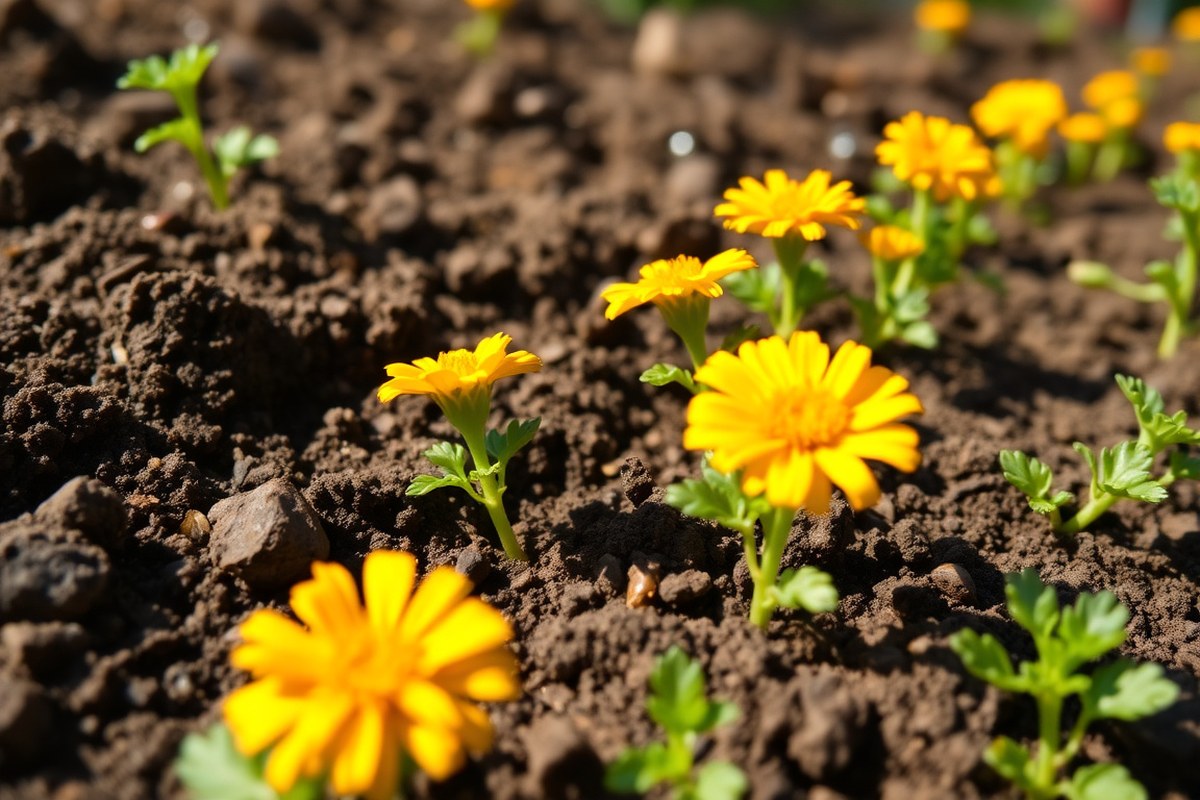
How to Plant Marigold Seed: Simple Steps for Fast and Healthy Blooms
Knowing how to plant marigold seed is key to fast, healthy blooms. Soak the seeds for 6 to 8 hours to soften their coat.
This helps the seeds sprout faster. Then, plant seeds in warm soil with steady moisture for best results.
Seed trays or small pots with good drainage make great containers for marigolds. Keep soil temperature between 70 and 75 degrees Fahrenheit.
This helps seeds sprout in 4 to 7 days. Make sure to space seedlings to avoid crowding once they grow.
Marigolds need at least 6 hours of direct sunlight and well-drained soil. After they grow a few inches tall, thin the seedlings to about 11 inches apart. This spacing ensures strong, healthy plants that bloom in about 8 to 10 weeks.
Key Takeaways
- Soak marigold seeds for 6-8 hours before planting to help germination.
- Plant seeds indoors 4-6 weeks before last frost date for early blooms.
- Use seed trays or small pots with drainage and soil kept around 70-75°F.
- Thin seedlings so they are spaced about 11 inches apart for better growth.
- Direct sow seeds outdoors once soil warms to at least 60°F after frost.
- Pinch back top growth when seedlings reach 6-8 inches tall to encourage bushiness.
How to Plant Marigold Seeds for Best Results
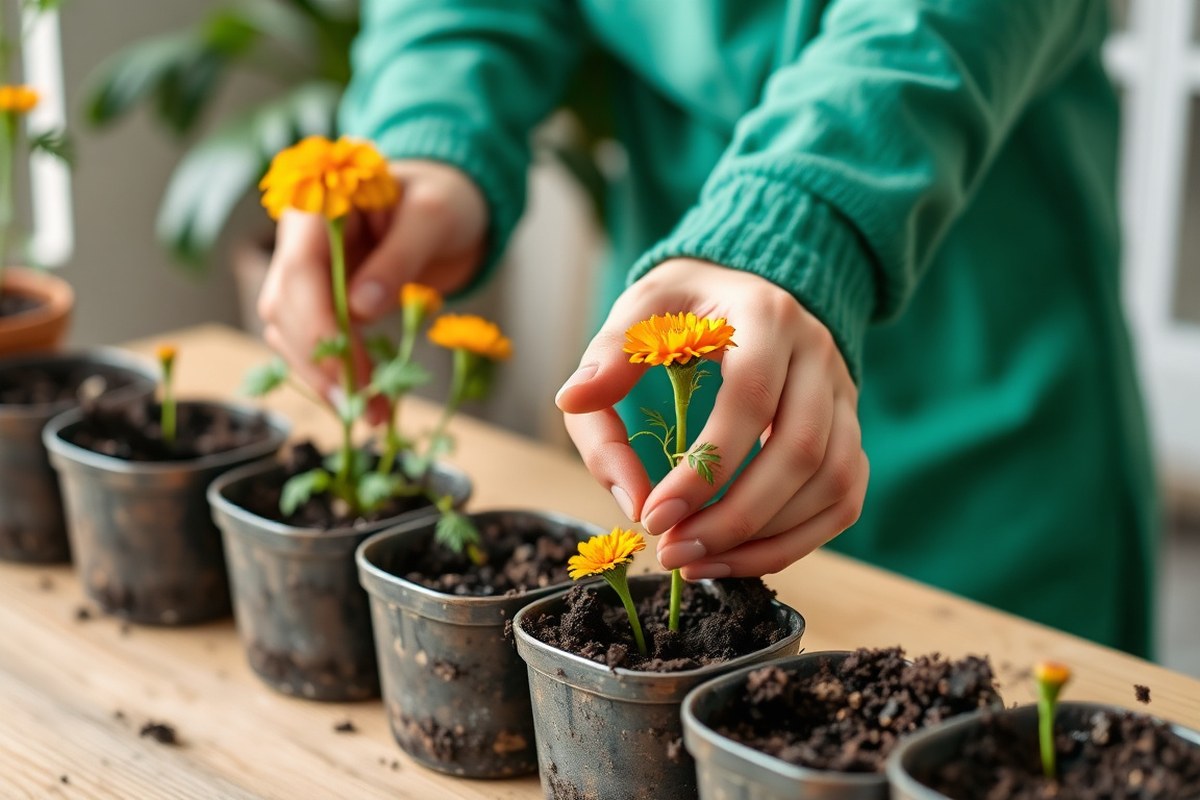
Soaking marigold seeds before planting helps speed up germination. Soak them in water for 6 to 8 hours to soften the seed coat. This step gives the seeds a better chance to sprout quickly and evenly.
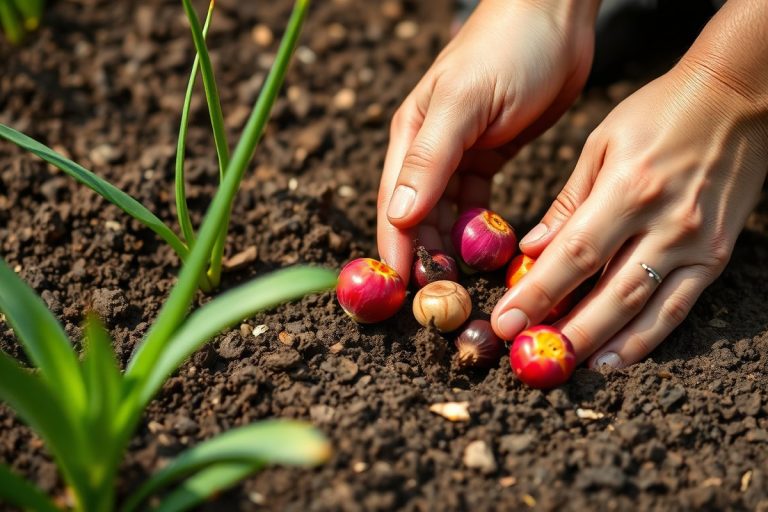
Marigold seeds should be planted very shallowly. Press them about ¼ inch into moist, well-draining soil. Planting too deep makes it tough for seedlings to come up.
This slows growth or keeps them trapped under the soil. Seedlings need shallow planting to grow well.
Water right after planting but gently. Use a spray bottle or a light watering can to keep the soil moist, not soaked. This keeps seeds from washing away or rotting and helps them swell for sprouting.
Follow these easy steps for planting marigold seeds correctly:
- Soak the seeds in room-temperature water for 6 to 8 hours.
- Fill seed trays or small pots with moist, well-draining seed-starting mix.
- Make shallow holes about ¼ inch deep in the soil.
- Place one or two seeds in each hole to improve sprouting odds.
- Lightly cover the seeds with more seed-starting mix or fine soil.
- Gently press down to ensure good soil contact without packing too tight.
- Spray water evenly across the soil surface to keep moisture steady.
- Keep the soil temperature near 70 to 75 degrees Fahrenheit for best results.
Using seed trays about 3 to 3.5 inches wide with drainage holes works well. They hold moisture and prevent water from pooling.
When soil dries, seeds may shrink and stop germinating. Keep the soil moist to help seeds sprout.
Plant marigold seeds shallow when sowing them outside. Planting deep outside also makes sprouting hard.
Cover lightly and water carefully after sowing. Shallow planting and gentle watering help tiny marigold seeds start strong in any setup.
When to Plant Marigold Seeds Indoors and Outdoors
Plant marigold seeds inside 4 to 6 weeks before your last frost date. This lets seedlings grow strong before moving outdoors. African marigolds need to start 6 to 8 weeks early since they develop slower.
When sowing outdoors, wait at least 1 to 2 weeks after the last frost date. The soil should be warm enough, around 60°F, for seeds to sprout well.
Cold soil can slow germination or cause seeds to rot. So check soil temperature before planting.
Cool climates benefit from starting seeds indoors 6 weeks before last frost. This gives plants a season head start. Only plant marigold seeds outside after all frost is gone.
Make sure soil stays warm and steady. Timing this right means your plants will bloom through summer into fall.
You can sow seeds indoors 6 to 8 weeks before the last frost date. This helps seedlings get a longer growing period.
Keep soil temperature around 70°F for quickest germination, which should happen within 5 to 7 days. After seedlings appear, gradually expose them to outdoor conditions for 7 to 10 days before transplanting.
Many gardeners plant seeds straight in the ground in late April. Do this when soil temperature hits 60°F or more.
This low-cost approach avoids transplant shock but may mean flowers appear later. The warm soil and mild weather help marigolds thrive once planted outside.
Always check soil temperature before planting to avoid poor germination or seed rot.
Choosing the Right Marigold Varieties and Seed Quality
Choosing the right marigold variety and good quality seeds sets you up for success. French, African, and signet marigolds each grow differently and fit various garden sizes. Healthy seeds boost your chances of strong seedlings and steady blooms.
French vs. African vs. Signet Marigolds
French marigolds are smaller, making them great for pots or small gardens. African marigolds grow taller and take more space but offer bigger blooms.
Signet marigolds are medium-sized with delicate petals and a longer bloom time. You can pick varieties that match your garden size and style.
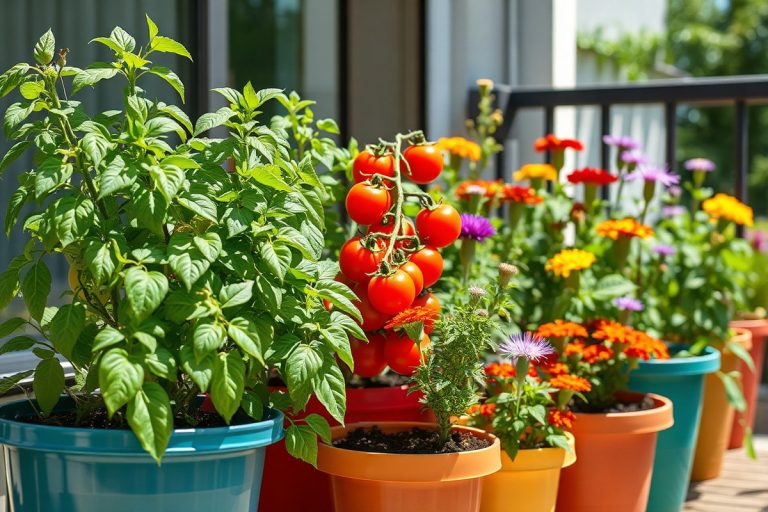
French and signet marigolds handle summer and fall planting well. African marigolds need more room due to their size. All three repel pests and add color to garden beds or containers.
Typical Height, Spacing, and Bloom Times
Marigold size and space needs vary by variety, affecting how you plant them. Small French marigolds prefer about 8 to 12 inches between plants.
African marigolds stretch out to about 12 to 18 inches. Your choice will influence garden layout and pot size.
Most marigolds bloom in 8 to 10 weeks from seed. Bloom times depend on type, cultivar, and temperature. Seedlings grow fastest in warm, sunny spots.
| Variety | Typical Height | Spacing | Bloom Time (weeks) | Suitability |
|---|---|---|---|---|
| French | 12 to 18 inches | 8 to 12 inches | 8 to 10 | Small gardens, pots |
| African | 18 to 36 inches | 12 to 18 inches | 8 to 10 | Larger garden beds |
| Signet | 12 to 24 inches | 8 to 12 inches | 8 to 10 | Small to medium gardens |
For pots, choose containers at least 12 inches wide. Smaller pots slow root growth and flowering.
Starting seeds in 3-4 inch pots first helps young plants get stronger. This step toughens roots and shoots before transplanting.
Seed Quality Indicators
Check seeds before planting to improve germination rates. Look for seeds that are plump, firm, and dry. Avoid seeds that feel soft, cracked, or oddly colored.
Check the package for a recent packing or expiration date. Fresh seeds sprout faster and more evenly. Choose seeds labeled for your climate when possible.
- Plump and firm seeds show good viability
- No cracks, mold, or discoloration on seeds
- Clear package date within the last year
- Seeds from a reliable seller or brand
Storing seeds in a cool, dry place keeps them viable longer. Poor-quality seeds can cause slow or patchy germination. Saving seeds from your own healthy marigold flowers is also an option.
Preparing Soil and Containers for Healthy Seedlings
Marigold seeds need loose, well-draining soil to sprout well. Use a commercial seed starting mix or make your own mix.
Use equal parts peat moss, vermiculite, and perlite. This mix stays light and moist, helping seeds get oxygen while holding just enough water.
Heavy garden soil slows down germination and may cause seeds to rot. Avoid soil with too much clay or sand alone. Adding organic matter, like compost, improves fertility and drainage if you use garden soil in containers.
Choose containers about 3 to 4 inches deep. Space seeds at least 1 inch apart inside.
Seed trays, peat pots, or small plastic containers work well. Containers should be shallow since marigold roots don’t grow deeply at first.
Every container must have drainage holes on the bottom. They prevent water from pooling, which can drown seeds or cause mold.
Fill the container with water to test drainage. Watch if water soaks through in minutes.
Before planting, moisten the soil mix but do not make it soggy. Fill containers with soil, leaving about a half inch of space at the top.
Press down soil gently to remove big air pockets. Keep it fluffy so roots grow easily.
Sow seeds on top and cover lightly with about 1/4 inch of soil. Press down gently so seeds stay put.
Keep soil moist by misting or using a spray bottle. Avoid washing seeds away or disturbing soil.
Warm soil at 70 to 75°F helps seeds germinate faster. Germination usually takes 4 to 10 days with moisture.
Place containers in a warm spot with indirect light. Check soil daily and water lightly as needed to keep it just damp.
Too much water or no drainage causes soggy soil and seed rot. Too little water dries out seeds and stops sprouting.
Good containers and soil help you control moisture. They give marigold seedlings a strong start.
Starting Marigold Seeds Indoors: Light, Temperature, and Water
Marigold seeds germinate best in warm, stable temperatures around 70 to 75°F. Once seedlings sprout, they need bright light for 12 to 16 hours each day. This helps prevent them from growing tall and weak. Water the soil consistently but avoid soaking to keep young roots healthy.
Maintaining Optimal Temperature
Keep the soil temperature between 70 and 75°F to help seeds sprout quickly. Use a heat mat or place seed trays near a warm window to maintain this range. Avoid temperature swings, which can slow germination or cause seeds to fail.
Monitor temperature daily with a small indoor thermometer standing near your seed trays. Heating mats cost about $15 to $30.
They keep soil warm and steady in cooler rooms. Turn off heat at night only if the temperature stays above 65°F.
Providing Adequate Light
Seedlings need strong light immediately after sprouting to stay sturdy. Bright, indirect sunlight works but often won’t last long enough indoors.
Using a fluorescent or LED grow light with a timer is simple. It supplies 12 to 16 hours of light every day.
Place the light about 2 to 3 inches above the seedlings, adjusting as they grow taller. Seedlings stretching or bending to the window need more light or light closer by. A timer costing under $10 keeps your daily light dose steady.
Watering Seedlings Properly
Keep the soil moist without drowning seedlings. Water as soon as the top ¼ inch of soil feels dry. Overwatering invites root rot and fungus, which kills young plants fast.
Use a spray bottle or a gentle watering can to avoid washing seeds away. Place seed trays in a shallow pan with water for 10 minutes.
Then lift trays out to water from below. This helps seedlings draw just enough moisture while avoiding soggy soil.
- Fill seed trays with well-draining seed-starting mix.
- Plant seeds ¼ inch deep and press lightly.
- Set trays on a heat mat or warm spot to keep soil at 70 to 75°F.
- Cover trays with clear plastic until seeds sprout to keep humidity high.
- Remove cover once seedlings appear and place under grow lights.
- Give seedlings 12 to 16 hours of light daily, adjusting light height as needed.
- Water gently when the top soil feels dry, avoiding soggy conditions.
- Watch seedling growth and adjust temperature, light, or water as needed.
Seedlings without enough light get tall and weak, so watch for stretching early.
Direct Sowing Marigold Seeds Outdoors Safely
Wait until all danger of frost has passed before sowing marigold seeds outdoors. The soil should be at least 60°F for seeds to sprout.
Ideal soil temperature is between 65 and 75°F. This range helps seeds germinate well. Early planting in cold soil can cause seeds to rot or fail to sprout.
Prepare garden soil by weeding it thoroughly and working it up to about 6 inches deep. Mix in compost to improve soil texture and nutrients. This helps young roots spread easily and access food.
- Sow seeds 5mm (about 1/4 inch) deep into loose soil
- Space seeds 20 to 40cm (8 to 16 inches) apart to allow room for growth
- Cover seeds lightly with soil and press gently to firm the surface
- Water the sown area gently to settle soil without washing seeds away
- Protect seedlings from pests with a light mesh or floating row cover if needed
- Mulch lightly to keep soil moist and reduce weeds
Space seeds 8 to 16 inches apart when planting. This gives marigolds enough room to grow fully.
Proper spacing stops plants from crowding each other. Denser planting may cause competition for water and nutrients, leading to weaker plants.
Direct sowing your marigold seeds means less transplant shock and can be faster than starting indoors. Use a mesh cover if slugs or birds are common in your area. As the seeds grow, thin them if they sprout too close together.
Thinning, Pinching, and Transplanting Marigold Seedlings
Thinning, pinching, and transplanting marigold seedlings are key to healthy, blooming plants. Thin seedlings once they have their first true leaves to avoid crowding.
Pinch the growing tips at 6 to 8 inches tall to encourage bushier growth. Move your plants outdoors only when they are strong and the weather is right.
Thinning Seedlings to Proper Spacing
Thin your marigold seedlings when they are 2 to 3 inches tall and have true leaves. Crowded seedlings compete for nutrients and light, leading to weaker plants. Removing the smaller seedlings lets the strongest ones get enough space to grow.
Here is how to thin seedlings properly:
- Check seedlings once they are about 2 inches tall. Make sure they have at least one set of true leaves.
- Identify the smallest or weakest seedlings in each cell or area.
- Use small scissors or pinch off the weak seedlings at soil level carefully.
- Leave one healthy seedling per cell or space them about 11 inches apart depending on variety.
- Water the remaining seedlings gently to reduce stress.
- Apply a light dose of slow-release fertilizer to support growth.
Thinning too late risks stunted growth and disease due to crowding. Early thinning keeps your seedlings thriving and ready for transplant.
Pinching Back for Fuller Plants
Pinching means removing the top growing tip of your marigold seedlings. Do this when plants reach 6 to 8 inches tall. Pinching stimulates side shoots, creating a bushier plant with more flowers.
To pinch correctly, grab the tip of the main stem. Use your fingers to pinch or snip it off.
Avoid damaging lower leaves. This encourages the plant to branch out instead of growing tall and leggy.
Pinching once or twice during early growth helps make sturdier marigolds with strong stems. Skip pinching only if you want tall, single-stem plants.
Safe Transplanting Practices
Transplant marigold seedlings outdoors when they’re 2 to 4 inches tall. That’s about 5 to 10 centimeters.
They should have 3 or more true leaves and be well rooted in their trays. Wait until the outdoor temperature stays above 50°F to avoid cold shock.
Harden off seedlings before transplanting by placing them outside. Do this for a few hours each day across three days.
Avoid direct sun and wind during this time. This helps seedlings adjust to outdoor conditions.
Follow these steps for the best transplant results:
- Choose a sunny, sheltered spot in the garden with well-drained soil.
- Space marigold plants about 8 to 12 inches apart, depending on type.
- Dig holes slightly larger than the root ball of each seedling.
- Gently remove seedlings from trays, trying not to damage roots.
- Set seedlings in holes and fill with soil, pressing gently to remove air pockets.
- Water the plants immediately after transplanting to settle soil.
- Apply slow-release fertilizer at the recommended rate to support the young plants.
Handle seedlings carefully during transplanting to avoid root damage. Plants forced outside too early may suffer from stunted growth or disease.
Hardening Off Seedlings Before Outdoor Planting
Hardening off means slowly getting your marigold seedlings used to outdoor conditions. Indoor seedlings are used to stable temperatures, dimmer light, and no wind. Jumping them straight outside shocks their leaves and stems, causing damage or even death.
This process usually takes 7 to 14 days. It helps marigolds develop stronger stems and tougher leaves. You’ll notice them looking less delicate and more ready to grow in your garden.
Follow these steps daily to harden off your marigolds:
- Start by placing seedlings outside in a shady, sheltered spot for 1-2 hours.
- Increase outdoor time by 1-2 hours each day while exposing them to morning sun.
- After 3-4 days, move them to a location with filtered afternoon sun and gentle breeze.
- Around day 6, leave seedlings outside for a full day, bringing them in at night.
- Gradually increase direct sun exposure to 4-6 hours daily, avoiding harsh midday sun.
- Keep soil moist but not soaked. Check daily and water lightly if soil dries out.
- After about 10-14 days, leave plants outside overnight if temperatures stay above 50°F (10°C).
- When seedlings look strong with thickened stems and no leaf scorch, plant them outdoors permanently.
Don’t skip bringing seedlings in at night early on; cold temperatures can stunt growth.
After-Planting Care: Water, Sunlight, and Fertilizing
Water marigolds regularly to keep the soil moist but not soggy. Give your plants about 1 inch of water each week. You can water once or split it in two.
Keep the soil evenly moist but not soaked. Avoid watering the leaves. Instead, spray the soil at the base to lower mildew risks.
Marigolds need plenty of sunlight to bloom well. Choose a spot with at least 6 hours of direct sun every day. This amount of sun keeps the plants strong and colorful, helping them resist disease.
Fertilizing marigolds helps produce more flowers, but it’s best to keep it light. Feed your plants about 4 weeks after planting. Use a balanced liquid fertilizer.
Dilute it to half strength before feeding. Feed your plants every 3 to 4 weeks while growing.
This helps prevent too many leaves and fewer flowers. Stick to this schedule for best blooms.
- Water about 1 inch weekly, more often in containers
- Water soil at the base, not leaves, to prevent mildew
- Give at least 6 hours of direct sunlight daily
- Feed with half-strength balanced liquid fertilizer every 3, 4 weeks
- Stop fertilizing once buds form to encourage bloom production
- Space marigolds 2 to 3 inches apart in trays or thin grown plants
- Cut off fading flowers to keep blooms coming
Keep an eye on moisture, especially if your marigolds grow in pots. Container plants dry out faster and might need watering twice a week. Watch leaves for wilting or yellowing; those signs mean water or nutrients are off.
Removing dead flowers stops seed formation, pushing marigolds to keep blooming longer. With these small steps, your plants will produce vibrant flowers for weeks. Good care means less disease and healthier growth, giving you brighter garden spots or porch containers.
Troubleshooting Germination and Growth Problems
Marigold seeds might not sprout if they stay too dry or too cold. Keep soil moist but not soaked and maintain a temperature around 70°F to 75°F. Placing 2 or 3 seeds in each cell helps boost your chances of seeing sprouts.
Seedlings sometimes face damping-off disease, a fungal problem that kills young plants quickly. Watch for wilting, spots, or mushy stems near the soil line. To stop this, avoid giving seedlings too much water.
Space seedlings out to improve air flow. You can also use a fan on low speed.
Common pests like aphids, spider mites, and fungus gnats often bother marigold seedlings. Look for tiny insects on leaves or sticky residue.
You can spray them gently with water or use insecticidal soap labeled for garden use. Repeat every few days until pests disappear.
Providing enough light is simple but important to prevent leggy seedlings. Keep grow lights 2 to 4 inches above your plants. Run the lights for 12 to 16 hours daily.
This helps seedlings grow evenly. When seedlings stretch too tall, move them to bigger pots. This gives them better support and stronger roots.
Sometimes poor germination happens when seed coats fail to soften evenly. Soaking seeds in warm water for 2 to 4 hours helps.
This speeds up sprouting and gives more reliable results. Plant soaked seeds right after and keep the soil warm and moist.
Step-by-Step Action Plan for Planting Marigold Seeds
Follow these steps to grow bright marigolds quickly and well. Each step helps you know the best time to act.
- Before you start: Choose fresh marigold seeds from a reliable source. Check that seeds look healthy and firm.
- Week 1: Prepare seed trays or containers with light, well-draining soil. Keep the soil moist but not wet.
- Day 1: Sow seeds about ¼ inch deep, spacing them a half inch apart. Cover lightly with soil and mist gently.
- Week 2: Ensure seedlings get 12, 16 hours of bright, indirect light daily. Keep the temperature near 70°F for best growth.
- Week 3: Thin seedlings to one strong plant per two inches. Remove weaker seedlings by gently snipping them at soil level.
- Week 4: Start hardening off seedlings by placing them outdoors for a few hours daily. Increase time outside over 5 to 7 days.
- After hardening off: Transplant seedlings into garden beds or pots with full sun. Water deeply but allow soil to dry between watering.
- Ongoing care: Fertilize lightly every three weeks and watch for pests. Healthy leaves and bright flowers show your marigolds are thriving.
Frequently Asked Questions
How Deep Should I Plant Marigold Seeds in the Soil?
Plant marigold seeds about 1/4 inch deep in soil. This helps protect seeds but allows them to sprout easily.
Can I Reuse Potting Soil to Start Marigold Seeds?
It’s best to use fresh, well-draining seed starting mix. Old soil can carry pests or lose nutrients that harm seedlings.
How Much Sunlight Do Marigold Seedlings Need?
Marigold seedlings need at least 6 hours of direct sunlight daily. A sunny windowsill or grow light works well indoors.
How Often Should I Water Marigold Seeds After Planting?
Keep the soil moist but not soggy until seeds sprout, usually 4 to 7 days. Overwatering can cause seeds to rot.
Can Marigold Seeds Be Sown in Late Summer?
You can sow late summer, but blooms may be smaller or fewer. Cooler weather shortens their growing time outdoors.
What Is the Best Way to Prevent Fungal Issues on Seedlings?
Avoid water on leaves and improve air flow around seedlings. Use clean containers and avoid overcrowding to reduce mold risk.
Before You Go
Marigold seeds grow well with regular care and the right timing. Watch your seedlings closely and adjust water and light as needed. Start planting today to enjoy colorful flowers soon.