Is Mulch Made of Poop? Clear Facts and Safe Mulch Choices
Is mulch made of poop? Mostly, no.
Most mulch comes from wood chips, bark, or straw, not animal waste. Some mulch uses manure, but it’s treated and composted first to kill germs.
When manure is composted correctly, it turns into a safe, nutrient-rich soil additive. The composting process breaks down harmful bacteria and pathogens that could make plants sick. Untreated animal waste mulch is rare and can spread diseases or attract pests.
That’s why buying mulch from trusted sources matters. You want mulch that helps plants without risking disease. Mulch made from wood or straw provides good moisture retention and weed control without health risks.
Always check product labels or ask your supplier what the mulch contains. Spreading mulch 2 to 4 inches deep helps your plants without causing rot. It’s best to keep mulch away from plant stems and your home’s foundation.
Key Takeaways
- Most mulch comes from wood, bark, or straw, not poop or raw animal waste.
- Manure-based mulch must be composted at high heat to destroy harmful germs.
- Untreated animal waste mulch can carry bacteria and should be avoided in vegetable gardens.
- Check product labels or ask suppliers to confirm mulch contents before buying.
- Apply mulch in a layer 2 to 4 inches thick, avoiding direct contact with stems.
- Keep mulch away from your home’s foundation to prevent moisture damage.
Is Mulch Actually Made of Poop or Animal Waste?
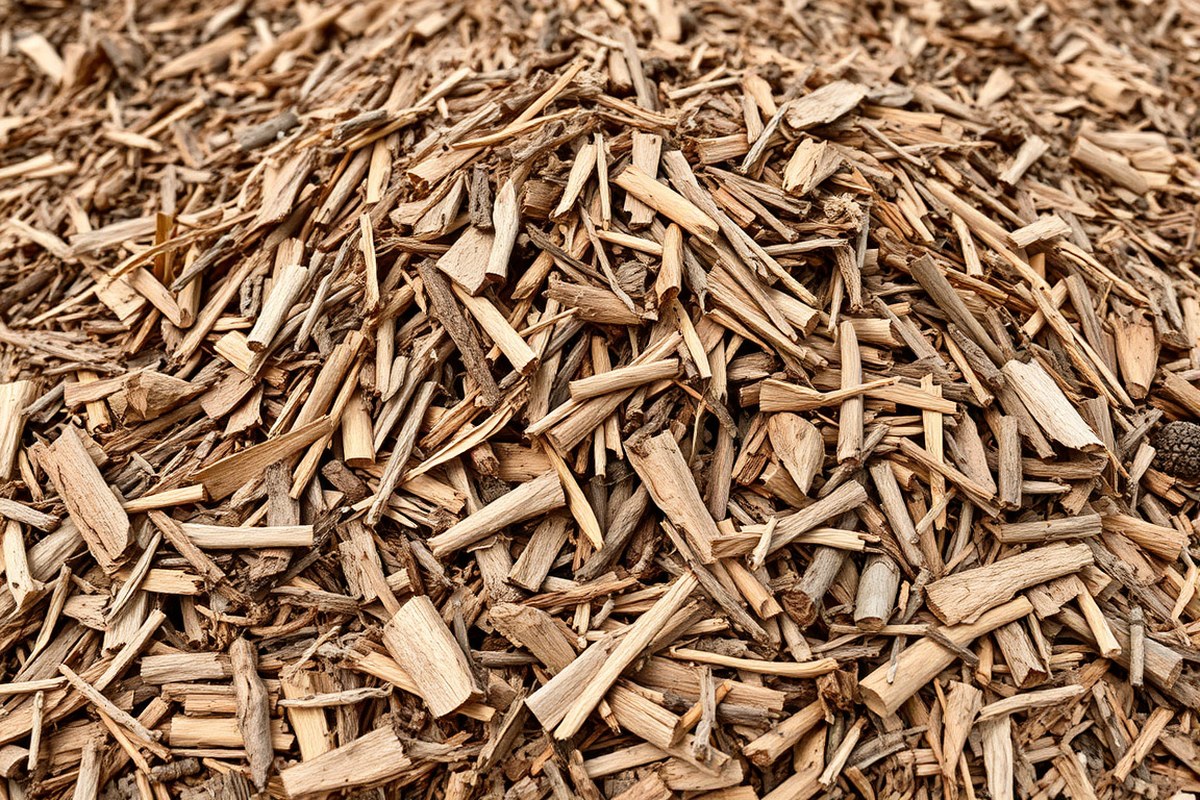
Most commercial mulch is made from plant materials like wood chips, bark, or leaves. It rarely contains animal feces or poop.
Garden mulch focuses on blocking weeds, retaining moisture, and protecting soil. So plant-based materials work best.
Some mulch types do include animal waste, like manure-based products. These usually come from composted manure, meaning the waste has broken down under heat and microbes. Composted manure is safer because it cuts harmful pathogens and reduces strong odors.
The confusion about mulch often comes from mixing it up with compost or manure. Compost can contain decomposed animal waste, but mulch mostly does not. If mulch contains raw or uncomposted manure, it might smell bad and be unsafe for your garden.
Think of mulch as mostly wood or leaves with occasional additives like composted manure. To avoid mulch containing poop, buy products labelled as “processed” or “certified” by local standards. This ensures the material has been treated to be safe and odor-free.
Using raw manure as mulch can harm plants or introduce bacteria. It also risks contaminating water near your garden. Composted manure, however, enriches soil nutrients and improves plant growth if applied properly.
When you shop for mulch, check for the smell and color. Mulch that contains raw animal waste often smells strong and looks darker. Neutral-smelling, light-colored mulch usually only has plant matter.
Common Materials Used to Make Mulch
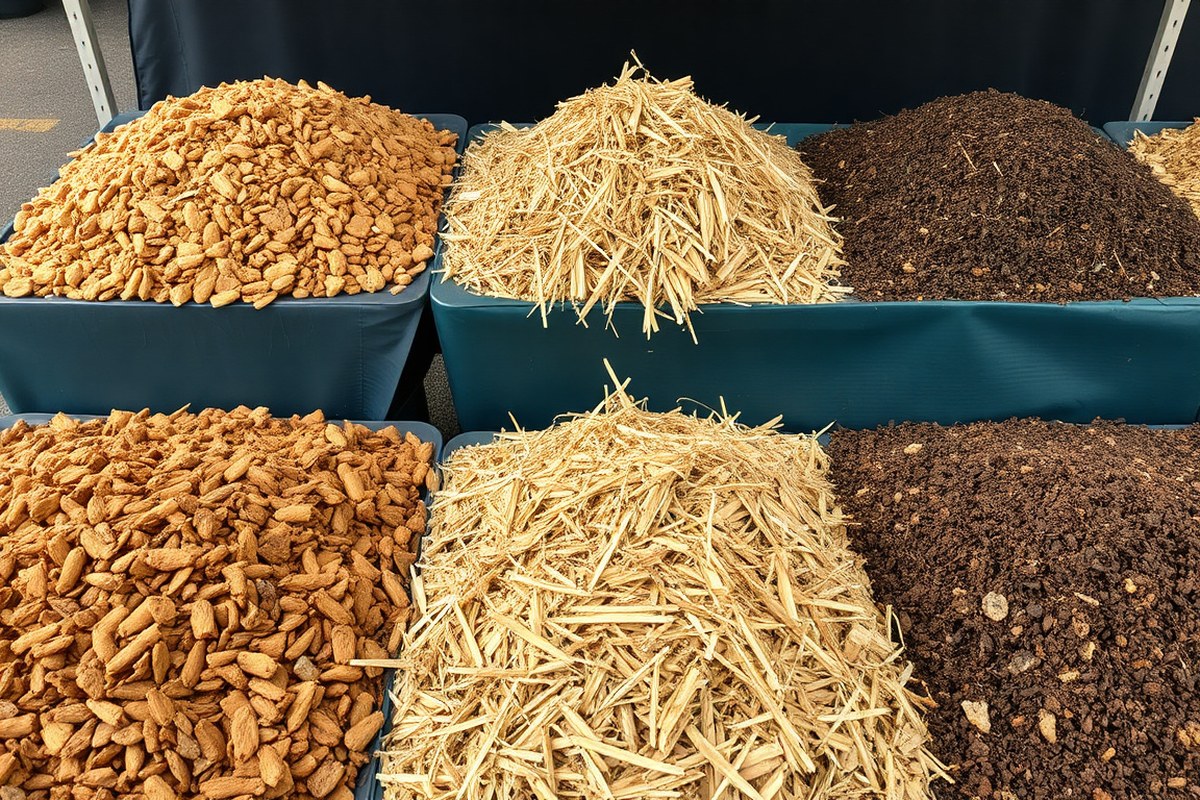
Mulch comes from many organic and inorganic sources. Organic mulch often includes wood chips, bark, leaves, straw, or grass clippings. These materials break down over time, adding nutrients to the soil.
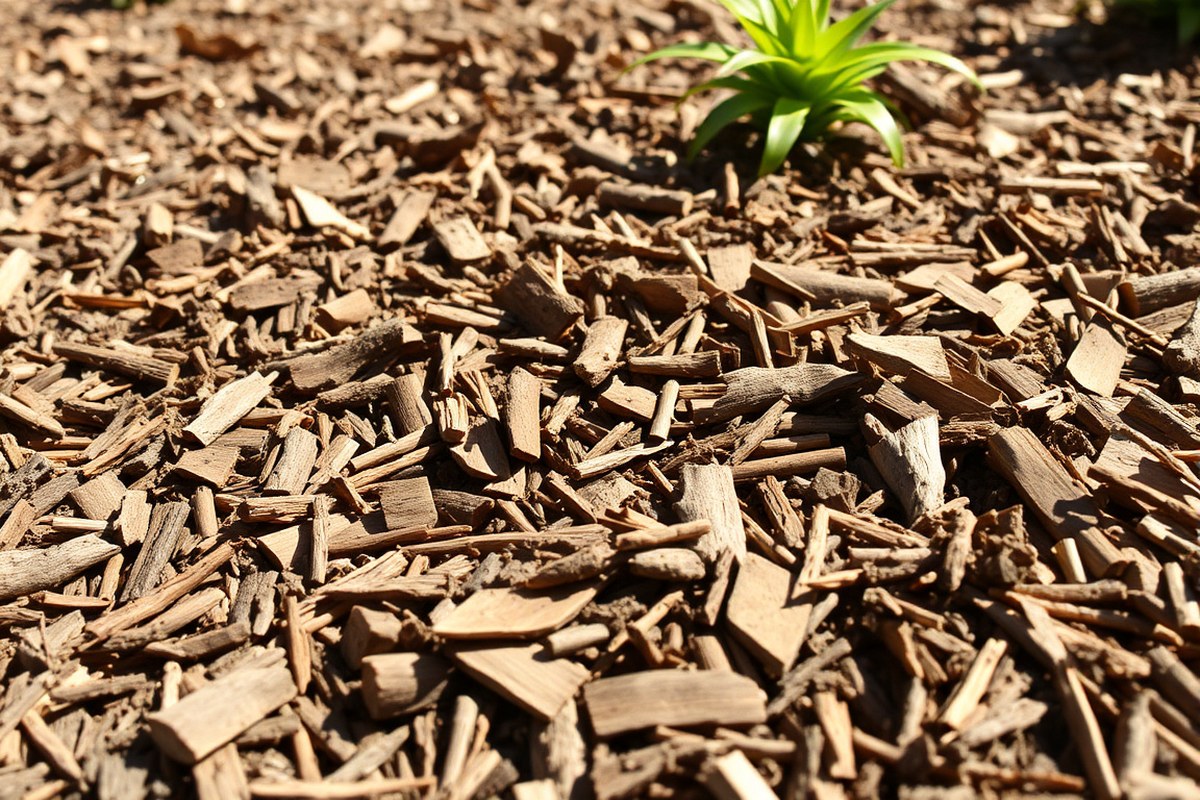
Wood chips and bark are popular for general landscaping and trees. They help stop weeds and improve soil structure but may take up nitrogen as they decompose.
Straw and hay mulch hold moisture well and cost less. But they sometimes carry weed seeds into your garden.
Manure and compost may serve as mulch, especially in gardens with flowers or vegetables. Compost made from manure adds nutrients but must be fully composted to avoid pathogens. Inorganic mulches like rocks and plastic do not decompose and generally do not pose contamination risks.
| Mulch Type | May Contain Poop? | Key Benefits | Best For | Potential Drawbacks |
|---|---|---|---|---|
| Wood Chips/Bark | No | Improves soil, suppresses weeds | Trees, shrubs, landscaping | Can acidify soil depending on wood |
| Straw/Hay | Unlikely | Affordable, retains moisture | Vegetable gardens, annual plants | May sprout weed seeds |
| Compost (Manure-Based) | Yes, if composted | Nutrient-rich, boosts fertility | Flower beds and edibles | Risk of pathogens if not fully composted |
| Inorganic (Plastic, Rock) | No | Long-lasting, prevents weeds | Paths, driveways, dry areas | Does not improve soil quality |
Wood mulch and bark usually smell earthy or resinous, telling you they come from natural sources. Pine straw is lightweight and affordable. It breaks down slowly.
It can slightly acidify the soil. Leaf mold decomposes fast and blends into soil easily but costs more.
Using straw as mulch means checking for leftover seeds to prevent weeds.
Organic mulch decomposes, feeding your soil’s microbes and plants over time. Inorganic mulch mainly covers soil and prevents weeds without changing soil biology. Select mulch based on your plants’ needs and the maintenance you are willing to do.
How Mulch Differs from Compost and Biosolids
Mulch, compost, and biosolids serve different purposes in gardening and landscaping. Mulch is a layer spread on soil to hold moisture.
It also helps control temperature and prevents weeds. Compost is decomposed organic matter that improves soil fertility by adding nutrients and beneficial microbes.
Biosolids come from treated wastewater solids at sewage plants. They contain organic material, including human waste.
But go through strict processing to reduce pathogens. Using biosolids or manure-based products as mulch or soil amendments requires care to avoid health risks.
Processing affects safety for plants and people by breaking down harmful pathogens and stabilizing organic matter. Composting typically takes weeks to months at temperatures above 131°F to kill pathogens. Biosolids must meet government standards before use, often involving digestion and heat treatment.
| Material | Composition | Main Purpose | Processing Needed |
|---|---|---|---|
| Mulch | Wood chips, bark, leaves, grass clippings | Conserves soil moisture, controls weeds | No heavy processing; drying grass clippings advised |
| Compost | Decomposed plant material, some animal waste | Improves soil fertility and structure | Heated composting at 131°F+ for weeks |
| Biosolids | Treated sewage solids containing organic waste | Soil amendment with nutrients | Strict treatment to kill pathogens, remove toxins |
Applying mulch is simpler and less risky than using biosolids. For example, you can use dried grass clippings as mulch. Let them dry in the sun for 1-2 days.
Then spread them thinly around your plants. Compost needs thorough decomposition before spreading to prevent plant damage and odor.
Biosolids are generally used by farms or large growers with regulations guiding safe application. These mulches are less common for home gardens.
They might contain heavy metals or pathogens if processed poorly. Always check local rules when using biosolids.
Health and Safety Risks from Mulch Containing Poop
Mulch containing untreated animal waste can carry harmful pathogens. These include bacteria, viruses, and parasites that cause diseases in people and plants. For example, helminth eggs from untreated human waste can survive in soil, spreading infections.
Chemicals are another concern. Waste may contain pharmaceutical residues like antibiotics and hormones.
Antibiotics such as sulfamethoxazole can contribute to antibiotic-resistant bacteria. Hormones from birth control can disrupt the growth and reproduction of soil organisms.
Pharmaceuticals like antidepressants affect earthworm behavior. Beta-blockers present in waste can interfere with plant growth enzymes.
These chemicals do not simply disappear. They can accumulate in the soil over time, potentially harming your garden’s ecosystem.
Using mulch with untreated animal waste can also attract pests. Flies and rodents drawn to the mulch may spread disease to you and your family. Livestock manure has lots of nutrients.
But it can be too salty. That salt can harm your plants if you don’t compost it right.
To reduce these risks, mulch made from animal waste should be thoroughly composted. Composting heats the material, killing most pathogens and breaking down harmful chemicals. Certified mulch products guarantee they are free of synthetic chemicals and industrial biosolids, assuring safety.
Check mulch labels. Also, ask your supplier about how they treat it.
Properly treated mulch is crumbly and stable, not smelly or wet. Avoid untreated or partially treated waste to protect yourself, your plants, and the environment.
How to Identify If Your Mulch Contains Animal Waste
To spot animal waste in mulch, check for unusual smells. Look closely for visible droppings. These signs often mean animal waste is present.
You can also check product labels or ask your supplier directly about the mulch origin. Knowing these details helps avoid unwanted contamination in your garden.
Visual Clues to Look For
Mulch with animal waste often looks darker and clumpy compared to typical wood or leaf mulch. You might see small pieces that look like hardened droppings or bone fragments mixed in. Sometimes, a fresh manure smell or a sour odor signals incomplete composting.
Check for these signs in your mulch:
- Uneven texture with clumps or sticky spots
- Dark brown to black coloring beyond normal mulch shades
- Visible bits resembling manure pellets or feather fragments
- Earthy but strong manure or ammonia-like odors
- Signs of mold or excessive moisture
- Presence of insect activity attracted to organic waste
- Mulch that looks messy or scattered unevenly
These visual clues show you how well the material was processed before use. Properly aged manure mulch should have worked down into dark soil-like material without fresh odors.
Reading and Understanding Labels
Labels can tell you a lot about what’s inside your mulch bag. Look for words like “composted,” “biosolids,” or “manure” on the packaging. Niche manure mulch products state they come from aged, composted animal waste meant for soil improvement.
Here’s what to watch for on a label:
- Use terms like “composted cow manure” or “aged poultry litter”
- Look for certification logos from organizations that test product quality
- Warnings or directions about safe handling or application areas
- Ingredients listed as plant-based versus animal-based materials
- Production dates indicating how long it’s been composted
- Statements about pathogen reduction processes
Mulch with no clear composting information might still contain raw animal waste. This could carry health risks or smell issues in your garden.
Questions to Ask Your Mulch Supplier
Ask where the mulch comes from and how it’s made. Request details on whether animal products are included and if the waste is fully composted. Suppliers should say if biosolids or manure are part of their mix.
Try questions like these:
- Does the mulch contain any animal-derived components?
- How long has the mulch been composted before sale?
- What processes ensure pathogen and odor removal?
- Can you provide a material safety data sheet or certification?
- Are there any land restrictions on safe mulch use?
Reliable suppliers answer these clearly and back it up with paperwork. Avoid mulch sold “as-is” without details about its animal waste content.
Buy mulch from trusted sources and never skip label reading to avoid surprises in your garden.
Regulations and Standards Governing Mulch Safety
The Environmental Protection Agency controls materials like sewage sludge. They want to keep harmful contaminants out of mulch. This helps protect your garden and soil.
These rules make sure any sludge used meets safety limits for bacteria and heavy metals. The United States Department of Agriculture sets quality rules for organic mulch.
These rules help make sure mulch is safe for gardens and soil. You can trust mulch that meets their standards.
The mulch industry follows these government rules closely. They provide certifications to prove their products are safe. This helps customers trust their mulch choices.
Look for a label from the Organic Materials Review Institute (OMRI). It confirms the mulch is organic and free from harmful fecal contaminants. Certified organic mulches come from plant-based materials, not animal waste.
High temperatures during composting kill bacteria and weed seeds, making mulch safer for plants. Mulch must maintain this temperature for a specific period, often days or weeks, to meet standards. This process helps gardeners avoid risks linked to raw or improperly processed materials.
When you buy mulch, check the packaging or ask suppliers if it has certifications like OMRI. These labels indicate the product passed industry tests and government rules. Using certified mulch protects your soil and plants from harmful contaminants you might not see.
Following these regulations costs suppliers more for testing and proper processing. In the end, it saves you from soil contamination and plant health problems.
Certified mulch usually costs a bit more. But it’s a safer choice for vegetable gardens or edible landscapes.
In places without strict controls, uncertified mulch might appear cheaper but carries higher risks. Avoid buying mulch without clear information on its source or safety. Buying certified organic mulch works best in food gardens.
It helps protect your fruits and vegetables. Trusted mulch keeps your harvest healthy and safe.
Choosing Safe Mulch for Your Garden or Landscape
Choose mulch that fits your garden type and avoids animal waste risks. Certified organic mulches offer safe, nutrient-rich options that support healthy soil. Knowing where to find reliable, manure-free mulch helps you avoid pests and odors.
Safe Mulch Options by Garden Type
Vegetable gardens need mulch that won’t introduce harmful bacteria. Straw, shredded leaves, and grass clippings work well for veggies. These mulches break down quickly and improve soil without risk of animal waste contamination.
Some mulches naturally repel pests better than others. Cedar and pine bark mulch have oils that drive away insects. Avoid using animal-based mulches near edible plants to keep pests and pathogens away.
- Vegetable gardens: straw, shredded leaves, untreated grass clippings
- Flower beds: bark mulch, wood chips, cocoa hull mulch
- Areas needing pest repellents: cedar or pine bark mulch
- Avoid animal manure mulch near vegetables unless well-composted
- Keep mulch 12 to 18 inches from house foundations to prevent pests
Choose mulch depending on what you grow and pest concerns. A thin mulch layer (2 to 3 inches) is enough to protect your soil.
Benefits of Certified Organic Mulch
Certified organic mulch is free from chemical residues and harmful waste. It supports your soil’s microbiome by feeding beneficial microbes. This leads to healthier plants and better nutrient cycles in your garden.
Organic mulch decomposes at a steady pace, improving soil structure over time. It also reduces fertilizer needs because the mulch adds natural nutrients. You avoid the odors and contamination risks that come with untreated animal waste.
Where to Buy Reliable Mulch Products
Look for garden centers or nurseries with certified organic labels on their mulch. Some home improvement stores sell mixed mulch, so check ingredient lists carefully. Local farms or compost facilities often offer manure-free mulch options screened for safety.
Online garden suppliers may provide detailed product information and certifications. Buy small bags first to test for odor or pests before landscaping your whole yard. Prices vary but expect organic mulch to cost $30 to $50 per cubic yard.
Making Your Own Safe Mulch at Home
Making mulch at home means using only safe, plant-based materials. Avoid adding animal waste to keep your mulch healthy and free of pathogens. Properly shredded and composted plant matter creates the best mulch for your garden.
Materials to Use and Avoid
Choose dry leaves, grass clippings, wood chips, and shredded bark. These materials break down slowly, providing lasting nutrients and moisture. Avoid any manure or pet waste, since they can carry harmful bacteria and parasites.
Discard anything that smells foul or looks moldy. This stops contamination and unwanted pests from appearing in your mulch. Keep only natural, clean plant scraps for the safest results.
Proper Composting Techniques
Composting plant material before mulching prevents weed seeds and diseases from spreading. Use a mix of “green” and “brown” materials for balanced decomposition that reaches safe temperatures. Your compost pile must heat up to 130°F or more.
Keep it there for at least three days. This kills harmful pathogens from the compost.
Turn the compost every week to add oxygen and mix the materials evenly. When the pile cools and turns dark and crumbly, it’s ready for mulching. Avoid adding any pet droppings or kitchen scraps that attract rodents.
Application Tips for Homemade Mulch
Spread homemade mulch 2 to 4 inches deep around plants to keep soil moist and cool. Leave a 2- to 4-inch gap between mulch and plant stems to prevent rot. Replenish mulch every year or whenever it breaks down completely.
Store mulch away from compost piles to avoid cross-contamination. Wet mulch can cause fungal growth.
So let it dry out if it becomes too damp. Mulching well reduces weeds and improves your soil’s health over time.
- Collect dry leaves, wood chips, and grass clippings, avoiding animal waste.
- Shred large plant materials to speed up decomposition and improve coverage.
- Create a compost pile mixing green and brown materials in equal parts.
- Monitor pile temperature and turn it weekly to maintain 130, 150°F heat.
- Wait until compost is dark, crumbly, and smells earthy before using.
- Apply mulch 2 to 4 inches deep around plants, keeping stems clear.
- Store leftover mulch dry and separate from compost with waste.
Always check mulch for strange odors or mold before spreading it on plants.
Step-by-Step Action Plan for Safe Mulch Use
Use this plan to pick mulch that is safe and fits your garden. Follow each step to avoid mulch made from animal waste.
- Before buying mulch: Check the label for materials used. Look for wood, bark, or plant-based mulch without animal waste.
- Day 1: Inspect the mulch for an earthy, natural smell. Avoid mulch that smells sour or strong like ammonia.
- Week 1: Spread a small amount in your garden. Watch for any pests or odd smells after watering.
- Week 2: Observe plant growth and soil condition. Healthy plants and soil indicate safe mulch.
- Month 1: Research your mulch brand’s safety policies or certification. Confirm it meets local standards.
- Ongoing: Turn your mulch regularly to avoid mold and bacteria growth. This keeps it safe.
- Seasonally: Consider making your own mulch with yard waste and leaves. This way you control what goes in.
Frequently Asked Questions
Can Mulch Made from Manure Spread Diseases in the Garden?
Yes, if manure mulch isn’t properly composted, it can carry pathogens that affect plants and humans. Always use well-composted manure to reduce this risk and keep your garden safe.
Does Mulch Made from Animal Waste Attract Pests?
Mulch containing animal waste can attract pests like flies and rodents due to its smell. Choose plant-based mulch for fewer pest problems, especially near your home or vegetable garden.
Can I Use Mulch with Manure in My Indoor Potted Plants?
It’s best to avoid manure-based mulch indoors due to potential odors and pathogens. Use sterile, plant-based potting mixes for indoor plants to keep them healthy.
How Long Does It Take for Manure-Based Mulch to Become Safe for Gardening?
Proper composting takes several months, often 3 to 6 months, to kill pathogens in manure mulch. Only use fully composted products to avoid health risks in your garden.
Is Mulch with Animal Waste Allowed Near Water Sources?
Regulations often restrict animal waste mulch near water to prevent contamination. Check local rules before using it near ponds or streams to protect water quality.
Does Mulch with Poop Smell Bad in the Garden?
Yes, decomposing animal waste mulch can emit foul smells like poop due to methane and gases. Proper composting cuts odor significantly for a pleasant garden environment.
The Bottom Line
Mulch made from animal waste is rare and usually labeled. Choose plant-based mulch for safety and health. Start by checking labels and smelling the mulch before use.