What Does Potassium Do for Lawns? Essential Benefits and Smart Application Tips
What does potassium do for lawns is a common question among gardeners. Potassium helps strengthen grass by improving drought resistance and disease protection. Lawns with enough potassium can survive dry spells almost twice as long as those without enough.
Potassium also activates more than 40 enzymes in grass, supporting overall growth and health. It keeps grass greener, thicker, and better at handling stress from heat or pests. Applying potassium regularly ensures your lawn stays healthy throughout all seasons.
Start by testing your soil to check for potassium levels before adding fertilizer. Use products with potassium percentages that match your lawn’s needs, and don’t overapply. This helps avoid wasting nutrients and protects the environment from runoff.
Key Takeaways
- Potassium improves grass drought tolerance by up to 50% longer survival time.
- It boosts grass enzyme activity important for strong growth and resilience.
- Apply 10 to 20 pounds of potassium yearly for every 1,000 square feet.
- Test soil potassium first to tailor fertilization and avoid overapplication.
- Choose fertilizers with at least 5% potassium for steady lawn nutrient supply.
- Regular potassium reduces lawn disease risk by nearly 30% for healthier turf.
What Role Does Potassium Play in Lawn Health?
Potassium acts as a growth regulator for lawns. It strengthens roots and helps grass absorb water and nutrients more efficiently. This nutrient helps break down complex soil nutrients.
It turns them into simpler forms that grass can use. This process supports healthier turf growth.
Nitrogen makes grass grow fast and green. Phosphorus supports root growth underground. Potassium helps your lawn resist stress better overall.
It boosts your lawn’s ability to handle stress like drought, heat, or cold. Healthy potassium levels help grass keep a vibrant look even during tough weather.
Potassium boosts disease resistance in grass by strengthening cell walls. This makes it harder for pests and diseases to attack your lawn. Lawns with good potassium tend to resist common fungal infections better than those missing this nutrient.
This nutrient also helps your grass absorb other important elements like iron and proteins. Low potassium can make your grass struggle to absorb nutrients. This leads to weak growth and patchy spots.
Balanced fertilizer with potassium keeps your lawn strong. It helps grass use all nutrients more effectively. This results in a healthier lawn.
Using potassium may cost a bit more than fertilizers focused on nitrogen alone. But the benefits are worth it. Applying the right amount supports long-term lawn health and reduces the chance of disease problems.
Notice less stress tolerance in your lawn? You should check potassium levels by doing a soil test.
How to Identify Potassium Deficiency in Your Lawn
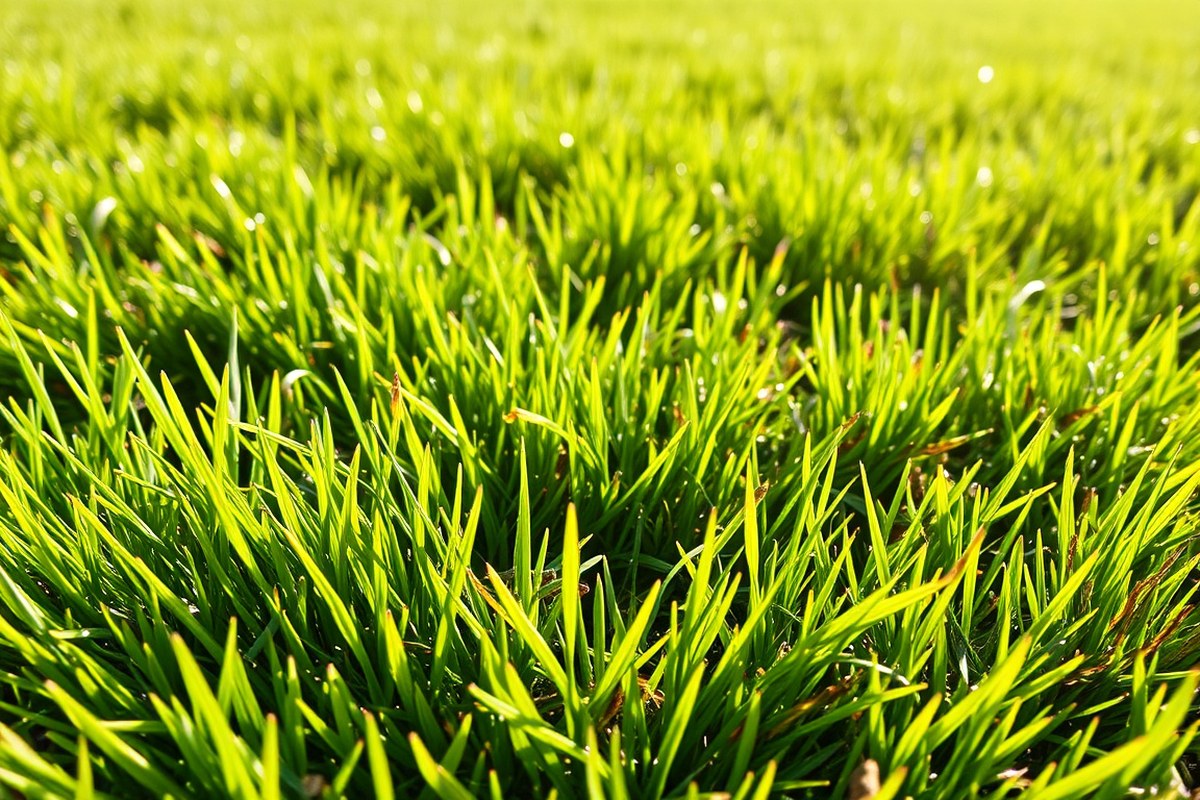
Your lawn may show potassium deficiency through several visible signs. Common signs are yellowing or browning at leaf edges. The grass looks weak.
It dries out fast in dry weather. These signs can look like nitrogen deficiency. But potassium deficiency primarily affects older leaves first and reduces the grass’s drought resistance.
To be sure, test your soil for potassium levels. Home soil testing kits cost around $15 to $30 and provide basic potassium readings. For more accurate results, send a soil sample to a local cooperative extension or private lab.
Labs charge $10 to $50 for a full nutrient check. This includes potassium and pH. Other key nutrients are tested too.
- Collect soil from different lawn spots, 4 to 6 inches deep.
- Mix the sample well in a clean bucket.
- Dry the soil slightly before sending it to the lab.
- Compare lab potassium numbers with target ranges for your grass type.
- Check pH levels since potassium uptake depends on proper pH.
Potassium levels too low in soil make your lawn more vulnerable. It struggles to handle drought and stress, thinning out faster than healthy lawns. Without enough potassium, grass roots stop growing well, which hurts recovery from disease and wear.
Soil test results guide how much potassium to add. You need a stronger potassium boost if the test shows a lack. Muriate or sulfate of potash is usually used.
Applying 10 to 20 pounds per 1,000 square feet yearly is typical. Adjust this amount based on soil and grass type. Low but not deficient potassium means a gradual buildup strategy suits best.
Do not guess potassium needs; testing avoids overuse that can harm your lawn’s balance.
When and How Often Should You Apply Potassium?
Apply potassium during the lawn’s active growing season. The best times are spring and fall when your grass needs support. Avoid late-season potassium as it can disrupt winter dormancy.
Best Seasons for Potassium Application
Potassium helps your lawn handle heat and cold stress. Applying in spring encourages strong root growth for summer resilience. Fall applications prepare grass for cold winter months and reduce stress.
Most lawn care programs deliver potassium along with nitrogen and phosphorus. If you fertilize in spring, that often provides enough potassium. Fall feeding is key to boost potassium for winter survival.
Reapplication Frequency and Timing
You generally need to apply potassium once or twice per year. Spring and fall applications cover the primary needs. The potassium moves slowly in soil, so you don’t see quick results.
Results appear gradually as your grass gains stronger roots and better color over weeks. Reapply potassium only if soil tests show levels running low. Overapplying potassium wastes product and can cause imbalances.
Adjusting Application for Climate and Grass Type
Lawns in hot or dry climates need more regular potassium feeding. This nutrient helps grass hold water during droughts. Cooler regions still benefit from fall potassium application for winter hardiness.
Warm-season grasses like Bermuda or Zoysia require potassium during their longer growing season. Cool-season grasses like fescue or bluegrass typically get potassium in spring and fall. Match the schedule to grass growth patterns.
Special Situations: Drought and Cold Weather
Potassium boosts drought resistance by helping grass retain moisture. Apply potassium before or during dry spells to support survival. Lawns in areas with frequent water stress need potassium more often.
In cold regions, fall potassium is important. It thickens cell walls and prepares roots for freezing temperatures. Without enough potassium in fall, grass may suffer more winter injury and patchy growth.
- Apply potassium fertilizer after mowing to avoid lawn stress.
- Use granular or liquid potassium products based on preference.
- Perform a soil test every 2 to 3 years to check potassium levels.
- Avoid applying potassium during dormancy or extreme heat for best uptake.
- Balance potassium with nitrogen to promote overall lawn health.
Choosing the Right Potassium Fertilizer for Your Lawn
Potassium fertilizers come in several types, mainly granular and liquid forms. Granular fertilizers release potassium slowly, feeding your lawn over several weeks. Liquid potassium is more quickly available but only works for a short time.
Choosing the right potassium fertilizer depends on your lawn’s needs and soil test results. If your soil shows a severe potassium deficiency, liquid fertilizer gives fast relief.
For ongoing maintenance, slow-release granules prevent overfeeding and reduce burn risk. Your lawn type and local climate also affect which type suits best.
Natural sources like compost add potassium gradually while improving soil texture. Compost rarely provides potassium only.
But it’s a safe, low-cost option you can spread lightly. Still, compost alone might not meet potassium needs for a heavily used lawn.
| Fertilizer Type | Release Speed | Risk of Lawn Burn | Feeding Duration | Typical Cost |
|---|---|---|---|---|
| Granular Potassium Fertilizer | Slow | Moderate if overapplied | Several weeks | $15 – $30 per 10 lbs |
| Liquid Potassium Fertilizer | Fast | Low | Few days | $10 – $25 per gallon |
| Compost (Natural) | Very slow | None | Continuous mild feeding | Varies, often free or low cost |
Granular potassium fertilizer usually costs about $15 to $30 for a 10-pound bag. It feeds your lawn over several weeks but can burn grass if you spread too thick.
Fast-acting liquid fertilizers cost roughly $10 to $25 per gallon and spread easily with a sprayer. They help your lawn quickly but need reapplication as effects fade fast.
You want potassium products made for your specific grass type if possible. Slow-release formulas keep your lawn steady and avoid spikes in soil salts.
Before applying any fertilizer, mow, water, and aerate your lawn well. This helps potassium soak in and prevents damage.
How Much Potassium Should You Apply and How to Calculate It
You should apply potassium based on soil test results and your lawn’s size. Follow the recommended rates and avoid over-fertilizing to keep your grass healthy. Calculating the right amount requires reading the soil report and using a simple formula.
Reading Your Soil Test Report
Your soil test report shows nutrient levels, including potassium, often labeled as K or K2O. The report usually gives potassium in parts per million (ppm) or pounds per acre. Look for recommendations that suggest how much potassium your lawn needs to reach the ideal level.
Some reports include a suggested potassium application rate in pounds per 1,000 square feet. You need to calculate it using potassium level difference.
Calculating Potassium Needs from Soil Data
Use this formula to find how much potassium to add. Multiply the potassium difference by the soil depth factor. Then multiply by the lawn area factor.
The soil depth factor converts ppm to pounds per acre. It usually covers the top 6 inches of soil. For 6 inches, multiply ppm difference by 2 to get pounds per acre.
Next, divide pounds per acre by 43 to get pounds per 1,000 sq ft. One acre equals 43,560 square feet.56.
For example, soil with 80 ppm potassium needs 120 ppm. The difference is 40 ppm potassium.
Multiply 40 ppm × 2 = 80 lbs per acre. Then, 80 lbs ÷ 43.56 ≈ 1.84 lbs per 1,000 sq ft of potassium needed.
Safe Application Rates to Avoid Over-Fertilization
Potassium rates usually run from 1 to 3 pounds per 1,000 sq ft. It depends on soil test and lawn needs. Applying more than 3 pounds at once may harm grass.
It also causes salt buildup in the soil. Check the fertilizer’s potassium percentage to adjust how much you apply.
If the fertilizer has 60% potassium, apply about 3 pounds. This gives 2 pounds of actual potassium.3 pounds of fertilizer per 1,000 square feet. Apply potassium evenly and water the lawn deeply afterward to help roots absorb it well.
Signs of Too Much Potassium and How to Fix It
Excess potassium can lead to brown or burnt grass edges, slower growth, or nutrient imbalances. High potassium may reduce the absorption of magnesium and calcium, causing weaker grass health. Avoid applying potassium if soil tests already show high levels above recommended ranges.
Water your lawn deeply several times to flush out extra salts. This helps if you suspect over-fertilizing. Re-testing your soil after a season can confirm if potassium levels have returned to normal.
- Get a soil test from a local lab or extension service.
- Check the potassium level (ppm) and recommended target in the report.
- Calculate the difference between target and current potassium.
- Multiply this difference by 2 to convert ppm to pounds per acre.
- Divide the result by 43.56 to get pounds per 1,000 sq ft.
- Adjust the amount based on your fertilizer’s potassium percentage.
- Apply fertilizer evenly over your lawn using a spreader.
- Water the lawn deeply afterward unless rain is expected soon.
Always avoid guesswork. Using a soil test report is the safest way to apply potassium.
Practical Tips for Effective Potassium Application
To apply potassium fertilizer right, pick the correct type for your lawn. Prepare the soil well before spreading. Time your application carefully for the best results.
Use either granular or liquid potassium, depending on your yard size and tools. Combine potassium safely with watering and mowing for best absorption and minimal waste.
Preparing Your Lawn Before Application
Clear leaves, debris, and clippings from your lawn before applying potassium fertilizer. This helps the product reach the soil and root zone without blockages.
Check soil moisture. The ground should be damp but not soaking wet for better nutrient uptake.
Mow your grass to about 2 to 3 inches tall. This helps fertilizer stay near the roots.
Avoid mowing immediately before or after applying fertilizer to prevent stress. A well-prepared lawn ensures even fertilizer spread and stronger absorption.
Applying Granular vs Liquid Potassium Fertilizers
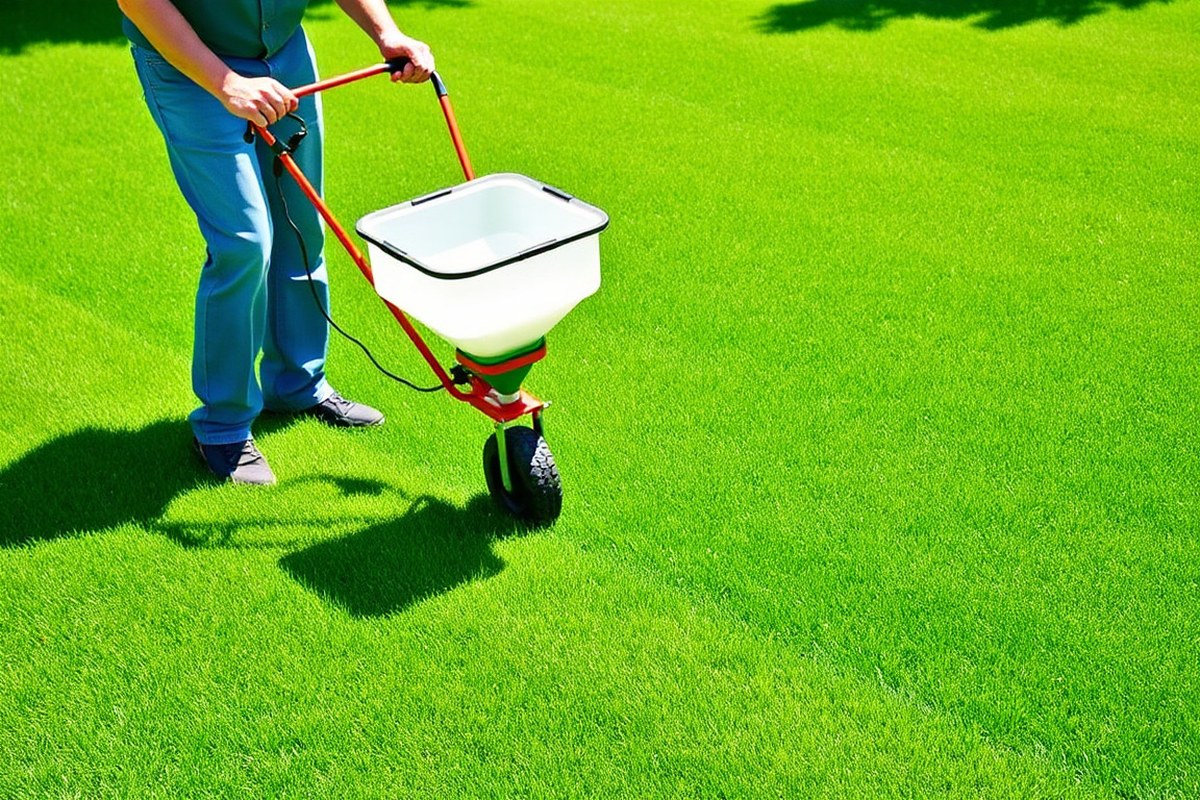
Granular potassium works best with a broadcast or drop spreader for even coverage on large lawns. Use the spreader settings suggested on your fertilizer package to avoid over- or under-application. Walk at a steady pace and overlap passes slightly to prevent missed spots.
Liquid potassium is ideal if your hose reaches your entire lawn. Mix liquid fertilizer according to package directions, usually adding it to water in a sprayer. Spray evenly to cover the grass and soil surface, providing quick nutrient absorption through roots.
Both types can be combined safely with other lawn treatments like nitrogen or phosphorus fertilizers. But avoid mixing with herbicides unless the product instructions say it’s safe. This reduces risk of burning or chemical reactions.
Timing Fertilizer with Watering and Mowing
Apply potassium fertilizer during the growing season, mainly spring and fall. In colder areas, apply potassium in late fall. This helps the lawn get ready for winter.
It also helps your lawn bounce back fast in spring. Applying at the right time improves nutrient use and reduces runoff.
Water the lawn lightly after spreading granular potassium. This moves nutrients down to the roots.
For liquid potassium, follow package instructions on watering before or after application to lock in nutrients. Skip watering if rain is expected soon.
Wait at least two days after fertilizing before mowing. This lets nutrients absorb fully and prevents stress from cutting the grass too soon. Consistent mowing combined with proper fertilizing keeps your lawn healthy and strong.
Safety and Environmental Precautions
Wear gloves and protective eyewear when handling potassium fertilizers to avoid skin and eye irritation. Store products in a cool, dry place away from children and pets. Spills should be cleaned promptly to prevent plant damage or contamination.
Apply fertilizers only as directed to minimize nutrient runoff into waterways. Avoid fertilizing before heavy rains, which can wash away nutrients and harm the environment. Using the proper amount also saves money and protects your lawn.
Use organic potassium options like seaweed fertilizers if you want a gentler approach. These release potassium slowly and improve overall soil health. Test soil regularly to adjust potassium levels and avoid over-application.
- Clear lawn of debris and mow to 2, 3 inches.
- Choose granular fertilizer and use a spreader for large yards.
- Or mix liquid potassium with water for sprayer application.
- Apply fertilizer evenly across the lawn.
- Water lightly after granular, follow package water rules for liquid.
- Avoid mowing for two days post-application.
- Store fertilizer safely and follow label safety instructions.
- Test your soil occasionally to adjust potassium needs.
Common Potassium Fertilization Mistakes and How to Avoid Them
Applying too much potassium can harm your lawn by causing nutrient imbalances. Excess potassium blocks magnesium and calcium from being absorbed well. This weakens grass and makes it less healthy over time.
High potassium usually does not harm pets or people near lawns. Still, it lowers lawn health and hurts soil quality.
Poor timing is another common error. Applying potassium at the wrong time can cause wasted fertilizer and reduce its benefit.
Potassium works best when soil temperatures are between 55°F and 75°F. This is often in early spring and fall. Applying during hot summer months or when grass is dormant means potassium won’t absorb well.
Soil pH also plays a big role. Your soil needs a pH above 6 to grow most grass types well.2, potassium uptake slows down.
Acidic soil makes it harder for grass roots to absorb potassium. Testing your soil’s pH periodically helps you keep potassium accessible and your lawn thriving.
- Test soil potassium and pH levels before fertilizing.
- Apply potassium fertilizer in early spring or fall at recommended rates.
- Use potassium chloride for easy absorption or potassium sulfate for higher concentration.
- Avoid applying potassium during very hot or dormant lawn periods.
- Adjust soil pH to between 6.2 and 7.0 to keep potassium available.
- Follow product label instructions carefully to prevent over-application.
Monitoring potassium levels through soil tests is key to avoiding these mistakes. Test your soil first. Fertilize during the growing season based on those results.
Adjusting the pH with lime can also improve potassium uptake and lawn health. These steps help ensure potassium benefits your lawn without issues from overuse or poor timing.
When to Consult a Lawn Care Professional for Potassium Needs
Call a lawn care professional if you notice persistent poor grass growth even after applying potassium. Brown spots or thinning that doesn’t improve might signal competing soil issues. A pro uses special lab tools to test soil pH and nutrients.
You probably don’t have these tools at home. They give very precise results.
Experts collect several soil samples from your lawn for testing. These samples get sent to a lab for analysis. The results help guide lawn care.
The analysis checks potassium and other minerals, plus soil acidity. Costs range from $15 to $50, depending on the lab and test scope. Professionals then tailor fertilizer types and amounts to keep nutrients balanced without risking buildup or deficiencies.
Experts integrate potassium into broader fertilization plans, adjusting timing and mix by season. They often recommend applying potassium in the fall so grass strengthens for winter. Very acidic lawns may need soil amendments, experts say.
These changes help your lawn absorb potassium better. They improve overall lawn health. This targeted approach cuts down disease risk and drought damage by promoting healthier roots and blades.
Don’t guess your soil’s needs; unbalanced potassium can weaken roots and harm lawn health.
Step-by-Step Action Plan for Potassium Care
Follow these steps to give your lawn the right potassium boost. Watch your grass’s color and strength for signs of success.
- Before you start: Test your soil to check potassium levels. Use the results to pick the right fertilizer.
- Week 1: Spread potassium fertilizer evenly using a broadcast spreader. Look for uniform coverage without piles.
- Week 2: Water your lawn deeply to help potassium soak into the soil. The grass should look hydrated, not soggy.
- Month 1: Monitor your lawn for darker green color and less wilting. This shows potassium is working.
- Month 2: Mow your lawn regularly, leaving grass a bit longer to protect roots. Watch for blade damage or yellow tips.
- Month 3: Re-test your soil if problems continue or grass struggles. Adjust potassium amount based on results.
- Every 3 to 4 months: Apply potassium fertilizer based on season and soil needs. Consistent feeding keeps your lawn strong.
Frequently Asked Questions
How Does Potassium Improve Drought Resistance in Lawns?
Potassium helps lawns survive drought up to 50% longer. It strengthens grass cells to retain water better during dry spells.
Can Potassium Affect Lawn Disease Resistance?
Yes, potassium boosts lawns’ resistance to diseases. It supports cell function, making grass tougher against infections.
Is Potassium Necessary for All Grass Types?
Most common lawn grasses benefit from potassium. It supports overall health, regardless of grass species.
How Quickly Does Potassium Interact with Lawn Soil?
Potassium from fertilizers like potassium chloride acts fast. It dissolves easily and absorbs through grass roots.
Does Potassium Influence Lawn Colour and Growth Speed?
Potassium mainly improves grass strength rather than speed. It helps maintain a rich green colour by supporting photosynthesis.
Can Potassium Help Lawns Recover from Heavy Traffic Damage?
Yes, potassium aids recovery by strengthening grass roots. Strong roots help lawns bounce back from foot traffic stress.
Final Thoughts
Potassium helps your lawn resist stress and grow healthy roots. Keep an eye on your soil and lawn symptoms to act right. Start with a soil test to set your potassium plan in motion today.