When to Apply Fall Fertilizer: A Complete Guide for Healthy Lawns
Apply fall fertilizer 6 to 8 weeks before the first frost date. This allows grass roots to absorb nutrients and heal summer wear. Proper timing helps you get the best results from your fertilizer.
Applying fertilizer too early or too late can waste money and harm your lawn. Pick a day right before rain so nutrients soak into the soil well. Also, wait to mow until temperatures are near 60°F to avoid stressing your grass.
Choose a fertilizer higher in potassium for fall use. Potassium helps strengthen roots for winter survival. Avoid high nitrogen types since they promote growth that won’t last through winter.
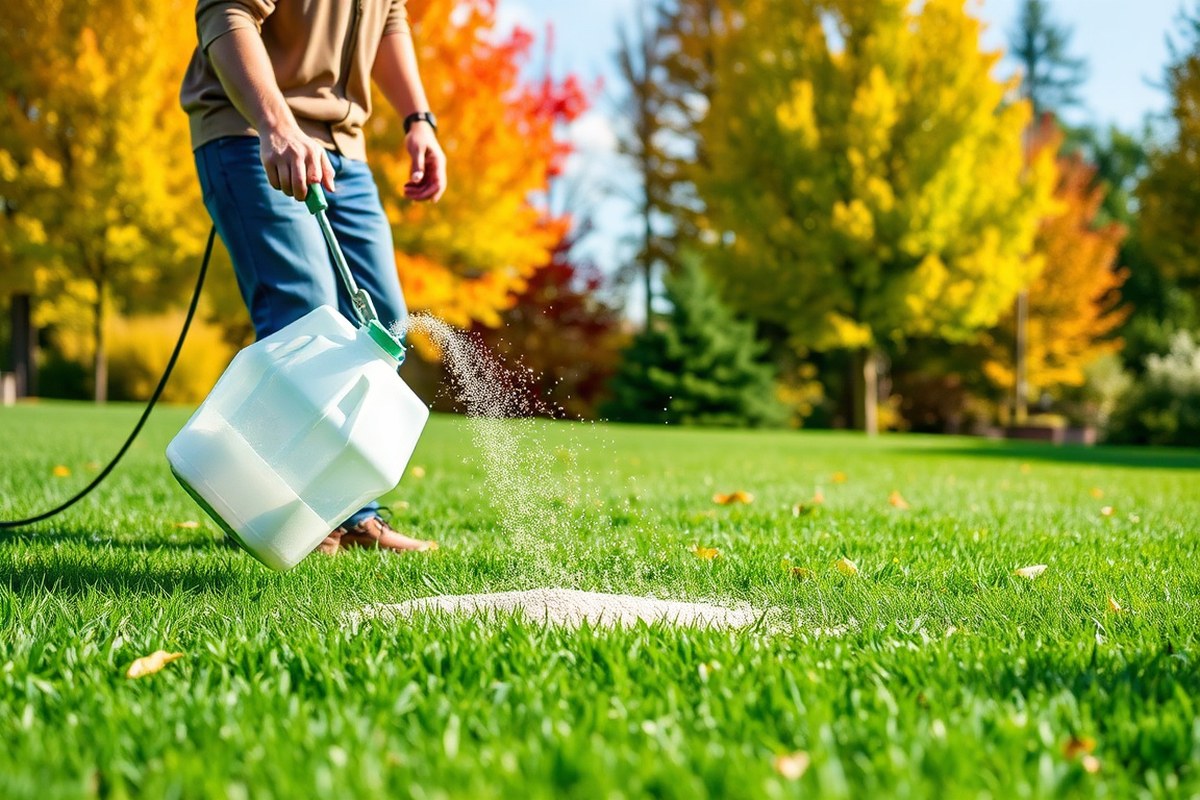
Apply fertilizer evenly with a spreader to avoid patchy growth. Lightly water your lawn after fertilizing to help nutrients reach the roots. This prepares your lawn for a healthy green-up in spring.
Key Takeaways
- Put down fall fertilizer between six and eight weeks before frost arrives.
- Choose a day just before about an inch of rain for best absorption.
- For cool-season grasses, apply a second feeding 4 to 6 weeks after the first.
- Apply a late fall fertilizer 2 to 3 weeks before the ground freezes.
- Use about 0.25 to 0.50 pounds of nitrogen per 1,000 square feet per feeding.
- Water synthetic fertilizers with 0.25 inches of irrigation immediately after applying.
When Is the Best Time to Apply Fall Fertilizer?
Apply fall fertilizer about 4 to 6 weeks before your area’s first frost. This helps grass roots take in nutrients and store energy for winter. Find your local frost date and count back 4 to 6 weeks to pick a good day.
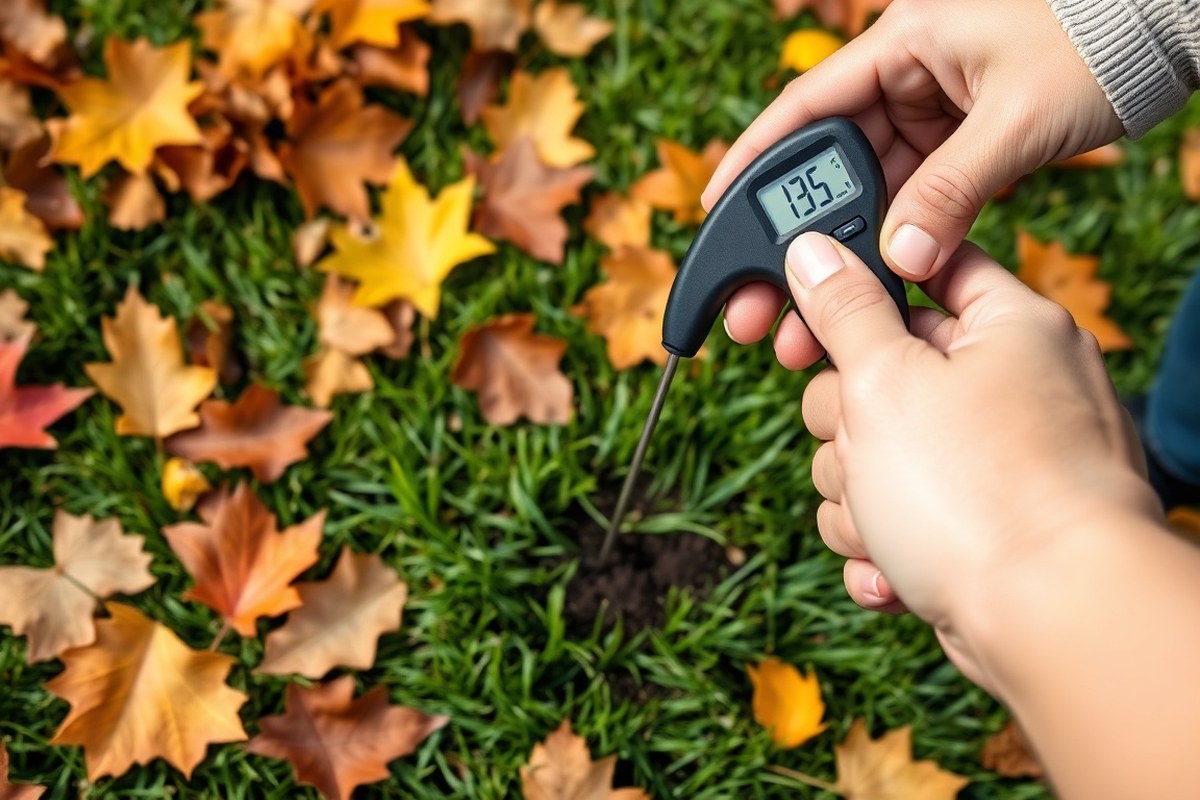
Soil temperature matters too. Aim to apply fertilizer when soil temperature drops below 65°F but stays above 50°F. This range signals the grass is slowing its top growth but still growing roots.
Applying fertilizer too soon means nutrients won’t get fully absorbed by the grass. Too late, and the ground might freeze before uptake.
Applying fertilizer after the first frost isn’t ideal. Grass usually enters dormancy, so it won’t use the nutrients well.
Missing the early fall window means you should watch for ground freeze, about 2 to 3 weeks earlier. Late applications can help in some cases when grass is still green and soil isn’t frozen.
Your grass growth cycle decides timing too. For cool-season grass, fall fertilizer in early September to mid-October works best. Warm-season grasses need a final nitrogen feed 4 to 6 weeks before frost.
This is only needed when the grass is still actively growing. Knowing your grass type helps you nail the right fertilizing moment.
Elevation, rainfall, irrigation, and soil type change your best fertilizer date. These factors can shift it by a couple of weeks. Use a soil thermometer to check the temperature before you apply.
Always follow fertilizer directions for watering after application. This helps avoid leaf burn and ensures nutrients reach grass roots clearly.
How Grass Type Influences Fall Fertilizer Timing
Fall fertilizer timing depends a lot on whether your lawn has cool-season or warm-season grass. Each grass type needs different nutrients and feeding times. These help your lawn prepare for winter.
Knowing when and what to use is key. Matching your fertilizer to your grass type keeps it healthy.
This timing helps your lawn stay green when it matters. Planning feeds right is important.
Cool-Season Grass Fertilizing Windows
Cool-season grasses like Kentucky bluegrass and fescue take nutrients best between early September and November. They absorb food well in this period. Feed them during these months.
Start with a nitrogen-rich fertilizer in September or early October to help recovery from summer stress. Give one last feeding by late October or early November.
This helps roots grow strong before winter sets in. It also keeps grass green before frost.
Start with about 1 pound of nitrogen per 1,000 square feet for your initial feeding. Pick slow-release fertilizer to avoid burning your grass. Stop applying fertilizer when growth halts or soil temperature drops below 45°F.
Applying fertilizer too late in fall can waste nutrients and harm cool-season grass.
Warm-Season Grass Fertilizing Schedules
Warm-season grasses like Bermuda and zoysia need light potassium feeding in early fall. This is best after summer heat fades. This feeding supports their health heading into cooler months.
Avoid late fall fertilizer for warm-season lawns because it can stimulate growth that won’t survive winter. Final fertilizer applications usually happen by the end of September in most regions.
Potassium helps strengthen roots and improves cold hardiness for warm-season grasses. Use fertilizers labeled for potassium higher than nitrogen after mid-September. Skipping late fall fertilizer reduces risks of frost damage to new shoots.
Transition Zone Considerations
The transition zone, covering parts of the middle U.S., grows both cool- and warm-season grasses. Check your lawn type carefully before choosing a feeding schedule.
For tall fescue lawns, use the cool-season schedule with two fall applications. Bermuda or zoysia lawns in this zone follow the warm-season schedule with a single early feeding.
Adjust your timing based on local climate patterns like first frost dates. In this region, you might start cool-season fertilizing earlier than in colder areas. Monitoring soil temperature helps avoid fertilizing when roots are dormant.
Follow label instructions for your specific grass type and local climate to get the best results.
Choosing the Right Fertilizer for Fall Application
Choosing the right fertilizer for fall starts with understanding NPK ratios and release types. Slow-release nitrogen works best for steady root growth early in fall. Specialized winterizer blends help lawns survive winter and come back strong in spring.
Common Fall Fertilizer NPK Ratios
Fertilizer NPK ratios tell you the percentage of nitrogen, phosphorus, and potassium. Each nutrient serves a purpose: nitrogen boosts growth, phosphorus helps roots, potassium improves hardiness. Your grass type and the time in fall guide your choice.
Cool-season grasses need nitrogen early for root recovery and potassium later for winter. Warm-season grasses focus on potassium to improve cold resistance without pushing new growth.
| Scenario | NPK Ratio | Why |
|---|---|---|
| Cool-season, early fall | 24-0-12 or 20-8-8 (slow-release) | Steady root growth without top-growth surge |
| Cool-season, late fall | 20-0-10 (quick-release) | Final nutrient boost before ground freeze |
| Warm-season, early fall | 0-0-25 (potassium only) | Winter hardiness without new growth |
Using the right ratio keeps grass healthy without wasting fertilizer. Slow-release formulas work well early in fall. Quick-release may be needed for late feeding before freezing.
When to Use Winterizer Formulas
Winterizer fertilizer is a late-fall treatment with extra potassium. It helps your lawn withstand cold temperatures and prepares roots for spring. Apply it after your last lawn mowing, usually in late October to early November.
Winterizers differ mainly by their potassium content and timing. They don’t encourage new leaf growth, which you want to avoid as winter approaches. Use them if you want a healthier, green spring lawn and missed earlier fall feeding chances.
You can buy products called “winterizer.” Look at the nutrient info instead.
The name doesn’t matter as much as the nutrients inside. Applying the right nutrients at the right time matters more than brand claims.
Soil Testing and Nutrient Needs
Testing your soil before fertilizing saves money and prevents overfeeding. A soil test kit or local cooperative extension service usually costs about $20. It shows which nutrients your lawn needs and in what amounts.
Choosing fertilizer without a soil test is guesswork. You might waste nutrients.
This can cause an imbalance in your lawn’s health. Tools like Purdue University’s Turf Fertilizer Calculator can estimate needs if testing isn’t an option.
Measure your lawn’s square footage before applying fertilizer. Proper coverage avoids spots with too much or too little feed. Follow package instructions based on your lawn size to get the best results.
How to Prepare Your Lawn for Fall Fertilizing
Before you spread fall fertilizer, mow your lawn first. Lower your mowing height gradually in the weeks before.
But don’t cut the grass too short at once. This avoids stressing the turf and helps fertilizer reach the soil better.
Check soil moisture the day before. Water your lawn lightly about 24 hours before fertilizing. This keeps soil damp enough so it can absorb nutrients well.
It also stops the ground from getting too wet. That way, your spreader works evenly across the lawn.
Aerating is a smart step if your lawn is compacted or has heavy foot traffic. It creates small holes allowing air, water, and fertilizer to penetrate deeper. Aerate a few days before you apply fertilizer for best results.
- Mow gradually lower over several sessions; never scalp down to bare soil
- Check soil moisture and water lightly one day before fertilizing
- Use a digital soil thermometer in the turf to verify ideal soil temperature
- Aerate compacted lawns 2 to 3 days before fertilizing
- Apply fertilizer ahead of expected rain to use natural watering
Weather matters. Avoid fertilizing when rain is heavy or the soil is saturated.
This can wash fertilizer away and waste your effort. Aim for a day with light rain or dry weather for even coverage.
Right timing also depends on temperature. A soil temperature between 50 to 65°F encourages nutrient uptake. Use a soil thermometer to check the ground temperature.
Put it two inches deep in shaded turf spots. This helps you know when conditions are right.
Proper Application Techniques for Effective Fall Fertilization
Applying fall fertilizer the right way takes planning and care. First, measure your lawn accurately.
Use a measuring tape to find your yard’s length and width. Multiply those numbers to find the square footage.
Look at the fertilizer label for the amount to use per 1,000 square feet. For example, if it says 1 pound of nitrogen per 1,000 square feet, multiply that by your lawn size. A 5,000-square-foot lawn would need 5 pounds of nitrogen total, adjusted for the mix’s nitrogen percentage.
A fertilizer spreader helps with an even application. You can choose a broadcast or drop spreader. But broadcast types cover large areas faster.
Set the spreader according to the number on your fertilizer bag. Walk steadily to avoid patches or overloaded spots.
- Measure the lawn’s total square footage carefully.
- Calculate the total fertilizer needed based on package rates.
- Choose the appropriate fertilizer spreader and check the setting.
- Apply fertilizer in one direction first, then again crosswise.
- Avoid overlapping too much to prevent overfertilizing spots.
- Water the lawn after spreading the fertilizer with about 0.5 inches of water.
- Use a rain gauge or timer to estimate how much water to apply.
Watering in the fertilizer is critical. It helps nutrients soak into the soil and reach roots.
About half an inch of water is enough after feeding. Water lightly but thoroughly, so fertilizer won’t wash away.
Double applications at perpendicular angles make sure the fertilizer covers the entire lawn. Be cautious around driveways or flowerbeds to avoid spills there. Using a spreader shield can keep fertilizer only on grass areas.
Set spreader settings exactly as recommended. Overapplication causes lawn damage and wastes money.
Regional and Seasonal Variations in Fertilizer Timing
Regional climate shapes when you should fertilize your lawn in fall. Northern areas need to start earlier because they get frost sooner. Southern regions stay warmer longer and can fertilize later, even into November.
In the north, aim to finish your last fall fertilizer by early October. Mid-September to early October works well to feed cool-season grasses before frost. In southern states, you have until late October or early November to apply your last feeding.
Here’s a quick look at typical first frost dates in various cities. These dates guide when to apply that last round of fertilizer:
| City | Typical First Frost |
|---|---|
| Boston, MA | November 3 |
| Buffalo, NY | October 6 |
| Burlington, VT | October 9 |
| Chicago, IL | October 24 |
| Minneapolis, MN | October 10 |
| Detroit, MI | October 9 |
| St. Louis, MO | October 22 |
| Seattle, WA | November 15 |
| Portland, OR | October 29 |
| Spokane, WA | October 6 |
Use the frost date for your area as a guide to time fertilizer applications. Fertilize about two weeks before the first frost. That timing lets the fertilizer feed the grass as it prepares to go dormant.
October is not too late to fertilize in many southern and transition zone areas. Northern lawns may stop fertilizing by early October.
So November is usually too late there. Late fertilizer should include fast-release nitrogen to work quickly before dormancy.
In the Midwest and Northeast, plan two feedings. The first is in September or early October.
The second one happens 4 to 6 weeks later, near late October or early November. This keeps grass healthy through winter.
Put down fertilizer in cooler parts of the day like morning or late afternoon. Don’t apply more than 1 pound of nitrogen per 1,000 square feet in one go. Over-fertilizing can damage your grass and waste the nutrients.
Common Mistakes and How to Avoid Them When Fertilizing in Fall
Applying fertilizer too late in fall means your grass may not absorb nutrients well. The lawn could go dormant before using the fertilizer, which wastes your effort and money. Fertilizer on dormant grass risks burning and damaging those dormant blades.
A frequent mistake is overfeeding. Putting down too much fertilizer can cause leaf burn.
It can also push grass to grow when it should slow down. Always follow the product’s instructions for amounts to avoid harming your lawn and wasting fertilizer.
Watering errors are common, too. After spreading granular fertilizer, it’s key to water it off the grass blades gently.
This prevents blade burn and helps nutrients reach the soil. Avoid watering during hot daylight to reduce stress on the grass.
- Don’t fertilize dormant lawn; wait until active growth resumes
- Apply fertilizer in cooler morning or late afternoon hours
- Use the right fertilizer amount; check the package directions
- Water fertilizer in soon after application but avoid heavy midday sun
- Stop fertilizing once growth slows or turf starts browning
- Avoid “feeding” too often; fall fertilizing is one major late-season feed
Being careful about timing keeps your lawn healthy during winter. Fertilize before grass stops growing, so roots store nutrients.
Feeding your lawn after dormancy won’t help. It can cause burning instead.
Following these steps will help your lawn stay thick and green next spring. Overfeeding or late feeding wastes products and can harm your grass. Always water properly after spreading fertilizer to protect grass blades and aid absorption.
Understanding How Fall Fertilizer Benefits Your Lawn over Winter
Fall fertilizer helps your lawn build strong roots and store energy for winter. It feeds the grass deeply, so your lawn recovers faster come spring. The benefits show up over weeks and last through the cold months.
Root Growth and Energy Storage
Grass uses fall fertilizer to grow roots deeper. Those roots store carbohydrates that act like fuel during winter. Unlike spring feeding, fall fertilizer focuses on root and energy buildup, not leaf growth.
This root growth makes your lawn tougher. Roots reaching deeper soil absorb water and nutrients better. Fertilizer with higher potassium supports this process and improves root strength.
Start feeding when soil temperatures drop to about 55°F, usually mid to late fall.
Resistance to Winter Stress
The energy stored in roots helps grass survive winter’s cold and dryness. Strong roots reduce damage from freezing and thawing cycles. Fall fertilizer also makes grass less likely to turn brown during winter.
Lawns with good root systems tolerate foot traffic and snow cover better. Fall fertilizer labeled “Winterizer” or “Fall Lawn Food” targets this winter resilience. Overfeeding with nitrogen late can weaken roots and reduce cold hardiness.
Spring Greening and Recovery
Your lawn springs back quickly after winter thanks to fall feeding. The stored nutrients speed up green-up and growth once temperatures rise. This early boost leads to a thicker lawn with richer color.
Without fall fertilizer, grass can be weak, thin, or slow to grow in spring. Proper fall feeding shortens the time needed to mow and maintain your lawn come spring. Usually, you’ll see better growth about 2 to 4 weeks after spring’s first warm spell.
Step-by-Step Action Plan for Fall Fertilizing
Follow this simple plan to fertilize your lawn effectively this fall. Each step tells you when to do it and how to check your progress.
- Early Fall: Test your soil to check its nutrient levels. You’ll know it worked when you get clear results from the test kit or lab.
- One Week Later: Mow your lawn to a moderate height. Grass should look even and not too tall when you finish.
- Before Fertilizing: Water your lawn lightly a day before applying fertilizer. The soil should feel moist to the touch, not dry.
- Day of Application: Spread your chosen fall fertilizer evenly using a spreader. Watch for an even coat without clumps or bare spots.
- Right After Fertilizing: Water the lawn again lightly to help the fertilizer soak in. You’ll notice the soil feels damp but not soggy.
- Two Weeks Later: Check the grass for greener, fuller growth. Healthy lawns show richer color and thicker blades by now.
- Late Fall: Avoid heavy foot traffic on the lawn to let it recover. The grass won’t be flattened or stressed if you keep off it.
Frequently Asked Questions
What Is the Best Fertilizer to Use in September?
Use a nitrogen-rich fertilizer with controlled release for cool-season grasses. This helps repair summer damage and supports growth before winter sets in.
How Late Can I Put Down Winterizer Fertilizer?
You can apply winterizer fertilizer up to 4-6 weeks before the first frost. Applying later risks pushing new growth that cold weather can damage.
What Are the Best Lawn Fertilizer Numbers for Fall?
Look for fertilizers with higher nitrogen and potassium, like 24-0-10 or similar blends. Nitrogen helps recovery, and potassium boosts winter hardiness.
What Happens If You Fertilize Too Late in the Fall?
Fertilizing too late can cause weak new growth that freezes easily. It wastes fertilizer and doesn’t help your lawn survive winter stress.
Can I Apply Fall Fertilizer During a Dry Spell?
It’s best to fertilize before rain to help wash nutrients into the soil. Applying during dry weather can stress grass and reduce fertilizer effectiveness.
Is Fall Fertilizer the Same for All Grass Types?
No, cool-season grasses need two feedings, while warm-season grasses get one. Timing depends on your specific grass and local climate.
The Bottom Line
Applying fall fertilizer at the right time sets your lawn up for winter strength. Start by testing your soil to know exactly what your grass needs. Taking that first step will save you time and money down the road.