When to Pick Peas: A Complete Guide for Perfect Timing and Flavor
Knowing when to pick peas can make a big difference in taste and texture. Peas are usually ready about 55 to 70 days after planting. The best time to harvest depends on the pea type and pod size.
Snow peas should be plucked when pods reach about 2 inches and feel slightly crunchy. Sugar snap peas need picking when pods start to fill out.
The pods are ready at about 3 inches long. Garden peas are best when pods measure 2 to 3 inches and feel full inside.
Start checking your peas around day 55 after planting to catch the right moment. Peas grow fast during cool weather, so check often. Picking peas at the peak gets you tender, sweet pods without being stringy or tough.
Key Takeaways
- Harvest snow peas when pods are about 2 inches and slightly crisp.
- Pick sugar snap peas between pod start and full 3-inch length.
- Check garden pea pods once they’re 2 to 3 inches and plump inside.
- Begin inspecting pea plants around 55 days after sowing seeds.
- Peas grow fastest in cool weather; check plants every 1-2 days.
- Harvest peas regularly to keep pods tender and prevent toughness.
How to Tell When Peas Are Ready to Pick
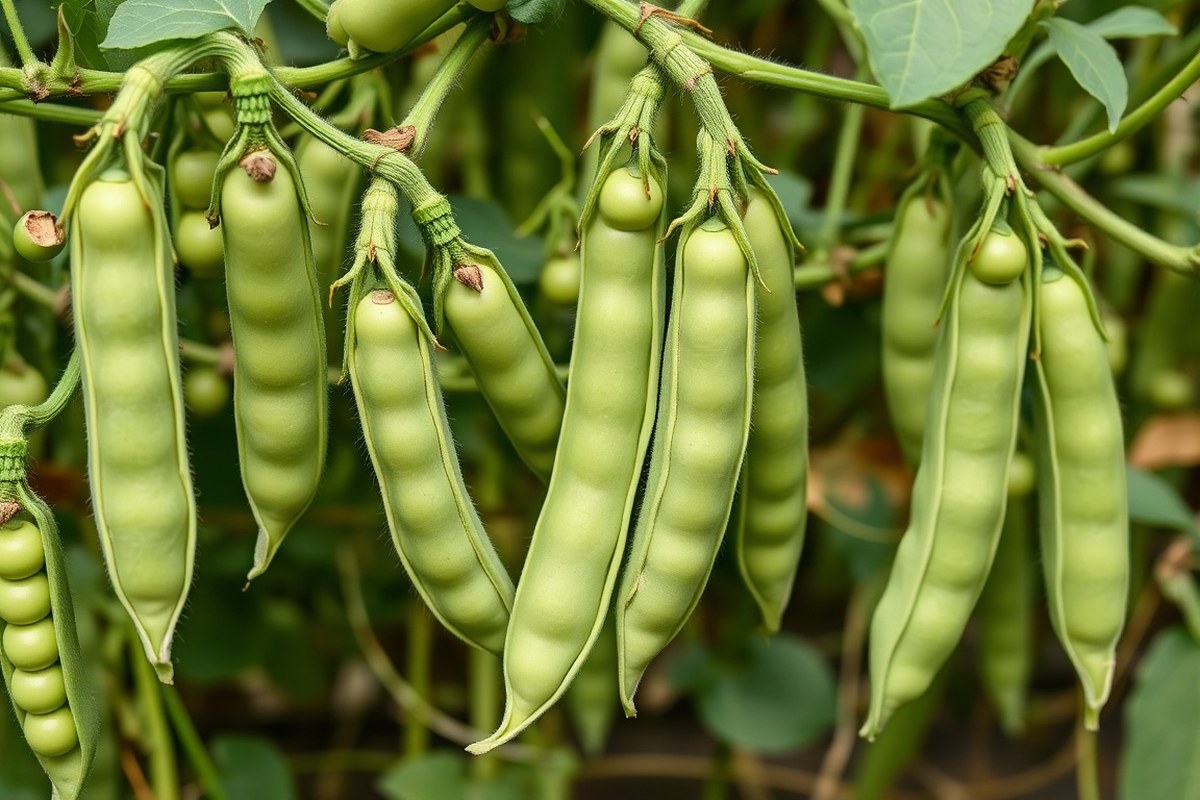
You can tell peas are ready to pick by their pod size, feel, and color. Young pods are lighter green and tender. Mature pods turn dark green and feel firm but still pliable.
A gentle squeeze shows if peas are plump inside. The pod shouldn’t feel tough. It shouldn’t be woody either.
Sugar snap peas should be full-sized and about 3 inches long. The pods must be crisp with large peas inside.
Wait a few days and check again when pods feel soft or peas look tiny. Regularly squeezing the pods helps catch the perfect ripeness before they get hard.
Pick snow peas when pods are about 2 inches long. They should be flat. Do it before seeds start swelling.
The pods are still tender and slightly unripe then. Garden peas require the pods to look full with visible pea outlines. You want firm pods filled with round, plump peas but not yet bulging or dried out.
Look at your garden peas 18 to 21 days after flowers bloom. See if pods are filling out right. Pick peas when the pod feels firm and peas are outlined.
It should not be tough. You missed the best time if pods turn yellow or get hard. Those peas may be starchy or less tasty.
For any pea type: check pod size first. Then squeeze to feel firmness but no hardness. Watch for color from yellow-green to dark green.
Pick sugar snap peas at about 3 inches long. Snow peas should be 2 inches and flat. Garden peas are done when pods are soft and plump.
Check your peas every 1 or 2 days once pods start filling. This helps you avoid overripe pods. Overripe peas lose sweetness and become stringy or tough.
Knowing pod size and feel for each pea type helps you pick fresh peas. This way you enjoy tender peas at their best.
Differences in Harvest Timing by Pea Type
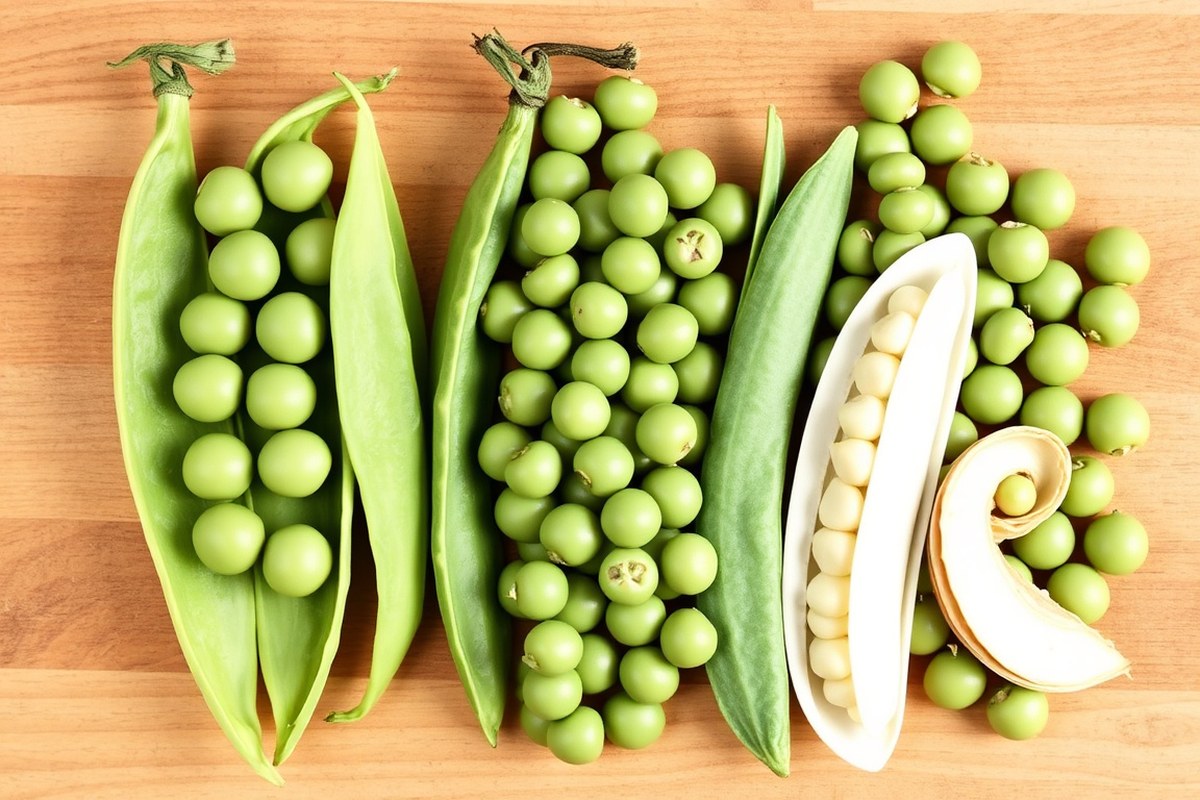
Snap peas, snow peas, and shelling peas differ mainly in pod texture and harvest timing. Each type reaches ideal picking time at different pod lengths and days after planting. Knowing these differences helps you pick peas at peak flavor and texture.
Snap Peas: Crisp and Plump Harvest
Snap peas have thick, crisp pods you eat whole. Pick them when pods are plump but still tender, about 2 to 3 inches long. This means the peas inside are starting to swell but not fully mature yet.
Snap peas usually take 60 to 70 days from planting to harvest. Varieties like Little Snap Pea Crunch mature in about 60 days.
Oregon Sugar Pod takes around 68 days. Picking too late makes pods tough and starchy.
Snow Peas: Flat and Tender Pods
Snow peas have flat, thin pods you eat whole with immature peas inside. Pick the pods when they are flat and shiny, usually around 7 cm (2.75 inches) long. The seeds inside should be small and soft.
Harvest snow peas earlier than snap peas, often starting around 55 to 65 days after planting. You want the pods before the peas start swelling. Letting them mature leads to thick pod walls and a less tender bite.
Shelling Peas: Fully Rounded Pods
Shelling peas are grown for the peas inside, not the pod. Pick when pods are bright green, plump, and rounded with full seeds. The pod should look shiny but start dulling if overripe.
Shelling peas mature about 60 to 70 days after planting, roughly three weeks after flowering. Choosing the right time avoids peas becoming starchy or too dry. The peas are shelled out for eating fresh or drying for later use.
Here is a table comparing harvest times and pod traits. It shows the key differences between pea types. Use it to understand when to pick your peas.
| Pea Type | Pod Appearance | Ideal Pod Length | Days to Harvest |
|---|---|---|---|
| Snap Peas | Plump, tender pods | 2, 3 inches (5, 7.5 cm) | 60, 70 days |
| Snow Peas | Flat, shiny pods with immature peas | ~2.75 inches (7 cm) | 55, 65 days |
| Shelling Peas | Bright green, fully rounded pods | 2, 3 inches (5, 7.5 cm) | 60, 70 days |
| Oregon Sugar Pod (Snap) | Plump pods, tall plants | 4.5 inches (11.5 cm) | 68 days |
| Little Snap Pea Crunch | Plump pods | 3 inches (7.5 cm) | 60 days |
The timeline shows snow peas mature quickest, followed closely by snap and shelling peas. Pod size changes with the variety. Keep an eye on these sizes to pick peas at the right time.
This helps you get the best pods. Remember, peas harvested too early may be bland. Harvest too late leads to tough or starchy pods.
Check your peas every day during harvest season because they mature quickly and lose tenderness fast.
When to Start Checking Your Peas for Harvest
You should start checking your peas for harvest about 50 to 60 days after planting. This timing depends on your USDA planting zone and the variety you grow.
Usually, pea flowers turn into pods about 4 to 6 weeks after planting. You’ll want to start checking around then.
Seed to Flowering Timeline
Pea seeds take 7 to 14 days to sprout under good soil conditions. After sprouting, leaves grow rapidly for 2 to 5 days.
The vines grow to 3 to 4 feet tall in 7 to 14 days. This happens after the early leaves appear.
Flowering begins roughly 4 to 6 weeks after planting. Pea pods start forming about 2 to 3 days after pollination.
Start checking for harvest-ready pods about 54 days after planting early varieties. This is usually the best time.
Typical Harvest Windows by USDA Zone
Your location affects when peas mature and when you should start harvesting. This table shows harvest check times based on USDA zones and planting dates. It helps you know when to start.
| USDA Zone | Planting Time | Start Checking for Harvest |
|---|---|---|
| 3, 4 | Late March | Mid-May (Day 50, 60) |
| 5, 6 | Early April | Mid to Late June (Day 54, 60) |
| 7, 8 | Late February to Early March | Mid to Late April (Day 54+) |
When to check your peas depends on frost dates in your area. Planting times in your zone also matter. Tracking local frost dates helps confirm your best planting and harvest schedule.
Monitoring Tips During Maturation
Watch pea flowers fade after blooming. Pods start forming in the weeks after the flowers fade.
Pods fill out quickly, often within 2 to 3 days post-pollination. Start looking for pods about 7 cm long before peas inside mature fully.
Check your plants every couple of days once pods appear. Picking peas frequently encourages more pod development and avoids overripening. Avoid letting peas get too starchy by harvesting before pods become tough.
How Weather and Growing Conditions Affect Harvest Timing
Peas grow best in cool, mild temperatures between 55°F and 75°F. Pea plants grow faster when temperatures go above 75°F. Pods fill up quickly. The pod skins get tougher as a result. Hot weather shortens your harvesting window and can reduce pod sweetness.
Moisture matters a lot for pea pod growth. Peas thrive in soil that’s consistently moist but well-draining. Your pods may stop growing if soil dries out.
They might taste dull too. Heavy watering during hot spells helps keep pods juicy and firm. But overwatering can cause root problems.
Soil temperature also affects how fast peas mature. Cooler soil slows growth. So planting too early in cold soil can delay your first harvest.
Aim to plant peas when soil temperatures reach about 50°F to 55°F. So pods develop steadily as air temperatures warm up. This timing avoids pods maturing too late in the season.
Hot, dry conditions tend to stress pea plants quickly. Pea vines grow slower when it’s over 85°F outside. Flowers can fall off before pods form.
This stops pod development. Water deeply every few days during heat waves to protect plants. Add mulch to keep roots cool.
Both help your crop. That helps extend your pick window.
Timing your harvest depends on these growing conditions. Peas planted on the same day can mature over one to two weeks, depending on weather. Cool, moist weather means a longer harvest time with tender pods.
But hot spells shorten harvesting to just a few days. So watch your peas daily during warm periods and pick pods promptly to keep sweet taste.
Adjust watering when weather changes. Water deeply in the morning, about 1 inch per week. During hot, dry weather, increase to twice weekly to avoid pod shriveling.
Avoid wetting leaves excessively in the evening to reduce disease risk. Well-timed watering encourages steady pod growth until peak harvest.
Step-by-Step: How to Properly Pick Peas Without Damage
Picking peas without hurting the plant means being gentle and using the right technique. Harvest peas early in the morning. The sun can dry them out.
This helps keep peas fresh for longer. Use careful motions to avoid breaking stems and keep your plants strong.
Choosing the Right Time of Day
Morning is the best time to pick peas. The pods have more moisture, which keeps them crisp and sweeter. Avoid picking peas in the heat of the afternoon to stop the pods from wilting quickly.
Check your peas often once they start ripening. They may quickly go from perfect to overripe. Frequent checks help you harvest at the right time and encourage new pods to grow.
Gentle Pod Removal Techniques
Twist each pod slightly to loosen it from the stem. This loosens the pod without pulling on the fragile plant. Avoid yanking or pulling sharply, which can damage vines and reduce future pods.
Pick pods with one hand while supporting the stem with the other. Supporting the stem stops the plant from bending or breaking. Removing only the ripe pods also helps the plant keep producing pods later.
Harvest occasional side shoots too if you want more pods later in the season. This encourages the plant to keep growing instead of using all its energy on one section.
Tools That Help Harvesting
Use gloves to avoid scratching your hands on pea vines. Thin leather or gardening gloves protect you without making it hard to feel the pods. A sharp pair of pruning shears can help cut pods if twisting feels tough.
Carry a basket or a container with you as you pick peas. This prevents crushing the pods in your hands or pockets. Choose a container you can hold with one hand.
This leaves your other hand free for picking. It helps you handle pods gently.
Follow this step-by-step method to harvest peas:
- Choose a calm morning when the plants are dry.
- Put on gloves to protect your hands.
- Hold the stem gently with one hand for support.
- With the other hand, twist the pea pod to detach it.
- Use pruning shears to cut off tough pods. This works well when you can’t pick by hand.
- Place pods carefully in your basket or container.
- Check the plant for side shoots and select ripe pods only.
- Repeat every 1 to 2 days to maximize harvest and plant health.
Tip: Never pull pods hard or without supporting the stem. This can break the plant and stop pod production.
Maximizing Pea Yield Through Regular Harvesting
Check your pea plants every two or three days once the pods start forming. Regular checks help you catch peas when they are plump. The skin should still be tender.
Check often to pick peas at the right time. This quick habit keeps peas fresh and encourages the plant to produce more pods.
Pea plants keep producing pods after the first harvest, as long as you pick them promptly. When peas mature on the vine, they stop making new ones. Picking often tricks the plant into thinking it still needs to make more peas.
Follow this checklist to maximize your pea harvest:
- Mark expected harvest dates on your calendar from the seed packet.
- Inspect plants every 2-3 days during peak season.
- Look for pods that are full but tender, with a thin, moist skin.
- Harvest all ripe pods to encourage new growth.
- Avoid pulling or tearing pods off to protect the plant.
- Remove any older or woody pods to help plant energy go to new pods.
Start checking peas early during warm and stable weather to catch the first pods just right. More frequent harvesting costs you only a few minutes but can extend your season by weeks. Most gardeners find harvesting every 2 days ideal during the busiest time.
Skipping or delaying harvest can cause peas to become tough or shriveled. Poor timing lowers total yield and reduces quality.
Missing a couple of days means check daily afterwards. This stops over-mature pods from hanging on the plant.
Best Practices for Storing and Using Freshly Picked Peas
After picking peas, place them immediately in a cool spot or fridge. Keep them at 32 to 40 degrees Fahrenheit to slow sugar turning to starch.
Avoid storing peas below 32 degrees, or they’ll soften and brown quickly. At these temperatures, peas keep their sweet taste and firmness for 3 to 5 days.
For longer storage, blanch peas before freezing. Blanching stops enzymes that cause spoilage and flavor loss. To blanch, boil water and drop peas in for 1.5 to 2 minutes.
Then, quickly move them to ice water for the same time. This cools them fast and stops cooking.
Drain and dry peas after blanching, then spread them on a tray to freeze individually. Once frozen solid, transfer peas to airtight bags or containers.
This method keeps peas fresh for up to 12 months while holding most flavor and nutrients. Don’t skip blanching or peas can become tough and dull when frozen.
Use fresh peas within a few days for best flavor. They taste sweeter and have a crisp texture right after harvest.
You can’t eat peas right away, so refrigerate them to stay fresh. Frozen peas work best in cooked dishes like soups and stews, not raw salads.
Harvest peas early in the morning when they’re coolest. This helps preserve the crispness and sugar content. Peas left too long after harvest can taste starchy.
They also lose their bright green color when stored improperly. Quick cooling and proper blanching protect fresh-picked peas’ sweet, tender quality for months.
Common Mistakes to Avoid When Harvesting Peas
Picking peas before they’re ready means they’ll be small and starchy. Wait too long, and peas get tough, losing sweetness and texture. Harvest peas in the cooler morning to keep pods crisp and to reduce plant stress.
Be gentle when picking by hand to avoid breaking stems or leaves. Hold the pea pod and snap it off carefully instead of pulling the entire vine. Using scissors or garden snips helps prevent plant damage.
This is useful for dense or tall pea plants. It keeps vines from tearing while harvesting.
Watch for signs your peas are past their peak. Check for dull-looking pods. Also, watch for seeds bulging through thin pod walls.
Yellowing leaves or dropping pods also mean it’s time to finish harvesting. Remove older pods promptly to encourage the plant to produce more.
Common mistakes include harvesting immature pods that don’t fill out yet. Let pods swell fully before picking shelling peas.
Also, watch for pests like aphids that can weaken plants. Harvesting carefully avoids additional stress on pea vines recovering from pest pressure.
Always harvest peas early in the morning for the best flavor and less plant damage.
Don’t tug hard when picking to avoid snapping stems, which cuts off future pea growth. Instead, pinch pods gently from the vine. Pick peas every few days for the best taste.
Regular harvesting stops peas from getting too ripe. It also keeps peas from turning to seed.
Brown spots or dry, shriveled pods mean peas are past prime. These signs show peas are no longer fresh. Avoid picking peas with these problems.
Remove those pods and check plant health before the next pick. Cleaning up damaged or old pods helps your plants stay productive longer and reduces disease risk.
Step-by-Step Action Plan for Harvesting Your Peas
Follow these steps to harvest your peas at the best time for flavor and yield.
- Before peas flower: Check the seed packet for days to first bloom. Start planning your harvest date based on that.
- At first bloom: Begin inspecting pods every two days. Look for pods plump but not hard for snap and shelling peas.
- When pods swell: Gently squeeze them to check filling. Pick peas that feel full without bulging seeds.
- Every 2 to 3 days during harvest: Pick all mature pods. Regular picking keeps plants producing more peas.
- After picking: Store peas in a cool place or refrigerate immediately. Fresh peas keep their sweet flavor best cold.
- After final harvest: Remove old pods and plant debris. This helps prevent disease for next season.
Frequently Asked Questions
How Can You Tell If Peas Are Overripe?
Overripe peas have hard, starchy seeds and tough pods. Peas lose sweetness and softness if left too long.
Pick pods before they swell fully. This keeps peas tender and tasty.
Is It Better to Pick Peas All at Once or Regularly?
Pick peas regularly to encourage more pod production and maintain sweetness. Waiting too long reduces yield and quality.
Can You Pick Peas Right After Rain?
It’s best to wait until pea pods are dry after rain. Wet pods can be slippery and encourage mold, making harvesting tricky.
Does Pod Size Vary by Pea Variety at Picking Time?
Pod sizes differ by pea type. Snow peas are flat and small when picked. Sugar snap peas grow about 3 inches and stay full length.
Should You Remove Pea Pods from the Vine After Picking?
Yes, removing pods prevents disease spread and allows the plant to focus energy on new growth. Drop collected pods away from the vine.
Is It Normal for Some Peas to Mature Faster on the Same Plant?
Yes, peas on the same plant can mature at different rates. Check and pick peas often to catch the best flavor and texture.
Key Points to Remember
Picking peas at just the right time brings out their best taste and texture. Check your pods regularly and pick them often to get more peas from your plants. Start inspecting your peas today to enjoy fresh pods soon.