What Blooms All Summer: Top Flowers and Care Tips for Long-Lasting Color
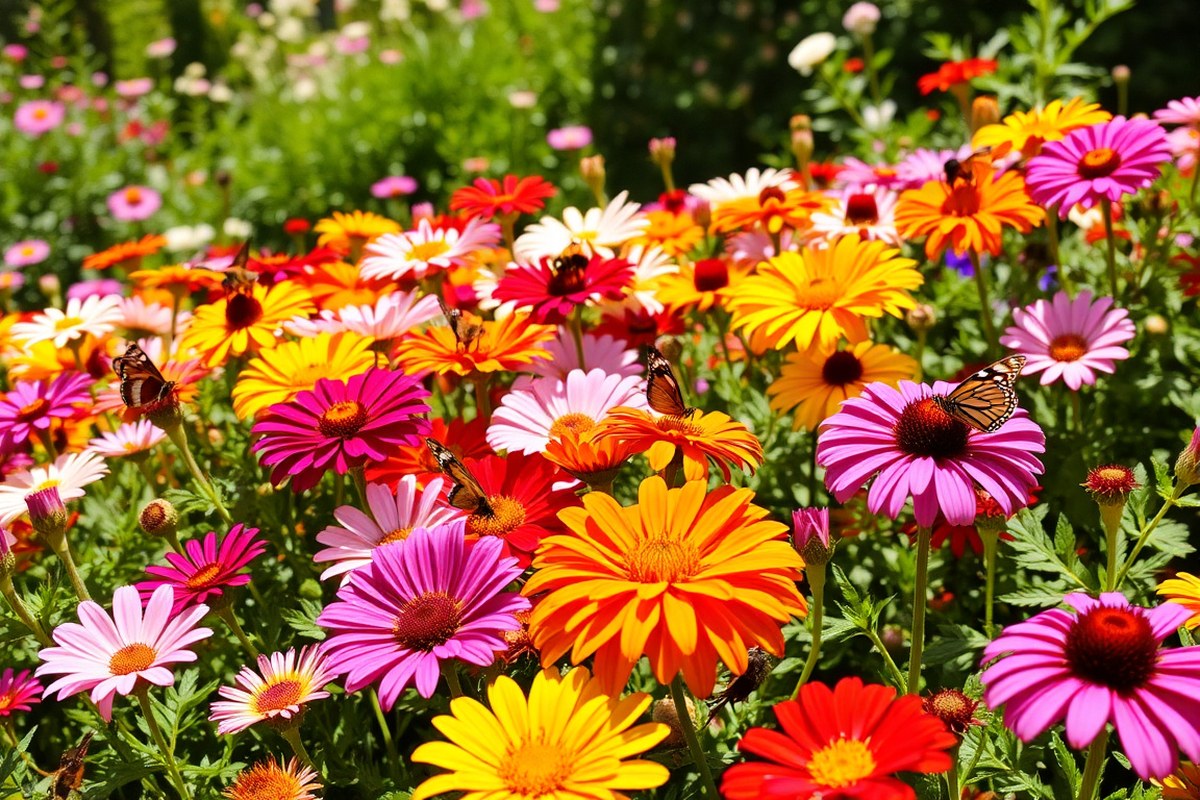
Wondering what blooms all summer to keep your garden colorful? Many flowers bloom nonstop from early summer to early fall.
Perennials and annuals both offer long-lasting blooms when planted right and cared for consistently. Choosing the proper plants lets you enjoy vibrant colors for months.
Speedwell and Mexican butterfly weed are great long-blooming choices. They bring continuous color and attract pollinators all season. Other popular options include coneflowers and lantana, which thrive in heat and bloom steadily.
Start by picking plants suited to your garden’s sun and soil conditions. Most long-blooming flowers prefer full sun and well-draining soil. Testing your soil and adjusting with compost improves plant health and flowering.
Watch out for extreme heat or drought, which can shorten blooming. Applying mulch and watering deeply helps flowers keep blooming. Regular deadheading also encourages more flowers through summer, keeping blooms fresh and plentiful.
Key Takeaways
- Speedwell grows 2 to 4 feet tall and flowers from early summer through early fall.
- Mexican butterfly weed blooms all summer and attracts butterflies to your garden.
- Choose summer bloomers that match your garden’s sun exposure for best results.
- Water deeply during dry spells to maintain steady flower production.
- Deadhead spent blooms to encourage new flower growth all season.
- Mulch around plants to keep soil moist and reduce temperature stress.
Which Flowers Bloom Continuously All Summer Long?
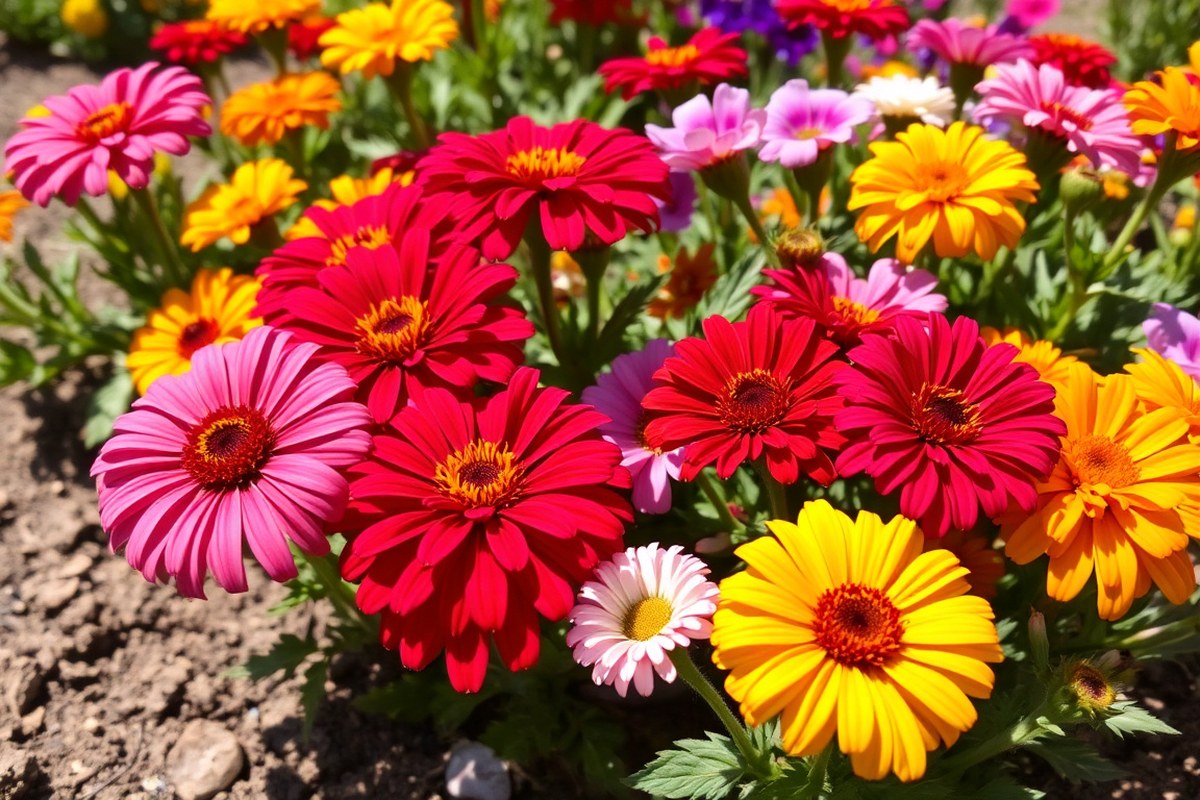
Some flower types bloom without stopping from early summer to fall. Annuals like sunflowers and snapdragons offer bright colors and full sun growth. Perennials such as balloon flowers and tall verbena last for months with minimal upkeep.
Knowing each type’s height, color, and care helps you pick the best flower for your garden. Perennials often return year after year, while annuals need replanting each season. Proper sunlight and occasional deadheading keep blooms coming longer.
| Common Name | Genus | Height (feet) | Light | Flower Color and Comments |
|---|---|---|---|---|
| Corydalis | Pseudofumaria | 0.5-1 | Part shade, shade | Small yellow flowers; long blooming |
| Yarrow | Achillea | 1-2 | Full sun | Flat-topped flowers appear in yellow or creamy white shades; they dry nicely |
| Threadleaf Coreopsis | Coreopsis | 1-2 | Full sun | Lemon-yellow or golden yellow daisy flowers; long blooming |
| Ornamental Onion | Allium | 1-2 | Full sun | Lavender, purple globe-shaped flowers |
| Spike Speedwell | Veronica | 1 | Full sun | Blue to purple flower spikes; blooms early summer to fall |
Among perennials, balloon flowers bloom with large blue-violet or pink trumpet-shaped blooms. They grow between 2 and 4 feet tall and flower until fall. Tall verbena, called purpletop verbena, shows slender purple flowers throughout summer.
For annuals, sunflowers thrive best in full sun and can reach 6 feet tall. Snapdragons bloom from late spring to fall and grow 1 to 4 feet high. Cosmos flowers appear in summer and fall and have large blooms perfect for attracting butterflies.
All these plants perform best with regular watering and deadheading. Keeping the dead flowers clipped encourages new blooms. Avoid overcrowding since good airflow helps prevent diseases that shorten bloom time.
How Growing Conditions Affect Summer Bloom Duration
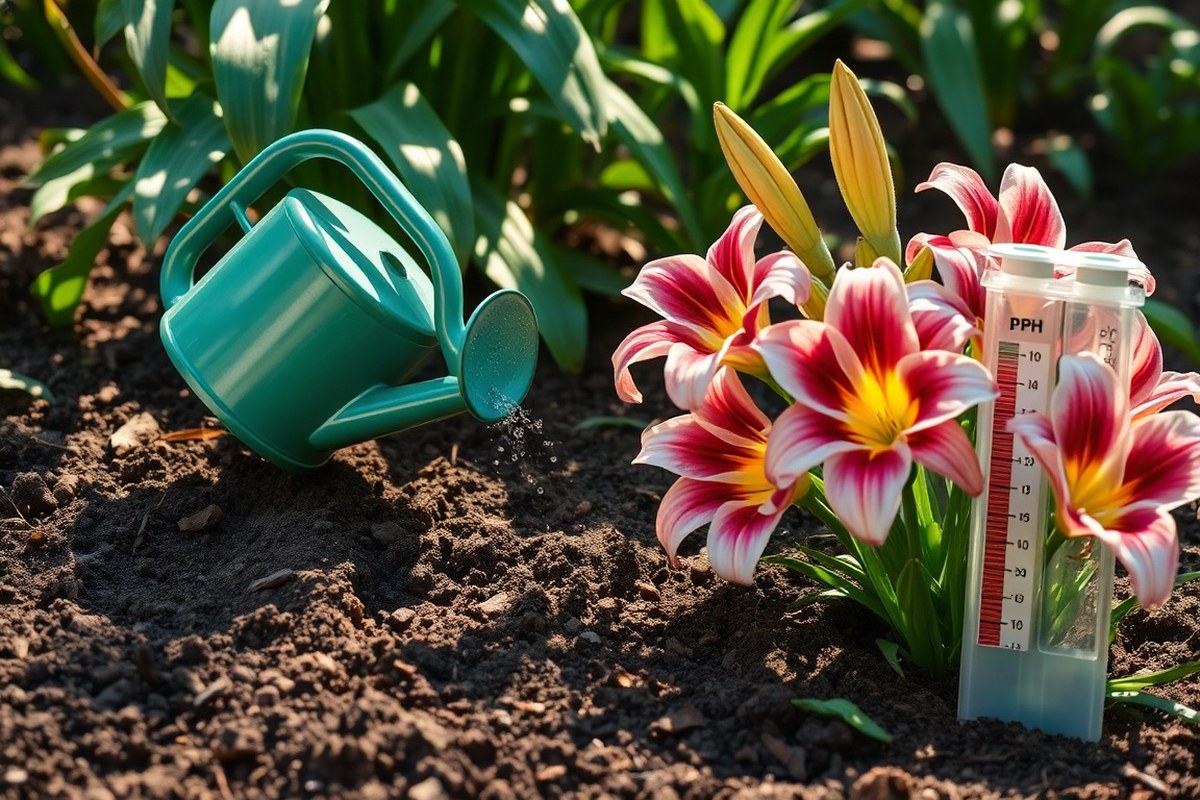
Soil type shapes how long summer flowers bloom. Sandy, well-drained soil helps roots grow deep and stay healthy. Clay soils hold water too long, causing root rot and shorter bloom times.
Neutral pH soils suit most summer flowers, but acidic or alkaline soils need adjustments. Regular watering keeps blooms fresh, but overwatering invites disease and weak flowers.
Heat and drought stress shrink bloom periods. Flowers like lantana keep blooming despite hot sun and dry spells. Plants in zones 3 to 10 vary in heat tolerance.
Cool-climate perennials bloom longer with consistent moisture. Warm-zone plants handle heat if watered early morning or late evening. Avoid watering midday to prevent leaf scorch and water loss.
- Use sandy, well-drained soil for most summer perennials and annuals
- Water deeply once or twice a week rather than daily shallow watering
- Provide at least six hours of full sun for sun-loving plants like lantana
- Mulch to retain soil moisture and keep roots cool under hot sun
- Choose hardy plants suitable for your USDA zone, from 3 to 10
- Adjust watering frequency during heatwaves or drought periods
- Trim spent blooms to encourage new flower growth
Climate zones 3 to 10 host many summer bloomers like coneflowers, fairy fan flower, and hydrangeas. These adapt to cold winters and hot summers if cared for well. Knowing your zone’s temperature extremes helps pick plants that won’t lose flowers early.
Also, consider sun exposure since full sun plants need direct light, unlike shade lovers. This choice influences bloom length and plant health.
Water your summer plants early in the morning to reduce evaporation and fungal diseases.
Top Perennials That Bloom All Summer in Sun and Shade
Perennials that bloom all summer come in many types suited for both sun and shade. You can find plants for your space, sunny or shady. Some like full sun and others thrive in shade.
Choose what fits your yard best. Choosing the right perennial means considering the light they need and how long they bloom.
Perennials for Full Sun Gardens
Russian sage is a popular pick with tall purple spikes. These airy flowers bloom for weeks in summer. It adds color and texture to your garden.
It thrives in full sun and well-drained soil and requires little care once established. You’ll also enjoy Shasta daisies here, with big white petals blooming from early summer until frost.
Yarrow works well in sunny spots with poor soil and can bloom continuously in dry conditions. Echinacea, also called coneflower, has bright pink blooms. These flowers draw pollinators in your garden.
They keep their color even in hot weather. Lavender is another sun lover. It prefers dry, well-drained soil and fills the garden with scent and color all summer.
Perennials Suitable for Partial Shade
Siberian bugloss grows well in spots with little sun. It blooms from June through July with blue flowers. It’s perfect for shady garden corners.
These delicate flowers brighten shaded areas without needing full sunlight. Some astilbe types bloom in light shade for weeks.
They have feathery plumes in pink or white colors. These look great in shaded flower beds.
Hostas typically bloom in summer with lavender or white spikes, fitting well into shady gardens. They also handle some sun if given enough moisture. These perennials do well in partial shade and pots.
Use well-draining soil and water every few days in heat. This helps them stay healthy and bloom.
Perennial Groundcovers for Summer Bloom
Creeping phlox is a low-growing perennial that spreads across ground and blooms profusely in full sun. It’s ideal for filling in spaces and tolerates heat when watered regularly. Ajuga is a good groundcover with blue flowers.
It grows well in shade or part sun areas. It also helps fill empty garden spots nicely.
Periwinkle is a tough, evergreen groundcover that flowers all summer in light to full shade. It handles different soils and requires little maintenance. Calibrachoa is a trailing plant for containers in full sun.
It produces many small flowers all summer long. Use well-drained soil for best results on patios.
Annual Flowers That Provide Vibrant Summer Color
Some annual flowers shine throughout summer under full sun. Zinnias, marigolds, and cosmos are favorites because they need at least six hours of sunlight. These flowers also tolerate heat well and produce nonstop blooms with simple care.
You can grow many annuals successfully in containers or pots. Choose a pot with drainage holes and use a lightweight potting mix.
They need regular watering, sometimes daily in hot weather. Fertilize with a balanced liquid fertilizer every two weeks to keep blooms coming.
Deadheading, or removing spent flowers, helps most summer annuals bloom longer. Pinch off faded blossoms right above the nearest leaf. This move stops seed production and tells the plant to produce new flowers instead.
- Zinnias: full sun, moderate water, deadhead to prolong blooms
- Marigolds: full sun, drought tolerant once established, deadhead weekly
- Cosmos: full sun, low water needs, deadhead every 1-2 weeks
- Snapdragons: full sun to part shade, keep moist, pinch tops to bush out
- Petunias: full sun, water when dry, regular deadheading for best color
- Fairy fan flowers: full sun, heat tolerant, well-drained soil, deadhead often
- Canna lilies: full sun, consistent moisture, remove old blooms promptly
By pruning lightly after the first bloom wave, you encourage a second bloom. Keep soil moist but not soggy to avoid root diseases. Containers dry out faster, so check water every day during hot spells.
Expect to spend small weekly amounts on fertilizer and occasional plant replacements for best color. With steady care and deadheading, your summer garden or pots will stay vibrant until frost.
Flowering Shrubs and Vines That Bloom Through Summer
Many flowering shrubs and climbing vines bloom all summer, brightening your garden for months. Choose plants that flower continuously and fit your space. Knowing height and spacing helps keep them healthy and pretty.
Hydrangeas for Endless Summer Blossoms
Hydrangeas like Endless Summer bloom from early summer through fall. These reblooming shrubs have large, colorful flowerheads in white, pink, or magenta shades.
They grow 3 to 5 feet tall and wide. So space them 4 to 6 feet apart.
Prune hydrangeas right after winter or early spring. Cutting old stems back encourages new growth and more flowers. Avoid late-summer pruning since it can remove buds for the next bloom cycle.
Climbing Vines with Summer Flowers
Clematis and climbing roses bloom all summer, adding vertical color. Clematis varieties can reach 6 to 10 feet tall with plenty of blooms. Plant them near a strong trellis and space plants 3 to 4 feet apart.
Start vines after the last frost by planting seeds or young plants near your trellis. Prune climbing roses after their first wave of blooms to encourage repeat flowers. Clematis flowers often cover the vines, providing nonstop color.
Shrubs That Keep Blooming Until Fall
False sunflowers and summersweet (Clethra alnifolia) shine through hot summers with long-lasting blooms. False sunflowers grow 3 to 6 feet tall and handle dry heat well. Space plants about 3 feet apart for good air flow.
Summersweet blooms later in summer and fills your garden with sweet fragrance. It grows 3 to 8 feet tall and wide.
So give it at least 4 feet spacing. Prune after blooming to keep its shape and encourage fall flowers.
Don’t prune flowering shrubs too late. It can stop their summer blooms and weaken plants.
How to Care for Long-Blooming Summer Flowers
Keeping summer flowers blooming all season takes steady care. You need regular watering, the right feeding, and pruning to keep flowers coming. Checking for pests also helps keep your plants healthy and flowering longer.
Follow these steps to keep your summer flowers blooming nonstop. Do this routine each week. Adjust it during dry weather.
Also adjust if a plant shows stress. Using a timer on your hose helps water just enough without wasting it.
- Water deeply once or twice a week to soak roots. Water early morning or late evening to reduce evaporation. Avoid wetting leaves to prevent fungal diseases.
- Deadhead spent flowers by pinching off old blooms with your fingers or scissors. This stops plants from setting seed and encourages new blossoms.
- Prune lightly to shape plants and cut back leggy growth every 4 to 6 weeks. Use clean, sharp shears to avoid damaging stems.
- Feed plants with a balanced, slow-release fertilizer every 6 weeks or liquid fertilizer every 2 weeks. Fertilizing supports strong growth and longer bloom time.
- Keep an eye on pests like aphids or spider mites. Use insecticidal soap or neem oil if needed. Early treatment prevents damage that can shorten bloom time.
- Remove dead or yellowing leaves to improve air circulation and reduce disease risk. Healthy foliage means more energy for flowers.
Skipping deadheading lets flowers form seeds, which ends blooms early. Overwatering can drown roots and cause wilting.
Fertilizing too much causes weak, leafy growth without flowers. Pest infestations can spread quickly and stunt plants, so check weekly.
Some flowers like impatiens need steady moisture and indirect light. Others can handle full sun but demand faster drying soil to avoid root rot.
Adjust your water and care depending on flower type and weather. Correct pruning and feeding keep plants compact and blooming through heat waves.
Attracting Pollinators with Summer-Blooming Plants
Butterflies, bees, and hummingbirds look for colorful, nectar-rich flowers all summer. Flowers with spiky or tubular shapes in purple, white, red, and orange work best. These shapes fit their feeding habits and catch their attention from early summer through fall.
To create a pollinator-friendly garden, plant a mix of these flowers in sunny spots. They need well-drained soil and regular watering but avoid overwatering. Deadheading spent blooms helps some flowers bloom longer.
It does not help plants like the Miss Molly Butterfly Bush. This bush blooms well without deadheading.
- Bee balm: blooms early summer to frost, vibrant reds and pinks
- Lavender: purple spikes, attracts bees and butterflies all summer
- Lantana: clusters of red, orange, yellow, great for hummingbirds
- Butterfly bush (Buddleia): fragrant purple, red, or white flower spikes
- Black-eyed Susan: daisy-like, yellow with dark centers, long bloom time
- Orange coneflowers (Rudbeckia): tall with large orange flowers
These plants provide nectar and some even offer seeds for birds after flowering. Gardeners in all regions, from the South to the Midwest, can grow these pollinator favorites. Watch for blooms from early summer until the first frost to enjoy colorful visits all season.
Choosing the Right Summer Flowers for Your Garden Conditions
Picking the right flowers means matching them to your garden’s light. You should also consider your soil type. Think about how much care you want to give too.
Start by figuring out these conditions. Then choose blooms that fit, from easy growers to pet-safe types. So your flowers shine all summer long.
Assessing Your Garden’s Sunlight and Soil
Check how much direct sun your garden gets. Full sun means at least six hours of sunlight a day.
Part shade is about three to six hours. Full shade means less than three hours.
Next, test your soil’s feel. Is it sandy, clay, or loamy?
Many flowers like well-drained soil, but some handle wetter or heavier soils better. You can take a small soil sample to your local garden center for testing if unsure.
Knowing these basics helps avoid mismatched plants and reduces problems like root rot or stunted growth. Matching plants to your soil and light cuts failure by around 90%.
Flower Choices for Beginners and Low Maintenance
Choose plants that tolerate drought and pests for an easy summer garden. Coreopsis and globe amaranths stay colorful with little fuss. Both grow 18 to 24 inches tall and spread well in full sun.
Daylilies and hostas are steady bloomers. They need little care once you plant them. They also adjust to heat in July and August without stress.
Picking plants that fit your care routine helps you enjoy blooms, not battles. This keeps gardening fun for beginners and helps prevent burnout from too much upkeep.
Pet-Safe and Allergy-Friendly Summer Flowers
Choose non-toxic flowers like columbine and dianthus, which are safe for pets and kids. Many popular summer flowers can cause mild reactions. So plain blossoms are a safer choice.
Cleome or spider flower adds drama but watch pets around it. It’s generally safe but can cause minor upset if eaten. Always check a flower’s safety if pets roam freely in your garden.
Also consider allergy-friendly blooms if you or your family suffer from pollen allergies. Flowers like scaevola provide color without heavy pollen spread, reducing sneezing or irritation.
Match your garden’s sun and soil to plant needs first. It avoids most gardening problems.
Step-by-Step Action Plan for a Summer Full of Blooms
Get your garden blooming all summer by choosing the right plants and caring for them well. Follow these steps to keep flowers colorful for months.
- Before planting: Pick perennials and annuals known for long blooms. Check their sunlight and soil needs to fit your garden.
- Day 1: Prepare soil with compost and dig holes deep enough for roots. Healthy soil helps flowers stay strong and bloom longer.
- Week 1: Plant flowers in the right locations. Group sun lovers in full sun and shade lovers in part or full shade.
- Week 2: Water new plants deeply and often to settle the soil. Watch for signs of wilting or yellow leaves.
- Weeks 3 to 6: Add mulch to keep soil moist and reduce weeds. This helps flowers keep growing without stress.
- Every 2 weeks: Deadhead spent blooms to encourage new flowers. Expect more blooms if plants keep looking fresh.
- Mid-summer: Feed your plants with balanced fertilizer or compost tea. Check leaves for pests or diseases and treat early.
- Late summer: Continue regular watering and deadheading. Prepare to enjoy nonstop color through the season.
Frequently Asked Questions
What Blooms All Summer in a Home Garden?
Many perennials and annuals bloom from June to September. Examples are blanket flower, fairy fan flower, and gerbera daisies.
These flowers offer steady color in warm months. They need proper care and sunlight to bloom well.
Which Flower Stays 12 Months Blooming?
Very few flowers bloom year-round outdoors. But some tropical plants bloom almost all year inside.
Outdoor perennials like Mexican butterfly weed bloom the entire summer, attracting butterflies. Year-round blooming usually needs controlled indoor conditions or a mild climate.
What Flowers Can Last All Summer Long in Sun or Shade?
Yarrow and spike speedwell thrive in full sun and bloom all summer long. In shade, corydalis offers small flowers with a long bloom period. Choose flowers that match your garden’s light to keep blooms lasting.
What Flowers Are Blooming in June and July in a Typical Garden?
Flowers like coneflower, Shasta daisy, and Queen-of-the-prairie typically bloom in June and July. These add early summer color that often keeps going into later months with enough water.
What Are the Top 10 Flowers That Bloom Year-Round Indoors?
Year-round blooming indoors needs tropical plants like African violets or orchids. Outdoor flowers that bloom the longest, like blanket flower, stop in winter. For constant blooms, consider houseplants grown in steady, warm indoor light.
Can Flower Cuttings from Summer Blooms Be Rooted Easily?
Yes, some summer flowers like gerbera daisies and butterfly weed can root from cuttings. Use healthy stems and keep them moist indoors for best success in growing new plants.
Final Thoughts
Flowers that bloom all summer need your right plant choices and care. Start by planting those that match your garden’s light and soil. Watch the blooms grow and enjoy vibrant color all season long.