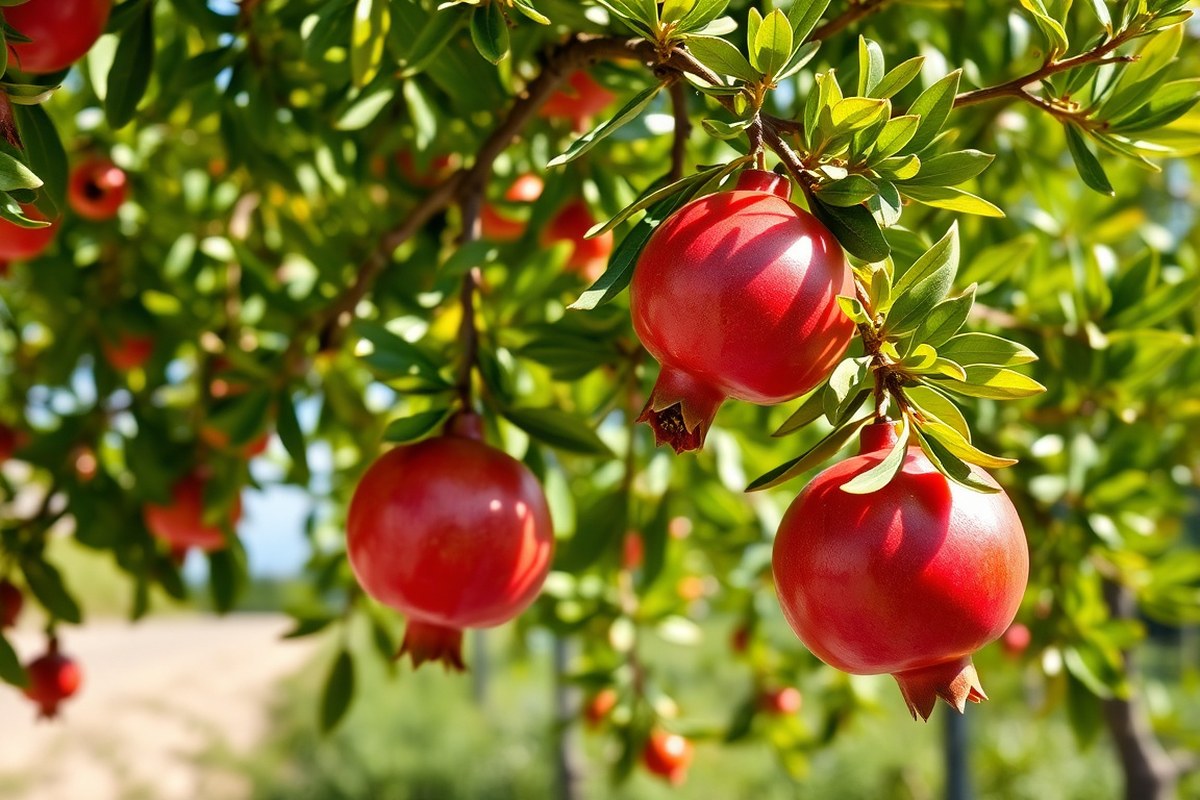
How to Grow Pomegranate Trees: A Complete Guide for Successful Fruit
Figuring out how to grow pomegranate starts with picking the right method: seed or cutting. Seeds take patience, usually 3 to 5 years before fruit appears. Cuttings might produce fruit faster and can be easier for beginners.
Pick a sunny spot for your tree. Make sure it gets six hours of direct light each day.
Pomegranate seedlings need bright light to grow strong and healthy. Start seedlings in a pot with good drainage to avoid soggy roots.
Make sure your soil warms up to about 75 to 85°F before planting seeds. For outdoor planting, wait until seedlings reach 6 inches tall and the last frost is past. This helps them establish roots and handle outdoor conditions better.
Key Takeaways
- Start pomegranate trees indoors with bright, indirect light for six hours daily.
- Use containers 18 to 24 inches wide with several drainage holes for seedlings.
- Keep seedling soil moist but never waterlogged to avoid root rot.
- Fertilize young plants with a diluted balanced fertilizer every 2 to 3 weeks.
- Transplant seedlings only when they are 6 to 8 inches tall and frost-free.
- Pomegranates need full sun and warm soil to germinate and grow well.
How to Start Growing Pomegranate Trees from Seed or Cutting
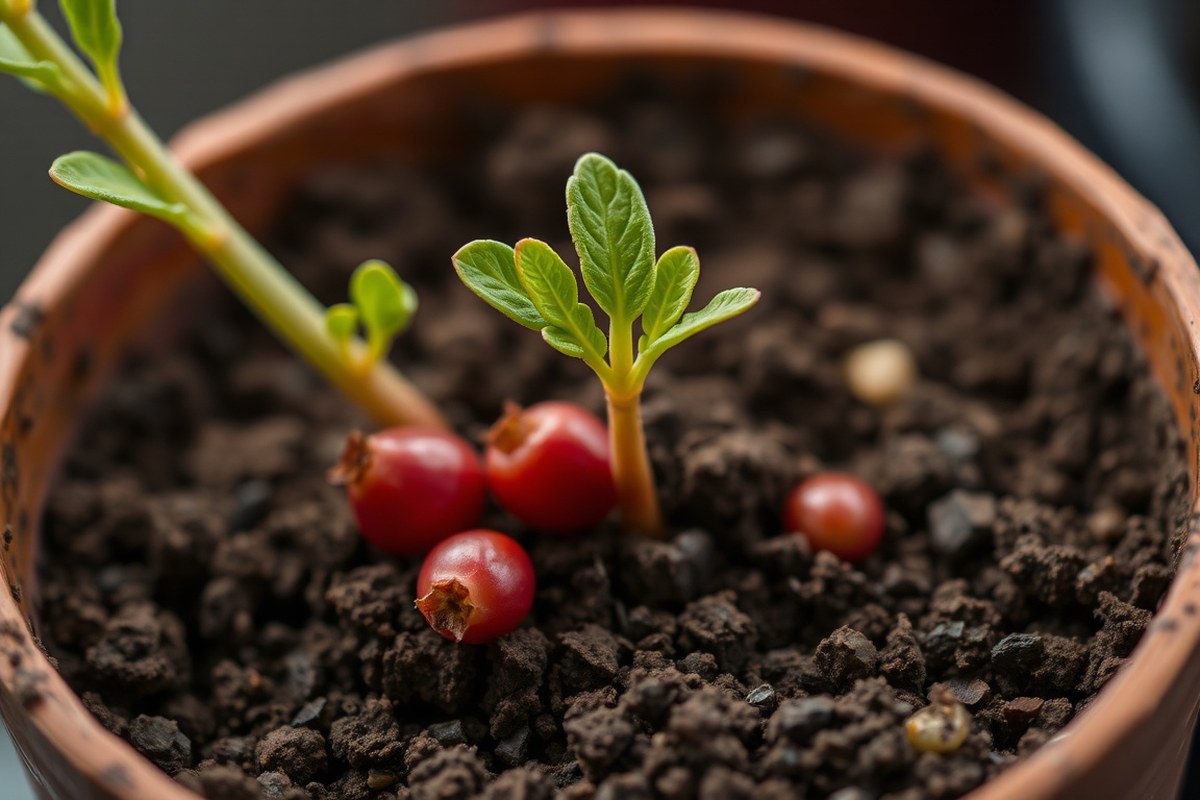
Starting pomegranate trees from seed or cuttings takes time and patience. Seeds need warm soil of 75 to 85°F and plenty of light for best sprouting. Cuttings have a better chance of bearing fruit and should come from healthy, woody branches.
Use a well-draining soil mix that holds some moisture but never stays soggy. A good recipe is equal parts potting soil, perlite, and peat moss or coconut coir. This blend drains well and provides air to roots while keeping enough moisture.
Here is a step-by-step process to germinate seeds and root cuttings:
- Extract seeds carefully from a fresh pomegranate, removing all white pulp. Rinse seeds under water to clean them.
- Fill small pots with the prepared soil mix. Moisten it lightly until damp, not wet.
- Place seeds on the soil surface or cover with a thin (1/4 inch) layer of soil. Press gently.
- Maintain warmth by placing pots in a spot with 75-85°F soil temperature. Use a seedling heat mat if needed.
- Keep soil moist by misting or watering lightly daily. Avoid letting the soil dry out or become soaked.
- Provide bright light for at least 6 hours a day. A sunny windowsill or grow light works well.
- Take cuttings in spring from new growth, 8 to 20 inches long, pencil-thick.
- Plant cuttings in quart-sized pots using the same soil mix. Keep them moist and warm until roots form in 4-8 weeks.
Seedlings usually sprout in 1-6 weeks but vary by temperature and seed freshness. Transplant young seedlings when they reach 3 to 4 inches tall. Move them to bigger pots or outdoors in full sun.
Make sure the soil drains well. Wait until nights stay warmer than 50°F.
Cuttings root better than seeds but need steady moisture and warmth. The cost is just the soil mix and pots, making this economical. Avoid overwatering or letting soil get cold, as both stunt growth or cause rot.
Choosing the Best Climate and Site for Pomegranate Trees
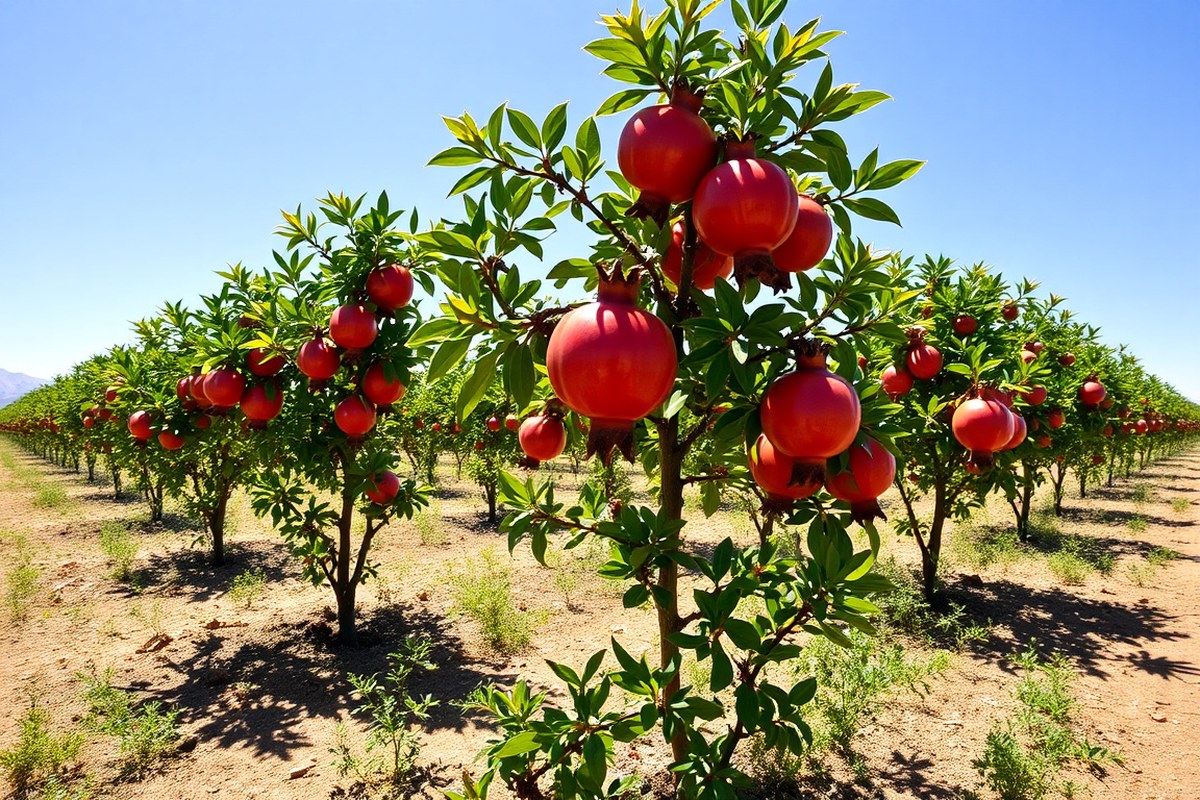
Pomegranate trees grow best in USDA Hardiness Zones 7 to 11. They prefer dry, hot climates where summer daytime temperatures stay between 70 and 90°F. These conditions support fruit production and keep the tree healthy through the growing season.
Pick a spot with full sun daily. It should get 6 to 8 hours of direct sunlight. This will help your pomegranate thrive.
Sunlight helps the tree produce sweet and juicy fruit. Avoid shady spots, which can reduce fruit size and slow growth.
Select soil that drains well like sandy loam or regular loam. Aim for a pH between 5.5 and 7.
Avoid heavy clay and soggy spots. That stops root rot and helps roots grow strong.
Keep your tree at least 10 to 20 feet from other plants. This space lets roots expand without competition. It helps your tree stay healthy.
It also improves air circulation, lowering disease risk. Keep your pomegranate away from cold drafts or frost pockets to protect early blooms.
Planting on a gently sloped site can help with drainage and reduce standing water after rain. Also, consider how wind moves through the area.
Strong wind can damage branches or dry the tree. A sheltered spot near a fence or wall often works well.
Put your pomegranate tree where it gets the most sun. Use soil that drains well to keep roots healthy. This reduces disease risks and boosts fruit quality.
Pomegranates tolerate some drought but benefit from occasional deep watering to encourage deep roots. They adapt to slightly acid soil.
But very acidic or alkaline soils may stunt growth. Amending soil with organic matter can improve both drainage and fertility.
Growing pomegranates in zones below 7 can be tricky. Planting them in large containers helps control their environment. Containers let you move them to warmer spots easily.
Bring them indoors during freezing temperatures to protect the tree. Plant outdoors in cooler zones facing south.
South-facing spots get more warmth and sunlight. This helps your pomegranate grow better in colder places.
Planting and Transplanting Techniques for Healthy Growth
Start by digging a hole about twice the root ball’s width and just as deep. Mix in compost or manure to improve soil quality. Gradually harden off seedlings before planting outdoors to help them adjust.
Handle roots gently when transplanting. Follow simple steps for healthy growth.
Preparing the Planting Site and Soil
Dig a hole 2 to 3 feet wide and 1 to 2 feet deep. This size fits seedlings or small trees well without crowding roots. The hole should be no deeper than the root ball to prevent root stress.
Add compost or well-aged manure to the dug-out soil. Mix in at least one to two bags of amendments per hole to boost soil nutrients. This makes the soil loose and fertile, helping roots take hold faster.
Pomegranates grow best in well-draining soil with a slightly alkaline pH up to 7.5. Avoid soggy or clayey spots that hold water. Proper soil prep improves root spread and tree health.
How to Harden Off Seedlings Safely
Start hardening off seedlings at least two weeks before outdoor planting. Move seedlings outside for a few hours daily, increasing time gradually. This helps plants adjust to sunlight, wind, and temperature changes.
Place seedlings in a shaded, protected area at first. Over 14 days, slowly shift them to more direct sun and cooler nights. Stop hardening when seedlings reach about 6 inches tall and strong roots have formed.
Correct Planting and Initial Care Steps
Follow these steps to plant your pomegranate properly. This avoids root damage and ensures good soil contact around the roots.
- Remove the plant gently from its container, loosening roots carefully.
- Place the root ball in the hole so the top sits level with ground.
- Fill the hole halfway with amended soil, pressing gently to remove air pockets.
- Water lightly to settle soil around roots without flooding.
- Fill the rest of the hole with soil and pat down softly.
- Mulch around the plant base with about 3 inches of organic material.
- Water deeply once more after planting to help roots settle.
Avoid planting too deep or leaving roots exposed. Watch for wilt or yellow leaves in the days after planting as signs of stress. Proper planting boosts survival and growth.
How to Water and Fertilize Pomegranate Trees Effectively
Young pomegranate trees need deep watering once every week. Let the soil dry a bit before watering to avoid root rot.
Check the top inch of soil; dry means it’s time to water. Mature trees need less water, every 10 to 14 days depending on weather and soil moisture.
Choose loamy soil with pH between 5.5 and 7.0 for good nutrient use. Overwatering causes yellow leaves and soft roots. Underwatering leads to droopy or dry leaves.
A moisture meter helps decide watering time. Keep the root zone moist but not soggy.
Apply a balanced fertilizer like 10-10-10 in late winter or early spring. Use about one cup of fertilizer for small trees. Add more fertilizer as the tree grows bigger.
Spread it evenly under the tree canopy around the roots. Fertilizer helps new shoots grow and boosts fruit development.
Use it if leaves aren’t dark green or growth slows under one foot yearly. Applying fertilizer regularly supports healthy tree growth.
Stop fertilizing once fruit sets to avoid too much leafy growth and fewer fruits. As the season changes, you can reduce feeding to let the tree prepare for dormancy. Always water your tree just before you fertilize.
Water again soon after to move nutrients into the soil. This prevents fertilizer from burning the roots.
Consistent moisture during fruiting is key since pomegranates are drought-tolerant, not drought-loving. Check soil moisture every week during hot, dry weather. Increase watering a little if fruits look shriveled or too small.
Adjust watering based on soil and fruit condition. Watch soil moisture and leaf health to keep trees healthy.
This care helps your trees produce plenty of fruit all season. Regular checks catch problems early before they get worse.
Pruning Strategies to Maximize Fruit and Manage Tree Size
Pruning pomegranate plants yearly during dormancy helps keep their size in check and boosts fruit yield. Remove dead, crossing, or damaged branches from the tree. Make only light pruning cuts.
This helps protect old fruiting wood. Shrubs and trees need different shaping. But both benefit from clear steps to open the canopy and let sunlight in.
Timing and Tools for Pruning
Prune pomegranate trees in winter when they are dormant, before new growth begins. Avoid heavy pruning in summer since the tree holds many setting fruits then. Use clean, sharp pruning shears for small branches.
For bigger limbs, use a pruning saw or loppers. Always handle tools carefully.
Annual pruning during dormancy helps maintain tree health and fruit quality. Cutting at the right time prevents stress and reduces disease risk.
Pruning to Maintain Shrub Form
Pomegranates grow naturally as multi-stemmed shrubs, ideal if you want a fuller shape. Aim for 4 to 6 main stems and regularly remove suckers that crowd the base. Thin crowded branches to improve air flow and light penetration, which encourages fruit on old wood.
Follow these steps to prune a pomegranate shrub:
- Wait until winter dormancy for pruning.
- Remove dead, broken, or crossing branches first.
- Cut back about 25% to 33% of new growth from the second year onward.
- Thin branches to leave 4 to 6 strong main stems.
- Remove suckers growing near the base to reduce overcrowding.
- Trim side shoots to keep the shrub open and manageable.
- Keep cuts just above a healthy bud or branch junction.
Pruning too much old wood can reduce fruit since pomegranates bloom on previous year’s branches.
Pruning to Develop Single-Trunk Tree Shape
Forming a pomegranate tree with one trunk requires removing extra shoots early on. Keep 3 strong main trunks if you want a small multi-stem crown.
Otherwise, select one trunk to grow as the main leader. Cut crossing or inward-growing branches to keep the canopy open and control height.
Prune this way:
- Start pruning in the tree’s second year after planting.
- Remove all but one to three main trunks to form your desired shape.
- Cut back branches by one-quarter to one-third to encourage fruiting shoots.
- Eliminate crossing branches to prevent crowding and damage.
- Lightly prune each year to keep the shape and boost flowering.
- Keep the tree height manageable by trimming taller shoots selectively.
- Keep fruiting wood intact to ensure good fruit set each year.
Protecting Pomegranate Trees from Cold and Winter Damage
Pomegranates can handle heat up to 118°F, but cold is tougher. Most types suffer damage below 20°F, and frost usually harms their branches. A few cold-hardy kinds can survive down to roughly -6°F without dying back to the ground.
Some varieties like Russian 26 pomegranate can handle cold better. They survive near 5°F (-15°C) when sheltered. This makes them good for chillier gardens.
That makes them good choices for Zone 8 climates. Your area may get colder than that.
So, protect or move young trees to warmer spots. Do this during the cold months.
Wrapping pomegranate trees with burlap or frost blankets guards them against freezing winds and frost. Check for any broken branches before wrapping them in late fall. Keep the covers secure but allow air flow to prevent mold.
Container-grown pomegranates need extra care in winter since cold damages their roots more easily. Move pots inside a cool room with plenty of sunlight before frost hits. A sunroom, garage, or basement near a south-facing window works well.
Avoid placing container plants on cold floors. Put them on stands or use foam pads for insulation. This keeps roots warmer and healthy.
Water just enough to keep soil moist but not soggy. Overwatering indoors can cause root rot during winter rest.
When temperatures warm above 50°F consistently in spring, gradually move potted trees outside. Start by bringing plants out during the day only. Once nights are mild, leave them outside all the time.
Watch the weather to avoid cold snaps. This prevents shock and helps the tree adjust.
You like spending time outdoors. Choose cold-hardy types of pomegranates. Use fences or hedges to block the wind.
Mulching around the base with straw or bark chips helps freeze protection by insulating roots. Remove mulch in spring to avoid soggy soil.
The main winterizing tasks are wrapping, mulching, and moving containers indoors. Burlap and frost cloth cost about $20 to $40 for wrapping a small tree.
A simple foam pad for pots costs under $15. These steps protect your tree and prevent costly damage.
Ignoring winter protection causes branch dieback, delayed spring growth, and possible tree loss. Healthy winterized trees have intact bark, firm branches, and leaf buds ready to pop by spring. Proper winter care can add years to your pomegranate’s life in colder areas.
Identifying and Managing Pomegranate Pests and Diseases
Pomegranates usually face few pests, but aphids and fruit flies are the main culprits. Aphids cluster on young shoots, curling leaves and leaving sticky honeydew. Fruit flies lay eggs inside ripening fruit, causing soft spots that rot quickly.
Fungal diseases like cercospora leaf spot cause small brown or gray spots on leaves. Severe infections make leaves drop early, reducing fruit quality. Heart rot affects the woody parts and can kill branches if untreated.
Check your tree weekly for curled, sticky leaves or small flying insects near fruits. Look for discolored spots on leaves or mushy fruits. Early detection is key to stop damage before it spreads.
To prevent pests, keep the area clean and prune dead branches. Spray plants with neem oil every 7 to 14 days during growth. This helps control aphids and other soft-bodied bugs.
Neem oil is a natural, effective bug deterrent. Neem oil costs about $10-$15 per pint and is safe for organic gardens.
Sticky traps near fruit help catch fruit flies before they lay eggs. Remove and destroy any infested fruit to avoid spreading larvae in the soil. Introducing beneficial insects like ladybugs can control aphids naturally.
Fungus problems improve with good airflow and avoiding overhead watering. Apply copper-based fungicides at the first sign of leaf spots, following the label instructions carefully. These sprays usually cost $15-$20 and fit organic growing rules.
Remove and burn severely infected branches to stop heart rot spread. Avoid wounds on trunks and branches since fungi enter through damage. Keeping your pomegranate healthy with proper watering and nutrition lowers disease chances.
Harvesting and Storing Pomegranate Fruit Properly
Harvest pomegranates when they show full color and have a sweet taste. Use careful cutting tools to avoid fruit damage. Store fruit in cool, dry places to keep it fresh longer.
Determining Fruit Ripeness
Look for a rich pinky-red color on the pomegranate’s skin. Green patches mean the fruit isn’t ready yet. The fruit should feel heavy and firm when you hold it.
Tap the fruit gently; a ripe pomegranate sounds metallic or hollow. Taste one fruit from the tree for sweetness before picking the whole batch. Avoid harvesting if the fruit feels soft or has cracks that leak juice.
Safe Harvesting Techniques
Cut the pomegranate from the tree using sharp pruning shears. Snap or twist the fruit off can bruise the skin and cause spoilage. Hold the fruit gently to avoid dropping it during harvest.
Harvest during dry weather to prevent mold or rot. Place each fruit in a shallow basket or box to stop crushing or bruising. Remove any damaged fruit immediately to prevent spreading decay.
- Wear gloves to protect your hands and ensure a firm grip.
- Use clean, sharp pruning shears to cut the stem close to the fruit.
- Hold the fruit carefully and avoid squeezing it hard.
- Place the pomegranate gently in a container with soft lining.
- Harvest fruits in the morning after dew dries for best quality.
- Inspect each fruit for cracks or damage and set those aside.
- Clean your tools between uses to prevent disease spread.
Do not pull pomegranates off the tree; cutting prevents damage to skin and stems.
Storage Tips and Seed Saving
Store ripe pomegranates in the refrigerator to keep them fresh for 4 to 6 weeks. Keep them in a breathable bag to stop moisture buildup. Room temperature storage shortens shelf life to about one week.
For longer storage, freeze the seeds or arils. Remove the seeds by cutting the fruit open and scooping out the jewel-like arils. Spread them on a tray to dry briefly before freezing in an airtight container.
To save seeds for planting, rinse the arils to remove juice residue. Let them dry completely on a paper towel over several days. Store dry seeds in a cool, dry place until you’re ready to plant.
Step-by-Step Action Plan for Growing Pomegranate Trees
Follow this plan to grow your pomegranate tree successfully from planting to first fruit. Check each step to make sure your tree stays healthy.
- Before you plant: Choose a sunny, well-drained spot with mild winters. Healthy growth starts with good soil and light.
- Day 1: Plant your seed or sapling about 12 feet from other trees. Dig a hole twice as wide as the root ball and loosen the soil around it.
- Week 1: Water deeply right after planting. The soil should stay moist but not soggy. Check soil moisture every 3 days.
- Month 1: Apply balanced fertilizer once. Use a product with equal nitrogen, phosphorus, and potassium. Watch for new leaf growth as a sign it worked.
- Month 3: Prune lightly to remove dead or crossing branches. This helps air circulation and fruit production.
- After 6 months: Use frost cloth to protect your tree. Cover it during the first winter. Do this if temperatures fall below 28°F. Signs of cold damage include blackened leaves or branches.
- Year 1, late summer: Harvest fruit when it turns deep red and feels heavy. Store in a cool place or the refrigerator to keep fresh.
Frequently Asked Questions
How Long Does It Take for a Pomegranate Tree to Start Bearing Fruit?
Pomegranate trees can take 2 to 3 years to produce fruit. This timing depends on the variety and growing conditions you provide.
Can I Grow Pomegranates Indoors Year-Round?
Yes, with enough sunlight and warmth, pomegranates can grow indoors. Place them in a south-facing window or use grow lights for at least 6 hours daily.
What Soil Type Do Pomegranates Prefer?
Pomegranates do best in well-draining loamy soil with a neutral to slightly acidic pH. Poor drainage can cause root problems and stunt growth.
How Often Should Pomegranate Trees Be Watered During Summer?
Water pomegranates deeply once or twice a week during hot months. Keep the soil moist but not soggy to avoid root rot.
Can Pomegranate Trees Tolerate Drought?
Pomegranates are fairly drought-tolerant once established but produce better with regular watering. Reduce watering in cooler months.
Is It Better to Prune Pomegranates as a Shrub or Tree?
Pomegranates naturally grow as multi-trunk shrubs and may fruit better that way. Growing them as small trees is also fine if you prefer a single trunk.
Wrapping Up
Growing pomegranates is rewarding when you follow each step carefully. Start with good site choice and watering to help your tree thrive. Watch your tree grow this season and enjoy the first fruits next year.