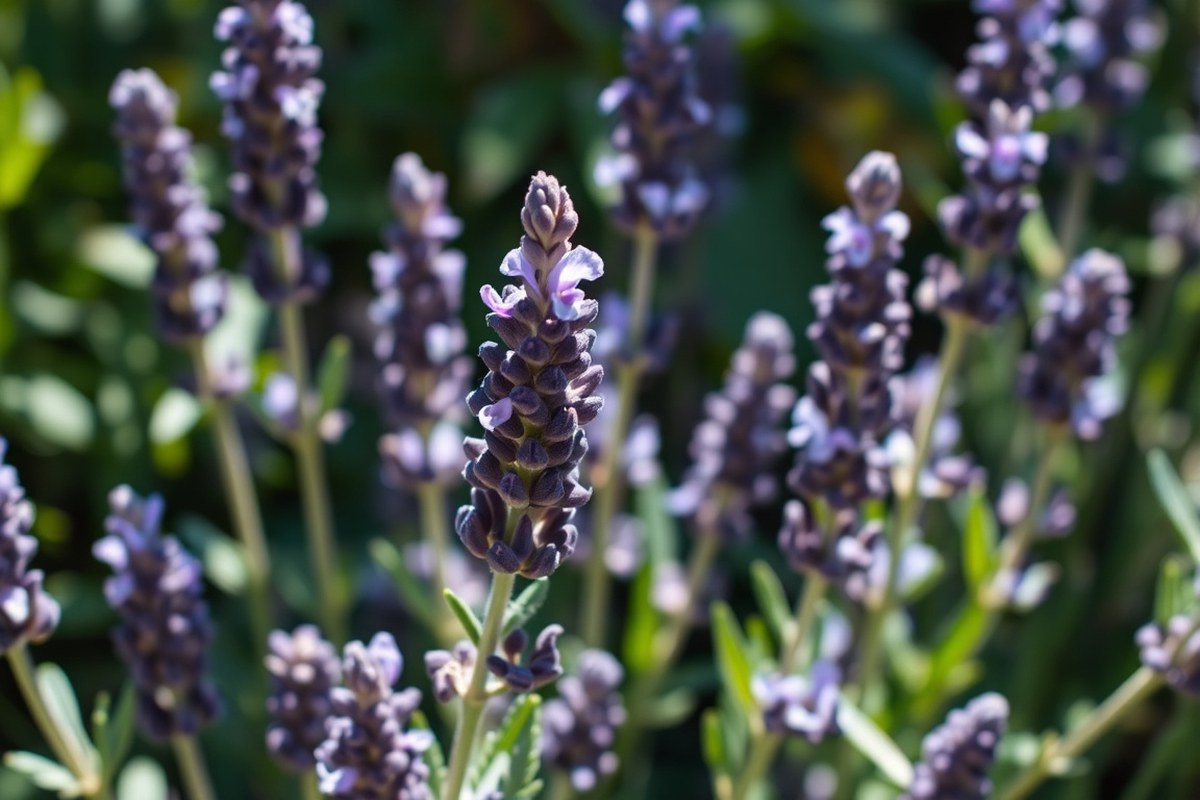
Can Lavender Grow in Shade? What Actually Works for Healthy Plants
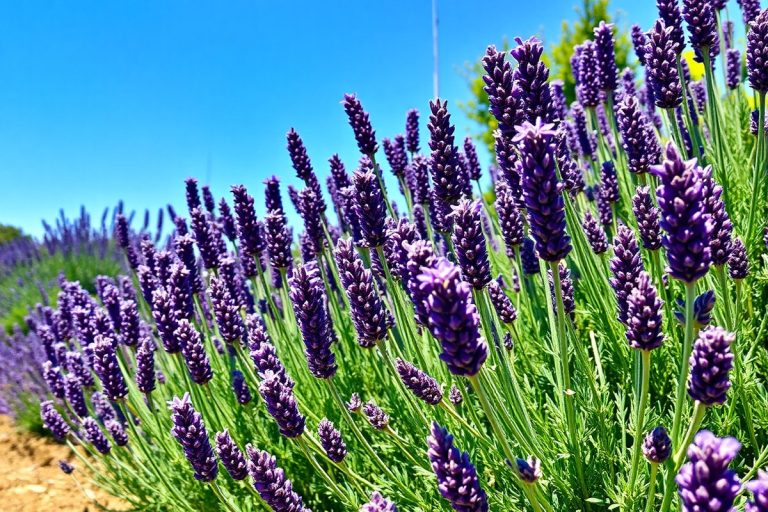
Can lavender grow in shade? Lavender needs plenty of sunlight to thrive.
It prefers full sun with at least 6 to 8 hours of direct light daily. You can plant lavender in partial shade, but it will struggle and bloom less.
Lavender growing in shade with just 3 to 5 hours of sun gets leggy. It often struggles and can develop root rot. This happens because it lacks enough sunlight.
Its flowers become sparse, and the plant weakens within a single season. Avoid deep shade and aim for spots with morning sun or dappled light afternoon.
Spanish lavender handles less intense light better but still needs 6 hours of sun minimum. No lavender type grows well in full shade. Watch your plant’s growth and adjust sunlight if it looks thin or stops blooming.
Key Takeaways
- Lavender needs at least 6 hours of direct sunlight daily to thrive and bloom.
- Partial shade with less than 6 hours of sun causes leggy, weak lavender.
- Spanish lavender tolerates slightly less sun but still needs 6 hours minimum.
- Too little sun increases risk of root rot and crown rot in lavender.
- Afternoon shade can help in very hot climates but never full shade.
- Look for compact growth as a sign of healthy lavender in shade.
Can Lavender Grow in Shade or Does It Need Full Sun?
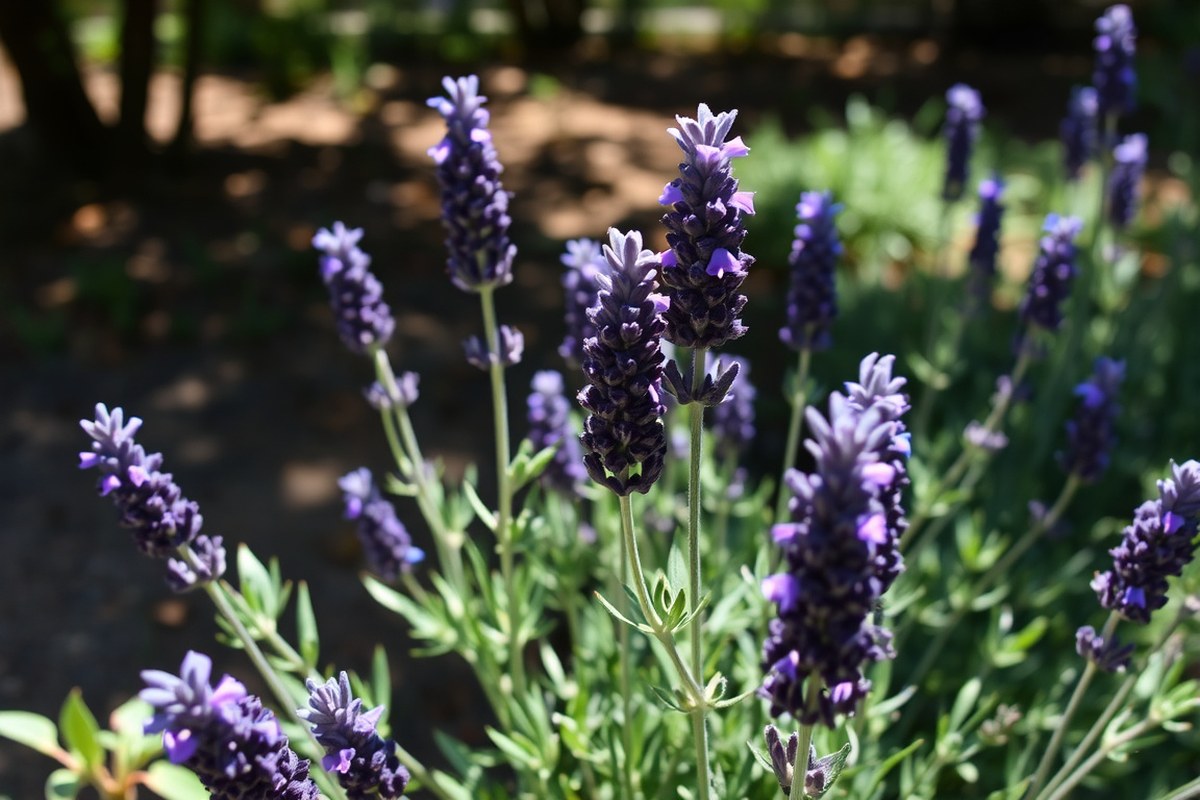
Lavender needs plenty of direct sunlight to grow well. Lavender needs at least 6 to 8 hours of full sun daily.
This helps it bloom fully and stay healthy. Less than 6 hours often leads to sparse flowers and leggy growth.
Lavender can survive in partial shade, but it won’t thrive. Lavender with 3 to 4 hours of sun can grow upright.
Afternoon shade slows bloom by one or two weeks. Under 4 hours, the plant tends to weaken and stop flowering.
Pick a place that gets at least 6 hours of direct sun. This helps the lavender grow better. Morning sun with some afternoon shade can work, especially in hot climates.
Avoid areas with long shade because lavender struggles there. It may only live a couple of seasons.
In areas with less reliable sun, focus on maximizing sunlight hours rather than intensity. Keep soil well drained since shade and moisture combined can promote diseases.
Less sun means smaller, less fragrant blooms on your lavender. Leggy stems show the plant needs more light.
How Shade Affects Lavender Growth, Flowering, and Fragrance
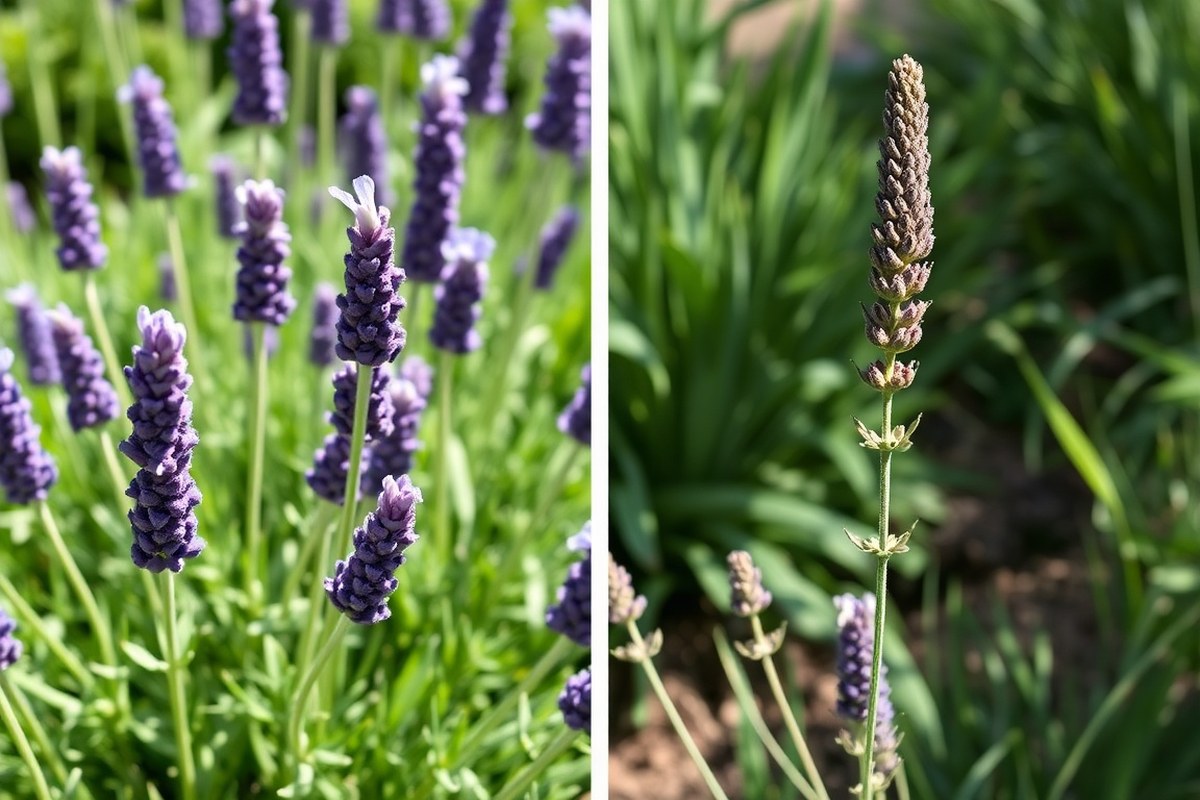
Lavender grows best with at least six hours of direct sun each day. Without enough light, its stems grow long and weak, known as leggy growth. The flowers will be fewer and less vibrant, and the scent becomes much weaker.
The essential oils that give lavender its fragrance depend on plenty of direct sunlight. Shade lowers essential oil production and slows flower blooming. Your lavender may look stretched and sparse when it gets too little sun.
Pale leaves also show up if the plant is stressed by shade. These signs mean your lavender needs more light.
| Direct Sun Hours | Lavender Response |
|---|---|
| 6+ hours | Vigorous growth, strong scent, abundant flowers |
| 4, 6 hours | Acceptable growth, may flower less profusely |
| 2, 4 hours | Leggy stems, reduced flowering, slower oil production |
| < 2 hours | Poor growth, weak plants, likely failure |
Recognizing shade stress early helps save your lavender. Look for stem stretching, fewer flower buds, and lighter leaf color. The plant also becomes more vulnerable to fungal diseases when it struggles with low light.
Keep an eye on stem length and flower numbers. Too much stretch means the plant needs more light.
Aim to give lavender as much sun as possible for strong blooms. This helps the plant grow healthy and smell great. Otherwise, you should expect slower growth and weak fragrance.
Shade-tolerant lavender types are rare. Even they need at least six hours of sun to thrive.
Best Lavender Varieties for Partial Shade
Lavender needs a good amount of sunlight. But some types handle shade better than others.
Spanish lavender, fern leaf lavender, and French lavender show more tolerance for partial shade. They typically withstand 3 to 6 hours of direct sun daily without too much trouble.
English lavender dislikes low light and often struggles with less than six hours of sun.
| Lavender Variety | Sunlight Needed | USDA Zones | Shade Tolerance |
|---|---|---|---|
| Spanish Lavender (Lavandula stoechas) | 3-6 hours direct sun | 8-11 | Good partial shade tolerance |
| Fern Leaf Lavender | 3-6 hours direct sun | 8-10 | Moderate partial shade tolerance |
| French Lavender | 3-6 hours direct sun | 8-10 | Moderate partial shade tolerance |
| English Lavender (Lavandula angustifolia) | 6 or more hours direct sun | 5-9 | Poor shade tolerance |
To pick a lavender for shady spots, first check your USDA zone. Spanish lavender grows best in hotter zones like 8 to 11. It likes morning sun and afternoon shade in your garden.
This helps it thrive in warmer climates. Hybrids of Spanish lavender tend to tolerate partial shade better than English varieties.
No lavender grows well in full shade. You can pick types that handle some shade. These reduce leggy stems and the chance of disease.
Avoid varieties needing full sun in spaces with under four hours of direct light. Hybrids bred for shade tolerance offer a good middle option.
They let you grow lavender where others struggle. These hybrids handle less sun better.
How to Improve Light Conditions for Lavender in Shade
Lavender needs lots of light to grow well. So you can boost its sunlight in shady spots.
Using reflective surfaces, grow lights, and smart pot placement helps your lavender get enough light. These tricks improve growth and bloom, even in partial shade.
Using Reflective Surfaces and Light Colors
Placing mirrors or shiny materials near your lavender can bounce sunlight into shaded spots. Materials like white stones or light-colored walls also reflect light, increasing brightness around the plant. This can make a noticeable difference, especially when direct sun is limited.
Keep reflective surfaces clean and position them where they catch sunlight most hours. Avoid materials that get too hot or trap moisture, which can harm lavender. Reflective setups work best when sunlight hits the surface directly.
Then the light redirects toward your plants. This helps your plants get more light.
Employing Grow Lights and Artificial Lighting
Weather-resistant grow lights provide extra light when natural sun is scarce. Full-spectrum LED grow lights are a smart choice. They give lavender the light it needs for photosynthesis.
This helps your lavender grow strong. You can use a timer with these lights.
Set it to mimic natural daylight for 10 to 14 hours. This schedule supports your lavender’s daily light needs.
Install grow lights 12 to 24 inches above the lavender plants. Keep lights on a schedule for consistent light cycles, especially in cloudy seasons. Energy-efficient LEDs save on electricity costs.
They usually cost $20 to $50 per light. The price depends on size and quality.
A step-by-step guide to creating supplemental light:
- Choose full-spectrum LED grow lights designed for outdoor or greenhouse use.
- Mount lights 12 to 24 inches above lavender to cover the whole plant evenly.
- Set a timer to run lights for 10 to 14 hours daily, matching natural sun patterns.
- Check plants regularly for signs of too much heat or light stress.
- Adjust light height or duration based on plant response and weather conditions.
- Keep power cords and fixtures dry and secure to prevent hazards.
Strategically Positioning Lavender in the Garden
Look for garden spots that get morning sun or dappled afternoon light to plant lavender. South-facing locations often provide the best light exposure in shaded gardens. Avoid spots blocked by large trees all day.
Or move potted lavender to sunnier spots during the day. This helps your plants get enough light.
Raise pots or place lavender on light-colored patios or decks. This helps reflect light and improves air circulation, preventing dampness that harms lavender roots. Also, rotate pots every few days so all sides get sun and reduce uneven growth.
Checklist to evaluate and improve garden light:
- Observe your garden daily to note which spots get 3 to 6 hours of direct sunlight.
- Identify any nearby shade sources like trees, buildings, or fences blocking light.
- Pick planting sites with morning sun or afternoon dappled shade as the top options.
- Place pots on raised stands or near reflective surfaces for extra light boost.
- Consider moving lavender containers to follow the sun through the day.
- Choose lighter ground covers, mulch, or garden decor to reflect more light.
Soil, Watering, and Drainage for Lavender in Partial Shade
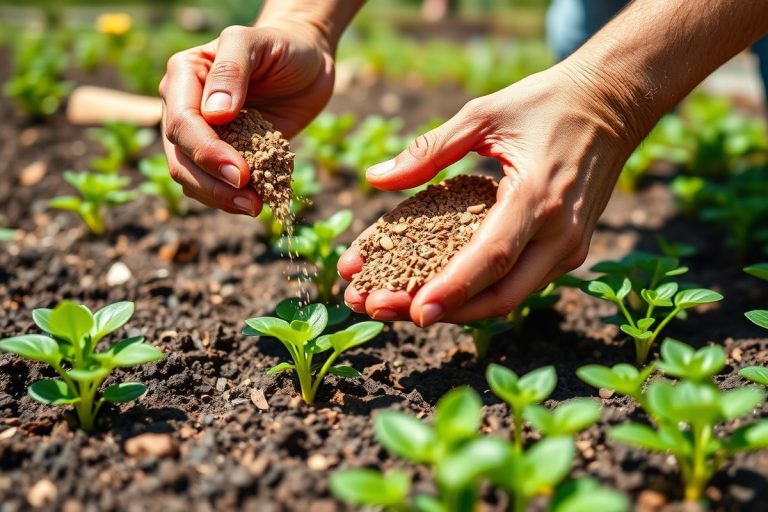
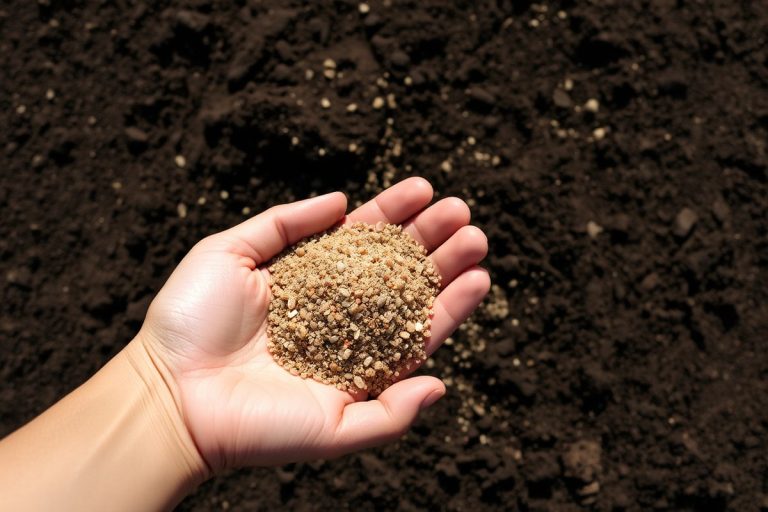
Lavender in partial shade needs soil that drains very well to avoid root rot. Mix your garden soil with coarse sand or grit to loosen heavy clay soils. Adding compost or well-rotted manure helps improve nutrient content in sandy or low-nutrient soils.
You want a crumbly, light texture that dries quickly between waterings. Avoid compacted soil by loosening it with a garden fork.
Stir in grit to improve airflow around the roots. This helps the soil breathe better.
Watering must be adjusted since shaded soil stays damp longer. Instead of watering on a fixed schedule, check the top inch of soil first. Wait until it feels dry before watering again to prevent soggy roots.
Water lavender in shade every 7 to 10 days. This is less often than the 3 to 5 days needed in full sun.
It prevents overwatering and root problems. Use a moisture meter if you struggle to judge soil wetness by touch.
Better drainage avoids standing water that causes root rot and yellow leaves. Plant your lavender on a slight mound or hill if the soil holds water. Use pots with many drainage holes for container lavender.
Fill pots with potting soil, sand, and compost mixed well. This mix drains well and keeps roots healthy.
Applying a coarse mulch like small pebbles also helps reduce excess surface moisture. Watch for wilting or browning leaves, which mean too much water or poor drainage.
Never let shaded lavender sit in waterlogged soil. Root rot spreads fast and kills plants.
Pruning and Maintenance Tips for Shade-Grown Lavender
Pruning lavender grown in partial shade keeps the plant compact and prevents weak, leggy stems. Regular trimming helps encourage bushier growth and improves air flow around the plant. Proper pruning also lowers the risk of fungal diseases common in shaded, damp conditions.
Identifying Leggy Growth to Prune
Leggy lavender has long, thin stems with sparse leaf growth near the top. The plant looks stretched out and floppy instead of dense and upright. Watch for stems taller than the rest of the plant.
These stems often have leaves only at the tip. They can make your lavender look uneven. These stems won’t support flowers well and should be cut back.
Removing leggy growth helps the plant focus energy on new shoots closer to the base. This creates a fuller, healthier plant with stronger stems. Check your lavender every few weeks to spot these stretched stems and prune them promptly.
Timing and Frequency of Pruning in Shade
Trim your lavender in early spring, just as new growth starts to appear. This lets the plant grow fresh green shoots in the upcoming growing season. Lightly prune after the first blooms fade.
This helps keep the plant shape. It also stops the plant from getting leggy.
In partial shade, lavender grows slower. So avoid heavy pruning more than twice a year. Too much cutting back can stress the plant.
A good rule is to remove about one-third of the plant’s height during each session. Wait six to eight weeks between prunings to see how the plant responds.
Using Pruning to Improve Air Circulation
Improving air flow reduces moisture buildup, lowering fungal disease risk. Pruning opens up the center and lower branches, letting breeze reach all parts of the plant. Avoid cutting too close to old, woody stems because lavender rarely produces new growth there.
Trim the interior branches and remove any dead or crowded stems. This clears out dense growth where mold or mildew might develop. Keep leaves dry to avoid root rot and other moisture-linked problems.
- Inspect the plant closely for any leggy or thin stems.
- Use sharp, clean pruning shears to avoid spreading disease.
- Cut leggy stems back to just above a new green shoot or leaf node.
- Remove one-third of the plant’s total height to keep it compact.
- Open the center by trimming crowded branches to improve airflow.
- Avoid cutting into old woody stems as they won’t regrow well.
- Dispose of all clippings and fallen leaves away from the plant.
- Water lightly after pruning and check soil drainage to prevent soggy roots.
Common Problems and How to Fix Them in Shade-Grown Lavender
Lavender grown in shade often faces root and crown rot from overly wet soil. These fungal diseases appear as yellowing leaves, wilting, and a mushy base. To treat, gently take out the plant and cut the bad roots.
Let them dry before planting again in soil with sand or gravel mixed in. This helps with drainage.
Shaded lavender also attracts pests like spider mites and aphids that thrive in dry, low-light spots. Check leaves regularly for tiny webs, sticky residue, or curled growth.
Spray plants with insecticidal soap every 7 to 10 days until pests are gone. Neem oil works too as a natural treatment.
Lavender suffering from too little sun often has leggy, weak stems. Support these with stakes or cages to keep stems upright and reduce breakage. Prune off weak growth each spring to encourage denser plants that might capture more light.
Watch for soil moisture carefully. Shade lowers evaporation, so your lavender may need less water.
Avoid wet feet by watering only when the top 2 inches of soil feel dry. Too much water feeds rot and fungal problems.
Persistent rot or pests after treatment means you should move the lavender. Choose a spot with 6 or more hours of sunlight each day.
Or grow lavender in pots where you can manage light and water. Removing plants beyond recovery prevents disease spreading to other garden members.
Give your lavender time to recover after treatment or relocation. New growth within 2 to 4 weeks is a good sign. Brown, soft roots or pest damage mean you should start over with new plants or different spots.
Growing Lavender in Containers to Manage Shade Challenges
Growing lavender in containers lets you control light, soil, and moisture better in shaded gardens. You can move pots to catch sun and avoid damp spots that hurt lavender roots. Container growing works well if your garden only has part sun or dappled light.
Selecting Containers with Good Drainage
Choose pots with plenty of drainage holes to prevent water buildup around roots. Lavender hates soggy soil, which causes root rot especially in shade. Terracotta or unglazed ceramic pots work best because they breathe and dry faster than plastic ones.
The size of the container matters. Pots about 12 inches wide and deep give roots room to grow.
They also avoid holding too much moisture. This size works well for lavender containers.
- Pick a container with at least 4 drainage holes in the bottom.
- Use a tray only if it drains well or remove excess water daily.
- Choose terracotta for better moisture evaporation or a lightweight plastic pot if moving plants often.
- Size the pot around 12 inches wide and deep to support healthy root growth.
- Consider double potting to protect roots from cold if you live in zones 4-6.
Make sure drainage holes don’t get blocked by saucers or clay deposits.
Choosing Soil Mix Suitable for Shade and Drainage
Use a light sandy loam soil that drains quickly and avoids holding moisture. Lavender in shade is more prone to damp roots, so well-draining soil helps. Add perlite or coarse sand for air pockets.
Keep nutrients mild to avoid soggy growth. Use a commercial cactus or Mediterranean soil blend or make your own mix. Avoid heavy garden soil straight from the yard.
- Start with quality potting mix suitable for Mediterranean plants.
- Add one-third coarse sand or perlite to improve drainage.
- Mix in a handful of organic compost for mild nutrition.
- Fill the container loosely to avoid compacting soil.
- Plant lavender slightly above the rim, not buried deeply.
Do not use regular garden soil alone; it holds too much moisture.
Positioning Pots for Maximum Light Exposure
Place containers where they get 6 to 8 hours of sun. That includes direct or indirect light. This helps your lavender grow healthy.
In partial shade gardens, watch for dappled sunlight spots or morning sun areas. Move pots as needed when shadows shift.
Bring container lavender indoors or to a sunnier spot during cloudy days or long winters. Rotate pots weekly to evenly expose all sides to light.
- Find the brightest spot in your garden with at least 6 hours of sun.
- Avoid full shade spots that get less than 4 hours of sunlight.
- Rotate pots every 7 days for balanced growth and even flowering.
- Bring pots indoors during prolonged wet or cold weather.
- Check soil moisture daily; prune back if growth slows in low light.
Too little light causes leggy lavender with fewer blooms in containers.
Step-by-Step Action Plan for Growing Lavender in Shade
Follow these steps to grow healthy lavender in partial shade. Each step helps you see progress and adjust as needed.
- Before you plant: Choose a lavender variety known for shade tolerance, like ‘Munstead’ or ‘Hidcote’. Look for firm, fresh leaves and no signs of damage.
- Day 1: Prepare soil by improving drainage with sand or gravel. Check soil drains quickly by pouring water and watching it soak in fast.
- Week 1: Plant lavender where it gets at least 4-6 hours of bright, indirect light. Monitor daily sun and adjust location if needed.
- Week 2: Water sparingly, only when top 1 inch of soil feels dry. Healthy plants have firm stems and no wilting leaves.
- Week 6: Begin light pruning to encourage bushy growth. Cut back about one-third of top growth after blooming ends.
- Month 3: Fertilize lightly with a low-nitrogen fertilizer. Watch for new leaf growth as a sign it’s working.
- Ongoing: Rotate container-grown lavender weekly for even light exposure. Check for pests like aphids and treat promptly.
Frequently Asked Questions
Can Lavender Survive in Full Shade?
Lavender cannot survive in full shade because it needs sunlight for photosynthesis. Full shade will stunt growth and prevent flowering.
Does Lavender Need at Least 3 Hours of Sun Daily?
Yes, lavender requires at least 3 hours of direct sunlight to thrive and produce blooms. Less sun usually means sparse flowers and weaker plants.
Can Shade-Grown Lavender Develop Root Rot More Easily?
Lavender in shade often faces root and crown rot problems. This happens because shade lifts soil moisture.
Too much moisture causes these issues. Proper drainage is important to prevent this problem.
Is Spike Lavender Less Tolerant of Shade Than Other Types?
Spike lavender does not grow well in shade and prefers full sun. Most other lavenders have some shade tolerance but still do better with sun.
Will Shade Reduce Lavender’s Fragrance Strength?
Shade reduces the intensity of lavender’s fragrance because fewer oils develop without strong sunlight. You’ll notice weaker scent in shade-grown plants.
Can You Grow Lavender Indoors in Low Light?
Growing lavender indoors in low light is challenging but possible with bright, indirect sun. Supplement with grow lights to support growth and flowering.
Key Points to Remember
Lavender can grow in partial shade with the right care and variety. Start by selecting the proper plant and improving light and soil conditions. Take one step today by finding a suitable lavender variety for your garden’s shade level.