What Does Strawberries Grow on: A Complete Guide to Growing Strawberries
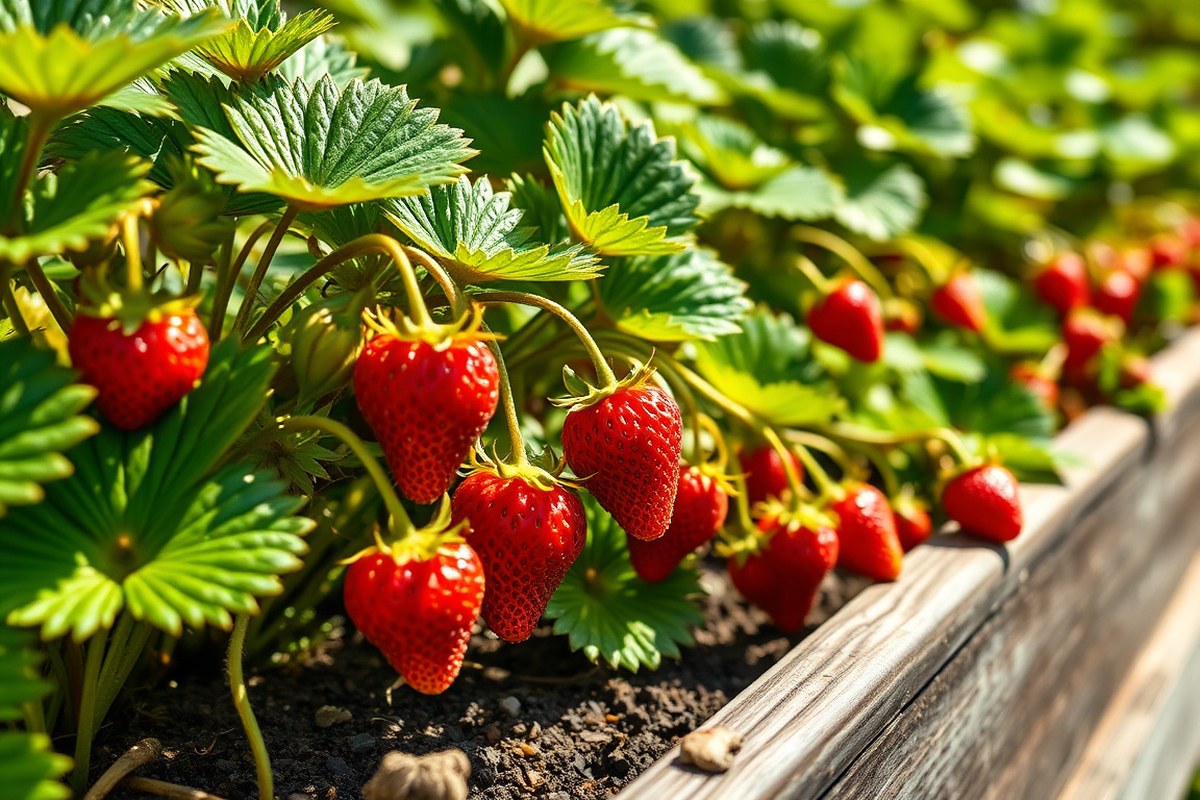
What does strawberries grow on? Strawberries grow on low, spreading plants called strawberry plants.
These plants have shallow roots and send out runners to form new plants nearby. They don’t grow on bushes or trees like some fruits you may know.
Strawberry plants form small mounded “hills” about 8 inches high where the fruit develops. They spread across the soil surface through runners that root at nodes. Knowing this helps you give strawberries enough space, about 18 to 24 inches apart.
Plant strawberries where they can get full sun all day. Aim for at least 8 hours of direct sunlight on them. This helps them grow strong and produce fruit well.
They need slightly acidic soil with good drainage. Giving them these conditions allows flowers to form and berries to ripen well.
Key Takeaways
- Space strawberry plants about 18 to 24 inches apart to allow room for runners.
- Choose a full-sun location that gets at least 8 hours of direct sunlight daily.
- Start strawberries on mounded soil hills about 8 inches high for better drainage.
- Strawberries grow best in soil that is a bit acidic. Aim for a pH level between 5.5 and 6.8. This range gives them good nutrients and prevents problems.
- Water your strawberries about 1 to 1.5 inches weekly. Apply it evenly on soil surfaces. This keeps moisture steady without drowning the plants.
- Strawberries develop fruit 60 to 90 days after planting, depending on variety.
What Plants Do Strawberries Actually Grow On?
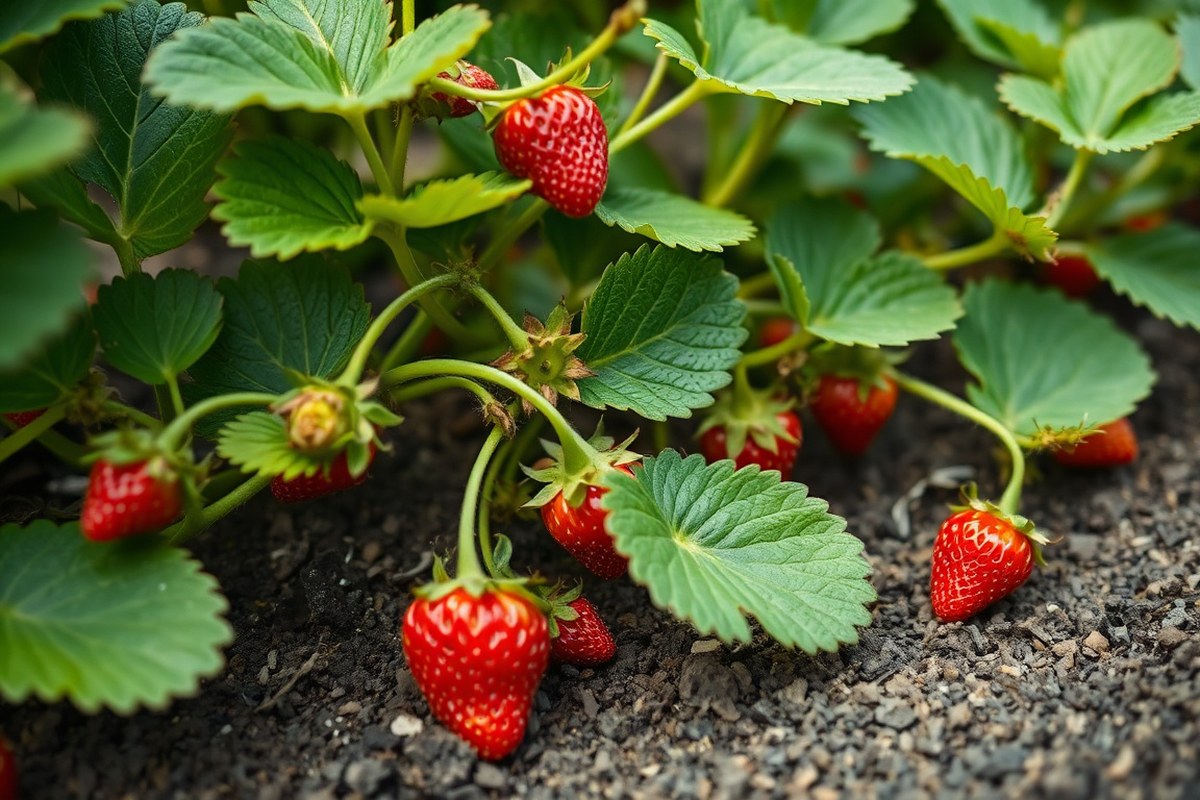
Strawberries grow on low-growing herbaceous perennial plants with shallow roots. These plants have a central crown from which leaves and stems grow.
Because their roots are shallow, strawberry plants don’t need very deep soil or containers. A pot about 6 to 8 inches tall works well for growing them.
People often wonder if strawberries grow on bushes or vines. Actually, they don’t grow on either. Strawberry plants spread using runners.
These are long stems from the main plant. They grow outwards. Runners take root at points along their length.
New plants start there. This helps the patch grow.
Runners play a big role in how strawberry plants grow and spread. They can quickly fill a garden bed if given enough space. Plant strawberry starts 18 to 24 inches apart.
This gives runners space to take root. Too many runners can reduce fruit production. So trimming them back helps keep plants focused on growing fruit better.
The plant’s crown stays near the soil surface. It sends out several runners each summer. You can root these runners in small pots placed beside the main plant.
This lets you grow new plants to replace older ones or share with friends. Avoid crowding the plants because crowded roots and runners limit air flow, increasing disease risks.
Knowing that strawberries grow on shallow, spreading plants helps in planning your garden layout. They need enough sunlight and room to spread their runners.
Shallow roots mean you don’t need deep digging. But it’s still important to loosen soil well before planting to let roots grow sideways easily.
Key Conditions for Growing Strawberries Successfully
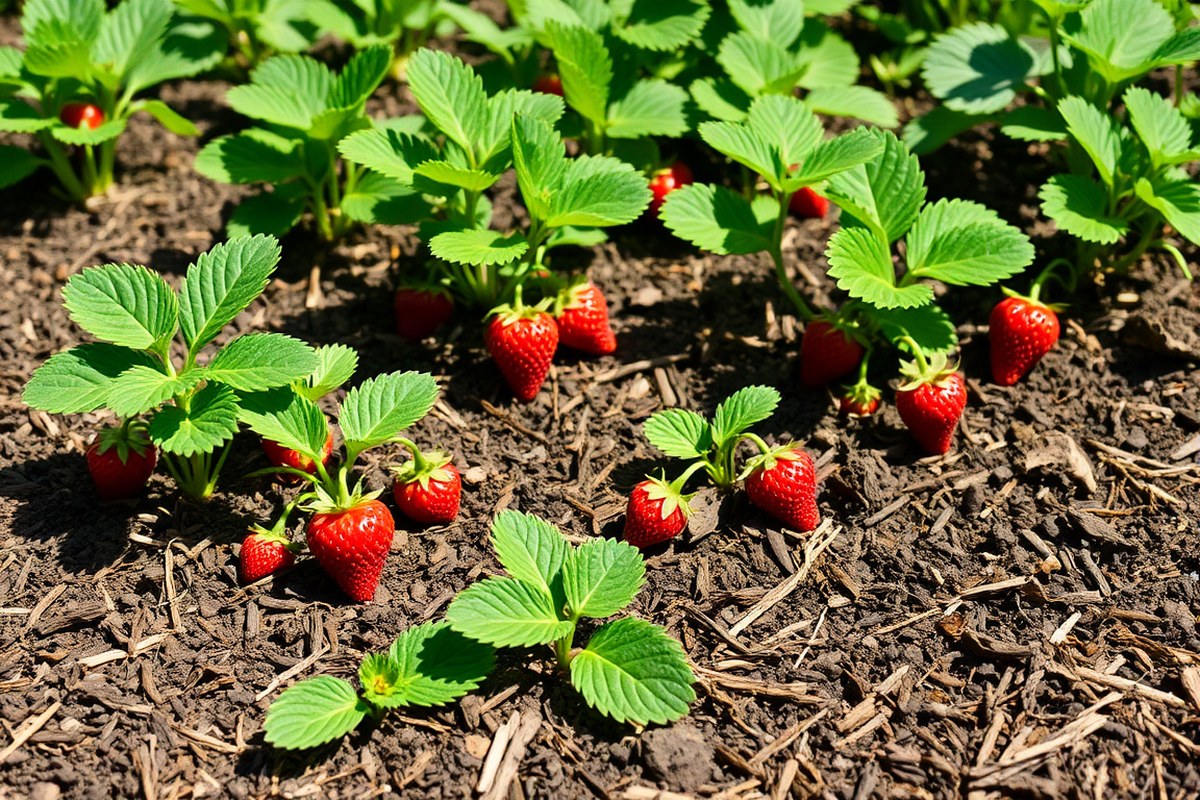
Strawberries grow best with plenty of sun, well-drained soil, regular water, proper spacing, and moderate temperatures. They need 8 hours of direct sunlight every day. The soil should be slightly acidic.
Keep the soil moist, but never soggy. Keeping these conditions balanced helps you grow healthy plants and tasty fruit.
Sunlight Needs for Healthy Strawberry Plants
Strawberries require 8 to 10 hours of full sun daily to develop sweet, juicy berries. Sunlight powers photosynthesis, which fuels fruit production and overall plant health.
Pick a garden spot that gets sun most of the day. Avoid places where shadows cover plants much of the time.
Less sun means fewer berries and weaker plants. Gardens with partial shade usually produce fewer and smaller strawberries. For container strawberries, place pots on a south-facing porch or patio to catch maximum sunlight.
Ideal Soil Type and pH Levels
Strawberries grow well in sandy loam that drains nicely. The soil’s pH should be between 5.5 and 6.8. Heavy clay soil holds water and can cause root rot.
Prepare the soil by mixing in organic matter like compost to improve drainage and fertility. Raised beds or mounded rows can also help excess water drain away. Mulch around plants to keep soil moist and reduce weeds.
Watering Requirements for Strawberries
Strawberries need 1 to 1.5 inches of water every week. Give enough water to soak the roots only. Avoid spraying the leaves with water.
In hot, dry weather, check soil moisture frequently and water early morning or late afternoon. Container plants might need watering daily compared to in-ground plants that retain moisture better. Use soaker hoses or drip irrigation for even watering without splash.
Spacing Guidelines to Promote Growth
Space strawberry plants 12 to 24 inches apart, depending on the variety and growing style. June-bearing varieties do well with 18 to 24 inches between plants. Everbearing and day-neutral types can be closer, about 12 to 15 inches apart.
Rows should be 3 to 4 feet apart to allow air circulation and ease of harvest. Leave enough space between plants to lower disease risks.
Plants can grow 8 to 10 inches wide and tall before flowers bloom. Crowded plants produce fewer, smaller berries.
Temperature Range and Effects on Plants
Strawberries thrive in temperatures between 60°F and 80°F. Cooler weather slows growth and delays fruiting. Temperatures above 85°F can stress plants and reduce yields.
In very hot climates, provide some afternoon shade or mulch to keep roots cool. In colder areas, protect plants with mulch or frost covers during late frosts. Moderate temperatures help berries develop flavor and firmness.
- Choose a sunny spot with 8, 10 hours of direct sunlight daily
- Use well-drained, slightly acidic soil with pH 5.5 to 6.8
- Water 1 to 1.5 inches per week, avoiding leaf wetness
- Space plants 12 to 24 inches apart, with 3 to 4 feet between rows
- Maintain temperature around 60°F to 80°F for best growth
- Use mulch to retain moisture and protect fruit from soil
- Adjust watering frequency for containers or hot, dry conditions
Avoid wetting the leaves during watering to prevent fungal diseases on strawberry plants.
Types of Strawberry Plants and Varieties to Choose
Strawberries come in three main types: June-bearing, everbearing, and day-neutral. Each type differs by fruiting seasons, berry size, and plant habits. Choosing the right type depends on your garden space, harvest goals, and when you want fruit.
| Strawberry Type | Fruit Season | Berry Size | Runner Production | Fruit Production Pattern |
|---|---|---|---|---|
| June-Bearing | Summer (one big crop in June) | Large | Vigorous (many runners) | Short, intense period |
| Everbearing | Summer and early fall (two crops) | Medium | Few runners | Two harvests per season |
| Day-Neutral | Summer through fall (continuous) | Medium | Moderate runners | Steady production all season |
Growing both June-bearing and day-neutral strawberries can boost your overall harvest. June-bearers produce larger yields at once.
Day-neutral plants give fresh berries over many weeks. Consider your space, too: vigorous runners need more room.
June-Bearing Strawberries
These strawberries produce one large harvest in June. The berries tend to be larger and very juicy. June-bearing plants send out many runners, so they spread quickly.
They fit well if you want a big strawberry batch for jam or freezing. You should space plants about 18 inches apart to manage the runners. Expect the first big crop in the second year after planting bare-root or transplants.
Everbearing Strawberries
Everbearing types give two harvests: one in early summer and another in early fall. The berries are medium-sized and a bit smaller than June-bearers.
These plants produce fewer runners. So they stay neater in containers or small garden beds.
Grow everbearing strawberries if you want some fresh berries early and late in the season. They are a good choice for limited space and containers. However, yields are smaller than June-bearing types.
Day-Neutral Strawberries
Day-neutral varieties flower and fruit steadily from summer into fall. They produce medium-sized berries that keep coming as long as temperatures stay between 35°F and 85°F. They also create moderate runners. So they spread but not aggressively.
Choose day-neutral strawberries if you want fresh fruit all summer long. They are great for continuous harvesting and small garden spaces. You won’t get one big crop, but you get steady picking through the season.
How to Plant Strawberries: Seeds, Bare-Root, and Transplants
You can grow strawberries from seeds, bare-root plants, or plugs. Plant seeds indoors 6 to 8 weeks before moving them outdoors. Bare-root and plug plants get planted outdoors in early spring or fall in warm climates.
Starting Strawberries from Seed
Strawberries from seed need indoor care first since they take a while to grow. Seeds need warmth and light to sprout well. Alpine strawberries are the easiest seed type to start this way.
- Fill seed trays with seed starting mix and moisten thoroughly.
- Scatter seeds on top of the soil without covering deeply.
- Place trays under grow lights in a warm spot, around 65, 75°F.
- Keep soil moist but not soaked; mist if needed to prevent drying.
- Wait 2 to 3 weeks for seeds to germinate, then thin seedlings.
- Move seedlings to bigger pots once they have 3 or 4 leaves.
- Harden off seedlings outdoors for 1 to 2 weeks before planting.
- Plant seedlings in the garden, spacing 12 to 18 inches apart.
Planting Bare-Root Strawberry Plants
Bare-root plants are the most common way to start strawberries outdoors. Plant in early spring while plants are still dormant for best results. Plant roots get covered about ¼ inch deep in well-prepared soil.
- Soak roots in water for 30 minutes before planting to rehydrate.
- Dig holes spaced about 12 to 18 inches apart in rows 2 to 3 feet wide.
- Set plants in holes, covering roots with soil but leaving the crown exposed.
- Press soil firmly around roots to remove air pockets.
- Water plants immediately to settle soil and start growth.
- Apply mulch after planting to retain moisture and control weeds.
- Space rows to allow good air flow and easy access for care.
Using Strawberry Plugs or Transplants
Plug plants come in small pots with roots and leaves ready to grow. They tend to establish faster than bare-root plants. Plant plugs outdoors after last frost or in early fall in mild zones.
- Prepare soil by loosening it and mixing in compost for nutrients.
- Dig holes just big enough to fit the plug root ball comfortably.
- Place plug plants in holes, keeping crowns above soil surface.
- Fill around roots and press soil gently to hold plants in place.
- Water thoroughly to help plugs adjust and start growing.
- Space plugs 12 to 18 inches apart; closer if planting in containers.
- Keep soil evenly moist until plants are established, about 2 weeks.
Care and Maintenance for Thriving Strawberry Plants
Strawberry plants need regular care to thrive and produce a good harvest. Water them deeply, about 1 to 1.5 inches per week, preferably in the morning.
Avoid wetting the leaves to reduce disease risks. Use mulch to keep soil moist, suppress weeds, and keep fruit clean.
Feed strawberries with a balanced fertilizer in early spring and again after the first harvest. A 10-10-10 fertilizer works well with about 1 cup per 25 square feet. Too much nitrogen leads to more leaves but fewer berries.
Remove flowers and runners for the first 6 weeks after planting. This helps plants focus their energy on root growth. It gives them a stronger start.
After establishment, let some runners grow to create new plants, but manage them carefully. Snip runners regularly before they root to keep the main plants healthy and productive.
Older plants, usually after 4 to 5 years, produce fewer berries and need replacing. Prune dead leaves and any unhealthy growth to keep plants vigorous.
- Water 1 to 1.5 inches weekly, avoid leaf moisture
- Apply balanced fertilizer twice a season
- Remove flowers and runners in the first 6 weeks
- Snip runners after first season to control growth
- Mulch with straw or pine needles for moisture
- Replace plants after 4 or 5 years
Cut runners early to direct the plant’s energy into fruit production, not spreading.
In hot climates, water more often and mulch heavily to prevent soil drying. Cooler areas need less frequent watering but watch for frost damage.
Temperatures below 32°F can harm flowers, so cover plants if frost threatens during blooming. Checking local extension advice can offer region-specific tips and fertilizer recommendations.
Protecting Strawberries from Pests, Diseases, and Weather Stress
Strawberries often face threats from pests and diseases, like spider mites, aphids, and gray mold. Common diseases include leaf blight, leaf scorch, leaf spot, root rot, and powdery mildew. Healthy transplants help reduce risks by starting your plants disease-free.
Protecting your strawberries from frost is key, especially in cold zones. Wait until the leaves flatten in autumn before you mulch.
Then cover plants with straw or leaves to shield them during winter. Row covers also stop extreme cold from harming the crowns.
Mulch offers extra benefits. It keeps weeds down, maintains soil moisture, and prevents soil-borne diseases by reducing splashing.
Avoid heavy, waterlogged soils since they encourage root and crown rot. Good drainage matters for healthy roots.
- Plant disease-free transplants to avoid early infections.
- Mulch with straw or leaves after the first frost in fall.
- Use row covers for extra cold protection where winters dip below 20°F.
- Keep soil well-drained to prevent root and crown rot.
- Remove any diseased leaves promptly to reduce spread.
- Inspect plants regularly for pests like aphids and spider mites.
- Water in the morning to let leaves dry and reduce fungal issues.
In spring, start care after the last frost date when soil warms up. Removing blossom buds early encourages strong roots.
Pests and diseases thrive in crowded, weak plants, so space your rows well. Regular checks and quick responses save your crop a lot of stress.
When and How to Harvest and Store Strawberry Fruit
Strawberries take about 60 to 90 days to produce fruit after planting bare-root crowns or plugs. You’ll know berries are ready when three-quarters is fully red. Pick them then.
Picking too early leads to less sweet berries. Waiting too long can cause them to get soft or moldy.
Day-neutral and everbearing strawberry varieties can produce fruit continuously from early summer through early autumn. Summer-fruiting types yield larger fruit but mostly ripen all at once. The first berry is called the king fruit.
It ripens first. It signals your harvest’s start.
Hold the berry gently by the stem. Use scissors to snip it off. You can also pinch it with your fingers.
Avoid squeezing the berries since this can bruise them quickly. Pick berries in the morning after dew dries.
This lowers rot risk. It also keeps fruit fresher longer.
- Pick berries when at least 75% red on all sides
- Use scissors or pinch the stem, don’t pull the berry
- Harvest in the morning for best freshness
- Check plants every 2, 3 days during peak season
- Wear clean, dry gloves to avoid contaminating fruit
- Avoid damaged or soft berries during harvest
Store strawberries in a single layer on a paper towel inside a breathable container. Keep them in the refrigerator at 32 to 36°F. Don’t wash berries before storing, wash right before eating instead. Strawberries stored this way usually last 3 to 7 days while keeping their flavor and texture.
Growing strawberries in containers usually results in smaller yields than ground planting. Renovate June-bearing strawberries right after harvest for better crops next year.
Preserving fruit color and firmness before storage really helps them last longer. Keep this in mind.
Common Mistakes and Troubleshooting Tips for Strawberry Growers
Poor spacing is a common mistake with strawberries. Planting them too close makes air flow poor, causing diseases and small fruit. Space plants 12 to 18 inches apart.
This gives each enough room. It also stops overcrowding.
Many gardeners use soil with the wrong pH or drainage. Strawberries thrive in rich, slightly acidic soil with a pH between 5.7 and 6.5.
Heavy or poorly drained soil causes root rot and stress. Using raised beds or adding organic matter can improve soil drainage and texture.
Watering is another spot where beginners slip up. Strawberries like consistent moisture but not soggy roots. Water deeply once or twice a week, depending on weather.
Too much water invites fungal problems. Too little dries out the plants and reduces berry size.
- Don’t let young plants flower immediately after planting; pinch off flowers for bigger roots
- Use black plastic mulch or weed-suppressing fabric to keep soil clean and reduce weeds
- Soak bare-root plants in water for about an hour before planting to keep crowns healthy
- Plant crowns just above soil, not buried, to avoid fungal diseases
- Replace strawberry plants every 3 to 4 years to keep up good fruit production
Make sure your strawberry plants get at least 8 hours of sun daily. Shady locations can lead to poor fruiting and leggy leaves.
Check light, soil, and watering first when fruit is small or sparse. These factors affect growth most.
Quick tip: Always check the crown placement when planting. Burying it can kill the plant fast.
Using well-drained soil and proper spacing often fixes many growth problems. Remove affected leaves quickly when diseases or pests appear.
Use organic fungicides as needed. Keeping plants healthy from the start saves a lot of trouble later.
Step-by-Step Action Plan for Growing Strawberries
Follow this plan to grow strawberries that produce juicy, fresh fruit at home. Each step shows what to do and how to check your progress.
- Before you plant: Choose a sunny spot with well-draining soil. Test soil pH; it should be 5.5 to 6.5. You’ll know it’s right if the soil feels loose and drains water fast.
- Week 1: Prepare the soil by removing weeds and mixing compost. Healthy soil smells fresh, not sour, and looks crumbly.
- Week 2: Plant bare-root or transplant strawberries about 12 inches apart. Growth of new leaves in 1-2 weeks means your plants took well.
- Month 1: Water plants deeply twice a week, keeping soil moist but not soaked. Soil should feel damp, not muddy.
- Month 2: Mulch around plants to keep weeds down and moisture in. Mulch stays in place and soil stays cool under it.
- Month 3: Watch for pests like slugs or diseases like powdery mildew. Check leaves daily for spots or holes.
- Month 4 and after: Pick berries when fully red and firm. Fruit should come off easily without tugging hard.
- Fall: Trim back leaves and remove old mulch to prepare for winter. Your plants should look tidy with no dead leaves left.
Frequently Asked Questions
What Does Strawberries Grow?
Strawberries grow on small perennial plants that spread through runners. These plants produce sweet, red fruit after flowering in spring or early summer.
How Many Years Will Strawberries Produce Fruit?
Strawberry plants generally produce fruit well for three to four years. After that, yields start to drop, so replace them for the best harvest.
What Plants Do Strawberries Grow On?
Strawberries grow on low plants with leafy green crowns near the ground. They send out runners that root and form new daughter plants nearby.
What Helps Strawberries Grow Faster?
Strawberries grow faster with full sun, good drainage, and consistent watering. Spacing plants about 18 to 30 inches apart allows better air circulation and growth.
What Two Fruits Make a Strawberry?
No fruits combine to make a strawberry. It is a single fruit from its plant. The strawberry fruit itself forms from many small seeds on its surface.
Can Strawberries Grow in Pots or Containers?
Yes, strawberries grow well in pots with at least 8 inches of soil. Containers must have good drainage and get full sunlight daily for fruiting.
Before You Go
Strawberries grow best in sunny spots with good soil and regular care. Start planting this spring to enjoy fresh berries by summer. Keep watching your plants and pick the fruit when ripe to enjoy the rewards.