How to Trim Shrubs: Effective Steps and Tools for Healthy Growth
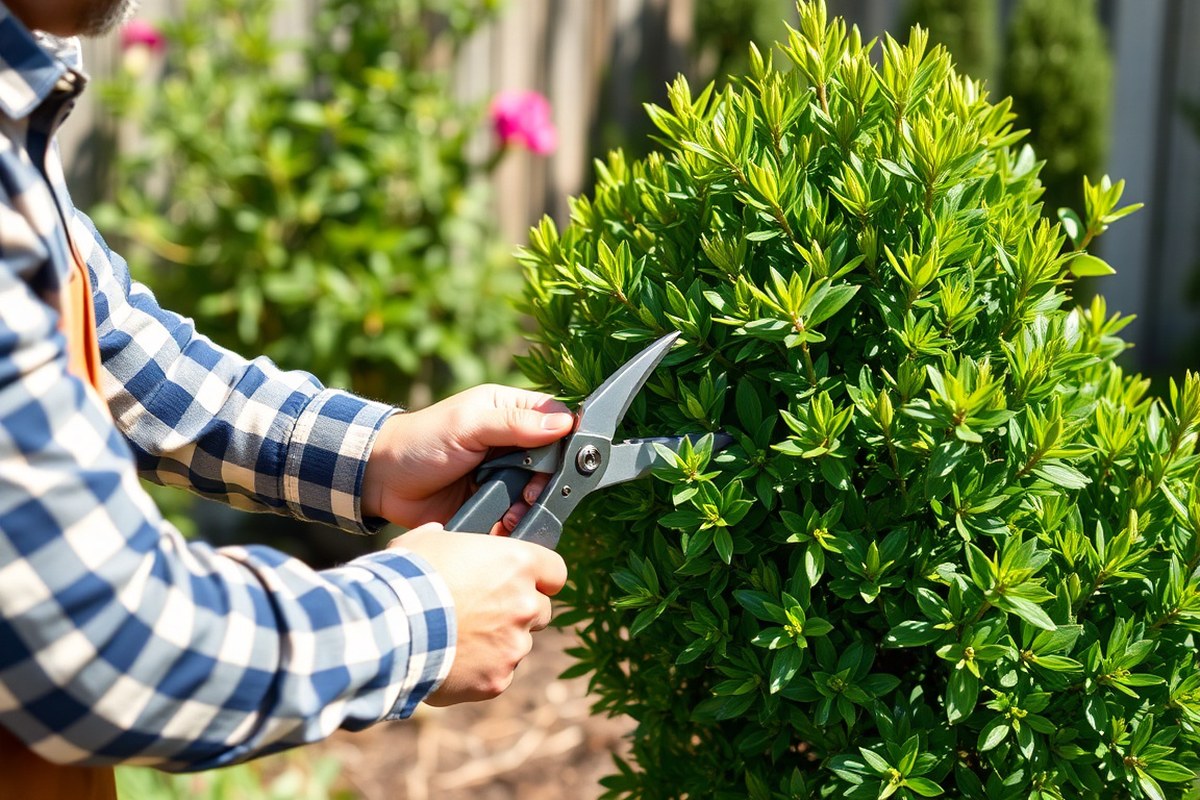
Learning how to trim shrubs is key to keeping them healthy and neat. The best way is to prune them seasonally using the right tools and methods.
This helps the shrub grow fuller and stay disease-free. Proper trimming also improves air circulation, which reduces the risk of fungal infections and pests.
Start by cutting back any dead or spindly branches. Trim just above a healthy bud at a 45-degree angle to help water run off.
You’ll want to keep the shrub’s natural shape while removing any crowded growth. Avoid cutting too close to the bud to prevent damage.
Using the right tool depends on the shrub size. Hand shears work for small bushes under 3 feet tall.
For thicker branches, loppers or pruning saws give cleaner cuts and reduce damage. Clean your tools before and after trimming to prevent spreading diseases.
Key Takeaways
- Trim shrubs to healthy buds angled at 45 degrees for better water runoff.
- Use hand shears on bushes under 3 feet for precise, light cuts.
- Choose loppers for branches up to 2 inches thick for clean cuts.
- Use pruning saws for branches over 2 inches thick to avoid ragged edges.
- Remove thin, spindly branches first to encourage stronger growth.
- Cut back dormant shrubs between 4 and 10 inches from the ground.
How to Trim Shrubs Step by Step
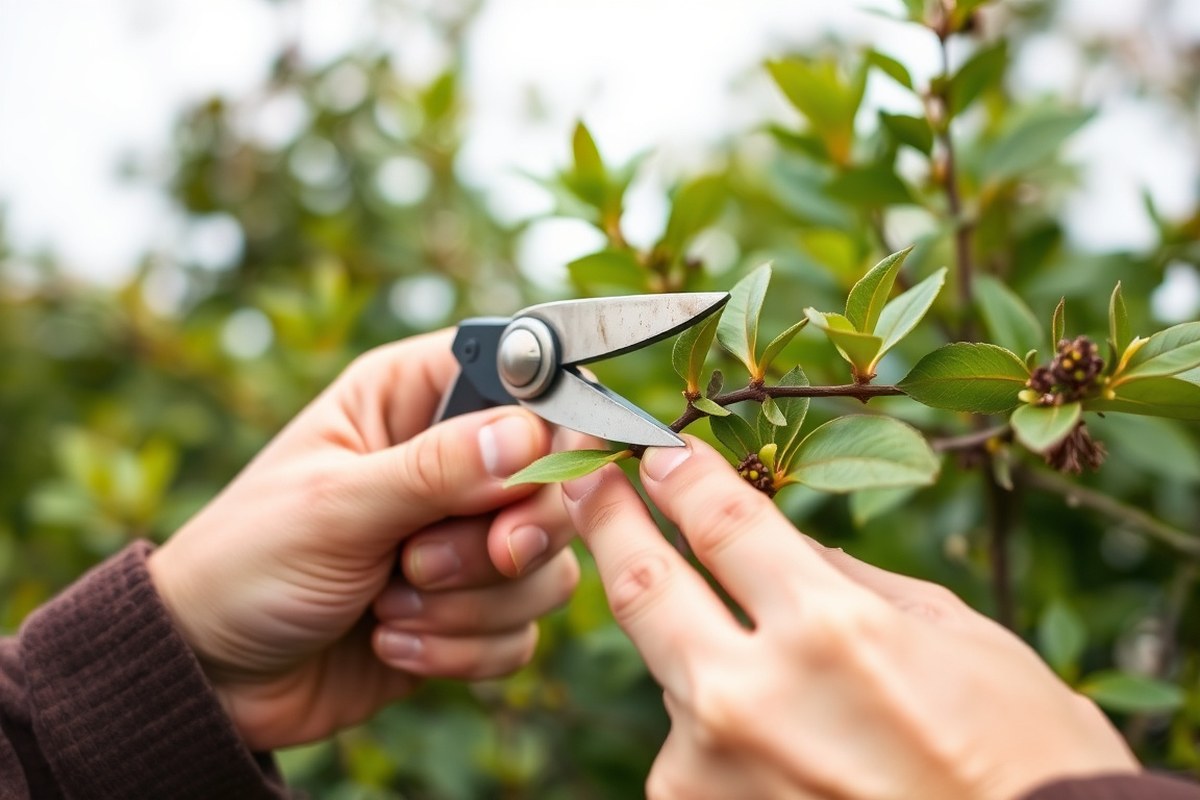
Trimming shrubs correctly keeps them healthy and looking great all year. You want to remove damaged or old branches and shape the shrub so it grows well. Avoid cutting more than one-third of the plant at once to prevent stress and encourage recovery.
Focus on cutting the oldest, thickest branches near the base if the center looks crowded. Lightly trim the outer tips to keep the natural shape. Maintain balance by trimming opposite sides evenly, so the shrub stays even and attractive.
- Inspect the shrub: Check for dead, damaged, or crossing branches that need removal. This opens the plant up to light and air, which healthily stimulates growth.
- Remove thick, old branches: Cut thick, old branches near the base of shrubs. Focus on areas where the center is bare or very dense. This helps the shrub grow better. This encourages new shoots and restores fullness.
- Trim wayward tips: Snip just the branch ends that grow outside the natural shape. This shapes the plant without damaging its structure.
- Thin the shrub if needed: Cut a few small, thin branches from crowded spots. This improves air flow and lets more light in. Do this lightly to avoid over-thinning.
- Balance the sides: Trim opposite sides equally to keep the shrub’s shape proportional and steady.
- Cut back for dormancy: In dormant seasons, prune shrubs down low. Cut branches 4 to 10 inches above ground. This gives the shrub a fresh start.
- Use heading cuts for shaping: Cut just above a bud to change growth direction. This helps shape shrubs, especially formal ones. The new growth will follow that direction.
Always sanitize your tools before and between shrub cuts to prevent disease spread. You’ll notice healthier new growth and a fuller look after a proper trim. Avoid heavy pruning during hot weather to reduce shock to the plant.
Choosing the Right Tools for Shrub Trimming
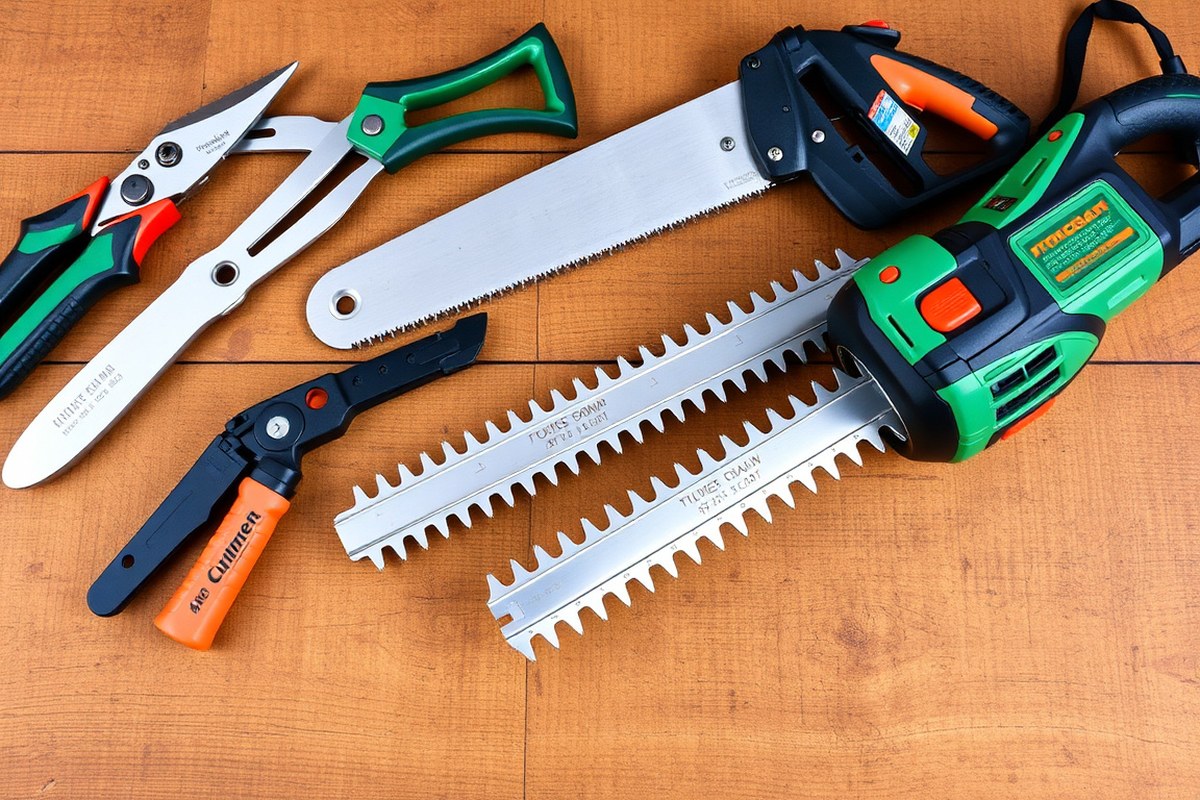
Choosing the right tools depends on your shrub size and branch thickness. Use hand tools like pruners for small branches and powered trimmers for bigger jobs. Keep your tools sharp for clean cuts on your shrubs.
Clean them after use to prevent spreading disease. Sharp, clean tools help cuts heal faster and stay healthy.
Hand Pruners and Shears
Hand pruners work best for small branches under ½ inch thick. You can use them to touch up stray stems on ornamental bushes or roses. Manual hedge shears fit better for small hedges and precise detail trimming, giving quiet, controlled cuts.
Hand pruners are scissor-like tools you hold and operate with one hand. They make clean cuts on soft stems and thin branches up to three-quarters of an inch. Avoid using pruners on thick branches to prevent dulling or damaging the blades.
Loppers and Pruning Saws
Loppers handle thicker branches between ¾ inch and 2 inches, using long handles for use. They’re ideal for cutting tough, woody stems that are too thick for hand pruners. A pruning saw is best when branches get over 2 inches in diameter.
Curved pruning saws cut large branches cleanly. Sometimes you might need a pruning saw for bigger jobs. Chainsaws work well for very thick branches too.
Carry a folding pruning saw when loppers can’t reach or cut thick branches cleanly. Use longer-handled loppers for larger shrubs and small tree branches.
Electric and Gas Hedge Trimmers
Electric or battery hedge trimmers suit medium to large bushes or most hedges. They provide fast, even cuts and save time on informal, larger plantings. Gas-powered hedge trimmers give more power but weigh more.
They are best for long or tough outdoor jobs. Use them if you need strong, lasting performance.
Pole hedge trimmers reach tall hedges safely without ladders. These powered tools make shaping wide or tall plants easier than manual methods. Pick a trimmer based on your hedge size.
Think about how much pruning you plan to do. This helps you get the right tool for the job.
| Tool | Best For |
|---|---|
| Hand pruning shears | Touching up stray branches on small ornamental bushes |
| Manual hedge shears | Small hedges, detail work, or quiet, precise cutting |
| Electric or battery hedge trimmer | Most hedges and medium-to-large bushes; fast, even cuts |
| Gas-powered hedge trimmer | Large hedges or all-day jobs; more power, heavier |
| Pole hedge trimmer | Tall hedges that are out of reach need special tools. Using an extension pole trimmer helps you trim safely. You can reach higher without climbing ladders. |
Cleaning and sharpening are important for tool performance and shrub health. Wipe blades with rubbing alcohol after each use. A 10% bleach solution also works to clean blades.
This helps prevent spreading diseases between plants. Sharpen blades using a sharpening stone or file regularly to keep cuts clean and fast healing.
Don’t skip disinfecting your tools to prevent spreading plant diseases.
When Is the Best Time to Prune Shrubs?
Prune shrubs when they grow or flower to avoid cutting off buds. Spring-flowering shrubs bloom on last year’s growth, so prune right after they finish. Summer-flowering shrubs bloom on new growth, so prune before buds form in late winter.
| Bush Type | Best Timing |
|---|---|
| Non-flowering bushes | May through July |
| Spring-flowering (azaleas, lilacs) | Immediately after flowering |
| Summer-flowering (hydrangeas, roses) | Late winter before bud break |
Pruning at the wrong time can remove flower buds or cause weak new growth. Avoid pruning spring bloomers in winter or early spring since buds form on old wood. Cutting summer bloomers in fall may spur soft growth that winter kills.
Spring-Flowering Shrubs
These shrubs make flower buds on last year’s growth before winter. Prune them while flowers fade or right after blooming in spring. This timing gives the shrubs time to set buds for next year’s flowers.
Examples include lilacs, forsythia, and azaleas. Wait until flowers are fully faded, then cut back dead or overgrown branches. Avoid pruning in winter, which removes next season’s buds and reduces blooms.
Summer-Flowering Shrubs
These bloom on new growth that starts in spring. Prune in late winter or very early spring before leaves open. This encourages strong shoots that produce flowers in summer.
Roses, hydrangeas, and crape myrtle fall in this group. Cut back to remove up to a third of vigorous last-season growth during dormancy. Avoid pruning after August to prevent tender new growth vulnerable to winter damage.
Evergreens and Non-Flowering Shrubs
Non-flowering shrubs grow slower and don’t depend on buds for blooms. You can prune these from late spring through July, when the plant is actively growing. This timing helps shape them without stopping flower buds.
Evergreens usually respond well to light pruning in late winter or early spring. Cut back only 10 to 20 percent of new growth to keep the shape and health. Avoid heavy pruning after midsummer to prevent weak fall growth.
Top Pruning Techniques to Use
Shearing is the technique of cutting the outer edges of shrubs evenly. It’s mostly for shaping formal hedges or topiary, where you want a clean, uniform look.
Use hedge shears or electric trimmers for this. But avoid shearing overgrown shrubs since it can cause dense outer growth and bare insides.
Thinning cuts remove entire branches at their base or main stem. This method opens the shrub’s interior, improving air flow and light penetration. It helps reduce disease risk and keeps the shrub healthy.
Use hand pruners or loppers for thinning. Avoid removing more than a quarter of the branches at once.
Doing too much can stress the plant. Keep pruning light to help it recover.
Heading cuts shorten branches by cutting just above a bud or side shoot. This encourages fuller, bushier growth by stimulating new shoots.
It works well for shaping or controlling size on young or moderately grown shrubs. Prune just above healthy buds that point in the direction you want new growth.
Renewal pruning is needed when shrubs are overgrown or old. It involves cutting back some stems to near ground level to encourage fresh growth. Use thinning cuts to remove one-third of the oldest stems each year.
Shrubs like butterfly bush and Japanese spirea respond best to this method. Avoid cutting all stems at once, or the shrub may weaken.
Shearing is best for formal hedge shapes but not for naturalistic shrub beds. Thinning suits open-grown or flowering shrubs needing air flow and disease prevention.
Heading works for tidy growth control without changing the shrub’s overall size drastically. Renewal pruning helps restore vitality in older shrubs but should be done gradually over several seasons.
How to Trim Overgrown and Old Shrubs
Trimming overgrown and old shrubs can restore their shape and encourage new growth. Rejuvenation pruning involves cutting back shrubs to revive them without stressing the plant too much. You can spread this pruning over a few years to avoid damaging the shrub.
Severe pruning usually leads to fresh, strong shoots. But it’s best to do this gradually. Removing dead or damaged branches first makes way for healthy new growth.
For shrubs getting leggy or growing suckers, cut them back. Trim down to about 6 inches above the ground. Do this every 3 to 5 years.
Always prune regularly and don’t remove too much at once. Only cut hard if the shrub needs a full renovation. Keep pruning gentle otherwise.
For very overgrown bushes, tackle about one-third of the old growth each year. Over a few seasons, the shrub becomes fuller and healthier.
It also stays controlled in size. You get a better-looking plant overall.
- Remove dead or diseased branches with clean, sharp tools to prevent infection.
- Thin out tangled or crossing branches to improve air flow and light inside the shrub.
- Cut back leggy branches to a healthy bud or stem, preserving the plant’s shape.
- Prune suckers or shoots at the base to focus energy on main growth.
- For severe overgrowth, remove about one-third of the older stems, starting with the largest.
- Spread heavy pruning over two or three years, cutting different stems each season.
- Step back regularly to check the shrub’s shape and size as you go.
- After pruning, water the shrub well and add mulch to reduce stress.
Use sharp hand pruners or loppers based on branch size. This keeps cuts clean, avoiding rough breaks. Clean cuts help stop disease from spreading.
Common Shrub Trimming Mistakes and How to Fix Them
Common mistakes when trimming shrubs include cutting too much at once and uneven shaping. Taking off large portions can stress the plant and slow its recovery. Uneven trimming leaves your shrub looking lopsided and can harm its natural growth pattern.
To fix overcut areas, wait until new growth starts. Then prune those parts carefully. But avoid removing more than 25% of the shrub at once.
For uneven trimming, use sharp shears to carefully sculpt the shrub over weeks. This lets you correct the shape without hurting the plant.
Dead or broken branches are a common target for pruning. Removing these helps the shrub focus energy on healthy parts.
Avoid cutting into live wood, which looks green or moist inside. Cutting live wood wrongly can cause unsightly wounds and slow the shrub’s recovery.
- Don’t use dull tools; they tear branches and invite disease.
- Avoid topping shrubs, which causes weak growth and bare spots.
- Trim during dry weather to prevent fungal infections.
- Wear safety glasses and gloves to protect from sharp branches.
- Watch for uneven footing and keep your tools secure.
- Don’t prune large branches without proper support or help.
Sharp, clean tools reduce damage and speed healing. Mistakes like pruning in wet weather or using blunt shears invite infections.
Safety risks include branch snaps and slipping on uneven ground. Staying steady and aware helps you avoid common injuries.
Fixing mistakes often takes patience and small, careful cuts over weeks. Shrubs trimmed lightly recover faster and grow fuller.
Avoid heavy pruning if you want an easy fix. Regular, gentle trimming keeps shrubs healthy without harsh damage.
Safety Tips for Trimming Shrubs
Wear protective gear like gloves, long sleeves, and safety goggles before trimming shrubs. Gloves stop cuts and scratches, while goggles keep out debris. Long sleeves shield your arms from thorny branches or poison ivy.
Prevent injuries by using sharp tools and handling them carefully. Always cut branches with controlled motions and keep your hands away from blades.
Watch out for falling branches. Clear the area and never stand under heavy limbs being trimmed.
- Wear thick gloves, long sleeves, and eye protection
- Inspect tools to ensure blades are sharp and secure
- Clear the area of pets, kids, and obstacles before cutting
- Cut smaller branches first and then larger ones
- Dispose of trimmed branches in trash or by burning if allowed
- Clean pruning tools with rubbing alcohol between cuts
- Check for disease and remove infected parts promptly
Clean your tools after each shrub to avoid spreading diseases. Wipe blades with rubbing alcohol or a bleach solution to kill pathogens. Avoid using the same blade on sick and healthy plants without cleaning it first.
Never remove more than one-third of the shrub’s branches in one session. Removing too much at once shocks the plant and slows recovery. Keeping branches trimmed regularly helps maintain plant health and reduces injury risks.
How to Shape Shrubs for Hedges and Formal Gardens
Shaping shrubs for hedges and formal gardens means cutting them into clean, attractive forms. You focus on steady maintenance to keep those forms crisp without damaging the shrub’s health. Different plants and design goals affect the best approach you choose.
Establishing Formal Hedge Shapes
Start by planting shrubs with enough space for airflow and light. For example, space yews 2 to 3 feet apart for dense hedges that fill in evenly. Start shaping young plants in their first few years.
This helps build a strong frame. It makes future care easier and less work.
Trim the shrubs to a strong base shape wider at the bottom than the top. This shape lets sunlight reach lower branches, encouraging full growth down the stem. Use hedge shears or electric trimmers to clip evenly and form the desired profile.
Maintaining Natural Shrub Shapes
Preserve a plant’s natural growth by thinning selectively instead of clipping all around. Remove narrow or weak branches so light reaches the center, which helps keep the shrub healthier. Hand pruners work best here, giving you control for careful cuts.
Avoid forcing tight geometric shapes on naturally loose shrubs. This approach reduces interior foliage and can cause messy new shoots. Instead, trim lightly and respect the plant’s habit to keep it both neat and healthy.
Using Shearing Versus Thinning
Shearing quickly trims shrubs into tight shapes and promotes thick outer growth. It suits formal hedges like boxwood, yew, and arborvitae but can reduce flowers and leaves inside. Thinning cuts only select branches and keeps the original form with better air flow.
Use shearing for fast, uniform shapes and thinning when you want a natural look. Combine shearing with thinning out upper branches to maintain healthy hedges that don’t become too dense. Regular, moderate trims prevent overgrowth and cut down on major pruning.
Keep the hedge base wider than the top to avoid shaded, unhealthy lower branches.
Your Step-by-Step Shrub Trimming Action Plan
Follow these steps to trim your shrubs with care and confidence. Each step shows how to check your progress as you go.
- Before you start: Gather sharp pruning shears, gloves, and eye protection. Sharp tools mean clean cuts that heal fast.
- Day 1: Remove dead or damaged branches first. Look for brown, brittle limbs that snap easily.
- Day 2: Trim crossing branches and thin out crowded areas. Your shrub should have more air and light inside.
- Day 3: Shape the shrub by cutting to natural growth points. Check that the shape looks balanced from all sides.
- Week 1: Water your shrub after trimming. The leaves should look fresh and not wilted by evening.
- After 2 weeks: Check for new growth. Healthy shoots show your shrub is ready for more shaping later.
- After 4 weeks: Do light touch-ups if needed. Avoid heavy cuts to let the shrub recover fully.
Frequently Asked Questions
How Much of a Shrub Should I Trim at Once?
Trim no more than one-third of the shrub’s branches. This helps avoid stressing the plant and allows quicker recovery from pruning.
Can I Trim Shrubs During Hot Summer Months?
It’s best to avoid heavy trimming in hot summer heat. Pruning then can cause stress and sunburn on the freshly cut parts.
Should I Use Pruning Paint on Cut Shrub Branches?
Pruning paint is mostly not needed for shrubs. They heal naturally if you use clean tools and make smooth cuts.
How Do I Know If a Shrub Needs Trimming or Replacement?
Look for dead or very thin branches. If most branches are unhealthy and no new growth appears, consider replacing it.
Can I Trim Flowering Shrubs Before They Bloom?
Avoid heavy trimming before blooming on spring-flowering shrubs. Trimming then removes flower buds and reduces blooms.
What Is the Best Way to Dispose of Shrub Trimmings?
Chip or compost healthy shrub trimmings to recycle nutrients. Avoid diseased or insect-infested branches to prevent spread.
Final Thoughts
Trimming shrubs right keeps them healthy and looking good. Start with small cuts and watch how your shrub responds. Make your first cut today to enjoy better growth tomorrow.