What Is Sweet Pea? A Complete Guide to Growing and Caring for Sweet Peas
What is sweet pea? It’s a type of flowering plant known as Lathyrus odoratus.
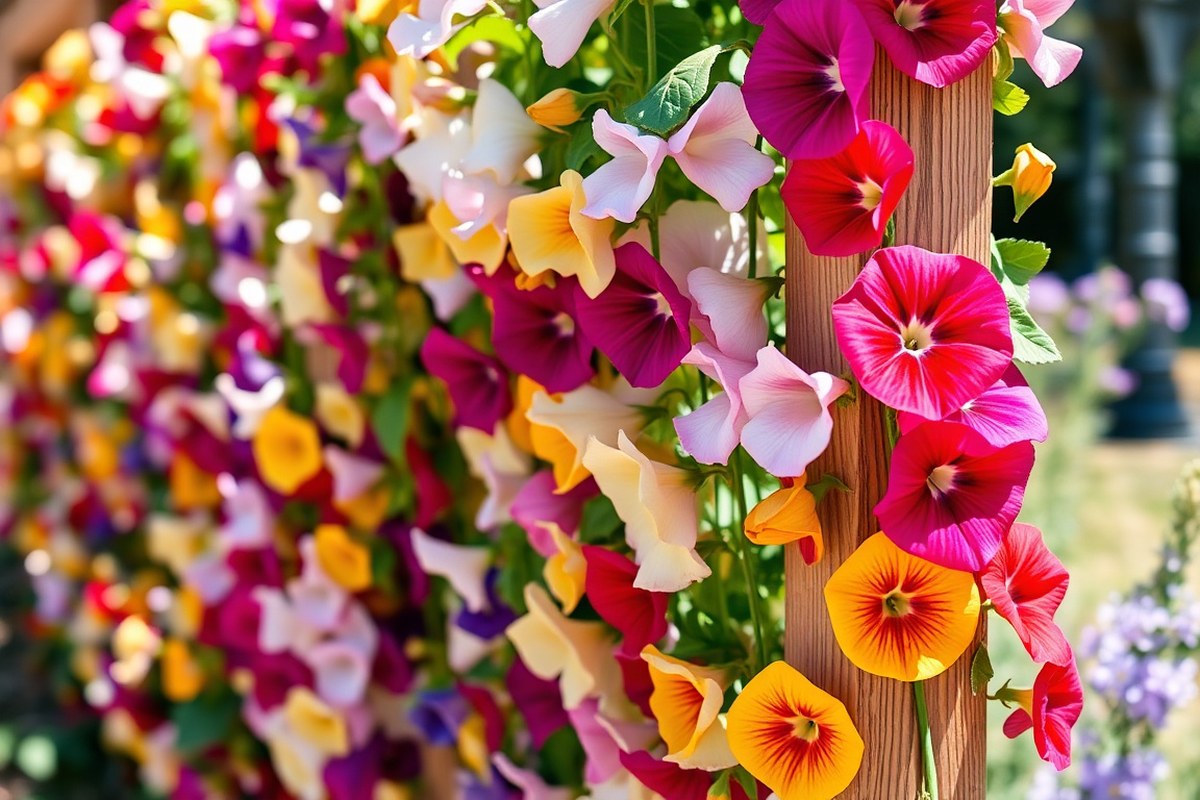
Sweet peas grow climbing vines with pretty, fragrant flowers that brighten gardens. Many people love them for their scent and colorful blooms.
These plants can climb up to 8 feet tall when supported well. There are also dwarf varieties that reach only 8 to 10 inches, perfect for small spaces. Sweet peas come in many colors.
Some smell very strong. The ‘Matucana’ variety has a strong scent.
Sweet peas need careful planting and support to thrive. You can soak their seeds in warm water before planting to help them sprout faster. Pinch off the tips when plants reach about 6 inches.
This helps the plants grow fuller. It also makes them produce more flowers.
Key Takeaways
- Sweet pea plants are Lathyrus odoratus with fragrant, colorful flowers.
- Climbing types can reach 8 feet; dwarfs grow just 8-10 inches tall.
- ‘Matucana’ sweet peas have one of the strongest sweet pea fragrances.
- Soaking seeds 24 hours in warm water can speed up germination.
- Pinch sweet pea tips at 6 inches tall to promote bushy growth.
- Provide sturdy trellises or pea sticks to support tall climbing vines.
What Is a Sweet Pea Plant and Its Origin?
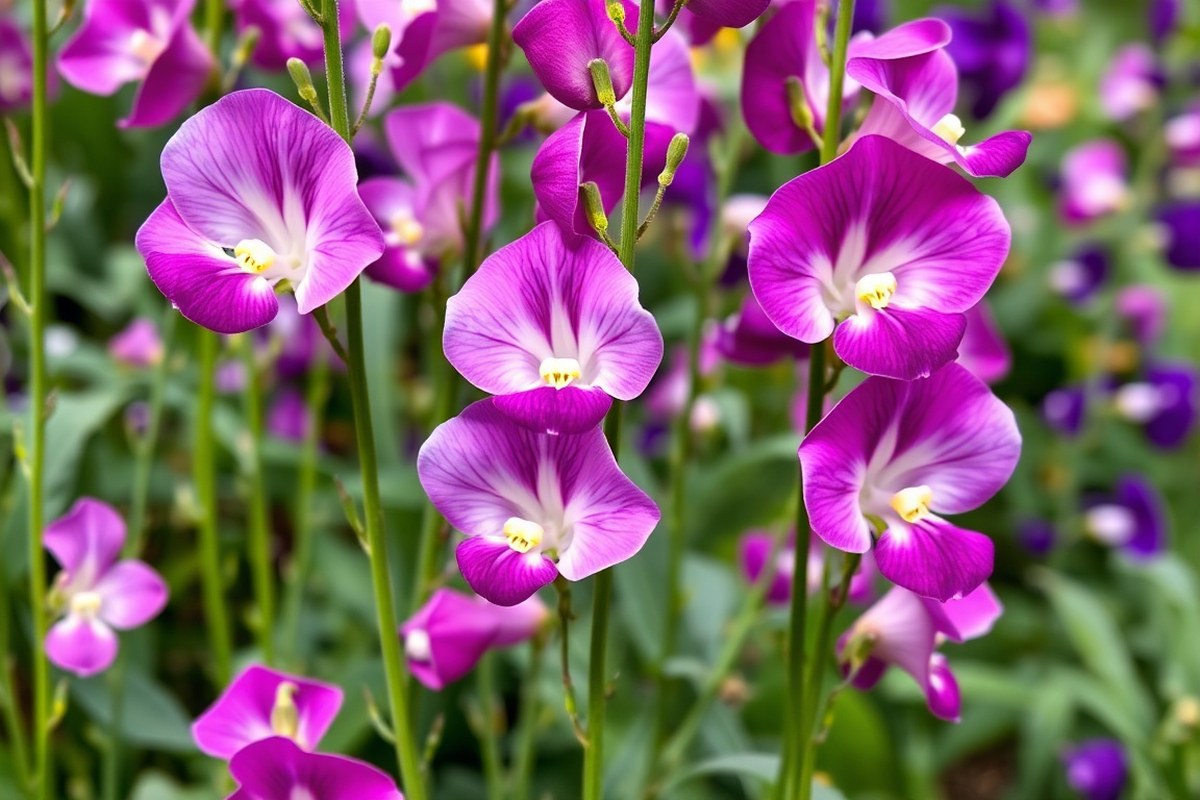
Sweet peas are annual climbing plants known for their beautiful, fragrant flowers. Their botanical name is Lathyrus odoratus. They belong to the legume family, Fabaceae.
These plants grow from seed to bloom in one year. They can reach six to eight feet tall. Proper support helps them grow tall and strong.
The sweet pea originates from the Mediterranean region, specifically Sicily and Cyprus. Gardeners know sweet peas come from a wild ancestor. This ancestor had a simple but strong scent.
It gives sweet peas their familiar smell. Breeders have created many sweet pea varieties over time. Some are dwarf types growing only 8 to 10 inches tall.
These smaller plants fit well in small gardens. These dwarf versions suit small gardens and containers well.
Sweet peas produce seed pods that look like small peas. But unlike edible peas, these pods and seeds are toxic. Sweet peas are popular worldwide for their color range and scent.
Sweet peas have been grown for centuries in gardens and shows. Their blooms only last a short time. This short life encourages regular harvesting and care.
Different Sweet Pea Varieties and Their Features
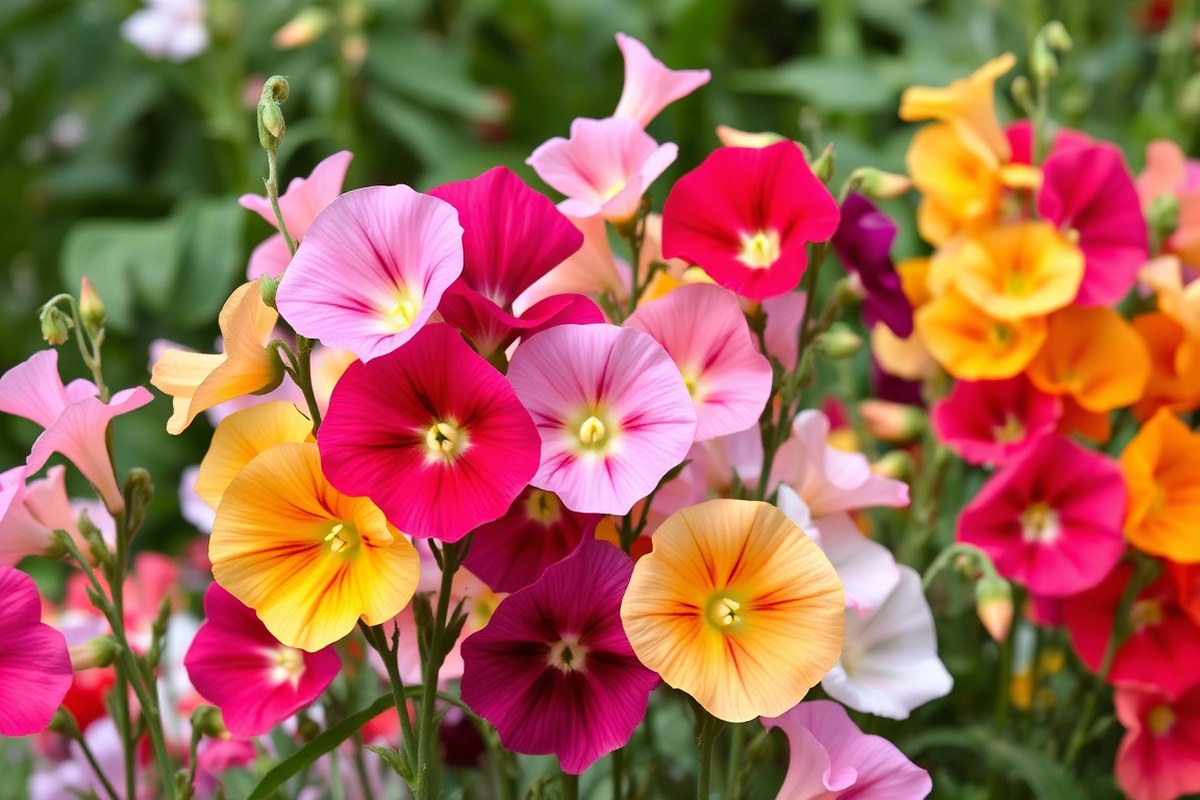
You have many sweet pea types to choose from, mainly climbing and dwarf varieties. Old-fashioned and modern types differ in scent and flower form. Some varieties offer strong fragrance, while others focus on bloom size or habit.
Old-Fashioned vs Modern Varieties
Old-fashioned sweet peas, like Lathyrus odoratus ‘Matucana’, have a strong scent and classic flower shapes. They are usually hardy annuals and popular among gardeners who prefer traditional blooms. These types often have a rich fragrance and charming old-world look.
Modern varieties, like Spencer types and Modern grandifloras, have bigger flowers. Their scent is moderate, not very strong.
Breeders developed them to combine flower size and plant form, sometimes sacrificing fragrance. These newer types may fit into mixed borders or containers well.
The choice depends on whether you want a perfume-like smell or big, bold flowers. Old and modern types each bring different garden features.
Climbing and Dwarf Sweet Peas
Most sweet peas are climbing vines that grow long tendrils. You can train them on supports or fences for vertical interest. Climbing varieties usually require spacing about 6 inches (15 cm) apart to spread well.
Dwarf or bushy sweet peas grow shorter and more compact, sometimes trailing better than climbing ones. They suit small garden spaces or patio containers. Space bush types about 12 inches (31 cm) apart for proper airflow.
Pinching the growing tip of climbing types encourages bushier growth. This lets you control their shape somewhat.
Both types grow easily from seed. The new plants might differ in colour or scent from the original.
Top Fragrant Sweet Pea Cultivars
Some sweet pea varieties stand out for strong fragrance. Famous scented types include ‘Matucana’ and ‘Cupani’. ‘Cupani’ produces bi-colored pink and purple blooms with a heavy scent.
Violet and deep crimson shades of ‘Cupani’ and ‘Matucana’ offer classic, sweet pea fragrances. These old-fashioned varieties work well if scent is your main goal. Modern Spencers are more about flower size than smell.
| Variety Type | Flower Traits | Fragrance | Plant Form | Spacing |
|---|---|---|---|---|
| Old-fashioned (e.g., Matucana) | Classic shape, bi-colored blooms | Strong, rich scent | Climbing | 6 in (15 cm) |
| Modern Spencer types | Large flowers, varied colors | Moderate scent | Climbing or semi-bushy | 6 in (15 cm) |
| Dwarf/patio varieties | Compact, sometimes trailing | Variable scent | Bushy or semi-trailing | 12 in (31 cm) |
| Modern grandifloras | Big flowers, combined traits | Moderate to low scent | Climbing and bushy | 6-12 in (15-31 cm) |
Choosing the right sweet pea means balancing flower size, scent, and growth habit. Old-fashioned types suit those who want fragrance and classic blooms. Modern types fit gardeners chasing bigger flowers and varied shapes.
Sweet peas from seed may not have the same flower colour. Their scent can also change from the parent plant.
When and How to Sow Sweet Pea Seeds
Sow sweet pea seeds in cold, sunny spots between fall and early spring. Nick each seed slightly to speed germination. Soaking seeds is optional and usually doesn’t change results much.
Preparing Sweet Pea Seeds to Sow
Give sweet pea seeds a small nick with a file or sandpaper before planting. This breaks their hard coat and helps them sprout faster.
You don’t have to soak the seeds first. But some people soak them 24 hours in warm water to try speeding up germination.
Take care not to damage the seed inside when nicking. Handle gently and avoid soaking more than one day. Excess moisture can cause seeds to rot instead of sprouting.
- Use a nail file or sandpaper to nick the seed coat gently.
- Optional: Soak the nicked seeds in warm water for up to 24 hours.
- Drain any water and let seeds dry briefly before planting.
- Prepare a well-draining spot with rich, loosened soil.
- Plant each seed individually at the recommended depth on the packet.
- Water the soil gently after planting to settle the seeds.
- Keep the soil moist but not soggy throughout germination.
Ideal Planting Times by Climate Zone
Start sowing sweet peas in fall or mid-winter in mild climates like coastal California. In colder zones, sow seeds in early spring once soil is workable. This timing helps plants flower well into late spring or summer.
Planting sweet peas too late in warm areas reduces flowering time. In cooler zones, you can start seeds indoors 6 to 8 weeks before the last frost. This gives young plants a head start for outdoors.
To keep blooms coming longer, sow seeds every couple of weeks during the growing season. This works well in zones 2 through 11, depending on your frost dates and local weather.
Typical Germination and Bloom Timeline
Sweet peas usually take about three weeks to sprout after sowing. Check your soil moisture and temperature, keeping soil cool and damp. Germination might slow if soil is too warm or dry.
From sprouting, expect flowers in about 12 to 14 weeks. Sweet peas planted in fall or early spring will bloom starting late spring. Their flowers usually last through summer.
You can enjoy them for several months. Varieties like Spencer types can produce long-lasting blooms.
Watch seedlings carefully and give them support early. Without stakes or trellises, vines can tangle and produce fewer flowers. Healthy, well-supported plants reward patience with a generous floral display.
Essential Growing Conditions for Sweet Peas
Sweet peas grow best in soil that drains well but stays moist. Add 2 inches of compost into your garden bed each autumn to keep the soil fertile. This helps your plants get the nutrients they need for strong stems and lots of flowers.
They need full sun for at least 6 hours a day. Less light can make them weak and reduce flower production. Avoid shady spots to get the best blooms and fragrance.
Space your sweet pea seedlings roughly 20 centimeters apart. This allows air to flow and stops diseases from spreading. You don’t have to separate plants grown close in pots.
Even if they look crowded at first, it’s okay. They can grow fine together for now.
- Plant in well-drained, fertile soil enriched with compost
- Choose a spot with at least 6 hours of sunlight daily
- Space seedlings about 20 centimeters apart to improve air flow
- Pinch out tips when plants reach 15 centimeters tall for bushiness
- Keep soil moist but avoid waterlogging
- Protect young plants from slugs and snails
Sweet peas prefer cool weather, ideally between 55°F and 65°F (13°C to 18°C). They do not do well in hot or very humid conditions.
Try planting early in spring or late summer where your climate allows. Hotter places may require afternoon shade to prevent wilting.
Pinch out the growing tips once your plants reach about 15 centimeters tall. This encourages side shoots and fuller growth instead of tall, spindly stems.
Watch out for pests during this early stage, especially slugs. Taking these steps helps your sweet peas grow strong and bloom more abundantly.
How to Support and Care for Climbing and Dwarf Types
Sweet peas need support to climb and grow well, especially climbing types. Pinching their tips helps them stay bushy and healthy. Proper watering and feeding keep their flowers bright and strong.
Choosing Suitable Support Structures
Climbing sweet peas can grow up to 8 feet tall. So give them tall supports.
Use netting, trellises, or strong stakes to guide their tendrils upward. Dwarf or trailing types still need light support, like low fences or garden frames.
Set up support early, just after planting, so vines have something to grip. Avoid flimsy supports that might collapse under wind or rain weight. Place supports about 1 to 2 feet apart to spread out the plants evenly.
- Use bamboo canes or wooden stakes for sturdy vertical support
- Attach garden netting or wire mesh for climbing tendrils
- Space supports 1 to 2 feet apart for good air circulation
- Install supports at planting time to reduce root disturbance
- For trailing types, provide low fences or rock edges
Check supports regularly and tighten or replace them if loose or bent.
Pinching Growth Tips for Bushier Plants
Once seedlings have strong growth, pinch the stem tips to stop legginess. Pinching means snipping off the top stem just above a leaf set. This directs energy toward side shoots, making plants fuller and stronger.
You can pinch plants using clean scissors or fingernails. Remove only the top inch or two. This helps control growth effectively.
Do this soon after the seedling gets 4 to 6 leaves. Repeat every few weeks to keep the plant bushy.
Regular pinching encourages more growth. Overpinching can stress plants, so leave enough of the stem intact.
Watering and Feeding Guidelines
Sweet peas like moist soil but hate soggy roots. Water deeply once or twice a week, depending on weather and soil type. Mulching helps keep soil moist and reduces watering needs.
Feed sweet peas with a balanced fertilizer every 4 to 6 weeks during the growing season. Choose a formula suitable for flowering plants with equal nitrogen, phosphorus, and potassium. Avoid too much nitrogen, it promotes leaf growth but fewer flowers.
- Water deeply to soak soil 6 to 8 inches down
- Apply mulch to retain moisture and control weeds
- Use balanced fertilizer every 4 to 6 weeks in spring and summer
- Avoid overfertilizing, which leads to weak blooms
- Reduce watering in cooler, wetter months to prevent rot
Common Pests, Diseases, and How to Manage Them
Sweet peas often attract pests like slugs and aphids that harm young plants. Slugs munch on tender shoots, especially at night or in damp weather. Protect seedlings by placing copper tape around pots or sowing outside when soil is dryer.
Aphids suck sap from stems and leaves during late spring. You’ll spot them clustered along new growth, causing leaves to curl or yellow. Spray plants with water or use insecticidal soap to remove aphids quickly without harsh chemicals.
- Cover young seeds with a propagation lid or glass for mouse protection
- Use copper tape or slug pellets to prevent slug damage
- Spray aphids off plants with strong water jets early in the day
- Apply insecticidal soap or neem oil for persistent aphid infestations
- Watch for powdery mildew on leaves and stems, a white, dusty layer
- Remove infected leaves and improve air flow to reduce fungal issues
- Use a fungicide labeled for edible flowers if mildew gets severe
Fungal diseases like powdery mildew appear as white patches that spread quickly. Good air circulation helps stop mildew from taking hold. Treat early by cutting affected growth and avoid overhead watering to keep leaves dry.
Young sweet peas thrive with regular checks. Inspect leaves in morning light for pests and disease signs. Acting fast limits damage and keeps plants blooming strong through the season.
Safety Precautions: Sweet Pea Toxicity and Edibility
Sweet peas (Lathyrus odoratus) are not safe to eat. The entire plant, including seeds and pods, contains toxins that can cause illness if ingested. Sweet peas are different from edible garden peas.
Edible peas are safe to eat. Sweet peas aren’t meant for the kitchen.
It’s easy to confuse sweet peas with edible peas because both have pods and similar flowers. To avoid any mix-up, look closely at the pods. Edible peas have smooth, green pods that open easily.
Sweet pea pods are often hairy and tougher. The flowers are much more colorful and fragrant. Never eat any pods or seeds from a sweet pea plant.
Keep sweet peas away from children and pets. They might chew the bright flowers or seeds. This can be harmful.
Teach kids never to put sweet pea parts in their mouths. Explain it can be dangerous. Make sure they understand.
Pets also need protection because swallowing any part of this plant can cause dangerous reactions. Always wash your hands after handling sweet pea plants to avoid accidental ingestion.
Plant sweet peas away from edible peas to prevent confusion when harvesting. Labeling your plants clearly can help if you grow both types nearby. When giving plants to friends or neighbors, remind them about sweet peas’ risks.
Explain the difference from edible peas. Help them stay safe. This simple step keeps everyone safe in your garden.
Buy seeds from trusted sellers if you want edible peas. This ensures you get the right type. Avoid confusion with sweet peas.
Sweet pea seeds are sold only for ornamental planting. They may cost more because of their colorful flowers.
But saving money isn’t worth risking poisoning by mixing types. Always store sweet pea seeds separately and out of reach of children.
Harvesting Sweet Pea Flowers and Practical Uses
Cut sweet pea flowers early in the morning when temperatures are cooler. Use clean, sharp scissors or garden shears to snip stems just below a leaf node. This encourages new growth and helps the plant keep flowering longer.
Remove any leaves that would sit underwater in the vase. Sweet pea stems can be delicate.
So handle them gently to avoid bruising or breaking. Place the cut stems immediately in cool water to keep them fresh.
Sweet peas can stay fresh in a vase for about a week. Change the water every day and cut half an inch off the stems. Keep the vase out of direct sun and away from heat.
Some sweet pea varieties, like Grandifloras, give off a strong sweet scent. Others, such as Royals, are prized for their large colorful flowers and long stems. Mixing different types can create a lovely display with both scent and color.
Sweet peas appear in many cultural traditions. In Victorian times, they symbolized delicate pleasure or a kind farewell after an enjoyable visit. Orange sweet pea flowers represent enthusiasm and excitement, so they often brighten celebrations.
Growing sweet peas to sell is common in Japan. Single stems often sell for high prices there. This makes sweet peas a valuable crop.
Demand has pushed breeders to make winter-blooming sweet peas. These flowers fit special events and markets in colder months. This gives sellers more chances to earn.
Cut sweet peas early in the day when flowers are fresh. Always trim stems underwater to avoid air bubbles blocking water uptake.
Step-by-Step Action Plan for Growing Sweet Peas
Follow these steps to get your sweet peas growing strong and healthy. Each step ensures you set the right foundation and keep your plants thriving.
- Before planting: Choose a sunny spot with well-drained soil. Healthy soil means your sweet peas will grow well.
- Week 1: Soak the seeds overnight to speed up germination. Seeds that swell are ready to plant.
- Day 1 after soaking: Sow seeds 1 inch deep and 2 inches apart in rows. Look for moist soil to keep seeds from drying out.
- Week 3: Thin seedlings to 4 inches apart once they sprout. You want strong, well-spaced plants.
- Week 4: Install supports like trellises or pea sticks for climbing types. Plants should start gripping supports within a few days.
- Weeks 4 to 8: Water regularly but avoid waterlogging. Soil should feel damp, not soaked.
- Week 6 onwards: Watch for pests and remove affected leaves. Healthy leaves help flowers bloom.
- Week 8 or later: Begin harvesting flowers when buds open fully. Fresh blooms should have a strong fragrance.
Frequently Asked Questions
What Is the History Behind Sweet Pea Cultivation?
Sweet peas were first recorded by a monk in Sicily in 1695. Seeds were later sent to Europe, sparking widespread growing and breeding of new colors.
How Can You Encourage Bushier Sweet Pea Plants?
Pinch out the tips when they reach about 10cm tall. This stops upward growth and promotes denser, fuller plants.
Why Do Sweet Pea Plants Need Support to Grow?
Their tendrils twine around supports to climb upward. Without support, they sprawl and produce fewer flowers.
Are Dwarf Sweet Pea Varieties Easier to Grow?
Yes, dwarf types don’t climb and suit small spaces. They also need less staking and are generally less demanding.
What Makes the Sweet Pea ‘Matucana’ Special?
‘Matucana’ has one of the strongest fragrances among sweet peas. It’s a popular old-fashioned variety dating back to 1699.
Can Sweet Pea Seeds Be Harvested at Home?
Yes, after flowers fade, pods form containing seeds. Harvest when pods dry and brown to save seeds for next year.
Final Thoughts
Sweet peas bring charm with their lovely flowers and scent. Start growing them by picking the right spot and nurturing seedlings well. Soon, you’ll enjoy their colorful blooms and sweet aroma in your garden.