How Big Do Monstera Plants Get? A Complete Growth Guide with Size Charts
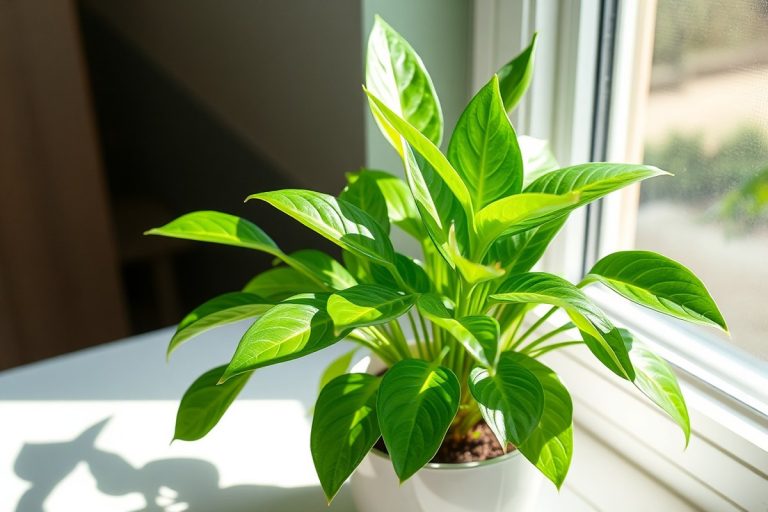
How big do Monstera plants get depends on the variety and growing conditions. Indoors, most Monsteras reach between 6 and 15 feet tall with enough space and support. Outdoors in tropical climates, they climb over 30 feet tall.
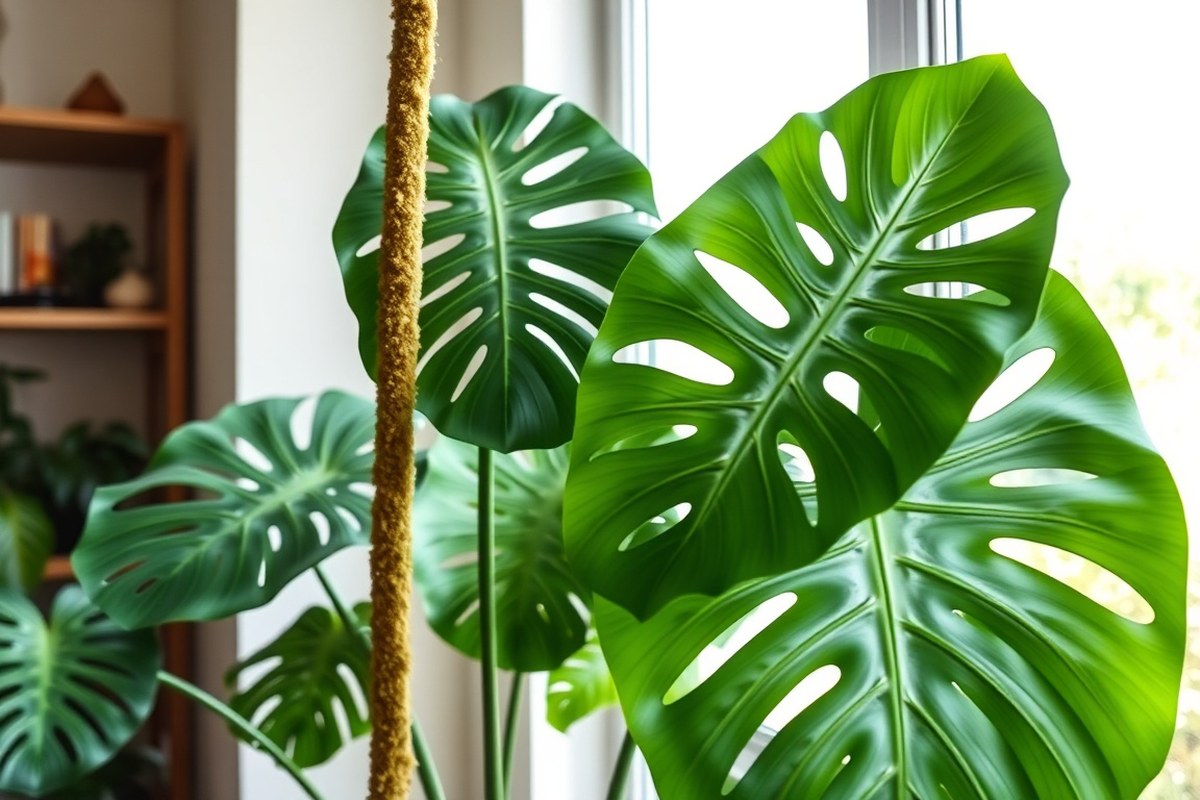
Monsteras grow faster when they have bright, indirect light and good humidity. You should pick a pot size that fits their root system but allows growth. Supporting them with a moss pole can help Monsteras grow taller and leafier.
Knowing the typical size for each Monstera type helps you plan space and care better. Some stay compact like Monstera adansonii.
Others like Monstera deliciosa grow large and bold indoors. Pruning controls size and encourages fuller plants.
Key Takeaways
- Monstera deliciosa often grows 6-8 feet tall indoors with proper care.
- Monsteras can reach over 30 feet outdoors with support and enough space.
- Choose pots about 2-3 inches bigger each time you repot your Monstera.
- Moss poles help Monstera grow vertically and support heavier leaves.
- Monstera adansonii stays smaller, usually 3-5 feet tall indoors.
- Monsteras can add 3-4 inches in vine length and 4-5 new leaves monthly.
How Big Do Monstera Plants Typically Grow Indoors and Outdoors?
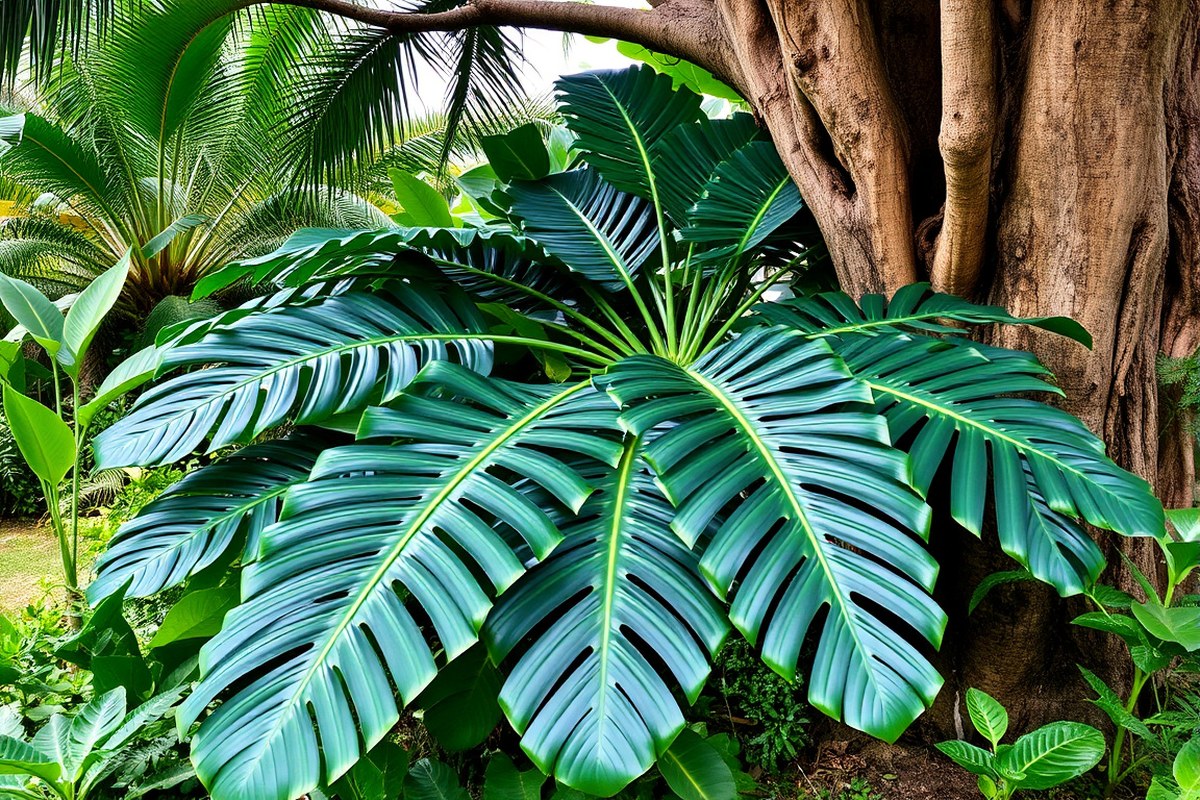
Monstera plants usually grow much larger outdoors than indoors. Indoors, a Monstera deliciosa grows 6 to 10 feet tall.
It spreads 3 to 8 feet wide. Its leaves indoors can measure about 12 to 24 inches long.
Outdoors in tropical climates, these plants climb trees and can grow over 30 feet tall. Outdoors, Monstera spread can get as wide as 30 feet.
This happens with proper support. Leaf size outdoors can also be larger, sometimes exceeding 18 inches.
Smaller species like Monstera adansonii tend to stay more compact indoors. They grow 3 to 5 feet tall with smaller leaves.
This makes them good for small spaces. Species and growing conditions greatly affect size, so you might see some differences.
| Monstera Variety | Indoor Height | Indoor Spread | Indoor Leaf Size | Outdoor Height | Outdoor Spread | Outdoor Leaf Size |
|---|---|---|---|---|---|---|
| Monstera deliciosa | 6, 10 ft (1.8, 3 m) | 3, 8 ft (0.9, 2.4 m) | 12, 24 in (30, 61 cm) | 30, 70 ft (9, 21 m) | 30+ ft (9+ m) | Up to 18 in (45 cm) |
| Monstera adansonii | 3, 5 ft (0.9, 1.5 m) | 3, 5 ft (0.9, 1.5 m) | Smaller leaves | N/A | N/A | N/A |
Indoor Monsteras often stay smaller because of space and light limits. They need larger pots and climb poles to reach their maximum size. Outdoor Monsteras grow much faster and bigger with direct support and ideal tropical conditions.
Leaf size grows with plant maturity and environment. Bigger leaves usually mean healthier plants and good care.
Watching your Monstera’s height and spread helps you pick stakes. It also guides pot size choices.
What Factors Affect How Large a Monstera Plant Can Grow?
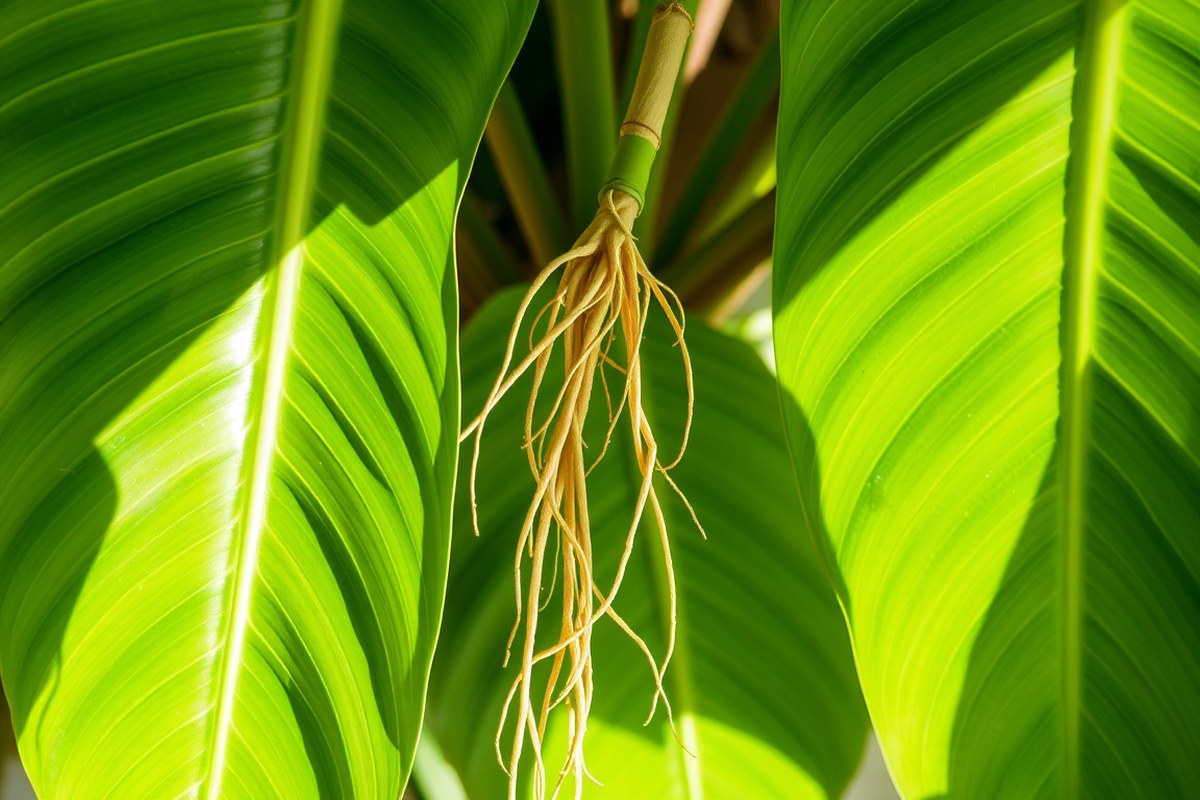
Several key factors affect how large your Monstera plant will grow. Light, humidity, temperature, soil, watering, and support all influence its size and leaf development. Managing these elements well lets your Monstera reach its full potential indoors.
Light Intensity and Type
Monsteras grow best with bright light that isn’t direct sunlight. Strong sun can burn their leaves easily. To keep them healthy, put them near east or north windows or cover windows with sheer curtains.
Under ideal light, expect about one new leaf each month during active growing seasons. Low light means leaves may be fewer and smaller, and growth could almost stop.
Humidity and Temperature Effects
Monstera plants thrive in medium to high humidity, ideally between 50% and 80%. Higher humidity promotes larger leaves and faster growth.
Dry air can hurt your Monstera. Use a humidifier or set a water tray next to it.
Keep the temperature between 65°F and 80°F (18°C to 26°C) for best growth. Temperatures below 60°F slow development, and extreme heat can stress the plant. Avoid cold drafts and sudden temperature swings.
Pot Size and Root Space
The pot size limits root growth, which affects overall plant size. For a mature Monstera, choose a pot 12 to 18 inches in diameter. This size gives roots room without causing overwatering issues.
Repot your Monstera every 1 to 2 years in spring. Move it to a slightly larger pot each time.
But don’t choose one too big. A pot that’s too large holds excess moisture, risking root rot.
Watering and Soil Quality
Monsteras like soil that stays lightly moist but drains well. Use a rich, peat-based potting mix with added perlite or orchid bark for airflow. Water when the top 1 to 2 inches of soil feel dry.
Overwatering leads to yellow leaves and root rot. Underwatering causes leaf edges to brown and curl. Adjust watering frequency with season and light conditions.
Support Structures for Vertical Growth
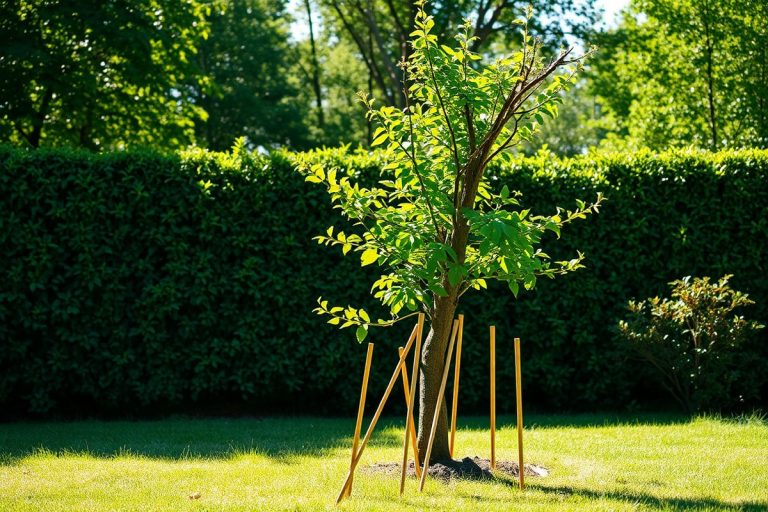
Monsteras naturally climb. So giving them a moss pole or trellis encourages taller, bigger plants. Support lets the vines grow upward instead of sprawling sideways.
Vertical growth usually means larger leaves and a fuller plant. Attach Monstera stems carefully to their support.
Mist sphagnum moss often to keep it damp. This helps aerial roots grow well.
- Provide bright, indirect light around 6-8 hours daily
- Keep humidity above 50% with a humidifier or pebble tray
- Maintain temperatures between 65°F and 80°F
- Repot every 1-2 years into a 12-18 inch pot
- Water when top soil is dry, avoid soggy soil
- Use well-draining soil rich in organic matter
- Install a moss pole to promote climbing and larger leaves
Use a moss pole even for indoor Monsteras to support vertical growth and boost leaf size.
How Fast Do Monstera Plants Grow and Reach Their Full Size?
Monsteras grow relatively fast, adding up to 4-5 new leaves monthly. Indoors, they usually grow to 6 to 10 feet tall.
It takes about 3 to 5 years to reach full size. Outdoors, they can grow larger and take similar or slightly more time depending on conditions.
Juvenile to Established Growth Stages
Young Monsteras start with smaller, solid leaves without holes. Juvenile leaves change slowly over a couple of years. Larger leaves with splits and holes start to appear.
At 3 to 5 years old, leaves grow 8 to 16 inches wide. Plants reach 3 to 6 feet tall indoors.
A typical growth timeline looks like this:
| Stage | Age | Features |
|---|---|---|
| Juvenile | 0-2 years | Small solid leaves, minimal vine length |
| Developing | 2-3 years | Fenestrations start to appear, grows 3-4 inches/month |
| Established | 3-5 years | 3, 6 feet tall, large fenestrated leaves |
Outdoor plants can reach far beyond these sizes given space and light.
Seasonal Growth Variations
Monstera growth speeds up during spring and summer. You may see a new leaf every few weeks then, especially with good light and warmth. Growth slows noticeably in fall and winter.
Outdoors, tropical climates boost year-round growth. Indoor plants in cooler homes will show less activity in colder months. A vine can stretch 3 to 4 inches per month under optimal conditions.
Leaf Development and Fenestration Timing
Fenestrations, the splits and holes, rarely show up on leaves before the second year. Most start appearing between years two and three with good care. Leaves grow larger as the plant matures, often reaching about 12 inches long.
Mature leaves come with larger holes and deeper splits, giving the Monstera its characteristic look. Indoors, leaves grow to roughly a foot wide once mature. Outdoor leaves can become even larger if conditions are right.
Tracking your Monstera’s growth helps you spot healthy development and timing. Use this simple step-by-step to monitor your plant’s growth progress:
- Measure your plant’s height and vine length monthly.
- Count the number of new leaves each month.
- Note leaf size and watch for the first fenestrations.
- Keep records by date to compare seasonal growth rates.
- Check leaf color and texture for signs of health.
- Adjust care if growth slows or leaves look unhealthy.
Tracking growth helps you understand when your plant is still juvenile or becoming mature. It also shows if conditions are right for faster development.
How to Choose the Right Pot Size for Growing Monsteras Successfully
Choose a small pot, around 4 to 6 inches wide, for young Monsteras. This keeps their roots cozy and avoids overwatering.
For plants growing steadily, move up to an 8 to 10-inch pot. Mature Monsteras need something bigger, 12 to 14 inches or more, to support their size.
A bigger pot doesn’t always mean faster growth. Monsteras can get root-bound in a small pot, slowing their growth. Putting a plant in a pot that’s too large causes problems.
Water stays in the soil for too long. This can harm the roots and slow growth. This can lead to root rot and poor health.
Check your Monstera’s roots every 12 to 18 months to decide on repotting. Roots circling the pot’s edges or growing from drainage holes tell you it’s time. Also watch for slower growth or soil that dries out super fast.
- Start with a 4-6 inch pot for seedlings or cuttings.
- Repot to 8-10 inch pots after about a year once roots fill the smaller pot.
- Use a 12-14 inch pot for mature plants or those growing fast.
- Repot when roots escape drainage holes or soil stays soggy.
- Move up one pot size each time to avoid overwatering risks.
- Best repotting season is spring or early summer for recovery.
- Use well-draining soil and pots with drainage holes.
Repot your Monstera carefully by loosening roots and trimming dead ones. Fill the new pot with fresh soil before placing the plant. Water lightly after moving to help roots adjust and avoid stress.
Following these steps helps maintain healthy growth without shock or disease. Skipping repotting lets roots get crowded.
This slows down your plant’s growth. Bigger pots encourage size, but only if drainage and watering stay balanced.
How Does Support Like Moss Poles Influence Monstera Growth and Size?
Supporting your Monstera with a moss pole helps it grow taller. It also helps the plant develop bigger leaves.
Vertical supports mimic the plant’s natural climbing habit, letting it grow upright with larger, mature leaves. This setup also saves space and encourages a healthier plant overall.
Benefits of Vertical Supports
Monsteras naturally climb trees in the wild. When you give your Monstera a firm moss pole, it grabs on with its aerial roots.
The plant then climbs upward. This lets the plant grow taller and slows sideways sprawl.
Plants with supports grow bigger leaves. Indoors, leaves may reach 18 to 24 inches. Without support, they stay 12 to 18 inches.
The support also helps the plant focus energy on new growth and fewer small, undeveloped leaves. This often shortens the time to maturity by a year or two.
Moss Pole Setup and Maintenance
A moss pole about 5 to 6 feet tall suits most indoor Monsteras. Use one that’s thick and stable to support bigger plants.
Wrap the pole in sphagnum moss or coir. These materials stay moist and help roots attach easily.
Set up your moss pole in these simple steps:
- Choose a moss pole at least as tall as your planter’s expected height.
- Insert the pole firmly near the pot’s edge, making sure it won’t wobble.
- Moisten the moss to keep it damp but not soaking wet.
- Gently tie the Monstera stems to the pole with soft plant ties or string.
- Check ties monthly, loosening them as stems grow thicker to avoid damage.
- Mist the moss regularly to keep it moist for aerial root health.
- Replace or rewrap the moss if it dries out or breaks down over time.
Keep moss moist but not soggy; soggy moss can cause root rot.
Alternative Support Options
Space tight or moss poles tricky? Use sturdy wooden trellises or bamboo stakes instead. Trellises let you train the plant more horizontally or diagonally, perfect for wider areas.
Choose a support based on your room size and plant growth. For tall, narrow spaces, a moss pole is best. For table displays or shorter plants, a small trellis or stake suits.
Pick a support that is stable enough. It must hold your Monstera’s growing weight for years.
Pruning and Managing Monstera Size Indoors
Pruning helps keep your Monstera plant at the right size indoors. Trim it in late spring or early summer, when growth is active. Cut just above a leaf node to avoid harming the plant.
To keep your Monstera compact, prune new shoots back to two or three leaves. This limits height and encourages bushier growth. Skip the moss pole and avoid large pots to further slow growth.
Pruning can also encourage bigger leaves. Cut back smaller side shoots to direct energy toward the main stem. This lets the plant focus on growing larger leaves instead of many small ones.
- Choose late spring to early summer for pruning
- Cut just above leaf nodes with clean scissors
- Prune new growth back to 2-3 leaves to control size
- Skip moss poles to reduce upward climb
- Use smaller pots to limit root expansion
- Repot only if root-bound or growth stalls
- Remove yellow or damaged leaves regularly
If your Monstera outgrows indoor space, evaluate pruning versus repotting. Prune if the plant is healthy but too tall or wide. Repot only when roots fill the pot or growth slows due to root crowding.
Maintaining room temperatures between 70-85°F helps keep your plant healthy during pruning. Avoid pruning in cold or dry conditions to prevent stress. Aggressive pruning might slow growth for a few weeks but keeps your Monstera living nicely indoors.
What Are Realistic Growth Expectations for Different Monstera Species?
Monstera species vary a lot in size, leaf shape, and growth habits. M. Deliciosa is the largest and most dramatic species. It can grow over 6 feet tall indoors.
Its leaves can get up to 3 feet wide. This makes it a big indoor plant.
Outdoors, it can reach 10 feet or more. It needs a big space and support like a moss pole to climb.
In contrast, M. Adansonii is smaller with narrower leaves and fewer holes. It usually stays under 3 feet tall indoors and looks great trailing or in hanging baskets. It grows faster than M. Deliciosa.
But its leaves max out around 8 to 12 inches long. It prefers a bit more humidity and indirect light than M. Deliciosa.
M. Borsigiana looks like a smaller version of M. Deliciosa. It has similar leaf shapes but grows slower and stays smaller, usually under 4 feet indoors. This species fits moderate space well.
It’s also easier to handle indoors. You get a Monstera that won’t take over a room.
M. Pinnatipartita is rarer and has narrower, deeply cut leaves. It’s medium-sized, growing about 3 to 5 feet indoors. It needs good support and likes humidity but can handle less light than M. Deliciosa.
Its unique leaf splits give a special look. It fits nicely in smaller rooms. You get interest without reaching peak size.
| Species | Indoor Height | Leaf Size | Growth Speed | Care Note |
|---|---|---|---|---|
| Monstera deliciosa | 6+ feet | Up to 3 feet wide | Rapid | Needs large pots, strong support |
| Monstera adansonii | Up to 3 feet | 8 to 12 inches | Faster than deliciosa | Likes humidity, indirect light |
| Monstera borsigiana | Up to 4 feet | Medium, similar to deliciosa | Slower | Easier for smaller spaces |
| Monstera pinnatipartita | 3 to 5 feet | Narrow, deeply cut leaves | Moderate | Likes humidity, tolerates lower light |
Choosing the right species depends on how much room you have and what look you want. Larger monsters like M. Deliciosa need more care, a big pot, and climbing support. Smaller species like M. Adansonii fit well on shelves or hang near windows.
All Monsteras benefit from indirect light and balanced watering. But species like M. Adansonii want more humidity. Adjust care to help each type grow well.
Keep in mind, slower growers need patience. Let them take their time. Check your plant’s size and leaf health often.
This helps you know if care matches species needs. Keep an eye on it regularly.
How to Maximize Monstera Leaf Size and Overall Plant Vigor
Bright, indirect light helps Monstera develop big leaves with rich fenestrations. Keep your plant near a window with filtered sunlight or use a grow light. Avoid direct sun, which can scorch leaves and stunt growth.
Water the Monstera when the top 1 to 2 inches of soil are dry. Too little water causes leaf droop.
Overwatering leads to root rot, a common problem that kills growth potential. Use a pot with drainage holes to avoid soggy roots.
Fertilize Monsteras regularly from spring through early fall. Use a balanced liquid fertilizer diluted to half strength once a month. This routine supports leaf size and overall plant vigor without overfeeding.
- Light: Bright but indirect; 6-8 hours daily
- Water: Every 7-10 days; wet topsoil signals wait
- Fertilizer: Balanced (20-20-20); half strength monthly
- Humidity: Aim for 50% or higher; use humidifier or pebble tray
- Temperature: Ideal 65, 80°F; avoid drafts and sudden drops
Humidity over 50% lets Monstera stay healthy and grow larger leaves. A room humidifier or placing your plant on a pebble tray with water works well. Dry air can cause brown leaf edges and slow growth.
Maintain indoor temperatures between 65°F and 80°F. Below 60°F, the plant’s growth slows and leaves yellow. Use a portable heater during cold months or a fan to reduce overheating in summer.
Droopy leaves often mean your Monstera needs water. But always check soil moisture first to prevent root rot.
Step-by-Step Action Plan for Growing Your Monstera Big and Healthy
Follow these steps to help your Monstera grow strong and reach its full size indoors.
- Before you plant: Get a pot with drainage holes. Make it 2 to 4 inches bigger than your current pot. This helps room for roots to grow. This helps roots spread and supports larger growth.
- Week 1: Place the Monstera near bright, indirect sunlight. Watch for new leaf sprouts within two weeks to confirm good light.
- After 2 weeks: Add a moss pole or stake to support climbing growth. Check that the plant wraps its aerial roots around the pole naturally.
- Monthly: Water when the top 1 to 2 inches of soil are dry. Feed your Monstera lightly during its growing months. Healthy deep green leaves show these steps work.
- Every 3 to 6 months: Prune leggy or yellowing stems to control size. Look for new branches filling in open spaces.
- After 6 months: Repot your Monstera into a slightly larger pot if roots circle the bottom. This means it’s ready for more room.
- Throughout the year: Keep humidity high near the plant by misting or using a pebble tray. Larger leaves respond well by staying firm and vibrant.
Frequently Asked Questions
How Tall Can Monstera Plants Grow Indoors?
Monstera plants can reach 10 to 15 feet tall indoors. They need bright, indirect light and proper support to grow that tall.
Can a Monstera Plant Outgrow Its Pot Quickly?
Yes, Monsteras often outgrow their pots in one to two years. Repotting helps keep roots healthy and supports growth.
How Wide Can a Monstera Spread Indoors Without Support?
Monsteras can spread about 6 to 8 feet wide indoors with room. They need space around them to reach that width.
Do Monstera Plants Grow Larger Outdoors Than Indoors?
Yes, outdoors they can reach over 30 feet tall with support. Their growth depends on tropical climate and space.
Will Pruning Stunt the Overall Growth of a Monstera?
Pruning controls size but doesn’t stunt growth if done right. It encourages bushier, healthier plants indoors.
How Does Light Affect the Size of a Monstera Plant?
Bright, indirect light helps Monsteras grow bigger and healthier. Low light slows growth and reduces leaf size.
The Bottom Line
Monsteras can grow quite large indoors if you care carefully. Start by giving your plant enough space and support to climb. Watch for steady new growth and enjoy its big, spectacular leaves.