What Do Potato Plants Look Like? A Complete Visual Guide for Gardeners
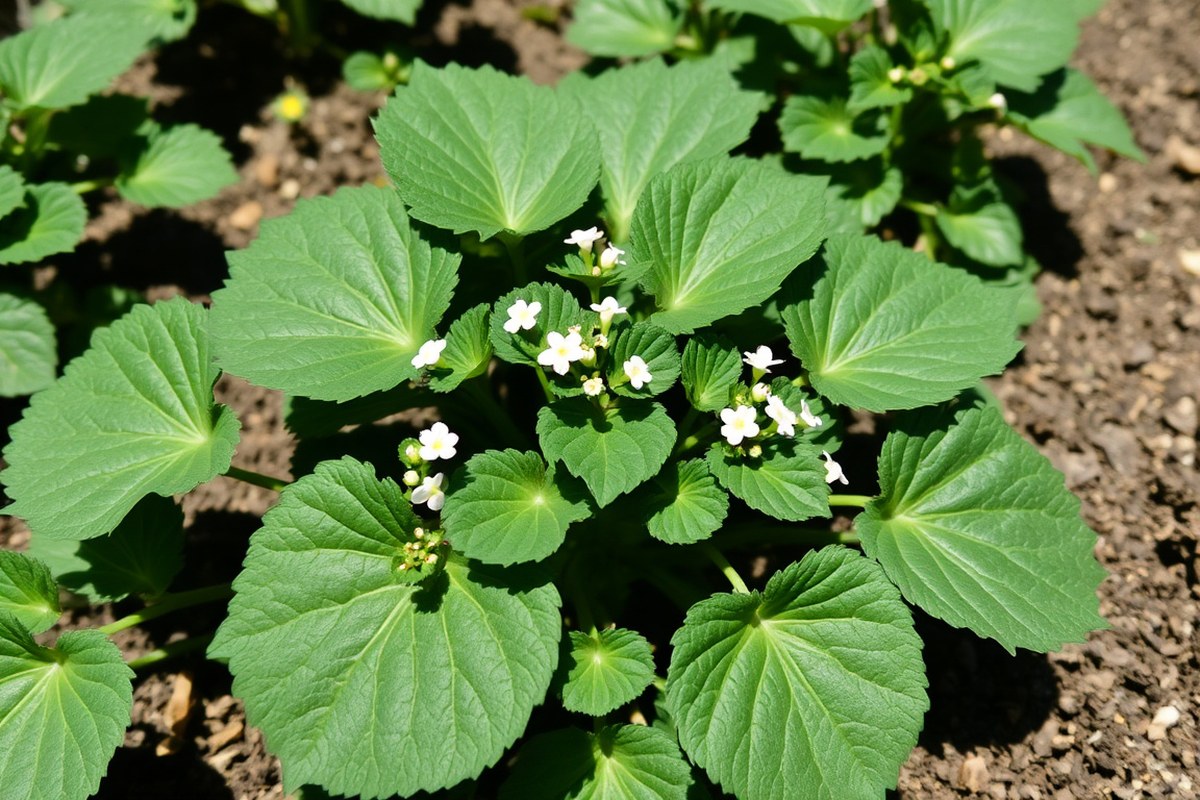
What do potato plants look like? They have bushy green stems with leaves that can grow up to 12 inches long. You’ll see deep green leaves on your potato plants.
After around 60 days, small flowers appear. These flowers show tubers are growing underground.
Potato plants usually reach between 1 to 2 feet tall depending on their variety. Their leaves are broad and firm, making them stand out in your garden bed. Watching their size and leaf color helps you tell if they are healthy or stressed.
Start by planting in soil that drains well. Give your potatoes at least 6 to 8 hours of sun daily. They need plenty of sunlight to grow.
Check sun exposure and soil quality when plants stay short or pale. These signs show if your plants need more care or adjustments.
Key Takeaways
- Potato plants grow bushy with green leaves up to 12 inches long.
- Expect plants to reach 1 to 2 feet tall, depending on the type.
- Look for flowers about 60 days after planting as a growth sign.
- Provide 6 to 8 hours of direct sunlight for strong, healthy plants.
- Check soil drainage and temperature to prevent stunted or weak growth.
- Monitor leaf color and size to spot plant health issues early.
What Does a Potato Plant Look Like Throughout Its Growth?
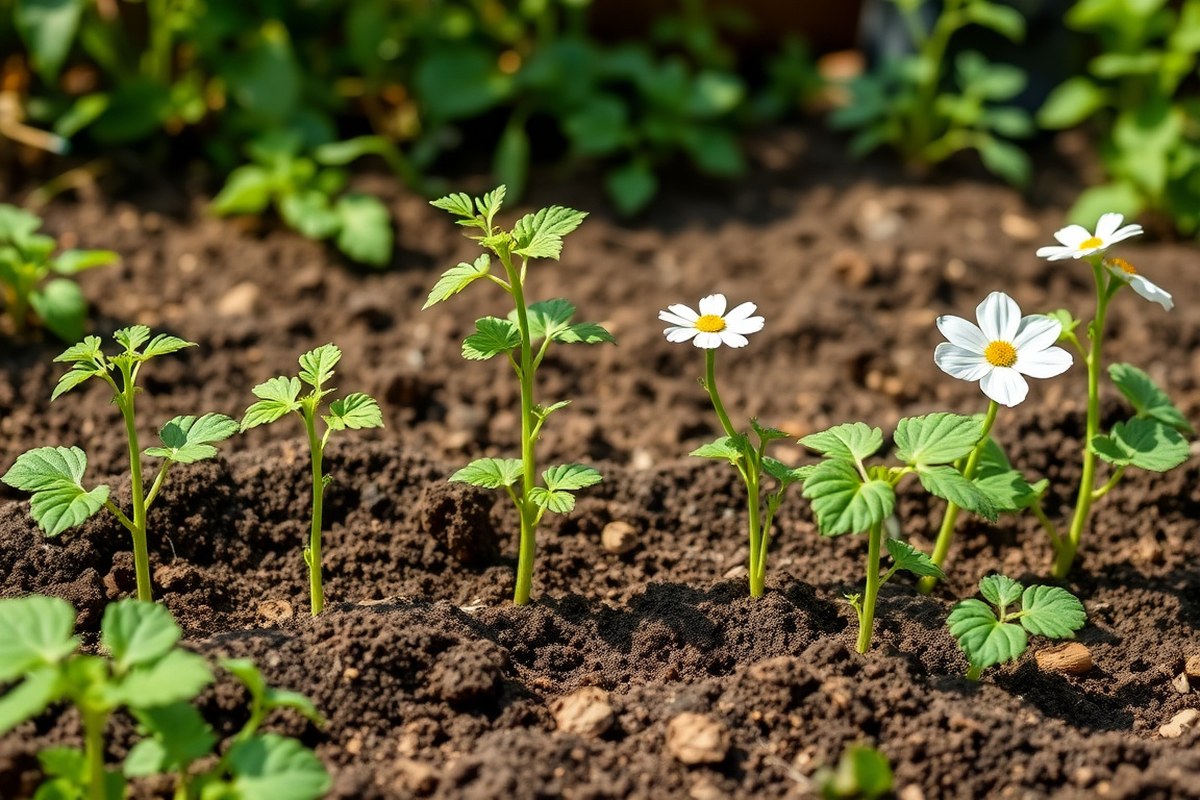
Potato plants go through clear visual changes as they grow. At first, they start with sprouting shoots a few inches tall, showing fresh green leaves.
By about 30 days, plants grow strong and reach about 12 inches tall. Their stems become bushy and full of leaves.
After roughly 8 to 9 weeks, the plant stops growing taller and starts flowering. The flowers appear in clusters and signal that tubers underground are forming and maturing.
Plants reach full size near 90 days, growing 18 to 36 inches tall. Their foliage thickens, making the plants look very bushy.
Flowering usually begins when the plant has nearly finished most of its leafy growth. The flowers vary in color, from white to purple.
But all potato flowers look star-shaped and similar in size. After flowering, the leaves stay lush before they start yellowing near harvest time.
Here’s how a potato plant typically develops throughout its life:
- Sprout shoots from planted seed potatoes or tubers within 1-2 weeks.
- Grow strong leafy stems up to about 12 inches tall by 30 days.
- Expand foliage upward and outward, reaching 18-36 inches by 60-70 days.
- Begin flowering around 8-9 weeks, showing star-shaped flower clusters.
- Develop underground tubers actively during and after flowering.
- Maintain bushy green leaves until nearing 90 days or more.
- Start leaf yellowing as an indicator that tubers are maturing and nearly ready for harvest.
Different varieties and conditions affect plant height and bushiness. Plants with 6 to 8 hours of sun grow taller and fuller. Short or sparse plants likely miss enough sun or nutrients.
Knowing when flowering starts helps you track the tuber development stage. Flowering always marks a mature plant focused more on producing potatoes underground. Watching the plants closely helps you pick the right harvest time and keep them healthy.
How to Identify Potato Plant Leaves, Stems, and Flowers
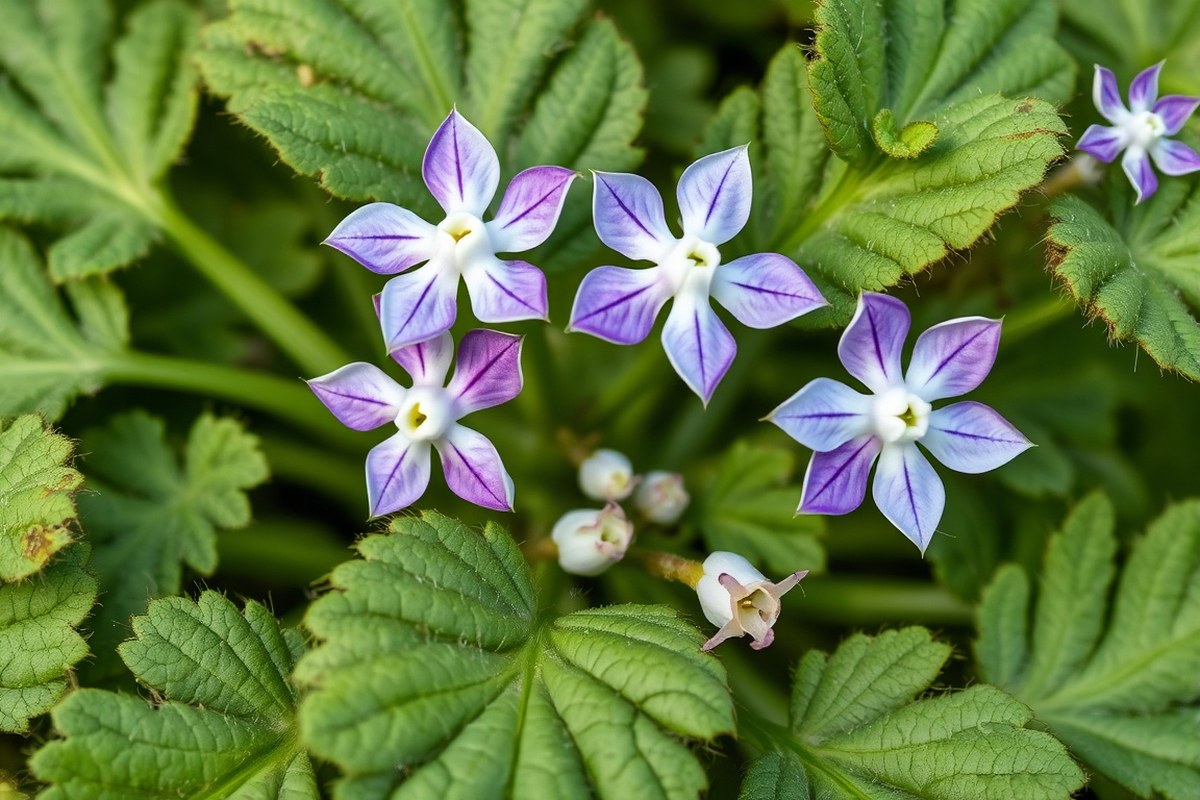
Potato plant leaves have a unique look that helps with identification. Each leaf contains 5 to 9 oval-shaped leaflets arranged in pairs along a central stem. A single terminal leaflet appears at the tip, giving the leaf a pinnate design.
The leaves attach alternately on the stem. Their small, oval shape contrasts with similar plants like tomatoes.
Sturdy stems support the leaves; they are slightly hairy and dark green. The potato stem usually grows up to about 2 feet tall.
Potato flowers appear roughly 60 to 70 days after planting. Flower colors vary by variety and include white, pink, purple, or blue. The flowers tend to be small and often hidden within the leaf clusters.
| Plant Part | Description |
|---|---|
| Leaves | 5-9 oval leaflets arranged pinnately with a terminal leaflet; alternately placed |
| Stems | Sturdy, bushy, dark green, slightly hairy; height up to 2 feet |
| Flowers | Small; colors vary – white, pink, purple, or blue, depending on variety |
Noticing these details helps you identify potato plants correctly and check their health. Leaf and stem condition shows growth stage and vibes your plant is sending.
Healthy leaves have no spots or yellowing, and stems stand firm. Flower variety hints at the potato type growing.
Never eat any leaves, stems, or flowers of the potato plant. They contain toxic compounds.
Understanding Underground Potato Tubers and Their Above-Ground Signs
Potato tubers start forming underground about 8 to 9 weeks after planting. This development usually begins when the plant flowers. As tubers grow, the potato plant shifts energy from leaves to the bulbs beneath the soil.
You see tubers forming when the potato plant’s leaves shrink. The leaves stop growing tall and look less full. This shows the plant is storing nutrients underground in the tubers.
At first, the potato plant grows tall and bushy, sometimes reaching 3 feet high and wide. During this early stage, the leaves are dark green and fully expanded.
Flowering starts and the leaves and stems get smaller. Tubers then grow bigger, about 2 to 4 inches across.
The plant stops growing up and focuses on tubers below ground. This change shows tubers are developing. Watch for this sign.
Healthy plants will show signs of flower bloom first, then gradual foliage wilting or shrinking. This signals potatoes are maturing beneath the surface.
Potato tuber growth happens along stolons, which are horizontal stems below the soil. The tubers form at stolon tips, enlarging over weeks.
Nutrients move to the tubers, which makes the top of the plant look smaller. The plant shares its food to grow tubers underground.
Leaves that stay green and full after 9 weeks might mean tubers aren’t forming yet. Not seeing flowers or size changes can signal a delay.
This could mean poor soil nutrients or pests affecting the plant. Watching these stages helps you time watering and fertilizing to support tuber growth.
Visual Differences Among Common Potato Varieties
Potato plants vary quite a bit depending on the variety. Differences show in leaf color, stem height, and flower color. Knowing these traits helps you spot varieties and track growth well.
Yukon Gold Plant Characteristics
The Yukon Gold plant tends to grow medium tall, reaching about 24 to 30 inches. Its stems are usually pale green to almost white, giving a clean look. Leaves are dark green with six to eight pairs of leaflets, which have jagged edges.
This variety often produces small clusters of light yellow flowers. The flowers have a star shape and appear about 7 to 9 weeks after planting. Yukon Gold plants mature around 70 to 90 days after planting.
Russet Potato Plant Features
Russet potatoes grow taller, often reaching up to 36 inches in height. Their stems are more woody and have a slightly brownish color compared to other types. Leaves tend to be a darker green and thicker with a somewhat uneven surface.
The Russet flower is usually white or pale lavender with a yellow center. They bloom a bit later, roughly 8 to 10 weeks after planting. This variety has a longer maturation time of about 90 to 120 days, depending on conditions.
Red Pontiac Growth and Appearance
Red Pontiac plants grow with a wide, spreading shape. They usually stay shorter. Their height ranges from 18 to 24 inches tall.
Their stems are often reddish or pink-tinged, which sets them apart visually. Leaves are dark green but sometimes have a slight purplish tint.
These plants produce distinctive purple flowers with yellow centers. Flowering happens 6 to 8 weeks after planting. Red Pontiac potatoes mature somewhat quickly at about 70 to 80 days after planting.
Here’s a comparison of popular potato varieties by plant traits:
| Variety | Plant Height (inches) | Stem Color | Leaf Color | Flower Color | Maturation Time (days) |
|---|---|---|---|---|---|
| Yukon Gold | 24-30 | Pale green to white | Dark green | Light yellow | 70-90 |
| Russet | 30-36 | Woody, brownish tinge | Dark green | White or pale lavender | 90-120 |
| Red Pontiac | 18-24 | Reddish or pink-tinged | Dark green, slight purple tint | Purple with yellow center | 70-80 |
Use this table to pick a potato variety. Look for how tall the plant gets. Also check when it will be ready to harvest.
Choose Red Pontiac for a quick harvest. This variety produces potatoes fast. Russets work for longer seasons and taller plants.
Watch the stem and flower colors to identify the variety in your garden. Also, note the timeframe: flowering usually tells you when to expect the harvest window. Keep track of these traits as your plants grow.
Signs of Healthy vs. Unhealthy Potato Plants to Watch For
Healthy potato plants have vibrant green leaves, from light to dark shades depending on the variety. Watch for yellowing, browning, spots, or holes, as these often mean trouble. Leaves, stems, and flowers give clues about nutrient levels, pests, and diseases.
Common Disease Symptoms on Leaf and Stem
Potato diseases show clear signs on leaves and stems, making early detection possible. Brown lesions or spots often signal infection.
Mold growth can appear white or fuzzy. Left untreated, diseases reduce your potato yield and quality.
Here’s a quick way to recognize common diseases by their symptoms on leaves and stems:
| Disease/Pest | Symptoms |
|---|---|
| Late Blight | Brown lesions on leaves and stems, white mold |
| Early Blight | Dark brown spots with concentric rings on leaves |
Check leaves regularly, especially during wet weather, which helps late blight spread. Diseased leaves quickly lose their green color and may wilt. Removing affected parts and maintaining plant spacing helps control spread.
Pest Damage Visual Indicators
You can spot pest damage by holes in leaves or misshapen foliage. The Colorado potato beetle leaves obvious round holes and has a striped yellow and black body. Aphids cause leaves to curl or turn yellow and leave sticky honeydew behind.
Here is a table of common pests and their signs. It helps you spot problems quickly. Use it to diagnose issues fast.
| Disease/Pest | Symptoms |
|---|---|
| Colorado Potato Beetle | Chewed holes in leaves, yellow and black striped beetles |
| Aphids | Deformed or yellowing leaves, sticky honeydew |
Be sure to spot and remove beetles early; they can eat all leaves quickly.
Look closely around leaf undersides for aphids, which hide out of sight. Heavy pest damage stops photosynthesis, leaving plants weak and affecting tuber growth.
Nutrient Deficiency Leaf Signs
Yellow or brown edges on leaves often mean your potato plants need more nutrients. Nitrogen deficiency usually causes older leaves to turn pale green or yellow. Brown spots can also point to a lack of potassium or other nutrients.
Check leaves for uneven coloring or curling. Correct nutrient levels help leaves stay healthy, which supports big, healthy tubers underground.
Adjust soil nutrition based on what you find. Testing soil every few years can help you prevent these problems before they start. Healthy, green leaves mean your potato is getting what it needs.
How Growing Conditions Affect Potato Plant Size and Appearance
Potato plants need 6 to 8 hours of full sun daily to grow well. Without enough sunlight, plants look pale and stay short. Leaves become smaller, and flowers may not bloom as much.
Good soil boosts healthy leaves and strong stems. Potatoes like well-drained soil with a pH from 5.0 to 6.0.
Heavy or waterlogged soil makes plants weak and discolored. Adding compost helps keep soil loose and full of nutrients.
Temperature affects potato plant size and leaf color a lot. They grow best with daytime temps of 65°F to 80°F and nighttime temps of 55°F to 65°F. Too much heat causes yellow or curled leaves. Cold stunts growth or stops plants.
Water affects leaf size and plant height a lot. Potato plants want steady moisture but not soggy roots.
Water deeply once or twice a week during dry spells. Overwatering causes droopy, yellow leaves and can lead to rot.
For sunnier spots, plants grow bushy with big, dark green leaves and more flowers. Shady garden corners can cause leggy plants with fewer, pale leaves. Soil rich in organic matter helps keep leaves lush even in less ideal spots.
Keep soil evenly moist by checking it regularly with your finger. Water when the top inch feels dry. You can mulch around plants to save moisture and slow weeds, which compete for nutrients.
Bright sun, good soil, and proper watering help plants grow tall. Cool temperatures also support healthy growth. Space plants about 18 to 36 inches apart for best results.
Leaf color will be deep green and flowers appear in small, star-like clusters. This healthy look means strong tubers grow underground beneath the mounds of soil.
How to Tell When Potato Plants Are Ready for Harvest by Appearance
Potato plants are ready to dig when leaves start yellowing. The stems begin to die back. This shows the potatoes are mature enough.
This usually happens around 90 to 100 days after planting. You can check for firm tubers by gently feeling under the soil near the plant’s base.
Flowering is one sign but does not always mean the potatoes are ready. Tubers keep growing after flowers fade.
The best sign is when most foliage turns yellow. Leaves dry out, showing the potatoes are full sized.
Digging too early risks small tubers that don’t store well. Waiting too long can cause the skin to crack or rot. Here is a checklist to decide when to harvest:
- Leaves turn yellow and begin to wilt
- Stems look dry and brittle, not green
- Soil feels firm bumps of mature tubers beneath
- Flowering has ended or faded completely
- You’ve waited at least 85 to 90 days since planting
Start checking your plants about 10 weeks after planting by gently digging near the edges. You can harvest small new potatoes early, then leave the rest to mature. Full-size potatoes need vines to die back fully for best storage and flavor.
Different varieties mature at different times. Watch for yellowing leaves and dying stems. Adjust your timing by one or two weeks.
Cooler weather may slow growth, so patience helps. Use a garden journal to track when leaves yellow and stems die back every season.
How to Differentiate Potato Plants from Similar Plants Like Tomatoes
Potato plants look similar to tomato plants since both belong to the nightshade family. You can tell them apart by their leaf edges and textures. Also check the stem growth.
Look at the fruit appearance for more clues. Potato plants don’t climb like tomato vines, which helps avoid confusion during early growth.
Leaf Arrangement and Texture Differences
Potato leaves grow in a straight, alternating pattern along the stem. They have smooth edges without sharp cuts or toothed margins. Tiny hairs cover the leaf surface.
They make the leaves feel fuzzy. You can easily notice this soft texture.
Tomato leaves, on the other hand, grow in a more complex, irregular pattern. Their leaf edges are serrated with deep teeth or jagged cuts. Tomato leaves feel smooth and glossy.
They don’t have fuzzy texture like potato leaves. This helps gardeners tell them apart.
Stem and Growth Habit Comparison
Potato plant stems stand upright and are thicker and sturdier than tomato stems. Unlike tomatoes, potato plants do not climb, curl, or use tendrils to attach to supports. This upright, bush-like structure makes potatoes easier to manage without needing cages or stakes.
Tomato plants usually grow as vines and need support to stay off the ground. Their stems are more flexible and thinner, enabling them to spiral around trellises or cages. Early in growth, spotting climbing habits helps you identify tomatoes and avoid confusing them with potatoes.
Flower and Fruit Variations
Potato plants produce small, often white or purple star-shaped flowers. When pollinated, these plants can grow green, round fruits called potato berries. These fruits look like small oblong cherry tomatoes.
They are about half an inch wide. They are not safe to eat.
Tomato plants flower too. But their fruits ripen into the familiar red or yellow tomatoes you eat. Tomato plants have climbing vines and serrated leaves.
Their fruits are edible. These features help you separate them from potato plants.
Use the table below for a clear side-by-side view of differences between potato and tomato plants. This will help you quickly tell them apart in the garden.
| Trait | Potato Plant | Tomato Plant |
|---|---|---|
| Leaf Edges | Smooth edges | Serrated (toothed) edges |
| Leaf Texture | Fuzzy with small hairs | Glossy and smooth |
| Stem Type | Thick, upright, sturdy | Thin, flexible, vine-like |
| Growth Habit | Bushy, does not climb | Vining, climbs supports |
| Fruit Appearance | Small green berries, about 0.5 in. | Colorful edible tomatoes |
Knowing these differences helps you avoid confusing potato plants with tomatoes, especially when they are young. Keeping an eye on leaf texture and stem growth early saves time and trouble later.
Check leaves carefully before staking, mistaking potato plants for tomatoes can stunt potato growth.
Step-by-Step Action Plan to Spot and Grow Healthy Potato Plants
Follow these simple steps to identify your potato plants and keep them healthy. Each step shows you what to look for and how to check your progress.
- Before planting: Choose seed potatoes of a known variety. Healthy eyes and firm skin mean good sprouts later.
- Week 1: Plant seed potatoes in loose soil and watch for green shoots. Shoots signal sprouting is working.
- Weeks 3 to 4: Check leaves and stems for a deep green color and upright growth. This shows strong, healthy development.
- Week 6: Look for flowering. Colorful flowers on your plant show tubers are forming underground.
- Weeks 8 to 10: Hill soil around stems to cover tubers. Firm, mounded soil protects potatoes from sunlight and rot.
- Week 12 and beyond: Monitor leaves for yellowing or wilting. Losing leaves means potatoes are ready or plants are stressed.
- At harvest: Check plant tops for full dieback. When plants die back completely, your potatoes are mature and ready.
Frequently Asked Questions
What Color Are Potato Plant Stems and How Thick Do They Grow?
Potato plant stems are usually greenish or reddish and about as thick as a pencil. They grow upright and support the leaves and flowers during the growing season.
Do Potato Plants Have Any Scent or Smell When Touched?
Fresh potato plants have a mild, earthy scent but no strong smell. The scent is softer compared to the distinct smell of tomato plants, a close relative.
How Tall Can Potato Plants Grow in Ideal Conditions?
Potato plants can grow up to 2 to 3 feet tall under good conditions. They grow taller with enough sunlight, water, and nutrient-rich soil.
Are Potato Plant Flowers Edible or Do They Affect the Tubers?
Potato plant flowers are not edible and don’t affect the tubers. They usually bloom mid-season and are more for pollinators than for human use.
What Kind of Root Structure Do Potato Plants Have Underground?
Potato plants send down taproots that grow as deep as 10 feet. These roots soak up water and nutrients found deep inside the soil.
Why Do Some Potato Leaves Look Hairy While Others Are Smooth?
Leaf hairiness depends on the potato variety and environmental factors. Hairy leaves can help reduce water loss and protect from pests.
Key Points to Remember
Knowing what potato plants look like helps you grow and harvest well. Watch your plants closely from sprout to dieback. Dig up some potatoes carefully as your next step to enjoy the fruits of your work.