When to Plant Sweet Peas: A Complete Guide for Best Results
Plant sweet peas outdoors 4 to 6 weeks before your last spring frost. This timing gives them strong roots and helps them handle light frost. Starting early lets your plants bloom longer in cool weather.
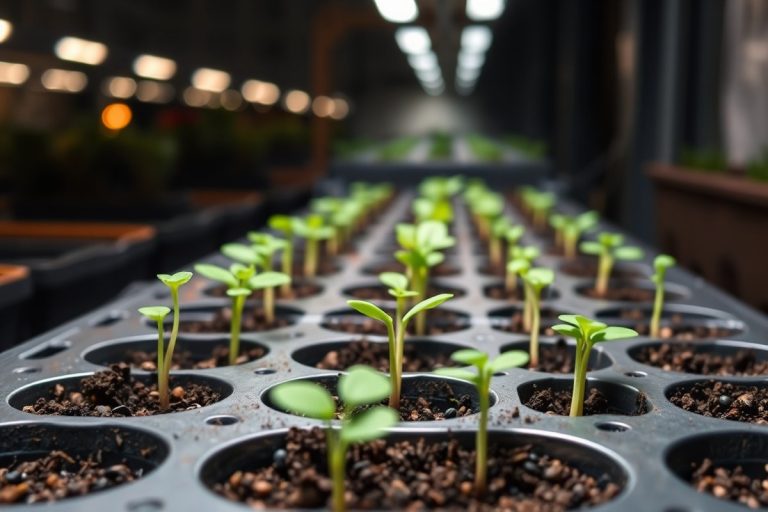
In colder zones, start seeds indoors 6 to 7 weeks before frost. Use seed trays and keep them in a bright, cool spot. Move seedlings outside once the soil thaws to protect them from cold.
Direct sow seeds about 6 weeks before the last frost date, when the soil is workable. Sweet peas grow best in cool weather.
So avoid planting too late to prevent stunted growth. Ensure the soil stays moist but not waterlogged.
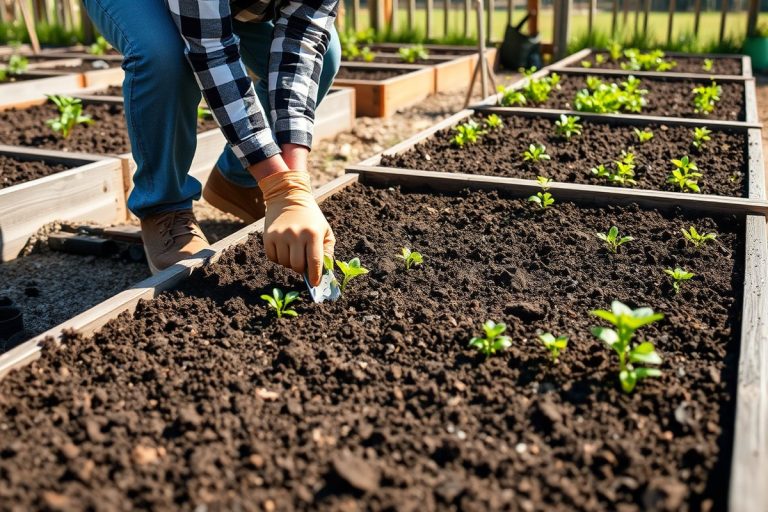
Plant seeds 1 to 2 inches deep and space them 6 to 8 inches apart. Use rich, well-drained soil and provide at least 6 hours of sun daily. Adding compost or organic matter improves soil fertility and helps retain moisture.
Key Takeaways
- Plant sweet peas 4 to 6 weeks before your last spring frost outdoors.
- Start seeds indoors 6 to 7 weeks before last frost in cold climates.
- Direct sow sweet peas about 6 weeks before the last frost date.
- Space plants 6 to 8 inches apart with 1 to 2 inch seed depth.
- Use loamy, well-drained soil with plenty of sun and added compost.
- Cool weather favors sweet pea growth, so avoid late planting.
Best Time to Plant Sweet Peas Outdoors
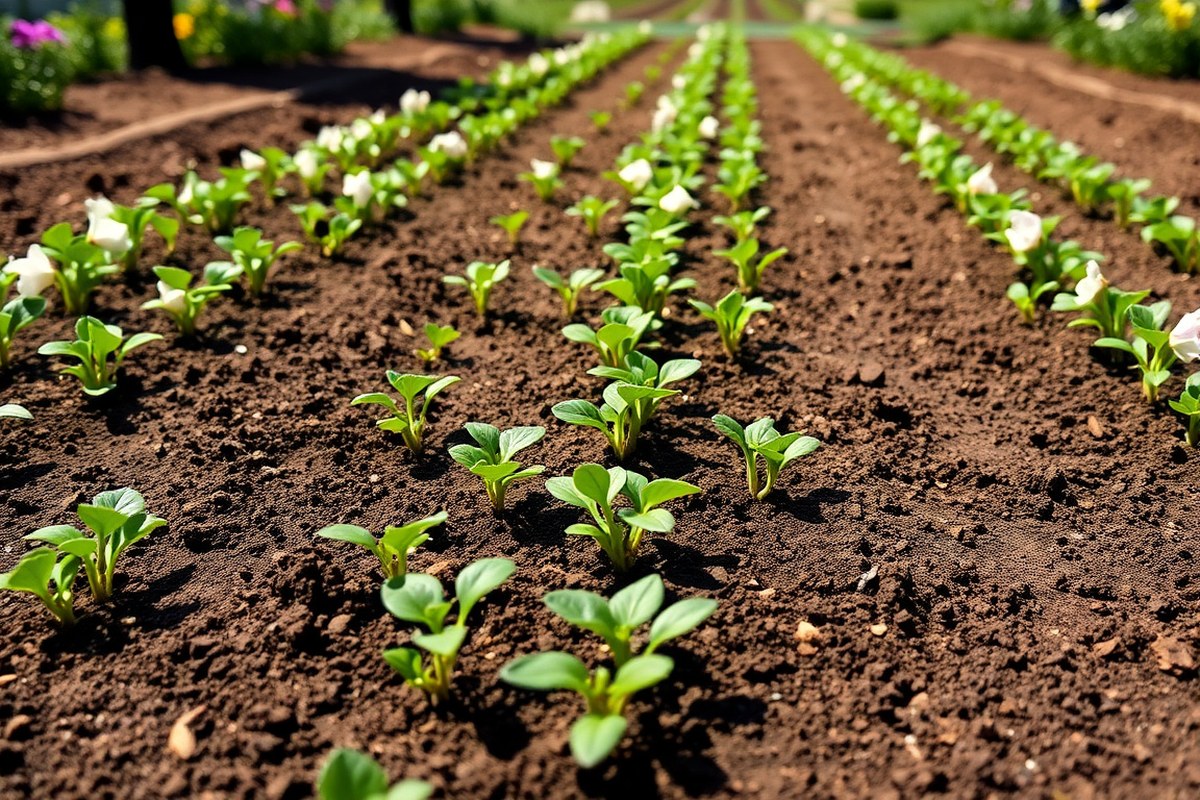
Sweet peas do best outdoors after the last hard frost has passed. Plant them about one to two inches deep once soil temperature reaches 45°F (7°C) or warmer.
The soil should be workable and not soggy. So wait until it feels dry and crumbly to the touch before sowing your seeds.
Finding your local last frost date is essential. You can check the date by calling your local extension office. Some websites have frost date calculators based on zip codes.
Both ways help you find the right planting time. Find your average last frost date first.
Then count back six weeks before that date to sow sweet peas outside. This timeline gives the seeds time to sprout before warmer weather arrives.
To check soil temperature at home, use a soil thermometer inserted about two inches deep. Take readings in the morning for the most accurate result. Avoid planting when soil temperature is below 45°F. Wait for it to warm up more.
Cold soil slows germination and can cause seeds to rot. Waiting ensures stronger, healthier seedlings.
Starting Sweet Peas Indoors: Timing and Techniques
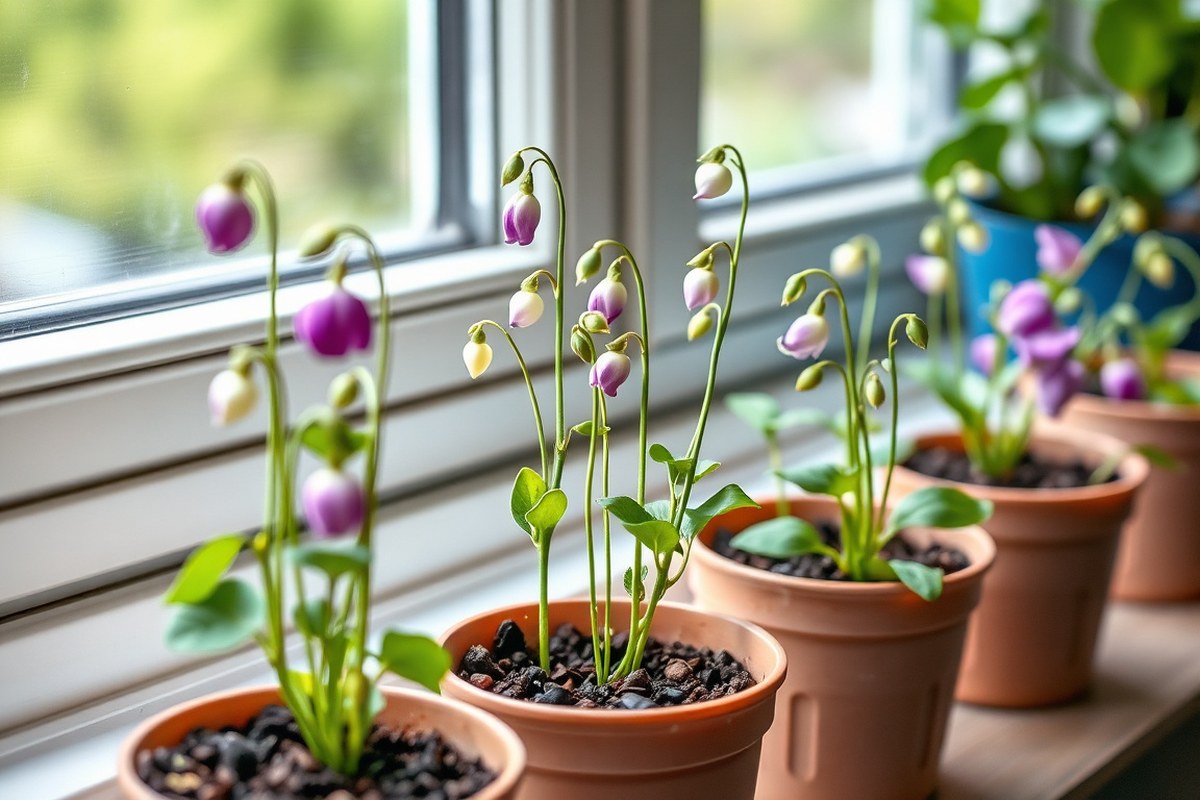
Start sweet pea seeds indoors about 4 to 6 weeks before your last frost date. This gives you earlier blooms and a head start on the growing season. Transplant when seedlings reach 4 to 6 inches tall and soil temperatures hit 40°F.
When to Sow Indoors Based on Zone
Your climate zone affects when to start sweet pea seeds indoors for the best results. Colder zones start later, while warmer zones can begin planting much earlier.
For example, in Zones 3-4, start seeds indoors around early March and transplant in late April. Zones 7-8 need an earlier start.
Sow seeds about 8 to 10 weeks before frost. That means late January sowing works well.
Follow these steps to time indoor sowing perfectly:
- Check your local last frost date using a gardening calendar or extension service.
- Count back 4 to 6 weeks from that date for spring sowing indoors.
- For warmer zones 9-10, begin as early as December or January.
- Use deep pots or root trainers to accommodate long roots.
- Sow seeds 1 inch deep and water gently to settle the soil.
- Keep pots in a cool, bright spot to encourage slow, strong growth.
- Label pots with sowing date and seed variety for tracking.
Starting seeds indoors more than 6 weeks before frost can cause problems. Seedlings may become leggy. That makes transplanting harder.
Ideal Seedling Care Temperatures and Light
Sweet pea seedlings need cool temperatures and plenty of light indoors. Aim for 55°F to 65°F to avoid spindly growth.
Put seedlings near a sunny window. Use fluorescent grow lights if needed.
Keep lights on 12 to 14 hours daily. Bright, indirect light keeps leaves healthy and strong.
Water seedlings when the top inch of soil dries out. Avoid overwatering, which can cause root rot.
Hardening Off Seedlings Before Planting Out
Hardening off prepares seedlings for outdoor conditions by gradually exposing them to the outdoor environment. Start this process about two weeks before transplanting.
Begin by placing seedlings outside in a sheltered spot for a few hours each day. Gradually increase their outdoor time and sun exposure over 7 to 14 days.
Transplant sweet peas when seedlings are 4 to 6 inches tall. Wait for soil temperatures to reach at least 40°F. Follow this checklist to harden off your sweet peas successfully:
- Move seedlings outdoors in the morning for 2 to 3 hours in a shaded area.
- Increase their outdoor time by 1 to 2 hours daily.
- Expose seedlings to more sunlight gradually, avoiding harsh midday sun at first.
- Bring seedlings indoors at night until fully hardened off.
- Check soil moisture daily; water seedlings as needed during outdoor exposure.
- Transplant once seedlings handle full sun and outdoor temperatures stay above 40°F.
Skipping hardening off can shock your sweet peas, causing slow growth or death after planting.
Direct Sowing Sweet Peas: Principles and Best Practices
You can direct sow sweet pea seeds outdoors once the soil temperature reaches about 50°F (10°C). Plant seeds 1 inch deep and space them 6 inches apart. Preparing the soil well and managing moisture helps your seeds sprout strong and healthy.
Preparing Soil for Direct Sowing
Start by loosening the soil where you want to plant. Sweet peas grow best in deep, well-drained soil that is rich in nutrients. Adding compost or well-rotted manure improves the soil’s fertility and structure.
Dig a trench about 12 inches (30 cm) deep and wide. This gives the roots plenty of room to grow and makes watering easier. Break up any clumps and remove stones or debris from the soil.
Using a rake, level the soil surface before planting. This helps seeds sit evenly and prevents water from pooling.
Correct Seed Depth and Spacing
Plant sweet pea seeds about 1 inch deep in the soil. This depth protects seeds from drying out while still allowing them to sprout easily.
Seeds planted too shallow may dry. Those planted too deep might struggle to reach the surface.
Space seeds 6 inches apart to give each plant enough room to climb and spread. Crowded plants compete for nutrients and light, causing weaker growth. For rows, maintain 12 to 18 inches between rows.
Moisture and Temperature Tips for Germination
Keep the soil consistently moist but not soggy after planting. Use a gentle spray or light watering to avoid washing away seeds. Dry soil prevents seed sprouting, while too much water causes rot.
Sweet peas sprout best in soil temperatures around 50°F (10°C). Sow seeds outdoors once the temperature stays steady near this mark. In mild winter areas, fall sowing between September and November works well.
Pre-soaking seeds for about 12 hours in room-temperature water softens their hard coats. This step helps improve germination when direct sowing.
- Soak sweet pea seeds for 12 hours to soften their hard coats.
- Dig a trench 12 inches deep and wide to loosen the soil.
- Add compost or well-rotted manure to enrich the soil.
- Remove stones and debris for a smooth planting bed.
- Make holes 1 inch deep spaced 6 inches apart within the trench.
- Place one seed in each hole, then cover with soil.
- Water gently to keep soil moist but not waterlogged.
- Wait for soil temperatures near 50°F before sowing outdoors.
How Climate Zones Affect Sweet Pea Planting Dates
Planting sweet peas depends a lot on your climate zone. In colder zones, you plant later to avoid frost. In warmer zones, you can plant earlier, often in late autumn or winter.
The table below shows recommended planting times by zone and climate type. It helps you pick the best window to sow your sweet peas outside.
You want to avoid heat since sweet peas dislike warm weather. Plant early enough for good root growth before flowering.
| Sowing Time | Best For | Recommended Regions |
|---|---|---|
| Autumn (Sept, Nov) | Stronger plants, early blooms | Mild winter climates like Zones 7 to 10, the UK, Australia, and coastal US allow easier planting of sweet peas. These areas rarely see harsh frost during winter. You can sow sweet peas earlier in these zones. |
| Late Winter (Jan, Feb) | Early start for spring blooms | Cooler climates (Zones 5, 7, Northern Europe, Canada, Northern US) |
| Spring (March, April) | Quick growth, later flowering | Colder climates (Zones 3, 6, late frost regions) |
For zones 9 and 10, start sweet peas from late autumn to mid-winter. They grow best when the weather is cool. In zones 5 to 7, late winter planting helps seedlings get going before spring warmth.
Zones 3 to 6 have colder winters. You should plant sweet peas only in March or April. By then, the frost danger usually passes.
Some areas have exceptions. Very cold winters need extra care for autumn-sown seeds. Use a cold frame to protect them.
This shield helps keep seeds safe from freezing. For mild winter spots, you can sow earlier but watch temperatures. Sweet peas need cool soil to start but no hard freeze.
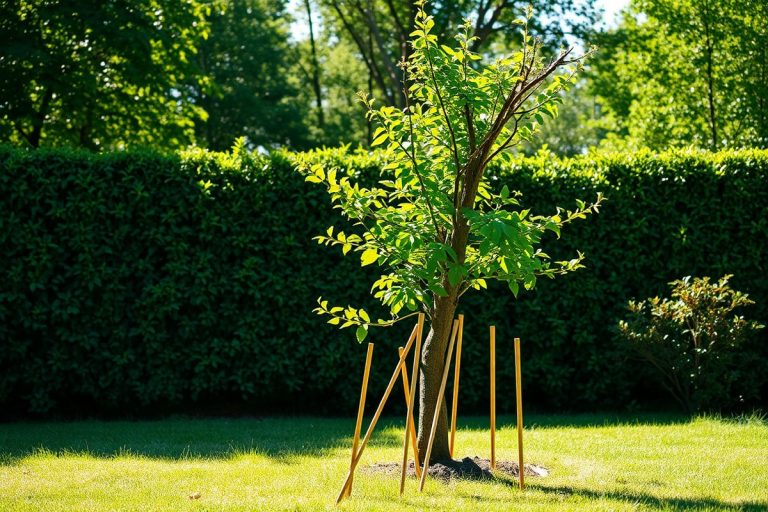
Also, set up supports before planting; their tendrils only grip thin structures. This helps them climb and makes flowering easier to enjoy.
Seed Preparation: Soaking and Treating Sweet Pea Seeds
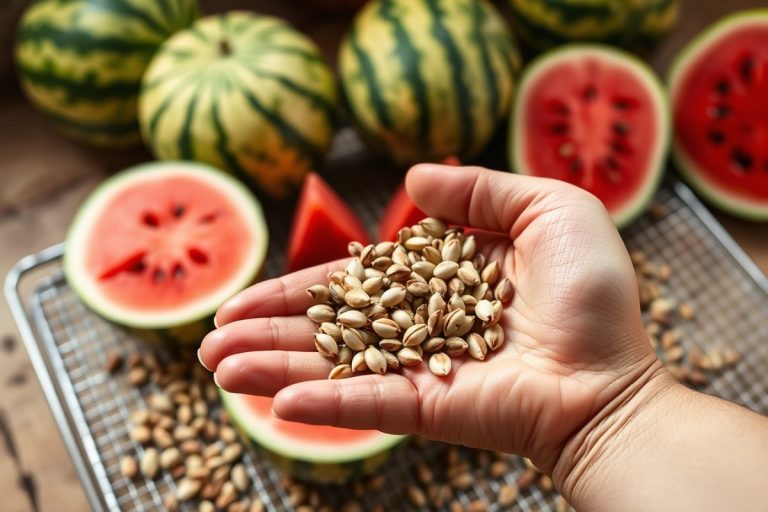
Soaking or nicking sweet pea seeds can speed up germination and improve success. Seeds have a hard coat that slows water uptake. Preparing seeds helps them sprout faster and more evenly.
Soaking Sweet Pea Seeds: Duration and Method
Soaking sweet pea seeds softens their tough outer coat. This helps water reach the embryo inside and jumpstarts germination. Soak seeds in warm water, around 70°F to 80°F, to avoid shocking them.
Overnight soaking (8 to 12 hours) is common. But 4 to 6 hours is enough to see results.
Do not soak longer than 12 hours; seeds can rot or lose vigor. After soaking, plant seeds immediately for best growth.
Follow these steps to soak your seeds properly before planting:
- Fill a clean container with warm water at 70°F to 80°F.
- Put the sweet pea seeds in the water fully submerged.
- Leave the seeds to soak for 4 to 6 hours or up to 12 hours maximum.
- Drain the water and gently pat seeds dry with a paper towel.
- Plant the seeds right after soaking in prepared soil or pots.
Don’t soak seeds longer than 12 hours; over-soaking can cause seed rot.
Nicking the Seed Coat for Faster Germination
Nicking means scratching the hard seed coat to help water enter quicker. This speeds up germination by making the seed coat less of a barrier. Use a nail file or a sharp knife carefully to nick the seed.
Target the thicker part of the seed, avoiding the eye or growth point. A small scratch is enough; do not cut too deep. Nicking can reduce germination time from 2-3 weeks to about 10 days.
Here is how to nick seeds safely before planting:
- Hold a seed firmly between fingers on a stable surface.
- Use a nail file or small knife to gently scratch the seed coat.
- Focus on one small area, avoiding the round eye part of the seed.
- Check that the scratch is just through the outer coat, not too deep.
- Plant the nicked seed immediately or soak briefly before planting.
A deep cut damages the seed; aim for a light scratch only.
Impacts of Seed Prep on Planting Schedule
Preparing seeds by soaking or nicking shortens the germination period. Without treatment, sweet peas can take 2 to 3 weeks to sprout. Prepared seeds often emerge in 7 to 10 days, letting you plan planting earlier.
You can start seeds in pots or direct sow them outdoors sooner after prep. Soaking or nicking seeds means you don’t need to wait extra weeks for emergence. This is especially helpful if you plant in cool spring soil where growth is slower.
For the best timing:
- Prepare seeds just before planting; do not soak or nick too early.
- Expect faster sprouting within 7 to 10 days after seed preparation.
- Adjust your planting date to an earlier spring time if you use this method.
Don’t prepare seeds too far ahead; they lose vigor if left waiting.
Common Planting Mistakes and How to Avoid Them
Common Planting Mistakes and How to Avoid Them
Planting sweet peas too early is a frequent mistake. Seeds sown before the soil cools often rot or grow weak. Wait until soil temperatures drop to about 50°F for better germination and strong seedlings.
Another common error is planting too late, especially in May or after. Late sowing can delay flowering into late summer when blooms may be fewer. To recover, plant in a sheltered spot with fertile soil and water well.
You can expect flowers about 8 to 10 weeks from sowing. So start as soon as possible.
Signs of mistimed planting include slow germination, spindly plants, or very late blooming. If you spot these, try hardening off young plants indoors or starting fresh seeds now. Moving pots to cooler, brighter places can also help grow sturdier seedlings.
Here’s a list of mistakes paired with quick fixes to help your sweet peas thrive:
- Sowing seeds too early, wait for cooler soil near 50°F
- Planting too deep, place seeds about 1 inch deep for best growth
- Late planting in warm soil, use shaded area and extra watering
- Not providing support early, set up trellises before planting out
- Ignoring seed treatment, soak seeds 12-24 hours before sowing
When planting late, act quickly. Sow seeds indoors or in cold frames by early May to boost growth time.
Use a nutrient-rich mix and keep soil moist but not soggy. Expect blooms about 2 months after planting if conditions improve.
Watching your plants carefully helps fix timing mistakes early. Look for healthy dark green leaves and strong stems by four weeks.
Pale leaves or thin stems usually mean the plant started too late or suffered heat stress. Adjust your care to give them a leg up in cooler spots or with gentle watering.
Choosing Between Autumn and Spring Sowing: Timing Differences
Sowing sweet peas in autumn lets seedlings overwinter outside. This makes them hardier and often leads to earlier flowers in spring. Spring sowing starts growth quickly but leads to later blooming in summer.
Autumn sowing is best in mild climates where ground won’t freeze hard. Plant seeds in September or October. They sprout before winter and toughen up through cold months.
Spring sowing works well in cold or unpredictable areas. These places risk seed rot in wet fall soil. Planting in spring helps avoid this problem.
| Feature | Autumn Sowing | Spring Sowing |
|---|---|---|
| Planting Time | September to October | February to April |
| Seedling Development | Starts before winter, slow growth in cold | Starts after last frost, grow quickly |
| Flowering Time | About 1 month earlier (May) | From June through summer |
| Hardiness | Stronger seedlings, survive cold better | Less hardy, more sensitive to cold |
| Planting Site | Well-drained soil, sheltered spot | Prepared garden bed, any sunny spot |
For autumn sowing, soak seeds overnight before planting. Place them 1 inch deep in well-drained soil.
Mulch lightly to protect from frost but keep moisture steady. In spring, sow directly once soil warms to about 50°F. Plant seeds 1 inch deep with space between rows for air circulation.
Autumn-sown plants may need less watering in early spring as they use stored moisture. Spring sowing calls for consistent watering as seedlings establish. Neither method takes extra cost besides seed packets and usual soil prep supplies.
Try sowing some sweet peas in autumn and some in spring. This gives a longer flower display lasting from May to August.
Watch soil and weather closely to pick the best time for your area. Protect young autumn seedlings from severe frost using garden fleece if needed.
Late-Season Planting: Can You Still Plant Sweet Peas?
Planting sweet peas in April or May can still work but carries risks. The main challenge is the shorter growing season before hot weather or frost hits. You’ll want fast germination and quick growth for good blooms.
Starting seeds indoors or in containers often gives better success for late planting. It helps you control soil temperature and moisture, speeding up sprouting. Outdoor late sowing can work but often needs more attention to watering and soil warmth.
Prepare the planting spot or container soil well. It should be fertile, well-draining, and rich in organic matter. Soil temperature ideally sits above 50°F (10°C) for seeds to sprout well.
- Soak seeds overnight to help fast germination
- Use a seed starting mix or loose garden soil for containers
- Keep soil moist but not soggy during germination
- Place containers in a warm, bright location (above 60°F if indoors)
- Plant seeds 1 to 2 inches deep, spaced 4 to 6 inches apart
- Feed young plants with a balanced liquid fertilizer every 2 weeks
- Provide support early, like trellises or bamboo stakes
Growing sweet peas in containers gives you more control over heat. You can move pots to cooler spots outside. If the weather gets too hot, bring the plants indoors.
Containers also drain well, preventing root rot during unpredictable spring rains. However, containers may need more frequent watering and feeding.
Late planting means you must watch soil moisture closely to avoid drying out or rotting.
Fast growth matters for late plantings because sweet peas bloom about 60 days after sprouting. Expect fewer flowers than an earlier start.
But good care can still reward you with sweet-smelling blooms. Keep plants cool and well-watered to extend the flowering period in warmer months.
Step-by-Step Action Plan for Planting Sweet Peas
Follow these clear steps to plant sweet peas at the right time. This plan helps you get strong plants and lots of blooms.
- Two weeks before planting: Soak your seeds in warm water for 12 to 24 hours. Seeds should swell, which means they are ready for sowing.
- One week before planting: Prepare your soil by loosening it and mixing in compost. The soil should drain well and feel crumbly.
- On planting day: Plant seeds 1 inch deep, 2 inches apart in rows. Cover with a thin layer of soil and water gently. Keep the soil moist but avoid soaking it.
- After sowing: Place a support like a trellis if planting outdoors. Sweet peas need something to climb on as they grow.
- Two weeks after planting: Check for seedling emergence. When sprouts appear, water regularly to keep soil moist.
- Three to four weeks after planting: Thin seedlings to leave 4 to 6 inches space between plants. Remove extra seedlings carefully to avoid damaging the remaining ones. This gives each plant room to grow well. This helps air flow and bigger blooms.
- Throughout growth: Water in the morning and watch for pests. Healthy leaves and flowers show your sweet peas are thriving.
Frequently Asked Questions
What Not to Plant Near Sweet Peas?
Avoid planting heavy feeders like tomatoes or peppers near sweet peas. These plants compete for nutrients and water. Keep sweet peas in well-drained soil with lighter feeders nearby for best growth.
Can You Eat Sweet Pea Pods?
No, sweet pea pods are not edible. They can be bitter and toxic if eaten. Choose edible pea varieties if you want to grow peas for eating pods.
Do Sweet Peas Like Full Sun or Shade?
Sweet peas prefer full sun with at least six hours daily. This helps produce more blooms and reduces fungal issues. Choose a spot with good airflow and sunlight.
Can I Plant Out Sweet Peas Now?
You can plant sweet peas outdoors if the soil is workable and temperatures are cool. Plant 4 to 6 weeks before the last frost date for best results. Harden off indoor seedlings first if needed.
How Deep Should Sweet Pea Seeds Be Planted?
Plant sweet pea seeds 1 to 2 inches deep in loose soil. This depth helps protect seeds from birds and ensures proper root growth. Cover lightly and water gently after planting.
When Can Sweet Peas Be Planted Indoors for Transplanting?
Start sweet peas indoors about 6 to 7 weeks before the last frost date. This gives seedlings a head start and improves early bloom chances. Move them outside after hardening off.
Key Points to Remember
Sweet peas do best when planted at the right time and cared for well. Your next step is to pick planting dates that fit your local climate. Start soaking seeds today to get ready for planting.