Can You Eat Holly Berries? Complete Safety Guide and Toxicity Facts
Can you eat holly berries? The simple answer is no.
Holly berries are toxic for people, especially children. Eating them can cause stomach pain, nausea, and more serious symptoms in small amounts.
Holly berries contain compounds that irritate the digestive system. Even swallowing a few can lead to vomiting and diarrhea. These reactions make it clear you should avoid tasting or eating them.
If you suspect someone ate holly berries, call 911 immediately. Poison control experts can give you clear advice. Keep a close eye on the person and get medical help fast.
Adults usually need to eat many berries to feel sick. But young kids can show symptoms after just two berries. The bright red berries look tempting but stay safe and avoid eating them.
Key Takeaways
- Call 911 immediately if a child eats holly berries.
- Children can get sick from eating as few as two berries.
- Adults usually need 20 to 30 berries to show symptoms.
- Always watch for symptoms even if you’re unsure if berries were eaten.
- Holly berries are most toxic when immature and less in winter.
- Contact a Poison Control Center at 1-800-222-1222 for expert help.
Are Holly Berries Safe to Eat for Humans?
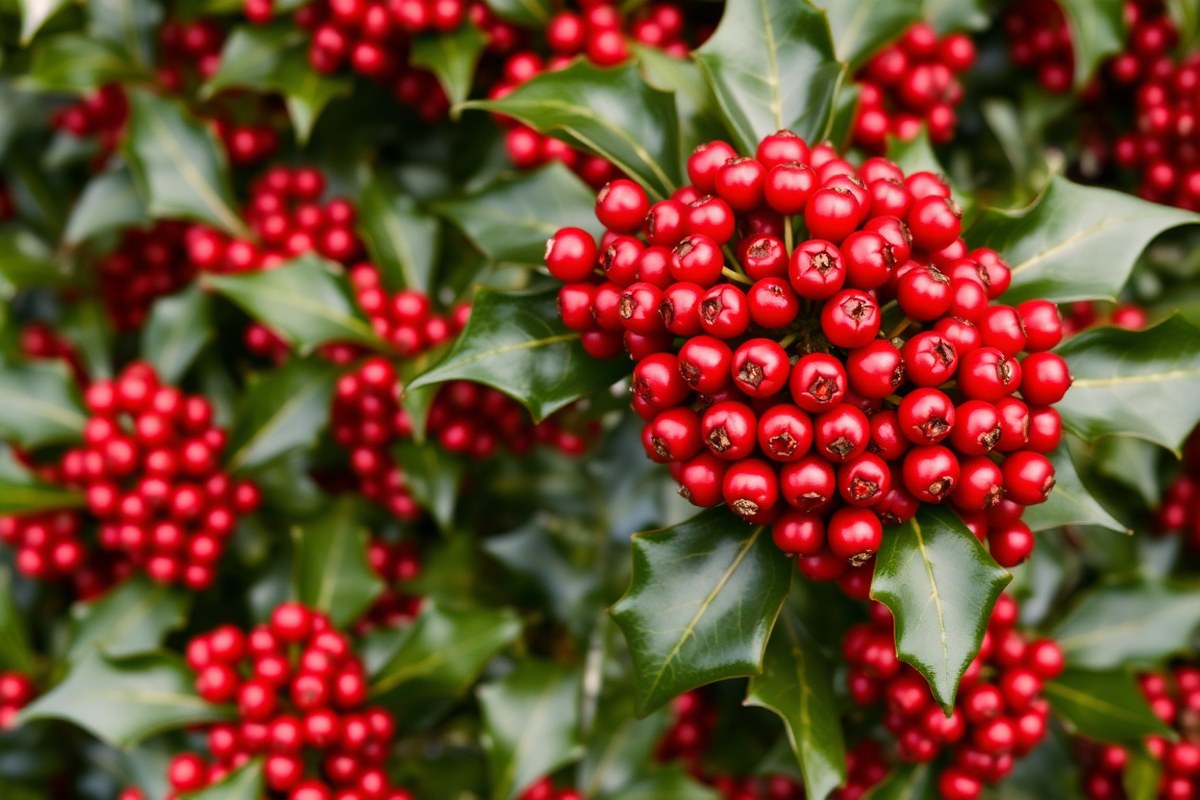
Holly berries are not safe to eat for humans. Holly berries contain irritants called saponins. They also have small amounts of cyanide and amygdalin.
These can cause stomach pain, nausea, and vomiting. Even small amounts may upset sensitive people, such as children or those with weak immune systems.
Adults might not get very sick from a few berries. Still, it’s best not to try them at all. Avoid eating any holly berries to be safe.
The berries taste bitter and unpleasant, so most people won’t eat much anyway. Still, no clear cases of death from holly berry poisoning have been reported.
All holly berries are toxic, regardless of their color or plant species. Red, yellow, and orange berries all contain these harmful substances. Never assume wild holly berries are safe to eat.
Some types have berries that look edible but aren’t. It’s better to stay away from all wild holly berries.
Holly berries are mainly food for some wildlife. Birds that stay through winter can eat them safely. Their bodies handle the compounds that bother people.
Humans and pets don’t have the same tolerance and can get sick if they swallow berries. Keep holly berries out of children’s reach.
Teach kids not to eat unknown plants. This helps prevent accidental poisoning.
What Toxic Compounds Make Holly Berries Harmful?
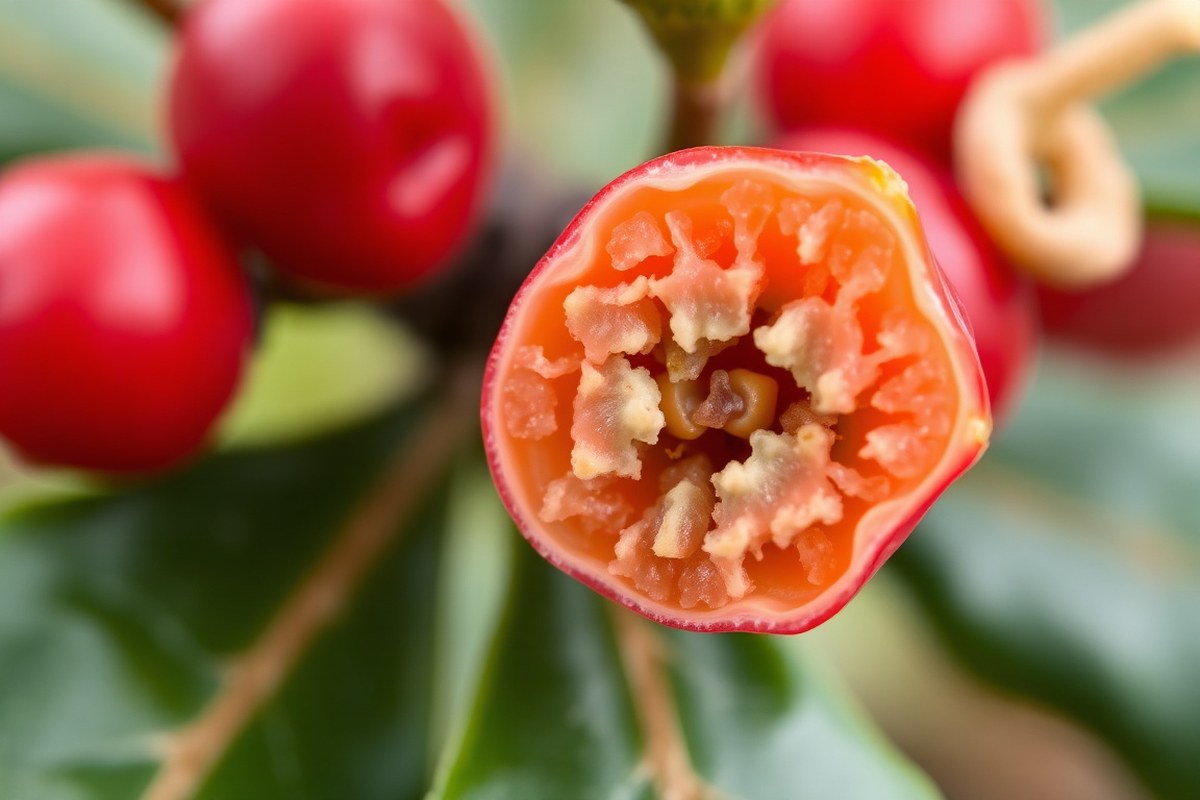
Holly berries contain toxic compounds called ilicin and saponic glycosides. Ilicin is the main poison causing nausea, vomiting, and diarrhea when eaten. The saponic glycosides irritate the stomach lining, adding to the discomfort.
These chemicals make holly berries unsafe for humans and pets but not for birds. Birds can digest ilicin without trouble due to their different metabolism. This allows them to eat the berries even when they are fully mature and red.
Immature holly berries and leaves hold higher levels of these toxins. Toxicity drops as berries mature and in colder winter months. The leaves also have saponins and ilicin.
These make the leaves unsafe to eat. They are prickly, which makes them less tempting.
While the berries have the highest toxin levels, the leaves are not harmless. Though used in some cooking traditions, holly leaves generally irritate and should not be consumed casually. Their sharp edges also discourage eating, unlike the bright berries.
Keep holly berries and leaves away from kids and pets. The immature berries are very toxic. Make sure they can’t reach them.
Symptoms and Timeline After Eating Holly Berries
Eating holly berries can cause stomach upset in both children and pets. Symptoms usually start within a few hours after swallowing the berries. Most cases are mild, but a quick response helps avoid complications.
Common Symptoms in Children
Children may begin to feel sick soon after eating holly berries. Vomiting is the most common symptom, sometimes becoming severe. Other signs include stomach pain and diarrhea.
Even a couple of berries can cause symptoms in young children. They might also show dizziness or weakness. If your child ate holly berries, watch for sudden changes in behavior.
Symptoms in Adults and Variations
Adults usually need to eat many berries before symptoms begin. A handful, around 20 to 30 berries, often causes nausea and vomiting. Some people feel mild stomach cramps or develop diarrhea.
Not everyone reacts the same way. Adults with sensitive stomachs might feel sick with fewer berries. Still, toxicity is generally low, and serious problems are rare.
Symptoms in Dogs, Cats, and Pets
Pets can show similar symptoms after eating holly berries. Dogs and cats often vomit and have diarrhea. They may also become lethargic or drool excessively.
The berries irritate their stomach and digestive system. Pets usually won’t have life-threatening reactions, but vets should check them. Horses and livestock are less affected but can still get mild symptoms.
- Vomiting, sometimes severe
- Diarrhea and stomach pain
- Dizziness or weakness in children
- Lethargy and drooling in pets
- Mild nausea in adults
Timeline of Symptom Onset
Symptoms often appear within 1 to 3 hours after eating holly berries. Vomiting usually starts first, followed by diarrhea. Early signs might include stomach cramps and feeling tired.
In kids and pets, symptoms can show up faster because they swallow smaller berries whole. Monitoring the affected person or animal closely for several hours is important. Medical help is best if symptoms worsen quickly.
Severity by Quantity Eaten
Severity goes up when more berries are eaten at once. Children can get sick from just two berries. Adults usually need much more to feel unwell.
Eating a small number often causes mild to moderate symptoms. Large amounts might lead to persistent vomiting and dehydration. With pets, larger doses increase the chance of needing vet treatment.
What to Do Immediately If Someone Eats Holly Berries
After someone eats holly berries, act quickly. First, clear out any berries still in their mouth. Then, get professional advice to make sure they stay safe.
Step 1: Remove Access and Berries from Mouth
Stop any more berries from being eaten right away. Remove any berries left in the mouth by helping the person spit them out. It’s important to wash the mouth with water to clear leftover bits.
Make sure to keep berries and holly branches out of reach. This helps prevent repeat incidents, especially with kids or pets around.
Step 2: Call Poison Control or Emergency Number
The best thing to do next is call the Poison Control Center at 1-800-222-1222. They give clear instructions based on how much was eaten and the person’s age.
When symptoms appear or you feel unsure, call 911 immediately. Getting expert help fast is key to avoiding serious problems.
Step 3: Observe Symptoms and Avoid Inducing Vomiting
Watch for any signs like stomach pain, nausea, vomiting, or diarrhea. Keep a close eye on the affected person or pet for several hours. Do not try to make the person vomit yourself.
Let medical or animal professionals decide if vomiting is needed. Inducing vomiting on your own can cause more harm than good.
Step 4: Seek Medical or Veterinary Assistance
When symptoms show or you’re unsure how much was eaten, contact a doctor or vet quickly. Bring any berries or holly parts you can for identification. Prompt treatment improves safety and recovery chances.
- Remove any berries or holly remains from the mouth.
- Stop the person or pet from eating more holly parts.
- Rinse the mouth gently with water to clear berry pieces.
- Call Poison Control at 1-800-222-1222 for advice.
- Contact emergency services if symptoms appear or amount is unknown.
- Don’t induce vomiting without medical approval.
- Observe for nausea, vomiting, diarrhea, or stomach pain.
- Visit a doctor or vet quickly if symptoms or risks increase.
Are Holly Leaves and Other Plant Parts Poisonous Too?
Holly leaves are not considered highly poisonous like the berries. They have a thick, waxy surface with sharp, thorn-like spines along the edges. These spines can scratch or irritate the mouth and throat if chewed or swallowed.
The leaves contain some caffeine. This might cause mild effects. It’s usually not enough for serious poisoning.
The main concern with leaves is the physical injury from their sharp edges. This makes them unappealing and generally prevents eating.
Stems and flowers on holly are not known to be toxic. They are safer than the berries.
However, they are tough and fibrous, making them hard to digest. Swallowing sharp stems could hurt the throat or cause choking, especially for children or pets.
Treat any contact with holly leaves carefully. Check children and pets for any tears or irritation inside the mouth. Remove holly parts from reach to avoid accidents.
Keep holly decorations away from kids and pets. Sharp leaves can cause injuries even if not poisonous.
How to Identify Holly Berries and Avoid Mistakes
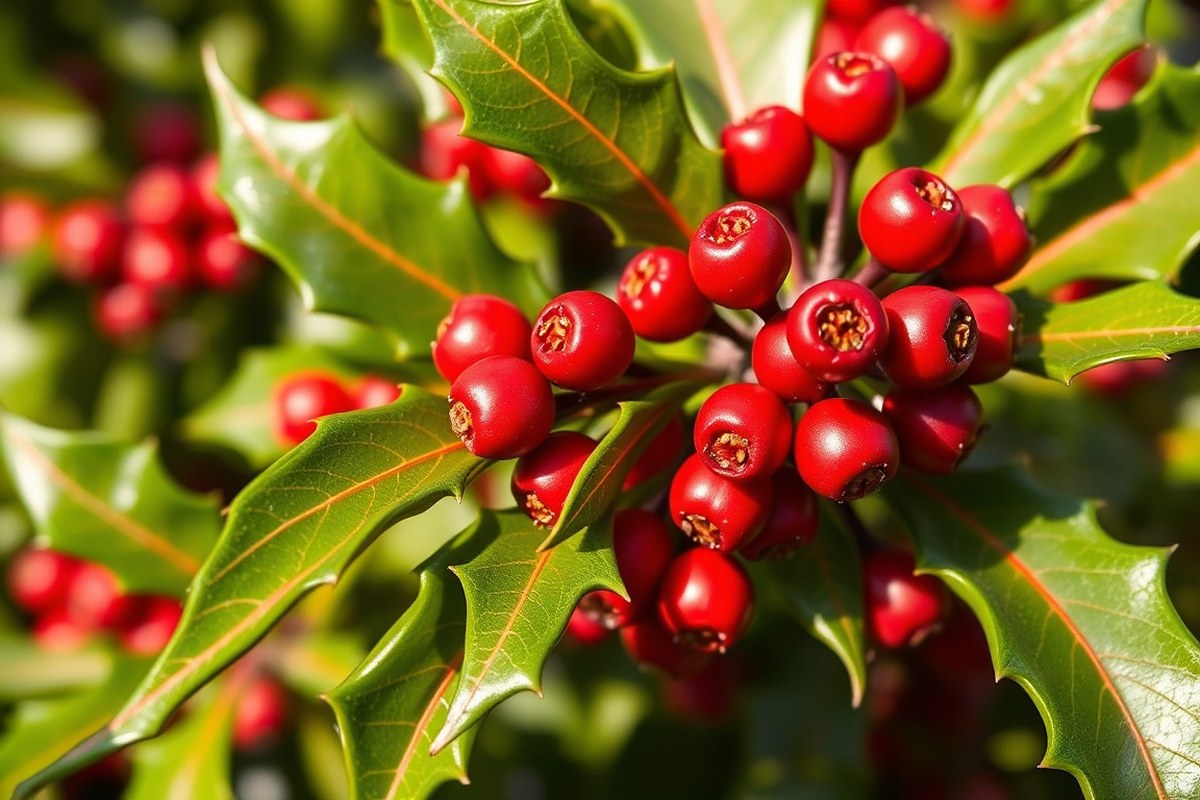
Holly plants catch your eye with bright red berries. Their leaves are shiny and green. They are common during the holidays.
These berries grow in clusters on evergreen shrubs or small trees. The leaves are thick, glossy, and have sharp, pointed edges that make them easy to spot.
Not all red berries are holly, though. So knowing the key traits helps you avoid mistakes. Holly berries are about a quarter inch wide, smooth, and shiny.
They usually hang beneath the leaves, which are dark green and waxy with spiny margins. These details matter because some red berries look alike but can pose different risks.
- Look for thick leaves with sharp points along the edges
- Check for clusters of small, round, bright red berries under the leaves
- Avoid berries on plants without spiny or serrated leaves
- Beware of similar berries like winterberry with smoother leaves
- Watch young kids and pets closely in areas where holly grows
- Place real holly decorations up high and out of reach
- Consider using fake holly for safer holiday décor
Real holly often appears near doorways and windows around Christmas. You can spot the sharp, spiny leaf edges from a few feet away. The berries look waxy and bright red.
That is probably holly. Hanging the plant where children and pets can’t grab it lowers the risk.
Some berries like winterberries or cotoneaster show up in winter too but have smoother leaf edges. Those differences mean how you handle or place decorations may differ. Checking your garden or home regularly helps spot fallen berries.
You can catch them early. This avoids accidental eating by kids or animals.
Why Are Birds Able to Eat Holly Berries Safely?
Birds can eat holly berries safely because their digestive systems handle toxins differently. The chemical quercetin is in holly berries.
It harms humans and pets at high amounts. Many birds are not affected the same way.
Birds have special enzymes in their guts that break down these toxins quickly. This process stops chemicals from building up and causing harm. In humans, these toxins can cause sickness.
Eating holly berries helps birds survive winter when other foods are scarce. Birds depend on holly berries for energy and nutrients.
This is true in cold months. Insects and seeds are less available then.
Birds also play a part in spreading holly plants. After eating the berries, birds fly to new spots and pass the seeds through their droppings. This natural spreading helps holly bushes grow in different areas.
You can guess how many berries a bird ate. Count how many berries stay on the holly branches. Spotting fewer berries may mean more birds have been feeding there.
Evergreen holly gives thick shelter. This shelter makes it a favorite resting spot.
Wild birds use it during tough weather. The combination of food and shelter makes holly bushes important for local wildlife.
How to Safely Decorate and Keep Children and Pets Protected
Keep holly berries out of reach to protect children and pets. Use safe holiday decorating habits and supervise closely. Grab tips for gardens, decor, and cleanup.
Childproofing Indoor Holiday Decorations
To keep kids safe, avoid placing holly where children can touch it. Bright berries attract little hands and mouths, so choose higher spots. Use secure hooks or shelves that children cannot reach or climb.
Keep cut holly stems far from food prep areas and eating spaces. Kids often grab snacks and might pick berried branches accidentally. Always clean up any dropped berries quickly to avoid risks.
Teach children that garden berries can be dangerous and never okay to eat.
Pet Safety Measures in Gardens
Plant hollies away from spots where pets spend lots of time unsupervised. Dogs and cats love sniffing around bushes and may eat berries left on the ground. Fencing off the area or using deterrent sprays can help keep pets safe.
Check your yard daily during berry season and pick up fallen berries. Removing these lowers the chance your pet eats something harmful. Always watch pets closely if they are near holly plants.
- Plant hollies where pets rarely roam
- Supervise pets near berry-producing shrubs
- Pick up fallen berries every day
- Use pet-safe repellents around plants
- Train pets to avoid nibbling on plants
Choosing Safe Plant Alternatives
Choose berry-free plants or non-toxic evergreens for holiday decor. Pine, fir, or cedar branches add a festive look without poisoning risks. Fake berry garlands or plastic holly are easy to find and completely safe.
These alternatives let you enjoy seasonal styles worry-free. Some synthetic decorations cost about $10 to $30, lasting years without hazards. Live plants without berries also work well around kids and pets.
Maintaining and Cleaning Holly Plants
Regularly prune holly shrubs to reduce berry clusters. Smaller berry sets mean less temptation for children and animals. Use gloves and long sleeves to avoid the spiny leaves’ scratches.
Rake or sweep fallen berries every few days during fall and winter. This keeps yards tidy and removes a risk source. Dispose of berries in sealed bags to stop pets or wildlife from finding them.
Step-by-Step Action Plan to Keep Holly Berry Risks Away
Follow these steps to protect your family and pets from holly berry poisoning. Each step helps you stay safe and spot dangers early.
- Right now: Remove holly berries from all reachable spots indoors and outdoors. Check if all berries are gone or out of reach.
- Today: Teach children about poisionous berries like holly. They show no interest in berries after knowing they are unsafe.
- Within 24 hours: Set up a pet-safe zone that excludes holly plants. Pets stay away from this area without fuss.
- Every week: Inspect holly decorations and plants for dropped or leftover berries. No berries on floors or low spots means success.
- Before decorating: Choose artificial holly or berry-free decorations. You feel relief that no real berries will tempt kids or pets.
- Immediately if ingestion happens: Call poison control right away for advice on symptoms and treatment. Early call means faster help.
- After a berry-related event: Watch the person or pet closely. Look for nausea, vomiting, or stomach problems for 24 hours. No symptoms means no serious poisoning likely.
Frequently Asked Questions
Can Eating Holly Berries Cause Serious Poisoning in Adults?
Holly berries can cause nausea and vomiting but are rarely deadly for adults. Still, you should get medical help if you eat them accidentally to avoid complications.
Are Holly Berries Ever Used in Food or Medicine Safely?
Holly berries are not used in food or medicine because they are toxic and not edible. No safe preparation method exists to make holly berries safe for humans.
Can Cooking or Drying Holly Berries Remove Their Toxicity?
Cooking or drying holly berries does not make them safe to eat. The toxic compounds remain harmful even after heat or drying processes.
How Many Holly Berries Does It Take to Poison a Child?
Eating as few as two berries can cause symptoms in a child. Young children are more vulnerable, so keep berries out of reach.
Do Holly Berries Cause Allergic Reactions, Apart from Poisoning?
Holly berries mainly cause poisoning symptoms, not typical allergic reactions. If you notice unusual swelling or rash, get medical advice right away.
Can Pets Get Poisoned from Eating Holly Berries?
Yes, holly berries can sicken dogs and cats causing vomiting and diarrhea. Keep pets away from holly plants, especially during winter when berries fall.
The Bottom Line
Holly berries are not safe to eat for people or pets. Keep them out of reach and know what to do fast if eaten. Start by clearing all accessible holly berries around your home today.