Are Pepper Plants Perennial? Complete Guide to Growing Them Year-Round
Are pepper plants perennial? Yes, they are perennial in their native tropical climates.
Some varieties can live over 15 years if you give them the right care. However, most people grow them as annuals because they don’t survive cold winters well.
Your pepper plant’s lifespan depends on your climate zone. In warmer zones like 8 to 11, peppers can survive for multiple years. If you live somewhere colder, the plant usually dies after one growing season.
To keep peppers year-round, you need to manage temperature and light carefully. Bringing your plant indoors before freezing nights hit helps it survive. You also must watch for pests since indoor conditions can attract them.
Key Takeaways
- Peppers live 3 to 5 years on average in a home garden.
- They go dormant when temperatures drop near 50°F.
- Perennials survive best in USDA zones 8 through 11.
- Most gardeners grow peppers as annuals due to frost risk.
- Keep peppers indoors with temperatures between 55°F and 65°F.
- Check overwintering plants every 1 to 2 days for pests.
Are Pepper Plants Perennial or Annual?
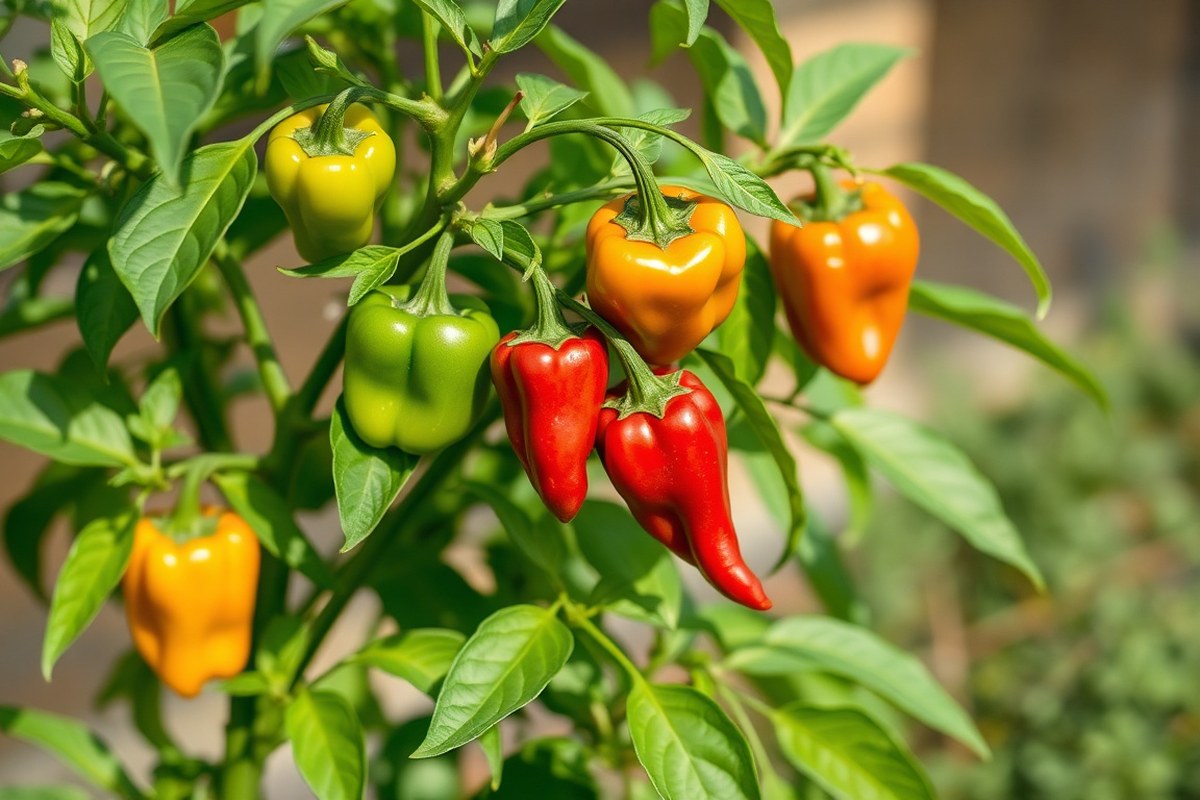
Pepper plants are naturally perennial, meaning they can live for several years under the right conditions. In tropical or warm places, pepper plants can live 3 to 5 years. They might even last more than 15 years.
In those climates, they can keep producing fruit. This lifespan depends largely on avoiding freezing temperatures and providing consistent care.
Despite their natural perennial nature, most gardeners treat pepper plants as annuals. The main reason is these plants do not tolerate cold well.
In temperate or colder regions, frost and low temperatures kill pepper plants during the winter. So gardeners replant them each growing season.
The difference between perennial and annual pepper plants is mainly environmental. In USDA zones 8 through 11, peppers can act as perennials and live multiple years. In colder zones, especially below zone 9, plants usually survive only one season outdoors.
To keep pepper plants as perennials in cold areas, bring them indoors. You can also add extra protection during cold months.
How Climate and Zones Affect Pepper Longevity
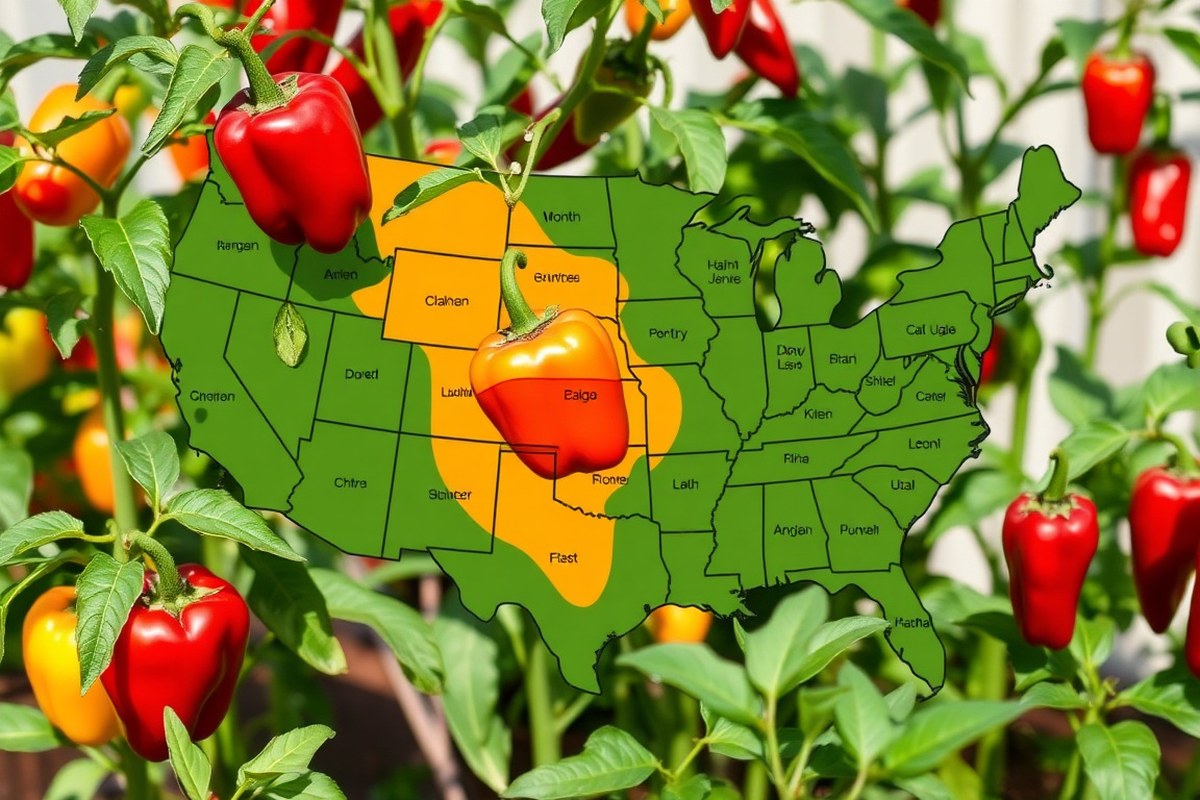
Pepper plants can grow as perennials outdoors mainly in warm climates without frost. The USDA Hardiness Zones 9 through 11 have mild winters. Peppers can survive outside all year in these zones.
You don’t need to bring them indoors. In cooler zones, peppers face frost risk, which typically ends their outdoor life.
Temperatures below 60°F at night can stress pepper plants. Hard frost causes irreversible damage or death. In zones 7 and 8, peppers might survive some winters.
You need to add heavy mulch for protection. Extra care helps peppers survive colder months there. Still, many gardeners bring their plants indoors to be safe.
Here’s a table showing USDA zones and pepper plant survival outdoors:
| USDA Zone | Outdoor Pepper Survival | Overwintering Notes |
|---|---|---|
| 9, 11 | Often survive outdoors year-round | Can stay outside with minimal care |
| 7, 8 | Possible survival with mulch/protection | Heavy mulch, covers help; indoor move safer |
| Below 7 | Unlikely to survive outdoor frost | Bring indoors before first frost |
In colder zones, overwintering indoors is the best choice. Bringing plants indoors before the first frost lets you keep favorite peppers alive. Indoors, temperatures stay above 60°F, avoiding stress and frost damage.
Pot size and soil drainage also matter indoors. Use a pot at least 12 inches wide and deep with well-draining soil.
Outdoor overwintering in mild climates mainly needs frost protection. Cover the plants with heavy mulch or frost cloth as temperatures near freezing. This method takes less time and cost but isn’t foolproof.
Unexpected cold snaps can still harm your peppers. Indoors, you’ll spend time giving light and water but get longer plant life and earlier fruit.
Start moving peppers indoors at least a week before the first frost date to avoid shock.
Methods to Overwinter Pepper Plants Successfully
You can overwinter pepper plants indoors or outdoors, depending on your climate zone. Indoor overwintering offers better control of temperature and light. Outdoor overwintering works well in warmer zones with mild winters and some protection.
Indoor Overwintering Steps
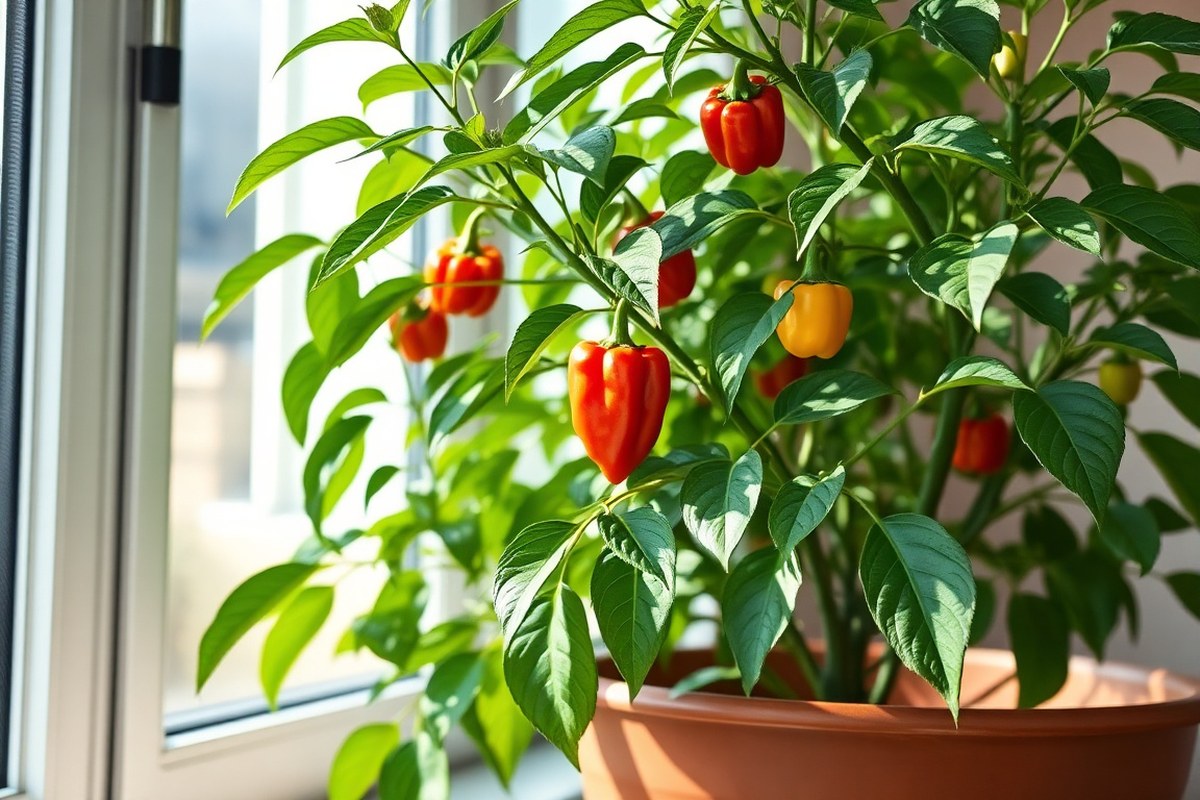
Bringing pepper plants inside before the first frost protects them from cold damage. You’ll need bright light, moderate humidity, and regular watering to keep them healthy.
- Move plants indoors when nighttime temps drop below 50°F.
- Place them near a south-facing window or under grow lights.
- Check soil moisture weekly and water when the top inch feels dry.
- Use a humidity tray or mist leaves to keep humidity near 50, 70%.
- Prune dead or yellow leaves to encourage healthy growth.
- Avoid drastic temperature swings by keeping plants away from drafts or heating vents.
- Inspect regularly for pests like aphids or spider mites and treat them quickly.
Indoor overwintering requires patience since plants may slow growth. They might not produce many peppers but will survive for spring planting.
Outdoor Overwintering with Protection
Outdoor overwintering suits gardeners in Zone 9 and warmer where frost is rare. Protect plants with frost blankets, cold frames, or row covers on chilly nights.
- Plant peppers in well-draining pots or raised beds for easy protection.
- Wrap plants with frost cloth as temperatures approach the low 40s°F.
- Set up cold frames or cloches to shield from wind and frost.
- Reduce watering to avoid rot, only watering when soil is dry.
- Remove covers during sunny days to prevent overheating and moisture build-up.
- Check often for signs of damage or pests throughout winter.
This method can keep peppers alive outside but carries more risk from cold snaps. It’s cheaper and less work than indoor growing but best in mild winter zones.
Timing and Temperature Considerations
Start overwintering preparations when nighttime temperatures fall below 50°F. This is usually in early fall, several weeks before the first frost date in your area. Indoor peppers need consistent warmth above 60°F during the day to stay healthy. Nighttime temps should stay above 50°F to avoid stress and leaf drop.
Outdoors, protect plants from temperatures below 40°F with covers or by moving pots to sheltered spots. Watch local weather forecasts closely during fall for sudden cold snaps.
Pruning and Maintenance for Longer Pepper Plant Life
Pruning your pepper plants before winter helps them rest safely. It also supports stronger growth later on. Cut your pepper plants hard, leaving only a few inches of stem.
Then trim dead parts during dormancy. This balance stops decay and readies your plants for a better spring start.
The Hard Chop Technique
Start pruning by cutting each plant back to a Y-shaped main stem. Leave about 4 to 6 inches of the strongest branches from the top. This “hard chop” reduces energy use and directs growth to healthy parts.
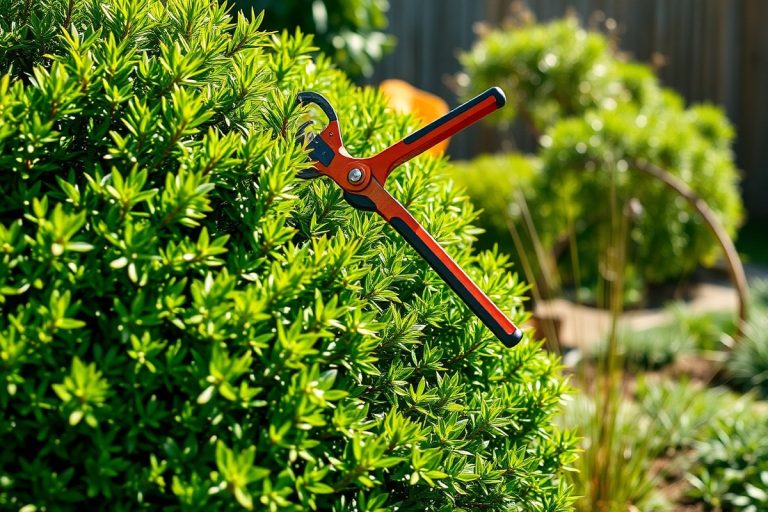
Use sharp secateurs to cut cleanly just above a bud. Avoid tearing or crushing the stems to prevent infection. Removing half to three-quarters of the top growth lowers stress during cold months.
Here’s how to do the hard chop step-by-step:
- Choose a day without frost and with dry conditions.
- Cut back all branches except for two main stems forming a Y.
- Keep the Y-shaped stems about 4 to 6 inches long.
- Remove yellow, dead, or weak branches entirely.
- Discard cuttings or use healthy pieces for propagation.
Maintaining Plants During Dormancy
Check your pepper plants weekly during winter dormancy for dead leaves and weak growth. Prune anything yellow or dried to prevent rot. Keep watering low but consistent to avoid root damage.
Trim lightly during dormancy, removing only spent stems as needed. Avoid heavy cuts now; the plant is resting and recovering. Maintain at least one pruning session every 4 to 6 weeks to keep the structure sound.
Too much pruning during this quiet phase causes stress and reduces survival chances. Too little and old growth might invite pests or diseases into your plant. Find a steady balance.
Pruning for Spring Rejuvenation
After new growth appears in late winter, prune again. This helps boost strong branching.
Remove any stems that look damaged or weak now to push energy into healthy shoots. This encourages more buds and flower production.
Trim just above outward-facing buds on the Y-shaped branches. Cutting here guides the plant to grow wider, not crowded. It results in stronger plants with heavier fruiting later in the season.
Keep your pepper plant pruned about once a month through the spring. This routine helps it break dormancy healthy and ready for a full growing year ahead. Successful overwintering means better yields and longer plant life.
Light, Watering, and Temperature Needs Indoors
Pepper plants need at least 12 hours of bright light daily indoors to stay healthy. A sunny south-facing window often works well. But most homes don’t have enough natural light.
Using artificial grow lights can help provide consistent light. Position lights 6 to 12 inches above the plants.
Keep them on 12 to 14 hours daily for best results. 2 | Use a humidifier or put a water tray near your plants when the air is dry.
Watering is different indoors than outside. Peppers like soil that’s evenly moist but not soggy. Check the top inch of soil daily; water only when it feels dry.
Typically, watering once a week is enough in cool indoor temperatures. Overwatering can cause root rot, so avoid letting pots sit in water.
Temperature should stay between 55°F and 70°F to keep peppers semi-dormant. Cooler spots reduce growth but prevent stress and too much water use. Humidity helps too, aim for around 50%.
If your home’s dry, use a humidifier or place a tray of water near the plants. Dry air can cause leaf drop or slow growth.
Start waking your plants about six weeks before you plan to move them outdoors again. Move them to a warmer spot, around 70°F, and increase watering to support new leaf growth. Bright light during this time encourages the peppers to blossom and fruit again once outside.
Keep an eye on soil moisture. Overwatering is the most common indoor care mistake with peppers.
Pest Control When Bringing Peppers Indoors
Before bringing your pepper plants indoors, inspect them carefully for pests. Look closely at leaves, stems, and undersides where aphids and spider mites often hide. These pests can spread quickly in indoor environments without natural predators.
Wash plants gently with water to remove any visible pests and eggs. Mix one teaspoon of liquid dish soap in a quart of water. Use this mild soap solution for your plants.
Spray the solution on affected plant parts. After 15 minutes, rinse the plants well. This prevents soap damage.
- Check leaves every seven to ten days during winter to catch new pests early
- Isolate infected plants to reduce pest spread to others
- Use insecticidal soap or neem oil for safe pest control indoors
- Keep humidity moderate to discourage spider mite infestations
- Avoid overwatering, which attracts fungus gnats and other pests
- Clean plant pots and trays regularly to remove debris
- Ensure adequate sunlight or use grow lights to maintain plant health
Applying neem oil or insecticidal soap about every two weeks helps keep pests low. These options target pests without harming pepper plants or indoor air quality. Avoid harsh chemical pesticides, which can damage plants and pose health risks indoors.
Remove any heavily infested leaves or sections promptly to stop pests from spreading. Inspect plants under leaves and along stems regularly, as pest eggs are small but visible. A healthy pepper plant resists pests better, so maintain consistent watering and light.
Choosing Varieties and Propagation for Perennial Growth
Some pepper varieties do better as perennials than others. Picking the right plants keeps them healthy for many years. Learning how to grow new plants from cuttings helps, too.
This keeps your garden thriving each season. Starting peppers from cuttings or seeds can extend their life and fruit production.
Perennial-Friendly Pepper Varieties
Serrano, habanero, and some Thai hot peppers tend to handle perennial growth well. These types can live several years if you protect them from frost.
Bell peppers may also overwinter. But they often don’t last as long indoors or in colder zones.
Hot peppers generally have more toughness and keep producing longer. Look for “perennial” or “everbearing” labels when buying seeds or plants.
These varieties usually reach about 2 to 3 feet tall. So give them enough room to grow fully.
Stem Cuttings Propagation
Cut a healthy stem from a pepper plant, about 4 to 6 inches long with leaves. Remove leaves from the bottom half. Place the cutting in water or moist rooting medium, like perlite, to start roots.
Keep cuttings at 70 to 75 degrees Fahrenheit in indirect light. Roots often form within 2 to 3 weeks. When roots reach 1 to 2 inches, move the cutting into soil.
Use regular potting soil and keep it moist at all times. This helps the cutting grow strong roots.
Cuttings let you clone your favorite plant without losing traits. You can take cuttings in late summer or early fall before overwintering your main plant indoors.
Seed Starting for Longevity
Start seeds indoors 8 to 10 weeks before your last frost date. Use seed-starting mix in small pots. Keep the soil consistently moist but not wet and maintain a temperature around 75 degrees Fahrenheit.
Seedlings appear in about 7 to 14 days. Once they get two sets of true leaves, transplant them into bigger pots. Growing peppers from seed every year lets you replace older plants and try new varieties.
Seed starting needs patience and steady warmth. Dropping soil temperatures or drying out seedlings can cause failure. Using a heat mat and regular misting helps keep young plants strong.
Transitioning Peppers Back Outdoors in Spring
Overwintered pepper plants need a gentle reintroduction to outdoor life. This process is called hardening off. It helps plants adjust from indoor conditions.
They get used to sun, wind, and cooler nights. Avoid rushing, or your pepper plants might get stressed and drop leaves.
Start hardening off in early spring. Daytime temperatures should be around 60°F. Avoid doing it if frost is expected soon.
Move peppers outside for a few hours, increasing time outside daily for 7 to 14 days. Wait until nights stay above 50°F before moving plants outdoors permanently, usually late April or May.
Before moving your peppers, repot them into fresh soil if needed. Handling the roots carefully helps avoid stress.
But if you accidentally trim some roots, don’t worry. These plants can still recover well with proper care.
Follow these steps carefully for a smooth transition back outside:
- Put pepper plants outside in a shaded, safe spot. Let them stay there 2 to 3 hours the first day.
- Increase outdoor time by 1 to 2 hours daily, gradually exposing plants to morning sun.
- From days 4 to 7, move peppers to more sunlight. Let them soak up direct sun for a few hours.
- Avoid strong afternoon sun initially as it may burn tender leaves.
- Start watering peppers outdoors as usual, checking soil moisture daily.
- Once nights stay above 50°F, leave plants outside overnight permanently.
- Check leaves for drooping or yellowing. Minor leaf drop is typical but watch for pests.
- Resume regular feeding and maintenance to encourage new growth and fruiting.
Keep an eye on nighttime temperatures during hardening off. Even one cold night below 50°F can shock your peppers.
Step-by-Step Action Plan to Keep Pepper Plants Perennial
Follow these steps to extend your pepper plants’ life beyond one season. Check results at each stage before moving on.
- Before Frost: Cut back your pepper plants by about one-third. Look for healthy green growth without dead leaves.
- Late Fall: Bring your plants inside. Place them in a bright, warm spot. Make sure they get at least 8 hours of light daily. Verify they’re not wilting after a week.
- Early Winter: Water sparingly but keep soil slightly moist. Soil should not dry out completely, or leaves will drop.
- Mid-Winter: Check plants weekly for pests like aphids and spider mites. Treat with mild insecticidal soap if pests appear.
- Late Winter: Start pruning away any leggy growth or yellow leaves to encourage new shoots. New growth indicates you did it right.
- Early Spring: After the last frost, start moving plants outside. Do this gradually. Add an hour or two of outdoor time each day to harden them off. Plants should stay green and perked up.
- Spring: Repot into fresh soil if roots are crowded. Resume regular watering and feeding. Healthy leaf growth means you’re on track.
Frequently Asked Questions
Can Pepper Plants Survive Frost?
Most pepper plants cannot survive frost; cold damages their tissues. Cover plants or bring them indoors before the first frost to protect them.
How Long Does It Take for Peppers to Bear Fruit?
Peppers usually start producing fruit in 60 to 90 days. This varies by variety and growing conditions.
Can Pepper Plants Grow Well in Containers?
Yes, peppers do well in containers if the pot is at least 12 inches deep. Good drainage and regular feeding help.
Do Pepper Plants Need Pollination to Produce Fruit?
Yes, peppers need pollination, usually by wind or insects. Indoor plants might need gentle shaking to help.
What Causes Pepper Plants to Stop Producing Fruit?
Pepper plants may stop fruiting due to stress, like too much heat or underwatering. Consistent care encourages longer harvests.
Is It Normal for Pepper Plants to Lose Leaves Indoors?
Some leaf drop happens as peppers adjust indoors, especially during winter. Check for pests or dry air as possible causes.
Wrapping Up
Pepper plants can live for years with proper care and attention. You just need to keep them indoors and prune them properly in winter. Start by moving your plants in before the first frost hits.