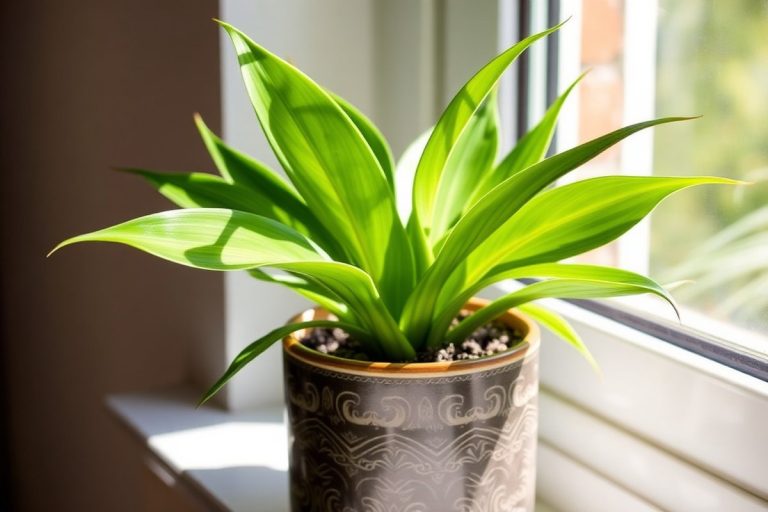
How to Plant Coleus for Vibrant Growth: A Complete Guide for Beginners
Knowing how to plant coleus means picking the right time and place. Plant coleus outdoors only after all danger of frost has passed. Make sure soil and evening temperatures stay above 60 degrees Fahrenheit to help plants settle well.
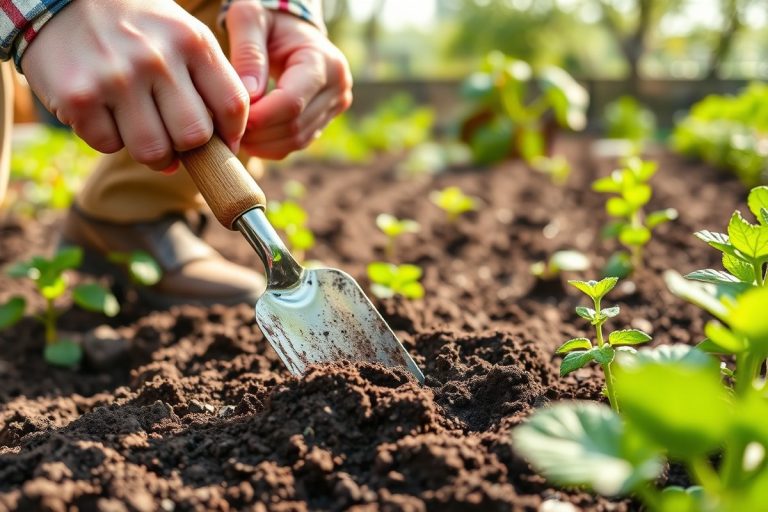
Start coleus by planting seedlings about 3 inches deep. Make sure to cover the entire root. Add an extra inch of soil on top.
Space plants about 12 inches apart to give them room to grow. These steps help your coleus adapt and produce vibrant foliage throughout the season.
Choose spots with 3 to 6 hours of direct sun or part shade for best growth. Coleus thrives in these conditions, balancing bright light with some protection from the hottest sun.
Key Takeaways
- Plant coleus outdoors only after frost danger is completely over.
- Soil and night temperatures should be above 60°F for planting.
- Set seedlings 3 inches deep, covering roots plus an inch of soil.
- Space coleus plants 12 inches apart to avoid overcrowding.
- Select garden areas with 3, 6 hours of direct sun or part shade.
- Harden off young plants outdoors for 7, 10 days before planting.
When and Where to Plant Coleus Outdoors
Plant coleus outdoors after the last frost has passed. The soil should be warm, ideally above 60°F, and nighttime temperatures must stay over 60°F. Planting too early risks cold damage because coleus is a tender plant that won’t survive frost.
Pick a spot with partial shade to filtered sun. Coleus grows well in places protected from strong wind.
They thrive in rich, well-draining soil with a neutral to slightly acidic pH. Avoid heavy clay or soggy soils as they can cause root problems.
Plant coleus seedlings about 3 inches deep. This depth covers the root mass plus one additional inch. Space plants 12 to 24 inches apart depending on the variety size.
Smaller types stay around 12, 18 inches tall and can be closer together. Medium types often reach 18, 24 inches and need more room.
Prepare the soil by loosening it to at least 6 inches deep. Mix in some compost or organic matter to improve drainage and fertility.
A site with consistent moisture helps, but waterlogging must be avoided. Better drainage means healthier roots and fuller growth.
Follow these steps to plant coleus outdoors correctly:
- Check the last frost date for your area and wait until it passes.
- Measure soil temperature with a thermometer; plant only if above 60°F (15°C).
- Pick a location with partial shade and shelter from wind.
- Loosen soil to 6 inches and add organic matter or compost.
- Dig holes slightly deeper than the seedling root ball, about 3 inches deep.
- Place seedlings in holes, covering roots completely with soil.
- Space plants 12, 24 inches apart depending on variety size.
- Water thoroughly after planting and maintain evenly moist soil going forward.
Starting Coleus from Seeds Indoors: Step-by-Step
Start coleus seeds indoors 8 to 10 weeks before the last frost date. Press tiny seeds onto moist soil without covering because they need light to sprout. Keep soil warm and moist for seedlings.
Transplant them outdoors after frost danger is gone. Only move them when temperatures stay above 50°F.
Selecting the Right Seed Tray and Soil
Choose a seed tray with drainage holes to prevent soggy soil. Use a light, well-draining seed-starting mix rather than garden soil. This mix holds moisture without becoming waterlogged, giving coleus seeds the best start.
Fill your tray with moist seed-starting mix but don’t pack it down hard. Spread coleus seeds evenly on the surface and press them lightly into the soil. Do not cover seeds with soil since coleus needs light to germinate.
Ideal Temperature and Light for Germination
Coleus seeds need warmth and light to sprout quickly. Keep the temperature around 70 to 75°F (20 to 24°C). Put the tray near a sunny window.
You can also use a heat mat. Keep the soil consistently moist but not soaked.
Provide 12 to 16 hours of bright, indirect light daily using grow lights if needed. Watch for tiny seedlings to emerge in 7 to 14 days. Avoid letting the soil dry out during this important stage.
Keep the soil lightly moist and avoid watering from above, which can dislodge tiny seeds.
Transplanting Seedlings and Hardening Off
Move seedlings when they show two sets of true leaves. This usually takes 4 to 6 weeks after sowing. Transplant carefully to avoid damage.
Move them into larger pots with quality potting soil to encourage healthy root growth. Handle seedlings gently to avoid damaging delicate stems.
Start hardening off seedlings about two weeks before planting outside. Gradually expose them to outdoor sun and cooler temperatures over 7 to 10 days. This builds strength and reduces transplant shock.
- Fill a seed tray with moist seed-starting mix suitable for coleus.
- Press the tiny coleus seeds lightly onto the soil surface without covering.
- Place the tray in a warm spot at 70, 75°F or use a heat mat.
- Provide 12 to 16 hours of bright, indirect light daily with grow lights if needed.
- Keep the soil moist but avoid soaking; mist it gently if needed.
- Wait 7 to 14 days for seedlings to appear; thin weak ones if crowded.
- Transplant seedlings with two sets of true leaves into bigger pots.
- Harden off seedlings outside 7 to 10 days before planting outdoors after frost.
Propagation Methods: Cuttings vs. Seeds
You can propagate coleus easily using cuttings or seeds. Cuttings root fast, usually within one to two weeks. Seeds take longer but let you grow many plants at once.
Preparing Cuttings for Rooting
Choose a healthy coleus stem with vibrant leaves and no damage. Cut a 4-inch piece just below a leaf node to encourage root growth. Remove the lower leaves to avoid rot during rooting.
Use scissors or pruning shears that are clean and sharp. This prevents disease and helps the cutting heal faster. Cuttings work best if taken before the first frost and kept indoors over winter.
- Find a healthy stem on a mature coleus plant.
- Snip a 4-inch cutting just below a leaf node.
- Remove leaves from the bottom 2 inches of the stem.
- Dip the cut end in rooting hormone powder.
- Prepare a container with moist potting mix or a glass of water.
- Place the cutting in water or soil, firming gently around the stem.
- Keep the cutting in bright, indirect light and warm temperatures.
- Watch for roots to form, usually within 7 to 14 days.
Rooting Coleus in Water or Soil
Cuttings placed in water should show small roots within one week. Change the water every few days to prevent mold and bacteria. Once roots reach 1 to 2 inches, plant the cutting in soil.
When rooting in soil, keep it moist but not soggy. A well-draining potting mix helps prevent root rot. Place the pot in a bright spot but avoid direct, harsh sunlight to prevent wilting.
Rooted cuttings are ready for transplant in two to three weeks. They grow faster than seeds and retain the exact color of the parent plant. Overwinter cuttings on a sunny windowsill for next season’s garden.
Comparing Seed and Cutting Propagation
| Method | Time to Grow | Effort | Plant Traits | Best Use |
|---|---|---|---|---|
| Cuttings | 1-2 weeks to root, ready to transplant in 2-3 weeks | Low; quick, simple steps | Exact clone of parent, same colors and patterns | To preserve a favorite plant or variety |
| Seeds | 2-3 weeks to germinate, longer to mature | Moderate; needs seed-starting care | Varies; may differ from parent if hybrid seed | To grow many plants cheaply, create big color displays |
Cuttings provide fast, reliable plants identical to their parent. Seeds let you grow many coleus cheaply but with varied results. Choose cuttings for quick starts, seeds for large, colorful beds.
Choosing the Right Coleus Varieties for Your Garden
Coleus varieties differ mainly in size, light needs, and best garden uses. Sizes range from small plants under 18 inches tall. Taller types can reach 36 inches or more.
That gives you options for different garden spaces. The variety matters because it affects where you plant them.
It also changes how they look in your garden. So choose kinds that fit your space and style.
Small coleus, about 12 to 18 inches tall, suit containers and garden borders well. They work great indoors too, where light is moderate. Medium and large types can fill garden beds or stand alone as a striking backdrop.
Light requirements change by variety. Most coleus prefers part shade, which keeps their colors vivid and prevents leaf wilting. Sun-tolerant types like ColorBlaze can handle full sun for a few hours.
Flame Thrower is another type that tolerates sun well. They won’t get damaged easily under bright light.
| Variety Size | Height | Light Tolerance | Best Use |
|---|---|---|---|
| Small | Up to 18 inches (45 cm) | Part shade to moderate sun | Containers, garden borders, indoor pots |
| Medium | 18 to 24 inches | Mostly part shade | Fill beds, larger containers, mixed borders |
| Large | 24 to 36+ inches | Part shade, some sun-tolerant | Backdrops, focal points in landscape, big pots |
| Sun-tolerant series | Varies | Full sun (4-5 hours daily) | Sunny spots, durable containers |
You can choose coleus based on height and light needs to fit your garden. Small types work great where space is tight or indoors. Larger ones fill open garden beds or make eye-catching container centerpieces.
Watch for legginess if your coleus doesn’t get enough light. Too little sun or crowded pots cause thin stems and sparse leaves. Adjusting spot or spacing fixes the problem and keeps the foliage full and bright.
Light, Temperature, and Soil Requirements for Healthy Growth
Coleus plants do well with 3 to 6 hours of direct sunlight daily. In fact, a spot with morning sun and dappled afternoon shade offers the best leaf colors.
Too much direct sun can fade their leaves or cause overheating. So choose partial shade if your area is very sunny.
Some coleus varieties, like Stained Glassworks Molten Lava, handle full sun to light shade well. Move your coleus to a brighter spot to stop wilting. You can also add artificial light indoors to help it.
Seedlings need more light than mature plants. So watch for leggy growth if light is low.
Choosing the right soil matters because coleus roots need good drainage and oxygen. Use light, well-draining potting soil to keep moisture balanced and avoid soggy roots. Adding mulch helps hold soil moisture and slows weed growth, reducing stress on your plants.
Keep soil moist but never waterlogged. The plant suffers if it’s too dry or too wet.
Soil pH should be slightly acidic to neutral, around 6.0 to 7.0, for best nutrient uptake. Check the soil regularly and adjust watering based on texture and weather.
Coleus grows best in temperatures between 60°F and 75°F. They struggle when it dips below 50°F or climbs above 85°F for too long. Move pots to protect plants from cold drafts. Give them shade or shelter to guard against hot afternoon heat.
Always test soil moisture before watering. Soggy soil leads to root rot, while dry soil wilts leaves quickly.
Watering and Fertilizing for Vibrant Foliage
Coleus plants need frequent watering to keep their soil moist but not soggy. Outdoors in garden beds, check soil twice a week. Stick your finger an inch deep.
See if the soil feels dry or moist. Water when the top inch feels dry. Container coleus dries out faster.
Water it every 1 to 2 days. Do this more often in hot weather.
Water at the soil base to avoid wetting the leaves, which can cause disease. Make sure pots have good drainage to prevent water sitting at roots. When watering, add enough water until you see it drain out the bottom of the container.
Fertilize coleus every two weeks with a balanced water-soluble fertilizer like 20-20-20. Container plants lose nutrients quicker through frequent watering.
So they need more fertilizer than ground-planted coleus. Start fertilizing about two weeks after planting and continue through the growing season until fall.
- Water outdoor coleus when the top inch of soil feels dry
- Water container coleus every 1 to 2 days under warm sun
- Fertilize both container and garden coleus with 20-20-20 formula every two weeks
- Apply fertilizer to moist soil, not dry soil, for best absorption
- Avoid watering overhead; wet foliage invites fungal problems
- Use pots with drainage holes and let excess water drain out
- Adjust watering frequency during cooler or rainy weather to avoid soggy soil
Healthy coleus leaves look bright and colorful with no wilt or brown edges. Seen drooping or faded leaves signals thirst or nutrient lack.
Overwatering can cause yellowing and mushy stems. So balance keeps your coleus lively and strong throughout the season.
Common Pests, Diseases, and How to Prevent Them
Aphids, spider mites, and mealybugs commonly attack coleus plants. Aphids cluster on new growth and leave a sticky residue.
Spider mites cause tiny yellow spots on leaves and may create fine webs. Mealybugs show up as white cottony clumps, often on stems or leaf joints.
Stem and root diseases rarely affect coleus outdoors but can appear indoors in damp conditions. Look for stem rot or root rot, which cause wilting and browning at the base.
Your coleus may have a disease if stems are soft. Leaves turning yellow and not improving after watering changes is a sign.
To keep pests off your coleus, spray the leaves with a strong water jet weekly. This washes away many tiny insects early.
For infestations, use insecticidal soap or neem oil on the affected areas. Apply treatments in the morning or evening to avoid leaf damage from sun.
Good airflow reduces fungal and bacterial diseases. Space your coleus plants about 8 to 12 inches apart to prevent crowding.
Avoid overhead watering; watering the soil only keeps leaves dry and lowers disease risk. Remove dead leaves promptly to stop pests and germs from spreading.
Pinching back coleus regularly encourages bushier growth, which helps the plant resist stress and pests. Prune seedlings when they reach 4 to 6 inches tall.
Also prune mature plants when they look leggy to keep them healthy. Check plants every week for signs of pests or diseases so you can act fast.
Indoor coleus needs close watching for pests. Whiteflies and scale insects grow well in warm, still air. Check leaves often for infestations.
Use a small fan to improve airflow indoors. Wiping leaves gently with a damp cloth removes pests before they multiply.
Repeat insecticide treatments every 7 to 10 days as needed. Continue until the plant is free from pests.
Pruning, Pinching, and Troubleshooting Growth Problems
Pinching and pruning are important to keep coleus plants full and healthy. They help stop stems from getting leggy and encourage bushy growth. Recognizing issues like yellow leaves or root rot lets you act fast and save your plant.
Pinching Tips for Shape and Fullness
Pinching young coleus encourages every stem to branch out. This practice stops the plant from growing tall and spindly. For bigger plants, cut back the top growth to keep a compact shape.
Pinching can be done anytime. But it works best during active growth, spring and summer.
Use clean fingers or scissors to remove growing tips just above a pair of leaves. This steers energy to new shoots and results in more leaves.
- Locate the central growing tip or any long stem tips on your coleus.
- Pinch or snip off the tip using clean fingers or scissors just above leaf pairs.
- Remove any flower stalks to focus the plant’s energy on leaves.
- Repeat pinching every few weeks for fuller growth through the season.
- Clip branches where two stems or leaves meet to control shape.
- Dispose of cuttings or use them to propagate new plants.
Always pinch just above leaf pairs to avoid damaging the main stem.
Identifying Yellowing and Wilting Causes
Yellow leaves usually mean your coleus is getting too much direct sunlight or water issues. Wilting can happen if the roots suffer from rot or the plant lacks enough water. Watch for fuzzy growth underneath leaves, which signals downy mildew.
Spider mites also cause yellowing and stunted growth. Check for tiny webs or speckled leaves.
Regular leaf inspection helps catch pests early before damage spreads. Different problems need different fixes.
Solutions for Root and Leaf Problems
Yellow leaves from too much sun call for moving your coleus to brighter indirect light. For watering issues, let the soil dry slightly between waterings.
Root rot shows as wilting and brown mushy roots. Remove affected roots and repot in fresh, well-draining soil.
For pest damage, wash leaves gently and use insecticidal soap if needed. Remove any dead or diseased leaves promptly to stop spread. Avoid overwatering, which is the main cause of root rot and fungal diseases.
- Move plants with yellowing leaves to bright, indirect light.
- Adjust watering schedule, water only when the top inch of soil is dry.
- Inspect roots if the plant wilts; remove any soft, brown roots carefully.
- Repot the coleus in fresh, well-draining potting mix.
- Use gentle soaps or sprays to control spider mites if present.
- Trim off and throw away any leaves with downy mildew immediately.
- Keep airflow good around plants to reduce fungal risk.
Overwatering and poor drainage cause most coleus problems, check soil moisture often.
Step-by-Step Action Plan for Planting and Caring for Coleus
Follow these steps to get your coleus growing strong and colorful. Each step tells you what to do and how to tell it’s working.
- Before planting: Choose your coleus variety and pick a spot with morning sun or afternoon shade. Check if the soil drains well by digging a small hole. Water the hole and watch how quickly it soaks in. This shows if the soil drains properly.
- Day 1: Put your coleus in the garden or a pot. Use rich, moist soil for planting. Make sure the soil is ready for the plant. After planting, press soil gently and water deeply to help roots settle.
- Week 1: Water your coleus every day, keeping the soil evenly moist but not soggy. Watch for new leaf growth, that means roots are settling in well.
- Weeks 2-3: Start pinching off the top leaves every week to encourage bushy growth. You’ll see more branches and fuller plants in a few days.
- Week 4: Feed with a balanced, water-soluble fertilizer every two weeks to keep foliage bright. Look for rich, vibrant leaf color as a sign of good feeding.
- After 1 month: Check for pests like aphids or spider mites weekly. Use a gentle insecticidal soap if you spot pests, and rinse the leaves well.
- Ongoing care: Keep coleus out of harsh midday sun to avoid leaf burn. Watch for leaves wilting or fading. Adjust watering and light to keep your plants healthy. This helps maintain good plant health.
Frequently Asked Questions
How Deep Should I Plant Coleus Cuttings?
Plant coleus cuttings about 3 inches deep. This covers the root mass plus one inch for stability.
Can I Plant Coleus Seeds Directly in the Garden Soil?
Yes, but only after frost danger ends and soil warms. The soil temperature should be above 60 degrees Fahrenheit for best results.
How Tall Can Coleus Grow in a Container?
Coleus can grow up to 3 feet tall in a large container. Make sure to provide enough space for root growth.
Is Coleus Evergreen in My Region?
Coleus is evergreen only in USDA zones 10 or 11. In cooler zones, treat it as an annual or bring indoors before frost.
What Is the Best Way to Transplant Coleus Seedlings Outdoors?
Harden off seedlings gradually before transplanting them outside. This prevents shock and helps the plants adjust to outdoor conditions.
Can I Grow Coleus in Full Sun?
Coleus prefers shade but tolerates some sun with proper watering. Avoid harsh midday sun to protect its colorful leaves.
Key Points to Remember
Coleus plants bring bright, lively colors to your garden with simple care. Start by picking the right spot and watering regularly. Watch your plants every day and adjust what they need for the best results.