Does Spider Plant Need Sunlight? Complete Light Care Guide That Works
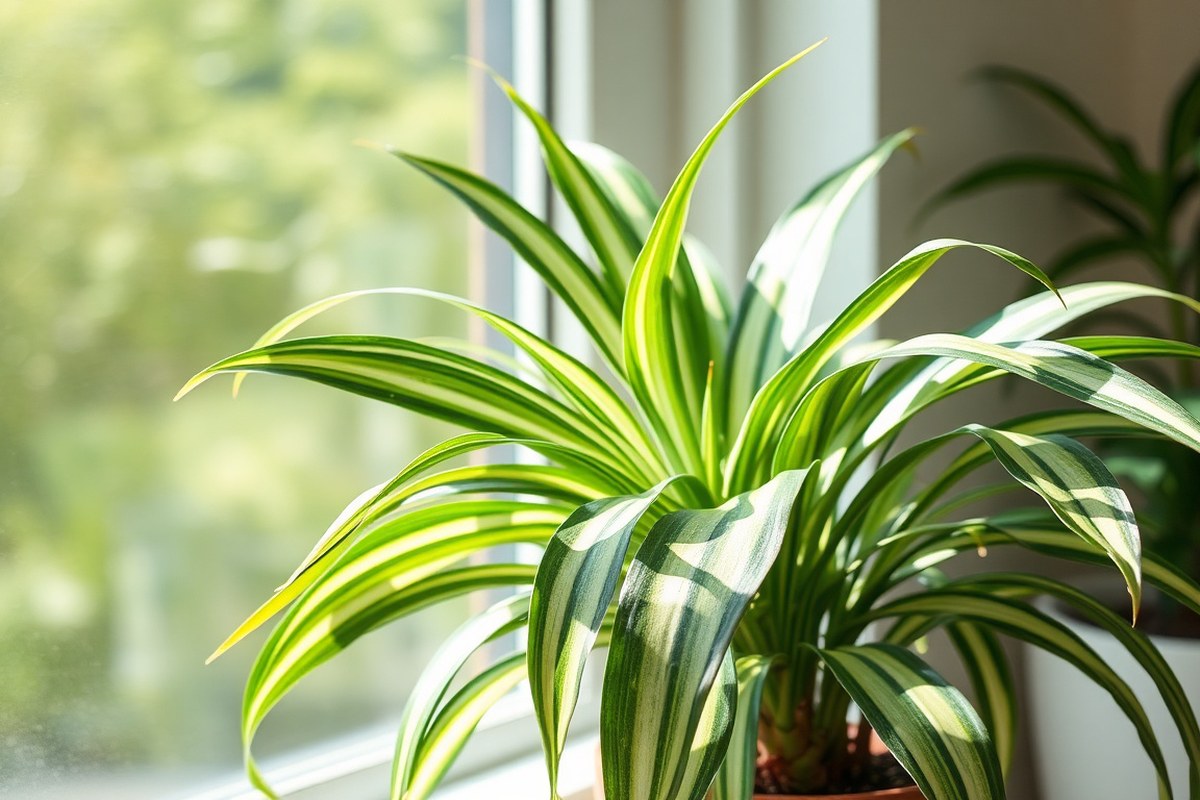
Does a spider plant need sunlight to grow well? Yes, it does. These plants thrive with plenty of bright, indirect sunlight.
Too much direct sun can burn their leaves, though. So avoid placing them where sun rays hit directly.
Spider plants usually require about 6 to 10 hours of indirect sunlight daily. Put your plant near a bright window. Keep it 5 to 6 feet away from southern or western windows.
This keeps the plant safe from too much direct sun. That way, it gets enough light without risk of scorching.
You can also use artificial light if natural sunlight is limited. LED grow lights placed 12 to 18 inches above the leaves work best. Running these lights for 8 to 10 hours daily helps keep your plant healthy and vibrant.
Key Takeaways
- Give your spider plant 8 to 10 hours of bright, indirect sunlight every day.
- Keep the plant 5 to 6 feet away from strong southern or western sun exposure.
- Avoid any direct sunlight hitting the leaves to prevent leaf burn.
- Place LED grow lights between 12 and 18 inches above the spider plant. Use these lights when natural sunlight is not enough. They help your plant keep growing strong indoors.
- Run grow lights for about 8 to 10 hours daily to simulate daylight hours.
- Adjust light exposure if you notice your plant’s leaves turning pale or scorched.
Does a Spider Plant Need Sunlight to Thrive?
Spider plants need sunlight to survive and grow well. Sunlight powers photosynthesis, which lets the plant make food from water and carbon dioxide.
Without enough light, a spider plant can survive but grow slowly. It won’t look as full or vibrant in low light.
Photosynthesis is key for the plant’s health. It uses light energy to produce sugars that fuel growth and keep leaves green. Low light stops a spider plant from making enough food.
This causes pale leaves. Growth also slows down.
Spider plants don’t need direct sunlight. But they do well with about 8 to 10 hours of bright, indirect sunlight daily.
Proper light keeps the variegated stripes bright on spider plants. It also stops stems from stretching long and thin.
Lower light means slower growth and less vibrant colors. The plant will survive in dim rooms or north-facing windows but won’t show its best form. It may look smaller, with fewer baby “spiderettes” producing over time.
Giving your spider plant enough light is cheap and easy. Put it near a sunny window or use LED grow lights.
The light needs to copy natural sunlight’s blue and red parts. These help spider plants grow healthy leaves and roots.
How Much Sunlight Does a Spider Plant Need Each Day?
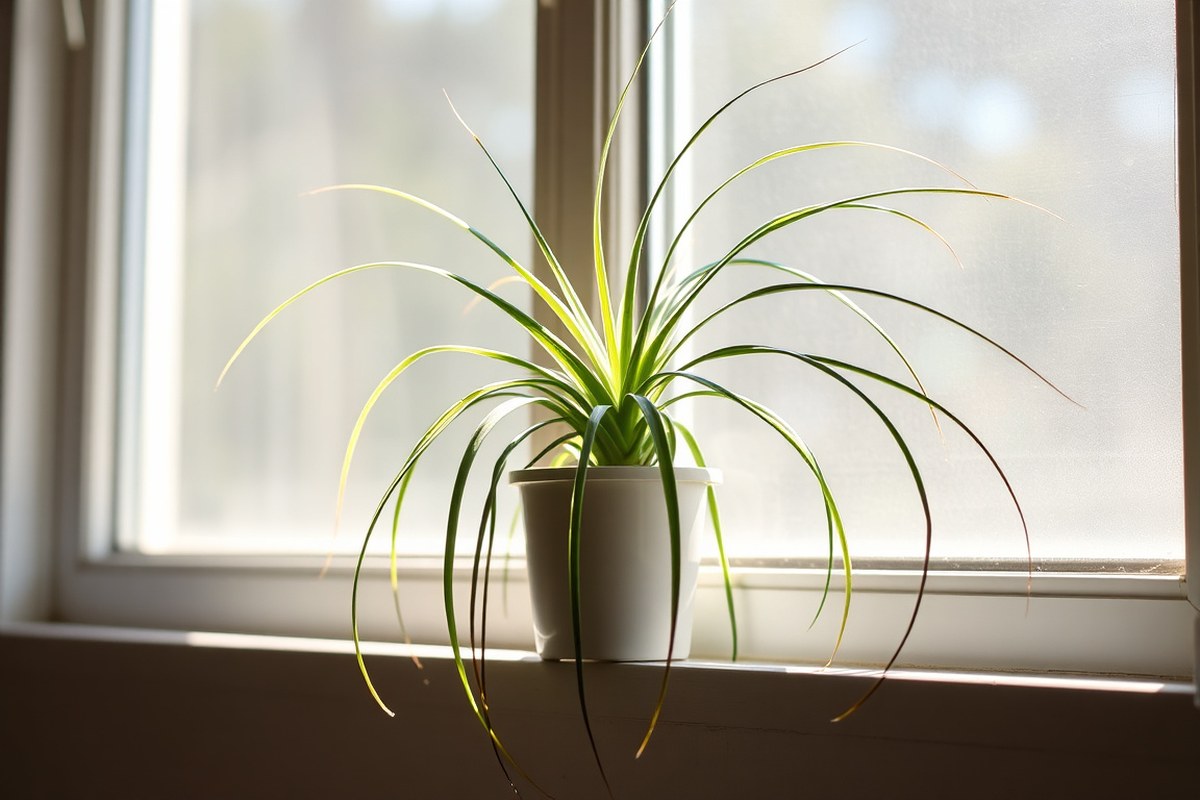
Spider plants need about 6 to 8 hours of bright, indirect sunlight daily. This range supports healthy growth and keeps leaf variegation strong. Less than 4 hours lets growth slow, and colors may fade.
During summer, they can handle 8 to 14 hours of filtered light. The longer light exposure helps spider plants grow arching leaves and produce offshoots, or “babies.Direct sun for more than a couple of hours can harm leaves.
It may cause the leaf tips to turn brown or yellow. Avoid long spells of direct sun on your spider plant.
Artificial grow lights can supplement natural light. Running a full-spectrum LED grow light for 8 to 10 hours works well. This helps spider plants grow healthy indoors.
Use this light schedule to keep them thriving. Position the light about 12 to 18 inches away to avoid stress.
| Situation | Recommended Light Duration | Growth Effect |
|---|---|---|
| Winter or low natural light | 4, 6 hours bright, indirect light + grow light | Slower growth, possible loss of variegation |
| Average daily indoor conditions | 6, 8 hours bright, indirect light | Healthy growth and vibrant leaves |
| Summer or abundant filtered light | 8, 14 hours of bright, indirect light | Faster growth, more spider plant babies |
| Too much direct sunlight | Over 2 hours | Leaf scorch, brown or yellow tips |
| Artificial lighting only | 8, 10 hours with full-spectrum LED | Supports growth similar to natural light |
Place your spider plant near an east- or west-facing window to catch filtered sunlight. Use sheer curtains if afternoon sun grows strong. Adjust lighting based on how your plant looks after a week or two.
Tip: Too much direct sun causes brown leaf tips. Move your plant if you see this.
Simply exposing the plant to 4 hours of indirect sunlight daily usually isn’t enough. Aim for at least 6 to 8 hours to see vibrant colors and steady growth. Increase light hours with a grow light if natural light is limited.
Balancing light intensity and duration lets you keep leaves crisp and produce offshoots. When light falls below 4 hours over weeks, variegation fades and “babies” stop appearing. Monitor and tweak your setup seasonally for best results.
What Type of Light Is Best for Spider Plants?
Spider plants do best in bright, indirect sunlight. They thrive with 4 to 8 hours of filtered light daily. Avoid placing them in harsh, direct sun to keep leaves healthy and vibrant.
Bright Indirect Light Explained
Bright indirect light means the plant gets strong, natural light but not from direct sun rays. A spot near an east-facing window usually works well. The gentle morning sun provides enough brightness without burning the leaves.
You can also place a spider plant by a north-facing window with clear glass. The light here is softer but steady, which supports steady growth. Reflected light from walls or floors adds extra brightness without harshness.
Plants in a west or south window need some shield from intense afternoon sun. The sun in the afternoon can be strong enough to scorch leaves if it’s too direct.
Risks of Direct Sunlight Exposure
Direct sun, especially on west or south windows, can bleach and scorch spider plant leaves. You’ll see brown or white patches where the sun hit too long. This damage slows growth and causes leaf drop.
Too much direct sun also raises the soil temperature, drying out roots faster. A spider plant in hot sun often looks faded rather than vibrant green. This stress can lead to weakened plants vulnerable to pests or disease.
Outdoor spider plants should be placed in partial shade or filtered light. This protects them from harsh midday sun while still providing enough light for good growth.
Using Sheer Curtains or Room Placement
Sheer curtains block direct sunlight but let plenty of light through. Place a spider plant behind one on a south or west window to prevent leaf burn. It’s an easy fix for homes with strong afternoon light.
You can also move the plant a few feet back from the window glass. Even 2 to 3 feet can reduce direct sun intensity enough to protect leaves. Try this before changing water or fertilizer if the plant shows sun damage.
- East window: spot with bright, gentle morning sun best for direct placement
- North window: good steady indirect light, use if room is bright
- South window: place behind sheer curtain or 2+ feet back
- West window: needs filtering or indirect exposure to avoid scorching
- Outdoor: provide filtered canopy shade or partial shade
- Use sheer curtains to soften intense light on windows
- Use reflected light inside from floors or walls to boost brightness
These steps help keep your spider plant healthy and vibrant. Bright, filtered light helps spider plants grow strong.
It stops problems from direct sun. Too much sun can damage their leaves.
Can Spider Plants Grow Well in Low Light Conditions?
Spider plants can grow in low light but not as fast or healthy. They use light to make food, so less light slows their growth. You might notice your plant becomes smaller and the leaves stop producing new shoots as quickly.
Low light makes spider plants stretch and look “leggy.” The leaves get thinner, paler, and may droop. Yellowing tips and fewer baby plants growing from the mother plant also happen under poor lighting.
To keep a spider plant alive in low light, use location wisely. Put it near a north-facing window. Choose a room with indirect light.
Avoid dark corners or rooms without windows. Use a 20-30 watt LED grow light for 12 hours daily. This supports steady spider plant growth.
This lighting setup uses about 7 to 11 kilowatt-hours each month. That amount of energy is usually affordable for most homes.
Spider plants usually prefer filtered light but tolerate shade indoors for a limited time. Spot weak growth or pale leaves? It’s time to give your spider plant more light.
A little more light can keep your spider plant fuller and greener. It helps the plant grow normally.
Where to Place Your Spider Plant for Optimal Light Exposure?
Placing your spider plant near a bright window with indirect light helps it thrive. East- and west-facing windows offer the best light without burning the leaves. South-facing windows often give too much direct sun.
This can bleach the leaves. Shade from a tree outside helps protect them.
Keep your spider plant 5 to 6 feet from south-facing windows. This helps avoid leaf damage. It reduces sun exposure.
Choose a spot farther back in the room. The light there is filtered near south windows.
This helps protect your plant. North-facing windows usually offer too little light, making them less ideal unless supplemented with grow lights.
| Window Direction | Recommended Distance from Window | Light Type Received | Why It Matters |
|---|---|---|---|
| East | Within 2-3 feet | Bright, indirect morning light | Ideal for gentle, balanced sun exposure |
| West | Within 2-3 feet | Indirect afternoon light | Offers enough light without overheating leaves |
| South | 5-6 feet or more | Strong direct light unless shaded | Too intense unless there is outdoor shade |
| North | Close to window but low light | Very low light | Needs supplemental grow light for good growth |
Start by choosing your room’s window area, then measure distance. Place the plant within 2 to 3 feet of east or west windows. Put the spider plant 5 to 6 feet back from south windows.
This helps prevent too much sun on the leaves. Rotate your plant weekly to prevent leaning toward the light. This supports even leaf growth and overall health.
Adjust the location based on seasons because winter light intensity and duration drop. In winter, south and west windows provide more sunlight. You may need to move the plant closer.
This helps it get enough light. Use a full-spectrum LED grow light for 6 to 8 hours daily. This keeps your plant healthy without natural window light.
Keep in mind that too close to a south window can burn spider plant leaves quickly.
How to Use Artificial Light to Supplement Spider Plant Lighting?
You can successfully use artificial grow lights for your spider plant. Both LED and fluorescent lights work well to fill the light gap. Aim for 12 to 14 hours of total light daily if using only artificial lighting.
Choosing the Right Grow Light
LED grow lights are energy efficient and last longer than fluorescent bulbs. They produce less heat, which reduces the risk of burning your plant’s leaves. Fluorescent lights are cheaper upfront but usually need more frequent replacement.
Look for compact LED grow lights designed for houseplants. These lights usually cover about 2 by 3 feet. That works well for one spider plant.
You can also fit a small cluster in that space. Avoid general household bulbs as they may not emit the light spectrum your plant needs.
Setting Duration and Intensity
Spider plants need 12 to 14 hours of light each day. This is when they get light from only artificial sources.
Add 6 to 8 hours of grow light daily if your plant gets some natural light. This balance prevents overstressing the plant.
Use a timer to control how long the lights are on. This helps maintain a consistent schedule, which supports steady growth. Avoid leaving the lights on too long to prevent leaf yellowing or dryness.
Proper Distance Between Light and Plant
Place the LED grow light 12 to 18 inches above your spider plant. This gives enough brightness without burning leaves. Fluorescent lights should be 6 to 12 inches above the plant.
Keep adjustability in mind when setting up your light. When your plant grows taller, move the light higher up. This keeps it the right distance from the leaves.
Look for leaf color changes or curling as warning signs. These signs can mean the light is too close or too far.
Use these steps to set up your grow light correctly for your spider plant:
- Choose a compact LED grow light suitable for houseplants or a full-spectrum fluorescent bulb.
- Check the manufacturer’s coverage area to ensure it fits your plant size.
- Use a timer to run the grow light 12 to 14 hours daily. This works best if your plant gets only artificial light.
- Position the light 12-18 inches above the plant’s top leaves for LED lights.
- Adjust the height as the plant grows to maintain this distance.
- Use natural light during the day as much as possible to reduce artificial light hours.
- Monitor your plant’s leaves weekly for signs of too much or too little light.
What Are the Signs Your Spider Plant Isn’t Getting Enough Light?
Your spider plant may be struggling if its growth seems weak or stretched out. Thin, small new leaves often mean it isn’t getting enough light. The plant may also lean or reach toward the nearest light source.
Leaves that look pale or have lost their vibrant green color can indicate low light. Watch for spiderettes, or baby plants, too. Fewer spiderettes usually show the plant lacks enough energy to reproduce.
- Thin, small new leaves: low light, move plant closer to indirect bright light
- Leaves leaning toward light: move plant to a brighter spot for balanced growth
- Pale, faded leaves: increase natural light or use a grow light
- Fewer spiderettes: improve light and avoid drafts to encourage healthy growth
- Leggy, floppy stems: bring plant closer to a window with filtered sunlight
- Brown tips only: check humidity and water quality, brown tips are usually not light-related
Place your spider plant near a window with indirect sunlight. Keep it about four to six feet away from the window. This spot gives the plant the right light it needs.
Avoid direct sunlight that can bleach or burn the leaves. Using a grow light on low to medium setting can help if natural light is limited.
Check the leaves regularly. Healthy spider plants have strong, wide, and deep green leaves with clear white stripes. Watch the leaves for two to three weeks.
Thin, fading leaves mean you should change the light. Try a different spot with better lighting. Your plant usually takes about one month to recover.
It needs this time to adjust after moving to better light. Be patient while it regains strength.
How Seasonal Changes Affect Spider Plant Light Needs?
Spider plants need light adjustments as seasons change because daylight hours and intensity vary. In winter, shorter days mean less natural light.
So you should move your plant closer to windows or add supplemental lighting. These changes keep your spider plant growing steadily throughout the year.
Recognizing Seasonal Light Variations
Daylight lasts longer and feels brighter in spring and summer, which helps spider plants grow faster. In fall and winter, the sun’s rays grow weaker. Days get shorter by 4 to 6 hours in many areas.
This affects how much light your plant gets. This reduction affects your spider plant’s ability to photosynthesize and produce new leaves.
Spider plants prefer bright, indirect light, so watch how sunlight shifts on your windowsill. Morning light is softer, good for winter. Afternoon sun can be harsher and risk leaf scorch in summer.
Tracking natural light changes each month helps you watch your plant’s needs. You’ll see when it wants more or less light. This keeps your plant healthy.
Adjusting Placement and Supplemental Lighting
When natural light fades in fall, move your spider plant closer to east- or south-facing windows. Bring it within about 2 feet of the window to maximize light without direct sun exposure. Avoid placing it where cold drafts or hot radiators can stress the plant.
Daylight may be very limited in winter. Use grow lights for 6 to 8 hours a day to keep growth steady. This helps replace natural light.
LED full-spectrum bulbs costing between $20 to $40 work well and save energy. Position lights 12 to 18 inches above the plant to spread light evenly over leaves.
Follow these steps to adjust your spider plant’s light setup through the seasons:
- Monitor daylight hours weekly to spot decreasing trends starting in fall.
- Gradually move the plant closer to brighter windows by 2 feet increments.
- Check for leaf color changes or leggy growth as signs to increase light.
- Set a grow light on a timer for winter months. Provide 6 to 8 hours of light each day. This keeps your spider plant growing well.
- Aim the grow light 12-18 inches above the plant for even coverage.
- Keep the plant away from direct sun to avoid burnt leaves in summer.
- Return the plant to a less bright spot in spring as days lengthen.
Don’t put your spider plant in direct sun during summer; it risks leaf burn.
Maintaining Temperature and Humidity with Light Changes
Light changes often come with temperature shifts, affecting spider plants’ health. Keep indoor temps steady between 65°F and 75°F to prevent stress, especially near windows in winter. Cold drafts can stunt growth and yellow leaves quickly.
Higher humidity supports your spider plant during low light months. Use a small humidifier or place a tray with water and pebbles nearby. This helps mimic their natural, humid environment and improves leaf health.
Common Lighting Mistakes and How to Correct Them for Spider Plants
One big mistake is placing spider plants in direct sunlight all day. Their leaves get scorched quickly, especially from afternoon sun. Move the plant to filtered light or some shade during the day.
Too little light is another common problem. Without enough bright light, your spider plant may lose its leaf variegation or grow slowly. You can tell the plant isn’t getting enough if the leaves look dull green and limp.
A spot near a north-facing window works well. East or west windows are okay if the plant is a few feet away.
Improper placement also causes trouble. Placing your spider plant right against cold windows or heating vents can stress it. Extreme temperatures combined with poor lighting often cause yellow or brown leaf tips.
Keep the plant 2 feet from vents. Avoid drafty window spots. This helps the plant stay healthy.
- Limit direct sunlight to 4 to 6 hours total daily
- Use sheer curtains to filter harsh afternoon sun
- Rotate the plant every week for even light exposure
- Move the plant closer to bright windows if leaves look dull
- Keep spider plants 2 feet from heat sources or cold drafts
To prevent leaf scorch, reduce direct afternoon sun exposure. Try using blinds or curtains to soften the light by midday. Place the plant by an east-facing window.
Sunlight there is gentler. It keeps the light bright without damage.
Fixing variegation loss means boosting indirect light levels slowly. Avoid sudden moves from dark to bright spots, which can shock the plant. Move your spider plant closer to the window a few feet.
Do this slowly over several days. It helps the plant adjust.
Your First Steps: A Simple Spider Plant Sunlight Plan
Follow these steps to give your spider plant the right light and watch it grow strong.
- Day 1: Place the plant near a bright window with filtered sunlight. Check leaves for vibrant green color.
- Week 1: Observe the plant for signs like drooping or pale leaves. Adjust its spot if it looks stressed.
- Week 2: If natural light is low, use a grow light. Keep it 12 inches above the plant. Keep it on for 12 hours daily.
- Week 3: Each week, rotate the plant a quarter turn. This helps all sides get even light.
- Month 1: Check the leaf tips for new growth. Healthy new growth shows good lighting.
- Seasonal Check: As seasons change, move your plant closer to windows during shorter days.
- Ongoing: Avoid direct afternoon sun to prevent leaf burn. Use a sheer curtain if needed.
Frequently Asked Questions
Can Spider Plants Survive in Full Shade?
Spider plants can survive in full shade but won’t thrive. They need bright indirect light to grow well and stay healthy.
Is Morning Sunlight Better Than Afternoon for Spider Plants?
Morning sunlight is gentler and better for spider plants. Avoid harsh afternoon sun to prevent leaf burn.
Do Spider Plants Need Sunlight in Winter?
Yes, spider plants still need sunlight in winter. Place them near bright windows to keep growth steady.
Can Spider Plants Grow Under Fluorescent Lights Alone?
Yes, spider plants can grow under fluorescent lights alone. Use bulbs designed for plant growth for best results.
How Long Can a Spider Plant Go Without Sunlight?
A spider plant can go about a week without sunlight. Extended lack of light will slow growth severely.
Can Spider Plants Get Sunburned Indoors?
Yes, spider plants can get sunburned by direct window sun. Use curtains to filter intense rays.
The Bottom Line
Spider plants need bright, indirect sunlight to thrive but tolerate some shade. Check your plant daily to catch early light problems. Move it now to a better spot if the leaves look off.