How to Amend Soil: A Complete Guide with Proven Tips and Choices
How to amend soil is about improving the dirt where your plants grow. The best way to do this is by adding organic matter like compost or aged manure. Adding these materials boosts nutrients, improves drainage, and encourages healthy roots.
Start by breaking up your soil and tilling it to around 8 inches deep. This makes sure the amendments mix well and reach plant roots. Avoid adding too much fertilizer or amendments with wrong pH, since they can harm plant growth.
Soil amendment works best when you test your soil’s pH and nutrient levels first. You want your soil pH near 6.0 to 7.0 to help plants absorb nutrients easily. Adding the right materials based on your soil type makes a big difference in garden health.
Key Takeaways
- Test your soil’s pH and nutrient levels before amending.
- Break up soil clumps and till to about 8 inches deep.
- Add 2 to 4 inches of compost as a top dressing each season.
- Use organic matter like compost or aged manure to improve soil.
- Aim for slightly acidic to neutral soil pH of 6.0 to 7.0.
- Avoid over-applying fertilizers that raise soil pH too much.
How to Amend Soil Correctly for Healthier Plants
Amending soil correctly helps your plants grow strong by improving soil tilth. Tilth means how well soil supports roots with good air, moisture, and nutrients.
You can add amendments either before you plant or during planting. But mixing them well into the soil makes the biggest difference.
Adding new soil on top of old soil won’t work well. You need to mix the new soil with the old soil. Simply layering soil stops the mixture from working properly.
Covering old soil this way stops water and air from moving. Plants may struggle without proper water and air flow. Good soil has space for air and water to flow.
Plants may struggle to send roots through the layers. Instead, work amendments into the top 6 to 8 inches of soil for the best effect.
Here’s a step-by-step way to amend your soil for healthier plants. The steps suit flower beds, vegetable gardens, and small planting areas.
- Clear the area. Remove weeds and debris to access bare soil. This prevents competition and lets you work amendments evenly.
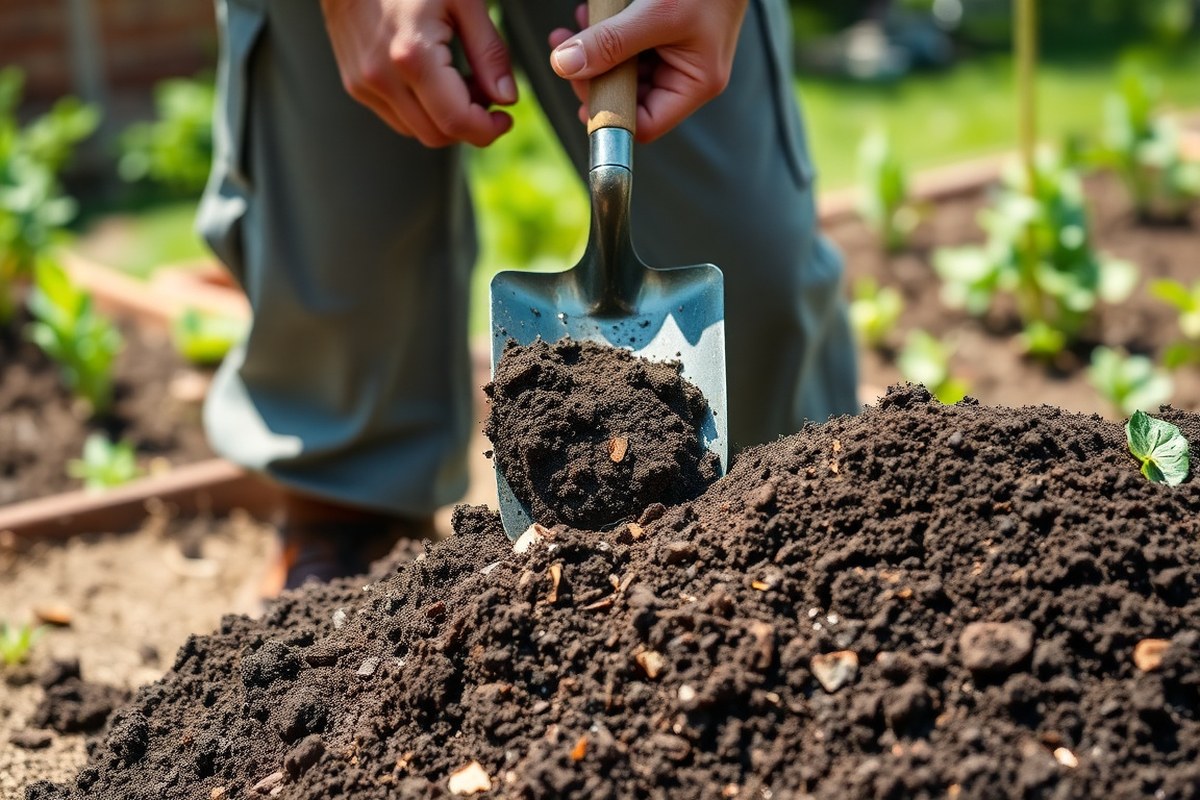
- Break up the soil. Use a shovel, spade, or gardening fork to loosen top 6 to 8 inches of soil. Avoid compacting the ground.
- Add organic amendments. Spread 2 to 4 inches of compost, aged manure, or leaf mold across the loosened soil.
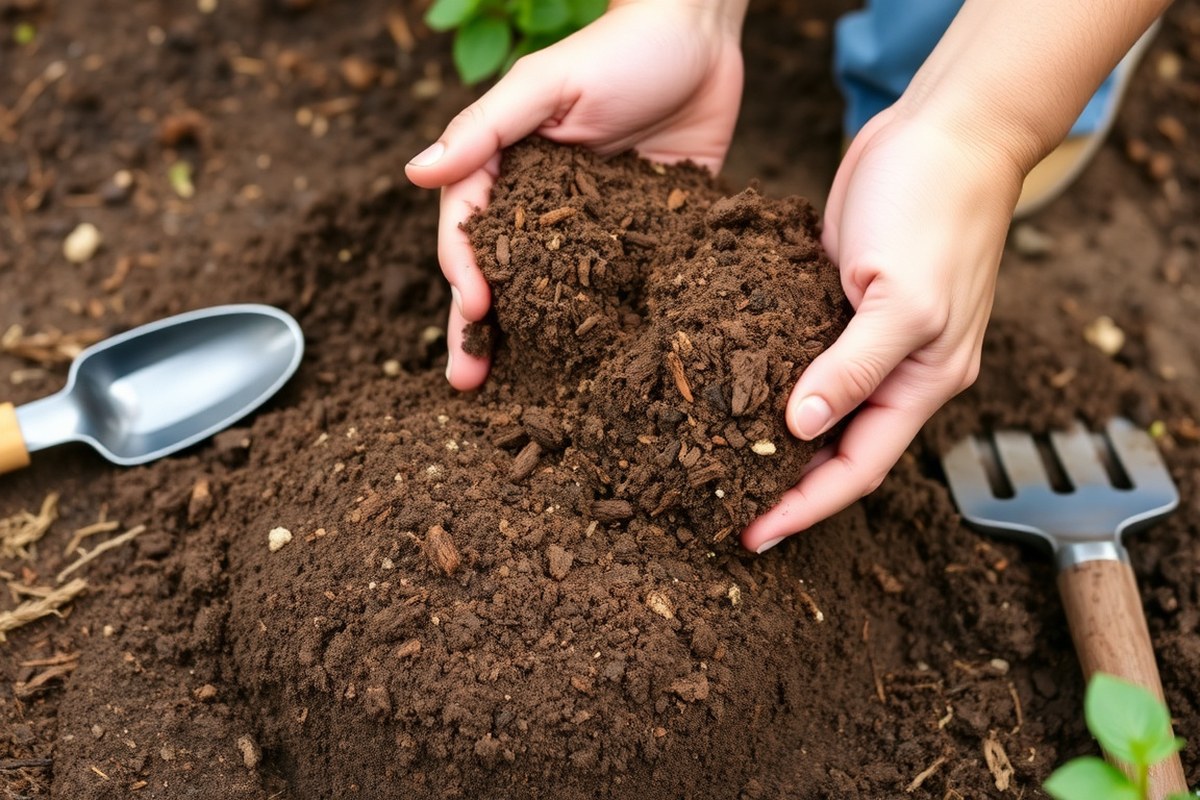
- Mix thoroughly. Stir the amendments into the soil with a garden fork or tiller. Mixing ensures better air and water flow.
- Level the soil surface. Rake lightly to smooth out the bed but keep soil loose so roots can expand easily.
- Test moisture. Water the soil gently and wait 24 to 48 hours before planting. Moist soil helps roots settle fast.
- Plant as planned. Put seeds or transplants in the prepared soil. Amendments help roots grow with less stress.
For clay-heavy soil, plant root balls slightly raised above ground. This helps roots avoid being buried in dense soil. Raised planting helps roots get the air and water they need.
Amendments feed helpful microorganisms that break down organic matter and feed plants slowly over time. Avoid amendments with high salt content to prevent root damage.
Mixing amendments well is key to success. Just layering them on top usually hurts root growth.
How to Test Your Soil Before Amending
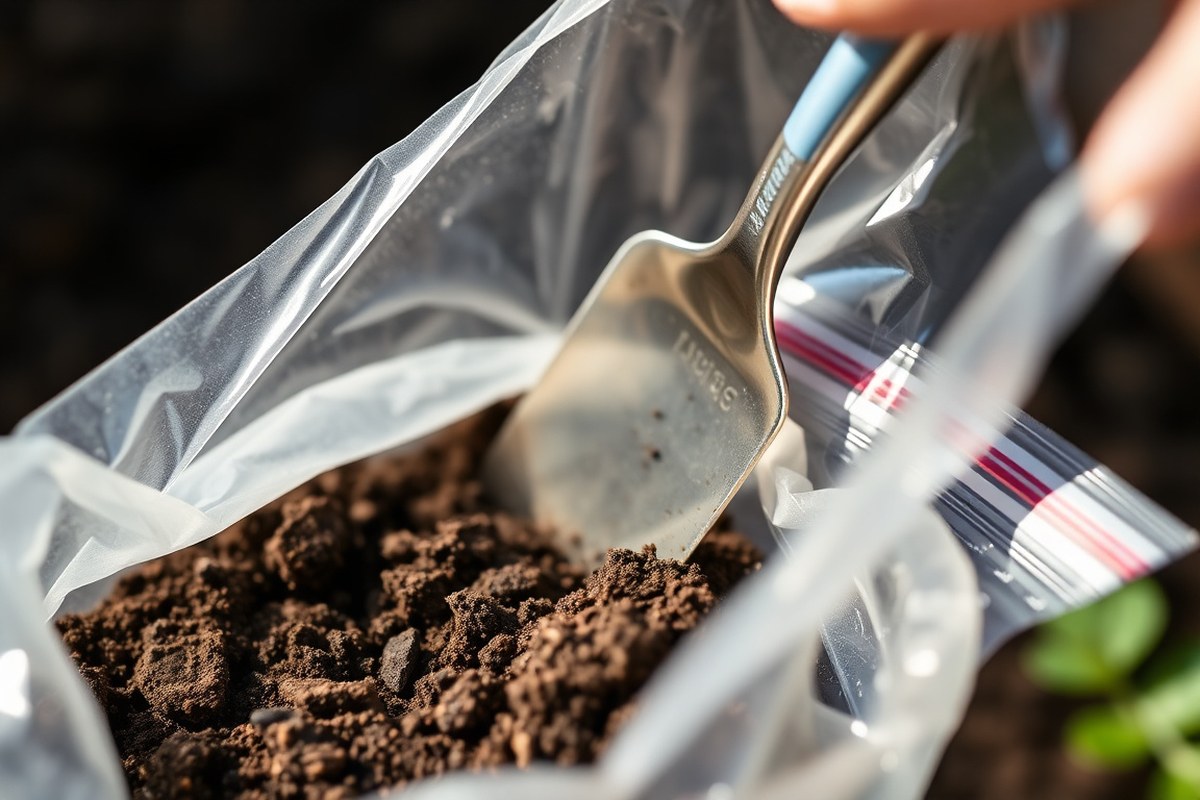
Testing your soil before adding amendments helps you understand its needs. You can check its pH, nutrients, and organic matter. Regular testing lets you avoid adding the wrong amendments and wasting time or money.
Collecting Representative Soil Samples
Take soil from several spots around your garden to get a clear picture. Mix samples to create one composite sample per bed or area. This gives a balanced view of the soil’s condition.
Here are the steps for collecting soil samples properly:
- Remove debris like leaves or sticks from the soil surface.
- Use a trowel or soil probe to collect soil from 6 to 8 inches deep.
- Take samples from 5 to 10 random spots within the same area.
- Combine all these samples into a clean bucket and mix well.
- Spread the mixed soil on a clean surface to air dry for 1 to 2 days.
- Place about 1 cup of dried soil into a clean container or bag.
- Label the container with the date and garden area name.
- Send or deliver the sample to a local extension office or soil lab.
Don’t test soil right after fertilizing or heavy rain; results may be off.
Understanding pH, Nutrient, and Organic Matter Tests
PH tells how acidic or alkaline your soil is. Most vegetables grow best with pH between 6.0 and 7.0. Your soil’s acidity or alkalinity can stop plants from absorbing nutrients.
Nutrient tests measure key elements like nitrogen, phosphorus, and potassium. These support growth, root development, and flower or fruit production. Organic matter tests show how much decomposed material is in your soil.
Organic matter improves water retention and soil structure. Garden soil with about 5% organic matter is ideal.
But many poor soils have less. Test results often come with simple recommendations for improving these factors.
Using Test Results to Plan Amendments
Follow soil test advice to add the right type and amount of amendments. For example, low nitrogen suggests adding composted manure or legume cover crops. Low organic matter calls for annual compost or earthworm castings.
Add lime to your soil to raise the pH level. Add sulfur to lower the pH based on your test results.
Avoid adding nutrients you don’t need, which can harm plants and pollute water. Test sandy soils more often since they lose nutrients quickly.
Regular testing every 2 to 3 years works for most gardens. Test annually if you use high-nitrogen amendments or grow vegetables heavily. Use the test data to keep your soil healthy and productive year after year.
Types of Soil Amendments and When to Use Them
Common soil amendments include compost, manure, peat moss, synthetic fertilizers, and water-holding crystals. Organic amendments like compost and aged manure improve soil structure and water retention.
Synthetic fertilizers supply quick nutrients but don’t build soil health over time. You can safely mix organic and inorganic amendments depending on your soil needs.
Clay soils benefit from organic matter that creates space for air and water movement. Compost and aged manure break up the heavy, fine particles in clay.
Sandy soils need amendments that hold water better, like peat moss or water-holding crystals. Loamy soils generally need less amendment but may improve with a light addition of compost.
Organic amendments feed living soil organisms and build a healthy soil ecosystem. Synthetic options address nutrient shortages faster but don’t address the root soil texture or biology issues. Adding compost regularly helps improve your soil over time.
Apply one to two inches evenly on the surface. Mix it into the top six inches of soil. Organic matter builds up slowly and may require tons per acre for big changes.
| Amendment | Soil Type Best Suited | Key Benefit | Application Tip |
|---|---|---|---|
| Compost | Clay, Sandy, Loamy | Improves structure and adds organic matter | Work in 1-2 inches into the top 6 inches |
| Aged Manure | Clay and Loamy | Feeds soil microbes and loosens heavy soil | Ensure manure is fully composted to avoid pathogens |
| Peat Moss | Sandy | Increases water retention | Mix with compost for better nutrient content |
| Synthetic Fertilizers | All types | Provides immediate nutrients | Apply according to plant needs and soil test |
| Water-Holding Crystals | Sandy, Dry Soils | Retain moisture longer | Incorporate lightly, avoid overuse to prevent soil compaction |
Adding several amendments can be helpful, but balance matters. Use compost or manure to improve texture and add nutrients first. Then apply fertilizers as needed based on soil tests.
Avoid too many synthetic products, or they could harm soil life. Organic matter accumulates slowly, so regular amendment over seasons builds lasting soil health.
Choosing Amendments Based on Soil Type and Problems
Choose amendments based on your soil type and specific problems for best results. Each soil type needs a different approach to fix drainage, texture, or nutrient issues. Avoid adding amendments that don’t suit your soil, as they might make problems worse.
Clay soil holds too much water and compacts easily. Adding gypsum breaks up clay using calcium. This improves soil texture and drainage.
It does not change the soil pH. Organic matter also helps by feeding microbes and loosening the soil.
Sandy soil drains too fast and doesn’t hold nutrients well. Mixing in organic matter improves water retention and adds nutrients. Adding compost or well-rotted manure can keep sandy soil from drying out quickly.
Loamy soil is balanced but can still need adjustment depending on your garden’s needs. Slow drainage means you should add more organic matter or gypsum.
Both help water move through soil better. For pH imbalances, add lime or sulfur based on soil testing.
| Soil Type | Common Problems | Recommended Amendments | Purpose |
|---|---|---|---|
| Clay | Poor drainage, compaction | Gypsum, organic matter | Improves structure, increases drainage |
| Sandy | Fast drainage, low nutrients | Compost, organic matter | Increases water retention, adds nutrients |
| Loamy | Variable pH, uneven moisture | Organic matter, lime, sulfur, gypsum | Adjusts pH, improves moisture balance |
Improving drainage often means loosening the soil and adding calcium. Gypsum works well to improve soil structure in sticky clay by causing flocculation. This creates crumb-like particles that let water move through better.
Topsoil addition isn’t usually the first step, since it might just cover the problem. Instead, focus on improving the existing soil with amendments.
Adding a few inches of good topsoil helps. This is useful for raised beds or thin soil spots.
Keep records every time you amend soil. Watch how your plants respond and adjust in later seasons.
Over-amending or using the wrong materials can cause poor drainage, nutrient lockout, or uneven moisture. So take it slow and test results regularly.
How Long Does Soil Amendment Take to Improve Soil?
Amending soil takes time, often several months to show clear improvement. Organic amendments like compost break down slowly, usually within 3 to 6 months. This gradual change helps roots grow better and improves soil texture.
Some amendments work faster. For example, elemental sulfur lowers alkaline soil pH but may take weeks to months.
Ammonium sulfate lowers pH quicker, often within weeks, while providing nutrients. Choose the amendment based on your soil’s needs and how fast you want results.
Expect to amend soil at least once a year, typically in early spring or fall. Frequent amendment might be needed in poor or sandy soils. You can test soil every season to see if further changes are necessary.
To check if amendments work, watch your plants closely. Look for stronger growth, more leaves, and better flower or vegetable production. Soil should feel looser with better drainage and hold moisture without staying soggy.
Also, retest soil pH and nutrient levels after 3 to 6 months. This measures chemical changes from your amendments. Keep notes on plant health and soil texture to guide future amending.
Don’t expect instant soil fixes; good soil takes months to change visibly.
Drainage problems might worsen if you add gravel or squeegee to fix soil texture. Use organic matter like coconut coir instead, which improves soil without harming drainage. This is especially useful when you want a renewable option.
Each amendment’s rate differs. For example, ground rock sulfur calls for 1.2 ounces per square yard in sandy soil.
For other soils, use 3.6 ounces per square yard. Follow label directions carefully to avoid over-application.
How to Apply Soil Amendments: Tools and Techniques
Amendments must be mixed well into the soil to work effectively. You can use simple hand tools for small spaces or machines for bigger gardens. In raised beds, mix amendments gently to avoid compacting the soil.
Hand Tools for Small Gardens
Hand tools give you control when working in limited spaces. You’ll use a digging fork or hard-tine rake to mix amendments evenly into the soil surface.
Work the soil when it is moist but not wet. Too dry soil won’t mix well, and too wet soil clumps and compacts.
- Spread amendments evenly over the soil surface.
- Use a digging fork to turn the soil 6 to 8 inches deep.
- Break up clumps and mix the amendments throughout the soil.
- Rake the soil surface smooth to finish.
This process loosens the soil and lets the amendments blend fully. Avoid walking on the bed during and after applying amendments to keep soil structure intact.
Using Tillers and Rototillers
For medium to large gardens, tillers speed up soil preparation. Rototillers break up soil quickly and mix amendments deeply, saving manual labor.
Choose a tiller size matching your garden area to avoid damage or inefficient work. Till only moist soil to prevent clumping and tool strain.
- Spread the amendments over the soil surface.
- Start the tiller at the shallowest depth (3 to 4 inches).
- Make one or two passes to blend amendments into the soil.
- Increase depth up to 6 to 8 inches if needed for planting.
- Stop and check soil texture; avoid over-tilling to prevent compaction.
Tillers mix amendments faster. But don’t till wet soil or repeatedly in the same spot. Let the soil settle a week before planting.
Amending Raised Beds and Container Soil
Raised beds and containers benefit from light, airy soil mixes. Mix amendments into potting soil or garden soil gently, keeping soil loose.
Use a garden fork or trowel to mix amendments by hand in smaller containers. In larger beds, a digging fork works well without crushing the soil.
- Remove plants or cover them if present.
- Add amendments evenly across the bed or container surface.
- Turn the soil 4 to 6 inches deep with a fork or trowel.
- Break large clumps and mix thoroughly to distribute evenly.
- Level the soil carefully, avoiding compaction.
Replant as soon as the soil feels loose and fresh. Raised beds dry faster, so check moisture often after amending.
Common Mistakes When Amending Soil and How to Fix Them
Adding new soil directly on top of old soil is a common mistake. It creates layers that water cannot easily penetrate.
Instead, mix your amendments into the top 1 inch of existing soil. This blending helps nutrients and air move freely through the root zone.
Using too many amendments at once can harm soil health. Not all amendments work well together or suit your soil type. Choose one or two that address your specific soil problems.
Mix them thoroughly with your natural soil and backfill dirt before planting. This stops uneven patches and clumps that stunt plant growth.
Failing to mix amendments past the planting hole is another mistake. Amendments only fix soil if they spread beyond that small area.
Dig several inches wider and deeper than the hole to blend amendments with the surrounding soil. This encourages roots to grow beyond the amended spot.
- Don’t pile amendments on top like mulch; they need to be worked into soil.
- Only mix compost into the upper 1 inch of soil for best results.
- Avoid adding bagged soil or compost directly when planting shrubs or perennials.
- Pick amendments based on soil tests and plant needs, not trends.
- Mix amendments thoroughly with both natural soil and backfill before planting.
- Adjust pH or texture slowly; sudden changes may shock plants.
Some gardeners want quick fixes by piling on amendments or soil. Healthy soil takes time and careful mixing. Keep your work shallow and thorough.
Over time, the soil’s texture and nutrient balance will improve naturally. That helps plants thrive without extra stress or wasted effort.
Affordable and Homemade Soil Amendments That Work
You can make your own soil amendments at home using kitchen scraps and garden waste. Coffee grounds are one effective organic option that adds nutrients and improves soil texture. Buying amendments in bulk or from local stores cuts costs.
This approach works well for large garden spaces. It helps you manage budget and soil health effectively.
Composting Kitchen and Garden Waste
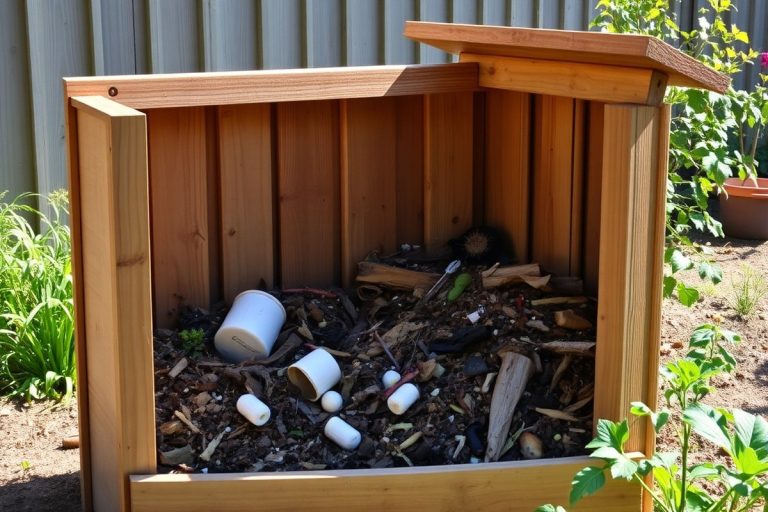
Composting turns your organic kitchen scraps and garden clippings into rich soil amendment. Use fruit and veggie peelings, grass clippings, and dry leaves for a good mix. Keep the compost pile moist for best results.
Turn it every 1 to 2 weeks. This speeds up decomposition, usually taking 2 to 4 months.
Compost is ready when it looks dark and crumbly. Mix it into your soil around 2 to 3 inches deep. This nourishes your garden soil effectively.
This adds organic matter and encourages beneficial microbes. Avoid composting meat or dairy to prevent pests and bad smells.
Using Coffee Grounds and Other Organic Materials
Used coffee grounds are a great affordable amendment because they add nitrogen and organic matter. Spread them thinly over soil or mix into your compost to avoid compacting the soil.
Too many grounds can make the soil too acidic. So use about a half cup per square foot.
Other organic amendments include shredded leaves, grass clippings, and kitchen vegetable scraps. These add moisture and nutrients but break down faster than wood chips. Use them within a week or two to prevent mold or smell problems.
Don’t pile fresh coffee grounds thick; this can block air and slow plant growth.
Buying Bulk or Local Amendments Affordably
Buying amendments like manure, compost, or shredded bark in bulk can lower costs for bigger gardens. Check local farms or garden centers for deals on aged manure or large bags of compost. Prices often drop per cubic yard compared to small bags, saving money for larger projects.
Local amendments reduce shipping costs and arrive fresher. They match your region’s soil and climate. This makes them more effective for your garden.
Watch for quality when buying manure or compost. Avoid manure with a strong smell.
Also skip compost with large chunks of unbroken material. Well-aged and screened amendments work best and won’t burn your plants.
Step-by-Step Action Plan for Amending Your Soil
Follow these steps to improve your soil and help your plants grow better. Check each step for signs it worked before moving on.
- Before you start: Test your soil using a kit or send a sample to a lab. Knowing your soil’s pH and nutrients will guide your amendments.
- Day 1: Clear the area of weeds and debris. This gives amendments direct contact with the soil below.
- Day 2: Apply organic matter like compost or aged manure evenly over the soil. Soil should absorb it well, not stay wet or compacted.
- Week 1: Lightly till the soil to mix in amendments. Dig down about 6 to 8 inches. Turn the soil gently for best results. Check soil texture feels loose, not hard.
- Week 2 to 4: Water the soil regularly but avoid puddling. Moist soil helps amendments break down and feed roots.
- Month 2: Add any needed specific amendments like lime for acidity or sand for heavy clay. Test soil to confirm changes.
- After 2 months: Plant your vegetables or flowers and watch for healthy growth. Sturdy stems and green leaves mean your soil is ready.
Frequently Asked Questions
How to Amend Soil Quickly?
Spread 2 to 4 inches of compost over your soil surface. Mix the top inch into the soil well.
This method improves nutrients faster than deep mixing and helps plants grow within weeks. Avoid heavy tilling to keep soil structure intact.
Can I Put New Soil on Top of Old Soil?
Yes, you can add new soil but don’t just layer it thickly. Mix the new soil into the top few inches to prevent root issues and poor drainage. Otherwise, plants might struggle to grow roots through dense layers.
Are Coffee Grounds Good for Amending Soil?
Coffee grounds add organic matter and some nitrogen to your soil. Use them sparingly because too much can make soil acidic or compacted. Mixing them well with compost or soil keeps plants healthier.
What Is the Most Affordable Way to Amend Soil?
Using homemade compost or collecting organic kitchen scraps is cheap and effective. You can also add shredded leaves and grass clippings to boost nutrients without buying products. These natural amendments recycle waste and improve soil naturally.
Can I Amend Soil Right Before Planting?
Yes, but only mix in the amendment lightly, about an inch deep. Thorough mixing with the soil helps roots access nutrients quickly and prevents uneven soil texture. Heavy amendment sometimes causes root burn or poor growth.
Does Amending Soil Improve Clay Soil Drainage?
Yes, adding organic matter like compost loosens clay soil and helps water drain better. Break up clumps first, then mix amendments into the top 8 inches. This improves root growth and reduces waterlogged conditions.
Key Points to Remember
Good soil starts with the right amendments and regular care. Focus on your soil’s needs and keep it loose and moist. Begin amending this week and watch your garden thrive.