Do Citronella Plants Keep Mosquitoes Away? What Actually Works and How to Use Them
Citronella plants do keep mosquitoes away, but not as well as many think. The plant’s scent comes from citronella oil, which repels mosquitoes briefly. The live plant outdoors offers only limited protection while you sit nearby.
Citronella oil works best in candles or sprays, not just from plant leaves. The oil concentration matters because plants usually have less oil than commercial products. You need to crush or trim leaves to release more scent and be close to the plant.
Space citronella plants 18 to 24 inches apart and place them where they get some shade. This helps the plants stay healthy. They also need well-drained fertile soil to grow strong and healthy.
Citronella won’t block all mosquitoes but can help reduce bites in your yard. It’s best used along with other mosquito control methods for better results.
Key Takeaways
- Citronella plants release oil that mildly repels mosquitoes for short periods.
- Crushing leaves releases more scent to boost mosquito repellency outdoors.
- Space plants 18 to 24 inches apart in partially shaded, well-drained soil.
- Citronella oil in candles usually works better and longer than live plants.
- Higher oil concentrations in sprays offer better mosquito protection than plants.
- Use citronella plants alongside other mosquito control methods for best results.
Do Citronella Plants Actually Repel Mosquitoes Outdoors?
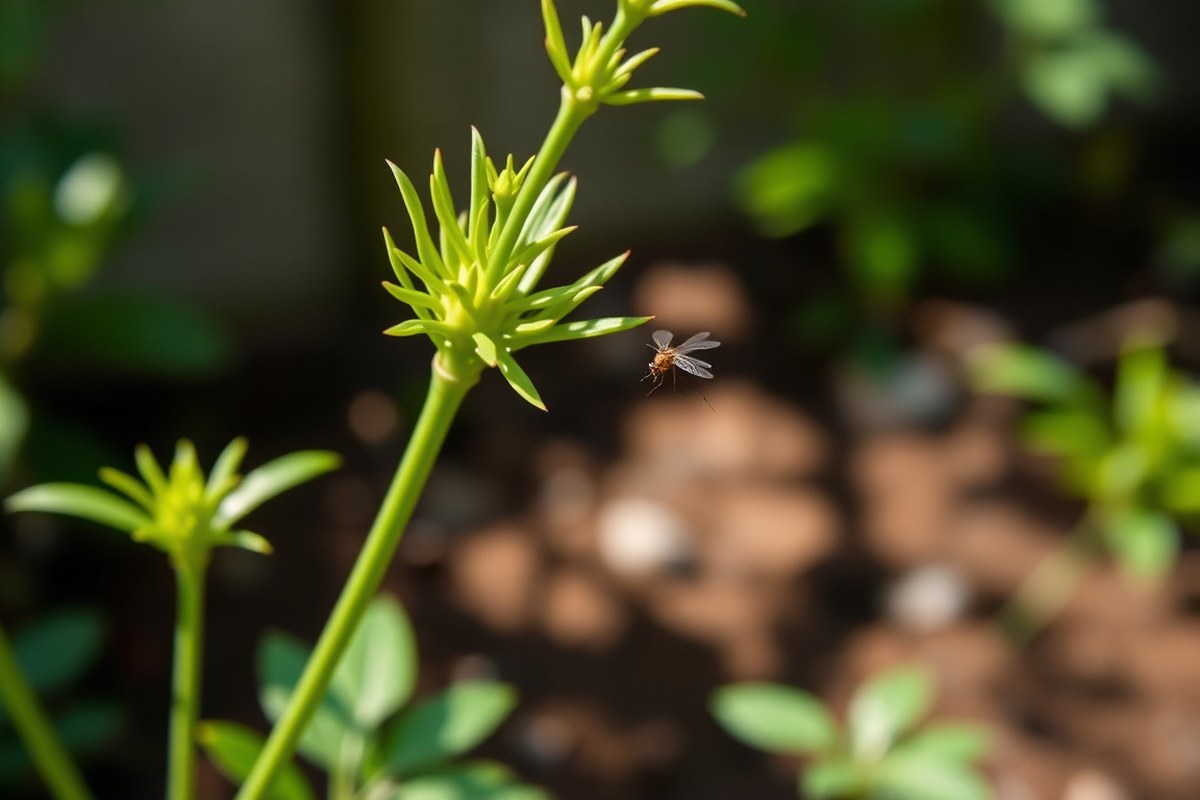
Citronella plants give off a strong citrus scent that mosquitoes dislike. This scent comes from oils in the leaves, which act as a natural repellent. However, simply planting citronella around your yard won’t fully keep mosquitoes away.
The oils need to be released actively to work well. Mosquitoes do not like citronella oil. Burning citronella candles helps in small areas.
This works because the oil affects mosquitoes’ senses. But live plants don’t release enough scent on their own to create a mosquito-free zone outdoors.
You need a whole field of citronella plants. This amount can lower mosquito numbers in your yard. Small plantings won’t have much effect.
A single pot or a few plants near your patio won’t provide strong protection. The scent fades quickly outdoors without crushing or rubbing leaves to release the oils.
Citronella oils confuse mosquitoes by masking the smell of human skin. They find the strong smell acidic and avoid the area.
The plant’s impact is local and temporary. So you won’t get long-lasting coverage just by planting it.
Live citronella plants can add some scent to your outdoor space and slightly reduce mosquito annoyance. Crush a few citronella leaves for better results. Wave them near you to repel mosquitoes.
You can also use citronella oil products. That raises the amount of repellent scent to a level mosquitoes notice.
University of Florida experts note that relying on citronella plants alone for protection is not dependable. Citronella plants add charm and some mosquito relief. They can’t replace sprays or other control methods.
Use them as a nice extra. Still, they work best as part of a bigger effort to reduce mosquitoes at home.
What’s the Difference Between Citronella Plants, Oils, and Candles?

Citronella plants, oils, and candles come from the same plant. They differ in how much citronellal they release. This affects their strength as repellents.
Citronella oil is the extract from the citronella plant. It has a stronger scent that masks mosquito attractants.
This makes it more effective at repelling mosquitoes. The plants themselves release much weaker amounts unless their leaves are crushed or disturbed.
Citronella oil is the active part that repels mosquitoes. It works for a short time when applied to your skin. It blocks the scents that mosquitoes follow.
Candles burn citronella oil to spread the scent into the air. This scent covers a small area near the candle. It lasts as long as the candle burns.
A live citronella plant only releases scent near its leaves. The smell appears for a few minutes if you crush or brush the leaves. It does not spread far.
The table below shows how each method releases citronellal, its range, duration, and ideal use. Oils and candles work better than just having a plant.
They cover a larger area and last longer. This gives you more protection from mosquitoes.
| Method | How it releases citronellal | Effective range | Duration | Best use |
|---|---|---|---|---|
| Crushed leaves | Released when foliage is bruised | A few feet | Minutes per release | Seating areas where guests brush the plant |
| Candle | Burns oil into the air | 3 to 6 feet downwind | While lit | Patios and decks with little wind |
| Torch | Burns a larger fuel load | 6 to 10 feet | While lit | Larger gatherings and yard edges |
| Spray | Oil applied to skin or clothing | Moves with the person | 1 to 2 hours | High-activity outdoor time |
Citronella plants often smell nice but don’t stop mosquitoes well. Only crushing leaves close to your skin helps a little. Otherwise, they won’t keep mosquitoes away.
The plant’s scent doesn’t spread enough outdoors to protect a yard or patio. Citronella candles and sprays use concentrated oil for better effect.
They cover more feet around you and protect longer. This gives steadier mosquito protection when in use.
You can use a citronella plant as a natural air freshener near seating. But count on candles or sprays for real bite prevention. A citronella candle works best in still air on patios.
But will lose effectiveness in wind. Sprays stick with you longer but need regular reapplication every one to two hours.
Don’t rely solely on citronella plants to prevent mosquito bites. Use concentrated oils or sprays for better protection.
Which Citronella Plants Repel Mosquitoes Best and How to Identify Them
Citronella plants come in a few varieties, each with different mosquito-repelling strength. Citronella grass is the main source of effective essential oils. Citronella-scented geraniums are often confused with it but don’t work the same way.
Citronella Grass (Cymbopogon Nardus & Citratus)
Cymbopogon nardus, known as citronella grass, grows as a clump of tall, narrow blades. It can reach up to six feet tall and has a strong lemony scent. Essential oils extracted from this grass contain citronellal, citronellol, and geraniol, which repel mosquitoes well.
Cymbopogon citratus, or lemongrass, looks similar but is mostly used for cooking. It has a milder aroma and less mosquito-repelling oil than C. Nardus.
Both need warm conditions and space. So plant them in large pots or garden beds.
Citronella-Scented Geraniums (Pelargonium Species)
Pelargonium citrosum, often called citronella-scented geranium, is a bushy plant with rounded leaves. It smells lemony but doesn’t produce the same strong mosquito-repelling oils as citronella grass. You’ll find these as patio or windowsill plants mainly for fragrance and decorative use.
These plants rarely repel mosquitoes just by sitting nearby. The oils in their leaves have some effect if crushed and applied.
But the plant itself doesn’t provide strong outdoor protection. They fit better in small spaces or containers for scent, not for mosquito control.
Lemongrass and Other Lookalikes
Lemongrass (Cymbopogon citratus) often gets mixed up with citronella grass because of the citrus smell. It’s great for cooking and has some mosquito-repelling compounds.
But less so than true citronella grass. Look for longer leaves and less dense clumps if you want it for your garden.
Many nurseries label Pelargonium or other scented geraniums simply as “citronella plants.” Check the leaf texture and shape to avoid confusion.
Citronella grass leaves are narrow and blade-like, unlike the smooth, rounded leaves of geraniums. Buying labeled young plants from trusted sources helps get the right type.
How to Use and Care for Citronella Plants to Maximize Mosquito Repellency
Cultivating citronella plants well lets you get the most mosquito-repelling scent from them. Their leaves hold an oil that insects dislike, especially when rubbed or crushed.
Follow the right steps for planting, spacing, care, and activation. This will improve their effect in your yard or patio.
Planting Location and Spacing Tips
Pick a spot with morning sun and some afternoon shade. This protects the plant from the hottest sun, keeping leaves fresh and fragrant longer.
Space your plants 18 to 24 inches apart. This lets them grow wide and tall without crowding.
Good airflow helps keep leaves healthy and strong. Avoid placing plants directly against walls or crowded garden corners.
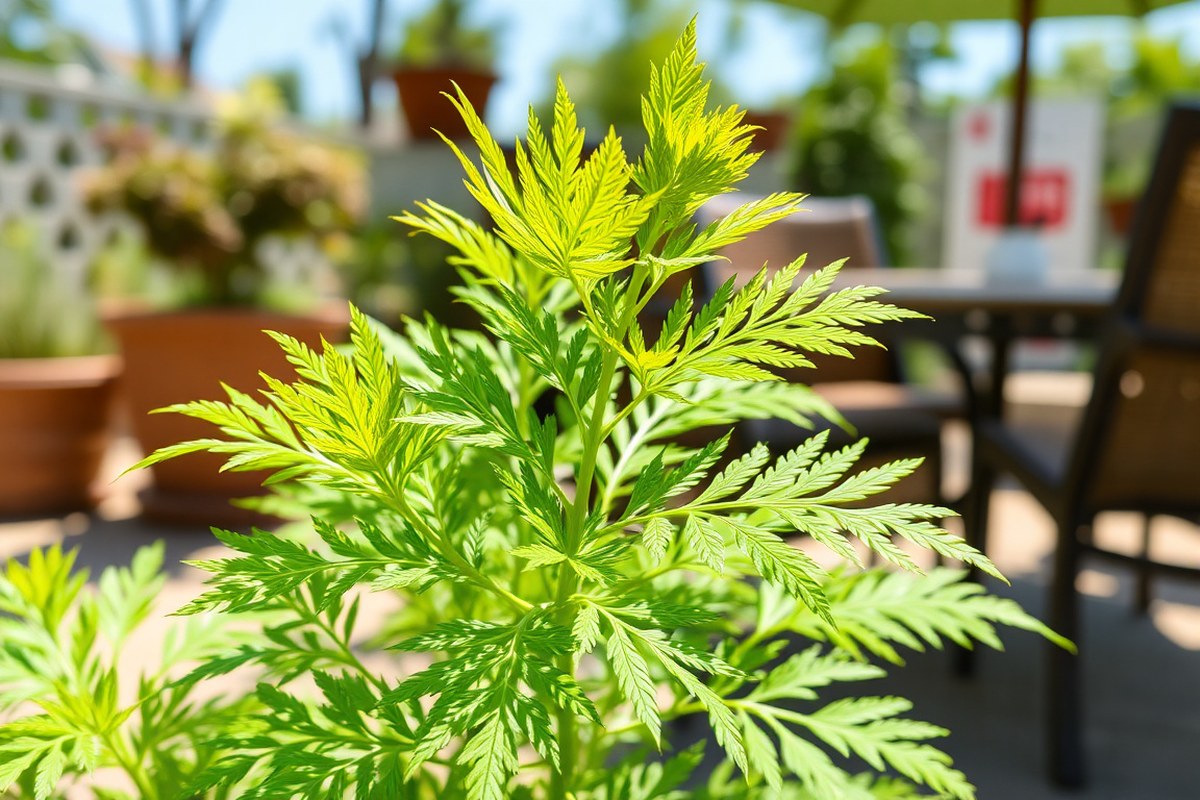
Give room for the lacy foliage to open fully. This helps the scent spread near your seating area.
Daily Care and Watering Routine
Water citronella plants once or twice a week, depending on rainfall. The soil should stay moist but not soggy. Too much water can weaken roots and cut down oil production in the leaves.
Feed your plants monthly with a balanced, slow-release fertilizer during the growing season. This helps keep leaves lush and actively producing the citronella oil mosquitoes dislike. Trim back any dead or yellow leaves to encourage new growth.
Activating Oil Release by Crushing Leaves
Crushing or rubbing the leaves releases citronella oil. The scent gets stronger right where you want it. Use your fingers to bruise the leaves gently.
Do this when sitting near plants or before going outside. This refreshes the mosquito-repelling aroma.
Simply touching or brushing against the plants won’t release much scent. You need to break the leaf surface to untie the essential oil locked inside. You can do this throughout the day to keep the area smelling fresh.
When to Replace or Add More Plants
Citronella plants usually grow 2 to 3 feet tall and wide after a full season. Having several plants spaced properly increases the chance the scent will reach your outdoor gathering spots. Replace plants that look weak or stop growing healthy leaves.
Add new plants each year or as your outdoor seating area size changes. More plants mean a stronger overall fragrance.
But keep them spaced so they don’t overcrowd each other. Pots are handy if you want to move plants indoors before cold weather arrives.
- Choose a partly shaded spot with morning sun
- Space plants 18, 24 inches apart for good airflow
- Water once or twice weekly, keep soil moist
- Feed monthly with slow-release fertilizer
- Crush leaves gently to release the scent
- Replace tired plants or add new ones yearly
- Use pots to move plants indoors if needed
What Do Scientific Studies Reveal About Citronella Plants’ Effectiveness?
Scientific studies show living citronella plants don’t reliably repel mosquitoes. Citronella plants contain citronellal, a natural chemical mosquitoes dislike. Still, mosquitoes nearby often ignore the outdoor plants’ scent.
Researchers tested citronella oils in lab settings with more success. Oils from citronella can reduce mosquito landings but only for a short time. These natural oils repel mosquitoes for about 30 to 60 minutes after application.
That’s much shorter than synthetic repellents like DEET, which protect for several hours. Synthetic repellents release active ingredients steadily, keeping mosquitoes away longer. Citronella oils evaporate quickly, losing their effect faster outdoors.
Weather plays a big role in citronella’s effectiveness. Wind and warm temperatures speed up oil evaporation, cutting how long it works.
Rain or heavy dew also washes away oils from skin or surfaces. That reduces citronella’s ability to repel mosquitoes significantly outside.
Using citronella plants alone isn’t enough to keep mosquitoes off. Their scent release is too weak and variable to match tested oils or chemical repellents. Citronella oil needs to be freshly applied often for modest results.
The best way to use citronella oil outdoors is to reapply it. Do this every 30 to 60 minutes. This keeps your protection against mosquitoes active.
Outdoor citronella plants add some aroma but don’t protect like oils or sprays do. Live plants cost about $10 to $15 each but don’t replace proven repellents.
In humid, still conditions, you might notice fewer mosquitoes near plants. But that effect fades quickly with breeze or heat.
Laboratory experiments confirm citronella oils have a limited window of repellency. This natural option suits brief exposure or combined mosquito control methods. For longer outdoor times, synthetic repellents remain more effective per the Tropical Medicine & International Health study.
Common Mistakes and Myths About Citronella Plants and Mosquito Control
Many people think just planting a few citronella plants will clear out mosquitoes. They don’t realize the plants alone don’t produce enough scent to cover a yard. Entomologist Roberto M. Says you need a lot of these plants to make any real difference outdoors.
Another mistake is confusing citronella plants with citronella oil products. The plants don’t emit strong mosquito-repelling oils unless you crush their leaves.
The oil you buy at stores is concentrated and designed for spraying or burning. Expecting the living plants to work like a candle or spray won’t meet your needs.
Some also believe that citronella plants do not need care to stay effective. Actually, these plants grow best in moist, moderately rich soil and well-drained conditions.
Regular pruning helps keep them healthy and boosts the natural oils in their leaves. Adding clippings to bouquets around your dining areas can increase scent where you want it most.
Relying on citronella plants as your only mosquito defense isn’t safe. Mosquitoes can still breed in hidden water spots around your home. Combining plants with removing standing water helps reduce mosquitoes.
Use natural repellents as another layer of protection. Welcome predators like dragonflies to keep mosquitoes down.
Lorna Bravo from UF/IFAS Extension suggests landscaping to attract birds. She also recommends encouraging dragonflies to lower mosquito populations naturally.
Some worry about the safety of citronella plants or oils. These oils are safe when used properly in small amounts. But they can irritate skin or eyes if applied directly.
The plant itself poses little risk but keep pets and kids from chewing on leaves. Always follow label instructions on oils and sprays to avoid allergic reactions or burns.
How to Combine Citronella Plants with Other Mosquito Control Strategies
Cultivating citronella plants helps, but it’s best to pair them with other steps. Remove standing water around your yard to stop mosquito breeding. Check flowerpots, gutters, birdbaths, and pet bowls weekly, emptying any water you find.
Adding a fan on your porch or patio makes a big difference too. Mosquitoes aren’t strong flyers, so a steady breeze keeps them away.
A standard oscillating fan costs around $30 to $50 and plugs in easily. Use it whenever you’re outside for hours in warm weather.
For personal protection, wear long sleeves and pants, especially at dawn and dusk. A simple cotton shirt and pants block mosquito bites and reduce your need for sprays.
Have insect-repelling sprays or lotions on hand with citronella or DEET for extra defense. Apply sprays every two hours or after swimming or sweating.
Citronella candles create a small, smelly barrier in the immediate area. They work best in calm, windless spots and when combined with other tools.
Candles cost $5 to $15 each and burn for 4 to 8 hours. Illuminate your outdoor table and keep exposed skin sprayed to cover gaps.
Treat your yard with insect spray at the season’s start. This cuts down the overall mosquito population. It helps reduce bugs all season long.
You can buy barrier sprays for yards at garden stores. These sprays cost about $20 to $40 a bottle.
Use them to keep mosquitoes away. Use them on bushes, grass edges, and shaded corners, following label instructions carefully.
Citronella plants alone don’t provide enough protection for big mosquito problems. Using them with sprays, fans, and clothing is the best way to reduce bites.
The plants add a natural scent and look nice. But the real results come from layering methods.
Other Effective Mosquito-Repelling Plants to Complement Citronella
Besides citronella, several other plants repel mosquitoes thanks to their natural scents. These plants release oils when you rub or disturb their leaves. The oils drive away mosquitoes and other bugs.
They act as natural insect repellents. Adding a variety of these plants creates a stronger, more diverse barrier.
Marigolds and Their Insect-Repelling Scent
Marigolds produce a distinct scent that mosquitoes find unpleasant. They also contain pyrethrum compounds used in some insect sprays. Plant marigolds around garden edges or near seating areas to boost protection.
They are easy to grow and last all summer with full sun. You often find fewer mosquitoes near thick marigold patches.
This effect shows up most at dusk. That is when mosquitoes are busiest.
Lavender’s Linalool and Mosquito Deterrence
Lavender comes from the mint family and contains the oil compound linalool. Research shows linalool repels Anopheles mosquitoes for up to 8 hours after oil application. Garden lavender releases its scent mostly when leaves are crushed or brushed against.
It blooms in late spring through summer and prefers well-drained soil. Lavender also attracts pollinators but keeps mosquitoes at bay, adding value beyond pest control.
Basil and Peppermint as Complementary Plants
Basil and peppermint also emit strong aromas that repel mosquitoes and other bugs. Basil’s scent interferes with mosquito sensing, while peppermint’s menthol can mask human scents. Both thrive in pots or garden beds with rich soil and daily watering.
Plant basil near eating areas for fresh herbs and mosquito relief. Mint spreads quickly. So contain it in pots to stop it from taking over the garden.
- Marigolds prefer full sun and well-drained soil.
- Lavender needs dry conditions and good airflow.
- Basil grows best in rich, moist soil with partial sun.
- Peppermint thrives in partial shade but tolerates sun.
- All release scents mainly when leaves are touched.
- Plant in clusters around outdoor seating or doorways.
- Use pots to control spreading plants like mint.
These plants drive away flies and aphids too. They keep your garden more comfortable overall. You get fewer bugs around your flowers and veggies.
Companion Planting Tips to Avoid Conflicts
Arrange these plants to avoid crowding and competition for water or nutrients. Keep marigolds separate from herbs that prefer drier conditions, like lavender. Group basil and peppermint where the soil can stay moist but not soggy.
Use containers for invasive plants to protect other species. Leave at least 12 inches between clusters to allow airflow and keep plants healthy.
Breaking leaves releases the oils. So place them along paths or seating spots people brush past often.
Place mosquito-repelling plants near doors and seating areas where mosquitoes gather most.
Step-by-Step Action Plan to Use Citronella Plants for Mosquito Control
Follow these steps to set up citronella plants and improve your outdoor mosquito defense.
- Before You Plant: Choose true citronella plants (Cymbopogon nardus or Cymbopogon winterianus). They have long, thin leaves and smell lemony when crushed.
- Day 1: Plant citronella in pots or garden spots with full sun and good drainage. Healthy plants produce more scent.
- Week 1: Water the plants regularly but avoid soggy soil. Check that leaves stay green and firm.
- Week 2: Start crushing the leaves before spending time outdoors. Rub a few leaves between your hands and wave the scent around your seating area.
- Week 3: Add other mosquito-repelling plants nearby, like basil or marigolds, to increase coverage.
- Week 4 and beyond: Use citronella candles or oils near your plants. This adds layers of protection. Light them especially at dusk. Watch if mosquito bites decrease.
- Ongoing: Trim your citronella plants regularly to encourage new leaves. Replace any plants that look weak or have brown leaves.
Frequently Asked Questions
How Close Do You Need to Be to Citronella Plants for Them to Work?
You need to be very close for citronella plants to affect mosquitoes. The oils have to release near your skin to repel effectively.
Can You Crush Citronella Leaves for Better Mosquito Protection?
Yes, crushing leaves helps release the oils that repel mosquitoes. This works better than just having the plant nearby.
Will Citronella Plants Attract Mosquitoes If Not Crushed?
No, simply having citronella plants won’t attract mosquitoes. They don’t produce enough scent to lure bugs without disturbance.
Can Indoor Citronella Plants Help Keep Mosquitoes Away?
Indoor plants release less scent, so their effect is limited indoors. Using oil-based repellents works better inside your home.
How Does Weather Affect Citronella Plant Effectiveness Against Mosquitoes?
Hot, sunny weather helps release citronella oils from the plants. Rain or high humidity can reduce how well the scent spreads.
Are Citronella Plants Safe Around Pets?
Yes, citronella plants are generally safe but avoid pets eating large amounts. The plant’s scent is pleasant and non-toxic in small doses.
Before You Go
Citronella plants can help reduce mosquitoes but work best when combined with other methods. Start by growing true citronella plants and crushing their leaves outdoors. This simple step makes your garden less welcoming to mosquitoes today.