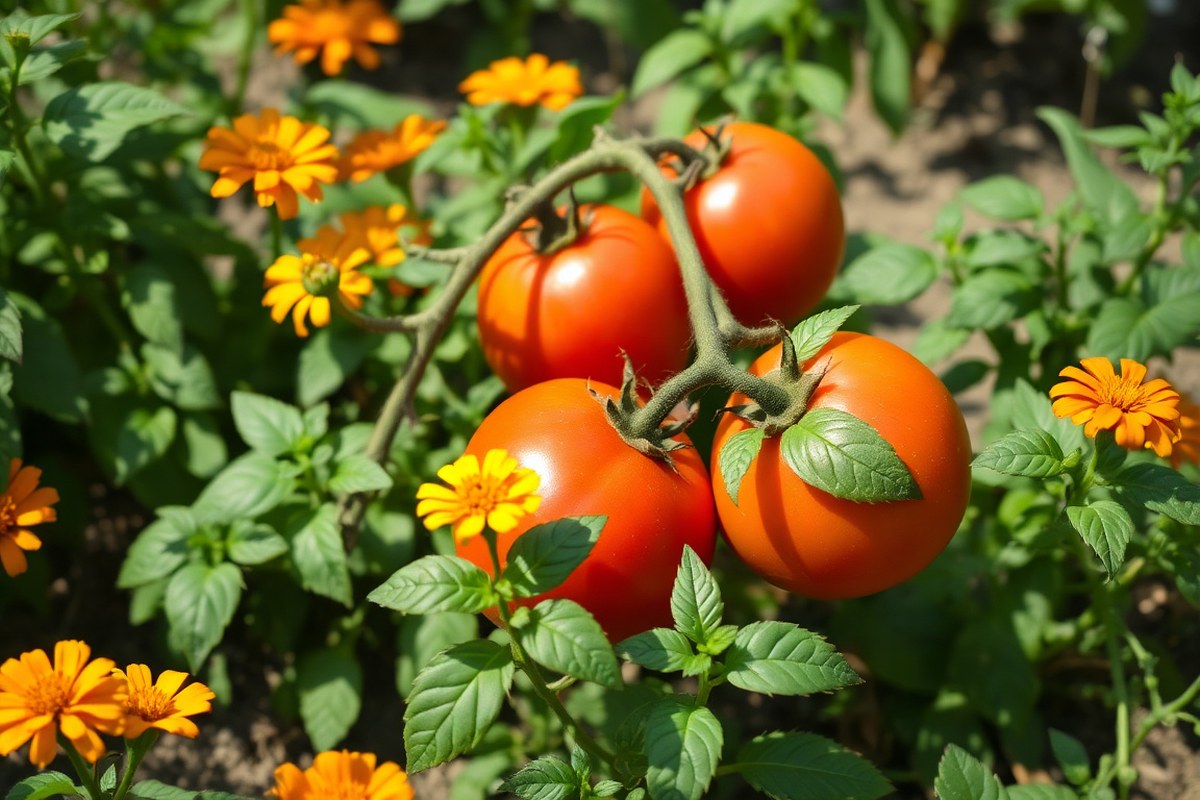
What to Plant with Tomatoes to Keep Bugs Away: A Complete Guide for Effective Pest Control
Need ideas for companion plants to protect your tomatoes from bugs? Try growing herbs and flowers nearby that drive pests off naturally. Nasturtiums, marigolds, and garlic lure pests away, helping your tomatoes stay safe.
Start by planting cloves or chive divisions six inches apart around your tomato bed. Keep nasturtiums about 18 inches away to trap aphids without letting them reach your tomatoes. These tricks help keep pests busy while your tomatoes grow.
Watch out for plants like fennel that attract unwanted bugs or interfere with tomatoes. Plant garlic six inches from tomato stems to boost pest protection without crowding. This simple spacing matters for saving your crop from bugs.
Key Takeaways
- Plant marigolds with tomatoes to repel many common pests.
- Keep nasturtiums 18 inches from tomato plants to trap aphids.
- Place garlic 6 inches from tomato stems for effective pest control.
- Space chive or clove plants 6 inches apart around tomato beds.
- Avoid planting fennel near tomatoes to prevent pest attraction.
- Use companion plants that prefer full sun and dry conditions.
Best Plants to Grow with Tomatoes to Repel Bugs
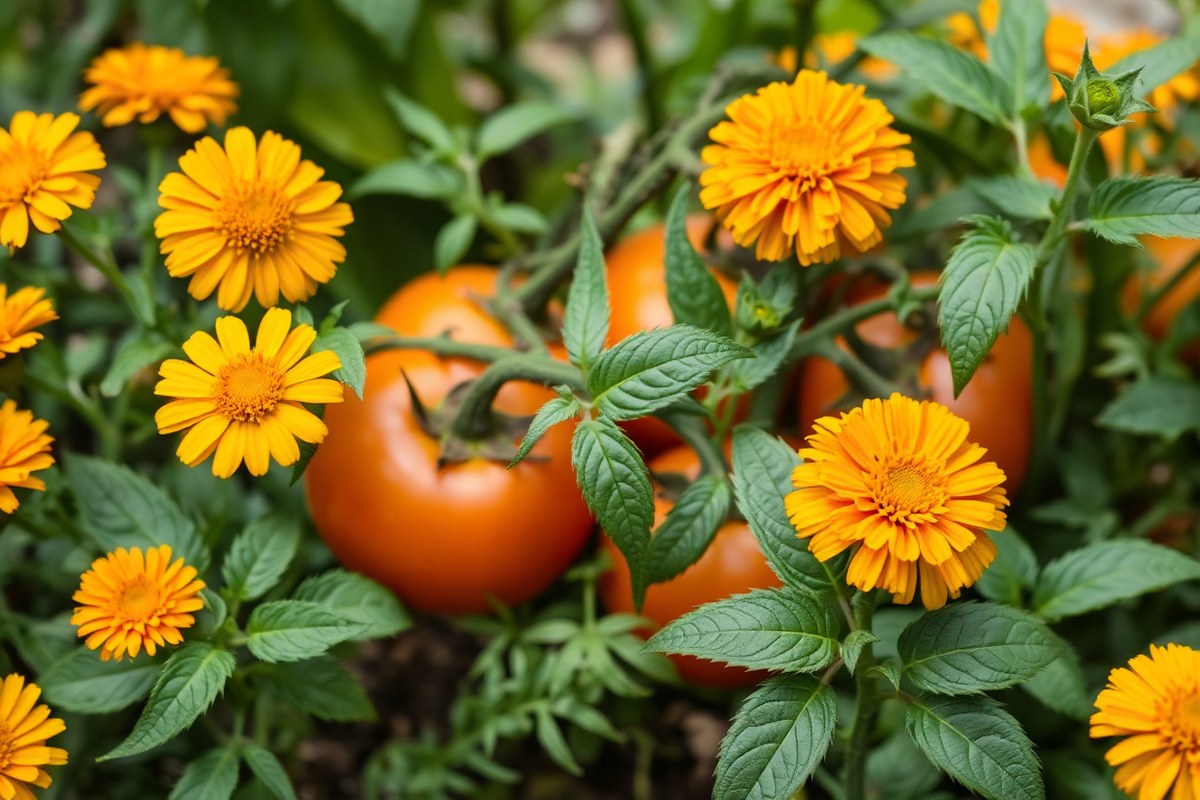
Planting a few key herbs and flowers near your tomatoes can keep most bugs away. Many companion plants send out scents that pests dislike. Others attract helpful insects that eat harmful bugs on tomato plants.
Basil and garlic are strong choices to repel aphids and whiteflies. Marigolds are great at keeping nematodes and whiteflies away.
Nasturtiums work as decoys, drawing aphids away from your tomatoes. Mint targets flea beetles and ants but control it carefully since it can spread fast.
| Companion Plant | Pests Repelled | Additional Benefits |
|---|---|---|
| Marigolds | Whiteflies, nematodes | Improves soil, deters bugs with scent |
| Basil | Aphids, mosquitoes | Attracts bees, improves tomato taste |
| Nasturtiums | Whiteflies, aphids | Acts as a trap crop, easy to grow |
| Mint | Flea beetles, ants, aphids | Repels rodents and fleas, grows quickly |
| Borage | None specific | Attracts bees and wasps, deters tomato hornworms |
| Chives | Aphids, Japanese beetles | Repels pests, easy to harvest leaves |
| Parsley | None specific | Attracts hoverflies that eat aphids |
You can plant these companions right next to your tomato rows or between plants. Herbs like basil and chives take little space and can fill gaps. Flowers like marigolds and nasturtiums add color and protect by confusing bugs with their scent.
Watch out for aggressive growers, like mint. Plant it in a container near tomatoes so it won’t crowd them.
Keep companion herbs trimmed to release strong aromas. You’ll notice fewer bugs and more pollinators visiting your tomato patch within a few weeks.
How Companion Plants Work to Protect Tomatoes from Pests
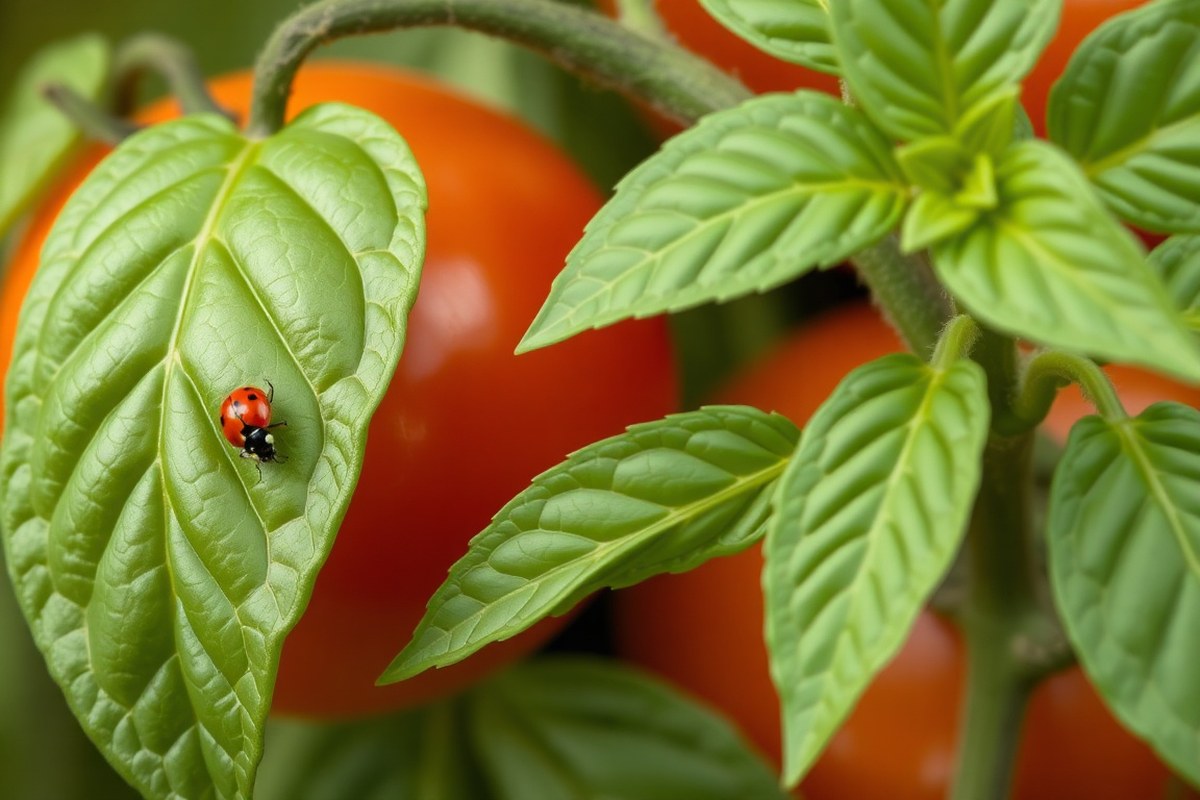
Companion plants protect tomatoes by confusing pests, luring them away, and attracting helpful insects. Some plants give off strong scents that bugs dislike. Others act as traps or bring predators that eat the pests harming tomatoes.
Scent Masking to Confuse and Repel Pests
Certain companion plants release smells that hide tomato plants. These scents confuse pests like tomato hornworms and aphids. Basil and garlic give off strong aromas that bugs find unpleasant, making tomatoes harder to find.
You can plant basil close to tomatoes or scatter chopped garlic around the bases. The scent covers the tomato smell enough to reduce pests. It may take a week for the smell to build up as plants grow.
Strong-smelling herbs need regular watering and sun to stay healthy. When herbs get weak, their scent fades.
Bugs might come back then. So upkeep matters when using scent masking.
Trap Plants to Draw Pests Away
Some plants pull bugs away from tomatoes by acting as sacrificial traps. Nasturtiums are popular trap plants for aphids and whiteflies. Bugs prefer nasturtiums, keeping tomatoes safer.
Plant trap crops about 18 inches away from tomatoes. So pests stay on the trap plants.
Check trap plants often and remove or treat bugs there to stop re-infesting the tomatoes. Neglecting trap plants can cause more trouble.
Trap plants cost little but need care. Water and weed them regularly to keep them inviting to pests. Otherwise, bugs might ignore them or spread to your tomatoes instead.
Attracting Beneficial Insects to Control Pests
Some companion plants bring in helpful bugs that eat or kill tomato pests. Flowers like marigolds and borage attract predators like ladybugs, lacewings, and parasitic wasps. These beneficial insects reduce pest numbers naturally.
Plant marigolds and borage near tomatoes or along garden edges. They bloom through the growing season, continuously attracting helpers. Sustaining flowers with enough sunlight and water is necessary to keep these insects around.
Beneficial insects look for pollen and nectar, so provide a variety of blooms. More insects mean fewer pests like caterpillars and aphids eating your tomatoes.
Combining Scent, Traps, and Beneficials for Best Results
Companion plants repel bugs best when used together. Use scent masking plants first. Add trap crops and insect-attracting flowers for better results.
Each helps control pests in different ways. Combined, they lower pest pressure significantly.
Basil masks scents and grows well with tomatoes. Nasturtiums act as trap crops. Marigolds attract helpful bugs near your tomato plants.
Plant in spring when tomatoes go in the ground to give companion plants time to establish. This timing builds a protective bug shield before pests arrive.
Adjust your mix if pests shift. Try adding chives or garlic if aphids become a problem. Keep an eye on your garden to tweak the setup as needed.
Keep trap plants a safe distance from tomatoes to focus pests away and avoid cross-infestation.
Which Plants to Avoid Planting Near Tomatoes
Some plants cause problems for tomatoes or attract pests that harm them. Avoid planting tomatoes near plants that compete for nutrients or attract common tomato pests. Picking the wrong companions can slow tomato growth or bring unwanted bugs.
Brassicas like broccoli, cabbage, and kale pull aphids and cabbage worms close. These pests don’t just settle on brassicas.
They jump to nearby tomatoes, causing leaf damage. Tomatoes and brassicas also have different nutrient needs, so they compete in crowded beds.
Another plant to avoid is fennel. It emits strong chemicals that can stunt tomato growth and confuse beneficial insects.
Fennel tends to dominate garden space, making tomato plants struggle for water and light. Keeping fennel away helps tomatoes grow fuller and produce better fruit.
- Potatoes share diseases and pests like blight with tomatoes.
- Garlic and onions can stunt tomato growth if planted too close.
- Walnut trees release juglone, toxic to tomatoes.
- Fennel inhibits tomato growth by releasing growth-stopping chemicals.
- Brassicas attract pests that then spread to tomatoes.
- Corn can host pests harmful to tomatoes like corn earworms.
- Sunflowers compete aggressively for water and soil nutrients.
Potatoes carry pests and diseases that also target tomatoes, so keep a good distance. Onions and garlic can slow tomato growth if planted right beside them. Walnut trees release a natural chemical, juglone, which can kill or weaken tomatoes.
Look for signs like slow tomato growth, yellowing leaves, or sudden pest issues. If these happen, check what’s planted nearby. Removing or moving the bad companions early saves tomatoes from damage and improves your garden’s health.
Ideal Timing and Placement of Companion Plants Around Tomatoes
Plant companion plants at the same time as you transplant your tomatoes. Keep them 12 to 18 inches away from tomato stems. This timing and spacing help companions protect tomatoes from pests effectively.
Planting at Tomato Transplanting Time
Plant your companions when you set your tomato seedlings in the garden. Doing it together helps companions and tomatoes grow strong side by side. Early planting lets companion plants bloom and produce natural pest repellents as tomatoes grow.
Starting companions later risks weak growth or poor pest protection. Seedlings that go in too early might compete for nutrients or shade tomatoes. Stick to transplanting time, when tomato roots establish but before they get too tall.
Spacing Guidelines for Different Companion Plants
Space companions 12 to 18 inches from each tomato plant for pest control. This distance lets companion scents and flowers reach pests without crowding your tomato roots. Plants like basil or marigolds can sit closer to tomatoes, about 12 inches apart.
For spreader plants like pumpkins or squash, leave more space. Keep up to 18 inches between these plants and your tomatoes. This helps both plants grow well without crowding each other.
These plants create shade and keep the soil moist. But they can overwhelm tomato plants if planted too close.
Give your tomatoes enough space to avoid this. Plan your layout so tomato airflow stays good to avoid disease.
Seasonal Adjustments for Companion Plants
Transplant companions based on your local last frost date along with tomatoes. In cooler areas, start tomato and companion seedlings indoors five to six weeks before planting out.
Warm-season herbs like basil need warmer soil to thrive. So don’t rush planting them early.
In hot summer areas, use spreading companions like squash to shade tomato soil during peak heat. You can add fast-growing flowers like sweet alyssum later in the season. They help attract beneficial insects to your tomato plants.
This supports natural pest control effectively. Adjust companion timing to match your region’s climate and tomato variety.
Follow these steps to plant tomato companions for pest control:
- Check your local last frost date to schedule transplanting.
- Start tomato and companion seeds indoors 5, 6 weeks before transplant.
- Prepare garden soil with good drainage and organic matter.
- Space tomato plants gently 24 to 36 inches apart in rows or clusters.
- Transplant companion plants 12 to 18 inches from each tomato seedling.
- Water both sets of plants deeply after transplanting to settle roots.
- Apply mulch around tomatoes and companions to keep soil moist.
- Monitor companion growth and trim if they crowd tomato leaves or block light.
Companion Plant Combinations for Broad Pest Protection
You can definitely combine several companion plants to protect tomatoes from many pests at once. Each companion helps against specific bugs.
So grouping them covers more pests and creates a healthier garden. Planning their placement helps pests focus on the decoys instead of your tomatoes.
Common tomato pests include aphids, whiteflies, beetles, squash bugs, mites, and Japanese beetles. Different plants fight pests in different ways. Some keep pests away.
Others attract helpful insects or boost soil and tomato health. Combining these plants creates a natural shield for your tomatoes.
| Companion Plant | Targets Pests | Additional Benefits |
|---|---|---|
| Basil | None specific; repels general tomato pests | Increases tomato yields and draws pollinators |
| Garlic | Deters many pests and improve tomato flavor | Can be planted between tomato rows |
| Nasturtiums | Aphids, beetles, squash bugs, whiteflies | Plant slightly away to lure pests away |
| Chives | Japanese beetles, aphids, mites | Easy to grow and slows pest spread |
| Carrots | No direct pest control | Improves soil and nutrient sharing for tomatoes |
Plant basil and garlic near tomatoes. This helps control pests overall. It also adds flavor to your tomatoes.
Place nasturtiums just outside the main tomato patch to attract pests away effectively. Chives can fill in smaller spots to deter beetles and mites.
Carrots help soil but won’t defend against pests directly. So they fit well in between.
Plant these companion plants early in the season, shortly after setting tomato seedlings. Your companions need some time to grow and start working on pests.
The cost is low since most are common, easy to grow, and require little space. You’ll notice fewer aphids and beetles and healthier, more productive tomato plants within weeks.
Don’t plant nasturtiums too close; pests may skip the trap and move to your tomatoes instead.
Combining these companion plants lets you naturally fend off most tomato pests without chemicals. This grouping approach saves time and energy since each plant handles different bugs. It also creates a balanced ecosystem that helps tomatoes grow well every season.
Common Mistakes and How to Fix Companion Planting Failures
One common mistake is planting incompatible vegetables and herbs too close together. This can reduce growth or even attract pests instead of repelling them. Space garlic, basil, and tomatoes well.
Give each plant 12 to 18 inches apart. This helps stop crowding.
A second error many gardeners make is ignoring the timing of planting companion plants. Some herbs like chives or mint should go in early spring.
Others like nasturtiums do best when tomatoes start to flower. Plant companions too late, and they won’t protect your tomatoes when pests hit.
Here are frequent mistakes paired with how to fix them:
- Overcrowding plants, leading to poor air circulation, thin plants and keep rows 2 feet apart.
- Choosing incompatible species, such as potatoes near tomatoes, check plant families before planting together.
- Ignoring soil needs, match companions with similar water and sun demands.
- Not watching for signs of pest damage, check plants weekly for bugs or holes in leaves.
- Forgetting to rotate crops yearly, move tomato beds and companions to new spots each season.
Successful companion planting shows in fewer pest problems and healthy, steady growth. Your plants will have fewer holes and less sticky residue from insects. Watch for yellowing leaves.
Check for slow growth too. These signs mean timing or mix may need a change.
Adjust planting by replacing plants that don’t help. For example, switch parsley if spider mites stick around.
Remember, even good companions like garlic may fail if soil is too dry. Check soil moisture and sunlight daily during hot months to keep everything thriving.
Using Natural Sprays and Companion Plants Together for Pest Control
Companion plants and natural sprays work well together to repel bugs around tomatoes. Plant herbs like rosemary, garlic, and neem near your tomato patch.
These plants release odors that pests dislike, creating a barrier. Using homemade sprays from these same plants boosts protection when bugs still bother your tomatoes.
To make garlic spray, crush 4 or 5 garlic cloves. Soak them in 1 quart of water overnight. Strain the liquid and add 1 teaspoon of mild soap to help it stick to leaves.
Spray this mix on tomato plants every 7 to 10 days. Do it especially after rain.
This helps keep aphids and whiteflies away. Garlic’s natural sulfur compounds help deter many common tomato pests.
For neem oil spray, mix 2 teaspoons of neem oil and 1 teaspoon of liquid soap. Add them to 1 quart of warm water. Shake well before spraying on leaves and stems, focusing on undersides where bugs hide.
Neem oil disrupts insect growth and feeding, making it harder for pests to survive. Spray every week at early morning or late evening to avoid leaf burn and protect pollinators.
Rosemary oil spray is another option. Mix 20 drops of rosemary essential oil with 1 quart of water. Then add 1 teaspoon of mild soap.
Apply it to tomato plants once a week. Rosemary has a strong scent that repels mosquitoes and flies. Using these sprays alongside rosemary planted near your tomatoes strengthens pest defense.
Combining companion planting and natural sprays provides a layered approach to pest control. Plants protect tomatoes by confusing insects and attracting beneficial bugs.
Sprays target pests directly when populations rise or plants get stressed. This combination reduces the need for chemical pesticides and improves tomato health.
Natural spray ingredients cost little if you grow the plants yourself. Garlic and rosemary cost around $5 to $7 for seed or seedlings at garden centers. Neem oil comes in small bottles online or at garden stores.
It usually costs $10 to $15 but lasts for several sprays. Making sprays takes about 10 minutes. Spray weekly during the growing season to keep bugs in check.
Applying sprays too often or in hot sun can damage tomato leaves. Test sprays on a few leaves first, waiting 24 hours to check for damage. Overwatering companion plants near tomatoes might invite fungal diseases; keep soil well-drained.
Use sprays only when pests appear to avoid harming helpful insects. This careful mix creates a strong defense without upsetting your garden’s balance.
Maintaining Companion Plants Through the Tomato Growing Season
Companion plants need regular care to stay healthy and effective throughout the tomato growing season. They help with pest control, soil health, and even tomato flavor. Proper watering, pruning, and pest monitoring keep them strong alongside your tomatoes.
Watering and Soil Care
Keep soil evenly moist around companion plants and tomatoes to avoid stress. Most companions prefer well-drained soil, so avoid overwatering to prevent root rot. Mulching helps retain moisture and controls weeds around both tomato and companion roots.
Since companion plants improve soil health, avoid heavy fertilizers. They often add nutrients or protect beneficial soil microbes naturally. Adding compost once or twice each season helps soil life.
Organic matter also supports the health of all plants. This practice improves your garden’s soil quality over time.
- Water early in the morning to reduce disease risk
- Use 1 to 1.5 inches of water weekly, adjusting for weather
- Apply 2, 3 inches of mulch to conserve soil moisture
- Avoid wetting leaves to prevent fungal issues
- Mix in compost every 6 to 8 weeks during the growing season
Water companion plants and tomatoes separately if they have different moisture needs.
Pruning and Managing Growth
Trim companion plants to prevent crowding tomatoes and blocking sunlight. For example, sunflowers attract pollinators but can shade tomatoes if too close. Limit sunflower height by pruning side shoots.
Pinch off yellowing or dead leaves on companions to reduce disease spread. Keep space between plants to improve air circulation and reduce humidity near tomatoes and companions. This prevents mold and keeps plants healthy.
- Remove dead or damaged leaves weekly
- Cut back tall companions to keep sun on tomato plants
- Thin dense companion clusters to improve airflow
- Support tall plants like sunflowers to avoid toppling
- Harvest herbs regularly to encourage bushier growth
Beware of letting companion plants grow too large. They may compete with tomatoes for nutrients.
Monitoring Pest Levels and Plant Health
Check companion plants weekly for signs of pests or disease. Healthy companions repel bugs, but you must stay alert for aphids or fungal spots. Early removal of affected leaves or plants protects the whole bed.
Companion plants sometimes attract beneficial insects like ladybugs or bees, boosting pest control and pollination. Avoid pesticides to keep these helpers safe around tomatoes and companions. Also, let some flowers bloom to support pollinators for better tomato fruit set.
- Inspect leaves and stems under and above regularly
- Remove and dispose of any pest-infested parts immediately
- Encourage natural predators by planting diverse companions
- Use yellow sticky traps to monitor flying pest levels
- Note any changes in plant color or growth rate
Keep pesticide use minimal to protect beneficial insects living on companion plants.
Your First Steps: A Quick-Start Plan for Pest-Free Tomatoes
Follow these steps to set up your tomato garden with pest-repelling companion plants. Check for fewer bugs as early signs of success.
- Before Planting: Choose companion plants like basil, marigold, and garlic to deter pests around your tomatoes.
- Planting Day: Space companion plants evenly to create a protective barrier. Look for less insect damage after two weeks.
- Week 2: Inspect plants for aphids or whiteflies. Introduce a natural spray if pests appear.
- Week 4: Add flowering herbs such as borage to attract beneficial insects like ladybugs and bees.
- Week 6: Remove any plants that show signs of disease or attract unwanted pests. Healthy plants support stronger tomatoes.
- Mid-Season: Prune companion plants if they start shading tomatoes too much. Tomatoes need full sun to thrive.
- Harvest Time: Keep companion plants around to continue pest control for successive tomato plantings.
Frequently Asked Questions
Which Flowers Are Best to Attract Beneficial Bugs Near Tomatoes?
Planting flowers like alyssum or calendula near tomatoes attracts helpful insects that prey on pests. These tiny predators reduce bug problems naturally without chemicals.
Can Planting Garlic with Tomatoes Improve Tomato Flavor or Just Repel Bugs?
Garlic mainly helps repel bugs and doesn’t improve tomato taste much. Its strong scent confuses pests, making it a great natural defense near tomato plants.
Is It Better to Plant Companion Plants Inside or Around Tomato Rows?
Plant companion plants around tomato rows for best pest defense and airflow. This setup keeps bugs away while avoiding crowding tomatoes and helps air dry leaves.
Do Nasturtiums Attract Pests Away from Tomatoes or Also Help the Tomatoes Directly?
Nasturtiums act as trap plants by attracting pests away from tomatoes. They lure aphids and whiteflies to themselves, protecting your tomatoes from these bugs.
Are There Certain Soil Conditions Companion Plants Need to Thrive with Tomatoes?
Companion plants often prefer the same well-drained, fertile soil as tomatoes. Make sure the soil is loose and moist for tomatoes.
Avoid soggy soil to keep plants healthy. Good soil helps companions grow well too.
How Often Should I Replant or Rotate Companion Plants with Tomatoes Each Season?
Rotate or replant companion plants each growing season to prevent soil diseases and pests build-up. Fresh plants also provide stronger bug protection throughout the tomato growing time.
The Bottom Line
Planting the right companions with your tomatoes cuts down bugs naturally. Start with basil and marigolds for easiest results. Check your garden weekly and adjust plants as needed for healthy, pest-free tomatoes.