What to Plant with Lavender: Best Companion Plants and Expert Spacing Tips
Wondering what to plant with lavender? The best companions are those that enjoy dry, sunny spots like rosemary, yarrow, and echinacea. These plants have similar soil and watering needs, which helps your lavender thrive.
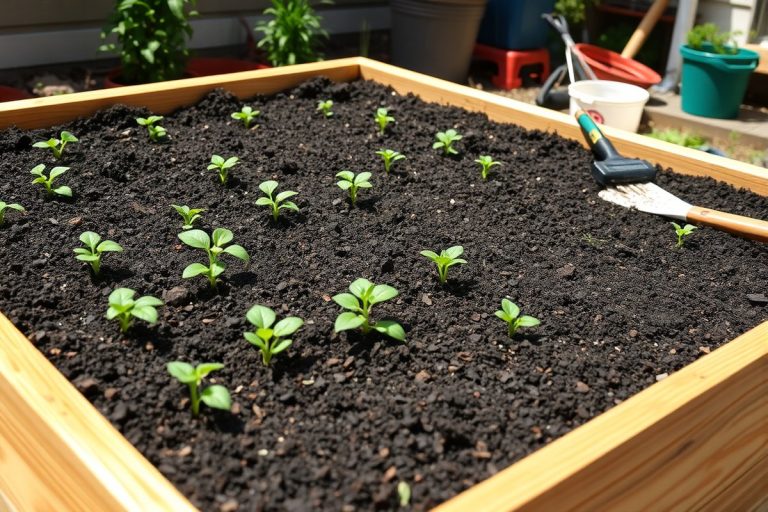
Plant lavender in sandy soil that drains well. The spot needs at least six hours of sunlight daily. This helps lavender grow strong and healthy.
Space lavender plants 12 to 24 inches apart. The exact distance depends on the type of plant. This room lets them grow without crowding.
Keep in mind, lavender does not like crowded or wet conditions. Avoid plants that need constant moisture or heavy shade. This way, your lavender and companions stay healthy, and your garden looks its best.
Key Takeaways
- Plant lavender 12 to 18 inches apart in sunny, sandy soil with good drainage.
- Keep rosemary 2 to 4 feet away from lavender to accommodate its larger size.
- Space yarrow 18 inches from lavender to allow room for spreading.
- Place echinacea about 18 inches from lavender for healthy growth.
- Water lavender only when the top 2 inches of soil feel dry.
- Plant roses 18 to 24 inches from lavender to balance airflow and watering.
Which Plants Thrive Best with Lavender?
Lavender grows best with plants that like full sun and well-drained soil. These companions ready to handle dry conditions and need little extra care. Choosing plants that suit lavender’s needs keeps your garden healthy.
It also makes your gardening easier. Your plants will stay vibrant with less effort.
Herbs like rosemary and thyme grow well near lavender. They prefer Mediterranean-style sunny and well-drained spots. These similarities help them thrive together.
They need the same soil pH, about 6.5 to 7.5, and similar watering routines. Flowers like African daisies add color and thrive without stealing water or nutrients from lavender.
- Rosemary, a drought-tolerant herb with similar soil and sun needs
- Thyme, low-growing and fills spaces without blocking light
- Salvia, a flowering plant that blends well and enjoys dry soil
- African daisies, colorful and tolerate heat and dryness
- Zinnias, bright cutting flowers that don’t compete for water
- Red Hot Poker, tall flowers that match lavender’s drought tolerance
Some vegetables also pair well with lavender, especially those not needing heavy watering. Carrots and cabbage can grow nearby when spaced properly, benefiting from lavender’s pest-repelling qualities. Make sure to keep vegetables at the edge of the lavender bed to avoid crowding.
Choose companion plants based on your garden zone and space. Plants like rosemary do best in USDA zones 9 to 11 alongside lavender. Living in cool zones means picking frost-tolerant companions.
They also need similar sunlight and drainage as lavender. This helps all plants grow well. This approach keeps your garden beautiful and easy to maintain.
How to Space and Arrange Companion Plants Around Lavender
Space lavender about 18 to 24 inches from companion plants to keep airflow strong. This distance stops overcrowding and helps plants grow evenly. Arrange companions by height and bloom time to keep your garden balanced and attractive.
Recommended Distance for Common Companions
Keep rosemary at least 2 feet away from lavender. It grows taller. It also spreads wider.
Yarrow needs about 18 inches of space to spread properly without crowding lavender roots. For perennials like coneflowers, plant 24 to 36 inches apart to allow good air movement.
Spacing distances vary based on plant size and growth habits. Here’s a quick checklist for common companions:
- Lavender to lavender: 18, 24 inches apart
- Lavender to rosemary: 24, 48 inches apart
- Lavender to yarrow: 18 inches apart
- Lavender to coneflower: 24, 36 inches apart
- Lavender to marigold: 12, 18 inches apart
These distances give each plant room to spread roots and leaves without blocking sunlight. Crowded plants compete for nutrients and drop more disease spores.
Arranging Plants by Height and Bloom Time
Arrange plants so taller ones go at the back of beds. Lavender grows 1 to 3 feet tall.
Rosemary can reach up to 4 feet. Place shorter plants, like yarrow or marigolds, in front to show off blooms clearly.
Match bloom times for continuous color and plant health. Lavender blooms late spring to frost.
Pair it with summer bloomers like coneflowers for a changing display. This arrangement encourages pollinators throughout the season.
Group plants with similar water and sunlight needs near each other. That way, you won’t over- or underwater nearby plants. Try to balance the garden by mixing bushy and low-growing varieties.
Airflow Tips to Prevent Disease in Lavender Beds
Good airflow prevents fungal diseases common in damp, tight spaces. Stay a minimum of 18 inches between plants to reduce humidity around leaves. Prune lavender and companions regularly to keep branches from crossing.
Position your garden where air flows freely, avoiding corners or enclosed spots. Avoid mulch piled too high near lavender stems; it traps moisture. Remove any dead or diseased leaves promptly to stop spores from spreading.
Never crowd lavender with plants that cast heavy shade or block wind.
Keep beds free of debris and widen paths for better circulation. Fans or natural breezes help keep leaves dry and plants healthy.
Companion Plant Watering and Soil Needs Compared to Lavender
Plants that suit lavender need full sun and soil that drains well. Lavender grows best in soil with a pH between 6.5 and 7.5. Matching soil pH helps plants absorb nutrients without fighting each other.
Watering is key since lavender is drought-tolerant and doesn’t like soggy roots. It needs about 0.Lavender needs about 5 inches of water a week. Only water when the top 2 inches of soil feel dry.
This helps prevent overwatering and root problems. Companion plants should have low to moderate water needs to avoid overwatering lavender.
Plants needing more water or moist soil can cause lavender root rot. It’s best to plant those in separate beds or containers. Here is a table comparing lavender and good companion plants.
It shows their sunlight, water, and soil pH needs. Use it to pick plants with matching growing conditions.
| Plant | Sunlight Required | Water Needs (inches/week) | Soil pH | USDA Zone |
|---|---|---|---|---|
| Lavender (Lavandula angustifolia) | Full sun (6, 8 hrs) | 0.5 | 6.5, 7.5 | 5, 9 |
| Rosemary (Rosmarinus officinalis) | Full sun (6, 8 hrs) | 0.6 | 6.0, 7.5 | 7, 10 |
| Sage (Salvia officinalis) | Full sun (6, 8 hrs) | 0.5 | 6.0, 7.0 | 4, 8 |
| Yarrow (Achillea millefolium) | Full sun to partial shade | 0.4 | 5.5, 8.0 | 3, 9 |
| Thyme (Thymus vulgaris) | Full sun (6, 8 hrs) | 0.5 | 6.0, 8.0 | 5, 9 |
Rosemary and sage are top picks because they match lavender’s sun and soil needs closely. Yarrow and thyme grow well with lavender. They handle a slightly wider soil pH range.
Both prefer dry, sunny places like lavender does. Avoid plants that need daily watering or rich, moist soil.
Try watering lavender and its companions separately if their water needs differ slightly. Group plants with the lowest water needs together to save time and avoid root problems. Matching plants means less work and healthier growth.
Your garden will look better without extra effort. Choosing plants wisely saves time and keeps them strong.
Which Plants to Avoid Near Lavender and Why
Plants that need lots of shade or moist soil can harm lavender. Lavender requires at least six hours of direct sunlight daily. Shade-loving plants will block sunlight, causing the lavender to weaken.
Lavender prefers well-drained soil and little water. So plants needing rich, wet soil will compete for moisture.
This stress can lead to slow growth or root rot in lavender. Keeping plants with similar sun and water needs nearby improves their health.
Aggressive or invasive plants like mint should not grow near lavender. Mint spreads fast underground and steals nutrients and water.
This competition often kills one or both plants. Keep mint in separate containers or far from lavender beds.
- Avoid shade-loving plants like ferns or hostas near lavender.
- Do not plant water-loving species like mint or impatiens close by.
- Keep sulfur-sensitive plants away, as lavender can make soil alkaline.
- Space shrubs like roses at least 12 to 18 inches from lavender.
- Control invasive roots by using barriers or pots for aggressive plants.
- Exclude plants that grow tall and block sunlight, such as sunflowers.
- Avoid ground covers that trap moisture and crowd lavender’s base.
If you already have invasive plants near lavender, prune their roots regularly. Use a root barrier or plant them in containers to limit spread. Always space companion plants 12 to 18 inches from lavender to avoid overcrowding.
Remember to water lavender separately. Use drip irrigation or hand water to keep soil dry around lavender roots. This prevents overwatering caused by thirstier neighbors and helps lavender stay healthy.
How Lavender Companion Plants Help with Pest Control
Lavender helps control pests with its strong scent that bugs dislike. When you plant it alongside marigolds, their combined scents boost the pest-repelling power. Marigolds also attract ladybugs and bees, which eat harmful insects and pollinate plants.
Yarrow is another great companion. It draws beneficial insects like lacewings and predatory wasps that eat garden pests.
Plant yarrow near lavender in borders or dry garden strips. It brings natural pest controllers with little effort.
Thyme works well too, offering insect-repelling qualities that add to your garden’s defenses. Plant these herbs close, but leave a foot or more between them. This spacing helps air flow and lets each plant attract its helpful insects.
When marigolds and lavender grow together, they shield nearby vegetables from aphids and spider mites. The marigolds attract predators, while lavender keeps some insects away with its scent. This mix reduces the need for sprays and keeps your garden organic.
These companion plants don’t need fancy care. Most thrive in the same well-drained, sunny spots as lavender. You’ll notice fewer pests and more pollinators in weeks.
This usually happens after planting in early spring. Repeat planting yearly ensures ongoing pest control.
Plant marigolds every 12 to 18 inches around lavender for strong pest protection.
Best Companion Vegetables to Plant Near Lavender
Lavender pairs well with several vegetables that share its dry, well-drained soil needs. Companion vegetables can help attract pollinators that boost lavender’s flowers and scent. They also reduce pest problems without raising soil moisture.
Vegetables Suited for Lavender’s Growing Conditions
Choose vegetables that thrive in full sun and lean soils like lavender does. Vegetables needing dry to moderate moisture and a neutral to slightly alkaline pH (6.5 to 7.5) will grow best nearby. Avoid moisture-loving crops such as lettuce or cucumbers because they require watering that can harm lavender.
Good vegetable companions include edible alliums like garlic, onions, and shallots. These share lavender’s preference for well-draining soil and low moisture. Brassicas such as broccoli, cabbage, and Brussels sprouts like similar soil.
Lavender nearby helps these plants grow better. They tolerate the same growing conditions well.
- Garlic and onions
- Shallots
- Broccoli
- Cabbage
- Brussels sprouts
- Dry-tolerant herbs like oregano and thyme
These vegetables encourage better lavender flowering without needing conflicting care. Planting them together also helps maintain balanced soil conditions.
Soil and Watering Considerations for Vegetable Pairing
Ensure all companions share lavender’s soil drainage needs. Sandy or rocky soil blends with some added lime can keep pH near 7.0. Heavy clay or constantly wet soil will damage lavender roots and stress companion vegetables.
Water only when soil dries out 2 to 3 inches below the surface. Drip irrigation delivers water without wetting leaves or raising humidity. Avoid overhead watering around lavender and its companions to keep fungal diseases down.
Check soil moisture weekly during the growing season, especially in summer. Vegetables near lavender need slightly more water but not enough to saturate the soil. This balance lets both lavender and veggies flourish.
Pest Control Benefits from Lavender in Vegetable Beds
Lavender’s strong scent masks vegetable odors, making it harder for pests to find them. It attracts pollinators like bees and butterflies that increase vegetable yields. Hoverflies and ladybugs drawn by lavender prey on aphids and other harmful insects.
Planting lavender near brassicas helps reduce cabbage moth and flea beetle populations. Garlic and onions nearby repel spider mites and some beetles. This natural pest control lowers your need for chemical sprays.
- Repels cabbage moths and flea beetles
- Attracts pollinators for better vegetable fruiting
- Draws beneficial predatory insects like ladybugs
- Masks vegetable scents from pest insects
Keep lavender healthy and pruned to maintain strong scent release. This improves its pest control role in your vegetable beds.
How Companion Plant Choices Vary by Climate and Zone
Companion planting with lavender depends a lot on your USDA hardiness zone. Lavender grows well in zones 5 to 9. So choosing companions that match those climate needs matters.
Some plants handle cold better than others. So pick companions based on your zone to help them thrive together.
Cold-Hardy Lavender and Companion Options
Lavender can survive in zones 5 through 9, making it tough in cold winters. Some companion plants, like sedum, handle winter well in even colder zones, from 3 to 10. Sedum is just as low maintenance as lavender and offers a good match in colder zones.
Strawberries also work well with lavender in zones 5 to 9 since both prefer similar weather. Choosing plants that match your zone’s average lows keeps both healthy and reduces extra care. Avoid companions that need more heat or moisture in colder zones to stop damage.
Growing Rosemary Safely in Cooler Zones
Rosemary is less tolerant of cold and usually grows best in zones 8 and 9. Living in zone 6 or colder means rosemary may struggle in winter.
Protect it from frost to help it survive the cold season. Cover rosemary with frost cloth or move potted plants indoors before the first freeze.
Using mulch helps insulate rosemary roots during cold winters, reducing frost damage. Grow rosemary in a sheltered spot near lavender. Another good place is by a south-facing wall.
These spots offer extra warmth. Avoid planting rosemary directly in very cold areas unless you plan winter protection.
Zone-Specific Companion Plant Recommendations
In zones 5 to 9, you can safely combine lavender with echinacea, marigolds, and salvia. These plants thrive in warm, dry conditions like lavender’s. Space them about 18 inches from lavender so each reaches full growth without crowding.
Zones colder than 5 need hardier companions like sedum or ornamental grasses. These survive colder temperatures and need less winter protection. Zones 8 and 9 are warmer and let you grow rosemary.
Oleander can also grow well there. Both like hot climates and dry soil.
Common Gardening Mistakes When Planting with Lavender
Planting companions too close to lavender is a common mistake. Lavender needs space to grow and dry out between waterings. Crowded roots and leaves invite fungal diseases and reduce airflow, making your plants unhappy.
Many gardeners put companions needing more water near lavender. Lettuce and basil are common examples. They require much more water than lavender does.
These wetter plants can cause root rot or mold on lavender. Instead, keep water-loving plants at least 2-3 feet away, especially from lavender hedges or beds.
Not matching soil preferences also causes problems. Lavender likes well-drained, slightly alkaline soil with a pH near 7. Planting acid-loving companions close to lavender won’t work well.
These plants usually don’t thrive there. They also can cause problems with nutrients. Use companion herbs like rosemary, thyme, or sage that share lavender’s basic soil needs.
- Plant at least 12 inches apart to allow airflow.
- Avoid dense ground covers that trap moisture under lavender.
- Choose drought-tolerant companions that won’t compete for water.
- Prune companions regularly to prevent overcrowding.
- Use gravel or sand mulch to keep soil dry and improve drainage.
- Place taller perennials behind lavender to avoid shading it.
- Check soil pH and amend limestone or wood ash to maintain alkalinity.
Fungal rot often starts when lavender leaves stay wet after rain or watering. Pruning lavender to keep it open and airy helps a lot.
Trim back woody stems yearly so sunlight dries out the center. Overgrown plants trap humidity, which spores need to spread.
For ground-level beds, avoid companions that form thick mats or dense leaf litter. Instead, low clumping plants like creeping sedum or yarrow improve airflow around lavender’s base. This cuts fungal risks and keeps the soil from staying soggy too long.
Make sure to water companions separately, targeting only their roots. Avoid overhead watering on lavender to reduce leaf wetness and disease.
Step-by-Step Action Plan for Planting Lavender Companions
Follow these steps to plant lavender with the right companions and keep them healthy together.
- Before you plant: Choose companions that like dry, well-drained soil and full sun like lavender does. Check your local climate zone first.
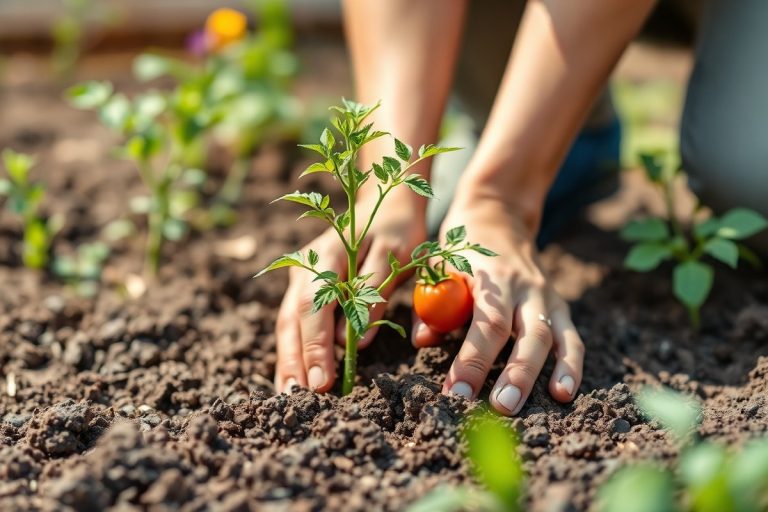
- Day 1: Prepare soil with good drainage by mixing in sand or gravel. Dig holes spaced 18 to 24 inches apart for good air flow.
- Day 2: Plant lavender in the center or back. Place shorter companions like thyme or marjoram around it. Make sure roots don’t crowd each other.
- Week 1: Water all plants lightly but regularly, avoiding soggy soil. Lavender prefers dry spells. So water companions only when soil feels dry an inch down.
- Month 1: Check plants weekly for signs of stress or pests. Companion plants like rosemary can help repel bugs near lavender.
- Month 2: Mulch lightly with coarse material like gravel to keep soil moist but prevent rot. Avoid thick organic mulch.
- Month 3 and ongoing: Prune lavender after blooming to keep air flowing. Trim companions to prevent overcrowding and watch for soil dryness.
Frequently Asked Questions
Can Lavender Grow Well with Succulents?
Yes, lavender grows well with succulents since both like dry soil. Match your watering carefully to keep soil from staying wet.
How Close Can You Plant Rosemary to Lavender?
Plant rosemary 2 to 4 feet from lavender to prevent crowding. Rosemary can grow tall and wide, needing more space.
What Flowers Can Brighten a Lavender Garden?
Marigolds and cosmos add bright color without stressing lavender’s needs. They also attract beneficial insects to your garden.
Can Lavender Improve Vegetable Garden Health?
Lavender helps by deterring pests in veggie gardens when planted nearby. Use it at least 2 feet away to avoid root competition.
How Does Soil pH Affect Lavender Companion Plants?
Lavender prefers slightly alkaline soil with pH 6.7 to 7.3 for best growth. Choose companions with similar pH needs to avoid nutrient issues.
Do Companion Plants Affect Lavender Flowering Times?
Some herbs can extend lavender’s blooming by improving soil conditions. Plant thyme or sage close but allow room for airflow.
Wrapping Up
Planting the right companions with lavender helps both plants thrive and reduces pests. Start by picking dry-loving herbs and flowers near your lavender. Then prepare soil and space plants carefully for best results.