How to Plant Strawberry Seeds: A Complete Guide for Fast, Healthy Growth
Knowing how to plant strawberry seeds helps you grow strong plants at home. First, chill the seeds inside your fridge for at least 30 days. This process, called stratification, mimics winter to speed up sprouting.
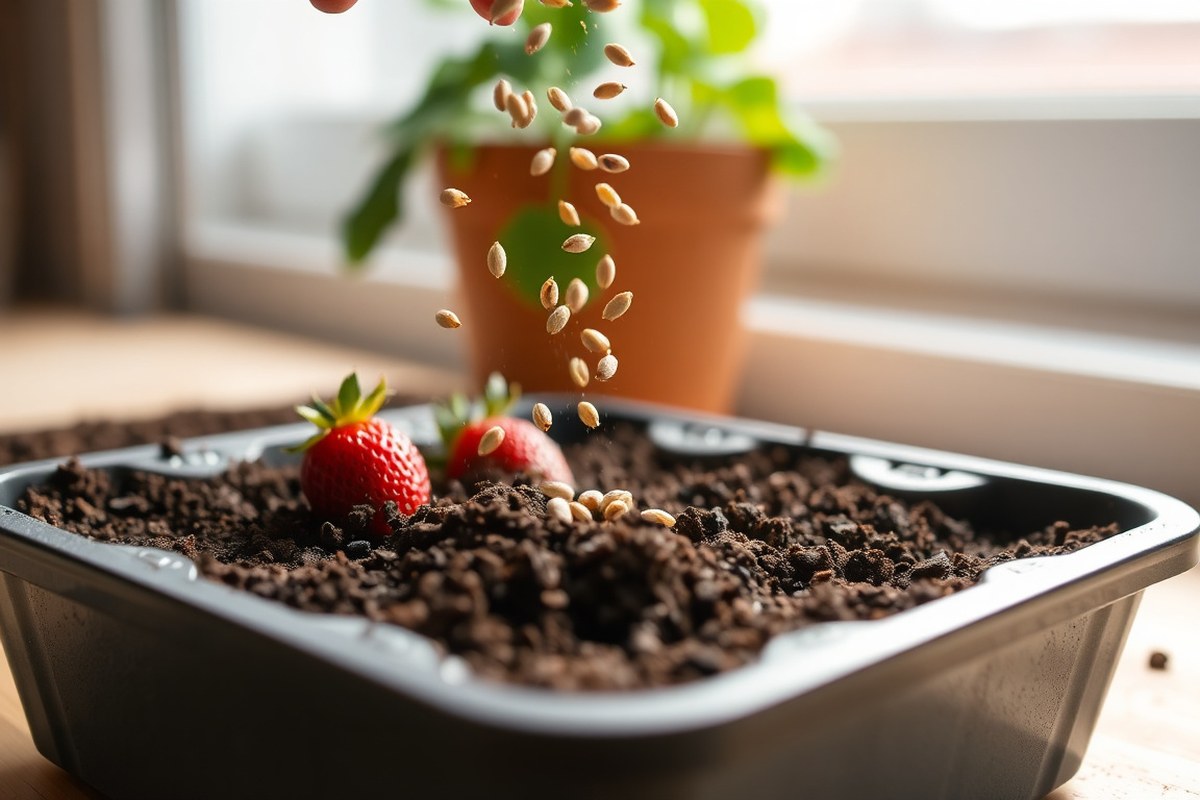
After chilling, sprinkle the seeds over moist soil or paper towel. Keep them warm, around 60 to 70°F, until you see tiny sprouts. Make sure you don’t cover tiny seeds too deep because they need light to start growing.
Strawberry seedlings need 14 to 16 weeks of cold stratification before the last frost. Then, keep them chilled for 3 to 4 weeks more before planting outside. Wait until seedlings grow 2 to 3 inches tall.
After frost, move them outside. They will continue growing in outdoor conditions.
Key Takeaways
- Stratify seeds in the fridge for 30 days before planting for better germination.
- Keep soil temperature between 60 and 70°F during seed sprouting stage.
- Only cover strawberry seeds with a thin soil layer. Too much soil stops seeds from sprouting. Keep the layer light for best results.
- Begin cold stratification 14 to 16 weeks before the last frost date in your area.
- Plant seedlings outside after the last frost when they reach 2 to 3 inches tall.
- Chill seedlings for 3 to 4 weeks after stratification to prepare for outdoor growth.
How to Plant Strawberry Seeds for Best Germination
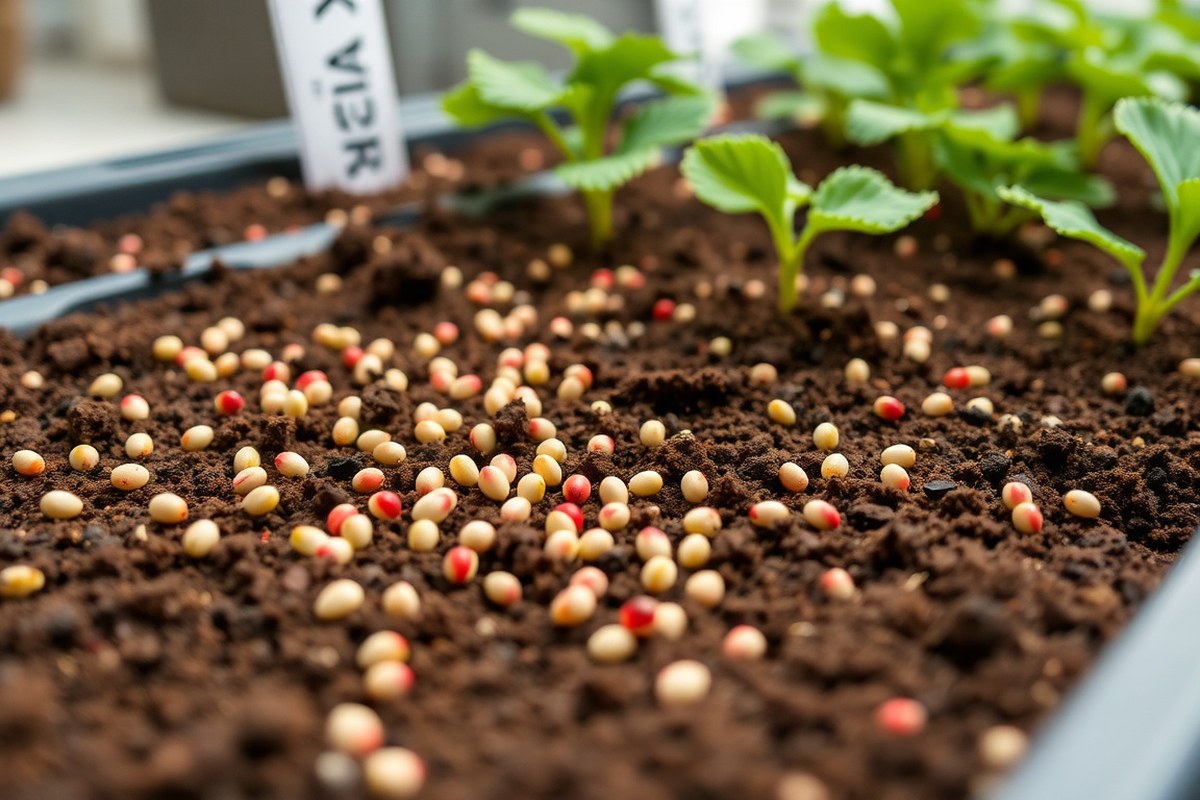
Planting strawberry seeds requires careful steps to give them the best start. You need to sow them shallowly because these tiny seeds need light to germinate.
Keep the soil moist but not wet. Maintain a warm temperature to encourage sprouting.
Seeds taken straight from store-bought strawberries usually won’t sprout. They need to be cleaned and prepped properly, often including chilling (stratification) for several weeks. This step tricks the seed into thinking it’s winter, which improves germination rates.
- Choose a seed-starting mix or fine potting soil that drains well but holds moisture.
- Fill a shallow seed tray or small pots with soil. Leave about ¼ inch space from the top. This space helps prevent water overflow.
- Spread the strawberry seeds evenly on the soil surface. Leave enough space for seedlings to grow. Avoid crowding the seeds.
- Press the seeds gently into the soil with a flat tool or your hand. But do not cover them with more soil.
- Lightly mist the soil with water to make it damp but not saturated.
- Cover the tray with clear cling wrap to keep humidity high. Use this when indoor air is dry, below 40%. The wrap traps moisture.
- Keep the soil temperature between 65 and 75°F (18 to 24°C) to help seeds germinate.
- Check the tray every day to keep soil moist. Watch for tiny sprouts in 2 to 6 weeks. Sometimes, sprouting takes longer.
Plant seeds on the soil surface, not buried. The seeds need light to help them grow. Burying blocks the light.
Using cling wrap lets moisture stay in without drowning the seeds. Keep soil moist because drying kills the seeds. Steady moisture is important for their survival.
Do not let soil dry out. Germination can take up to a month, so patience is important.
Preparing and Stratifying Strawberry Seeds Correctly
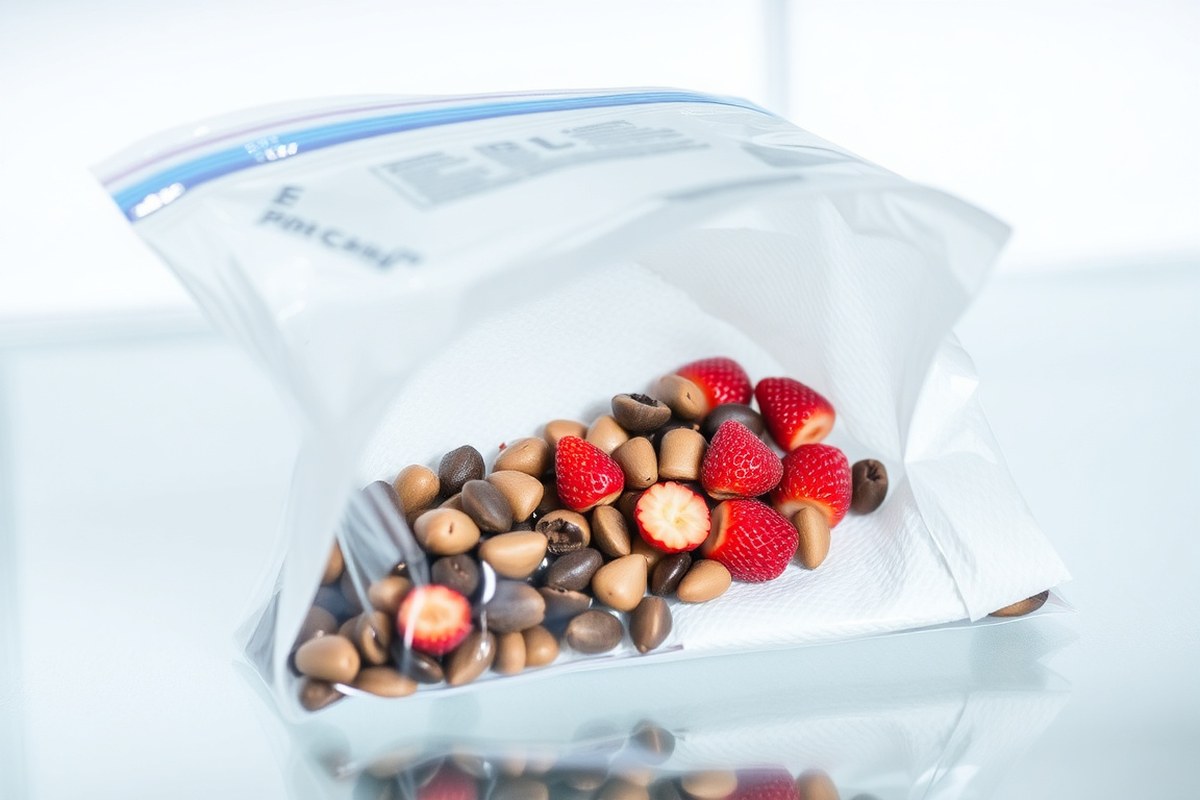
Stratifying strawberry seeds by chilling them before planting helps break their dormancy. This process increases germination rates because strawberry seeds naturally require a cold spell to start growing.
You can stratify seeds either dry or moist. But moist cold stratification often gives better results.
Cold Stratification Explained
Cold stratification means storing seeds in a cold place for about 30 days before planting. This mimics winter and prepares seeds to sprout when temperatures rise.
Most strawberry seeds grow better after chilling in the fridge. Keep them cold for at least 30 days at 35 to 40 °F. This helps the seeds sprout more reliably.
Stratification is important because strawberry seeds come from plants adapted to cold climates. Without this chilling, seeds may stay dormant or take longer to sprout. Store-bought seeds also need cold stratification.
You can’t always tell which varieties need it. Chilling helps improve germination for all seeds.
Moist Stratification Step-by-Step
Moist stratification improves germination by giving seeds some moisture along with cold storage. Place seeds on a damp paper towel or mix them with moist sand or potting mix. Then seal them inside a plastic bag to keep moisture in.
Place the seeds in the fridge for a minimum of 30 days. Check moisture each week to avoid drying or mold. Plant the seeds right after chilling for faster sprouting, some pop up within 10 days.
Storing and Handling Seeds Before Planting
Dry stratify seeds by placing the dry packet in a sealed bag. Store this bag in the fridge. This method also helps seeds germinate well.
This also needs about 30 days. Dry stratification takes less effort but moist stratification usually leads to faster, more reliable sprouting.
Fresh seeds usually sprout better than old, store-bought ones. Make sure to clean and dry fresh seeds well first. This improves their chance to grow strong plants.
Rub dried strawberry seeds off fully dried fruit using your thumb and forefinger before stratifying. Store clean seeds in a cool, dry spot if you can’t stratify them immediately.
Don’t let moist seeds sit too wet during chilling. That can cause mold and kill them.
Here’s a quick comparison to help you choose between dry and moist cold stratification:
| Method | How To | Time Needed | Key Benefit | Main Risk |
|---|---|---|---|---|
| Moist Stratification | Put seeds on damp towel/sand in sealed bag | 30 days or more in fridge | Better and faster germination | Mold if too wet |
| Dry Stratification | Place dry seeds in sealed bag in fridge | 30 days or more | Easier to do, less risk of mold | Slower, less reliable sprouting |
Following these steps helps you break seed dormancy reliably. The chill time signals the seeds it’s spring soon, waking them up ready to grow.
Cold stratifying strawberry seeds isn’t tricky. But skipping it can lead to patchy or slow germination.
When and Where to Sow Strawberry Seeds for Best Results
Plant strawberry seeds in early spring for the best results. Start them indoors if you face a short growing season or cold climate. Outdoor sowing can work but requires the right timing and soil warmth.
Ideal Temperatures for Germination
Strawberry seeds need soil temperatures between 60 and 70°F to sprout well. They also require light, so sow the seeds on the soil surface. Keeping the soil consistently moist during germination helps avoid drying out.
Most strawberry seeds need a cold period called cold stratification to break dormancy. This mimics winter conditions. Wrap seeds in a damp paper towel and place them in the fridge.
Keep them there for a few weeks before planting outdoors. This helps improve germination rates.
Indoor Growing vs Outdoor Sowing
Starting seeds indoors lets you control temperature and light. Use grow lights if natural sun is weak. Plants can develop strong roots and leaves before moving outside after the last frost.
Direct outdoor sowing saves time but depends on soil warming up. Cold or wet soil can delay germination or cause seeds to rot.
Your success improves by starting seeds indoors in a short growing season. It gives seedlings a head start before outdoor planting.
Seasonal Planting Calendar
The best time to sow seeds varies with your climate and strawberry type. Alpine and perpetual types go into soil early, planted outside in fall. Warmer soil is needed for other strawberry varieties in spring.
| Climate Zone | Indoor Sowing | Outdoor Sowing |
|---|---|---|
| Cold (e.g., Ontario) | Early March indoors | After last frost (May) |
| Temperate | Late February indoors | Late March or April |
| Warm | January to February indoors | February to March |
| Alpine / Perpetual Varieties | January or February indoors | Fall transplant outdoors |
Check your local frost dates and soil temperature before planting. Amending garden soil with compost, peat moss, and sand prepares it well for transplanting seedlings later.
Caring for Strawberry Seedlings After Germination
Strawberry seedlings usually appear in 1 to 6 weeks after planting. This depends on seed freshness and temperature. Keep soil moist but not soggy to help seeds sprout well.
Water your seedlings lightly once or twice daily. Use a spray bottle or a gentle watering can to avoid washing seeds away. The soil surface should stay damp but not soaked to prevent root rot.
Seedlings need bright, indirect light for 12 to 16 hours a day. Place them near a south-facing window or under fluorescent grow lights. Avoid direct sunlight; it can scorch tender leaves.
To avoid mold and damping off, improve air circulation around seedlings. Use a small fan on low near the trays for a few hours daily. Remove any seedlings that look unhealthy to protect others.
- Keep temperature steady between 65°F and 75°F during the day
- Use well-draining seed-starting mix to prevent soggy conditions
- Fertilize seedlings once they develop two sets of true leaves
- Feed with a diluted balanced fertilizer every 2 to 3 weeks
- Thin seedlings early to give each plant space to grow
- Water from the bottom if possible, to keep leaves dry
- Move seedlings to individual pots once they reach 2 to 3 inches tall
A weak stem or yellowing leaves often mean overwatering or poor light. Adjust watering and check the light source if you spot these problems. Healthy seedlings have sturdy stems and bright green leaves.
Fertilize only after seedlings grow 3 or more leaves. Use a half-strength, balanced liquid fertilizer. This helps seedlings develop strong roots for transplanting later.
When and How to Transplant Strawberry Seedlings Outdoors
Transplant strawberry seedlings outdoors once they grow 3 to 4 true leaves. Space them 12 to 24 inches apart for room to spread. Prepare soil well and harden off seedlings for a week before planting.
Signs Seedlings Are Ready
Seedlings are ready when they show 3 to 4 true leaves beyond the tiny seed leaves. Their stems feel firm, and roots have filled their small pots. The plants should look healthy and strong enough to handle outdoor weather.
Seedlings at this stage stand up well and no longer wilt quickly after watering. This means they have enough roots to support transplanting. Avoid moving seedlings that are still small or weak to prevent shock.
Hardening Off Process
Hardening off helps seedlings adjust to outdoor sun, wind, and temperature changes. Start by placing pots outside in a shady spot for a few hours a day. Gradually increase sunlight and time spent outdoors over 7 to 10 days.
Bring seedlings inside at night to avoid cold damage until they can stay outside all day. This slow exposure strengthens leaves and roots and reduces transplant shock. Watch for wilting or yellow leaves and adjust time outside if needed.
Soil Preparation and Spacing
Choose a sunny spot with well-drained, slightly acidic soil (pH 5.5-6.5). Add 2 to 3 inches of compost or aged manure first. Mix it well into clay or sandy soil.
This improves your soil for planting. Remove weeds and loosen soil about 8 inches deep before planting.
Space strawberry plants 12 to 24 inches apart in rows 2 to 3 feet apart. Closer spacing suits small gardens, while wider room helps runners spread and grow. Proper spacing allows air flow, reducing disease and promoting bigger fruit.
- Water seedlings well a few hours before transplanting.
- Dig holes wide and deep enough for the root ball without bending roots.
- Remove seedlings carefully by holding their leaves, not stems, to avoid damage.
- Place each seedling into its hole, spreading roots gently without crowding.
- Fill soil around roots, firming lightly to remove air pockets.
- Water each plant immediately to settle soil around roots.
- Apply 1 to 2 inches of mulch to keep soil moist and prevent weeds.
Handle roots gently during transplanting; crushed or broken roots stunt growth.
How Long Strawberry Seeds Take to Grow and Produce Fruit
Strawberry seeds usually take about 1 to 6 weeks to germinate. The time varies depending on temperature and whether seeds were properly prepared. Keep soil moist and temperatures around 60 to 75°F for best sprouting results.
After germination, seedlings grow slowly. They often take 4 to 6 months to become mature plants ready to flower. Your strawberries might not bloom until late in the season.
Sometimes, they bloom the following year. This delay is normal for new plants.
Fruit from seed-grown strawberry plants normally appears between 6 to 12 months after sowing. It takes more patience compared to plants grown from runners. Runner plants can fruit much faster because they start as mature plants already.
Plants grown from runners usually produce fruit in their first year. Seed-grown plants, however, often need a full growing season before fruiting. This wait is because seedlings must develop strong roots and leaves first.
| Growth Stage | Approximate Time |
|---|---|
| Seed Germination | 1 to 6 weeks |
| Seedling Development | 4 to 6 months |
| First Flowering | 6 to 12 months |
| Harvest Time | 6 to 12 months or more |
| Runner Plant Fruiting | Within first growing season |
Indoor growers can use full-spectrum bulbs. These bulbs help plants make flowers and fruit. They work well when natural light is low.
Without enough light, plants take longer to mature. Make sure to provide at least 12 hours of light daily to encourage fruit production.
Harvesting strawberries from seed-grown plants requires extra patience. Wait for the full growth cycle to get ripe berries. This is true especially in the first year.
Patience is key to your harvest. Many gardeners use runner plants for faster harvests.
But growing from seed lets you try unique varieties. Each method has its own benefits.
Common Mistakes and How to Fix Them Growing from Seed
Strawberry seeds often won’t germinate because they need cold stratification or warm, consistent moisture. Without these, the seeds stay dormant. Refrigerate seeds for 2 to 4 weeks before planting.
Keep soil moist but not wet. Maintain temperatures around 65 to 75°F.
Mold or damping off happens when seedlings sit in overly wet soil with poor air flow. This kills young plants quickly.
To prevent this, water gently and only when the top layer feels dry. Use a spray bottle to mist the soil surface instead of pouring water directly.
Seedlings get leggy when they stretch toward weak or insufficient light. This makes stems thin and prone to falling over. Put seedlings near a bright window or under grow lights.
Give them 12 to 16 hours of light daily. Keep the light about 2 to 3 inches above the plants to stop stretching.
Slow growth or late flowering can happen from poor soil nutrients. Cold temperatures can also cause delays.
Strawberry plants like daytime temperatures from 60 to 80°F. Feed seedlings with diluted balanced fertilizer every two weeks. Start once they have a second set of leaves.
Overwatering harms roots by causing rot and inviting mold. Let the soil dry slightly between waterings, and use containers with drainage holes. Seeds or seedlings left in standing water often die quickly.
- Keep soil moist but not soaked, mist if needed
- Refrigerate seeds 2, 4 weeks to improve germination
- Provide strong, direct lighting to prevent legginess
- Feed seedlings every two weeks after second leaves appear
- Use pots with drainage and avoid standing water
- Keep temperatures steady between 65 and 75°F for best growth
- Thin seedlings early to reduce overcrowding and disease risk
Seedlings need patience. Remember, strawberries from seed usually won’t fruit the first year.
Giving seedlings the right care and environment helps them grow strong and productive later. Watch for any signs of trouble and change conditions quickly to save your plants.
Choosing and Managing Strawberry Seeds by Variety and Climate
Strawberry seeds come in three main types: alpine, everbearing, and June-bearing. Each type grows differently and produces fruit at different times. Knowing your climate helps you choose the right seeds to grow.
Strong plants need seeds suited to your area. This can lead to a better harvest.
June-bearing strawberries produce one big crop in late spring or early summer. Everbearing types give fruit twice, in early summer and again in fall.
Alpine strawberries yield smaller berries all summer long, often with a sweeter taste. Your climate affects which kind will thrive and how you should manage the plants.
| Variety | Fruit Timing | Runner Production | Best Climate | Care Notes |
|---|---|---|---|---|
| June-bearing | Once per year (late spring) | High | Temperate zones with cold winters | Cut runners first year, focus on strong roots |
| Everbearing | Twice per year (early summer & fall) | Moderate | Mild climates, some winter chill needed | Allow runners second year, remove blossoms first year |
| Alpine | Continuous through summer | Low (self-seeds mainly) | Cooler climates or shaded areas | Allow blossoms and self-seeding, minimal runner control |
Choose June-bearing seeds if your winters are cold and summers warm. They need winter chill to produce well.
Everbearing seeds work best in mild climates with short winters. Alpine seeds like cool, shaded spots and can self-seed without much help.
Managing runners and blossoms depends on the variety. For June-bearing plants, pinch off runners their first year. It helps roots grow stronger for next year’s fruit.
With everbearing plants, remove flowers the first year. In the second year, let some runners grow. This helps the plant develop well.
Do not let first-year June-bearing strawberries fruit; remove runners for better root growth.
Alpine strawberries need less runner control and usually spread by self-seeding. They do well in smaller spaces or pots.
You can plant alpine seeds in trays at least 2 inches deep. Seedlings will flourish with less fuss.
Picking the right strawberry seeds saves time and effort. Match the seed type with your climate to grow healthy berries. Learn how to handle runners properly for best results.
This supports strong, healthy plants. This approach avoids common problems like weak plants or poor fruit supply.
Step-by-Step Action Plan for Growing Strawberries from Seed
Follow these steps to plant and grow strawberry seeds successfully. Each step explains what to do and how to check your progress.
- Before you start: Choose high-quality seeds suited to your climate. Check the package date to ensure freshness.
- Week 1: Stratify seeds by chilling them in the fridge for 2-4 weeks. You will see little white sprouts after this period.
- Week 3: Sow seeds on moist seed-starting mix indoors. Press seeds gently on the surface without covering them. Seeds will germinate in 1-3 weeks.
- Week 5: Keep seedlings in bright, indirect light. Water lightly when soil feels dry. Look for sturdy, healthy leaves.
- Week 8: Begin hardening off seedlings by placing them outside for a few hours daily. They will adjust if leaves remain fresh and firm.
- Week 10: Transplant seedlings outdoors after frost risk ends. Plant them in well-drained soil spaced 12 inches apart. Plants should stay upright and green.
- Month 3-4: Mulch around plants to keep moisture and fight weeds. Blue or green leaves with flowers show plants are ready to fruit.
- Month 5+: Watch for ripe berries, usually 4-6 months after sowing. Enjoy the fresh fruit and remove any dead or damaged leaves.
Frequently Asked Questions
Can I Plant Strawberry Seeds Straight from a Strawberry?
You can plant seeds from fresh strawberries, but germination rates vary. Sold packets or stratified seeds improve success.
What Is the Best Month to Plant Strawberry Seeds?
Start seeds indoors 14 to 16 weeks before the last frost date. This timing helps seedlings grow strong before planting outside.
How Long Do Strawberries Take to Grow from a Seed?
Strawberry seeds need up to six weeks to germinate and several months to produce fruit. Patience is key for growing from seed.
Can You Plant Seeds from Store-Bought Strawberries?
Store-bought strawberry seeds often have low germination rates. It’s better to buy seeds from a reputable seed supplier.
Do Strawberry Seeds Need Light to Germinate?
Yes, strawberry seeds need light to sprout. Sow them lightly on the soil surface for best results.
How Often Should I Water Strawberry Seedlings?
Keep the soil consistently moist but not soggy. Water lightly every day or every other day, depending on humidity.
Final Thoughts
Growing strawberries from seed takes patience but the results are rewarding. Focus on good seed care and gradual outdoor adjustment. Start your seed stratification today to get going.