How to Plant Jalapeno Plants: Complete Steps for Strong Growth and Big Harvests
Start by choosing quality seeds or healthy seedlings. Plant jalapeno seeds in warm soil between 80 and 90°F for the best sprouting. Using a seed tray indoors helps keep soil temperature steady.
Give seedlings plenty of light with 6 to 8 hours of sun daily. Grow lights can extend this to 16 hours to boost growth. Keep young plants around 65°F until ready to move outside.
Use well-drained soil rich in organic matter and space plants 18 to 24 inches apart. Proper spacing improves air circulation and prevents disease. Avoid cold weather below 40°F, since jalapenos won’t survive it.
Extreme heat can cause blossoms to drop and reduce fruit. Providing some afternoon shade helps during hot spells. Mulching holds moisture and keeps soil cool for steady growth.
Key Takeaways
- Start jalapeno seeds indoors when soil temperature is 80 to 90°F for better germination.
- Give jalapenos 6 to 8 hours of sun daily. You can use grow lights for up to 16 hours.
- Keep seedlings warm, at least 65°F, until transplanting outdoors.
- Choose containers with drainage holes and at least 5 gallons for healthy growth.
- Space jalapeno plants 18-24 inches apart and rows 24-36 inches for airflow.
- Transplant seedlings outdoors after four true leaves appear and plants reach 2 inches tall.
Step-By-Step Guide to Planting Jalapeno Seeds and Seedlings
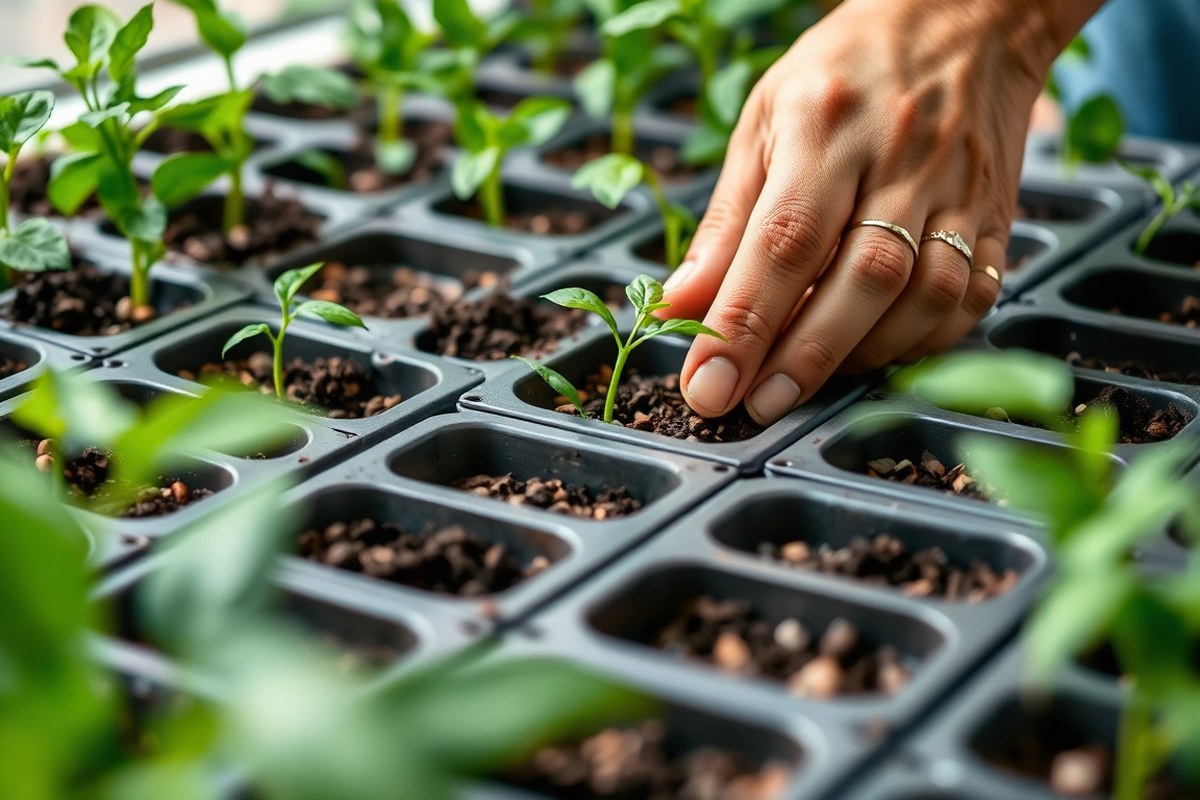
Start jalapeno seeds indoors about 8 to 10 weeks before frost. Plant seeds 1/4 inch deep in moist, rich soil. Use small pots with well-draining mix at pH 6.0 to 6.8.
Once seedlings grow sturdy and the soil outside warms to at least 65°F, you can transplant. Move seedlings outdoors when nighttime temperatures stay above 55°F, usually after the last frost. Plant jalapenos 18 to 24 inches apart within each row.
Space rows 24 to 36 inches apart. This gives plants enough room to grow.
Prepping soil for outdoor planting means working in compost or well-rotted organic matter into the soil. This improves fertility and drainage. Fertile, loose soil helps jalapenos develop strong roots and produce more fruit.
- Fill seed trays or small pots with a quality seed-starting mix. Keep soil moist but not soggy.
- Plant jalapeno seeds about 1/4 inch deep. Cover lightly with soil and water gently.
- Keep seeds warm at 70 to 75°F until they sprout. Germination usually takes 7 to 14 days. Check soil moisture to keep it consistently damp.
- Transplant seedlings after they develop 2 to 3 true leaves. Move them into bigger pots, about 4 to 6 inches across. This helps roots grow better.
- Harden off seedlings a week or two before planting outside. Move them outdoors a few hours each day in shade. Gradually increase sun exposure over several days.
- Prepare outdoor planting beds by mixing compost into the soil. Space plants 18 to 24 inches apart, with 24 to 36 inches between rows.
- Plant seedlings at the same depth as in their pots. Water well after planting to settle the soil around roots.
- Keep soil evenly moist as plants establish. Avoid letting it dry out to prevent stress and support growth.
Ideal Temperature, Light, and Humidity for Jalapeno Growth
Optimal Temperature for Germination and Growth
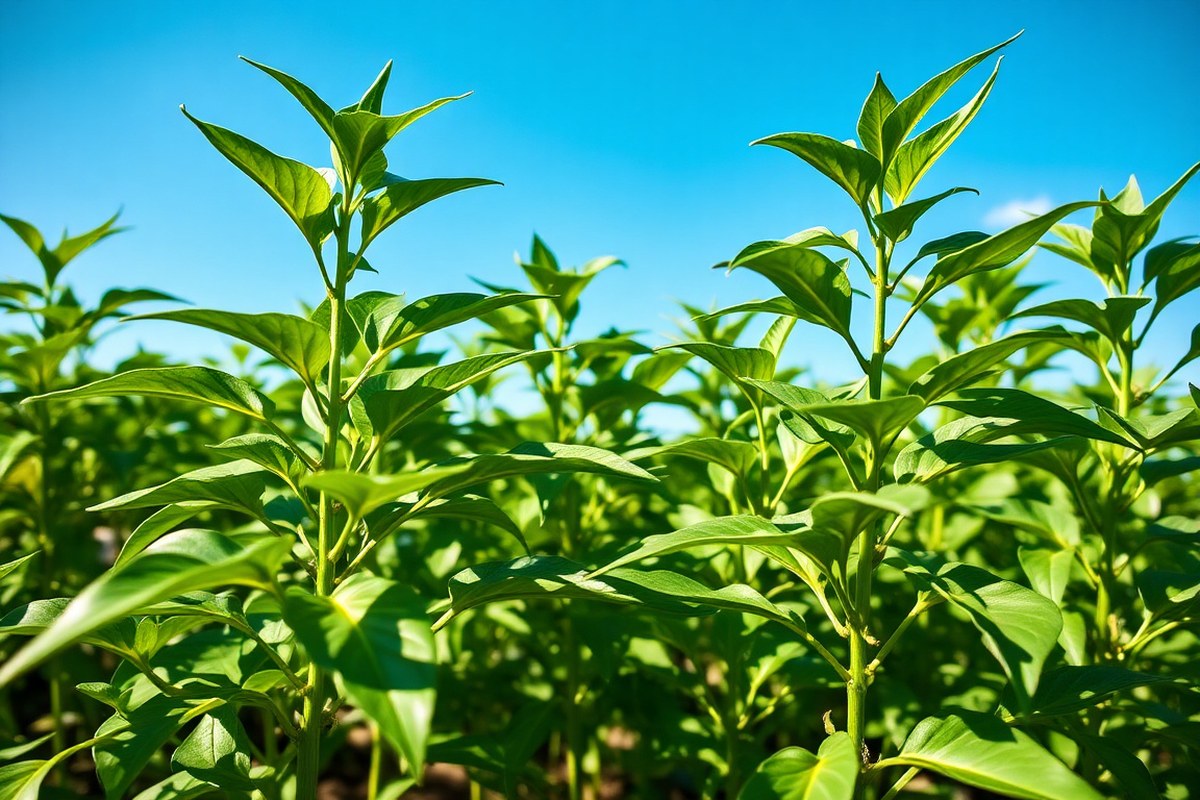
Jalapeno seeds need soil temperatures between 80°F and 90°F to germinate well. This warm range helps seeds sprout within 7 to 14 days. After germination, keep daytime temperatures between 70°F and 85°F for strongest growth.
Temperatures below 65°F slow growth and increase the risk of poor fruit set. High heat above 90°F can cause jalapeno plants to drop blossoms. This reduces the number of peppers you get later in the season.
Sunlight Needs for Healthy Jalapeno Plants
Your jalapeno plants should get at least 6 to 8 hours of direct sunlight each day. More light, up to about 10 hours, can encourage bigger plants and better fruit production. Place containers or garden beds in a sunny spot without shade.
Indoor growers can use grow lights for 14 to 16 hours daily. Keep the light close but not so close it heats the leaves. This prevents plants from becoming tall and leggy while ensuring enough energy for fruit development.
Humidity Levels That Support Jalapeno Growth
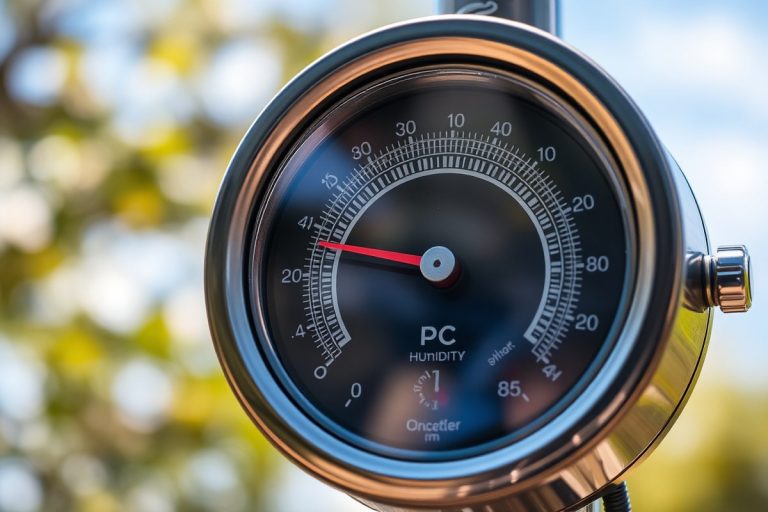
Jalapeno plants thrive when humidity sits between 50% and 70%. This range keeps leaves healthy and reduces stress on the plant. Too low humidity can dry out leaves, while too high can promote fungal diseases.
When you grow indoors, use a humidifier or mist plants lightly to keep humidity steady. Outdoors, focus on good airflow around plants to prevent excess moisture buildup.
Preventing Temperature Stress
Jalapenos dislike sharp temperature swings. Avoid exposing plants to temperatures below 60°F or above 90°F. Too much cold or heat stresses the plant, causing blossom drop and weak fruit set.
In hot climates, provide afternoon shade or use row covers to reduce temperature spikes. When nights turn cold, bring potted plants inside or cover beds with fabric.
Jalapeno plants stop producing well if daytime heat regularly exceeds 90°F. So watch summer temps closely.
Preparing Soil and Selecting Containers for Jalapeno Plants
Jalapeno peppers prefer soil that drains well with a pH near 6.0 to 6.8. They need soil that keeps moisture but does not stay soggy. Mix compost or aged manure into soil at planting to boost growth.
You can grow jalapenos in the ground or in containers. Choose containers holding 5 gallons or more for jalapeno pepper plants.
This size supports one or two plants and provides enough room for roots to spread. Always use containers with drainage holes so water can escape and roots won’t drown.
Container soil heats up and cools down faster than garden soil. Put pots where they receive 6 to 8 hours of sunlight each day.
A sunny deck or patio works well for this. This sun exposure helps your plants develop strong stems and plenty of peppers.
Before planting, mix your soil with organic matter to improve texture and fertility. Compost breaks down slowly, feeding plants over time. Poor drainage or compacted soil leads to root rot and weak plants.
| Growing Method | Container Size | Sun Exposure | Soil Amendments | Growth Notes |
|---|---|---|---|---|
| In-ground | N/A | Full sun, 6-8 hrs | Compost, manure mixed in | Taller plants, steady moisture |
| Container | At least 5 gallons | Full sun, 6-8 hrs | Potting mix + compost | Compact plants, faster soil temperature changes |
Mix your garden soil with 20-30% compost before planting jalapenos. This improves nutrients and helps retain moisture. In pots, use a potting mix blended with compost to ensure good drainage and fertility.
Both methods need steady watering. But containers dry faster and may need more frequent checks.
Quality soil and sun exposure affect how well plants set fruit. Avoid waterlogging soil to prevent disease and root damage.
Watering and Fertilizing Schedule for Healthy Plants
Jalapeno plants need about 1 to 1.5 inches of water weekly. Water deeply at soil level once a week to help deep root growth. Avoid watering the leaves or fruits to prevent disease.
Consistent moisture is key. Use a drip irrigation system or water carefully by hand. Mulch with 2 inches of straw or bark to keep soil moist and steady in temperature.
- Check soil moisture daily during hot weather
- Water only when the top inch of soil feels dry
- Avoid water pooling around the stem
- Use slow-release fertilizer at planting time
- Apply fertilizer again when plants start flowering
- Choose fertilizer with balanced N-P-K ratios, like 10-10-10
- Avoid high nitrogen while plants are fruiting to boost peppers over leaves
Apply a balanced, slow-release fertilizer at planting. Use a formula like 10-10-10 or a similar balanced mix. Fertilize again when flowers appear to support fruit development.
Too much nitrogen early makes lots of leaves but fewer peppers. After flowering, switch to fertilizer with lower nitrogen and more phosphorus and potassium. This encourages healthy peppers instead of excessive leaf growth.
How and When to Transplant Jalapeno Seedlings Outdoors
Move jalapeño seedlings outside when nights stay above 55°F. Make sure plants have 2 to 3 true leaves before transplanting. Harden off seedlings for 7 to 10 days by gradually exposing them to outdoor conditions.
Space plants 12 to 14 inches apart in the garden. Prune or stake only if needed for growth control or support.
Timing Transplant for Temperature and Seedling Size
Transplant seedlings when they are 3 to 4 inches tall. They should also have 2 to 3 sets of true leaves.
The night temperature should stay above 55°F to avoid cold stress. Wait two weeks after planting tomatoes in the garden before adding jalapeño seedlings.
Jalapeño plants grow about 18 to 26 inches tall and stay sturdy without much help. You’ll spot the right time when seedlings look firm, healthy, and dark green. Transplanting too early risks frost or stunted growth.
Hardening Off Seedlings Safely
Hardening off prepares plants for sun, wind, and temperature changes outdoors. This step reduces transplant shock and helps plants adjust to their new environment. Start by placing seedlings outside in a sheltered spot for short periods.
Increase outdoor time by an hour each day over 7 to 10 days. Cut back on watering slightly to make stems firmer. Watch for any wilt or sunburn and reduce exposure if needed.
- Choose a shady, protected area outdoors for the first day.
- Place seedlings outside for 1-2 hours, then bring them in.
- Increase outdoor time by 1 hour daily while moving to sunnier spots.
- Reduce water slightly but keep soil moist to strengthen plants.
- Check plants for stress signs like drooping leaves each day.
- Finish hardening off after 7 to 10 days with full sun exposure.
- Transplant seedlings into the garden the following day.
Don’t skip hardening off; sudden outdoor exposure can stunt or kill seedlings.
Planting and Spacing Outdoors
Space jalapeño plants about 12 to 14 inches apart to allow good airflow and growth. Use loose, rich soil amended with compost to support healthy roots. Plant seedlings slightly deeper than they grew in pots to anchor well.
Water the plants thoroughly after transplanting to settle soil around roots. Apply nitrogen-rich fertilizer soon after planting to boost early growth. Avoid crowding or planting near tomatoes for best results.
Optional Pruning and Staking Tips
Jalapeño plants are strong and usually don’t need staking or pruning. Prune only to remove damaged or overcrowded branches to improve airflow. Supporting plants helps in windy areas or if you want more control over shape.
Use a small stake or cage gently when you transplant. This helps support plants that need staking.
Pruning young plants can encourage bushier growth but is optional unless plants become too dense. Check your plants weekly and adjust support if they lean or grow unevenly.
Managing Pests, Diseases, and Common Growing Problems
Jalapeno plants face common pests like aphids, pepper weevils, caterpillars, beetles, and pepper hornworms. These bugs suck sap, chew leaves, or bore into fruit, weakening your plants. Diseases like fusarium wilt and bacterial leaf spot hurt jalapenos.
They cause yellow leaves, spots, and fruit rot. Anthracnose also damages the plant and fruit.
Checking your plants regularly helps catch pests and diseases early. Look for wilting, yellow leaves, holes in leaves, or sticky residue, which often signals insect activity. Cold and poor soil can stress plants and cause these symptoms.
This makes good care important to stop problems. Healthy plants resist disease better.
- Use insecticidal soap to treat aphids and soft-bodied insects.
- Handpick caterpillars and hornworms off plants daily.
- Practice crop rotation to avoid soil-borne diseases like fusarium wilt.
- Water the base of plants to keep leaves dry and reduce fungal risk.
- Remove and destroy infected leaves to prevent disease spread.
- Encourage natural predators like ladybugs and lacewings in your garden.
Organic methods keep your peppers safe while controlling pests. Insecticidal soaps cost about $8 to $12 per bottle and often work within days. Rotating where you plant jalapenos helps break disease cycles by starving fungi in the soil.
Don’t water plants from above to stop fungus growth. Water early so leaves dry fast and stay healthy. This helps avoid diseases.
Be careful not to damage roots or overcrowd; both invite problems. Watching your plants closely for at least once a week is normal. Act fast with pests or disease to stop spread.
They can stunt plant growth or ruin peppers before harvest. Catch problems early.
Harvesting Jalapeno Peppers: When and How to Pick
Jalapeno peppers are usually ready to harvest 60 to 80 days after planting. Pick them when they are firm and 3 to 4 inches long. You can harvest them green or wait for them to turn red for extra heat.
Signs Jalapenos Are Ready to Pick
Look for dark green, firm peppers about 3 to 4 inches long. They should have a glossy, smooth skin without wrinkles. Peppers that size usually appear around 70 to 75 days after planting.
To get sweeter, hotter peppers, wait until they turn red. Red jalapenos may also show slight orange or yellow shades depending on variety. Check that the fruit feels firm, not soft or shriveled.
Safe Harvesting Techniques
Picking jalapenos carefully helps protect your plants and encourages more fruit. Avoid pulling hard, which can break branches or stress the plant. Use one hand to hold the stem while gently twisting or pulling the pepper off.
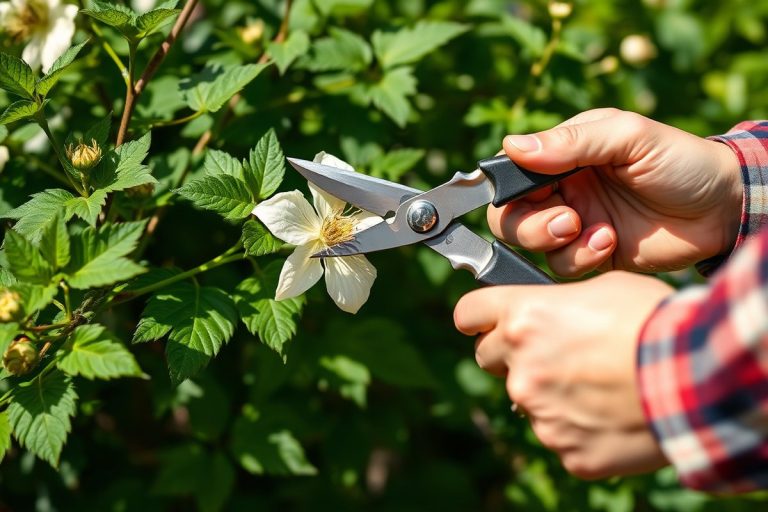
Cutting the pepper with clean scissors or garden shears is another safe method. Try harvesting during cooler parts of the day to keep the plant healthy. Regular picking around every 2 to 3 days gives you steady harvests.
- Hold the pepper and stem firmly with one hand.
- Twist or pull the pepper upwards gently to release it.
- Use scissors to snip peppers if they resist pulling.
- Inspect the plant for damaged or diseased peppers and remove them too.
- Harvest peppers regularly to encourage more fruit growth.
- Wash your hands after handling jalapenos to avoid skin irritation.
Ripening Green Peppers to Red
You can leave green jalapenos on the plant to ripen further. The peppers will slowly turn from green to red over 2 to 3 weeks. Red jalapenos taste sweeter and tend to be spicier than green ones.
Make sure the plant stays healthy with consistent watering and feeding during ripening. When cold weather nears, pick green peppers and ripen indoors on a sunny windowsill. Check daily for color changes and softness.
Storing Harvested Jalapenos
Fresh jalapenos keep well in the fridge for up to two weeks. Place them in a paper towel inside a plastic bag to prevent moisture buildup. Avoid washing peppers before storage, as moisture can cause rot.
For longer storage, freeze jalapenos whole or chopped. Drying or pickling are also good options to preserve their flavor. Store dried peppers in airtight containers away from light and heat.
Common Mistakes and How to Avoid Them When Growing Jalapenos
Poor timing is a common mistake when planting jalapeno peppers. Planting too early can stunt growth and invite disease. Wait until soil stays above 65°F to start planting.
No frost should happen soon. This gives seedlings the best chance to grow well.
Spacing plants too close reduces airflow and encourages mold and pests. Space jalapenos 18 to 24 inches apart to avoid crowding. This simple step also helps the plants get enough sunlight for strong growth.
Watering too often or too little causes problems, too. Overwatering can lead to root rot. On the other hand, drying out stresses plants and reduces yield.
Water your plants every 2 to 3 days at first. Reduce watering near harvest time. Less water can make peppers taste spicier.
Some leaf symptoms tell you when the plant is under stress. Leaves rolling downward often mean your jalapeno is thirsty or the air is too dry.
Check soil moisture first, then adjust watering. Yellowing leaves may point to nutrient issues or overwatering.
- Remove early blossoms until the plant reaches 12 inches tall to boost growth.
- Keep consistent watering during early stages; water every 2, 3 days.
- Give plants 18 to 24 inches of space for airflow and healthy roots.
- Watch for downward leaf curling as a sign of water stress.
- Avoid watering reductions before peppers start maturing to protect yield.
- Cut back water late in fruiting only if you want hotter peppers but expect smaller yields.
Fixing these issues early saves your crop. For example, if leaves curl and soil is dry, water deeply once, then resume normal watering. When space is tight, thin the weaker plants.
This helps air move better around your peppers. You can pinch off early flowers if your plants look small or weak.
Don’t cut back on water too soon; stressed jalapenos grow fewer peppers.
Step-by-Step Action Plan
Follow these steps to grow jalapeno plants successfully from seed to harvest. Check for healthy growth at each phase.
- Day 1: Plant jalapeno seeds indoors in seed trays with moist, well-drained seed-starting mix. Seeds should sprout in 7 to 14 days.
- Week 2: Keep seedlings in a warm spot with at least 12 hours of light daily. Leaves should be bright green and sturdy.
- Week 4: Thin seedlings by cutting weaker ones at soil level. Strong seedlings will have 2 to 3 sets of leaves.
- Week 6: Harden off plants by moving them outside for a few hours daily. Leaves should look healthy with no wilting.
- Week 7: Transplant seedlings outdoors into rich, drained soil after last frost date. Plants should stand upright and firm.
- Next 8 Weeks: Water enough to keep soil moist but not soggy. Fertilize with balanced feed every two weeks. Watch for pests or leaf spots.
- Week 14 to 16: Harvest peppers when they reach 3 to 4 inches. Pick them once they feel firm to the touch. Twist or cut peppers gently to avoid plant damage.
Frequently Asked Questions
How Long Does It Take for Jalapeno Plants to Start Fruiting?
Jalapeno plants take about 60 to 80 days to produce peppers. Patience is key; they won’t fruit immediately after planting seeds or seedlings.
Can Jalapeno Plants Survive a Light Frost?
No, jalapeno plants aren’t frost-resistant and suffer damage below 40°F. Protect plants or wait to plant outdoors until frost danger passes.
How Tall Do Jalapeno Plants Grow at Maturity?
Mature jalapeno plants grow about 2 to 3 feet tall. This size lets you estimate space needs in your garden or containers.
Why Should You Prune Jalapeno Plants?
Pruning helps keep plants healthy and strong. It encourages bushier growth and better pepper production, especially after transplanting.
How Many Peppers Can a Single Jalapeno Plant Produce?
One plant can yield about 30 to 40 medium-sized peppers. Proper care boosts this number, so don’t skimp on water or nutrients.
What Effects Do Temperature Spikes Have on Jalapeno Plants?
Temperatures over 90°F can cause blossom drop and reduce harvest. Try to shield plants from extreme heat during hot spells.
Wrapping Up
Growing jalapenos is a steady process you can master with some care and patience. Start your seeds indoors early and watch them thrive outdoors. Pick your first peppers as they mature and enjoy your fresh harvest.