Can You Plant a Peace Lily Outside? A Complete Guide for Best Growth
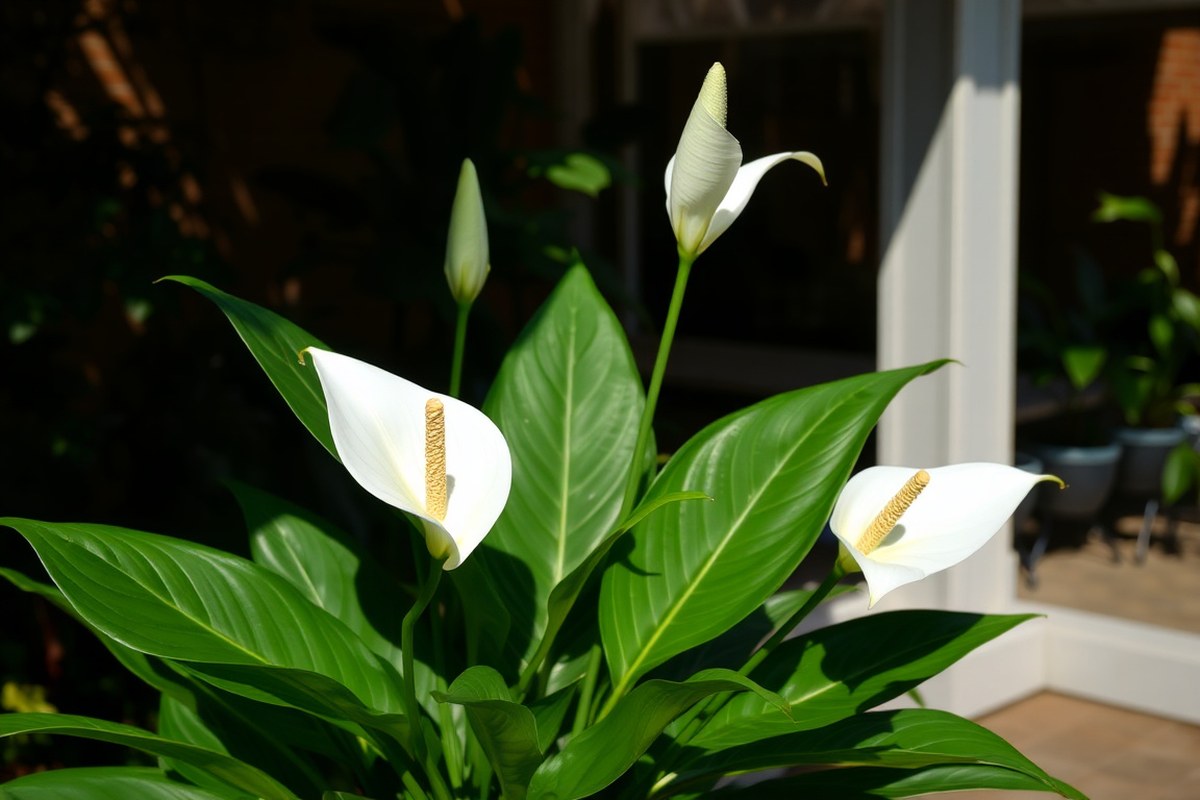
Can you plant a peace lily outside? Yes, but only in warm climates. Peace lilies survive well outside in USDA zones 10 to 12 where temperatures stay mild year-round.
They don’t tolerate cold well. So avoid planting outdoors if temperatures fall below 60°F. When nights fall to 55°F to 60°F, protect your plant.
Use a sheltered spot or bring it indoors overnight. This keeps your peace lily safe from the cold.
Start by slowly introducing your peace lily to morning sun for about 7 to 10 days. This helps the plant adjust without burning its leaves or stressing its roots.
Key Takeaways
- Plant peace lilies outdoors only if you live in USDA zones 10 to 12.
- Avoid outdoor planting if temperatures often dip below 60°F.
- Bring your peace lily indoors if night temperatures fall under 55°F.
- Expose your plant to morning sun gradually over 7 to 10 days.
- Use a sheltered porch or protected area during cooler nights.
- Watch for frost or freeze warnings and bring plants indoors immediately.
Can You Plant a Peace Lily Outside Permanently?
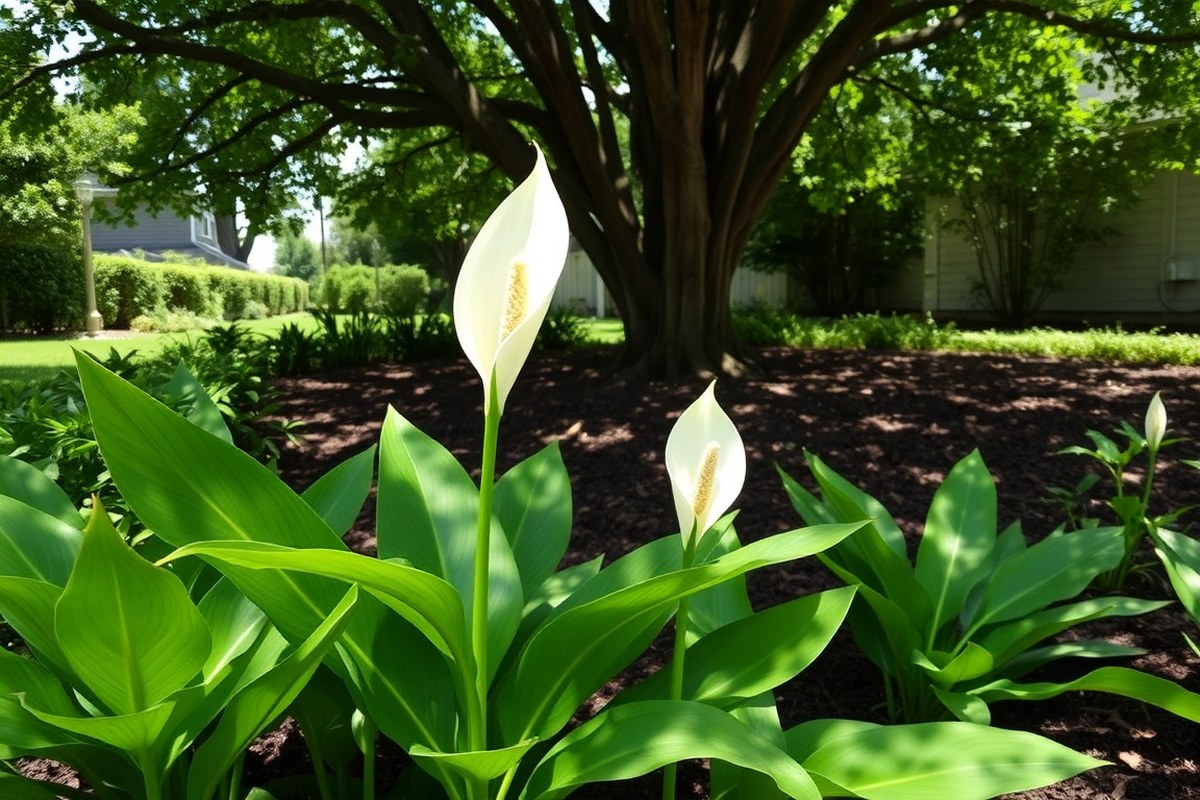
Peace lilies can be planted outside year-round only in USDA hardiness zones 10 through 12. These zones include places like Southern Florida and Hawaii where frost never happens.
The key reason is peace lilies don’t tolerate cold weather or frost. So they need a warm, frost-free environment.
In zones 10 to 12, outdoor temperatures rarely drop below 50°F (10°C). This temperature limit matters because peace lilies start to struggle below 50°F. Your area may get cooler than this. Your plant can suffer or die outside in winter.
First, find your USDA zone. This helps you know if your peace lily can stay outdoors. You can plant it in the garden if you live in zone 10, 11, or 12.
For example, Southern Florida is zone 11. There, your peace lily thrives outside all year. No extra cover is needed.
In cooler regions, peace lilies can still enjoy outside time during warmer months. They should be planted outdoors in spring or summer only when temperatures stay above 50°F. This timing allows the plant to build strong roots while avoiding cold weather harm.
Outdoor peace lilies should grow in shaded, humid spots with good drainage. Even in zones 10 to 12, choose places that mimic their native tropical habitat. Avoid heavy garden beds unless the area stays warm, shady, and moist with good drain.
Living below zone 10 means you should not leave your peace lily outdoors permanently. Treat it as a seasonal or patio plant.
Bring it inside when temperatures fall. This approach saves your plant from cold damage and extends its life.
Choosing the Best Outdoor Location for Your Peace Lily
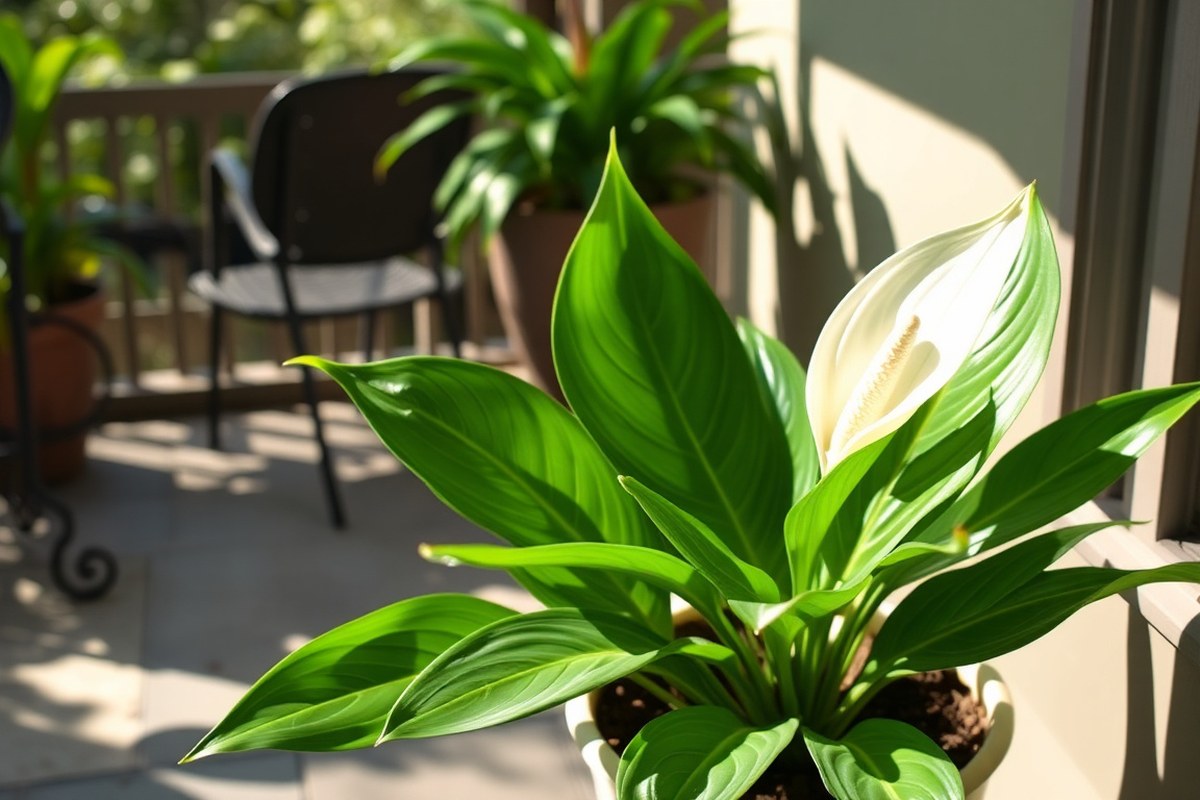
Place your peace lily in a spot outside that offers partial shade and indirect sunlight. It should mimic the natural tropical conditions where the plant thrives. Pick an area sheltered from harsh winds and direct sun to prevent leaf damage and stress.
Partial Shade and Filtered Sunlight Benefits
Peace lilies grow best away from direct sunlight, which can burn their leaves. They prefer dappled sunlight or bright, indirect light, similar to a tropical forest floor.
Morning sun is gentle enough. But avoid afternoon sun as it often gets too intense.
Being in partial shade helps the plant maintain moisture and prevents leaf edges from turning brown. Shade cloths can add extra protection if your spot gets unpredictable sun bursts. Gradually expose your plant to outdoor light to avoid shock if it was indoors.
Protecting from Wind and Temperature Extremes
Wind can tear peace lily leaves or dry them out quickly. So choose a sheltered spot near a fence, wall, or covered porch.
This protection also helps maintain humidity, which the plant needs for healthy growth. Avoid cold spots because temperatures below 60°F can cause drooping or slow growth.
Check your local forecast before placing the plant outdoors, especially if nighttime temperatures fall below 55°F. Temporary covers or moving pots indoors during cold spells can protect the peace lily. Keep the soil moist but well-drained to avoid stress from weather changes.
Ideal Garden and Container Placement Tips
Plant peace lilies in raised beds or pots. Make sure they have drainage holes. This stops water from sitting around the roots.
Look for spots with consistent shade during the hottest hours, like under trees or garden awnings. Containers should be improve on pot feet to allow airflow and prevent sogginess.
Here’s a checklist for best locations to plant peace lilies outdoors:
- Partial shade or filtered sunlight, no direct afternoon sun
- Sheltered from strong wind by fences or walls
- Consistently warm temperatures above 60°F
- Raised or well-draining soil spots, avoiding standing water
- Areas with some humidity or access to natural moisture
- Gradual aim for spots with morning sun only
- Improve containers with drainage if potted outdoors
Strong direct sun causes leaf burn. Watch for faded or brown edges early on.
Keep an eye on how leaves respond during the first weeks outside. Adjust the location if leaves bleach or curl. This attention helps your peace lily enjoy the outdoors safely.
How to Prepare and Transition Peace Lilies Outdoors Safely
Move your peace lily outdoors gradually to keep it healthy. Start in a protected spot with the morning sun only.
Use a step-by-step process over 7 to 10 days. This helps prevent leaf damage and shock from sun or cold.
Starting with Short Morning Sun Exposure
Begin by placing your peace lily outside in a shaded area for a few minutes. Direct morning sun for short periods is best since it’s gentler than afternoon sun. This gives the plant time to adjust without burning the leaves.
Watch for any tan or white patches on leaves, which mean too much sun. Move the plant to deeper shade if you see these signs. Start with about 10 to 15 minutes of sun exposure on the first day.
Increasing Outdoor Duration over 7-10 Days
Slowly increase your plant’s outdoor time each day. Add about 10 more minutes of morning sun every day until reaching one hour. Keep the peace lily in a spot with partial shade to avoid heat stress.
Use this gradual increase to help the plant build tolerance. Check soil moisture regularly; dry soil will make leaves droop from thirst. Avoid overwatering and make sure drainage stays good to prevent root rot.
Monitoring and Adjusting for Temperature Fluctuations
Keep an eye on temperature changes during the acclimation phase. Bring your plant back inside if temperatures drop below 55°F or if cold rain is expected. Peace lilies do best around 65 to 80°F without cold shocks.
Drooping leaves with wet soil may mean cold stress. Move the plant to warmer spots and let the soil dry partially before watering again. Use plant fabric during sudden cold spells for extra protection.
Follow these steps to safely transition your peace lily outdoors:
- Pick a calm morning with mild temperatures around 65°F.
- Place your peace lily outside in a shaded spot for 10-15 minutes.
- Return the plant indoors after this short exposure.
- Increase morning sun exposure by 10 minutes daily for 7 to 10 days.
- Move the plant to partial shade with good ventilation during the day.
- Keep soil moist but never soggy; check drainage carefully.
- Watch for leaf damage, drooping, or color changes and adjust shade or water.
- Bring the plant indoors or cover it if temperatures drop below 55°F.
Soil, Watering, and Fertilizing Peace Lilies Outside
Peace lilies prefer light, well-draining soil outdoors to avoid root rot. Use potting soil mixed with peat moss or coconut coir. Add some perlite or sand to the mix.
This helps the soil stay airy and drain well. This soil mix holds moisture but also drains extra water well.
It stops roots from sitting in water and getting damaged. This balance keeps your peace lily healthy.
Check soil moisture often for outdoor peace lilies because they dry out faster than indoors. Stick your finger about an inch deep into the soil before watering. Water your peace lily only when the top inch of soil is dry.
This usually means watering every two to four days. It depends on the rain and the temperature outside. Avoid a fixed watering schedule to prevent overwatering and root rot.
Outdoor peace lilies usually need more frequent watering than indoor ones. Containers dry out faster, so check them twice a week at least. In-ground plants keep moisture better but still require regular checks, especially when it’s hot or windy.
Wilting or yellow leaves might mean the plant is not getting enough water. Brown leaf tips suggest too much.
Fertilize outdoor peace lilies lightly during the growing season, about every two months. Use a balanced, water-soluble fertilizer diluted to half strength. Too much fertilizer can burn roots or cause excessive leaf growth without flowers.
Skip fertilizing in cooler months when the plant rests. Container peace lilies need feeding more often than those in the ground.
Watering washes nutrients out faster in pots. Regular feeding helps keep your potted plant healthy.
For container-grown peace lilies, repot every year or when roots start crowding the pot. Use fresh soil mix that drains well to prevent fungus and root rot. Peace lilies planted directly in the ground need refreshing less often.
Adding compost or organic mulch once a year helps keep soil nutrients balanced. This keeps your plant thriving.
Temperature and Climate Conditions Peace Lilies Need Outside
Peace lilies grow well outside when temperatures stay between 65°F and 85°F. They don’t handle cold nights below 55°F or frost at all. Watch the nightly lows closely as fall gets closer.
Cold temperatures can hurt leaves fast. Protect your plant to avoid damage.
Bring your peace lily indoors before temperatures drop near 40°F. Check your local weather daily once fall starts. When frost or freeze warnings come up, bring the plant inside right away. Leaving peace lilies out during cold nights leads to brown leaf tips and weak stems.
Heat above 85°F also stresses peace lilies. Expect hot days over 90°F? Keep your plant in shade throughout the day.
A shadier spot or light cloth cover during peak heat protects leaves from wilting. Keep the soil moist but not soggy to help the plant handle heat better.
Protecting peace lilies outdoors means watching the weather and acting fast. Use a phone app or weather website to track night temperatures starting late summer.
Have a plan to bring the pot indoors quickly if frost is predicted. Small greenhouses or frost blankets work but may cost $20 to $50 and need daily attention.
Keep a weather app on your phone and move your peace lily inside before frost hits.
Pests and Diseases Common in Outdoor Peace Lilies
Outdoor peace lilies often face attacks from pests like aphids, spider mites, and mealybugs. These insects suck the plant’s sap and cause leaf damage. Early signs include speckled leaves, sticky residue, and white cottony spots.
Common Outdoor Pests: Aphids, Spider Mites, and Mealybugs
Aphids cluster on new leaves and flower buds, leaving them distorted. They produce sticky honeydew that invites sooty mold, a black fungus. Spider mites cause tiny yellow speckles and form fine webbing under leaves.
Mealybugs look like small cotton balls on stems and leaf joints. These pests weaken the plant by feeding on its juices. You’ll see sticky residue and sometimes ants attracted to the honeydew.
Fungal and Bacterial Diseases to Watch For
Outdoor peace lilies can catch leaf spot diseases marked by dark, irregular patches. These fungi thrive in wet, humid conditions and spread quickly if untreated. Bacterial infections lead to soft, water-soaked spots and wilting leaves.
Root rot happens when soil stays too wet. It causes yellowing leaves and mushy roots.
This problem happens when soil does not drain well. Overwatering after planting outside also causes this problem.
Organic and Chemical Treatment Options
Start by pruning affected parts to slow pest and disease spread. Wash leaves gently with water to remove pests. Insecticidal soap works well against aphids, spider mites, and mealybugs without harsh chemicals.
- Use a neem oil spray every 7 to 14 days as a natural pesticide
- Apply fungicides containing copper for fungal leaf spots and bacterial infections
- Ensure good air circulation by thinning dense foliage
- Water early in the day, so leaves dry quickly and reduce fungal risks
- Apply root fungicide if root rot starts to develop
- For severe pest infestations, consider a systemic insecticide following label instructions
Monitor your peace lily weekly, checking especially under leaves for pests. React quickly to poor leaf health to save your plant outdoors. Persistent care helps your peace lily stay healthy amidst common outdoor threats.
Pot vs. In-Ground Planting: Which Is Best Outdoors?
Choosing between pots and garden soil depends on your climate. Your care routine also matters for outdoor peace lilies. Both choices can work well with the right approach.
Pots let you move your plant indoors when it gets cool. Peace lilies need warm, humid conditions to thrive.
Moving them helps keep these conditions steady. Garden beds offer stable growing conditions but don’t allow for easy protection from cold.
Planting depth stays the same in pots or garden soil. Set your peace lily at the depth it had in its original container to avoid stress.
Space multiple garden-planted peace lilies at least 12 inches apart. So each gets enough air and room for roots.
| Feature | Planting in Pots | Planting in Garden Soil |
|---|---|---|
| Mobility | Can move indoors when temperatures drop | Fixed in place, no protection from cold |
| Soil Quality | Use well-draining, enriched potting mix | Add compost to native soil for nutrients |
| Watering | Easier to control moisture levels | Monitor moisture a few inches deep for watering cues |
| Growing Space | Limited by pot size | Allow at least 12 inches between plants |
| Temperature Sensitivity | Can protect from cold indoors | Exposed to outdoor temperature swings |
Pots make the most sense in cooler areas where temperatures frequently dip below 55°F. Taking the plant indoors protects it from cold damage. Outdoor garden beds don’t provide this kind of protection.
Indoors is safer when temperatures drop. Use pots with drainage holes and a potting mix that drains well to prevent root rot.
For planting directly in garden soil, choose a bright spot with indirect sun. Mix compost into the soil to improve moisture retention and nutrients. Keep the planting depth at container level, then water to settle the soil around roots.
Recognizing and Fixing Outdoor Peace Lily Stress Signs
Outdoor peace lilies often show stress through leaf and growth changes. Watch for yellowing or browning leaves, dry or curled edges, and slowed growth. These signs usually mean the plant faces too much sun, irregular watering, or temperature swings.
Check the soil moisture to guide watering. Peace lilies outdoors need more water because sun and wind dry soil faster. Water deeply when the top 1 to 2 inches of soil feels dry.
Avoid soggy soil, which leads to root rot. You might need to water every day during hot weather.
In mild temperatures, water every few days instead. Adjust based on your peace lily’s needs.
- Yellow or brown leaf tips: Too much sun or fertilizer burn
- Wilting, droopy leaves: Not enough water or heat stress
- Slow growth or pale leaves: Insufficient light or nutrients
- Dry soil surface very fast: Increase watering frequency
- Spots or damaged leaves: Possible pests or physical damage
- Leaves curling inward: Too much wind or dehydration
Move your peace lily to a shadier spot if leaves burn or dry quickly. Morning sun with afternoon shade works best. During heatwaves over 85°F, bring it indoors or under patio cover.
At lower temperatures below 50°F, the plant may slow growth and show stress. Move it inside as a precaution.
Fix watering and light issues stepwise. First, adjust watering to keep soil moist but not soggy. Next, relocate to a less harsh light area if leaf burn continues.
Lastly, protect the plant from strong winds by placing it near a barrier. Check daily for new signs and adjust care accordingly.
Keep monitoring leaf condition every few days; early changes mean quicker recovery.
Outdoor elements cause more stress than indoor ones because peace lilies need subtle, stable conditions. You can move the plant around outside to find better light and shelter.
Move the peace lily back indoors when stress signs get worse. This helps avoid permanent damage to your plant.
Step-by-Step Action Plan for Planting Peace Lilies Outside
Follow these steps to start growing peace lilies outdoors successfully. Watch for healthy growth and no stress signs as your guide.
- Before you start: Check your local climate. Make sure temperatures stay above 55°F (13°C) mostly.
- Week 1: Choose a shaded, protected spot outside that avoids direct sun. Look for soft, indirect light under a tree or porch.
- Week 2: Prepare soil with plenty of organic matter. Mix compost into loose, well-draining dirt for healthy roots.
- Week 3: Move your peace lily gradually outdoors. Start with a few hours in shade and increase daily to avoid shock.
- Week 4: Water deeply when soil feels dry about 1 inch below surface. Avoid soggy soil to prevent root rot.
- Month 2: Check leaves weekly for signs of pests or stress. Treat small bug problems early with gentle insect soap.
- Ongoing: Fertilize lightly monthly with a balanced, diluted liquid fertilizer during growing season. Watch for slow growth as a sign to feed.
- Seasonal shift: Bring your peace lily indoors before temperatures drop below 55°F. This keeps it safe from cold damage.
Frequently Asked Questions
Can You Plant a Peace Lily Outside in Cold Climates?
No, peace lilies cannot survive freezing temperatures. They need a warm climate, usually USDA zones 10 to 12.
How Much Sunlight Does a Peace Lily Need Outdoors?
Peace lilies prefer shaded or dappled sunlight outdoors. Direct sun can burn their leaves.
Can Peace Lilies Attract Pests When Planted Outside?
Yes, outdoor peace lilies can attract pests like aphids and spider mites. Check regularly for infestations.
What Is the Best Time of Year to Plant a Peace Lily Outdoors?
Spring or summer is best for planting outdoors. The plant grows actively during warmer months then.
Are Peace Lilies Safe Around Pets If Planted Outside?
Peace lilies contain crystals that can irritate if eaten. Keep pets away from the plants outdoors.
How Often Should Peace Lilies Be Watered Outside?
Water when the top inch of soil is dry. Outdoor conditions can dry soil faster than indoors.
Final Thoughts
Peace lilies can thrive outdoors if you provide proper shade, soil, and care. Start by finding a good spot with indirect light. Watch your plant closely and adjust watering and location as needed to keep it healthy.