How Deep to Plant Tomato Plants: Complete Guide for Healthy Growth
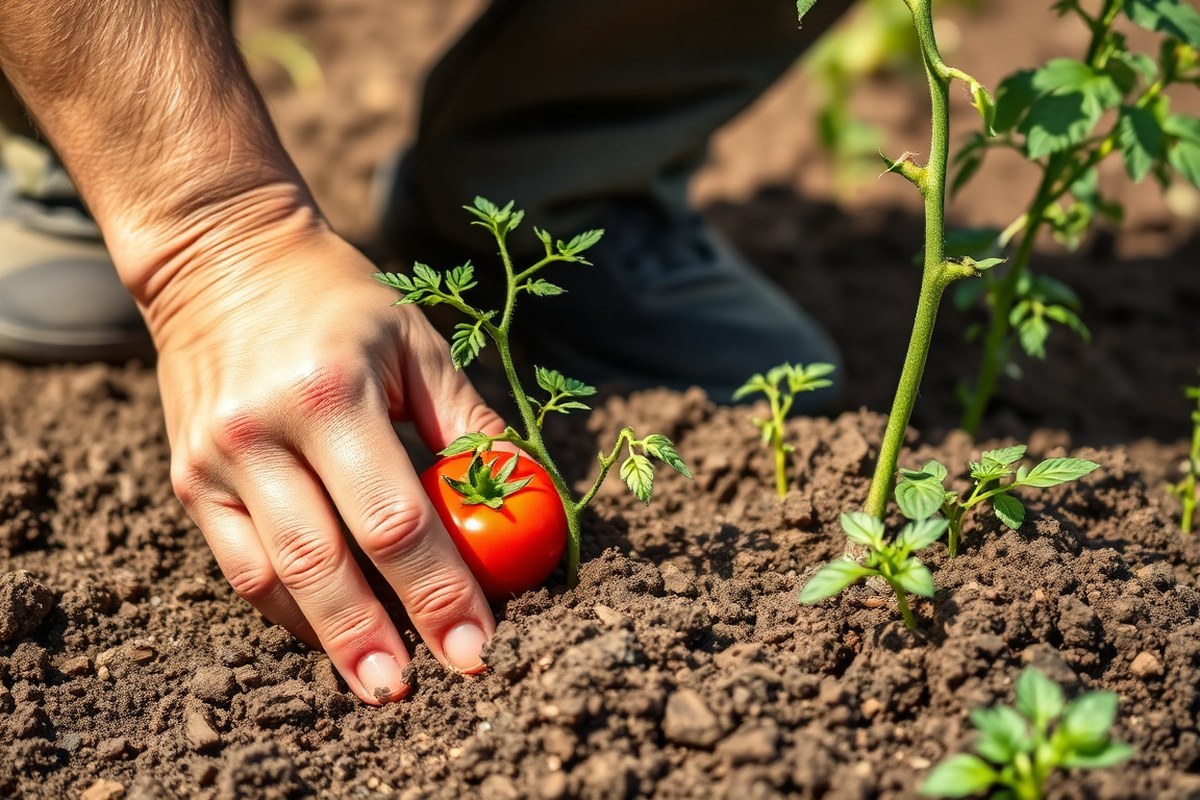
How deep to plant tomato plants depends on the variety you choose. For indeterminate tomatoes like ‘Brandywine,’ plant them 2 to 3 inches deep. For determinate types, keep the depth around 1 to 2 inches to avoid problems.
Planting tomatoes deeply helps the plant develop strong roots. It encourages new roots to grow along the buried stem, creating better support. This rooting also helps the plant reach further nutrients and water.
Dig a hole a few inches deep. Make it deep enough to cover part of the stem. This helps plant deeply.
Avoid planting more than 3 inches deep because it can cause stem rot. Choose healthy young plants about 5 to 10 inches tall for best results.
Key Takeaways
- Plant indeterminate tomatoes 2 to 3 inches deep for strong root growth.
- Keep determinate tomatoes 1 to 2 inches deep to ensure stable growth.
- Dig trenches 3 to 4 inches deep to support longer stem planting.
- Use young plants about 5 to 10 inches tall for easier deep planting.
- Avoid planting deeper than 3 inches to prevent stem rot and fungus.
- Cover part of the stem to encourage extra root growth along it.
How Deep Should You Plant Tomato Plants for Best Growth?
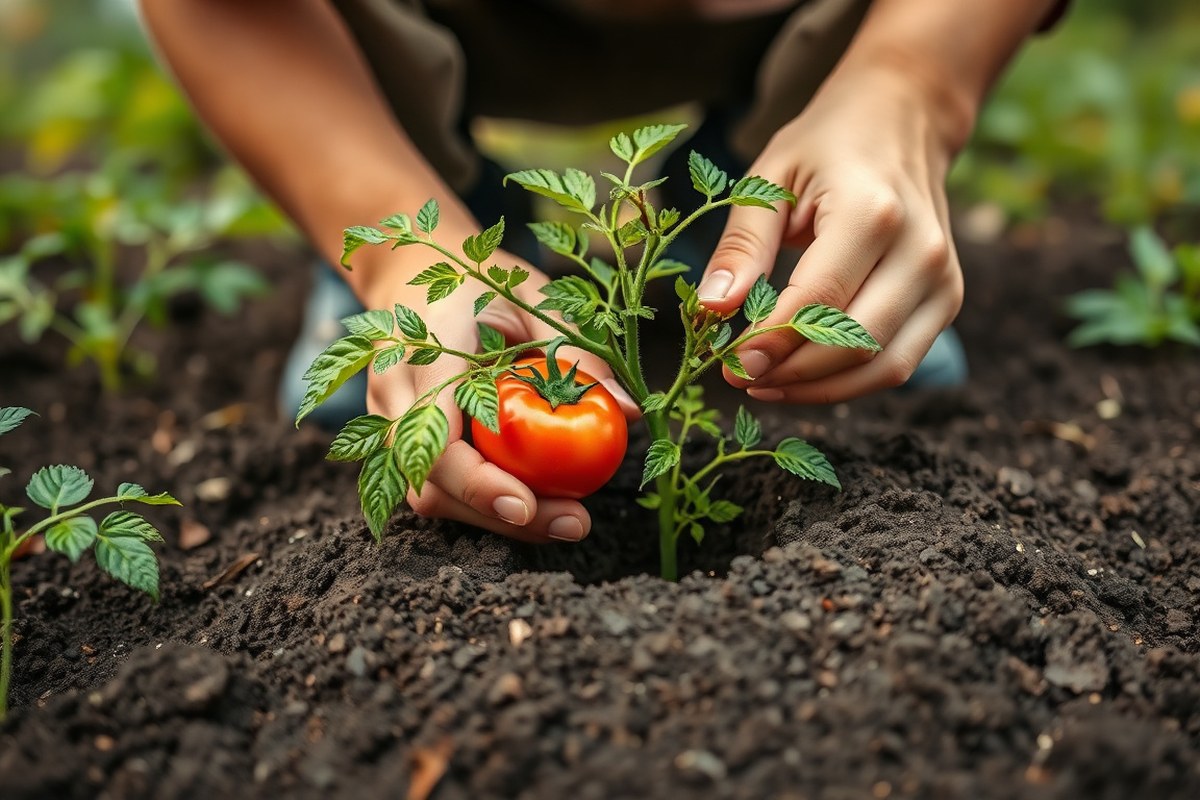
Plant tomato plants at the right depth to support strong growth and good yields. Indeterminate tomatoes go in deeper than determinate types. Adjust based on transplant size to keep stems stable without burying leaves.
Optimal Depth for Indeterminate Tomatoes
Indeterminate tomatoes need 2-3 inches of stem buried under soil. This encourages extra root growth along the stem for better nutrient uptake.
Dig a hole about 6 to 8 inches deep. Plant so the first true leaves are just above the soil line.
Planting these tomatoes deeply helps support tall, vining plants. Deeper roots hold more water and nutrients.
This helps your tomatoes last longer in the season. Avoid covering the leaves to stop stem rot.
Recommended Depth for Determinate Varieties
Determinate varieties prefer a shallower planting depth of 1-2 inches. These bush-type plants don’t need as much stem buried because they stay compact.
Dig a hole to fit the root ball. Cover the roots and bottom of the stem with soil.
Less deep planting helps keep these tomatoes stable without risking rot. Burying them too deep may weaken their stems.
It also cuts airflow around the plant. Stick to shallower depths for healthy growth.
Adjusting Depth Based on Transplant Height
Match your planting depth to the transplant size and stem length. For bigger plants with longer stems, plant deeper to cover part of the stem. For small seedlings under 6 inches tall, 1-2 inches deep is enough.
Here is a simple guide for planting depth based on transplant height and tomato type.
| Tomato Type | Transplant Height | Recommended Planting Depth |
|---|---|---|
| Indeterminate | Under 6 inches | 2 inches deep |
| Indeterminate | 6 inches or taller | 3 inches deep |
| Determinate | Under 6 inches | 1 inch deep |
| Determinate | 6 inches or taller | 2 inches deep |
Choosing the right planting depth helps your tomatoes root well without burying leaves. It takes a few extra minutes but protects your plants from stem rot and poor growth. Proper depth also makes watering and supporting plants easier as they grow.
Why Planting Tomatoes Deeply Helps Root Development
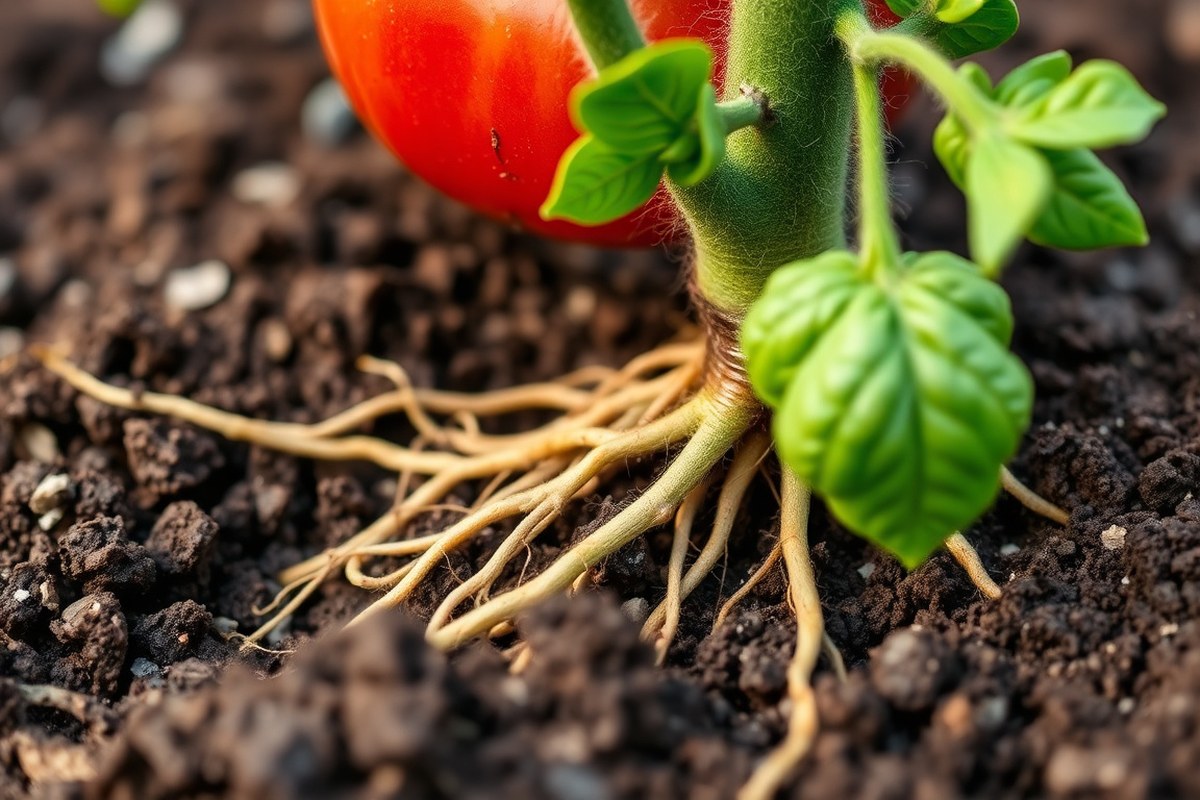
Planting tomato seedlings deeper than their original container height helps build a stronger root system. The buried stem develops new roots, not just the original root ball. Extra root growth helps the plant take up more water.
It also absorbs more nutrients from the soil. This boosts the plant’s overall health and growth.
Tomato plants can grow roots all along the buried stem, which creates a larger root network. A bigger root system supports healthier plants that handle drought and nutrient shortages better. Strong roots keep plants firmly in the ground.
This reduces damage from wind. It also stops bending under heavy fruit weight.
Bury tomato plants 2 to 3 inches deeper than the pot level. Don’t plant them too shallow. This helps them establish better roots.
But no more than that. Going deeper risks stem rot or fungal infections because too much stem stays underground. Soil below the surface stays moist longer than topsoil.
This moisture encourages roots to grow downward. It helps roots spread out well.
Root depth varies during the growing season. Tomato roots often reach 18 to 24 inches deep by mid-season. With deep planting, roots can also spread wider to access more nutrients.
Planting deep helps the tomato survive heat spells. It also helps during dry spells. The roots reach moisture that is deeper in the soil.
Watering deeply right after planting helps roots explore the soil. Keep soil moist but not soggy when planting deep. This lets the newest roots thrive.
Proper moisture helps roots develop strong and healthy. Feeding the plant with nutrients also works better when roots are widespread and healthy.
Cover the tomato stem when planting, but not too deep. Avoid burying more than 3 inches of stem. This helps prevent stem rot problems.
Two Proven Methods for Planting Tomato Plants Deeply
Tomato plants can be planted deeply in two main ways. One is the hole method. The other is called the trench method.
Both ways help develop strong roots but apply to different soil and seedling conditions. You remove lower leaves before planting to prevent rot and encourage healthy growth.
Hole Planting Method
This method works well for most soils where you can dig a deep hole. You dig a hole deep enough to bury up to two-thirds of the tomato plant’s stem. This keeps only the top leaves above the soil.
It stops stem rot. It also helps roots grow from buried parts.
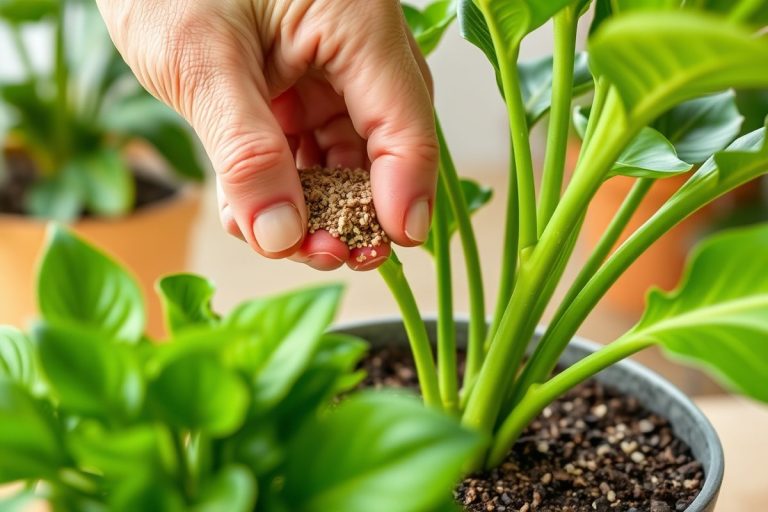
Ready soil should be loose at the hole’s bottom and sides. Add one or two tablespoons of eggshell powder in the hole. It adds calcium to the soil.
This stops blossom end rot. Mixing in slow-release fertilizer with calcium supports healthy growth as well.
- Dig a hole 8 to 12 inches deep, wide enough for roots.
- Mix in two tablespoons of slow-release fertilizer and eggshell powder.
- Remove all leaves that would be below soil level on the seedling.
- Put the tomato plant in the hole so only the top leaves stick out.
- Backfill the hole gently with loose soil around the stem and roots.
- Firm the soil lightly to remove air pockets but do not compact it too much.
- Water the plant well after planting to settle soil around the roots.
Trench Planting Method
The trench method suits heavy or compacted soil where deep hole digging is tough. This method also helps protect roots. It keeps them near warmer soil on the surface.
Dig a trench about 3 to 4 inches deep. Make it long enough to hold two-thirds of the plant’s length.
You lay the tomato plant horizontally in this trench with the stem mostly covered. This encourages root growth along the buried stem length. Space trenches about 2 to 4 feet apart depending on row setup.
- Dig a trench 3 to 4 inches deep. Make it 12 to 18 inches long to match the stem length.
- Remove leaves along the section that will be buried in soil.
- Lay the tomato plant horizontally in the trench.
- Cover the trunk with soil, leaving top leaves exposed above ground.
- Press soil lightly to keep the plant stable.
- Water thoroughly to settle soil and nourish roots.
- Place trenches 2 to 4 feet apart to allow room for growth.
Preparing Soil and Trimming Leaves
Preparing soil means loosening it to improve root access to water and oxygen. Using compost or organic matter improves drainage and fertility, especially in heavy soils. Warming soil with black or red plastic sheets helps plant growth early in the season.
Trimming involves removing all leaves and lower branches that would bury under soil or touch it. This practice avoids disease and rot by keeping the buried stem clean. It also encourages the buried stem to sprout roots, helping the plant’s stability and nutrient uptake.
How to Adjust Planting Depth for Different Growing Environments
Tomato planting depth changes depending on where you plant. In garden soil, raised beds, or containers, soil quality and space affect how deep you go. Knowing these differences helps your tomatoes develop strong roots and stay healthy.
Planting Depth in Garden Soil
Plant tomatoes deeply in garden soil, covering at least one-third to half of the main stem. Buried stems grow extra roots, which makes plants stronger. Avoid compacted soil, as it limits root growth even if planted deep.
Prepare garden soil by loosening it well, aiming for good drainage. Adding compost helps soil warm faster, which helps seedlings adjust quickly. Soil temperature should be above 60°F before planting tomatoes deep.
Depth Considerations for Raised Beds
Raised beds usually have loose, well-drained soil, perfect for deep planting. Placing tomato stems two-thirds underground works well here because roots can expand freely. This soil warms faster in spring, which speeds up growth.
Make sure raised beds have at least 8 inches of quality soil. It keeps roots safe and lets you plant deeper than in heavy or compacted garden soil.
Raised beds need less frequent watering due to good drainage. But watch young plants closely.
Depth and Container Size for Potted Tomatoes
Containers require at least 10 to 12 inches of soil depth and a 5-gallon size minimum. Plant tomatoes so the root ball is fully covered, with up to half the stem buried. Too shallow planting limits root space and plant stability.
Potted tomatoes use nutrients faster. So fertilize before planting and again every month or two.
Water more regularly because container soil dries quickly, especially in warm weather. Make sure pots drain well to avoid root rot.
Here’s a quick look at how soil depth and container size affect tomato planting:
| Growing Environment | Soil Depth Needed | Planting Depth | Additional Tips |
|---|---|---|---|
| Garden Soil | 6-8 inches (loose, well-drained) | Cover 1/3 to 1/2 of stem | Loosen soil, avoid compaction |
| Raised Beds | At least 8 inches | Up to 2/3 of stem buried | Good drainage, faster warming |
| Containers | 10-12 inches (5 gallons or more) | Root ball covered, half stem buried | Fertilize monthly, water more often |
Planting depth works with soil quality to help roots spread well. In heavy soil, loosening or adding compost makes a big difference. In containers, proper soil depth and size prevent roots from crowding.
Common Mistakes When Planting Tomatoes Too Deep or Shallow
Plant tomato seedlings no deeper than 3 inches below soil. Planting deeper can cause root rot. Keep the base shallow enough for healthy roots.
Their stems can stay soggy and start to decay. Plant tomatoes at least 1 inch deep for strong support. Less than 1 inch might make plants unstable.
Heavy fruit needs good stem support. Shallow roots also dry out faster, stressing the tomato and lowering yields.
Tomato stems form roots wherever they touch soil, so some deep planting is good. But burying the stem too long can trap moisture and invite disease. Use trench planting for tall, leggy seedlings with bare stems.
Lay stems in a shallow ditch 4 to 6 inches deep. This helps them grow stronger roots. Removing lower leaves before planting helps prevent rot and allows buried stems to root better.
- Don’t plant seedlings deeper than 3 inches to avoid rot.
- Aim for 1 to 3 inches depth to balance support and health.
- Remove lower leaves before burying the stem.
- Use a shallow trench for leggy seedlings to encourage root growth.
- Check soil temperature; plant when above 60°F for healthy starts.
- Water deeply but avoid soggy soil to prevent stem rot.
- Support plants early to prevent leaning or snapping under fruit weight.
Watch for drooping leaves and yellowing stems as signs of planting too deep. Check stems if they look mushy by digging up plants gently. Inspect the soil moisture and drainage carefully.
Fix issues to save the plant. Add fresh soil around the base for shallow-planted tomato seedlings. Firm the soil lightly but don’t crush the roots.
This helps plants stand upright. Using mulch helps keep moisture even and reduces stress. Proper depth makes watering and feeding easier, supporting faster growth and more fruit.
Bury most of the tomato seedling’s stem deep in soil. Keep the lower leaves just above the soil line. This reduces risk of rot and disease.
How Planting Depth Impacts Watering, Feeding, and Support
Planting depth changes how much water your tomato plant needs. Deeper planting lets you water less often since roots grow stronger and reach farther. After planting deeply, soak the soil well.
Water every 3 to 4 days. Keep the soil moist but not soaked.
Shallow planted tomatoes dry out faster. You’ll need to water daily or every other day until roots grow stronger.
Overwatering shallow plants can cause root rot, so watch soil moisture closely. Add mulch to keep moisture consistent no matter the planting depth.
Fertilizing also depends on how deep you plant. Deeply planted tomatoes have roots in richer, lower soil layers. So apply fertilizer about two weeks after planting.
Use a balanced tomato fertilizer, and follow package instructions to avoid burning plants. For shallow plants, apply fertilizer sooner but more lightly to avoid stressing weak roots.
Supporting tomato plants after deep planting is key because they grow quickly and get heavy. Insert stakes or cages at planting time to avoid damaging roots later. Put a stake 2 to 3 inches from the stem.
Push it 8 to 12 inches deep. Make sure it stands firm. Use soft ties to gently fasten stems, leaving room for growth.
Tomatoes planted shallow need sturdier support because they can topple easily. Use stronger cages that reach higher, and check supports weekly as plants grow. Regular pruning helps reduce the weight on branches, making stakes last longer.
Deep planting helps roots grow along the buried stem. This gives plants better nutrient and water uptake. Keep this in mind when planting.
It also improves stability and cuts down support needs over time. But care must match planting depth. Water slowly and deeply for deep plants.
Adjust watering up for shallow ones. Support sooner and sturdier if roots are weak.
When to Plant Tomatoes for Ideal Soil Temperature and Depth
Plant tomato seedlings after the last frost in your area. Soil temperature must be at least 60°F (15°C) at planting depth. This warmth helps roots grow fast and strong.
Your tomato plants should be 5 to 10 inches tall before you plant them. Add 3 to 4 inches of compost to the soil for nutrients and moisture retention. Compost also helps keep fertilizer available as roots develop.
Plant tomatoes 2 to 3 inches deep to encourage strong root systems. Roots start growing shortly after planting, usually within a week. Water the plants immediately to settle soil around these new roots.
Deeper roots help tomato plants access water and nutrients better. As summer heat rises, roots reaching lower soil layers keep plants hydrated. This is especially useful during dry spells or less frequent rain.
For cooler climates or early planting, wait until soil warms sufficiently. Planting too early, when soil is cold, slows root growth and stunts the tomato. If soil temperature falls below 60°F, hold off planting or use starter plants indoors instead.
How to Know If Your Tomato Planting Depth Was Correct
The right tomato planting depth shows in your plant’s health soon. Young plants with strong, upright stems and dark green leaves usually grow from a good depth.
Bury the lower stems enough to grow extra roots. These roots help soak up water and nutrients better.
Check your tomato for signs of poor planting depth when it looks weak or sick. Thin, leggy stems suggest the plant was planted too shallow. It struggles to root and stay upright.
The plant may be too deep if the stem rots or wilts fast. It may not get enough air.
- Sturdy, straight stems and dark green leaves mean right depth
- Leggy growth or yellowing leaves suggest too shallow planting
- Soft, brown stem base can mean stem rot from planting too deep
- Slow growth or wilting might need changing soil moisture or planting depth
- Check soil moisture regularly to prevent overwatering issues
- For containers, use deeper pots like 10-gallon bags for more root space
To fix shallow planting, gently firm soil around the base to encourage root growth. Add more soil if needed, being careful not to cover leaves.
For plants too deep, carefully uncover the stem area by removing some soil. This helps prevent stem rot and raises the plant for better air flow.
It’s fine to adjust planting depth mostly in the first two weeks. Beyond that, focus on stable watering and feeding. Use mulch to conserve moisture and keep soil temperature steady.
Watch for pests or diseases, which weak plants catch easier. Strong roots come mostly from planting right the first time and consistent care afterward.
Don’t cover tomato leaves with soil when adjusting depth. It can encourage rot and disease.
Step-by-Step Action Plan for Planting Tomato Plants Deeply
Plant your tomatoes at the right depth. This gives them a strong start. Follow simple steps to get it right.
- Before planting: Choose healthy tomato seedlings with sturdy stems. Check that the soil temperature is between 60°F and 70°F for best root growth.
- At planting, dig a hole big enough to cover most of the stem. Bury about two-thirds of your tomato plant deep inside. This helps roots grow on the stem under soil.
- Right after planting, press the soil softly around the base. This helps the plant stand up straight. Good contact with soil helps roots grow. This prevents air pockets that dry roots out.
- Week 1: Water the plants deeply, soaking the soil to encourage root growth downward. The soil should stay moist but not soggy.
- In the second week, add mulch like straw or shredded leaves around plants. This keeps soil moist and stops weeds from growing. Check soil moisture regularly by feeling 1 inch below the surface.
- Week 3: Give tomato plants a balanced fertilizer with minor nitrogen to avoid excessive leaf growth. New leaves and strong stems show good plant health.
- Week 4 and on: Support plants with stakes or cages as they grow taller. This keeps stems upright and prevents damage.
- Watch your tomato plants all season for wilting or yellow leaves. These show you might need to water more or check planting depth. Adjust care if needed.
Frequently Asked Questions
How Deep Is Too Deep for Planting Tomato Plants?
Planting tomato plants more than 4 inches deep can cause stem rot. Keep the stem buried just enough to help root growth.
Do not bury it too deep. Avoid excess moisture near the base of the stem.
Can Tomato Plant Roots Grow from Buried Stems?
Yes, tomato roots grow along the buried stems. This helps develop a stronger root system for better water and nutrient uptake, improving plant stability.
Should You Bury Tomato Seedlings Horizontally or Vertically?
Both work, but laying seedlings sideways allows more stem surface to root. Bury seedlings at an angle or horizontally in a trench for extra roots and stronger plants.
Does Soil Type Affect Tomato Planting Depth?
Yes, heavier or clay soils need shallower planting to avoid root suffocation. Lighter, sandy soils allow slightly deeper planting because they drain well and aerate better.
Can You Plant Tomatoes Too Shallowly?
Yes, planting too shallow keeps roots exposed and weak. Shallow planting results in poor root development, making plants vulnerable to drought and wind damage.
Does the Size of the Tomato Plant Affect How Deep to Plant?
Smaller seedlings should be planted slightly shallower than larger ones. Adjust depth so stem parts can root without damaging delicate young plants.
Final Thoughts
Planting tomato plants deeply helps build strong roots and steady growth. After burying two-thirds of the plant, keep soil moist and watch young plants closely. Start with healthy seedlings when soil warms, and your tomatoes will thrive.