How to Take Care of Money Plant: A Complete Guide with Proven Tips
How to take care of money plant is a common question among plant lovers. The best way to care for it is to keep the soil slightly dry between watering. Also, make sure the plant gets bright, indirect light and stays away from cold drafts.
Your money plant thrives in temperatures from 65 to 85°F (18 to 29°C). Avoid placing it near vents or cold windows, which can stress the plant. Start by picking a spot with steady warm air and good light.
Watering every one to two weeks works well, depending on the season. Check if the top half of the soil feels dry before adding more water. This stops overwatering, which often harms money plants more than underwatering.
Key Takeaways
- Place your money plant in indirect sunlight for 12-14 hours daily.
- Keep the temperature steady between 65-85°F to avoid stress.
- Water once every 7-14 days, letting the soil dry halfway.
- Use a well-draining pot and soil mix designed for houseplants.
- Fertilize every 4-6 weeks in spring and summer growth seasons.
- Repot your money plant every 2-3 years to refresh soil and room.
Daily Care Basics for a Healthy Money Plant
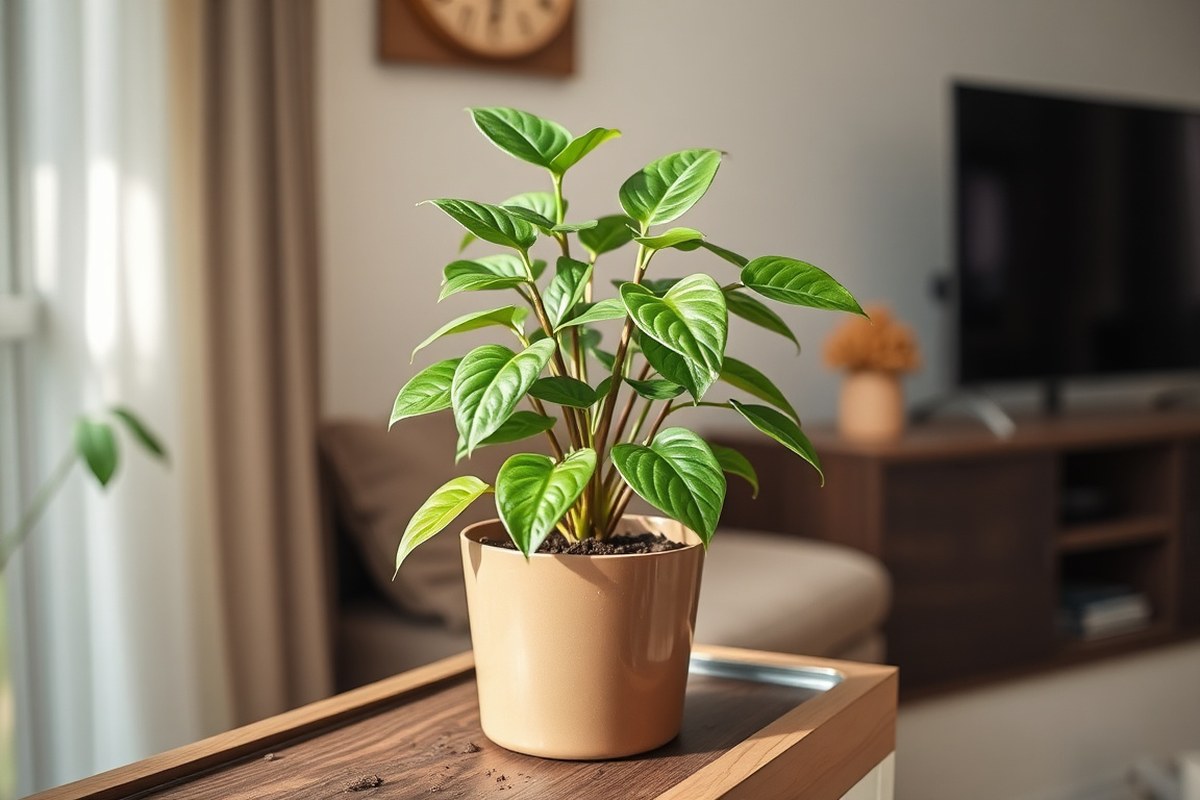
Check your money plant daily by feeling the soil’s top inch. Water only when it feels dry to avoid overwatering. Usually, watering every 1 to 2 weeks suits indoor conditions well.
Place your money plant near a bright window but not in direct sunlight. Moving it closer or farther based on leaf color helps. Yellow leaves may mean too much sun, while drooping leaves might need more light.
Keep your money plant in a spot with steady temperatures between 65 and 85°F. Avoid drafts from windows, doors, or air vents. A stable environment prevents shock and keeps the plant growing steadily.
Money plants like humidity but can handle normal indoor levels. To boost humidity, mist the leaves once or twice a week. Grouping plants together also helps raise the local moisture without costing anything.
Double-check light and temperature daily, especially when seasons change. Adjust placement or humidity steps to match new room conditions. This simple routine takes just a few minutes and prevents most common problems.
Sometimes your money plant might look limp or dry. These signs mean it needs more water or better humidity. If leaves turn brown or fall off, check for cold drafts or too much direct sunlight.
For busy days, set phone reminders every 7 to 10 days to gauge watering needs. Feel the soil, check leaves, and look at room light. Maintaining this schedule keeps your money plant healthy and happy long term.
Choosing the Right Soil and Pot for Your Money Plant
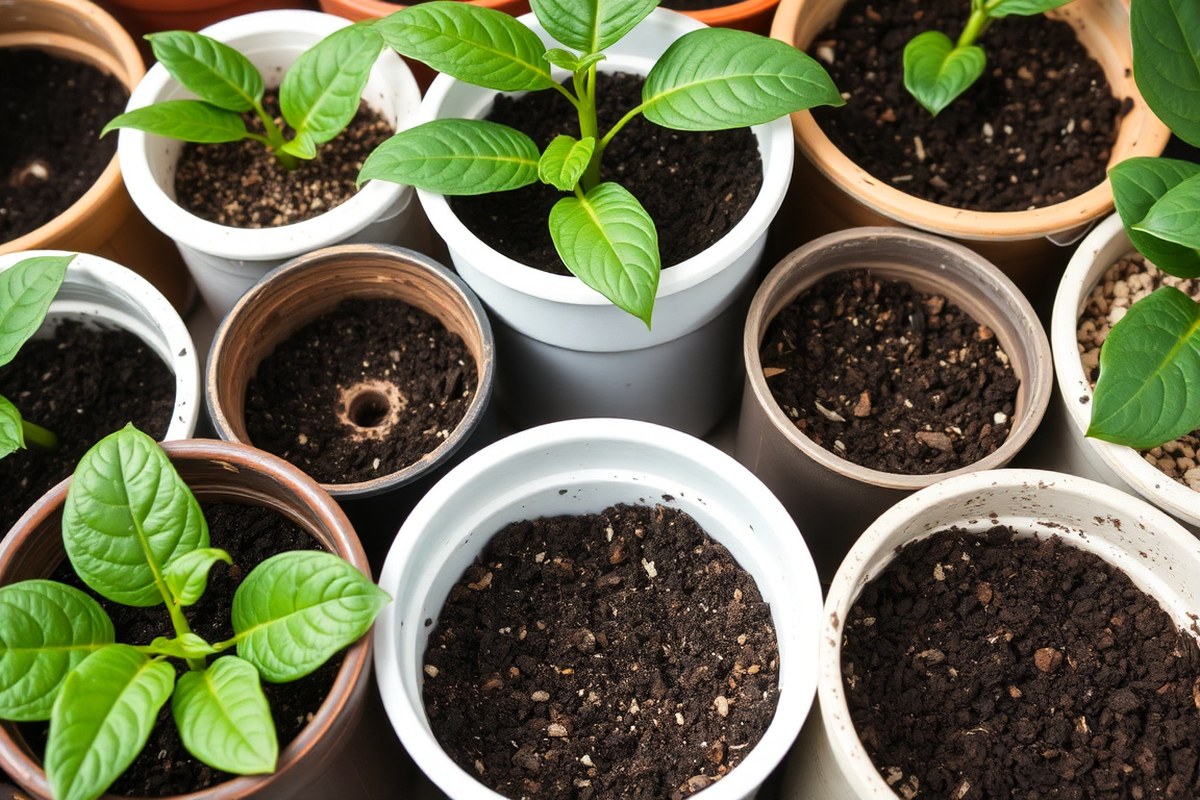
Your money plant needs potting soil that holds moisture but drains well. Use a standard indoor potting mix that prevents water from pooling around roots. This balance avoids root rot and supports steady growth.
Choose pots with drainage holes to keep roots from sitting in water. Terra cotta or plastic pots work fine if they have good drainage. A larger pot suits a mature money plant, giving enough room for roots to spread.
| Soil Type | Drainage | Moisture Retention | Best For |
|---|---|---|---|
| Standard Potting Mix | Good | Moderate | Most indoor money plants |
| Mix with Perlite or Sand | Excellent | Lower | Heavy or fast-growing plants |
| Cactus or Succulent Mix | Very good | Low | Money plants in humid homes |
| Peat-Based Mix | Moderate | Higher | Dry climates, extra moisture needs |
Fill the pot so about 2.5 centimeters cover the root ball. Water the plant until it runs out of the drainage holes. Then wait until the top half to three-quarters of the soil dries before watering again.
Repot your money plant every 2 or 3 years. Do it sooner if roots show at the surface or poke through holes. This keeps the plant healthy and growing well.
Fresh soil refreshes the nutrients and keeps roots healthy. Use a pot with fresh, well-draining soil during repotting.
Drainage holes are your money plant’s best defense against root rot. Avoid pots without them.
Root rot signs include yellowing leaves or soil that stays wet too long. Spot these signs? Remove your plant carefully.
Trim any dead roots. Then repot in fresh soil. Proper soil and pot selection make this less likely to happen.
Optimal Light, Temperature, and Humidity for Growth
Your money plant needs bright, indirect light to thrive indoors. Place it near a window with filtered sunlight or behind sheer curtains. Avoid direct sun, which can burn the leaves and cause them to turn yellow or crispy.
Rotate your plant every time you water it. This helps all sides get even light exposure and prevents uneven growth. When winter light is weak, use a grow light on a timer.
Set it for 12 to 14 hours each day. This helps your plant get enough light indoors. This mimics natural daylight and keeps your plant healthy.
The ideal temperature for a money plant is between 65 and 80°F (18 to 27°C). Keep it away from cold drafts or heating vents. Sudden temperature changes can stress the plant, slowing growth or causing leaf drop.
Humidity should stay above 50% for best growth. Money plants originate from tropical areas, so they like moist air.
Use a room humidifier or place a water tray with pebbles near the plant. Misting the leaves occasionally also helps, especially in dry winter months.
Seasonal changes affect both light and temperature. In winter, days are shorter and colder, so your plant might grow slower.
Move it closer to light sources and avoid chilly spots. Spring brings warmer temperatures and longer days, your plant will start growing faster again.
Your home may be dry in winter. Adding humidity stops brown leaf edges. It also helps prevent wilting on your plant.
A simple way is to put your plant on a shallow dish. Fill the dish with water and small stones.
This raises humidity right where your plant grows. Make sure the pot’s base doesn’t sit in water to avoid root rot.
Watering Your Money Plant Without Overdoing It
Water your money plant only when the top inch of soil feels dry. Give enough water to soak the soil so excess drains from the pot’s bottom. This helps stop overwatering, the biggest mistake with money plants.
How to Test Soil Moisture Accurately
Checking soil moisture before watering keeps your money plant healthy. Use your finger or a moisture meter at the soil’s surface for a quick check. Follow these steps to test soil moisture right:
- Wash and dry your hands before touching the soil.
- Insert your index finger about one inch deep into the soil.
- Feel if the soil is dry or slightly damp on your finger.
- Repeat this check in a few spots for consistency.
- Use a moisture meter by placing its probe in the soil to compare readings.
- Decide to water only if the top inch feels dry.
- Avoid watering if the soil still feels moist or cool.
Watering Frequency by Season Explained
Summer requires watering your money plant roughly every 7 to 10 days. During this hot season, the soil dries quicker and the plant needs more water.
In cooler months, water less often because the soil takes longer to dry out. You might water only every 2 to 3 weeks indoors during winter.
Adjust watering by checking soil moisture rather than just following a set schedule. Light and temperature affect how quickly soil dries.
Recognizing Watering Stress in Leaves
Wilted or curling leaves often mean too much water is hurting your money plant. Leaves look droopy but don’t fall off immediately.
Underwatering shows with dry soil and shriveled leaves that feel brittle. The plant looks thirsty and unhappy.
Keep leaves dry when watering and avoid direct sun or heat stress. This prevents wilting unrelated to watering troubles.
Pruning and Training for Lush Growth and Shape
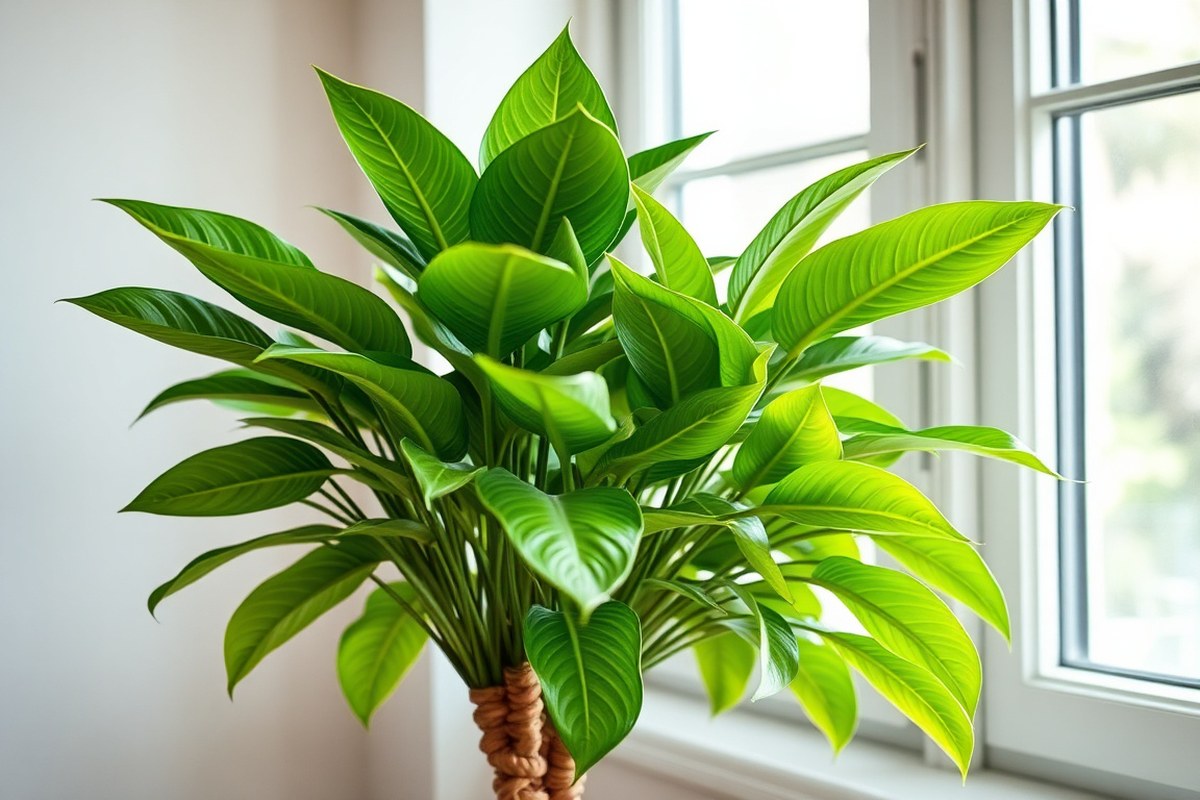
Prune your money plant in spring to keep it full and neat. Trim dead leaves and cut back long stems to shape the plant. You can train the braided trunk by gently crossing stems while they grow.
Tools Needed for Pruning and Training
Use clean, sharp scissors or pruning shears to avoid damaging the plant. Having a soft cloth helps wipe the blades after cutting. You may want soft ties or string for training the braided trunk.
Sanitizing your tools can stop infections. Use rubbing alcohol before each cut.
Steps to Prune for Fuller Growth
Pruning encourages your money plant to grow bushier and look better. Focus on removing dead or yellowing leaves and trimming long stems. Spring or early summer is the best time for pruning.
- Check the plant for any dead, yellow, or damaged leaves.
- Cut those leaves off close to the stem using clean scissors.
- Look for long, leggy stems that thin out the shape.
- Trim the long stems back to just above a leaf node.
- Remove any weak or unhealthy stems to improve airflow.
- Clean your tools with rubbing alcohol before and after use.
- Give your plant good light and water after pruning to help recovery.
Never remove more than one-third of the plant during pruning to avoid stress.
Methods to Braid and Support the Trunk
Training the braided trunk starts with young, flexible stems. Take three similar stems and gently cross them like braiding hair. You can continue braiding on new growth as the plant grows.
Use soft ties to hold the stems together without hurting them. Improve the plant on a stand to highlight its braided trunk and keep it stable. Avoid twisting the stems too tight to prevent breaking.
Repotting: Timing, Process, and Best Practices
Repot your money plant every 2 to 3 years or when its roots crowd the pot. Fresh soil supports steady growth and stops root rot. Follow a careful routine to avoid stressing the plant during repotting.
Signs It’s Time to Repot Your Money Plant
Check your money plant for roots growing out of drainage holes or circling inside the pot. These signs mean the roots need more space to spread.
The soil may also dry out quickly or look compacted. Your plant may need repotting if it stops growing or absorbing water.
Pay attention to the plant’s overall health too. Wilting, even with proper watering, can point to root problems. Repotting at these stages helps the plant stay healthy and encourages new growth.
Choosing a New Pot and Soil Mix
Choose a pot just one size bigger than the old one. It should be 1 to 2 inches wider in diameter.
Going too big holds too much moisture, which can cause root rot. Make sure the pot has drainage holes to keep excess water flowing out.
Use fresh potting soil designed for houseplants. A mix with peat, perlite, or bark keeps soil light and well-drained. Avoid dense or garden soils that hold too much water and cause roots to rot.
Safe Root Trimming Techniques
Carefully remove the plant from its pot and gently loosen tangled roots. Look for any mushy or brown roots and cut them off with a clean, sharp knife. Don’t remove more than 25% of the roots to avoid shocking the plant.
Trimming helps stop root rot and encourages new root growth. Prune your money plant first.
Then it will settle in fresh soil better. It will start growing stronger again.
Follow these steps to repot your money plant properly:
- Water the plant a day before repotting to keep roots moist.
- Prepare the new pot with fresh, well-draining soil at the bottom.
- Gently remove the plant from the old pot, loosening the root ball.
- Inspect roots and trim any damaged or rotten parts carefully.
- Place the plant in the new pot and fill sides with fresh soil.
- Press the soil lightly to hold the plant upright but don’t compact it too much.
- Water the plant thoroughly and let it drain well to settle the soil.
- Empty the saucer after watering to avoid standing water that causes root rot.
Propagating Money Plants: Step-by-Step Methods
Propagating money plants is simple and rewarding since they root easily. You can use stem cuttings or division to grow new plants.
Stem cuttings usually take about 2 to 4 weeks to develop roots. Division can give you ready plants faster if roots are visible on offsets.
For stem cuttings, a clean, sharp blade is essential to prevent damage and infection. Take a 4 to 6 inch cutting from a healthy stem.
Remove the bottom leaves so the stem can sit in water or soil without rotting leaves. You can root the cutting in clean water or moist potting mix.
- Cut a healthy stem 4 to 6 inches long with a clean, sharp blade. Make sure the stem has at least 3 to 4 leaves.
- Remove the leaves from the bottom 2 inches of the cutting. This helps prevent rotting in water or soil.
- Place the cutting in a clear container filled with room-temperature water or moistened potting soil. Water works well to watch root growth.
- Put the container in bright, indirect light but not direct sun to avoid stressing the cutting.
- Change the water every 5 to 7 days if propagating plants. This keeps water fresh and stops mold growth.
- Wait for roots to grow 1 to 2 inches long, usually 2 to 4 weeks. Roots will look like small white tips.
- Transfer the rooted cutting to a small pot with well-draining potting mix. Water lightly after planting.
- Care for the new plant by keeping soil moist and light levels steady. It will start new growth in a few weeks.
When using division, gently separate offsets from the main plant if they have their own roots. Plant them directly in pots with fresh soil. Division skips the rooting step and starts new plants faster.
Propagation requires patience and clean tools. Dirty blades or water can cause cuttings to rot. Watching new roots appear is a clear sign the plant will grow strong soon.
Identifying and Treating Common Pests and Problems
Spider mites, mealybugs, and scale insects often bother money plants. These pests show up as sticky spots, tiny webs, or fuzzy white patches. You might see small yellow or brown dots on leaves.
The plant may seem weak or grow slowly. These signs often show the plant is stressed.
Check leaves regularly for webs and spots, especially under the leaves. Early spotting helps stop pests from spreading. Use a magnifying glass if you can.
Spot spider mites? Gently wipe leaves with a damp cloth.
This helps remove pests without hurting the plant. For mealybugs or scale, dab the pests with cotton swabs dipped in rubbing alcohol.
Using insecticidal soap or neem oil also helps clear most infestations. Spray the plant every week for about three weeks to fully remove bugs.
Follow product instructions carefully to protect pets and avoid leaf burns. Avoid strong pesticides that can harm indoor air quality and your money plant’s health.
Leaf drop and yellowing might mean too much or too little water, or lack of nutrients. Leaves turning yellow and dropping? Check soil moisture first.
Stick a finger about an inch into the soil. Dry soil means it’s time to water.
Brown leaf tips can signal fertilizer deficiency. Feed your plant with a diluted houseplant fertilizer every 4 to 6 weeks during growing season.
Check for soft or mushy stems and roots to spot root rot early. This happens from overwatering or poor drainage.
Remove damaged parts and repot in fresh, well-draining soil. Make sure the pot has drainage holes to avoid water buildup.
Catch pests early by inspecting new plants before introducing them to your money plant.
Step-by-Step Action Plan for Your Money Plant
Follow these simple steps to keep your money plant thriving indoors. Each action helps you track how well your plant is doing.
- Day 1: Place your money plant near a bright window but out of direct sun. It should look fresh and not wilted after a few hours.
- Week 1: Water your plant once, using enough to moisten the soil but not soak it. The top inch of soil should feel slightly dry the next day.
- Week 2: Check leaves for any signs of pests or damage. Healthy leaves look firm and green without spots or holes.
- Week 3: Turn the pot slightly so the plant grows evenly toward the light. You should see balanced growth from all sides over the next weeks.
- Month 1: Add a small amount of balanced, water-soluble fertilizer to the soil once. The plant’s leaves should grow brighter and fuller.
- Every Month: Inspect soil moisture before watering again. Soil that stays wet can lead to root rot. So only water when dry to the touch.
- Every 6 Months: Check if the plant looks crowded. Repot or add fresh soil. Roots showing at the bottom mean it’s time to act. New soil helps the plant stay healthy.
Frequently Asked Questions
How Often Should I Fertilize My Money Plant?
Fertilize your money plant every 4 to 6 weeks during spring and summer. Use water-soluble fertilizer with balanced nutrients for your money plant.
Dilute the fertilizer to half strength before applying it. This prevents root burn and supports healthy growth.
Can I Keep a Money Plant Outside?
You can keep a money plant outside in warm months if temperatures stay above 60°F. Avoid direct sunlight, which can scorch its leaves, and bring it indoors before it gets cold.
What Are Signs My Money Plant Is Underwatered?
Wilted, dry leaves and slow growth usually mean underwatering. Check the soil’s top inch for moisture regularly.
Water your money plant if the soil feels dry. Keeping the soil moist helps your plant stay healthy.
How Do I Clean Money Plant Leaves?
Wipe leaves gently with a damp cloth or sponge to remove dust. Clean leaves breathe better and absorb more light, helping the plant grow.
Can Money Plants Tolerate Low Light Areas?
Money plants can survive in low light but prefer bright, indirect light. They may grow slower and have smaller leaves in dimmer spots.
Should I Mist My Money Plant?
Misting occasionally can boost humidity but isn’t essential if room humidity is normal. Too much misting may encourage fungal issues, so do it sparingly.
Key Points to Remember
Your money plant can stay healthy with a little daily check and care. Start by placing it in the right light and watering carefully. Watch your plant grow and enjoy the green it adds to your home.