Can Peony Be Grown in Pots? A Complete Guide for Container Success
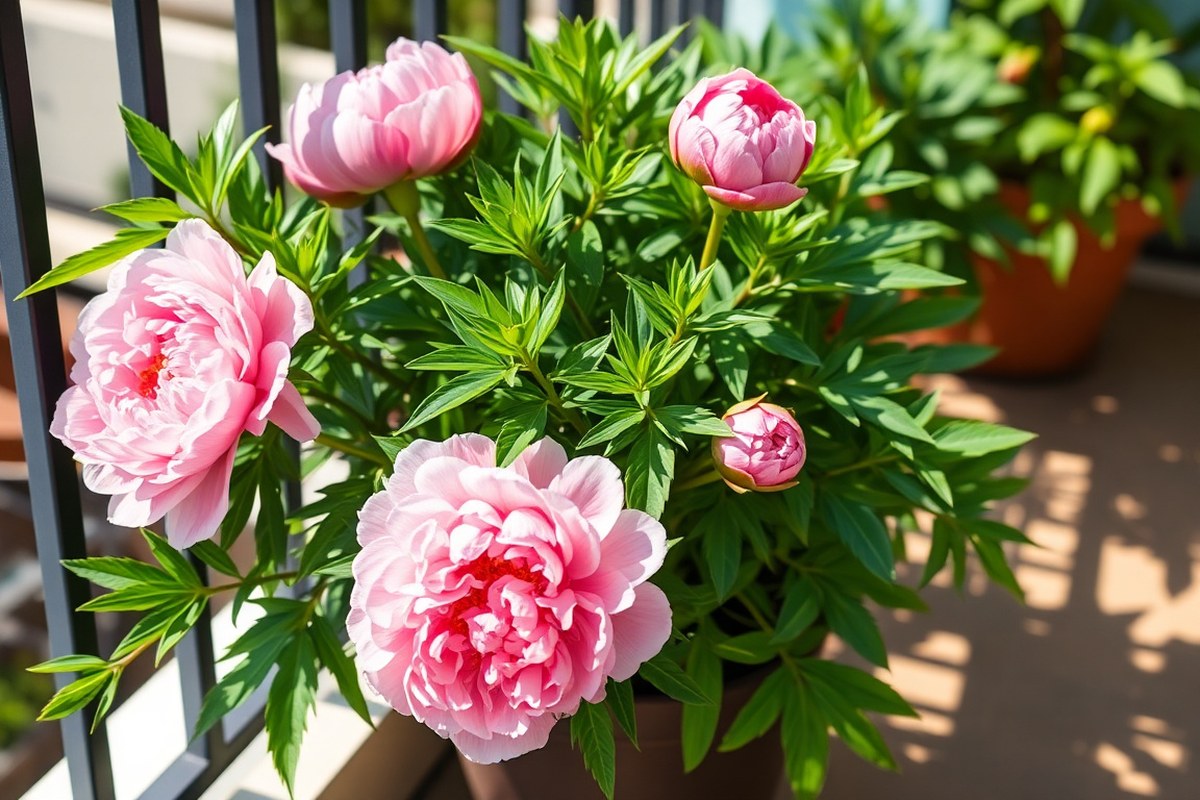
Can peony be grown in pots? Yes, peonies can thrive in containers with the right setup.
You need a large, well-draining pot at least 18 inches wide and 12 inches deep. This size ensures enough space for roots to spread and support healthy growth.
Using the right container is just the start. Peonies need at least 6 to 8 hours of direct sunlight daily. A sunny spot will keep your pot peony blooming strong and healthy.
Plant the tubers shallow, covering them with about 2 inches of soil. Keep the soil moist but not soggy to avoid root rot. With solid care, your container peony can flourish for several years.
Key Takeaways
- Use a pot at least 18 inches in diameter with good drainage holes.
- Choose peony varieties like ‘Madrid’ or ‘Sarah Bernhardt’ for containers.
- Plant tubers shallow, covering with only about 2 inches of soil.
- Place pots where they get at least 6 hours of direct sunlight.
- Keep soil moist but avoid overwatering to prevent root problems.
- Fertilize early in spring when shoots are 1 to 3 inches tall.
Can Peonies Be Successfully Grown in Pots?
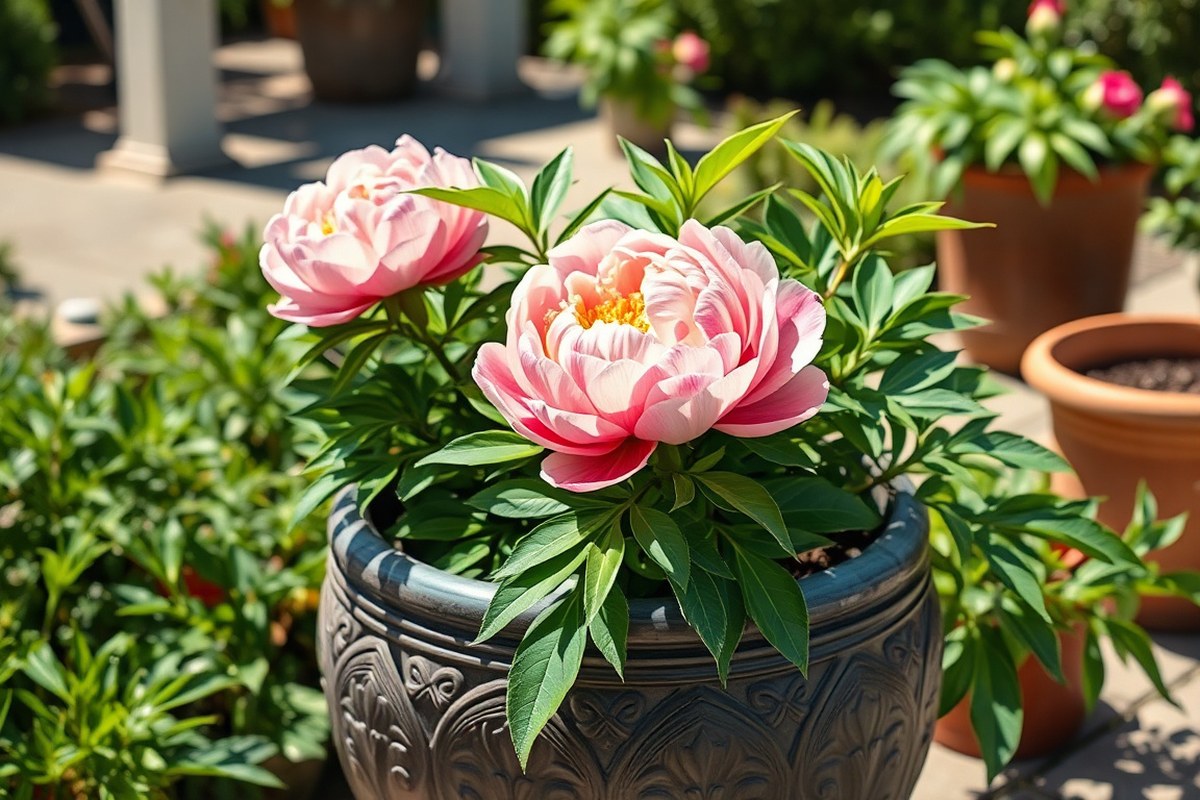
Peonies can definitely be grown in pots, but they need some extra care. They don’t root as deeply in containers.
So you must provide enough space and nutrients. With the right pot size and soil, you’ll see healthy growth and bright blooms each season.
Growing peonies in pots suits smaller spaces like patios or balconies. It’s a good option if you lack garden soil or want to move plants around. Peonies in containers need water and fertilizer more often than ground plants.
Container soil dries quickly and can’t hold moisture well. Check your pots daily in warm weather.
One challenge is that pots expose roots to temperature swings. This can stress peonies, especially in colder zones.
In zones 7 and 8, peonies usually overwinter well in containers. But colder areas need extra protection or planting them in the ground for winter.
Peonies grown in pots can bloom and grow for 3 to 5 years. This lifespan depends on good care like soil quality and watering. Keep feeding and check for pests to help them live longer.
After that, the plant may slow down as root space limits growth. You can try repotting every few years. But some gardeners choose to transfer peonies back to the garden for longer life.
Container-grown peonies tend to have a shorter lifespan than those grown in the ground. That’s mainly because the roots don’t spread out and the soil environment changes faster. Still, pots let you enjoy their flowers without a large garden area.
It’s important to pick the right container with good drainage and enough room for roots. Plant peony roots just 2 inches below the soil surface. This shallow depth matches how peonies grow naturally in the ground.
Planting too deep can stop their growth. Watching their clumping habit in a pot lets you enjoy their shape and flowers easily.
Peonies will always grow best in the ground, but containers offer flexibility and charm. Patience and care help your potted peonies bloom for many years. Water regularly and use good soil with nutrients.
Protect pots from freezing temperatures during winter to keep plants alive. Just expect to replace or repot them every so often to keep plants vigorous.
Choosing the Right Container for Peonies
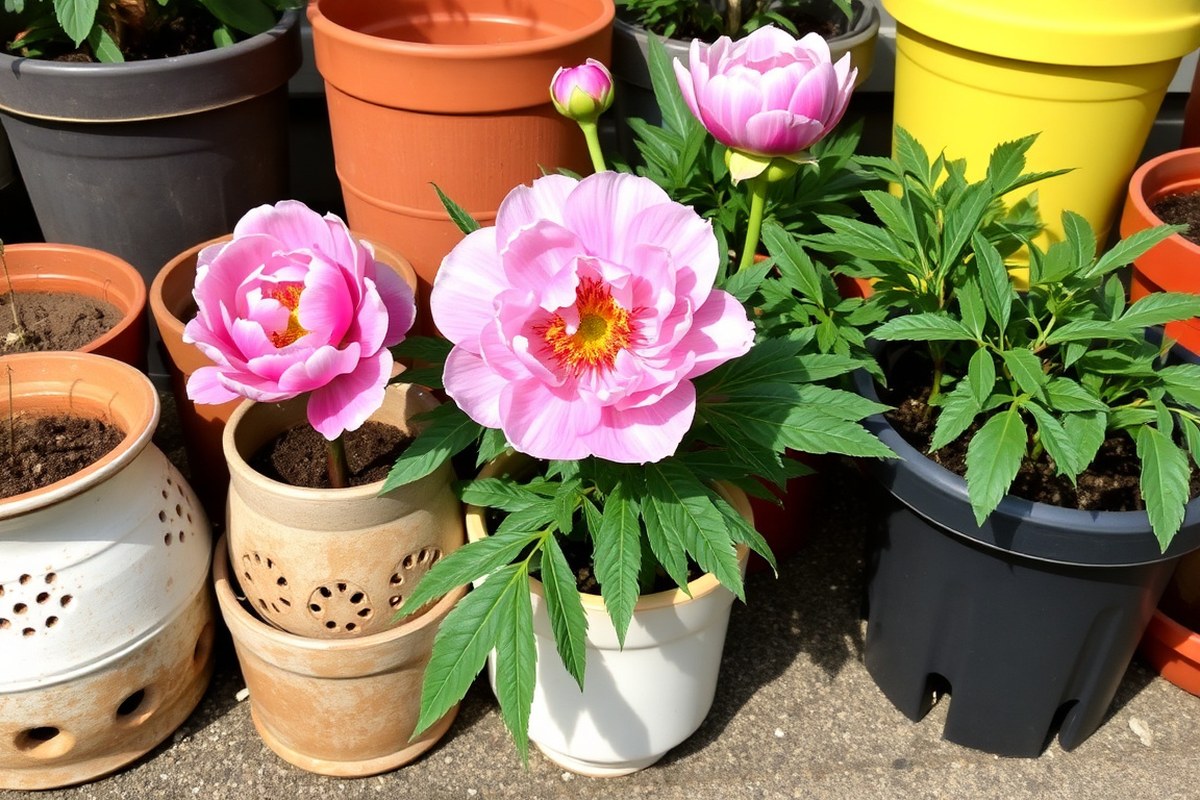
Peonies need a pot that lets their roots spread and stay healthy. Choose a container at least 18 to 20 inches wide and deep. This size fits their thick roots and lets soil hold enough moisture without drowning them.
Drainage is key to keep roots from sitting in water. Pots must have several drainage holes at the bottom. You can add a layer of gravel or broken pottery.
This helps keep holes clear. It also helps water move away from the pot.
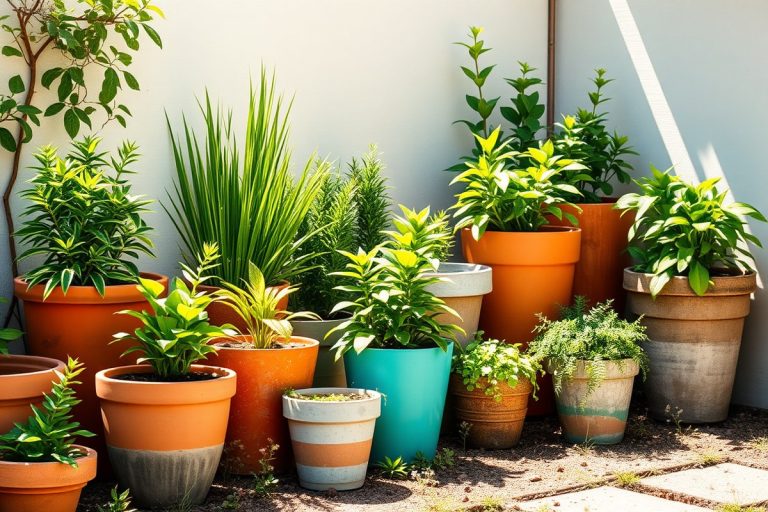
Pot material affects moisture and root temperature. Terra cotta pots breathe well but dry out fast and crack in cold.
Plastic holds moisture better and won’t break but may overheat roots in sun. Ceramic works like terra cotta but costs more and is heavier to move.
| Pot Material | Pros | Cons | Drainage Needs |
|---|---|---|---|
| Terra Cotta | Breathable, classic look | Dries fast, can crack in cold | Must have multiple large holes |
| Plastic | Lightweight, retains moisture | Can overheat roots, less breathable | Needs adequate holes and good soil mix |
| Ceramic | Breathable, decorative | Heavy, expensive, can chip | Drainage holes required as with others |
| Minimum Size | At least 18-20 inches wide and deep | ||
Good drainage helps you keep soil evenly moist, not soggy. Peony roots rot fast if water pools.
When picking a pot, check size, holes, and material before buying. Bigger pots cost more and take space, but they support better growth for years.
Too small a pot will stunt your peony’s growth and reduce blooming.
Best Peony Varieties for Container Gardening
Herbaceous peonies suit container gardening best because of their growth habits. They stay compact and respond well in pots. Tree peonies usually need more space than containers offer.
Herbaceous Peonies for Containers
Herbaceous peonies die back each winter to the ground, which helps them survive in pots. They typically reach about 24 inches tall, a manageable size for many containers. A 5-gallon pot supports their growth well.
It should be at least 12 inches deep. This gives their roots enough room to spread.
These peonies bloom in late spring to early summer, providing vibrant flowers without outgrowing their containers. Their roots need room to spread.
So avoid pots smaller than 12 inches deep or less than 5 gallons. You’ll need to fertilize them regularly since pot soil lacks nutrients they get in garden beds.
Tree Peonies in Pots
Tree peonies have woody stems and bigger flowers. They usually grow taller than herbaceous types. They also spread wider than most herbaceous peonies.
Their compactness varies by variety, but most need a bigger container than herbaceous peonies. Use a large pot with 18 inches diameter and depth.
This size keeps the plant stable. It also helps the peony stay healthy.
They take longer to establish in pots. You must monitor water closely to avoid root rot. Tree peonies bloom earlier than herbaceous ones and offer bold flower colors.
Container life can slow growth. So plan patience and extra care, especially in colder zones below USDA 5.
Compact and Dwarf Varieties
Some herbaceous varieties have naturally compact habits, staying under 24 inches tall and wide. These are perfect for smaller containers around 5 gallons. Varieties like ‘Bowl of Beauty’ and certain Itoh hybrids show large blooms with smaller plant size.
Itoh peonies combine tree peony flowers with a sturdy, herbaceous frame. They grow about 24 to 30 inches tall. This size suits pots for zone 4 to 7 gardens.
They fit well as a middle-height option. Match their size with pot volume to avoid crowding roots and allow proper watering.
Early blooming cultivars reduce the growing season in cool climates, helping potted peonies thrive. They fit well in containers placed in protected spots with morning sun. Choose a pot size matching expected mature height and width to reduce extra transplanting later.
How to Plant Peonies in Containers for Best Results
Planting peonies in pots is simple if you follow three main steps. Prepare a light, well-draining potting mix first.
Then place the tubers shallow with the eyes facing up. Finish by watering well and setting the pot where the plant will thrive.
Preparing the Potting Mix
A light potting mix helps peonies grow well in containers. Use soil that drains water quickly to prevent root rot. Mixing potting soil with some compost or peat moss creates the best texture.
Good drainage is key since peonies dislike soggy roots in pots. Avoid heavy garden soil or clay, which hold too much water. The loose mixture lets roots spread out and find air easily.
Planting Depth and Positioning
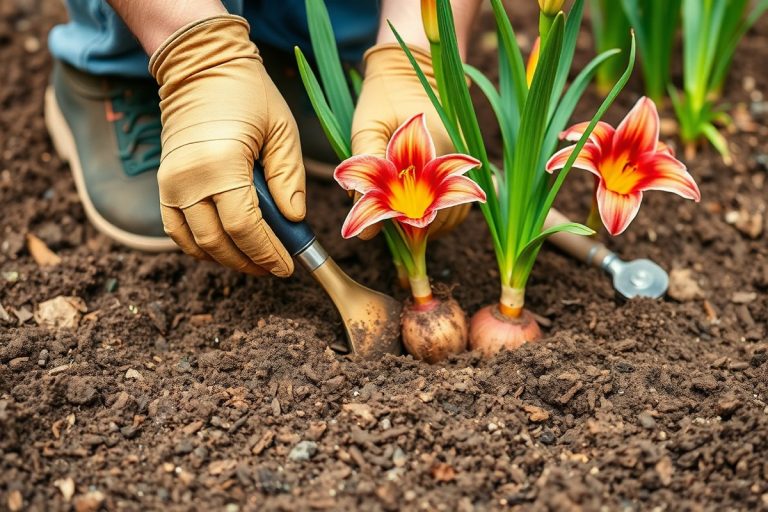
Peony tubers need to be planted shallowly to bloom well in pots. Cover the tubers with about 1 to 2 inches of soil. Keeping the eyes or buds just below the soil surface encourages strong growth.
Place the tuber in the center or slightly toward the back of the pot. Position the buds facing upward for the best results. This setup helps flowers develop and avoids crowding other plants if you add them later.
Initial Watering and Placement
After planting, water the soil until it feels evenly moist but not soaked. Too much water can cause the tubers to rot, especially early on. Keep the pot in a spot with plenty of sun to stimulate shoots.
Choose a location that will stay cool but bright in spring. That helps the peony start growing without drying out. Check moisture weekly, watering only if the top inch of soil is dry.
Follow these steps to plant your peony tubers in pots with care:
- Fill your container with the prepared potting mix, leaving 2, 3 inches at the top.
- Dig a hole about 2 inches deep in the center or slightly to the back.
- Remove the peony from its nursery pot and gently loosen the roots.
- Place the tuber with eyes pointing upward into the hole.
- Cover the tuber with 1, 2 inches of soil, keeping the eyes just below the surface.
- Firm the soil gently around the tuber to remove air pockets.
- Water the soil to make it evenly moist but not soggy.
- Set the pot in a sunny, cool spot to encourage strong shoots.
Sunlight, Watering, and Feeding Needs for Potted Peonies
Potted peonies need full sun to bloom well. Find a spot where they get at least six hours of direct sunlight daily. You can move the pots to follow the sun each day.
Change their placement as the seasons shift to get more light. This helps peonies grow better.
Watering container peonies requires attention since pots dry out faster than garden soil. Water your peonies deeply once or twice a week, depending on weather and pot size.
In hot, dry spells, daily watering might be necessary. But always check soil moisture first.
Fertilizing peonies in pots supports their growth and flower production. Use a balanced fertilizer with equal parts nitrogen, phosphorus, and potassium, like 10-10-10. Put fertilizer on in early spring when shoots appear.
Apply it again after flowers bloom. This helps roots grow stronger.
Morning is the best time to water and feed your potted peonies. This timing helps roots absorb moisture and nutrients before midday heat.
Cut back watering frequency in the fall as growth slows. Avoid fertilizing in late fall or winter to prevent damage.
Make sure the pot has good drainage to prevent waterlogging, which harms peony roots.
Pruning, Staking, and General Maintenance of Container Peonies
Container peonies need careful pruning, staking, and maintenance to stay healthy and look good. Prune at the right time and support tall stems gently. Maintain soil and remove spent blooms to keep the plant thriving.
Pruning Guidelines for Bloom and Health
Prune peonies in pots during late fall, after the first frost kills the foliage. Cut the stems to about 1-2 inches above the soil. Use clean, sharp scissors or pruners for this.
Make sure your tools are sharp to avoid damage. Removing dead or diseased parts reduces pests and disease risks while promoting new growth next spring.
In early spring, before new shoots appear, clean up any leftover debris to avoid fungal infections. Avoid heavy trimming in spring to not damage emerging shoots. Regular pruning supports healthy, vibrant blooms when the growing season arrives.
Providing Support for Tall Stems
Peonies can grow up to 24 to 36 inches tall in containers. Support is needed when they get top-heavy or during windy weather. Use a sturdy stake or ring support 18 to 24 inches tall.
Place it gently into the pot soil. Be careful not to disturb the roots.
Tie the stems loosely with soft plant ties or twine to avoid damage. Space the ties evenly along the stem. Check ties regularly and loosen them if they start to pinch stems as they grow thicker.
Routine Maintenance Practices
Remove spent blooms regularly to stop the plant wasting energy on seed production. This encourages more flowers and steadier growth. Snip faded flowers just above the first set of healthy leaves to keep the plant tidy.
Feed peonies in pots with balanced fertilizer every 4 to 6 weeks during the growing season. Soil in containers loses nutrients fast.
Check soil moisture often. Water when the top 1 inch feels dry but avoid waterlogging.
Overwintering Peonies in Pots and Protecting from Cold
Peonies in pots need special care through winter, especially in cold zones. In USDA zones 3 to 5, roots can freeze and kill the plant if left unprotected. Bringing your potted peony indoors or insulating the pot helps protect the roots.
Roots can freeze solid without this care. This keeps your plant safe in cold weather.
For zones 3 and 4, place your peony pots in an unheated garage or basement. These areas stay cool but avoid temperatures below 20°F, which can be harmful. Bring pots indoors and place them near a south-facing window.
This spot provides the light your peony needs. A grow light helps if natural sunlight is limited in winter.
When indoor space is limited, bury the pots in the ground up to their rim. This helps protect roots from freezing. Cover them with mulch, straw, or leaves to add insulation.
This keeps the soil temperature more stable, preventing ice from forming around the roots. Check the mulch thickness, 3 to 6 inches works well for good protection.
In zones 7 and 8, potted peonies can usually stay outside with some protection. Wrap the container with bubble wrap or foam pipe insulation to guard against temperature swings.
You might also group pots close together in a protected spot to reduce cold exposure. This method saves moving heavy containers and still helps the plants survive.
Water the peony well before the soil freezes. Dry roots freeze faster, so moist soil acts like a thermal buffer.
Avoid heavy watering during the cold spell to prevent waterlogging, which can cause root rot. During winter, keep watering minimal but consistent enough that soil stays slightly damp.
Check the pots regularly for cracks caused by freezing and thawing cycles. Spot damage early, then bring the plant indoors sooner. Replace the container next spring if needed.
Using a sturdy plastic or fibreglass pot reduces cracking compared to ceramic or clay. These materials also retain heat better, protecting the roots throughout winter.
Common Challenges and How to Fix Container Peony Problems
A common reason container peonies fail to bloom is insufficient sunlight. Peonies need at least six hours of direct sun daily to flower well. Move your pot to a sunnier spot and remove any shading objects.
Overwatering and underwatering also harm blooming. Soil should be moist but not soggy. Stick your finger about two inches into the soil.
When the soil feels dry, water the peony thoroughly. When the soil is wet, stop watering your plant. Add perlite or coarse sand to improve drainage.
Diseases like botrytis blight look like gray fuzz on leaves. Powdery mildew shows up as white powder on buds. Watch for these signs on your peony.
Early signs include brown spots or wilting. Prune off affected parts immediately and dispose of them away from your garden.
Use a fungicide labeled for peonies and spray weekly if the problem persists. Clean your tools before and after pruning.
Pests are less common in containers but inspecting regularly helps catch infestations early. Look for small insects, sticky residue, or chewed leaves.
Use insecticidal soap or neem oil spray to treat bugs on your peony. Follow all label directions to avoid hurting the plant.
Watering mistakes often involve inconsistent schedules. Soil should never dry out entirely and never stay constantly wet. Check moisture every few days in spring and summer.
Adjust watering based on pot size and weather. Larger containers retain moisture longer than small ones.
Lift your container peony on a small stand to help air flow. This trick can fix many common problems. Good air circulation keeps plants healthier.
This reduces fungal disease risks and helps soil dry evenly. Also, clean fallen leaves and debris from the soil surface to prevent mold buildup.
Look for spots, bugs, or drooping leaves on your peony each week. Catch problems early to protect your blooms.
Companion Planting and Design Ideas with Potted Peonies
Pair companion plants with your potted peonies to keep colors up. These plants can bloom when peonies don’t. This extends the garden’s lively look.
Peonies bloom in late spring to early summer. So mixing in plants with different flowering times helps maintain interest. Pick lower plants so they don’t shade peony leaves.
Keep roots from crowding each other in the pot. This helps peonies get enough light and space.
Some good choices include bulbs and annuals that flower before or after the peonies. Spring bulbs bloom early, brightening the pot before peonies open. Summer bloomers fill in as peony flowers fade.
Add some foliage plants for texture without extra flowers. They keep the look fresh after peonies fade. These plants don’t compete with peonies for attention.
- Crocus and snowdrops, bloom in early spring before peonies.
- Iris reticulata, early spring bloom, compact and colorful.
- Allium, bloom from late spring into summer, tall and striking.
- Coreopsis, blooms summer through fall, adds bright yellow color.
- Heuchera (coral bells), foliage adds color year-round without crowding.
- Lobelia or sweet alyssum, low-growing annuals with bloom through summer.
- Lavender, offers aroma and foliage contrast, flowers late spring to summer.
Group pots in threes, fives, or sevens on patios or balconies. This makes the display more eye-catching and balanced. Odd numbers help with visual flow.
Use varying heights and colors to keep it interesting. Put a tall peony pot at the back of the group. Put mid-size flowering pots beside it for height steps.
Place low annuals or foliage plants in front. This layout avoids overshadowing and allows better air circulation.
Check pot spacing carefully to avoid overcrowding as plants grow. Overcrowded pots reduce airflow and raise disease risk, lowering bloom quality.
You may need to repot some companions into separate containers to keep everything healthy. Regularly trimming spent flowers and old foliage helps maintain an attractive display and encourages new blooms.
Step-by-Step Action Plan for Growing Peonies in Pots
Follow this simple plan to get your potted peonies off to a strong start. Each step helps you check your progress.
- Before planting: Choose a large pot with good drainage. Press your finger into the soil to make sure it’s loose.
- Day 1: Plant the peony root about 2 inches below the soil surface. Check the roots are spread out and not crowded.
- Week 1: Water the pot deeply but wait until soil dries between watering. Soil should feel moist, not wet or dry.
- Week 2: Put the pot where it gets at least 6 hours of sun. Choose a sunny spot. Watch the shoots grow strong and upright.
- Month 2: Feed with a balanced, slow-release fertilizer. New growth should look healthy and bright green.
- After bloom: Remove spent flowers but keep leaves to build energy. Leaves stay green and healthy for a few weeks.
- Late fall: Move the pot to a spot protected from winter wind. Or add mulch around the roots for extra protection. Check pot and soil stay moist but not soggy.
- Next spring: Cut back dead stems and start watering and feeding again. New shoots will show healthy growth soon.
Frequently Asked Questions
What Are the Main Disadvantages of Growing Peonies in Pots?
Growing peonies in pots can restrict their root growth. They also need more frequent watering and feeding than garden-planted peonies. These factors make container peonies more vulnerable to stress and require careful attention.
How Big Should the Pot Be for a Peony?
A 15-gallon pot works well for most peony varieties. This size lets the plant grow comfortably and helps keep the soil moist. Smaller pots may stress the roots and stunt flower growth.
How Can I Help Peonies Survive Indoors During Winter?
Keep potted peonies in a cool, bright place indoors during winter. Avoid warm rooms to prevent early growth that can be damaged by cold later. Make sure the soil stays barely moist but not wet.
Can Peonies and Other Flowers Like Hydrangeas Be Grouped in Pots?
Yes, you can plant peonies, hydrangeas, and roses in separate pots and group them. This allows you to create a lovely mixed display on patios or balconies. Just match their sun and watering needs.
How Often Should I Water Peonies in Pots During Bloom Season?
Water potted peonies when the top inch of soil feels dry. They need steady moisture to support their blooms but avoid soggy soil. Check pots every 2-3 days depending on heat and sun.
Is It Okay to Move Potted Peonies Around a Lot?
Moving potted peonies often can stress the plants and slow growth. It’s best to find a sunny, stable spot and keep them there. Light changes and jostling can affect bud development and flowering.
Final Thoughts
Peonies can thrive well in pots with the right care and attention. Start by picking a good container and location for sunlight.
Get your pots ready this weekend. Watch your peonies grow strong season after season.