How to Cut Bushes: Simple Steps and Expert Tips for Healthy Growth
Knowing how to cut bushes the right way helps them stay healthy and grow well. Start by removing dead or diseased branches first. This clears space for new growth and prevents spread of disease.
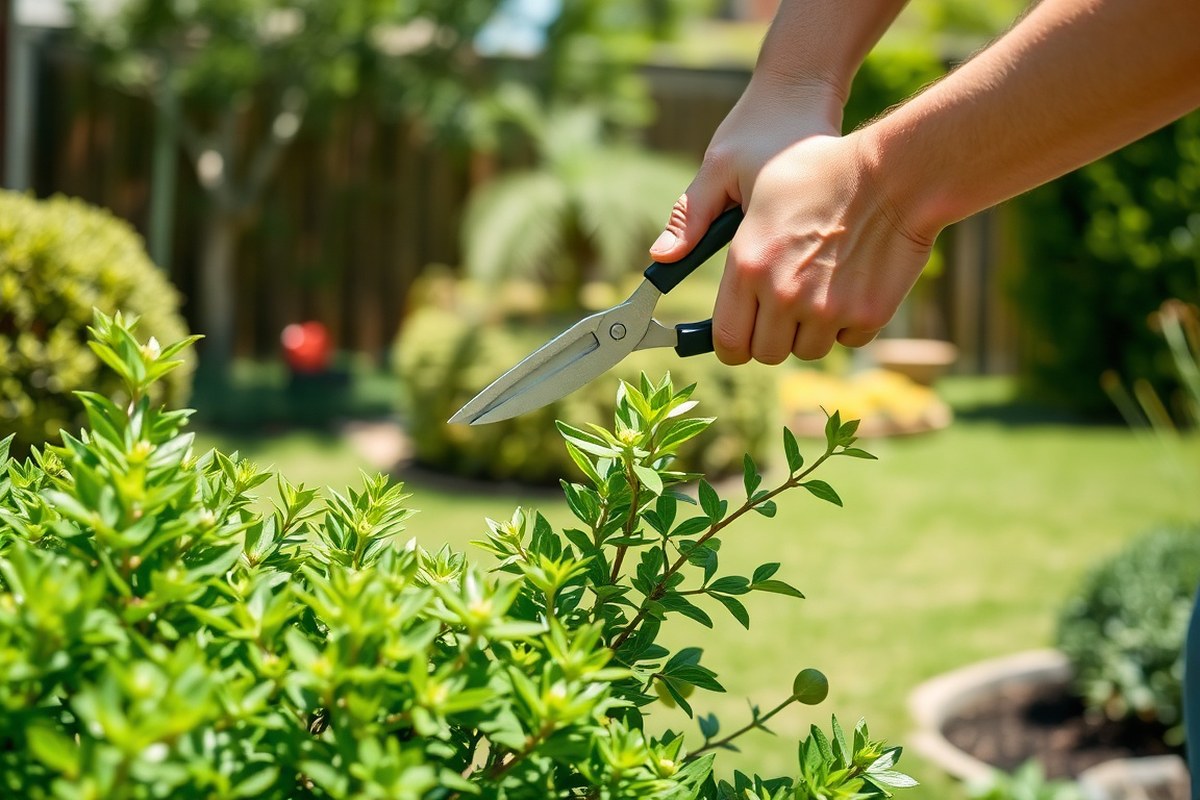
Use the right tools by the size of your bush. Small bushes under 3 feet are fine with hand shears.
Bigger bushes need loppers or electric clippers. Avoid harsh cleaners like bleach on your tools to keep them sharp longer.
Make your cuts just above a dormant bud that faces outward from the bush. This encourages growth away from the center, keeping the bush full and open. Also, avoid cutting more than 50% of the bush in one go to protect its health.
Key Takeaways
- Remove dead and diseased branches before any other cuts.
- Use hand shears for bushes under 3 feet tall.
- Cut just 1/4 inch above an outward-facing dormant bud.
- Avoid using bleach on cutting tools to prevent blade damage.
- Trim no more than 50% of a shrub yearly to avoid stress.
- Prune overgrown, deciduous shrubs back to 4, 6 inches in early spring.
How to Cut Bushes Properly for Healthy Growth
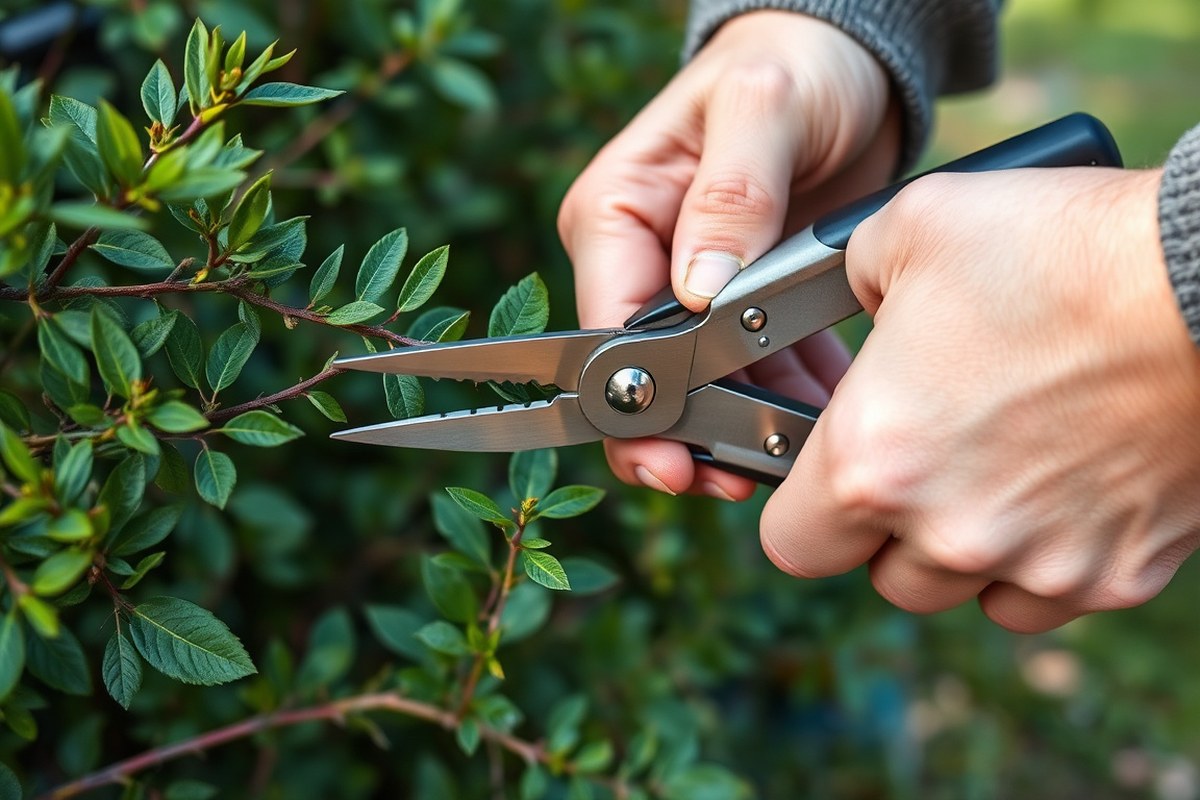
Cutting bushes properly keeps them healthy and looking great. You need to remove dead parts, shape the bush, and control overgrowth. Doing this lets sunlight reach inside, helping new growth thrive.
Here’s an easy step-by-step way to cut bushes by hand safely and effectively. Use hand shears for bushes under 3 feet tall.
Always cut just above a healthy bud or node to encourage growth outward. Avoid removing more than one-third of the bush at once to prevent stress.
- Inspect the bush. Look for dead, damaged, or diseased branches and mark them.
- Remove dead branches first. Cut these back to healthy wood or the main branch to stop disease spread.
- Cut overgrown branches. Trim branches that spoil the shape, cutting back to a side branch or bud.
- Shape the bush. Work gradually, aiming for a gentle angle allowing sunlight to reach lower parts.
- Thin dense areas. Remove crowded stems inside to improve air flow and light.
- Keep safety in mind. Wear gloves and eye protection. Use sharp tools for clean cuts to reduce damage.
- Finish with cleanup. Collect and dispose of cut branches to avoid pests and disease.
To know how much to cut, remove only about 20 to 30 percent at a time. Cutting too much at once stresses the bush and slows growth. For overgrown shrubs, cut back to 4 to 6 inches above the ground.
Do this in early spring to help new growth start. This method works best for fresh, healthy bushes.
Cutting by hand lets you focus on details and avoid harming the bush. Sharp, clean cuts heal faster and look better. Take your time when trimming shapes and angles.
Aim for a balanced look that lets sunlight and air reach the bush. This helps the plant stay healthy and grow well.
Choosing the Right Tools for Cutting Different Bushes
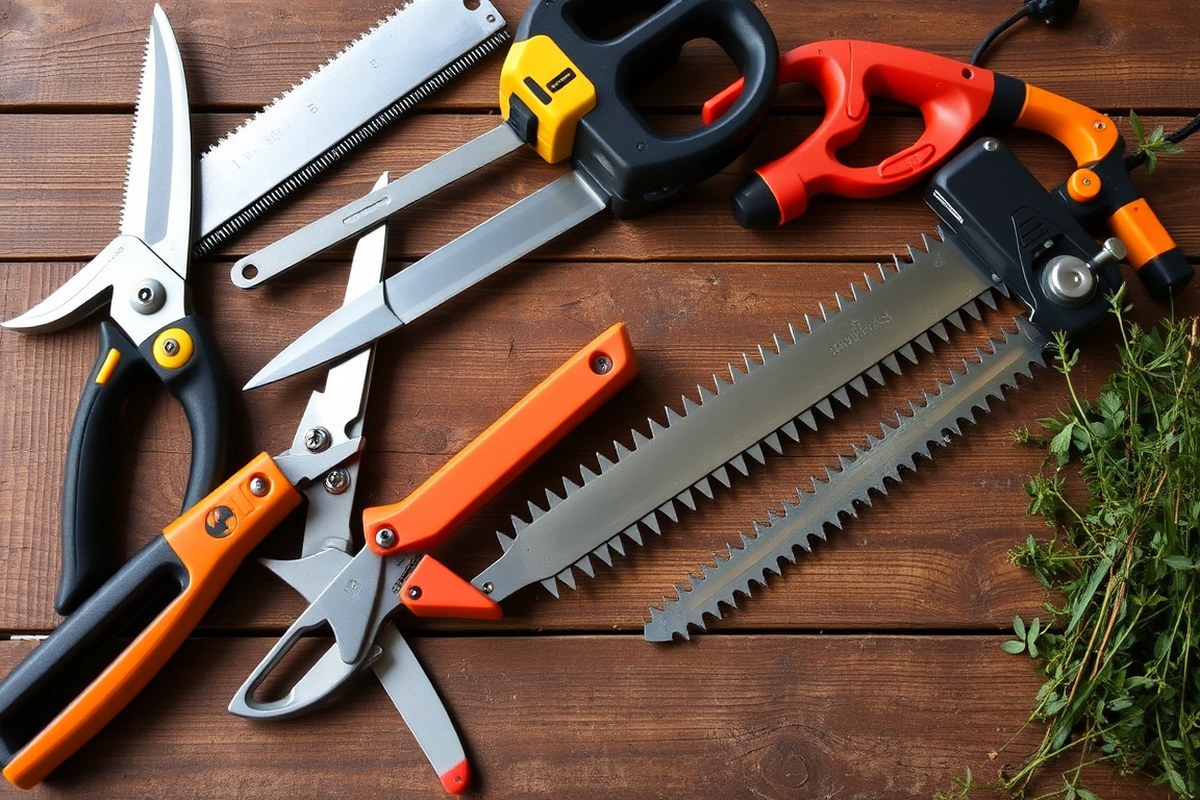
Picking the right tool depends on your bush’s size and thickness. Small, thin branches need sharp, precise manual cutters. Thick or tall bushes call for power tools to save time and effort.
Manual Tools: Uses and Benefits
Manual tools are perfect for detailed work and light trimming. Use hand pruning shears for branches up to 3/4 inch thick. They give you control for shaping and touching up stray twigs on small bushes.
When branches are thicker, bypass loppers with longer handles make cutting easier. They reach into dense spots and handle branches up to 2 inches thick. Manual hedge shears work well for neat edges on small hedges.
They are good if you want quiet trimming. These shears give steady control.
Manual tools cost less, usually $35 to $65 depending on the model. They require more elbow grease but give clean cuts that help bushes heal faster.
Power Tools: When and How to Use
Power tools speed up cutting medium to large bushes. Electric or battery hedge trimmers handle most bushes quickly and evenly. They work best for medium thickness and busy yards where speed matters.
Gas-powered trimmers provide more muscle for large, thick bushes. They are heavier but great for all-day jobs.
Use a pole hedge trimmer for tall bushes you can’t reach by hand. It keeps you safe on the ground while trimming high spots.
Power tools cost more upfront, often $60 to over $100, plus maintenance. They need careful handling to avoid over-cutting or uneven edges.
| Tool | Best For | Recommended 2026 Model | Estimated Price |
|---|---|---|---|
| Hand Pruning Shears | Stems up to 3/4 inch; precision work | Felco F-2 Classic | $55 – $65 |
| Bypass Loppers | Branches 3/4 to 2 inches thick; deep reach | Corona BP 3180 | $35 – $45 |
| Pruning Saw | Branches over 2.5 inches thick | Silky Gomboy 210 | $40 – $50 |
| Manual Hedge Shears | Small formal hedges; precise shaping | N/A | Varies |
| Electric/Battery Hedge Trimmer | Medium-to-large bushes; fast, even cuts | Varies by brand | $60 – $120+ |
| Gas-Powered Hedge Trimmer | Large hedges; all-day use | Varies by brand | $100+ |
| Pole Hedge Trimmer | Tall hedges out of reach | Varies by brand | $120+ |
The tool you choose shapes the job’s ease and the bush’s health. Sharp, clean cuts from the right tool help plants recover quickly without disease.
Tool Safety and Maintenance Tips
Keep blades sharp and clean for safe, clean cuts. Blunt or dirty tools can damage branches and slow healing. Wipe blades with rubbing alcohol after each use to prevent disease spread.
Wear gloves and eye protection, especially with power tools. Follow the manufacturer’s instructions for operation and maintenance. Store tools dry and oil metal parts regularly to avoid rust.
Always double-check your grip and blade position before cutting to avoid accidents.
When Is the Best Time to Trim Your Bushes?
The best time to trim your bushes depends on their type and bloom cycle. Most bushes do well with pruning in late winter or early spring, during dormancy. To avoid cutting off flower buds, match pruning to when the shrub blooms.
Late Winter and Early Spring Tasks
This season works well for summer-flowering bushes not yet showing new growth. Pruning in late winter, around March or early April, helps summer bloomers set new buds. Remove about one-third of old stems close to the ground to encourage fresh growth.
Evergreens like hollies and boxwoods can be trimmed at this time too. Doing this reduces stress on the plant heading into spring. Avoid heavy pruning after August because it can cause tender new growth that won’t survive winter.
Pruning After Flowering Periods
Spring-flowering shrubs should be trimmed right after they bloom. Wait until their blossoms fade, then prune within three to four weeks. This timing lets the plant develop buds for next year’s flowers.
Delay pruning spring bloomers until after flowering to avoid cutting off next season’s buds. For example, trim forsythia and lilacs in late spring, right after they finish blooming.
Summer and Fall Trimming Guidelines
Evergreen bushes tolerate pruning in late summer or early fall after new growth finishes. This timing helps the plants harden off foliage before winter arrives. Keep cuts light to avoid pushing tender growth late in the season.
For deciduous summer or fall bloomers, prune in late winter or early spring. Don’t prune summer flowerers right after bloom, wait until the plant is fully dormant. Frequent or drastic cuts can leave bare spots that take years to fill back in.
Use the table below to match pruning time with your bush’s bloom type and season:
| Shrub Type | Bloom Time | Best Pruning Time | Why |
|---|---|---|---|
| Spring-flowering shrubs | Early spring | Right after flowering (late spring) | Preserves buds for next year’s flowers |
| Summer-flowering shrubs | Summer | Late winter or early spring (dormant) | Encourages new growth and flower buds |
| Evergreen shrubs (holly, boxwood) | N/A | Spring or fall (avoid late summer) | Minimizes stress and damage |
| Deciduous summer/fall bloomers | Late summer/fall | Late winter or early spring | Prepares for new seasonal growth |
Matching pruning times with your bush’s type and bloom keeps it healthy and flowering. Cut too soon or too late and you risk losing blooms or weakening the shrub. Plan to prune after the flowers finish blooming.
Do it during dormancy to protect flower buds. This also helps support strong new growth.
The 3 Ds of Pruning: What to Remove First
Dead branches must go first. Diseased branches come next. Remove damaged ones as well.
They weaken the bush and can spread problems to healthy parts. Getting rid of these branches improves the shrub’s health and helps it grow stronger long-term.
Look for dead branches, which feel dry and snap easily. Diseased parts often have discolored bark or unusual spots on leaves. Damaged branches might be split, cracked, or have jagged ends from breaks.
Step back to see your bush in full. Then step closer. Check each suspicious spot carefully.
Start pruning by finding the thickest dead or damaged branches first. Cut these right at the base, near where they join a main stem or another branch.
Use pruning shears for thinner branches and loppers or a small folding saw for thicker wood. Removing these first clears space and helps you see where shaping cuts go next.
- Stand back and spot all dead, diseased, and damaged branches.
- Use sharp pruning shears, loppers, or a folding saw as needed.
- Cut dead wood at the base, just above a growth node.
- Remove damaged or cracked branches, trimming cleanly at the joint.
- Dispose of diseased cuttings to stop spread to other plants.
- Check for hidden damage inside the bush as you work.
Remove dead or diseased branches whenever you see them, no matter the season. For flowering shrubs that bloom on old wood, avoid cutting into healthy growth.
Cut near the base without leaving stubs or open gaps that won’t fill back in. This targeted cleaning helps the bush breathe and grow new shoots evenly.
Taking time to remove the 3 Ds before shaping keeps bushes neat and healthy. Skipping this step lets shrubs get crowded and sick over time.
You’ll see fewer flowers and a cluttered look from tangled or damaged branches. Smaller healthy branches and new green growth will fill in well after these problem parts go.
How to Trim Overgrown Bushes Safely and Effectively
How to Trim Overgrown Bushes Safely and Effectively
Trimming overgrown bushes requires a slow, steady approach to avoid stress. Cut no more than half the size in one go. Spreading pruning over two to three years helps the plant recover well.
Assessing Overgrowth and Damage
Look closely at your bush to spot dead, damaged, or diseased branches. Notice how much the bush has spread beyond its space or shape. Knowing this helps you plan how much to cut back without hurting it.
Check if the plant has any thin areas or bare spots inside. These show where new growth is needed. Avoid cutting too hard in these weak spots to keep the bush healthy.
Yearly Reduction Plan over 2-3 Years
Try to reduce the bush’s size in steps over several years. Remove about one-third to one-half of its branches each time. This gradual approach helps keep the bush healthy.
This prevents shock to the root system and encouraging strong regrowth. Make each cut just above a side branch.
The side branch should be about one-third the diameter of the cut branch. This helps the bush heal faster.
Use sharp loppers or pruning saws for thick branches. Dead or diseased wood should be removed first to help the bush stay healthy. Spread big cuts across two or three seasons to slowly renew the bush without stressing it.
- Remove any dead or damaged branches first.
- Cut back overgrown branches, but keep at least half the plant’s size this year.
- Make cuts just above a growth node or side branch.
- Thin out crowded areas inside the bush for better air flow.
- Assess bush again before the next season and repeat the process.
- Continue gradual trimming over 2-3 years until desired size and shape are reached.
Don’t cut bushes hard back in one step. This can cause stress or kill the plant.
Aftercare to Encourage Recovery
Water your bushes deeply after pruning to help them bounce back. Keep the soil moist but not soggy. Mulching at the base reduces water loss and keeps roots safe.
Add a balanced fertilizer in early spring to support new growth. Avoid overfeeding, as weak roots can struggle with too much fertilizer. Check for pests or disease regularly after pruning, since trimmed plants can attract insects.
Shaping Bushes: Decorative Cuts and Techniques
Shaping bushes into decorative forms is definitely possible with careful cutting. Round and hedge shapes are common and work well for many garden styles. Cut small amounts at a time for a clean, even shape.
Follow the bush’s natural growth pattern closely. This helps avoid uneven trimming.
For round bushes, start by stepping back to see the overall shape. Use hand clippers to trim branches that stick out beyond the desired curve. Make small, clean cuts just above a leaf node or bud.
This creates a smooth, even surface. Aim for careful, precise snips. Cutting too deeply or unevenly can stunt growth or cause bare spots.
Hedges require a flat top and straight sides for a neat look. Begin by trimming the top first, cutting straight across with hedge shears or electric trimmers. Trim the sides carefully, keeping the base wider than the top.
This lets sunlight reach all parts of the bush. Proper sunlight helps the bush stay healthy. Use a string line or stakes as a guide if you want perfect straight edges.
Always remove any dead or weak branches before shaping. Watch for stems getting too large. Cutting these back encourages fuller, healthier growth.
Work slowly around the bush to avoid mistakes. Make several light cuts to keep the shape balanced. Take your time for better results.
Choose rectangular shapes to match bushes that grow boxy naturally. This fits their natural style. Use shapes that suit how the plant grows.
Sparsely bottomed bushes often work better as round shapes because they fill in evenly. After structural pruning, lightly trim any erratic growth that breaks the shape.
You don’t need special tools for basic shaping. But sharp pruners help make clean cuts. Clean cuts prevent disease and speed healing.
This careful shaping usually takes about 30 to 60 minutes, depending on bush size and complexity. Avoid jagged edges, which can stress the plant and look messy.
Maintaining your shapes involves regular trimming, about once or twice a year during the growing season. Frequent small cuts keep bushes well-shaped and healthy. Topiary bushes need more frequent access and careful shaping to hold their intricate forms.
Common Mistakes When Cutting Bushes and How to Fix Them
Trimming bushes the wrong way can hurt them and slow growth. One big mistake is over-pruning, which stresses the plant and can stunt its development.
Cutting too much at once removes important leaves that produce food. So plants struggle to recover and may grow sparsely.
Another common error is making heading cuts incorrectly. These cuts remove the top growth hormone, called apical dominance, which makes lower buds grow. Cutting too close or at a bad angle can harm stems and cause weak, messy shoots.
Some people still paint large pruning cuts with sealants. But this actually traps moisture and invites disease. Instead, let cuts dry naturally so the bush can heal properly.
Lastly, trimming at the wrong time of year can weaken your shrub. So check when the plant blooms or loses leaves to prune safely.
- Don’t cut more than one-third of the bush at a time.
- Make clean, angled cuts with sharp shears or loppers.
- Avoid cutting too close to main stems or buds to prevent damage.
- Remove a few oldest, largest branches every 2 or 3 years rather than all at once.
- Skip painting cuts; let them dry and heal on their own.
- Trim when the shrub is dormant or right after flowering for best results.
Fixing over-pruning means letting your bush rest and grow back gradually. Water and mulch help reduce stress.
To correct wrong cuts, prune just above a healthy bud or branch to encourage new growth. Damaging a main stem means you should prune it back to a side branch.
Sharp tools make cleaner cuts that heal faster. So sharpen your shears before each pruning session.
Always cut at a slight angle to keep water from pooling on cuts. That way, your bushes heal well without disease or rot.
Safety Tips and When to Call a Professional
Wear gloves, safety glasses, and long sleeves when trimming bushes. These protect your hands, eyes, and arms from cuts and scratches. Check tools for sharpness and secure grips before starting to avoid slips and injuries.
Keep your workspace clear of debris and children or pets. Use pruning shears for small branches and loppers for thicker ones. A pruning saw works best for old, large branches that need regeneration.
Trim bushes away from your house carefully to prevent damage. Avoid cutting branches too close to walls, gutters, or windows. Use a ladder safely and place it on stable ground if you must reach high limbs.
Never rush while cutting. Uneven or hasty cuts can injure you or harm the bush.
Call a professional if branches are too high to reach safely. Avoid trimming bushes near power lines yourself.
Also, hire help if bushes grow around pipes or electrical equipment. A pro has gear and experience to manage complex or risky jobs safely.
You should also hire help if the bush is very large or overgrown. Professionals typically charge $50 to $150 per hour depending on location and job difficulty. This cost may save you injury or property damage in the long run.
When cutting thick or dense bushes, don’t try to do it all in one go. Take breaks to check your progress and stay steady. Keeping cuts even helps bushes recover and stay healthy without growing uneven spots or holes.
Step-by-Step Action Plan for Cutting Your Bushes
Follow this plan to cut your bushes and help them grow healthy and look neat.
- Before you start: Gather sharp pruning shears or loppers based on the bush size. Sharp tools make clean cuts and prevent damage.
- Day 1: Remove all dead, diseased, or damaged branches first. Check your bush and cut these out so the plant can focus on healthy growth.
- Week 1: Cut back any branches crossing or rubbing against each other. This prevents wounds and lets air flow through the bush.
- Week 2: Shape the bush by trimming to your desired style, following the natural form. This keeps it attractive and balanced.
- After trimming: Clean your tools to avoid spreading disease next time. Wipe blades with rubbing alcohol or soapy water.
- One month later: Check the bush’s new growth. When your bush looks uneven or crowded, trim lightly again to shape it.
- Seasonal reminder: Do major pruning in the right season. Usually, this is late winter or early spring. Prune before new growth appears.
Frequently Asked Questions
What Is the Easiest Way to Cut Down Bushes?
The easiest way is to use the right tools and start by cutting back overgrown branches. Begin at the bottom, removing dead or dense branches to expose the bush’s shape. Using hand shears for small bushes or loppers for thicker branches helps speed up the job.
How to Trim Severely Overgrown Bushes?
Severely overgrown bushes need renovation pruning, which you can spread over two to three years. Cut back large sections gradually to avoid stressing the plant. Trim bushes 4 to 6 inches above the ground during dormancy.
This gives the best results. Do this in their dormant season only.
What Can I Use to Cut My Bushes?
Use hand shears for branches up to 3/4 inch thick. For branches 3/4 to 2 inches thick, use loppers. This helps make clean cuts.
For very thick branches, a pruning saw works best. Choosing the right tool depends on your bush size to avoid damaging it.
What Is the Best Tool to Cut a Thick Bush?
A pruning saw is your best choice for thick branches over 2.5 inches. It makes cleaner cuts without tearing the wood. Using a good brand with a curved blade helps make cutting easier and safer.
How to Cut Bushes Without Harming Them?
Cut just above a healthy bud or branch junction to promote healthy growth. Avoid cutting too close to the main stem to prevent damage. Also, remove dead or diseased wood first to keep the bush healthy.
Can I Cut Bushes Anytime of the Year?
No, the best time depends on your bush type and flowering cycle. Most evergreens do well trimmed in late winter or early spring. Flowering bushes should be pruned right after they flower to protect next year’s buds.
Before You Go
Cutting bushes right helps them stay healthy and look great for years. Keep an eye on your tools and timing to avoid common mistakes. Start today by picking the right tools and removing any dead branches you see.