Where Can You Grow Peonies: Complete Zone and Location Guide
Where can you grow peonies? You can grow them well in USDA zones 3 through 8.
Peonies need a cold period with temperatures below 40 degrees for at least six weeks. This cold requirement limits their success in hot climates.
Peonies grow best with at least six hours of sun daily. But they tolerate some afternoon shade. They usually reach 24 to 36 inches tall and wide.
So keep space in mind. Starting with well-draining soil improves their chances of thriving.
Plant peonies in fall or early spring, a few weeks before the last frost. Space plants 3 to 4 feet apart to prevent crowding. Proper spacing helps their roots grow strong and reduces disease risk.
Key Takeaways
- Peonies grow best in USDA zones 3 to 8 with cold winters.
- A minimum of six hours of sunlight daily promotes healthy growth.
- Peonies need good drainage; avoid soggy or compacted soil.
- Plant peonies 3 to 4 feet apart to avoid overcrowding.
- Fall is the best time to plant, but early spring works too.
- Tree peonies can grow in containers at least 12 inches wide.
Which USDA Zones Are Best for Growing Peonies?
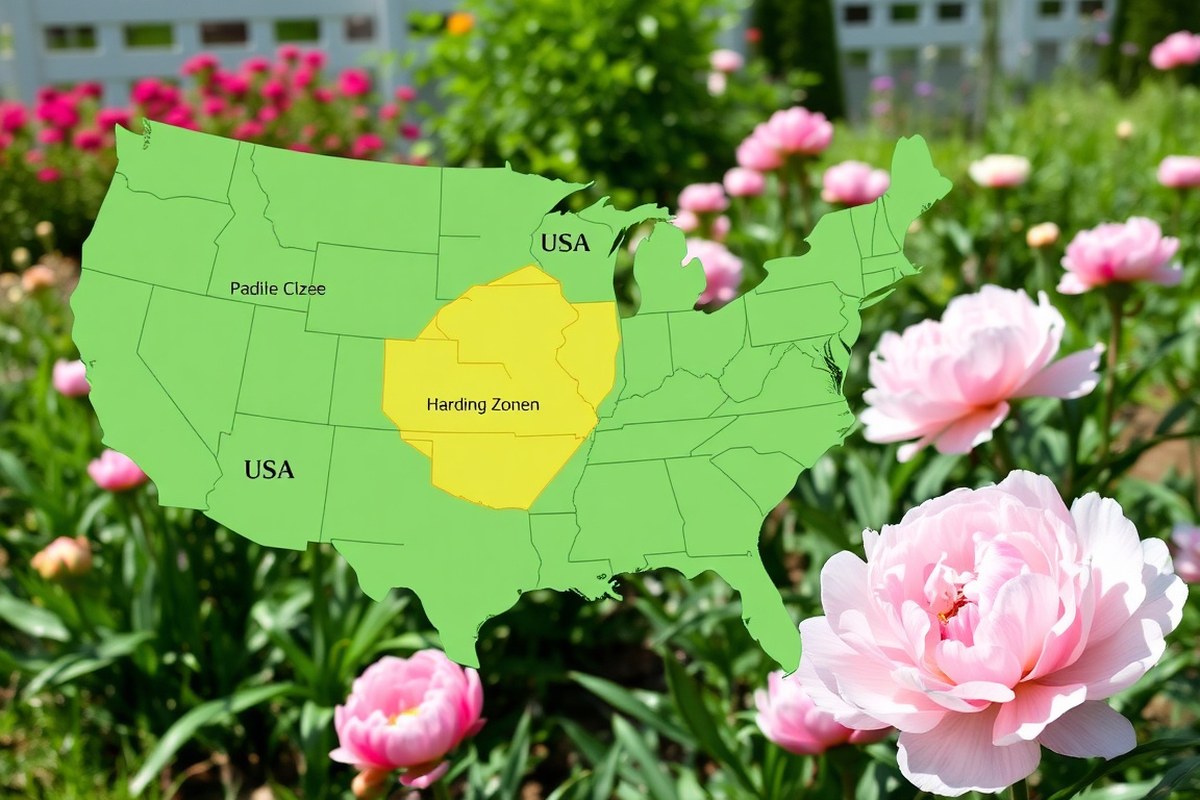
Peonies grow best in USDA hardiness zones 3 through 8. They need cold winters to bloom well. Specifically, peonies require at least six weeks of temperatures below 40 degrees Fahrenheit.
Colder zones give them the chilling time they need. Peonies won’t bloom properly if winters stay too warm. Winter cold in your area helps peonies wake from dormancy.
This cold triggers them to bloom in spring. They need this chill to grow flowers.
| USDA Zone | Winter Cold Requirement | Peony Bloom Success |
|---|---|---|
| 2 – 3 | At least 30 consecutive days below freezing | Very good, but plants may be shorter |
| 4 – 6 | Six weeks below 40°F | Best bloom and growth |
| 7 – 8 | Mild winters, some chilling hours | Good bloom if planted well |
| 9 | Insufficient chilling time | Possible to grow, but bloom less reliably |
Peonies generally don’t do well where winters don’t get cold enough. In Zone 9 and warmer, their chilling needs are not met. You can still try growing special peony varieties designed for shorter chilling hours.
Choosing peonies with lower cold requirements helps in warmer gardens. Tree peonies bloom earlier and grow taller. They do well in Zone 7b gardens.
They also tolerate some shade. They handle less chilling more comfortably.
To decide if your garden’s climate can grow peonies, check your USDA Zone. Confirm that winter weather has at least six weeks with temperatures under 40°F. This determines if peonies will break dormancy and bloom well each spring.
What Are Ideal Sunlight and Shade Conditions for Peonies?
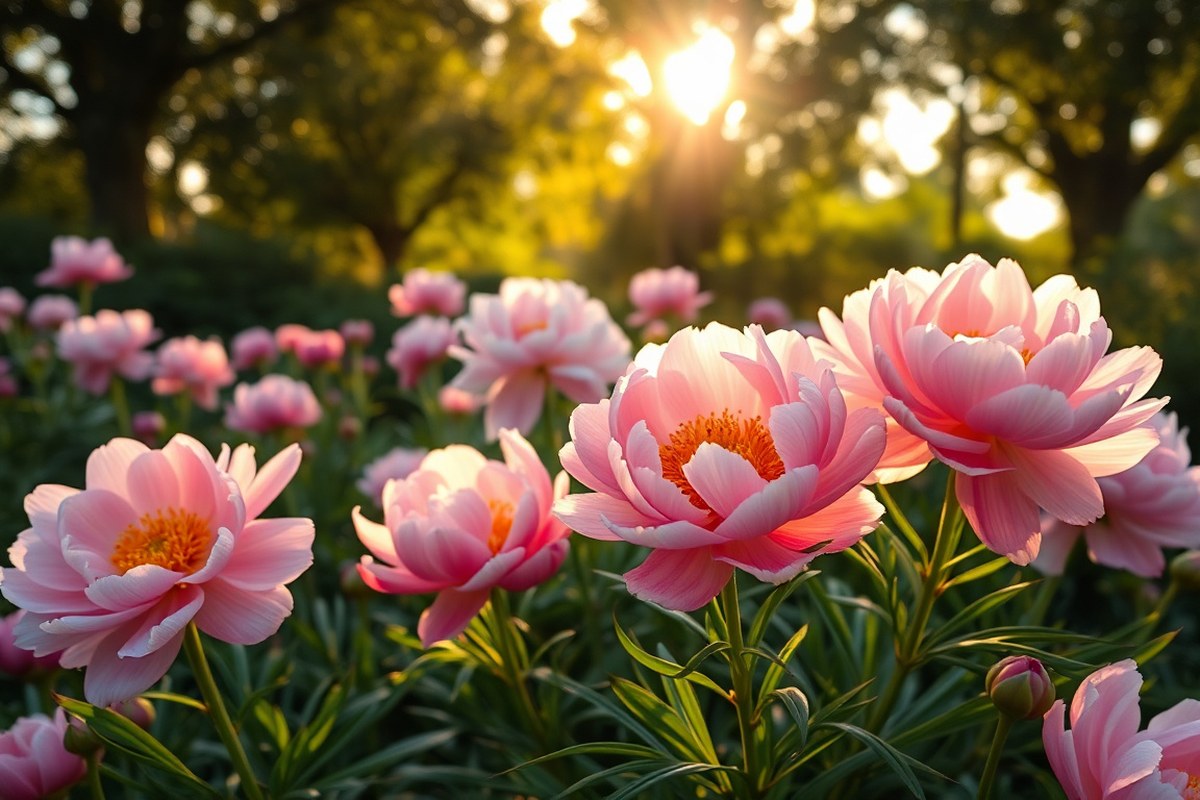
Peonies grow best with a minimum of six hours of direct sun daily. This bright light encourages big, colorful flowers and solid stems. Without enough sun, peonies usually have fewer blooms and weaker stems.
Tree peonies are a bit different from herbaceous types. They can handle dappled sunlight or an eastern exposure with morning sun and afternoon shade. These conditions still let tree peonies bloom well without the heat stress from strong afternoon sun.
In warmer areas, afternoon shade benefits all peony types by keeping blooms fresh longer. Too much hot, direct sun in the afternoon can fade flowers early.
You can add shade with a tree or garden structure during strong afternoon sun. This helps protect peonies from too much heat and light.
Peonies rarely thrive in heavy shade. Grow them only in spots that get enough light.
Planting peonies where they get under six hours of sun means fewer buds. Their stems may grow long and weak instead of sturdy.
Watch the sun’s path across your garden before planting peonies. Note where they get full sun and where they don’t. This helps you pick the best spot for healthy growth.
Choose spots where peonies receive morning and midday sun at minimum. Strong afternoon sun calls for shade cloth or planting near taller plants. These taller plants help block harsh light while still keeping the peonies lit enough.
Too much shade reduces peony blooms. Too much afternoon sun can wilt flowers early. So balance sunlight carefully for the best garden show.
How to Choose the Best Garden Location for Peonies
Choose a planting site that offers bright sunlight, good drainage, and plenty of room. Avoid crowded spots and heavy, waterlogged soils. Picking the right location helps peonies thrive without extra hassle.
Sunlight Exposure and Timing
Pick a sunny spot with at least six hours of direct sun daily. Full sun boosts strong stems and vibrant flowers. Too much shade makes peonies leggy and weak.
Morning sun is best to dry dew early. Avoid planting where tall trees or buildings cast afternoon shadows. This reduces mildew risk and keeps blooms healthy.
Soil Drainage and Composition
Peonies need soil that drains well and stays moist, not wet. Heavy clay or compacted soil holds water, causing root rot. Check drainage by digging a hole and filling it with water.
If water sits longer than an hour, improve drainage by mixing 1-2 wheelbarrows of compost per 3-foot square area. Adding sand or fine gravel also helps break up dense soil. Peonies prefer neutral to slightly acidic soil with pH around 6 to 7.
Air Circulation and Spacing Needs
Good airflow keeps peony foliage dry and disease-free. Leave 3 to 4 feet between plants to let air move freely. Crowding plants leads to fungal diseases and poor bloom production.
Avoid planting near dense shrubs or trees that block wind and trap moisture. Keeping space clear makes pruning and maintenance easier too.
- Plant peonies 3-4 feet apart to avoid crowding
- Choose open garden areas with steady air movement
- Avoid dense shrubbery or tree roots nearby
- Take care not to block airflow with large garden structures
- Thin out older tree peonies by removing inner suckers
Improving air flow reduces disease and helps flowers last longer. It also makes your garden feel less cramped.
Avoiding Problematic Sites
Never plant peonies in low spots where water pools after rain. Constant moisture invites root and crown rot. Avoid spots shaded all day by trees or buildings, which stunt growth.
Steer clear of areas with compacted soil or heavy foot traffic. Peonies dislike disturbed roots and poor soil structure. Also, don’t plant too near other woody plants that compete for nutrients.
What Soil Conditions Support Healthy Peony Growth?
Peonies grow best in well-drained soil that is at least 2 feet deep. The soil should not hold too much water or dry out quickly. Planting peonies in heavy clay or soggy soil can cause root rot and stunt growth.
Soil pH should be slightly acidic to neutral, around 6.0 to 7.0. You can test your garden soil using a simple kit from a garden center.
When the pH is too low or high, balance it first. Add lime to raise pH or sulfur to lower it before planting.
Plant young peonies with eyes 2 to 3 inches below soil. Keep the planting depth shallow but not exposed. This helps them grow well.
The “eyes” are the pink or white buds where new shoots grow. Planting too deep often results in lush leaves but little to no flowers.
Spacing is just as important as depth. Set each plant about 3 to 4 feet apart to allow air circulation.
Crowding peonies can cause fungal diseases and reduce blooming. Spread the roots evenly in the hole before covering with soil.
Adding organic matter like compost helps improve soil texture and drainage. Work a few inches into the top 6 to 12 inches of soil before planting. Avoid fresh manure, which can burn roots or encourage pests.
Choosing a spot with deep, loose soil makes planting easier and lets roots grow well. Your garden soil may be shallow or compacted.
Raise beds or loosen the soil deeply to help roots grow better. This gives peonies the best chance for healthy growth and vibrant blooms.
How to Plant Peonies: Spacing, Depth, and Timing
Plant peonies about 2 feet apart to give roots room to spread. Plant the root crown about 2 inches below the soil surface for best bloom results. The ideal planting time is early to mid-fall, usually between September and October.
Preparing the Planting Hole
Digging the right hole is important for healthy peonies. The hole should be wide and deep enough to let roots grow without crowding. This helps the plant settle in and start growing strong stems and flowers.
Here’s how to prepare the hole for bare root or potted peonies:
- Choose a site with good drainage and enough sunlight.
- Dig a hole at least 24 inches deep and wide for bare roots. Use a spade to loosen soil inside the hole before planting. The space should allow roots to spread comfortably.
- For potted peonies, dig a hole twice the pot’s width and as deep as the container.
- Break up the soil beneath the hole to improve root growth.
- Loosen soil around the hole edges to ease root spreading.
- Remove any weeds or debris from the planting area.
Always make sure the hole is large enough; tight roots stunt growth and blooming.
Proper Depth and Spacing Guidelines
Plant peony crowns just 1 to 2 inches below the soil surface. This depth keeps the buds near the surface, which encourages blooming. Planting too deep can reduce or prevent flowers.
Space plants about 2 to 3 feet apart to allow air circulation and root room. Proper spacing helps prevent diseases and gives your peonies room to grow tall and full. Crowded plants often have weak stems and fewer flowers.
Best Planting Times by Climate Zone
Plant peonies from early to mid-fall, usually September through October. This timing gives roots time to establish before winter. Fall planting suits USDA zones 3 to 8.
In these places, winters are cold enough for peonies to rest. This dormancy helps them grow well.
Near zone 9, fall planting can work if you pick cooler spots. Avoid full sun and hot areas to reduce heat stress. Plant in shaded or north-facing places for better results.
In colder zones, plant earlier in fall to let roots settle before ground freezes. Avoid spring planting, as it delays flowering and weakens plants.
Can Peonies Be Grown Successfully in Containers?
Peonies can grow well in containers if you pick the right size. Use a pot at least 18 inches wide for your peony. The pot should also be 18 inches deep.
This size gives roots plenty of room to grow. Smaller pots can stunt growth or cause the plant to dry out too fast.
Choose soil that drains well but still holds moisture. A mix of garden soil, compost, and coarse sand works nicely. Fill the container so roots have loose soil around them, not packed tight or soggy.
Place containers where peonies get about 6 hours of sunlight daily. Too much direct sun, especially over 8 hours, can burn the blooms and shorten their life. Moving pots during strong afternoon sun helps protect flowers and leaves from damage.
Water containers thoroughly but let the top inch dry before watering again. Unlike in-ground plants, container soil dries out faster, so check often. Adding mulch to the top of soil slows drying and keeps roots cooler in summer heat.
In colder areas, container peonies need protection from freezing. Move pots to a sheltered spot or indoors during winter. This keeps roots safe from deep freezes that can kill the plant in containers.
Plan on feeding your container peony with a balanced, slow-release fertilizer in spring and midsummer. Container soil loses nutrients faster than garden beds. Follow label instructions to avoid fertilizer burn or weak growth.
Differences in Location Needs Between Peony Types
Herbaceous, tree, and intersectional peonies differ in their needs for location, sunlight, and climate. Herbaceous peonies die back each winter. They grow best in sunny spots.
They need at least six hours of direct sunlight daily. Tree peonies grow larger and need room to spread. They can handle slightly less sun.
Intersectional peonies combine traits from both types. They need full sun to grow well. They show strong growth like tree peonies.
Choosing the right location means understanding how each type adapts to your garden’s conditions. Soil drainage and air flow matter too, especially for tree peonies, which dislike crowded, wet spots.
Herbaceous peonies tolerate various soils better but also prefer well-drained ground. Intersectional peonies thrive in sunny spots with rich, organic soil that drains well.
| Peony Type | Sunlight Need | Size & Space | Growth Habit | Climate Tolerance |
|---|---|---|---|---|
| Herbaceous | 6+ hours full sun | Medium, about 2-3 feet | Dies back to ground in winter | Cold hardy, prefers USDA Zones 3-8 |
| Tree | Partial to full sun | Large, up to 6 feet tall | Persistent woody stems year-round | Prefers milder climates, Zones 4-9 |
| Intersectional (Itoh) | Full sun, 6+ hours | Medium to large, 3-4 feet | Dies back like herbaceous but flowers large | Cool to moderate, Zones 4-8 |
Plant herbaceous peonies where they get full sun and at least 3 feet apart. This avoids shading from other plants and helps air flow. Tree peonies need more room.
So give them at least 5 to 6 feet of space. They grow tall and wide, so crowding limits their blooms and increases disease risk.
Intersectional peonies handle more sun and heat than herbaceous types. They fit well in spots with well-drained soil and good airflow. This hybrid type also blooms longer.
So they do well in garden beds that are not shaded by taller plants. Adjust spacing to about 4 feet apart to support strong, healthy growth.
Adapting Peony Planting for Warm or Borderline Climates
Peonies can grow in warmer climates with some adjustments. You need to choose the right varieties and manage heat with shade and soil care. Adapting your planting helps peonies thrive despite hotter or borderline conditions.
Selecting Low-Chill Peony Varieties
Choose peony types that require less chilling in winter. Herbaceous peonies usually need 600+ chilling hours.
But some intersectional hybrids handle warmer zones better. Look for varieties labeled “low-chill” or suited for USDA zones 7, 8.
These plants can bloom properly with milder winters. In warm areas, early-maturing varieties also avoid summer heat stress. Getting the right type makes a big difference in success.
Using Shade and Mulch Effectively
Provide afternoon shade to reduce heat damage when temperatures top 85°F. Use nearby trees or install shade cloth to protect peonies during hot afternoons. Too much sun can cause leaf burn and weak flowering.
Apply 3 to 4 inches of mulch around the base to keep soil moist and cool. Mulch also prevents weeds competing for water and nutrients. Refresh the mulch yearly, especially in dry seasons.
Avoid heavy shade that cuts sunlight under six hours daily. Peonies still need bright light.
Improving Soil and Drainage in Marginal Areas
Plant peonies in raised beds or containers for better drainage in wet or compacted soil. Add sand or organic matter to loosen heavy clay soils. Good drainage prevents root rot, a common problem in warm, humid climates.
Test soil pH before planting and add lime if it’s acidic. Peonies prefer neutral to slightly alkaline soil with pH 6.5 to 7.5. Correct pH controls nutrient uptake and helps plants grow strong with more blooms.
Step-by-Step Action Plan for Growing Peonies
Follow these steps to set up your peonies for success in your garden or containers. Each step will show you how to check if you’re on the right track.
- Before planting: Choose a spot in USDA zones 3 to 8. Make sure the soil drains well. Pick a place that gets full sun all day. Check the soil drains well by digging and filling with water. It should soak in within four hours.
- Planting time: Plant peony roots in early fall about 2 inches deep with 3 feet spacing. Roots planted at the right depth won’t sprout too early or rot.
- First week: Water the newly planted roots deeply once and avoid overwatering. The soil should stay moist but not soggy.
- First month: Add mulch around your peonies to keep soil temperature steady. Check plants often for signs of fungal disease. Remove any affected parts right away.
- Spring growth: Remove mulch when shoots appear and add a low-nitrogen fertilizer. Healthy green shoots mean your peony is ready to grow.
- Year-round care: In warm zones or borderline climates, provide afternoon shade to prevent heat stress. Leaves should look fresh without browning edges.
- For containers: Pick a large pot with drainage holes. Fill it with quality potting mix. Repot your peony every 2 to 3 years. The plant should fill the container without roots circling.
Frequently Asked Questions
Can You Grow Peonies Indoors Year-Round?
Peonies generally need outdoor conditions with cold winters to bloom well. Indoor environments rarely provide the needed chill for their growth cycle.
Is It Okay to Plant Peonies Near Trees?
Avoid planting peonies too close to trees as roots compete for nutrients. Give peonies 3 to 4 feet of space for healthy growth and airflow.
Can Peonies Thrive Near a Fence or Wall?
Yes, planting peonies near a south-facing fence or wall can help retain warmth. This boosts bloom and protects them from wind.
Do Peonies Tolerate Wet or Soggy Soil?
Peonies dislike soggy soil and can develop root rot in those conditions. Use well-draining soil for healthy roots and better blooms.
Can Peonies Grow in Shady Woodland Gardens?
Peonies need at least 6 hours of sun, so deep shade limits growth. Light shade in the afternoon may work, but full shade stunts flowers.
Is It Better to Grow Peonies on a Slope or Flat Ground?
Flat ground or gentle slopes work best for peonies to avoid water pooling. Good drainage helps prevent root problems and keeps plants healthy.
Before You Go
Peonies do best where soil drains well, sunlight is ample, and spacing allows for air flow. Plant with care early in the season and watch for healthy new shoots. Take one step today by choosing the perfect spot to plant your peony roots.