Does a Worm Have a Mouth? A Complete Guide to Worm Mouth Anatomy and Eating
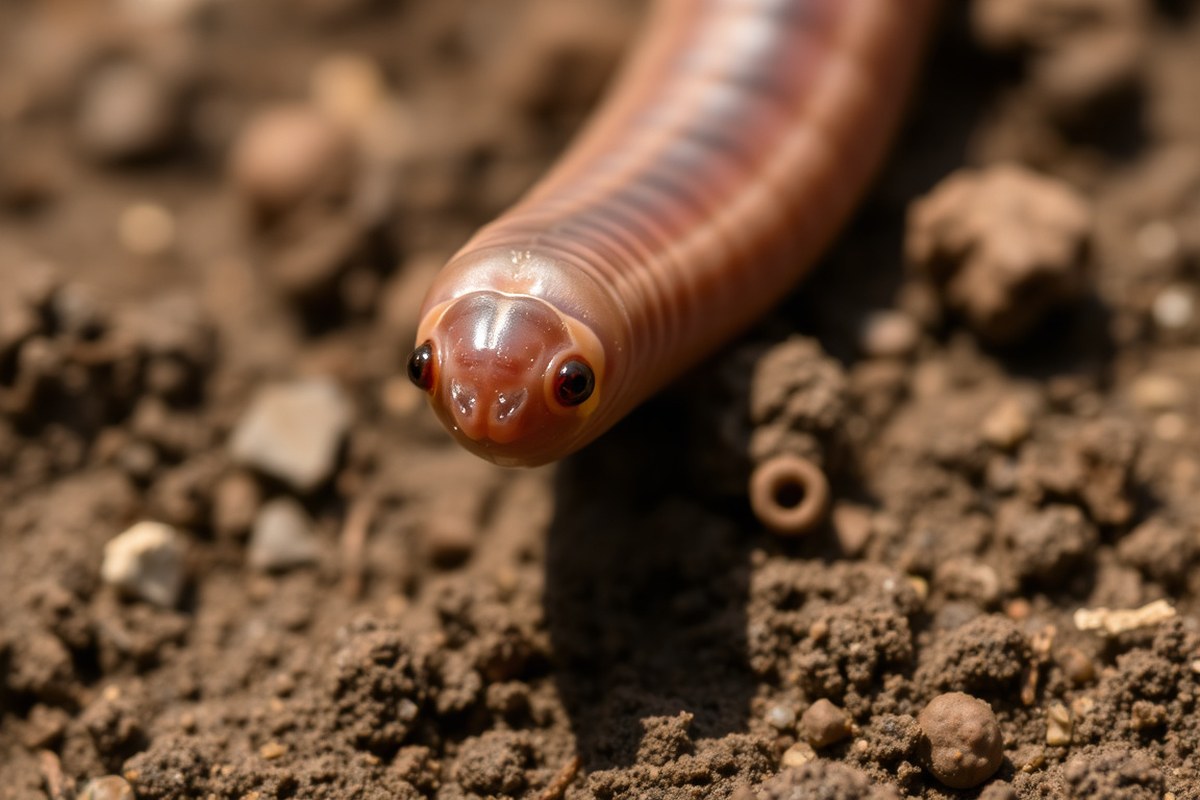
Does a worm have a mouth? Yes, worms do have mouths, but they are quite different from human mouths.
A worm’s mouth is a simple opening located at the front of its body. It lacks teeth, lips, and tongues like other animals have.
Worms pull soil and organic matter into their mouths. They digest this material for nutrients. This is how they get food.
Because they don’t have teeth, they rely on muscular action to swallow food. A small skin flap called the prostomium covers the mouth.
This flap helps protect the mouth. It acts as a barrier.
You don’t need to worry about worm bites since their mouths are not designed to harm. Their main job is breaking down organic matter to help compost soil. Knowing this helps if you are interested in vermiculture or worm composting.
Key Takeaways
- A worm’s mouth is a simple opening without teeth or a tongue.
- The prostomium is a flap that covers and protects the worm’s mouth.
- Worms swallow food by sucking soil and decaying matter into their mouth.
- They use a muscular pharynx to move food down their digestive tract.
- Worm mouths vary across species but never include biting teeth.
- Worms cannot bite or harm humans through their mouthparts.
Does a Worm Have a Mouth? The Simple Truth
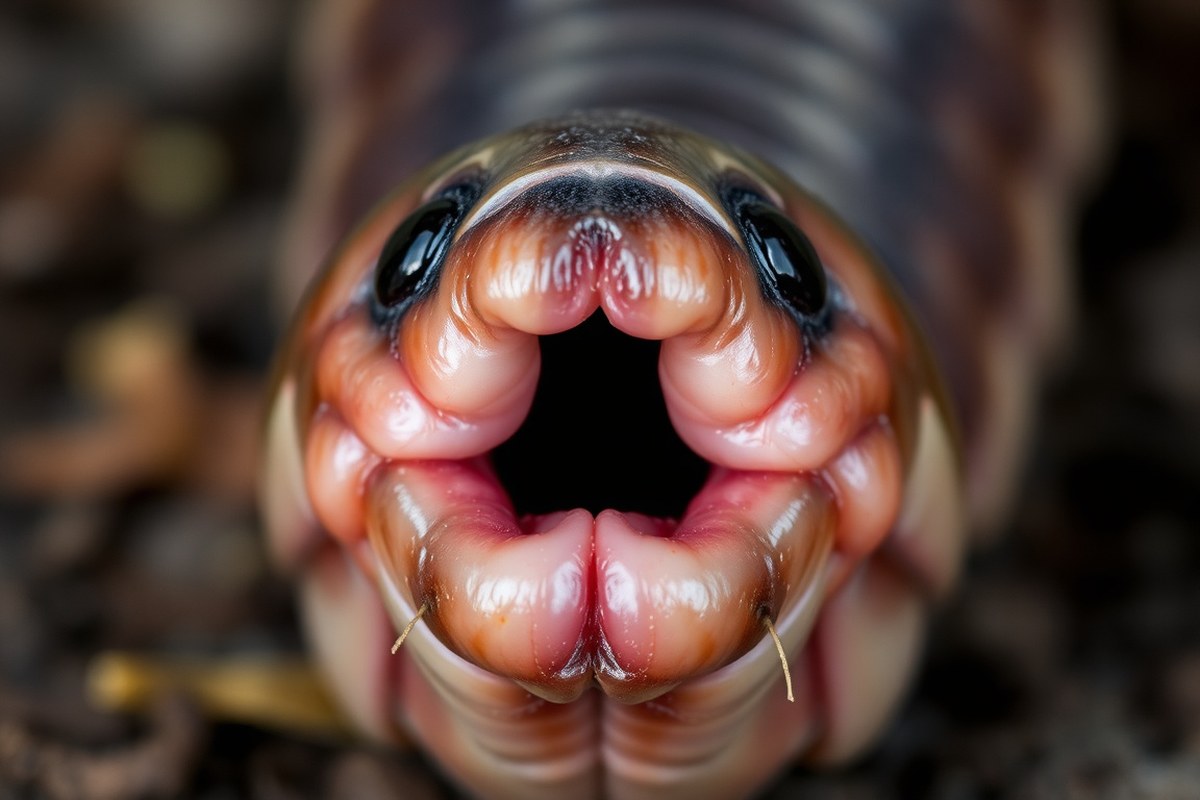
Worms do have a mouth, but it’s different from what you might expect. Their mouth is a simple opening at the worm’s front end. It sits right at the tip of the head.
There is a small fleshy lobe called the prostomium near the mouth. It helps guide food inside.
The worm’s mouth doesn’t have teeth or a tongue like many animals do. Instead, it’s just an opening surrounded by soft tissue, making it look quite plain. The prostomium works like a little lip.
It pushes soil and food into the mouth. This helps the worm eat well.
Worm species differ slightly in their mouth parts, but most have this basic structure. Under the mouth is a muscular pharynx.
It pulls food inward using suction. This setup works well for worms as they feed on soil and decomposing plants.
What Does a Worm’s Mouth Look Like? Key Anatomy Features
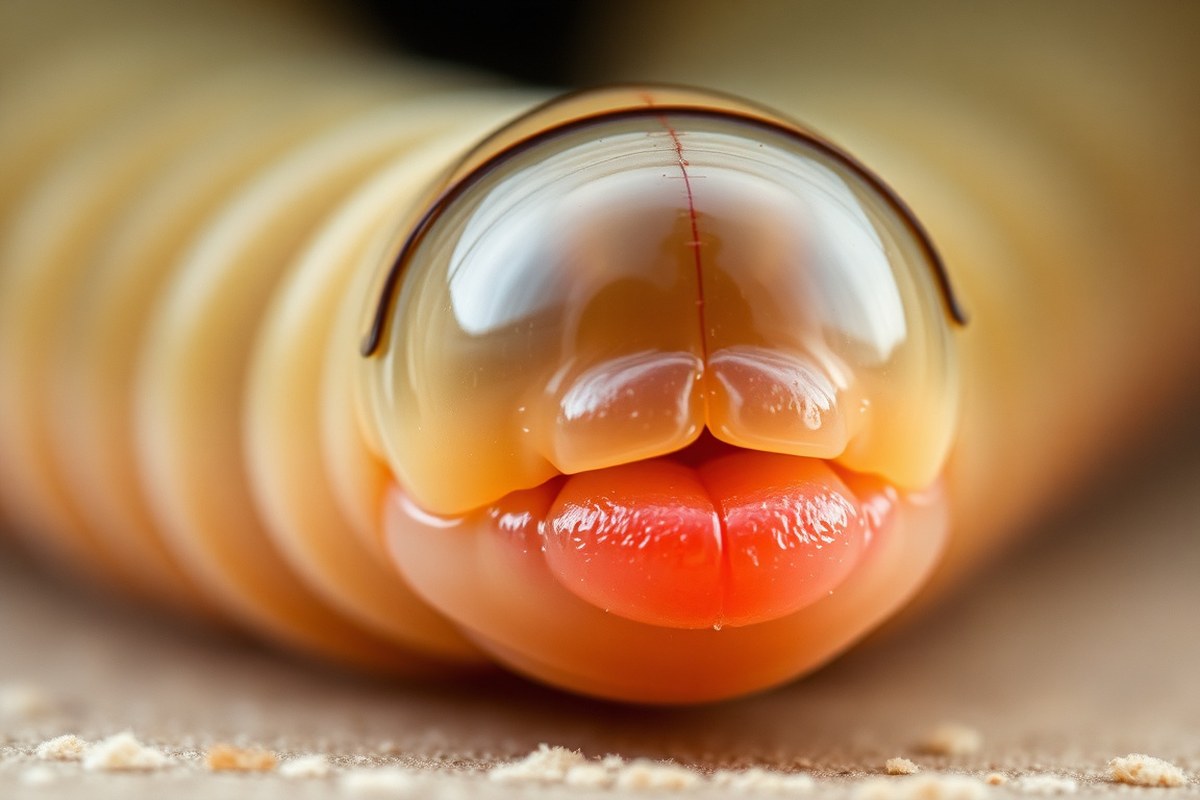
Look closely at the tip of a worm’s head to find the mouth. It sits just below a small flap called the prostomium. This flap covers the mouth and protects it from dirt as the worm moves through soil.
The prostomium acts like a flexible upper lip. It helps the worm sense its surroundings and guides food into the mouth. This soft flap prevents harmful particles from entering the digestive tract.
Surrounding the mouth is a ring-like section called the peristomium. It forms the worm’s first body segment and holds the muscles that control the mouth’s movement. The peristomium works alongside the prostomium to help the worm eat efficiently.
Even though both ends look alike, the worm’s head is different. The side near the clitellum has the prostomium and peristomium. This side is the worm’s mouth end.
The mouth is small and not always easy to spot at first. You’ll notice the prostomium’s flap is a key sign.
Some worm species have different mouth shapes adapted to their diet. For example, nematodes’ mouths appear farther down their bodies and vary in structure. Earthworms keep things simple with one mouth on the first segment below the prostomium.
Handle worms gently to avoid damaging the delicate prostomium, which protects their mouth.
How Worms Eat Without Teeth: The Role of Muscular Pharynx
Worms pull food into their mouths without teeth by using a muscular pharynx. This tube-like structure creates suction and pushes food into their digestive system. It lets worms swallow soft, decaying organic material along with soil.
Muscular Action of the Pharynx
The pharynx is a thick muscular tube just behind the worm’s mouth. Its muscles contract in waves, helping to draw food in and push it down the gut. These contractions help worms move decayed plant matter smoothly.
They also move soil into the digestive tract. This process aids in their digestion.
This muscle action does the work that teeth or jaws do in other animals. Instead of chewing, worms rely on the pharynx to pump food along. Some worms have tiny hair-like structures on the pharynx.
These help grip food as the worm swallows. This aids their eating process.
How Suction Helps Move Food
The pharynx and mouth work like a vacuum to suck in soft food from the soil. Worms can pull decayed leaves, bacteria, and fungi right into their mouth without biting. Even food just outside the mouth opening gets pulled in by this suction effect.
This sucking power lets worms eat small particles that they can’t tear apart. The pharynx creates negative pressure, drawing in liquid and loose bits of organic matter easy. This method helps worms filter nutrients from the soil and waste quickly.
Swallowing Soil and Organic Matter
Worms eat decaying plants and soil together, swallowing both with the help of the pharynx. They sense where food is by smell and taste in the soil. Then their mouth and pharynx pull in a mix of organic material and tiny soil particles.
Soil and grit aid digestion by grinding food inside the worm’s gut. The pharynx pumps this mix efficiently, allowing worms to digest both organic matter and microorganisms. This system supports their role as decomposers that clean and enrich the soil.
Types of Mouth Parts Across Different Worm Species
Worm mouthparts vary a lot across species. Some worms have simple mouths, while others have teeth or special tools. Parasitic worms often have unique structures for feeding on hosts.
Earthworms: Simple Openings and Pharynx
Earthworms have a plain, round mouth without teeth. Their mouth leads to a muscular pharynx that helps suck in soil and organic matter. This setup works well for their diet of decomposing material.
The mouth is on the worm’s front end, surrounded by a thin lip called the prostomium. It pushes food inside with muscular action rather than biting or chewing.
Roundworms: Stylets or Teeth in Some Species
Roundworms show more mouthpart variety. Carnivorous nematodes often have sharp teeth inside their mouths. Others use a stylet, a needle-like structure, to pierce prey or host tissue.
The stylet helps many parasitic roundworms suck fluids from plants or animals. Some roundworms bite by using their teeth, making them able to inflict minor bites.
Leeches: Suckers and Mouthparts for Biting
Leeches have strong mouthparts hidden in their suckers. Some species can bite humans with jaws that have tiny teeth. These teeth help them latch on and cut skin to feed on blood.
They also secrete anticoagulants to keep blood flowing while they feed. Leeches’ biting is more complex than many other worms’ mouth actions.
Flatworms: No True Mouth, Absorb Nutrients
Flatworms lack a true mouth opening like earthworms or leeches. Instead, many absorb nutrients through their skin directly or chew with a simple opening. Their mouthparts are minimal or absent.
Tapeworms have a scolex with hooks or suckers but no mouth for chewing. They absorb all nutrients across their body surface instead of biting or chewing food. The table below outlines the main mouthpart features of these worm groups:
| Worm Type | Mouth Structure | Teeth or Special Parts | Feeding Method |
|---|---|---|---|
| Earthworms | Simple round mouth with muscular pharynx | No teeth | Suck and swallow soil organic matter |
| Roundworms (Nematodes) | Mouth with teeth or stylet in some species | Teeth or stylet to bite or pierce | Predatory or parasitic feeding |
| Leeches | Suckers with jawed mouthparts | Tiny teeth in jaws | Blood feeding by biting |
| Flatworms | No true mouth, scolex with hooks/suckers in tapeworms | No teeth; hooks or suckers for attachment | Absorbing nutrients or simple ingestion |
This diversity shows how worm mouths adapt to different diets and lifestyles. Parasites use teeth or stylets to access hosts, while scavengers have simpler mouths.
Can Worms Bite or Harm Humans? Mouth Safety Facts
Worms cannot bite people because they lack teeth or sharp mouthparts. Their mouths are designed for pulling in soil and organic matter, not for biting. This means you don’t need to worry about worms causing any harm when you handle them.
Some worms have strong, muscular mouths that help them suck and pull in their food. However, these mouthparts are harmless to humans and not capable of cutting skin. Even the tapeworm has unique mouth features.
It does not bite. Instead, it attaches inside the host’s intestines painlessly.
Some worms, like bloodworms, have jaws that look scary. They mostly use them to catch smaller underwater animals.
They rarely bite humans and only do so if provoked. These bites can cause minor irritation but aren’t dangerous or venomous.
Handling worms gently is enough to stay safe. Avoid squeezing them too hard because this can injure the worm, not you. Most worms only react to touch by wriggling away or contracting their bodies, not by biting.
Wear gloves if you want extra protection. But worm bites are generally not a concern during worm farming or gardening.
How Worms Sense Food Without a Tongue or Teeth
Worms do not have a tongue or taste buds like humans. Instead, they rely on sensory cells inside the mouth and on the surrounding skin. These cells help worms detect chemicals and vibrations in their environment.
The flap of skin near the worm’s mouth has many nerve cells and sensory receptors. These receptors allow the worm to pick up scents and tastes from the soil. This sensing lets worms find food sources without needing a tongue.
Worms’ skin also plays a role in how they sense food. The skin is sensitive to chemicals, helping worms taste and smell their surroundings. This sensitivity is important because worms breathe and feel through their skin too.
Near the mouth, the skin’s bumps contain sensory cells that function like taste buds. These cells can tell the worm if the food is sweet, salty, sour, or bitter. Detecting these flavors helps worms avoid harmful substances and pick nutritious soil.
Worms feel vibrations and other stimuli using nerves in the skin near their mouth. These signals guide the worm toward potential food. The muscular pharynx has no teeth or tongue.
It pulls food in. This action happens because sensory cells send signals.
Different worm species have variations in their sensory cells. But most use their skin and mouth flap similarly.
This method suits their underground habitats, where smells and vibrations are key clues. It allows worms to find organic matter to eat efficiently.
How Worm Mouth Anatomy Affects Their Diet and Feeding Habits
A worm’s mouth shape affects what it can eat. It also changes how it works with soil. The mouth structure helps worms handle different food types effectively.
Worms have soft mouths that can suck in only soft materials. They don’t chew but pull soil, decaying leaves, and plant matter inside for digestion.
This ability to swallow soft materials helps worms break down organic matter in soil. As they feed, worms mix soil layers and distribute microbial life. This mixing supports healthy soil by improving aeration and water flow.
Worms also loosen compacted soil using their mouth and body movement. Their mouth helps them penetrate harder soil sections carefully. This action lets them reach more food and improves soil structure by creating tiny tunnels.
By eating and digesting, worms create castings rich in nutrients. These castings bind soil particles into stable clumps, preventing compaction. Healthy casting production depends on providing worms with enough soft, decomposed material to eat regularly.
Different worm species have slight variations in mouth parts that influence diet. For example, plant-eating worms use a stylet to pierce plant surfaces.
Others prefer softer decayed matter. These differences show how mouth anatomy matches their role in ecosystems.
Gardeners with worm bins should feed soft items. Things like fruit scraps or shredded paper work well. These foods help worms digest better and stay active.
Avoid hard, dry food that worms cannot swallow easily. Regular feeding with the right soft matter encourages good soil development through worm activity.
How Worms Regenerate Mouth Parts and Survive Injuries
Worms can regenerate some parts of their bodies. But damage near the mouth is tricky. They can regrow segments behind the mouth.
But the mouth itself usually does not fully regenerate. How well they survive depends on how serious the injury is and where it happens.
Regeneration Process Overview
Worms regenerate by growing new cells at the injury site, starting from the cut edge. This process can take several weeks, depending on the worm’s size and environment. It involves first closing the wound, then slowly rebuilding tissue segment by segment.
Most species can regrow lost segments behind the mouth. This only happens if the injury is near the tail. They cannot replace parts closer to the head.
The growth starts with simple tissue, then becomes new muscle and skin over time. Good moisture levels and food supply speed the process.
Limitations of Regeneration Near the Mouth
The mouth area is complex and does not regenerate well. The mouth has a muscular part called the pharynx. Worms use it to eat.
This part cannot rebuild easily. When the mouth gets badly damaged, the worm can’t feed properly. It loses its ability to eat.
Worms cut just in front of or including their mouth rarely survive because they cannot eat. They can survive small wounds that don’t disrupt this part too much.
But full replacement of mouth parts is not something they do. This limits their chances after serious mouth injuries.
Survival Outcomes After Injury
Worms with minor mouth area wounds can heal and survive but might eat less during recovery. Worms missing the mouth or pharynx usually starve within days or weeks. The exact outcome varies by injury size and how quickly they can regenerate other tissues.
Injured worms should stay moist and in a calm environment for better healing. When the mouth is whole, worms can eat again in one or two weeks.
It takes some time to recover. Severe wounds near the front, especially around the mouth, often prove fatal over time.
Always keep wounded worms in moist bedding to avoid drying out during regeneration.
Quick-Start Action Plan to Explore Worm Mouths and Feeding
Try these steps to observe and understand how worm mouths work. This hands-on plan helps you see their feeding habits clearly.
- Day 1: Find a small earthworm outdoors or from a garden center. Check if it has a small opening at the front, the mouth.
- Day 2: Place the worm on moist soil with tiny bits of leaves. Watch if it pulls material into its mouth using movement.
- Week 1: Observe the worm’s pharynx by gently touching behind its mouth. Notice the muscular pumping action during feeding.
- Week 2: Add different organic materials like fruit scraps or paper. Watch closely to find out what the worms prefer. Note which items they eat first or avoid. Note changes in mouth activity.
- Week 3: Look up clear microscope pictures of worm mouth parts. Compare these images with the worms you have. Try to spot differences between species.
- Week 4: Record any signs of mouth damage or injury. Observe how the worm reacts or recovers over days.
- After 5 weeks: Compare your findings with worm species known for varied mouth structures. Reflect on how mouth anatomy affects diet.
- After 6 weeks: Show your notes to a local biology club or online group. Ask for feedback and new ideas. This helps you learn more about worms.
Frequently Asked Questions
Does a Worm Have a Mouth?
Yes, worms have a mouth located at the tip of their head. This mouth looks different from typical animal mouths because worms lack tongues and teeth.
What Do Worms’ Mouths Look Like?
Worm mouths are simple openings covered partially by a flap called the prostomium. This flap protects the mouth as the worm pushes through soil.
Do Worms Have Eyes, Yes or No?
No, worms don’t have eyes. Instead, they sense light and dark with light-sensitive cells in their skin.
How Many Years Does a Worm Live?
Most earthworms live about 4 to 8 years. Their lifespan depends on species and environmental conditions like soil quality and moisture.
Do Worms Have a Heart?
Worms don’t have a heart like we do. They have blood vessels that pump blood through their body, acting like a simple heart system.
Have You Ever Seen a Worm’s Mouth?
Worm mouths are hard to see because they blend into their skin and soil. Look closely at the worm’s head tip to spot its mouth opening.
Wrapping Up
Worms do have mouths, but their feeding systems are simple and soft. Watching them closely shows how their mouths work without teeth. Now, try examining a worm in your garden to see this in action yourself.