How Much to Water a Snake Plant: A Complete Guide with Proven Tips
Knowing how much to water a snake plant is key to its health. Only water when the soil is dry from top to bottom. Use enough to soak the whole root area.
Check soil dryness before watering again. Overwatering often causes root rot, so less water is better than too much.
Start by checking the top 2 to 3 inches of soil. Feel the soil for dryness to decide when to water. Give enough water to wet all roots fully.
Water deeply to keep the plant healthy. Avoid watering again until the soil dries out completely to prevent soggy roots.
Snake plants like to dry out between waterings and do well with less humidity, around 40%. Watering depends on light, temperature, and season. So always test the soil before adding more water.
Key Takeaways
- Wait until the top 2-3 inches of soil feel dry before watering. Snake plants don’t need frequent watering like some other houseplants. This helps prevent root rot.
- Provide enough water to moisten soil fully, but do not saturate it.
- Check soil moisture every 7-10 days during growing seasons.
- In less light or cooler months, water every 3-6 weeks.
- Keep humidity low, around 40%, to match snake plant needs.
- Use room temperature water to avoid shocking the roots.
How Much Water Does a Snake Plant Need per Watering?
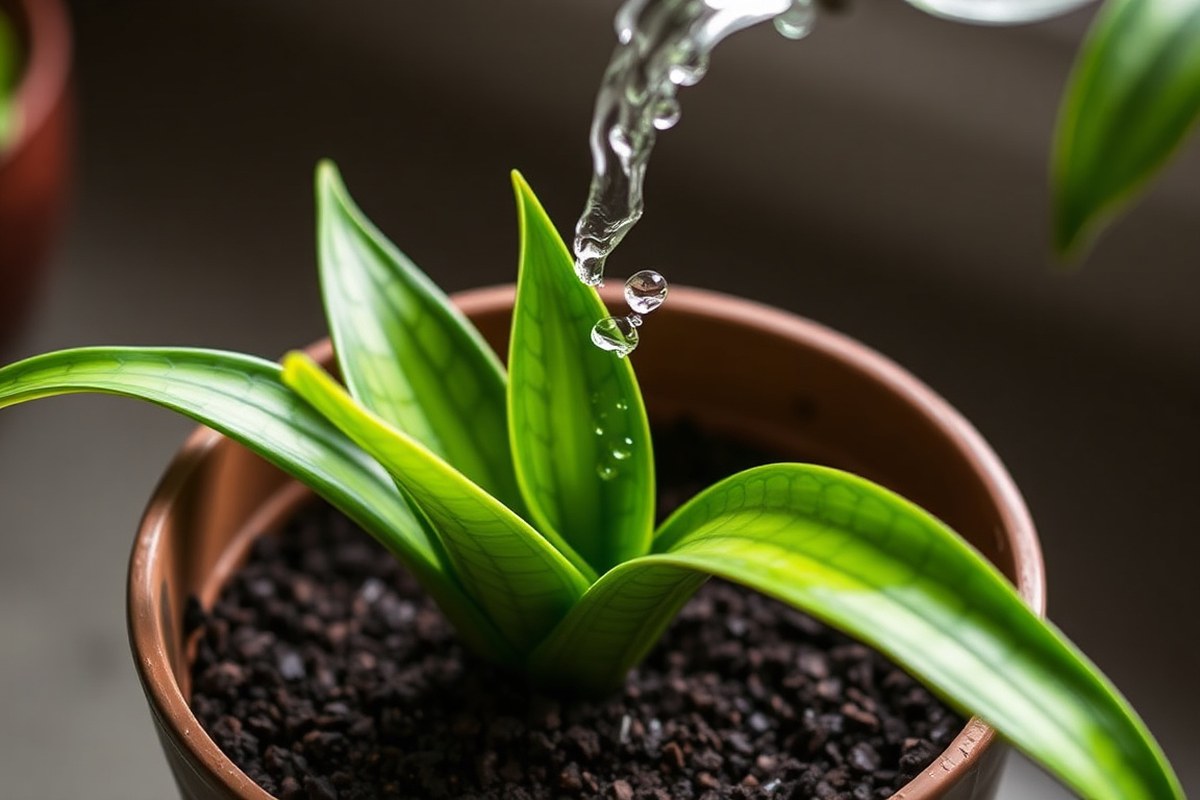
Give your snake plant just enough water to wet the soil thoroughly. A small to medium pot is 6 to 8 inches wide. It usually needs about ¼ to ½ cup of water.
This amount is enough for that pot size. Water until it begins to drain from the bottom of the pot to ensure deep watering.
Deep watering helps the roots drink fully but prevents water buildup that causes rot. The key is to avoid both too little and too much water. The soil should feel dry at least an inch below the surface before the next watering.
The roots start to decay when the soil stays soggy. Leaves will become mushy too. This harms your plant.
On the other hand, watering too little leads to wrinkled leaves and dry tips. Watch your plant’s size and pot size. A larger pot can hold and need more water, sometimes up to 1 cup.
In drier or hotter rooms, water slightly more. But always check the soil dryness first.
Water slowly to let it soak evenly. Never guess by schedule alone; always check soil moisture before adding water.
When and How Often Should You Water a Snake Plant?
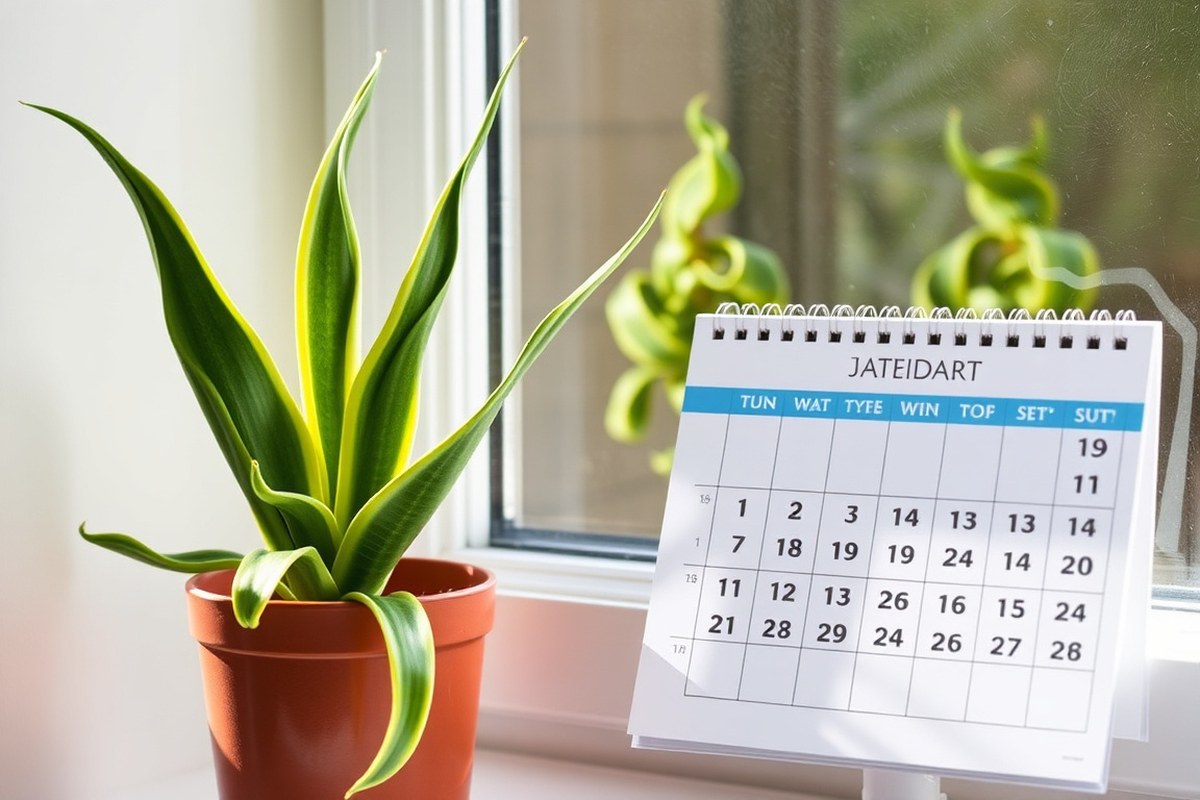
You should water a snake plant every 2 to 4 weeks in spring and summer. In winter, reduce watering to about every 6 to 8 weeks. Change watering times if your plant gets more light or heat.
These conditions make soil dry out quicker. Watch your plant and adjust watering as needed.
Watering Frequency in Growing Season
Spring and summer are the growing seasons for snake plants. Water your plant when the top 2 to 3 inches of soil feel dry.
This usually means watering every 2 to 3 weeks. But check soil moisture weekly in hot, bright spots.
More light and heat cause soil to dry quickly. This means you might water more often, around every 10 to 14 days. When your plant shows slow growth, stick closer to the longer interval.
- Check soil moisture every 7 to 14 days in spring and summer
- Water when the top 2 to 3 inches (5, 7.5 cm) of soil are dry
- Use less water in shaded or cooler spots
- Increase frequency slightly if temperatures are above 75°F (24°C)
- Reduce watering if your plant grows slowly
Take care not to water on a strict schedule. Using the soil dryness as a guide prevents overwatering and root rot. Snake plants thrive on a routine tuned to their environment.
Adjusting Watering in Winter and Dormancy
Snake plants enter dormancy in winter and need much less water. Water once every 6 to 8 weeks, letting soil dry out completely. Avoid watering if soil still feels moist deep down.
In dormancy, your snake plant uses water slowly. Overwatering now risks root rot. You can skip watering sessions if the pot feels heavy and soil is still damp.
Water less in winter to prevent soggy soil and root damage.
Reducing watering keeps your snake plant healthy through its dormant phase. Resume normal watering when you see new growth in spring.
Environmental Factors Affecting Watering Intervals
Where your snake plant sits indoors changes how often you water. Bright light and warm temperatures dry the soil quicker, needing more frequent moisture. Cool, low-light rooms slow drying and cut watering frequency.
Humidity also affects soil moisture. Dry air demands more water, but overwatering in humid rooms causes problems. Always check soil rather than guessing your watering schedule.
- Bright light = water every 10 to 14 days
- Low light or shade = water every 3 to 4 weeks
- Warmer temps speed up drying and increase watering
- Cool, shaded areas slow moisture loss, reducing watering needs
- Low humidity may require slightly more frequent watering
- Use well-draining soil to help prevent overwatering issues
Adjust your watering based on your room’s specific conditions. Watch how fast soil dries to pick the right interval for your snake plant.
How to Tell If Your Snake Plant Needs Water?
Check the soil’s moisture to know when your snake plant needs water. Only water when the top 2 or 3 inches of soil feels dry to the touch. Watch the leaves closely for clear signals that show your plant is thirsty.
Finger Test for Soil Moisture
Using your finger to test soil moisture is simple and effective. It helps avoid overwatering, which can cause root rot. Always check the soil instead of guessing based on a schedule.
Follow these steps to check soil moisture with your finger:
- Wash and dry your hands to avoid contaminating the soil.
- Insert your index finger 2 to 3 inches deep into the potting soil.
- Feel the soil for moisture; it should feel dry at this depth before watering.
- When the soil feels damp or cool, give it a few days before testing again.
- Only water if the soil is dry all the way down to your finger’s depth.
- Water the soil evenly around the plant, avoiding the leaves.
Chopstick or Skewer Method
Using a chopstick or wooden skewer is another easy way to test soil moisture. It can reach deeper than your finger, especially in larger pots. This method is useful if you want to avoid disturbing the soil too much.
Here’s how to do it:
- Insert a clean chopstick or skewer deep into the soil, near the plant stem.
- Leave it in for a few minutes to absorb moisture from the soil.
- Pull it out and check for dampness or soil sticking to it.
- When the soil is mostly dry, it’s time to water your plant. If it still holds moisture, wait a bit longer before watering.
- Repeat this test in different spots to confirm the overall soil dryness.
- Remember to water evenly if the soil tests dry across the pot.
Visual Leaf and Soil Indicators
Snake plants show clear leaf and soil signs when thirsty. Look for curled, wrinkled, or a little droopy leaves. These signs suggest the plant needs water soon but isn’t severely dry yet.
Also, check the soil surface. Dry, cracked, or pulling away from the pot’s edge means it’s time to water. Avoid watering leaves or letting water collect in the rosette center to prevent rot.
Top Watering vs Bottom Watering: Which Is Better?
Bottom watering means placing your snake plant’s pot in water. The plant draws water up into the soil through the drainage holes. This method prevents excess water on the leaves, lowering rot risk.
Top watering is when you pour water directly onto the soil surface. This saturates the root zone immediately and washes away excess salts. It also helps when the soil is very dry or compacted.
Bottom watering encourages stronger root growth because roots must reach down for water. It tends to attract fewer pests since leaves stay dry. However, not every pot suits bottom watering, especially if it lacks drainage holes.
| Aspect | Bottom Watering | Top Watering |
|---|---|---|
| Method | Soak the pot base in water | Pour water on soil surface |
| Root rot risk | Lower if pot drains well | Higher if soil is waterlogged |
| Pest attraction | Fewer pests on leaves | Wet leaves can attract pests |
| Best for | Regular watering, strong roots | Dry soil, flushing salts |
| Required pot type | Must have drainage holes | Works with or without drainage |
To bottom water well, fill a shallow tray with 1 to 2 inches of water. Place the pot into the tray and let it soak for 20 to 30 minutes.
Stop once the top soil feels moist. Avoid leaving the plant sitting too long, or roots can rot.
Use bottom watering when your snake plant is healthy and soil moisture is uneven. Top watering works better if the soil dries out completely or after repotting to settle soil. Never water a pot without drainage from the bottom, as water can pool and kill roots.
How Environmental and Seasonal Factors Affect Watering Needs
Bright, direct sunlight makes your snake plant lose water faster. The heat causes more evaporation through the leaves. This means you need to water it more often than plants kept in indirect light.
Lower humidity slows down how fast the soil dries. In a dry room, soil loses moisture quicker. So you may need to check the soil more often.
High humidity keeps the soil moist longer. So watering can be less frequent to avoid overwatering.
Temperature changes also affect watering needs. Snake plants use less water in winter when growth slows down.
The soil stays damp for up to three weeks. So watering once every three weeks is usually enough during colder months.
Always check soil dryness before watering, feel an inch below the surface to avoid overwatering.
Heavy, dense soil mixes hold water longer and need less frequent watering. Plants in well-draining soil dry out faster and need water sooner. Combine this with your home’s light and humidity for a watering schedule that fits your situation.
Keeping your snake plant in a pot with drainage holes helps prevent root rot. Without drainage, excess water can stay trapped and damage roots. Change your watering amount and schedule depending on your plant’s spot.
Choosing the Right Pot, Soil, and Water Type for Optimal Hydration
Pot size, soil type, and water quality affect watering your snake plant. These factors change how much and how often you water. Keep these in mind for healthy care.
Bigger pots hold more soil, so they need more water but less often. Drainage and good water quality stop root rot and stress.
Ideal Soil Composition for Drainage
Snake plants need soil that holds some moisture but drains fast. Too much water sitting in the soil causes root rot. Mixing your own soil can be better than store-bought mixes.
Here’s a simple soil mix you can make:
- 2 parts potting soil (high quality, fresh)
- 1 part coarse sand or perlite for drainage
- 1 part peat moss or coconut coir for moisture retention
This mix holds water without becoming soggy. You can water deeply and wait until the soil dries fully before watering again. Avoid heavy garden soil or clay mixes because they trap water.
Pot Types and Importance of Drainage Holes
A pot must have drainage holes to let extra water escape. Without holes, water accumulates at the bottom, causing root rot. Plastic, ceramic, or terracotta pots each affect soil moisture differently.
Terracotta pots are porous and dry out faster. Plastic pots keep soil moist longer. The size matters too: bigger pots hold more water and reduce how often you water.
A very large pot with a small plant can keep soil soggy too long. A root-bound snake plant needs more frequent watering.
This keeps its roots healthy. Check your pot size for root space.
Water Quality: Tap, Distilled, or Rainwater
Snake plants do better with rainwater or distilled water since they have fewer chemicals. Tap water often contains chlorine, fluoride, and salts, which can harm your plant over time. Leave tap water out for 24 hours so chlorine can evaporate before using it on your plant.
Your plant shows leaf tip burn or yellowing. Flush the soil with distilled or rainwater.
This can help clear out harmful salts or chemicals. Using the right water helps your snake plant absorb nutrients and grow well.
Common Watering Mistakes and How to Fix Them
Overwatering is the biggest mistake you can make with a snake plant. These plants hate sitting in soggy soil and can quickly develop root rot. Root rot often kills the plant, so acting fast is key.
You notice mushy, dark roots or yellow, limp leaves. This shows the plant likely has root rot.
To fix this, remove the plant from its pot immediately. Wash off the soil gently and cut away any rotten roots with sterilized scissors.
After trimming, repot the plant into fresh, dry, well-draining soil. Choose a pot with drainage holes to prevent water buildup. Water sparingly only after the soil has dried completely, usually after about two to three weeks.
Underwatering is less common but can make the leaves dry and wrinkled. Snake plants hold water in their leaves. So they can survive dry periods, but too little water slows growth.
When underwatered, soak the plant well. Then, let the top 2 inches of soil dry. Water again only after the soil dries.
- Water only when soil is dry to touch 2 inches deep
- Use pots with drainage holes to stop standing water
- Avoid water pooling in the saucer under the pot
- Trim damaged roots quickly if you see signs of rot
- Wait 2 to 3 weeks before watering after repotting
- Give underwatered plants a deep drink then dry out soil
- Keep temps between 60-85°F to avoid water stress
Use a moisture meter or simply check the weight of the pot to avoid overwatering. Heavier pots mean moist soil, lighter ones mean dry soil. Avoid guessing, as snake plants hate moisture mistakes.
When you fix these watering errors, expect new growth and firm, upright leaves. This simple care keeps your snake plant happy for years. Severe root rot may kill the plant.
It might not bounce back from this. So watch for early warning signs closely.
Watering After Repotting and Special Situations
After repotting a snake plant, wait about a week before watering. This pause lets root damage heal and prevents rot. When you do water, add a light amount, just enough to moisten the soil surface.
Propagated snake plants need even less water initially. Young cuttings or pups in 4-inch pots dry out faster. Water every two weeks during summer.
In winter, water every three weeks. Use a small amount to keep soil barely moist, never soggy.
Self-watering pots usually keep soil damp all the time. Snake plants like their soil dry between waterings. Avoid self-watering containers to prevent root rot caused by constant moisture.
Mature snake plants in 8, 12 inch pots have larger roots that hold water better. You need to water less often. Water every three weeks in summer.
Water every 5 to 6 weeks in winter. Water enough to wet the soil fully.
Let soil dry out before the next watering. Do not keep soil constantly wet.
You can leave tap water out for 24 hours before using it. This helps harmful chemicals break down and makes it safer for your plant. Pour water slowly when watering your plant.
Stop when water drains from pot holes. This helps soak the soil evenly.
Young plants require smaller water amounts than mature ones. A young plant in a 4-inch pot needs about a quarter cup. Water this amount every two weeks in summer.
Large plants in bigger pots need about 1 cup of water. This depends on pot size and how dry the soil is.
Never water a snake plant immediately after repotting. Wait a week to avoid root rot.
Step-by-Step Action Plan for Watering Your Snake Plant
Follow these steps to give your snake plant just the right amount of water. You’ll learn when to water and how to check for moisture.
- Before watering: Feel the top 2 inches of soil. Your plant needs water when the soil feels dry to touch.
- Watering day: Use about 1 cup of water for a 6-inch pot. Stop when water drains out the bottom.
- After watering: Let excess water drain completely. Make sure the pot is not sitting in water.
- Week 2: Check soil moisture again before watering. Let the soil dry out for a few more days before watering.
- Monthly: Adjust water if air is dry or hot. You may need water more often in summer.
- After repotting: Wait 1 week before watering. This lets roots recover and prevents root rot.
- Ongoing: Watch for wrinkled leaves or yellowing tips; these signal water problems.
Frequently Asked Questions
How Much Water Should I Give My Snake Plant at Once?
Give just enough water to moisten the entire soil. Water until it runs out the drainage holes, then stop to avoid overwatering.
Is It Okay to Water My Snake Plant Weekly?
Snake plants can easily get overwatered by watering every week. Let the top 2-3 inches of soil dry out before watering again. This helps avoid root rot and keeps roots healthy.
Can I Spray Water on the Leaves Instead of Watering Soil?
Spraying leaves isn’t enough for hydration. Watering the soil moistens roots directly, which is better for the plant’s health.
Does the Size of the Pot Affect Watering Frequency?
Yes, bigger pots hold more soil and stay moist longer. Water less often for larger pots compared to small ones.
Should I Water My Snake Plant More If It’s Inside a Humid Room?
Usually not. Higher humidity means soil dries slower. Wait longer between waterings in humid rooms.
How Can I Prevent Root Rot When Watering My Snake Plant?
Only water your snake plant once the soil feels fully dry. Ensure extra water can drain through the pot’s holes. Never leave your plant’s pot sitting in leftover water.
Wrapping Up
Water your snake plant only when the soil is dry. Give enough water to moisten the roots but not soak them.
Check soil moisture often and adjust watering to your home’s light and temperature. Start today by feeling your plant’s soil before adding water.