How to Deter Deer from Garden: 8 Effective Methods and Pro Tips
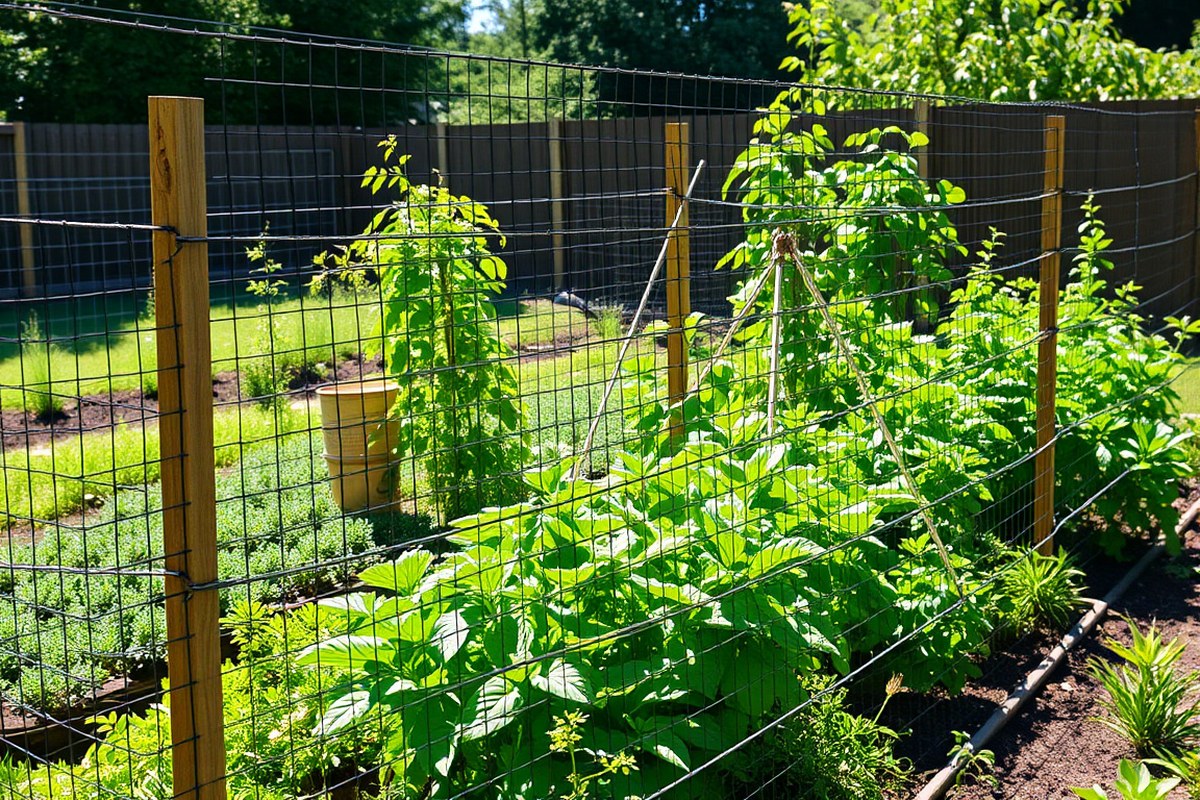
Wondering how to deter deer from garden areas? The best way starts with strong barriers and smart plant choices. A fence must be at least 8 feet tall.
It needs to reach the ground. Make sure there are no gaps.
Placing your garden farther from woods makes deer less likely to visit. Even moving it 50 feet away raises their risk when foraging, cutting down damage. You can also plant deer-resistant shrubs far from any open edges for extra help.
Using multiple methods together works best, especially fences combined with natural repellents or scare devices. First, check your garden spot for nearby deer paths to know where damage will likely happen. That way, you protect the most vulnerable spots first.
Key Takeaways
- Install 8-foot-high deer fencing that reaches ground level with no gaps.
- Place your garden at least 50 feet from wooded edges to reduce deer visits.
- Put deer-resistant plants at least 6 feet from any unfenced garden edges.
- Use wire mesh around raised beds secured 6 inches above ground.
- Consider stakes or objects 3 to 5 feet from fences to block deer landings.
- Combine fencing with repellents or motion-activated scare devices for better results.
1. Best Fencing Strategies to Keep Deer Out
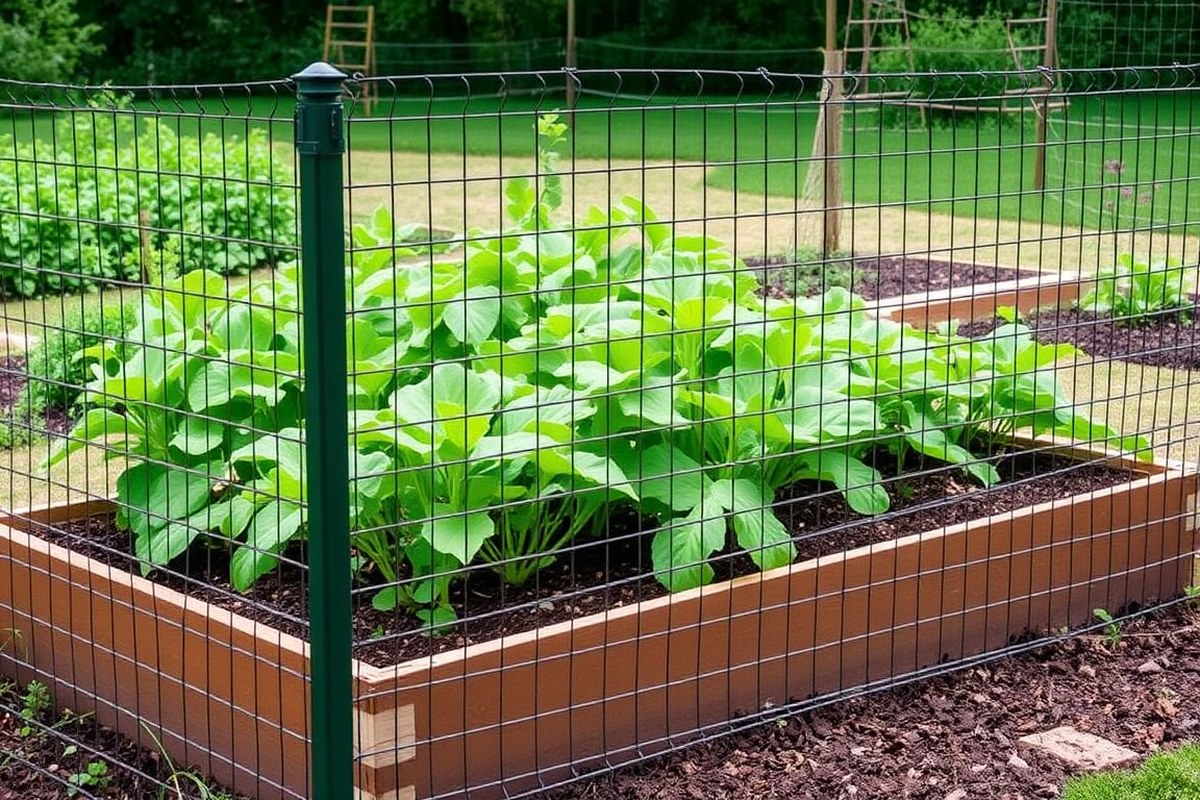
To keep deer out of your garden, aim for a fence at least 8 feet tall. Deer easily jump fences under 6 feet. So shorter barriers usually fail unless they are solid and opaque.
Solid fences about 6 feet high work well. Deer avoid jumping if they can’t see the landing clearly. They want to be sure the ground is safe before jumping.
Fence material also matters. Mesh fences with small openings prevent deer from squeezing through. But they need to be tall enough.
Solid panel fences block the deer’s view, adding a psychological barrier. Bury mesh at least six inches below the base.
Make sure fencing is tight to the ground. This stops deer from crawling underneath the fence.
Here’s a comparison of common fencing types and their advantages. Think about your garden size, deer pressure, and budget before deciding.
| Fence Type | Best Fit | Buyer Checklist | Tradeoff |
|---|---|---|---|
| Tall vertical deer fence (8 ft mesh) | Vegetable gardens, sustained deer pressure | Finished height, mesh visibility, UV rating, post spacing | Higher installation cost. Visual impact in landscape. |
| Solid panel fence (6 ft) | Small gardens where height is limited | Panel material, durability, opacity, gate seals | Usually more expensive. Needs maintenance to keep solid. |
| Double or angled fence (two 4 ft fences, 4 ft apart) | Sites with space limitations or uneven ground | Footprint, corner layout, gate continuity | Consumes more space. May still need upkeep. |
| Individual cages or tree guards | Young trees, single high-value plants | Diameter, material strength, ease of access | Not practical for large areas. Limited coverage. |
Place stakes or obstacles 3 to 5 feet from the fence. This blocks a clear landing space for deer. Without a clear landing, deer avoid jumping there.
Deer won’t jump if the landing zone looks risky. Also, leave a 2-foot lawn inside the fence; deer can’t reach plants that way.
Fencing large areas costs a lot, so consider that. For small gardens, an 8-foot mesh or 6-foot panel works well. Ensure gates close tightly and check fences often for gaps.
2. Using Plants to Naturally Deter Deer
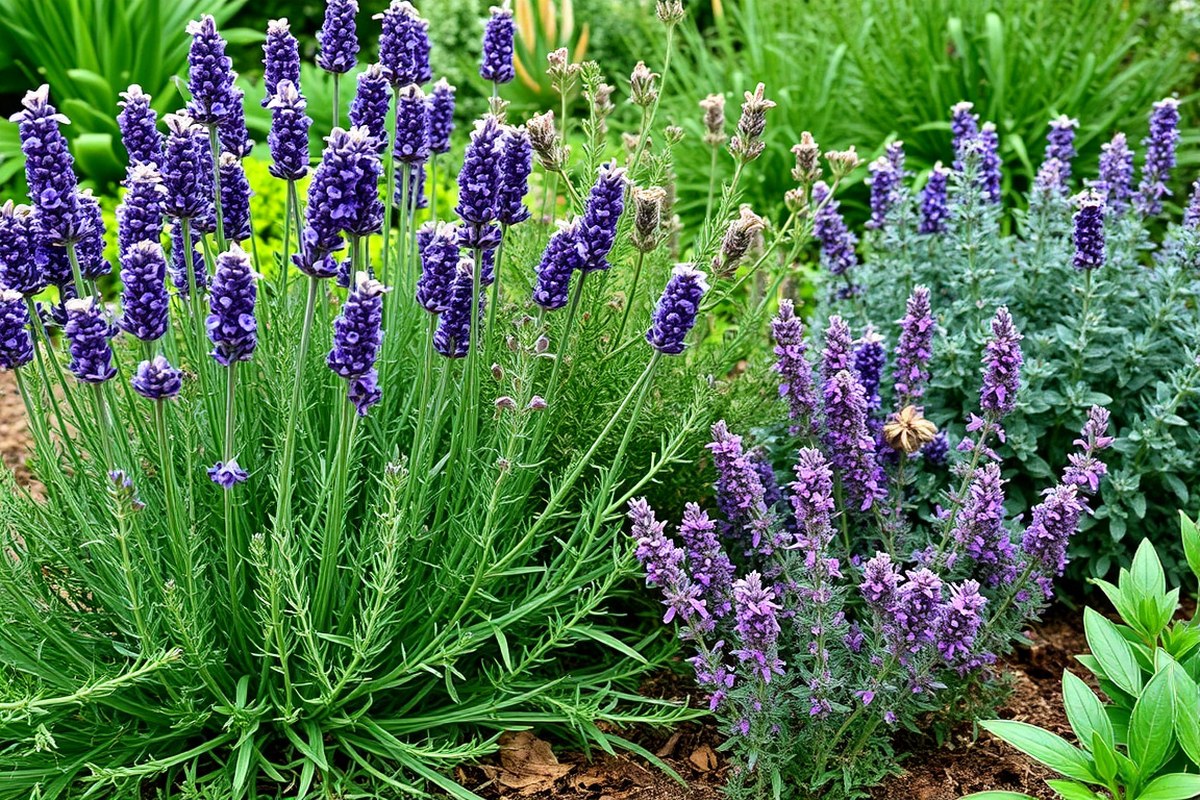
Using plants that deer dislike can help protect your garden naturally. Create borders with strongly scented or textured plants like lavender or ornamental grasses. These plants make deer less likely to enter your garden.
They stop deer from nibbling your vegetables or flowers. This helps protect your plants better.
Planting deer-resistant species around the edges keeps deer from reaching prized plants. Plant hostas or daylilies near your home or busy areas. These are favorite snacks for deer.
This can keep deer distracted from your garden. These spots are easier to watch or protect.
| Plant | Type | Deer Resistance | Notes |
|---|---|---|---|
| Lavender | Ornamental herb | Rarely damaged | Strong scent; perennial (USDA zones 5, 9) |
| Rosemary | Edible herb | Rarely damaged | Drought-tolerant; perennial (USDA zones 7+) |
| Sage | Edible herb | Rarely damaged | Aromatic foliage; perennial (USDA zones 4, 8) |
| Thyme | Edible herb | Rarely damaged | Groundcover; perennial (USDA zones 5, 9) |
| Mint | Edible herb | Rarely damaged | Aggressive; plant in containers |
| Oregano | Edible herb | Rarely damaged | Strong scent; perennial (USDA zones 5, 10) |
Place deer-resistant plants at least 3 to 6 feet from your garden edges. This spacing forms a buffer that discourages deer from reaching valuable plants. Use thick groupings or continuous rows as a visual and scent barrier.
Use sacrificial plants to attract deer away from your garden. Place them 15 to 20 feet or more from the main area. This distance helps protect your main plants.
Put favorite plants where you can easily see them. Add fencing or motion lights for extra protection. This keeps deer away from your garden.
Do not plant aggressive herbs like mint directly in garden beds. Use containers instead to prevent spreading.
Mix deer-resistant plants with your usual garden choices to confuse deer. This interplanting can reduce damage and preserve your prized vegetables and flowers. Keep an eye on changes and adjust the layout if needed.
3. How to Make and Use Effective Deer Repellents
DIY Egg and Milk Repellent Recipe and Instructions
You can make a simple egg-based spray that smells bad to deer. It tricks them into avoiding your plants by mimicking spoiled food.
Mix one egg, half a cup of milk, and dish soap. Add these to one gallon of water.
Stir well to blend everything together. Use a pump sprayer to cover your plants well.
Apply the spray every one to three weeks, especially after rain. Spray new plants early so deer don’t see them as food.
- Crack one egg into a large container.
- Add half a cup of milk and one tablespoon of dish soap.
- Pour in one gallon of water and stir thoroughly.
- Fill a sprayer with the mixture.
- Spray leaves and stems until wet but not dripping.
- Repeat every 7 to 21 days or after heavy rain.
- Store leftover mixture no longer than a week in the fridge.
Hot Pepper Spray: Ingredients and Usage Tips
Hot pepper sprays work by burning deer’s mouths and noses. These sprays keep them from coming close to your garden beds.
Mix two tablespoons of cayenne pepper or hot sauce into one gallon of water. Spray plants around the garden to create an invisible odor barrier.
Use the spray once a week, preferably when temperatures are between 40 and 80 degrees Fahrenheit. The smell fades fast, so regular reapplication is key.
Choosing and Rotating Commercial Deer Repellents
Some commercial repellents contain coyote urine or capsaicin, which deer find unpleasant. These products act as both taste and smell deterrents.
Change between commercial products and DIY sprays every one to three weeks. Use egg or hot pepper mixes as DIY options.
Switching helps keep deer from getting used to sprays. This prevents deer from getting used to any one scent or taste.
Apply repellents thoroughly to your most vulnerable plants. Follow label instructions on how often to reapply, usually after rain or every two weeks.
4. Motion-Activated and Scare Devices That Keep Deer Away
Motion-activated sprinklers, noise makers, and lights startle deer. They help stop deer from feeding in your garden. These tools work by scaring deer away quickly.
These devices work by reacting to movement with sudden water sprays, sounds, or flashes. Place the devices in good spots for best results.
Move them often so deer don’t get used to them. Changing positions keeps the scare tactics working.
Motion-Activated Sprinklers: Benefits and Setup
Sprinklers that trigger on motion spray water at deer as they enter your garden. The sudden spray scares them quickly without harming plants. They work best at night when deer usually feed.
Place sprinklers near fence gaps, garden edges close to woods, or paths deer use often. Place sprinklers 3 to 6 feet away from plants. This distance avoids soaking your vegetable plants too much.
It helps keep your garden dry and healthy. Most cost about $50 to $100 and run on a garden hose or battery.
Check sprinklers regularly to keep sensors clean and hoses free of leaks. Reposition sprinklers when plants grow thicker.
This keeps the water spray clear of the plants. Adjust often to protect your garden well.
Noise and Light Scare Devices Explained
Noise-makers and motion-sensor lights startle deer by making sudden sounds or bright flashes. Some devices use banging, alarms, or flashing lights to frighten deer away. These work best close to the garden and in low light conditions.
You can also attach motion sensors to floodlights or noisemakers for extra effect. It’s good to combine sound and light to increase deer’s discomfort. These devices often cost between $30 and $80 and require batteries or electricity.
Keep these devices functional by testing them weekly. Watch for dead batteries or bulbs and replace them promptly to avoid gaps in protection.
Best Practices to Prevent Deer Habituation
Deer learn when scare devices don’t harm them and may ignore the alerts over time. Moving scare devices every few days stops deer from getting used to one spot. Change the type of device occasionally to keep deer uncertain.
Another trick is to use more than one device type at the same time. For example, combine sprinklers with sound or flashing lights. This mix of surprises helps keep deer guessing and away.
- Place devices at deer entry points and common paths
- Move devices every 3 to 5 days around your garden
- Use a combination of sprinklers, lights, and noise makers
- Test devices weekly for proper function
- Replace batteries and bulbs as needed
- Try different device styles through the season
- Keep devices out of direct sunlight and protected from weather
Cleaning devices and checking batteries regularly keeps them ready to scare deer effectively. Avoid setting devices too close to gardens, or they might spray or scare you instead. A little effort keeping up devices can save your plants from damage.
5. Combining Methods by Garden Size and Season
Choosing how to combine deer deterrent methods depends on garden size, season, and budget. Small gardens allow tighter control with a few strong barriers. Larger gardens need more layers because deer find ways around simple fences or sprays.
Season brings changes in deer behavior. So adjusting protection throughout the year saves effort and money.
Small Garden Multi-Method Strategies
In a small garden, start with a sturdy fence. Stakes put 15 feet apart work best. Add deer-resistant plants near the fence and inside the garden.
Using homemade or commercial repellents on plants adds a second layer. Motion-activated scare devices can cover weak fence spots or gates. This combo is affordable and easy to manage on a tight space.
- Install a 6- to 8-foot deer fence around the garden.
- Plant deer-resistant flowers or shrubs at fence edges.
- Apply safe repellents weekly, especially after rain.
- Set motion-activated devices near entry points.
- Inspect the fence and plants regularly for damage.
This setup often costs under $200, depending on fence type and repellent brand. Gardeners notice less browsing and fewer visits when methods overlap.
Medium and Large Garden Layered Approaches
Big gardens and small yards near woods need more than fencing. Add multiple layers of protection spaced out. Deer often ignore one deterrent after some time.
Combine a high fence with zones of deer-resistant plants, motion sensors, and periodic repellent sprays. Use stakes every 15 feet for fences, with extra barriers in vegetables.
Budget at least $500 for fencing materials plus around $100 yearly for repellents. It’s worth investing more on fences near river valleys or migration paths.
- Install a 7- to 8-foot woven or electric fence.
- Create buffer zones with deer-resistant shrubs.
- Activate motion-activated sprinklers or noise devices.
- Apply repellents in spring and fall around high-risk plants.
- Inspect fences monthly; reinforce spots where deer push through.
Layered protection reduces deer damage even near heavy deer activity. It also lowers chances of deer rubbing bark in fall.
Seasonal Adjustments for Sustainable Protection
Deer feeding habits change with the season, so adjust your methods accordingly. Spring and summer need stronger repellent use since deer feed heavily on annuals.
In fall, protect young trees from antler rubbing by adding physical guards. Winter means you need tougher fencing.
Deer eat woody plants then. They may try harder to get through.
- Apply repellent sprays every 7 to 14 days in spring and summer.
- Use tree wraps or guards in September and October to prevent antler damage.
- Check and reinforce fences before winter snow and ice arrive.
- Reduce repellents in late winter when deer eat almost anything.
- Renew motion-activated devices’ batteries seasonally.
Winter deer are desperate and test defenses more. So don’t skip fence checks and tree protections.
6. Common Mistakes That Reduce Deer Deterrent Success
Fences often fail because they are too short or have gaps. Deer jump fences shorter than 8 feet. They also squeeze through holes just a few inches wide.
Build your fence at least 8 feet tall. Check for gaps often. This keeps deer out.
Repellents lose effectiveness when they are applied just once or on a schedule without changes. Deer get used to the same smells after a while.
So you need to rotate repellents every 10 to 14 days. Apply repellents after rain or watering, since moisture can wash them away quickly.
Placing scare devices incorrectly causes deer to ignore them. Deer get used to devices left in one place. They see no danger and return.
Move motion-activated lights or noisemakers every few days. Use them only at dawn or dusk. Deer are most active then.
- Use fences at least 8 feet tall without gaps
- Check fence posts and wire tension monthly
- Rotate repellents every 10 to 14 days after rain
- Apply repellents uniformly on all plants, not just edges
- Move scare devices every few days to new locations
- Turn scare devices on only during deer active times
- Combine methods based on garden size and layout
Many gardeners place fences too low because tall fences cost $25 to $40 per foot. Instead, use double fences spaced a few feet apart to confuse deer and cut costs. Remember that checking fences and repellents every few weeks saves money by avoiding damage.
Another common problem is applying repellents only to preferred plants. Deer will eat less-preferred plants if their favorites are protected.
So coat all garden plants. Applying soaps or homemade repellents evenly on leaves and stems gives better coverage.
Some scare devices run all night or all day, which makes deer ignore them. Use timers to activate devices at dawn and dusk for about two hours when deer feed. You can increase success by combining scare tactics with fencing or repellents to keep deer guessing.
7. How Deer Behavior and Garden Location Affect Protection
Gardens right next to woods attract more deer because these areas offer shelter. Deer use trees and brush as cover during the day. Deer can slip into your garden quickly when it’s near cover.
They feed under low light or at night. This makes it easy for them to get in.
Try to place your garden at least 100 feet from woods. This distance reduces deer visits a lot. Thick brush near gardens also attracts deer.
Deer usually avoid crossing open spaces without cover for long. More distance means higher chances they’ll keep away or move to easier targets.
Terrain slopes affect how you build fences to keep deer out. On uneven ground, a straight fence leaves gaps near the soil where deer can squeeze under. Adjust fences by following the slope closely or use a bottom barrier to block small openings.
A slanted fence set at a 45-degree angle works well on sloped land. It adds extra height without needing more materials. A tall fence makes jumping harder for deer.
A fence six to seven feet tall works best. This design keeps deer out better.
Complex terrain or large properties may need help from fencing pros. They can recommend safe setups that meet local rules and reduce harm to wildlife. Electric fences also need expert installation when terrain varies a lot.
Understanding deer habits and your garden’s location helps plan smart protection. Know how close woods are and check the land’s slope. This helps you choose better barrier styles.
You can block deer more effectively this way. This limits deer damage and saves you time and money on repairs.
8. Budget-Friendly Natural and DIY Options That Really Work
Fishing line barriers work well as a low-cost deer deterrent when placed right. Use thin monofilament fishing line tied to wooden stakes around your garden.
Space stakes 6 to 8 feet apart. String lines 18 and 30 inches high.
The lines look nearly invisible, so deer won’t see a solid fence. They often bump into it and avoid pushing further.
Move the lines every 2 to 3 weeks so deer don’t get used to them. Add old CDs hanging from branches or the line to catch sunlight and spook deer further.
Soap bars and coffee grounds offer mixed results. Hanging strong-scented soaps near plants can sometimes repel deer due to smell. However, deer may nibble soap if food is scarce.
Scatter used coffee grounds around plants as a mild deterrent. The caffeine smell might irritate deer, but it wears off quickly, requiring frequent reapplication.
Don’t rely only on soaps or coffee grounds, they lose power fast and need constant reapplying.
You can also make homemade sprays using simple household ingredients. Here’s a basic recipe:
- Mix 1 quart water with 1 tablespoon of dish soap
- Add 2 tablespoons of garlic powder or crushed garlic
- Stir well and spray onto leaves and stems weekly
- Reapply after rain or watering
- Test on a small plant area first to check for sensitivity
This spray works by making plants less tasty and smells unpleasant to deer. Garlic and soap oils irritate noses, encouraging them to move on.
Making your own saves money and avoids chemicals. You must renew sprays often.
| Method | Approximate Cost | Pros | Cons |
|---|---|---|---|
| Fishing Line Barrier | $10 – $25 | Easy to set up, low visibility, low cost | Needs adjustments, less effective on big properties |
| Soap Bars | $3 – $8 each | Strong scent, easy to hang | Deer may eat soap, needs frequent replacement |
| Coffee Grounds | $0 (reuse grounds) | Free if you have coffee, natural | Short-lived effect, frequent reapplication |
| Homemade Garlic Soap Spray | $5 (ingredients for batch) | Non-toxic, customizable, DIY | Needs weekly spraying, test for plant sensitivity |
Use a fishing line barrier first. Add sprays to key plants for budget help. Soap bars and coffee grounds add smell barriers but expect them to last days to weeks.
Adjust and rotate methods regularly to keep deer guessing. This blend balances effort, cost, and results without building full fences.
Step-by-Step Action Plan to Keep Deer Out for Good
This plan helps you start protecting your garden right away. Follow it in order and watch how your deer problems shrink.
- Day 1: Set up a sturdy fence at least 8 feet tall. Check that there are no gaps. A good fence stops most deer from entering.
- Week 1: Plant deer-resistant flowers and shrubs around your garden edges. Choose strong-smelling options like lavender. Notice if deer avoid these plants.
- Week 2: Mix up a homemade deer repellent using eggs and garlic. Spray it on leaves and stems. Watch for less nibbling after rain dries.
- Week 3: Install motion-activated lights or sprinklers near the garden. Test if they activate reliably when you or an animal approaches.
- Month 1: Combine fencing, plants, repellents, and devices for best effect. Check regularly for signs of deer and adjust tactics if needed.
- Seasonal Check: Refresh repellents every few weeks and replace any damaged plants. Keep devices clean and batteries fresh for winter protection.
- Ongoing: Watch deer habits and garden growth. Adjust fences or plant choices as deer shift their patterns or seasons change.
Frequently Asked Questions
Does Irish Spring Soap Really Deter Deer?
Irish Spring soap may mask plant scents for a couple of weeks. Deer learn to ignore the scent fast.
Rain can wash it away quickly. Use soap as a backup, not your main defense.
What Do Deer Absolutely Hate?
Deer really hate strong, pungent smells like rotten eggs. These odors bother their sensitive noses, making them avoid that area.
What Smell Do Deer Absolutely Hate?
Deer dislike any strong, majorly fragrant smells that mask plant scents. Adding strong-smelling plants or repellents around your garden can help keep them away.
Do Coffee Grounds Deter Deer in the Garden?
Coffee grounds have a scent comparable to deer-resistant herbs. This smell might help keep deer from eating your plants.
Can Playing a Dog’s Barking Sound Deter Deer?
Yes, dogs barking can scare deer away. Even a small dog’s bark makes deer nervous about entering your garden.
Is Planting Near a Woodlot Risky for Deer Damage?
Yes, gardens within 5 feet of a woodlot edge are in prime deer territory. Deer use woodlots for cover, so your plants become easy targets.
Key Points to Remember
Deer can learn to avoid your garden when you mix strong barriers, plants, and deterrents. Stay consistent with your safeguards and watch your garden thrive without damage. Start by building your fence or planting resistant shrubs this week.