What Does It Mean When a Plant Is Annual? A Complete Guide for Beginners
What does it mean when a plant is annual? An annual plant grows, blooms, and dies in one growing season. It finishes its life cycle in just one year.
It starts as a seed, grows flowers, and produces new seeds. Then the whole plant dies within that year.
You plant it in spring and see flowers by summer or fall. After blooming, the plant dies before winter arrives.
Annual plants focus their energy on quickly growing and producing seeds. They don’t come back the next year like some other plants do. This makes them ideal if you want fast, colorful flowers or quick veggies each season.
Start annual seeds indoors or in warm garden soil with temperatures between 60°F and 80°F. Planting them in cold or wet soil can cause seeds to rot or fail to sprout.
Key Takeaways
- Annual plants complete their entire life cycle in one growing season.
- They focus on fast growth and seed production instead of long-term survival.
- Annual plants die at the end of their season and do not return next year.
- Start seeds indoors or wait for soil temperatures to reach 60°F or higher.
- Avoid planting annual seeds in cold, wet soil to prevent seed rot.
- Annuals are great for adding quick color or fresh vegetables annually.
What Does It Mean When a Plant Is Annual?
An annual plant is one that finishes its full life cycle in one growing season. It goes from seed to sprout in one season. Then it grows leaves and flowers.
Finally, it produces seeds and dies the same year. These plants live for just one life cycle.
After that, you need to replant them. You also can reseed them for the next year.
An annual plant starts growing in warm soil. It grows fast during the growing season. This quick growth helps it complete its life cycle.
It blooms with flowers or produces vegetables depending on the type. After this, it creates seeds, which contain new plants for the next season.
The plant’s life cycle ends after setting seed and dying. You won’t see the same annual plant come back next year unless you save its seeds. This cycle lets gardeners refresh their gardens with new plants each season and try different varieties.
How Annual Plants Differ from Perennials and Biennials
Annual, biennial, and perennial plants differ mainly in how long they live and when they flower. Annuals sprout, bloom, seed, and die within one growing season. Biennials take two years to complete their life cycle, usually flowering in their second year.
Perennials live for several years. They bloom many times. Their lifespan ranges from two years to over a decade.
This difference matters because it affects how you plan your garden. Annuals provide constant blooms for one season but need replanting each year. Perennials need less replanting, often returning larger and fuller after each season.
Biennials need patience. They may not flower until year two. They offer unique blooms and leaves.
| Plant Type | Life Span | Flowering Pattern | Survival | Examples |
|---|---|---|---|---|
| Annual | One growing season (few months) | Flowers almost constantly during the season | Dies after setting seed | Petunias, Marigolds, Sunflowers |
| Biennial | Two years | Usually flowers in second year | Dies after flowering and seeding | Foxgloves, Hollyhocks |
| Perennial | Multiple years (2 to 15+ years) | Flowers multiple times over years, not continuously | Survives winter with bulbs, woody stems, or roots | Phlox, Daylilies, Coneflowers |
Some plants called annuals in cooler regions can survive as perennials in warmer areas. For example, certain begonias and lantanas die after frost but live multiple years in mild climates. This means how your plant behaves depends on local weather and frost dates.
You can keep some annuals alive over winter. Bring potted plants indoors. Or plant them in a sheltered spot.
Don’t trust a plant label blindly. Check if your local climate treats it as annual or perennial.
Annual plants usually bloom almost nonstop, giving a bright splash of color in one season. Perennials go in and out of bloom, offering an ongoing mix of flowers and foliage textures. Biennials planted in late summer or fall often surprise gardeners with flowers next year.
They won’t come back after that. Mixing these plant types offers both quick color and long-lasting garden structure.
The Life Cycle of Annual Plants Explained
Annual plants live through a full life cycle in one year. They start from seed, grow, bloom, produce seeds, then die. Every part happens within one growing season.
Seed Germination and Early Growth
The life cycle begins with seed germination. Seeds absorb water and swell, then sprout tiny roots and shoots. This step needs soil temperatures above 60°F to avoid seed rot and diseases like damping-off.
Once seedlings break the soil, they grow leaves and stems quickly. This early growth builds up the plant’s energy for flowering. You can start seeds indoors or sow directly outdoors when the soil warms up.
Flowering and Pollination Stage
Flowering happens midway in the season, usually a few weeks after germination. The plant uses stored energy to produce flowers for pollination. Bees, wind, or insects help transfer pollen between flowers.
This phase is short but important. Flowers must open and receive pollen to produce viable seeds for next year. You’ll see blooms peak depending on the plant species and climate conditions.
Seed Production and Plant Decline
After pollination, the plant shifts focus to seed development. Seeds mature inside flower heads or pods over several weeks. The plant uses all its resources to make strong seeds that will grow new plants.
Once seeds ripen, the plant’s life cycle ends. It dies shortly afterward since it only lives one season. You can collect seeds for future planting or let them drop naturally in the garden.
Follow these steps to understand an annual’s stages from start to finish:
- Plant seeds in warm soil above 60°F to ensure germination.
- Water seedlings regularly to support fast early growth.
- Wait 4 to 8 weeks for the plants to bloom, depending on species.
- Allow pollination via bees or hand-pollination if needed.
- Monitor seed development for 3 to 6 weeks after flowering.
- Harvest seeds when mature, or let them drop for natural reseeding.
- Remove dead plants after seed production to prepare beds for new annuals.
How Climate and Frost Affect Annual Plant Growth
Frost Sensitivity and Its Impact on Annuals
Annual plants usually cannot survive frost. A light frost might damage leaves, but a heavy freeze kills the plant. That’s why these plants finish their life cycle before cold weather arrives.
Warm-season annuals, like marigolds or zinnias, thrive in soil above 60°F. Frost will end their growth quickly. Cool-season annuals tolerate some chill but not hard freezes. So they may bloom longer in mild climates.
Annual Survival Through Winter
Annuals complete their life cycle in one growing season and die off before winter. They don’t come back from roots after frost kills their tops. You need to plant new seeds or seedlings each year to replace them.
Some garden favorites, such as Swiss chard, can survive light frost, especially if you cover them. Yet, after the first heavy freeze or snow, they usually die. Winter survival depends on local freeze dates and plant variety.
Climate Zones and Annual Growth Cycles
Annual plant success depends a lot on your climate zone. Cold-tolerant plants usually do well two zones colder than where you live. That helps them handle unexpected temperature drops.
Warm-season annuals native to Zones 9 to 11 grow fast in summer but don’t survive frost. Plant them outdoors only after your last frost date. In Zones 3 to 8, these plants live until the first freeze.
This freeze comes in early autumn. After that, the plants die.
How Climate Affects Reblooming Possibilities
In warmer climates, some annuals can bloom multiple times. Mild soil temperatures let them grow longer or restart after trimming. Cooler zones limit the season length, so they bloom once before frost kills them.
Knowing your frost dates helps you time planting and care. Starting seeds indoors can extend the growing period for annuals in short seasons. That way, you might enjoy a longer bloom before cold weather arrives.
Common Examples of Annual Plants to Grow
Annual plants include many popular flowers and vegetables. They finish their life cycle in one growing season.
So gardeners often replant them yearly. You can pick varieties to fit your garden style and local climate.
Easy annuals for beginners grow quickly and need little care. Marigolds, zinnias, and cosmos work well in most zones from 2 through 11. These flowers tolerate heat and poor soil well.
They add bright color to beds and containers. You can also use them along garden borders.
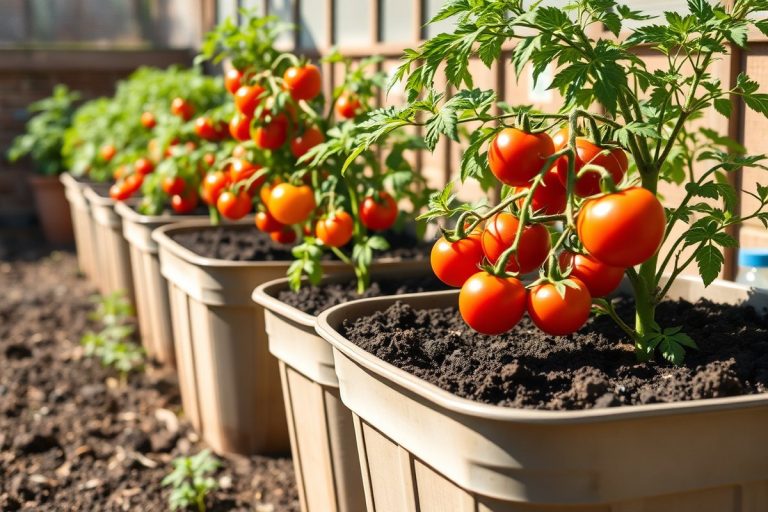
- Tomatoes and bush beans are top edible annual vegetables to try.
- Snapdragons and pansies brighten cool-season gardens with early blooms.
- Sunflowers add height and attract pollinators during summer.
- Arugula and cilantro grow quickly but need spring planting to avoid bitterness.
- Calendula and nasturtium are edible annual flowers with a peppery taste.
- Petunias provide long-lasting color in containers and window boxes.
You can grow annual vegetables like tomatoes even if they are tender perennials in warm zones. Treating them as annuals in colder areas makes them easier to manage. Start these seeds indoors six to eight weeks before frost.
You can also buy young plants from garden centers. This gives you a head start for planting outside.
Plant cool-season annuals early in spring to avoid heat stress and bitter leaves.
Mixing annual flowers with perennials and biennials keeps your garden colorful longer. Hardy annuals are less fussy and germinate easily from seed. This approach also spreads out care and watering tasks across seasons.
Tips for Successfully Growing Annual Plants
Plant annuals after the last frost date when the soil warms above 55°F. They grow best in temperatures between 55°F and 70°F. Start seeds indoors about 6 weeks before this date. Move transplants outside after frost danger is gone.
Prepare soil well by loosening it and mixing in compost or balanced fertilizer. Annuals need soil that drains well but holds some moisture.
Water regularly, keep the soil moist but not soggy. Check soil moisture by touching the top two inches; water when dry.
To keep annuals blooming longer, deadhead spent flowers often. Remove faded blooms so the plant focuses energy on producing new flowers. Feeding plants every 2 to 3 weeks with a balanced liquid fertilizer boosts bloom production.
- Plant annual seeds indoors 4 to 6 weeks before last frost
- Set transplants outside after frost risk is gone
- Use rich, well-drained soil with organic matter
- Water deeply when the top two inches feel dry
- Deadhead faded flowers regularly to encourage new blooms
- Fertilize every 2 to 3 weeks during growing season
In hot, dry climates, add mulch to retain soil moisture and cool roots. Some half-hardy annuals tolerate light frost around 28°F but watch weather forecasts closely. Avoid overwatering in cool weather to prevent root rot.
Give each plant enough space to avoid overcrowding. Crowded plants get fewer flowers and may attract pests. Check labels for spacing recommendations and follow them closely for best results.
How to Save Seeds and Propagate Annual Plants
You can save seeds from many annual plants to grow them next season. Collect seeds only when they are fully mature, then dry and store them properly. This helps you skip buying new plants and keeps your garden growing year after year.
Identifying Mature Seeds
Seeds should be dry and hard before you collect them. Immature seeds are often soft or green and won’t grow well. Seeds inside dried flower heads or pods usually indicate they’re ready.
Look closely for seed color changes, often dark brown, black, or tan. Seed size should match what you expect from the plant variety. When unsure, wait a few more days before planting.
Seed Collection and Drying
Harvest seeds by cutting seed heads or pods and placing them in a paper bag. Avoid plastic bags; they trap moisture and cause mold. Let the seeds dry indoors for about one to two weeks.
Check seeds daily, shaking the bag gently to separate them. Remove any plant debris to keep only clean seeds. Dry seeds store better and have a higher chance of germinating.
- Cut seed heads or pods when they look dry and mature.
- Place them in a paper bag or on a tray in a warm, dry spot indoors.
- Let seeds dry for 7 to 14 days, stirring or shaking often.
- Separate seeds from chaff or plant material by hand or gentle shaking.
- Discard any seeds that look damaged, shriveled, or moldy.
Storage and Planting Next Season
Store seeds in labeled envelopes or airtight containers with low humidity. Keep them in a cool, dark place like a refrigerator drawer. Avoid places that get warm or humid, which can reduce seed life.
Start seeds indoors 4 to 6 weeks before the last frost. This helps seedlings grow strong before moving outside. Begin early to give plants a good head start.
Use seed-starting soil and keep it moist but not soaking. Transplant seedlings outside after hardening them off.
Common Mistakes with Annual Plants and How to Avoid Them
One common mistake gardeners make with annuals is planting too early. Seeds need warm soil, usually above 50°F, to sprout well. Planting in cold soil leads to slow or failed germination, wasting time and seed.
Another error is overwatering young plants. Annuals need moist but not soggy soil.
Too much water causes root rot and early death. You can avoid this by checking soil moisture with your finger before watering.
Light also matters. Annuals grown indoors or in shady spots often become leggy and weak.
They need full sun, about 6 hours daily, to grow strong and bloom well. Move containers to sunnier spots if needed.
- Plant seeds only when soil warms adequately (above 50°F).
- Check soil moisture before watering to prevent sogginess.
- Place annuals where they get at least 6 hours of sunlight.
- Thin seedlings to avoid crowding and competition for nutrients.
- Use fertilizer moderately; too much harms growth.
- Protect plants from late frost by using covers or bringing pots inside.
Thinning seedlings is often overlooked. Crowded plants struggle for space and nutrients.
Thin to the strongest ones when they have 2 to 3 true leaves. This helps remaining plants grow bigger and flower better.
Fertilizing is helpful but overdoing it leads to lush leaves with fewer flowers. Use a balanced fertilizer according to label instructions, usually once a month. For example, a 10-10-10 fertilizer at half strength is often enough.
Late frosts kill tender annuals suddenly. Use a floating row cover or mulch to shield them on cold nights.
For potted plants, move them indoors until danger passes. This simple care step saves your plants from premature death.
Don’t guess when to water; always check soil moisture to avoid root problems.
Step-by-Step Action Plan for Growing Annual Plants
Follow these steps to grow healthy annual plants from seed to bloom. Check your plants regularly to spot any problems early.
- Before planting: Choose annual seeds suited to your local climate and soil. Check the seed packet for planting depth and temperature info.
- Week 1: Start seeds indoors if your frost date is far off. Use seed trays with moist soil and keep them warm to help germination.
- Week 3: Harden off seedlings by moving them outside for a few hours daily. This helps them adjust to outdoor conditions.
- Week 4: Transplant seedlings into your garden after the last frost date. Space them according to seed packet directions.
- Weeks 5-8: Water plants regularly and watch for pests or diseases. Healthy leaves and steady growth mean success.
- Mid-season: Deadhead spent flowers to encourage more blooms. This keeps plants looking neat and productive.
- Late season: Start collecting seeds from mature flowers if you want to save seeds. Let seeds dry fully before storing.
Frequently Asked Questions
What Does It Mean When a Plant Is Annual?
An annual plant lives and dies within one growing season. It completes its life cycle in one year or less.
It goes from seed to flower and back to seed. This whole process happens within just one growing season.
Can Annual Plants Survive Frost?
Most true annual plants cannot survive frost or freezing temperatures. Frost usually kills them since their life span is limited to one season.
Why Do Some Perennials Act Like Annuals in Cold Climates?
Some perennials die in cold weather and come back as annuals. They can’t survive harsh winters, so gardeners treat them as annuals.
Do All Vegetables Grown Every Year Qualify as Annual Plants?
Not all vegetables are annuals, but many, like carrots, are grown as annual vegetables. Carrots grow their edible root in one season, so they’re treated as annuals.
How Do Annual Plants Differ in Tropical vs. Temperate Zones?
In tropical zones, some plants survive year-round. In temperate zones, the same plants might behave as annuals because frost ends their life cycle.
Can Annual Plants Regrow from Cuttings or Do They Only Grow from Seeds?
Many annuals can regrow from cuttings, but most gardeners start them from seeds. Cuttings give a faster way to propagate some annuals during the same season.
Wrapping Up
Knowing what makes a plant annual helps you choose right plants. It also helps you care for them properly. You’ll avoid mistakes with annual plants this way.
Start by picking easy annuals suited to your area. Watch your plants grow and enjoy the colors they bring to your garden this season.