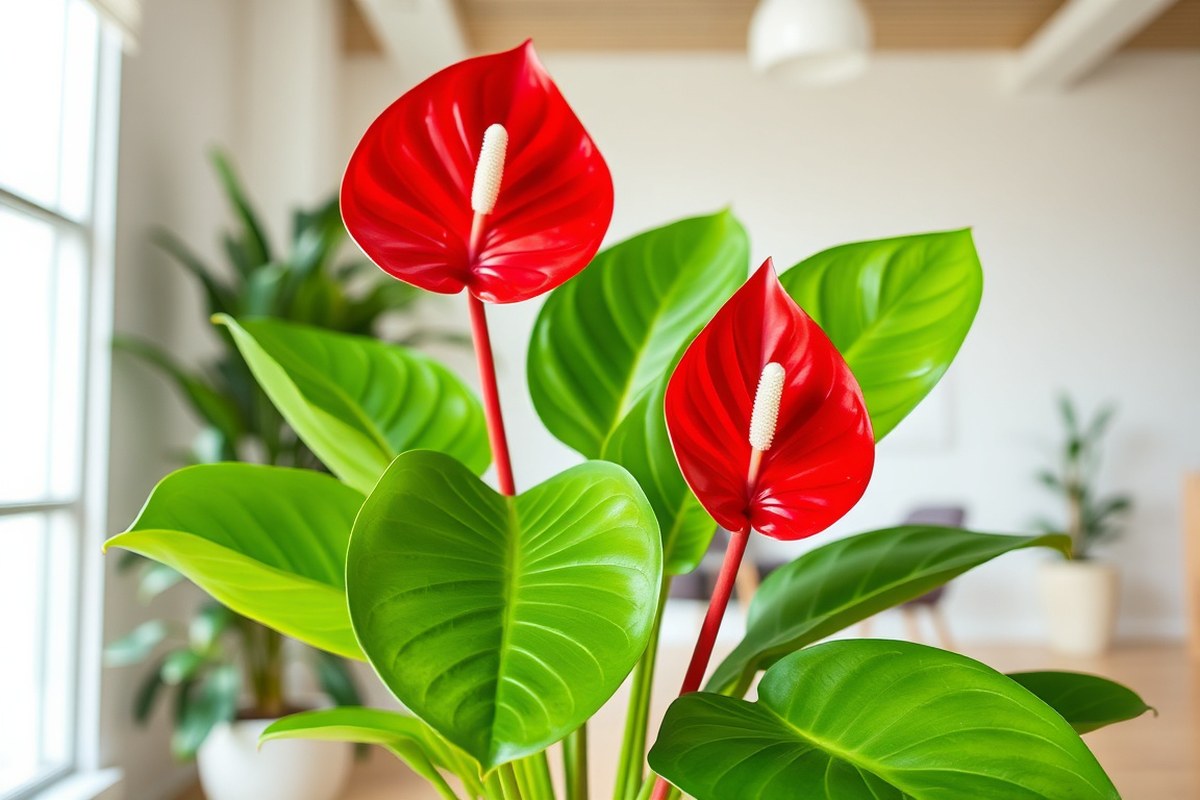
How to Grow Anthurium: Complete Care Guide with Proven Tips
How to grow anthurium starts with understanding its need for warm, humid conditions. These tropical plants thrive between 65 and 85 degrees Fahrenheit with humidity above 60%. You can keep them happy with bright, indirect light that mimics their natural forest canopy.
Water your anthurium when the top half of the soil feels dry to avoid overwatering. Use a chunky, well-draining potting mix that holds moisture without staying soggy. Use a pot about 20% bigger than the current one.
This size helps avoid root rot. It also encourages steady growth.
Focus on keeping temperatures steady and humidity high, especially for fussy species like A. Warocqueanum. Keeping these conditions right will make your anthurium produce healthy leaves and vibrant flowers regularly.
Key Takeaways
- Provide 6, 8 hours of bright, indirect light daily to promote growth.
- Maintain indoor temperatures between 65°F and 85°F for best results.
- Keep humidity levels above 60%, using a humidifier if needed.
- Water only when 50, 75% of the soil volume is dry to prevent rot.
- Use a chunky, well-draining potting mix designed for tropical plants.
- Repot your anthurium in a pot just 20% larger to avoid stress.
How to Grow Anthuriums Indoors Successfully
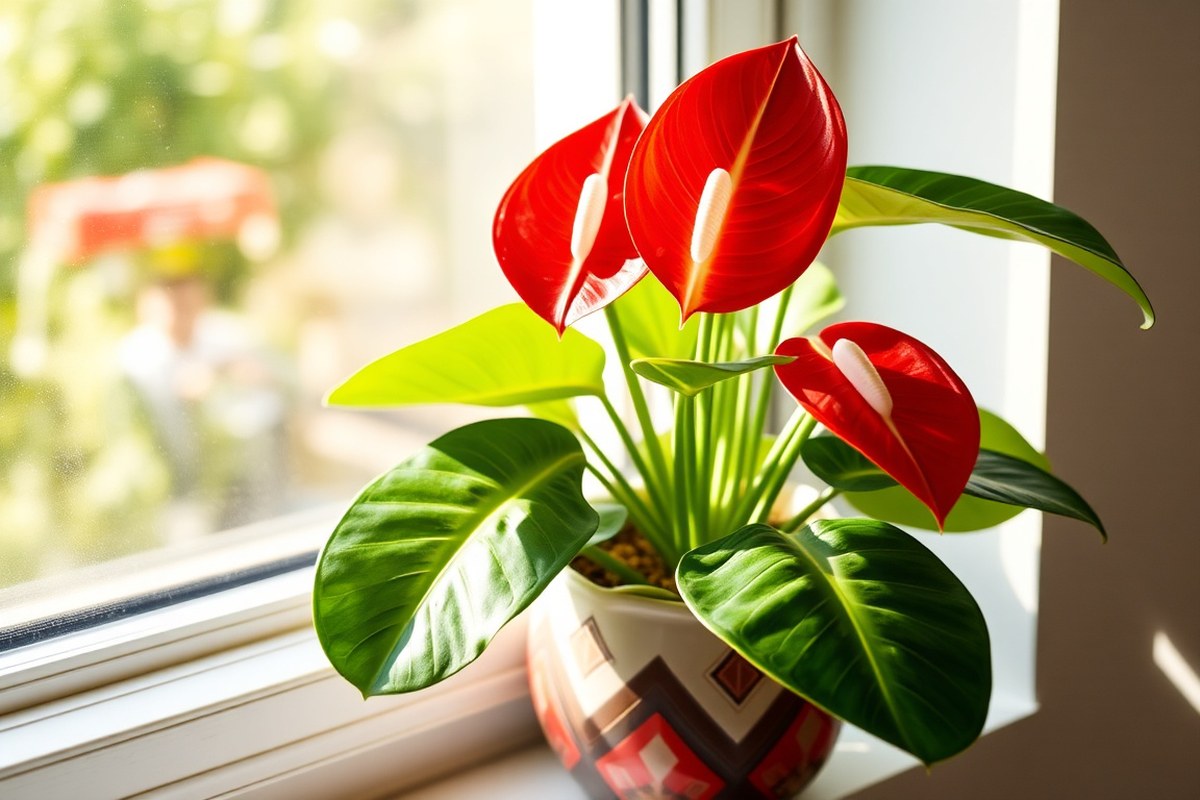
Growing anthuriums indoors means mimicking their tropical home. They like bright, indirect light, warm temperatures, and high humidity.
Water only when the soil feels partly dry to avoid soggy roots. Follow these steps to give your anthurium the best start and care.
- Place the plant where it receives bright indirect light. East or west-facing windows are ideal. Avoid direct sun; it can burn the leaves.
- Keep the indoor temperature consistent, between 65°F and 80°F. Avoid cold drafts and heating vents near the plant. Anthuriums thrive in steady warmth.
- Maintain humidity levels around 60% to 80%. Use a humidifier or a water tray near the plant if your air is dry. Tropical plants need more moisture in the air.
- Only water your plant when the soil’s top inch dries out. Test the soil weekly to avoid root rot from too much water. Use more water during warmer months and less during winter.
- Use a well-draining potting mix that retains some moisture but isn’t soggy. Mix peat, orchid bark, and perlite for good aeration and drainage. This helps avoid waterlogged roots.
- Fertilize lightly during the growing season, about once a month. Use a balanced, diluted fertilizer (1/4 to 1/2 strength). This supports steady leaf and flower growth.
- Clean dust off leaves regularly with a damp cloth. This keeps pores open for better breathing and light absorption. It also reduces pests and diseases risk.
The right balance of watering and humidity keeps your anthurium happy. Too much water makes roots rot, while too little humidity causes brown leaf edges. Bright indirect light keeps the leaves glossy and blooming.
Watch how your plant responds and adjust watering and humidity as seasons change. This care routine helps your plant thrive indoors, showing shiny leaves and colorful flowers as proof.
Choosing the Right Pot and Potting Mix for Anthuriums
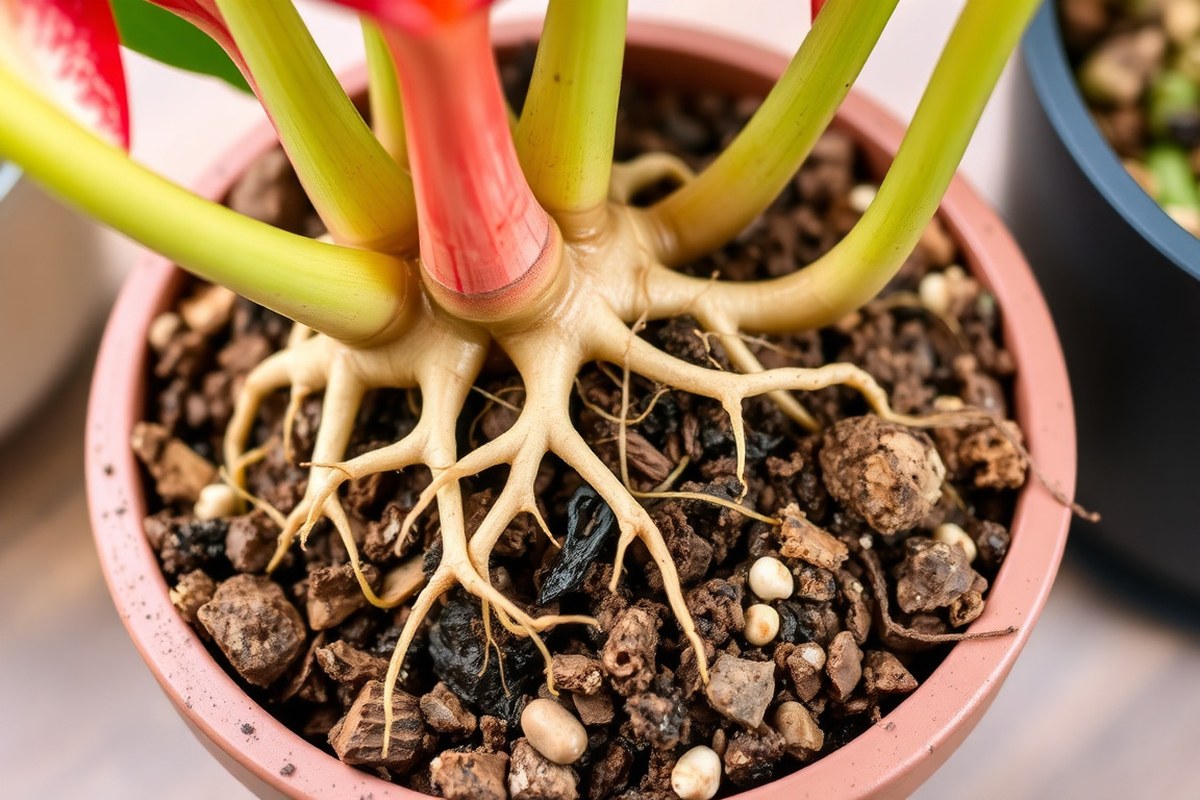
Picking the right pot size and soil mix helps your anthurium’s roots stay healthy. Choose a pot just a little bigger than the root ball. Use a mix that drains well and mimics its natural habitat, like bark and coarse materials.
Ideal Pot Sizes for Different Anthurium Stages
Pick a pot that’s about 1 to 2 inches wider than the current root ball. For example, a 4-inch root ball fits well in a 5 to 6-inch pot. Don’t go more than 20% larger than the current pot to avoid waterlogging.
Young plants or seedlings do best in small pots around 2 to 3 inches. Too big a pot holds too much wet soil, which can cause root rot. A snug pot encourages flowering once roots fill the space.
Best Potting Mix Ingredients and Their Benefits
Anthuriums thrive in fast-draining, airy mixes. Use orchid bark or coarse materials to mimic how they grow in trees. Adding perlite, charcoal, or peat moss also improves drainage and aeration.
Avoid potting soils with water-retaining crystals or wetting agents. These keep roots too wet and can cause rot. Mixing bark with a little peat moss helps retain some moisture without drowning the roots.
| Potting Mix Ingredient | Benefit |
|---|---|
| Orchid Bark | Increases drainage and airflow around roots |
| Perlite | Keeps soil light and prevents compaction |
| Charcoal | Absorbs impurities and improves soil freshness |
| Peat Moss | Retains some moisture without waterlogging |
| Standard Potting Soil | Usually holds too much water for anthuriums |
| Water-retaining Crystals | Prevents required fast drainage, harmful to roots |
Choosing the right mix supports roots that need oxygen between waterings. Your goal is a balance between moisture and airflow. So roots don’t sit in wet soil.
Step-by-Step Repotting Guide
- Choose a pot about 1 to 2 inches larger than the old pot.
- Fill the new pot with fresh, well-draining potting mix.
- Remove the anthurium gently, shaking off old soil from roots.
- Inspect roots for rot or damage and trim unhealthy parts.
- Place the plant in the new pot so roots spread naturally.
- Fill gaps with more potting mix, pressing lightly but not compacting.
- Water lightly and keep the pot in a warm spot between 60°-90°F.
Repotting replaces old soil and gives roots more space to grow. Handle roots carefully; they can tear if pulled too hard. Your plant may look stressed at first but should bounce back in a few weeks.
Use a pot with drainage holes to prevent standing water and root rot.
Optimizing Light, Temperature, and Humidity Conditions
Anthuriums grow well inside with bright, indirect light. They need temperatures between 65°F and 80°F. Keep humidity close to 70% for best results.
These conditions encourage better growth and flower production. You can meet these needs with simple adjustments around your home.
Light Intensity and Duration Recommendations
Anthuriums need about 1,500 to 2,000 foot-candles of bright, filtered light to bloom well. Direct sunlight can burn their leaves.
So placing them near a north or east-facing window works best. Use sheer curtains to soften intense afternoon rays.
They need about 10 to 12 hours of light daily. This matches their natural tropical setting. Too little light can slow their growth.
When natural light is low, use fluorescent grow lights. Place lights one or two feet above the plant.
This helps the plant get enough light indoors. Keeping the light steady prevents slow growth or leaf yellowing.
Maintaining Ideal Indoor Temperatures
Keep your anthurium in rooms where temperatures stay between 65°F and 80°F. This range supports steady development and flowering without stress. Avoid sudden cold drafts or hot spots near heaters, which can damage leaves.
For seedlings, maintain a temperature near 70°F to encourage root growth and germination. You can use a small space heater or heat mat when indoor temperatures drop below 65°F. Watch for drooping leaves if temperatures fall too low.
Strategies to Increase Humidity for Anthuriums
They need humidity levels between 70% and 80% to grow vibrantly and bloom often. Dry air causes leaf edges to brown and flowers to fade quickly. A room humidifier is the easiest way to raise humidity near your plants.
Grouping your anthuriums with other plants also boosts moisture in the air by trapping evaporation. You can also set the pot on water with pebbles. Make sure the pot base stays above the water level.
This prevents the roots from rotting while adding humidity. Misting leaves once a day helps but use it with caution to prevent fungal issues.
Watering and Fertilizing Anthuriums for Healthy Growth
Water your anthurium once a week if it’s planted in well-draining soil. The soil should stay moist but never soggy. Check the top inch of soil; water when it feels dry to touch.
Adjust watering frequency in dry homes or heated rooms. You might need to water more if the air is very dry to prevent leaf browning. Avoid letting your plant sit in water or overly wet soil to prevent root rot.
Use a balanced fertilizer with an NPK ratio around 10-10-10. You can also pick a formula made for blooming plants. Both work well for anthuriums.
Feed your anthurium every six weeks during spring and summer. Stop fertilizing in fall and winter when growth slows down.
You can choose liquid fertilizer diluted to half strength. Slow-release pellets work when placed on the soil surface. Either method feeds your plant effectively.
Liquid fertilizers offer quick nutrient delivery, while slow-release options reduce feeding frequency. Both can support repeated blooming if used properly.
Besides water, these fertilizers boost growth and flowering by providing essential nutrients. Over-fertilizing often causes brown leaf tips or mottled discoloration. Stick to moderate feeding and follow package instructions carefully.
Check your anthurium for fast growth or pale leaves. Increase fertilizing to once every four weeks if you see this. This helps keep it healthy.
Otherwise, once every six weeks is enough for most indoor conditions. Good results show lush green leaves and regular flowers, not burnt edges or limp stems.
Troubleshooting Common Anthurium Problems and Diseases
Brown leaf tips often result from low humidity or salt buildup from tap water. Humidity below 50% dries the leaf edges, while salts over 3 dS/m cause burning. Using filtered or rainwater and raising humidity with a tray or humidifier helps prevent this.
Root rot is the most common problem for anthuriums. It happens when the soil stays too wet and lacks airflow.
Yellowing leaves and soft roots are signs. Using a well-draining potting mix and a pot with drainage holes prevents rot.
- Check soil moisture before watering; water only when the top inch feels dry
- Avoid pots larger than needed to prevent soggy soil
- Remove affected roots with clean scissors if rot appears
- Repot the plant in fresh, aerated soil to encourage healthy roots
- Keep the plant in indirect light and stable temperatures to aid recovery
Pests like aphids, mealybugs, scales, thrips, and whiteflies can attack anthuriums. These insects cause leaf spots, discoloration, and sticky residue.
Treat infestations by wiping leaves with soapy water or using insecticidal soap. Repeat treatments weekly until pests disappear.
Overwatering causes yellow leaf tips, while underwatering gives brown tips. Radiators and heating vents dry out air, increasing risks of brown tips and spider mites.
Keep the anthurium at least 3 feet away from heat sources. Avoid high-nitrogen fertilizers, which increase salt buildup and stress the plant.
Use distilled or rainwater to avoid salt buildup that causes leaf damage.
When and How to Propagate Anthuriums Successfully
Propagating anthuriums works best in spring when the plant starts growing again. Division, offsets, and stem cuttings are the easiest and most common methods.
Seeds take longer but offer genetic variety. Below is a table comparing key ways to propagate anthuriums.
| Propagation Method | Time to Maturity | Success Rate | Genetic Variation | Difficulty Level |
|---|---|---|---|---|
| Seeds | 1-3 years | 30-60% | High | Advanced |
| Division | 6-12 months | 80-95% | None | Beginner |
| Stem Cuttings | 8-18 months | 60-80% | None | Intermediate |
| Tissue Culture | 1-2 years | 90%+ | Minimal | Professional |
Division and stem cuttings work well for most home growers. Seed propagation demands patience and is less certain. Always choose healthy plants in spring for better chances.
Division Method Explained
Divide anthuriums by gently separating the root ball from a mature plant. Make sure each division has roots and leaves. Pot each division immediately in fresh, well-draining soil.
Water the new plants evenly and keep soil moist but not soaked. Place them in bright, indirect light away from drafts. Avoid fertilizing for the first month to prevent stress.
Divisions usually take 6 to 12 months to mature and flower again. Watch for signs of stress like drooping leaves or yellowing. Adjust care by lowering water or improving light if needed.
Using Basal Offsets for Propagation
Basal offsets are young plants growing near the base of a mature anthurium. These pups already have some roots, making them easier to propagate.
Gently remove the offsets with clean shears or fingers once they have 2-3 leaves. Plant them in moist, light soil to encourage root growth. Keep the soil evenly moist for about two weeks.
After two weeks, shift water schedules to match regular anthurium care. Offsets tend to establish faster and have a higher success rate than stem cuttings. They also require less attention to humidity or warmth.
Stem Cuttings and Seed Germination Tips
Take stem cuttings by cutting a healthy top section with a node and aerial roots. Place cuttings in water or moist soil in bright, warm conditions. Change water every few days when rooting in water.
Root development takes 1 to 3 months, then pot cuttings in soil. Keep soil moist and avoid direct sun. It generally takes 8 to 18 months for new plants to mature.
Anthurium seeds usually germinate in 2 to 4 weeks under warm, humid conditions. Some species, like A. Warocqueanum, may take 6 to 8 weeks. Use fresh seeds if possible, as older seeds have lower germination rates.
How to Encourage Anthuriums to Flower Regularly
Flowering anthuriums need bright indirect light to bloom well. Too little light can stop flowers from forming. Keep the plant near a window with soft daylight.
Use a grow light for 12 to 14 hours daily. Keep the light about 12 to 18 inches above the leaves.
Switch your fertilizer when encouraging blooms. Use a fertilizer with more phosphorus during the flowering phase to boost bloom production. A 1-2-2 ratio (nitrogen-phosphorus-potassium) works better than a balanced mix.
Feed your anthurium every two to three weeks from April to October. Use an orchid-type fertilizer for best results. Do this regularly during those months.
Pruning helps too. Remove spent flowers and any dead flower stems at the base. This clears space for new blooms and keeps the plant healthy.
Avoid heavy pruning or cutting green leaves on your plant. Doing this can stop growth and reduce flowers. Leave the leaves alone to keep the plant healthy.
Watch for common mistakes like overwatering or placing the plant in too dark a spot. Overwatering can cause root rot, which stresses the plant and kills flowers. Use well-draining soil to keep anthurium roots healthy.
Let the soil dry out lightly between each watering. This prevents root problems and keeps the plant happy.
Humidity and warmth also affect blooming. Anthuriums like humidity at 60% or higher because they come from tropical places. Keep temperatures between 65°F and 80°F for the best growth.
These conditions help the plant stay healthy. Raise humidity by using a humidifier or grouping plants together. You can also put the pot on a water-filled tray with pebbles.
These methods add moisture to the air near your plant. Cold drafts or sudden temperature drops can stop flowering.
Finally, patience matters. Some flower cycles take weeks, so keep care consistent. Check your anthurium’s light and fertilizer if it isn’t blooming yet.
These factors often cause poor flowering in houseplants. Adjust them before trying other solutions. Adjust these before trying more advanced fixes.
Safety and Special Considerations When Growing Anthuriums
Anthuriums contain toxic compounds harmful to both pets and children if swallowed. Always keep them out of reach from curious kids and animals. Wear gloves to avoid skin irritation from the sap.
The sap can cause mild irritation or allergic reactions. Protect your hands when handling anthuriums.
Handling anthuriums safely means avoiding direct contact with the leaves, stems, and roots. Wash your hands thoroughly after working with the plant, especially before touching your face or food. Avoid breaking leaves or stems to reduce exposure to the sap, especially when pruning or repotting.
Some anthurium types, like flamingo flowers, need more humidity. They need warmth between 65°F and 80°F. These conditions help them grow well. Others with larger leaves may require more space and indirect light to prevent leaf burn.
Watch watering carefully for laceleaf anthuriums. They like soil moist but not soggy. Avoid letting roots sit in water.
Seasonal care changes slightly as the plant’s growth slows during cooler months. Reduce watering frequency in fall and winter to prevent root rot. Keep humidity near 60% or above for best results.
Use misting or a humidifier. This keeps the leaves healthy and shiny.
Always wear gloves when repotting or pruning to avoid sap irritation. Never let pets or children chew on any part of the plant.
Different anthurium types may show special needs for fertilization. Anthuriums with many blooms need fertilizer every 6 to 8 weeks. Use a balanced type during growth months.
This supports their flowering. On the other hand, foliage varieties sometimes need less nutrient input to prevent leggy growth. Adjust based on your plant’s response and environment.
Your First 30 Days: A Quick-Start Plan for Growing Anthuriums
Follow this simple plan to get your anthurium growing strong from day one.
- Day 1: Choose a pot with drainage holes and use a chunky, well-draining mix. Your plant should have room to breathe and not sit in water.
- Week 1: Place the anthurium in bright, indirect light. Look for healthy leaves that don’t burn or yellow.
- Week 2: Water the plant when the top inch of soil feels dry. Check that water drains quickly, avoiding soggy soil.
- Week 3: Mist the leaves or use a humidity tray to keep humidity around 60-80%. Your plant will show happier growth with no brown edges.
- Week 4: Start feeding every 6-8 weeks with a balanced, water-soluble fertilizer. Watch for new leaves or flowers as a sign it’s working.
- After 1 Month: Inspect your plant for pests or any leaf spots. Early detection helps keep problems from spreading.
- After 1 Month: Note the plant’s growing habits. If it looks crowded, plan to repot or divide to support new growth soon.
Frequently Asked Questions
How Often Should I Repot My Anthurium Plant?
Repot your anthurium every 2 to 3 years as it outgrows its pot. Choose a pot about 20% bigger than the current one.
Use fresh soil to help the plant grow better. This size avoids root rot by giving roots space.
Can Anthuriums Survive in Low Light Conditions?
Anthuriums struggle below 200 foot-candles of light and may not grow well. Bright, indirect light is best to keep leaves healthy and blooms frequent.
What Is the Best Way to Clean Anthurium Leaves?
Wipe leaves gently with a damp cloth to remove dust and pests. Avoid using leaf shine sprays; they can block pores and harm the plant.
How Do I Know If My Anthurium Is Root Bound?
Signs include slow growth and roots circling the pot edges. Slide the plant out of its pot to check the roots.
If roots are crowded, get a slightly bigger pot. Repot the plant into the new container carefully.
Are Anthurium Flowers Long-Lasting?
Yes, anthurium flowers can last up to eight weeks indoors. Keep humidity high and avoid direct sun to extend bloom life.
What Pests Commonly Affect Anthuriums Indoors?
Spider mites, aphids, and mealybugs often attack anthuriums. Regularly check for tiny webs, sticky residue, or cottony spots to catch issues early.
Wrapping Up
Growing anthuriums takes patience but gives you beautiful, long-lasting blooms. Check your plant every week to catch small problems early. Start by adjusting light and water, and enjoy watching your anthurium thrive indoors.