
Does Liriope Spread? How It Grows and 8 Proven Control Strategies
Does liriope spread? Yes, liriope does spread, but its growth is usually steady and controlled.
It expands through underground stems called rhizomes, creating a tidy, low border over time. You can expect a mature liriope patch to spread about 12 to 18 inches wide.
The speed of spread depends mainly on the liriope type and how you plant it. Liriope muscari grows in tight clumps without much running. Liriope spicata sends out rhizomes more aggressively.
Knowing this helps you plan your garden space better. You can decide where to plant and how far apart. This keeps your plants neat and tidy.
To keep liriope from overrunning your garden beds, start by setting plants about 12 inches apart. Using root barriers or container planting can also keep those rhizomes in check. This way, you keep your garden tidy without constant trimming or uprooting.
Key Takeaways
- Liriope spreads modestly, usually reaching 12 to 18 inches wide.
- Liriope muscari grows in clumps; it spreads slower than L. Spicata.
- Liriope spicata spreads underground via rhizomes and can be more aggressive.
- Plant liriope about 12 inches apart for a neat, quick border.
- Use root barriers 18 inches deep to control spreading liriope spicata.
- Container planting limits liriope spread effectively for smaller spaces.
1. Does Liriope Spread and How Fast?
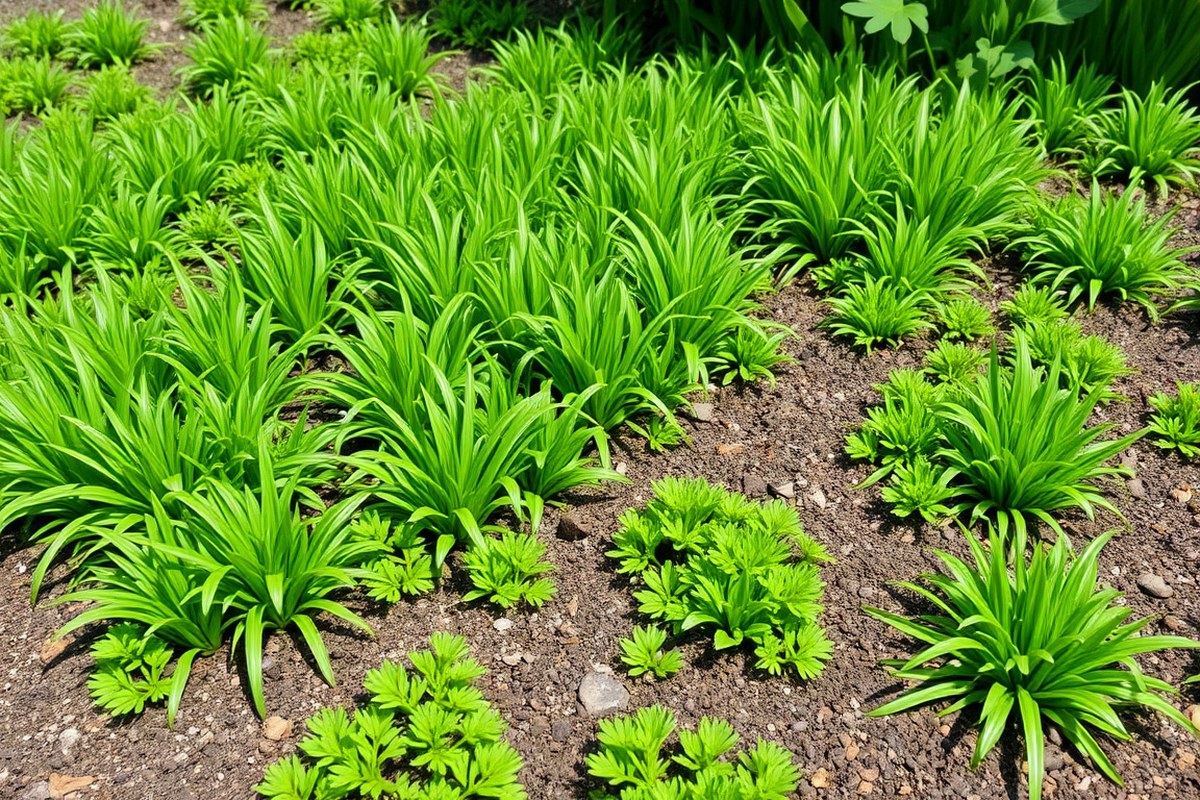
Liriope does spread, but the way and speed vary by type. Liriope muscari grows in tight clumps that expand slowly outward. Its mature spread is usually about 12 to 18 inches wide.
Liriope spicata spreads much faster because it uses underground rhizomes. It forms a creeping mat of narrow leaves. It can cover large areas.
This happens over a few years. This type often spreads beyond 2 feet.
It grows fast if unchecked. That makes it good for ground cover or erosion control.
The spreading speed of liriope varies. Muscari spreads slowly. Spicata can spread more aggressively.
Muscari clumps grow steadily over time. They usually take three to four years.
This fills a 1- to 2-foot space. Spicata, on the other hand, can carpet slopes or garden beds more rapidly.
For a modest, contained size, choose muscari, which stays neat and dense. Spicata is best when you want a fast-spreading groundcover and don’t mind managing its reach. Containers or root barriers help if you want to keep any type from spreading too far.
The size and spread affect how you use liriope in your landscape. Clumping muscari works well for beds and borders where tidy edges matter. Spicata works in open areas where it can fill space without invading other plants.
2. Differences Between Liriope Muscari and Liriope Spicata Spread

Liriope muscari grows in tight clumps and spreads slowly. Liriope spicata sends out runners and spreads quickly. Knowing which species you have helps predict liriope’s spread rate.
Different species spread at different speeds. This affects your garden planning.
Growth Habits of Muscari and Spicata
Liriope muscari forms dense clumps that slowly expand. This makes it easier to control and keeps it from overtaking other plants. It usually grows 12 to 24 inches tall depending on the variety.
On the other hand, Liriope spicata spreads aggressively through underground runners. It can quickly take over garden beds and lawns. It’s often used as a groundcover where fast spreading is a benefit.
Physical Differences for Identification
You can tell the species apart by looking at growth habit and flower spikes. Muscari has upright, tight clumps with violet-blue or purple flowers. Its leaves tend to be broader and grow in bunches.
Spicata usually grows in a looser mat with narrow leaves and lighter flower spikes. Look under the plants for runners, which spicata has but muscari lacks. Sometimes spotting leaf width and flower colour is enough to ID your liriope before planting.
| Cultivar | Species | Height | Spread Habit | Flower Colour | Variegation |
|---|---|---|---|---|---|
| Big Blue | L. Muscari | 18, 24 in | Clumping | Violet-blue | None |
| Royal Purple | L. Muscari | 15, 18 in | Clumping | Deep purple | None |
| Variegata | L. Muscari | 12, 15 in | Clumping | Lavender | Cream/gold margins |
| Monroe’s White | L. Muscari | 18, 24 in | Clumping | White | None |
This table lists common Liriope muscari cultivars with their traits. Spreading spicata varieties look similar in flower color. They spread by running roots instead of clumping.
This changes how they grow in your garden. Use leaf width and spread as better ID tools.
Tip: Check for underground runners before planting to avoid an unwanted invasion.
Ideal Landscape Uses for Each Species
Liriope muscari is great for borders or foundation plantings. It gives a neat and controlled appearance. Use it where you want tidy plants.
It creates neat clumps that keep their place for years. This species suits container growing or edging flower beds well.
Liriope spicata spreads fast and covers ground well. It works great on slopes and large areas. It grows well under trees where other plants struggle.
It quickly fills spaces and stops weeds from growing. You still need barriers or regular trimming to control it.
Without care, it can spread too much. Avoid spicata near delicate perennials that it can smother over time.
3. How Liriope Spreads: Rhizomes, Seeds, and Clumps
Liriope spreads mainly through underground stems called rhizomes and from seeds. Liriope spicata has long, thin rhizomes. They send up new shoots.
These shoots grow far from the original plant. These rhizomes can move a few inches yearly. Sometimes they travel over a foot per year.
This helps the plant spread fast. This spread creates a dense mat that suppresses weeds. But it can invade nearby plants if unchecked.
Seeds also help liriope spread, though less aggressively than rhizomes. You can collect seeds from the berries once they mature in late summer or early fall. Sow these seeds in well-drained soil, keeping them moist until they sprout.
Growing from seed takes more time than rhizomes. Mature plants appear slower this way. But it creates plants with genetic differences.
The clumping growth habit occurs mainly in Liriope muscari types. These plants form tight groups or bunches rather than spreading widely. Clumps slowly grow outward as new shoots push up near the original crown.
This makes clumping liriope easier to manage and good for defined borders or small planting areas. Its spread relies more on yearly division.
It uses less underground runners. This leads to slower, more controlled growth.
4. Planting and Spacing Strategies to Manage Liriope Spread
Space liriope plants 12 to 14 inches apart for quick ground coverage. This spacing helps plants fill in within about one to two growing seasons. It lets each plant spread comfortably without crowding roots or leaves.
Liriope spicata benefits from tighter spacing near 12 inches apart. This helps its rhizomes knit soil and create a dense carpet faster. Liriope muscari spreads less aggressively than other types.
Space these plants about 12 to 18 inches apart. This gives them enough room to grow well. This spacing keeps borders tidy and avoids overgrowth.
Planting liriope in spring or early autumn gives roots a good start before extreme weather arrives. Wider spacing can slow coverage but reduces competition for nutrients. Closer spacing fills gaps sooner but means more upkeep to manage the thicker growth.
- 12 inches apart speeds coverage for L. Spicata groundcover
- 12 to 18 inches suits L. Muscari borders and edges
- Plant in spring or early autumn for best root establishment
- Closer spacing means more plants and higher upfront cost
- Wider spacing lowers cost but takes years longer to fill in
- Allow space for airflow to prevent leaf diseases
- Use edging or root barriers to contain creeping types
Setting plants too close causes root crowding and weakens rhizome growth. Over time, you may spot bare spots or yellowing leaves from stress.
Wider spacing for muscari means less trimming and easier mowing near borders. A well-planned layout based on species helps keep the garden balanced.
5. Controlling Spread Through Division and Root Barriers
Dividing liriope every 3 to 4 years keeps it healthy and controls spread. You dig up the whole clump, separate roots, and replant sections. Using root barriers slows unwanted rhizome spread in garden beds.
Timing and Tools for Dividing Liriope
Divide liriope in early spring or late fall to reduce stress. Choose a dry day and use clean, sharp tools like a garden spade or knife. Wear gloves to protect your hands from soil and root debris.
Dig around the clump at least 6 inches from the center to loosen roots. Wash the root ball gently to see where you can separate the rhizomes. Cut into smaller sections, each with roots and shoots.
- Water liriope the day before to soften the soil.
- Use a spade to dig around and under the clump.
- Lift the entire root ball carefully from the ground.
- Rinse soil off roots to find division points.
- Use a sharp knife or pruners to cut the root ball into smaller pieces.
- Remove any dead or damaged roots and leaves.
- Plant divisions in new spots or back in the original bed.
- Water well after planting to help roots settle.
Sanitize tools between divisions to prevent spreading disease, especially in crowded beds.
Installing Root Barriers Effectively
Use 12 to 18-inch deep root barriers made from plastic or metal to block rhizomes. Place the barrier at the edge of your liriope bed or around new plantings. Make sure the barrier extends 2 to 3 inches above soil to prevent escape.
Bury the barrier vertically and seal joints tightly to stop underground spread. Root barriers can be pricey, around $2 to $5 per linear foot.
But they reduce labor later. Check barriers yearly for gaps or damage and repair as needed.
Scheduling Division for Plant Health
Divide liriope every 3 to 4 years or when clumps become crowded. Overcrowding reduces blooming and increases disease risk. Dividing refreshes the plant and helps you control spread in flower beds or borders.
Look for thinning or browning leaves as signs to divide. After division, monitor plants for 2 weeks and water them regularly. Avoid dividing stressed or diseased plants to prevent spreading infections.
6. Choosing Liriope Varieties by Spread Habit and Landscape Use
Liriope varieties differ in how much they spread and what landscapes suit them. Clumping types like most Liriope muscari stay contained with bold flowers.
Running types like Liriope spicata spread fast and cover large areas. Variegated liriope tends to behave like its species, usually clumping with striking leaf patterns.
Popular Liriope Muscari Cultivars
Liriope muscari mostly forms clumps that keep their shape over years. Their leaves are wider, often about ¼ inch, with flower spikes rising well above the leaves. These types bloom later, in August and September.
They come in green, white, and variegated leaf forms. You can choose from these colors for your garden.
Variegated Liriope muscari, like ‘Variegata’, has cream or white stripes on green leaves. It grows in clumps, making it great for borders or accent plants. The bold flowers and variegated leaves bring year-round interest without spreading aggressively.
Key Liriope Spicata Varieties
Liriope spicata spreads aggressively through rhizomes, making it a good groundcover for large or difficult areas. Its flower spikes are less showy and often hidden in its foliage. It also blooms earlier, in July and August.
This species works well for shaded lawns or dry slopes. It grows quickly to cover soil.
That helps stop erosion and keeps weeds away. It’s less suited for tight beds or small garden spots due to its running habit.
Matching Varieties to Garden Needs
Use clumping Liriope muscari for defined beds, borders, and containers where control is key. Variegated types add color but require similar care. They slow spread lets you keep clean lines without root barriers.
Go for Liriope spicata in large shade areas or slopes where fast, low-cost groundcover is needed. Consider planting plugs in bare spots to save money and get quick soil coverage. Its spread might crowd nearby plants if unmonitored.
Here’s a simple table comparing nine popular liriope varieties. It shows their spread habit and leaf type. You’ll also see bloom time and landscape use.
| Variety | Species | Growth Habit | Leaf Type | Bloom Time | Landscape Use |
|---|---|---|---|---|---|
| ‘Big Blue’ | Muscari | Clumping | Green, wide leaves | Aug, Sep | Borders, containers |
| ‘Variegata’ | Muscari | Clumping | Green with cream stripes | Aug, Sep | Accents, borders |
| ‘Silver Dragon’ | Muscari | Clumping | Green with silver margins | Aug, Sep | Shade gardens, borders |
| ‘Majestic’ | Muscari | Clumping | Green | Aug, Sep | Containers, foundation planting |
| ‘Monroe White’ | Muscari | Clumping | Green | Aug, Sep | Accent plant |
| Standard Green | Spicata | Running | Green, narrow leaves | Jul, Aug | Groundcover, slopes |
| ‘Variegated Spicata’ | Spicata | Running | Green with cream stripes | Jul, Aug | Groundcover, soil erosion control |
| ‘Dwarf Variegated’ | Spicata | Running | Green with yellow margins | Jul, Aug | Small groundcover areas |
| ‘Moraine’ | Spicata | Running | Green | Jul, Aug | Shaded groundcover |
Choosing the right liriope variety starts with knowing how much space you want it to fill. Clumping muscari varieties let you keep control and add neat color. Running spicata varieties cover large spots and handle tough soil.
They grow fast but need monitoring. You must watch to stop unwanted spreading.
7. Environmental Factors Affecting Liriope Spread and Growth
Liriope spreads best in well-drained soil with a slightly acidic pH of 5.5 to 6.5. It can grow in soils from heavy clay to sandy loam. But soggy soil slows its spread and harms roots.
You should test soil drainage by digging a hole 12 inches deep. Fill that hole with water.
Watch how fast it drains out. Drainage within four hours means the soil suits liriope well.
Watering liriope correctly helps it establish and spread quickly. After planting, water deeply and keep the soil moist for six to eight weeks.
Once established, watering once a week in the morning during dry spells is enough. Avoid overwatering to prevent root rot caused by water molds like Phytophthora palmivora.
Liriope grows well in full sun or partial shade. It spreads fastest with morning sun and afternoon shade. Too much direct sun in zones 7 to 10 can brown leaves.
That also slows liriope’s growth down. In deep shade, liriope grows slower and might not flower. Adjust watering and possibly move plants to balance sun exposure and moisture for the best spread.
8. Common Liriope Spread Mistakes and How to Fix Them
Gardeners often let liriope spread too quickly by planting Liriope spicata too close to other plants. This aggressive spreading causes liriope to overrun beds and crowd out neighbors. Another mistake is failing to install root barriers, allowing rhizomes to invade unwanted areas unchecked.
Uneven or sparse growth happens if liriope is in poor soil. It also occurs when sunlight is on and off. These spots hurt its healthy growth.
Not dividing liriope every few years can also lead to patchy clumps. Over time, dense spots crowd out new shoots, leaving bare gaps elsewhere.
- Plant Liriope spicata at least 12 inches apart to slow excessive spread.
- Use underground root barriers about 6 to 8 inches deep around beds to keep rhizomes contained.
- Divide liriope clumps every 3 to 4 years in early spring to promote even growth.
- Improve soil with organic compost and ensure moderate sunlight to encourage uniform spreading.
- Trim back leaves by 3 inches annually to control size and health.
- Remove invading shoots promptly at the edge of beds before they take hold.
Maintaining this balance requires regular checks and simple upkeep. Cutting back liriope stops it from looking untidy and limits rhizome growth.
Dividing clumps prevents the plant from becoming invasive and keeps beds full but tidy. Without these steps, liriope can turn an attractive border into a persistent weed problem.
Set a yearly reminder to check boundaries and divide liriope if clumps get too thick.
Step-by-Step Action Plan for Managing Liriope Spread
Follow this plan to control liriope’s growth and keep it neat. Each step will help you use liriope’s spreading traits to your advantage.
- Before Planting: Choose the right liriope variety based on how much spread you want. Pick muscari for slower spread, spicata for faster.
- At Planting: Space liriope plants 12 to 18 inches apart. This gives each plant room to grow. Avoid crowding them too close together. Check spacing by watching shoot density after a month.
- End of First Month: Install root barriers around fast-spreading types if needed. Confirm barriers work by spotting any shoots outside the boundary.
- After 3 Months: Divide the liriope clumps if they look too dense or start overtaking space. You’ll know it’s time when growth slows in the center.
- During Growing Season: Monitor watering and sunlight to keep liriope healthy without encouraging wild spread. Check leaf color and soil moisture weekly.
- Late Summer to Early Fall: Snip back older leaves to encourage fresh growth and reduce overcrowding. Look for fresh green shoots in the coming weeks.
- Yearly: Plan to divide and thin liriope in early spring to restart its growth pattern. Test success by counting new clumps and checking for vigor.
Frequently Asked Questions
Can Liriope Damage Nearby Plants with Its Spread?
Liriope spicata can crowd out nearby plants if unchecked. Use barriers or space to keep it from invading other beds.
How Often Should I Divide Liriope to Prevent Overgrowth?
Divide liriope every three to four years to keep it healthy. This slows spread and refreshes the plant’s energy.
Will Liriope Grow Back After Winter Dieback?
Yes, liriope dies back in winter but regrows in spring. It’s a hardy perennial in most zones.
Does Liriope Spread Through Seeds in My Garden?
Liriope rarely spreads by seed in gardens. Most spread happens via underground rhizomes or clump division.
Can Liriope Be Used to Control Soil Erosion?
Liriope spicata is good for erosion control on slopes. Its rhizomes form a dense mat that holds soil well.
Do Deer or Rabbits Eat Liriope Plants?
Liriope is generally deer and rabbit resistant. It’s often chosen in areas with wildlife pressure.
Final Thoughts
Liriope does spread. But you can guide or control it with a few simple steps.
Decide how much spread fits your garden and adjust care accordingly. Start by picking the right variety for your space today.