How Much Sun Does a Money Tree Need: A Complete Light Care Guide
How much sun does a money tree need is a common question. These plants do best with 6 to 8 hours of bright, indirect sunlight daily. Direct sun can cause leaf burn, so gentle light is key.
Place your money tree near a window where it gets filtered light. Rotate it every couple of weeks to keep all sides bright and healthy.
Checking leaf angle can tell you if light is right. Healthy leaves rest at about 30, 45 degrees.
Too little light means slow growth and dull leaves. Too much can scorch them.
Start with a spot 12 inches away from a south-facing window and adjust from there. Watch your plant’s reaction to its sun, leaves will tell you what’s working best.
Key Takeaways
- Money trees need 6, 8 hours of bright, indirect sunlight daily for healthy growth.
- Avoid direct sun to prevent leaf burn and stressed foliage.
- Place your money tree about 12 inches from a south-facing window for good light.
- Turn your money tree a quarter turn every one to two weeks.
- Leaves resting at a 30, 45° angle indicate proper sunlight levels.
- Use filtered light or sheer curtains if your window’s sunlight is too strong.
How Much Sunlight Does a Money Tree Need Daily?
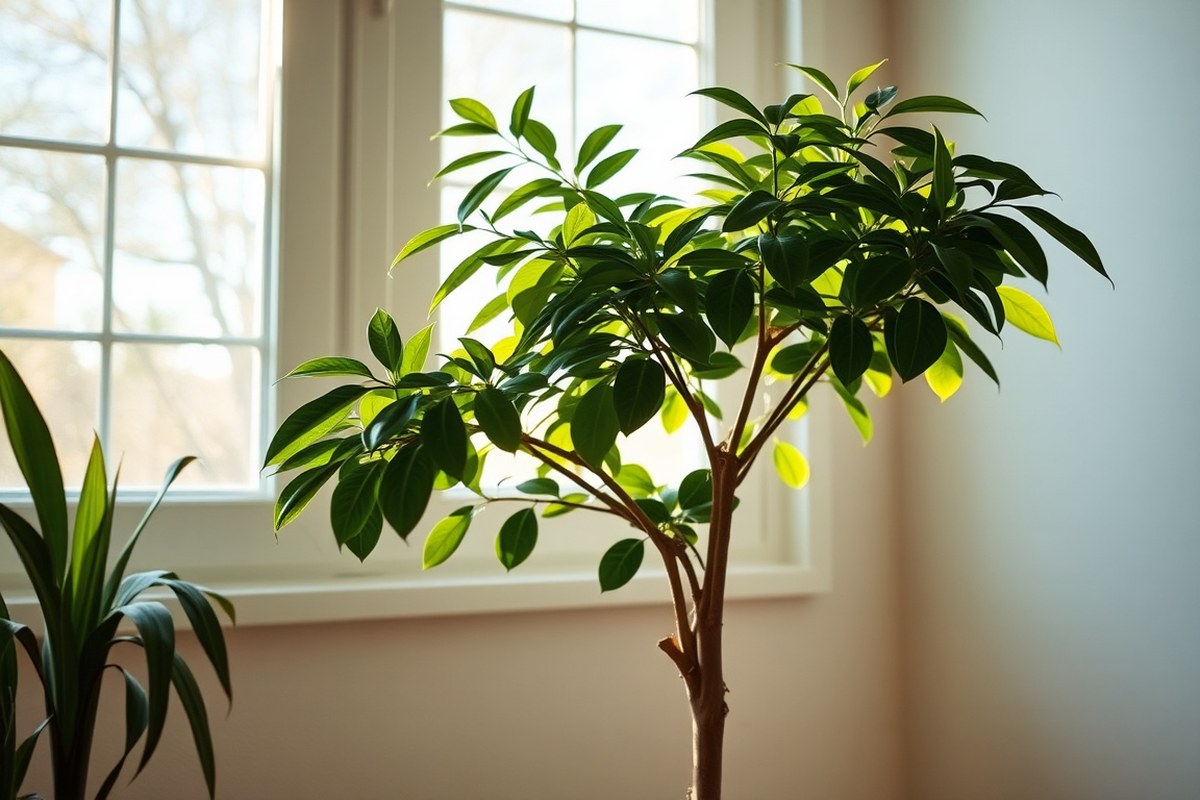
Money trees need about 6 to 8 hours of bright, indirect sunlight daily. This amount mimics their native tropical understory environment, where sunlight filters through taller trees.
Direct sunlight indoors can burn their leaves. So keep them out of harsh, direct rays.
Indirect light should be strong but not intense. Places near east windows work well. Morning sun is gentle.
It’s less likely to scorch leaves. A spot 3 to 5 feet from a window works well.
It gives the right light. That’s between 500 and 1,000 foot-candles for growth.
Your plant should get direct sunlight only during gentle morning hours. Avoid sudden afternoon sun through west or south windows without filtering. Use sheer curtains to reduce light when needed.
You can also move the plant back a few feet. This helps avoid leaf burn while still providing enough light.
Best Window Placement for Your Money Tree Indoors
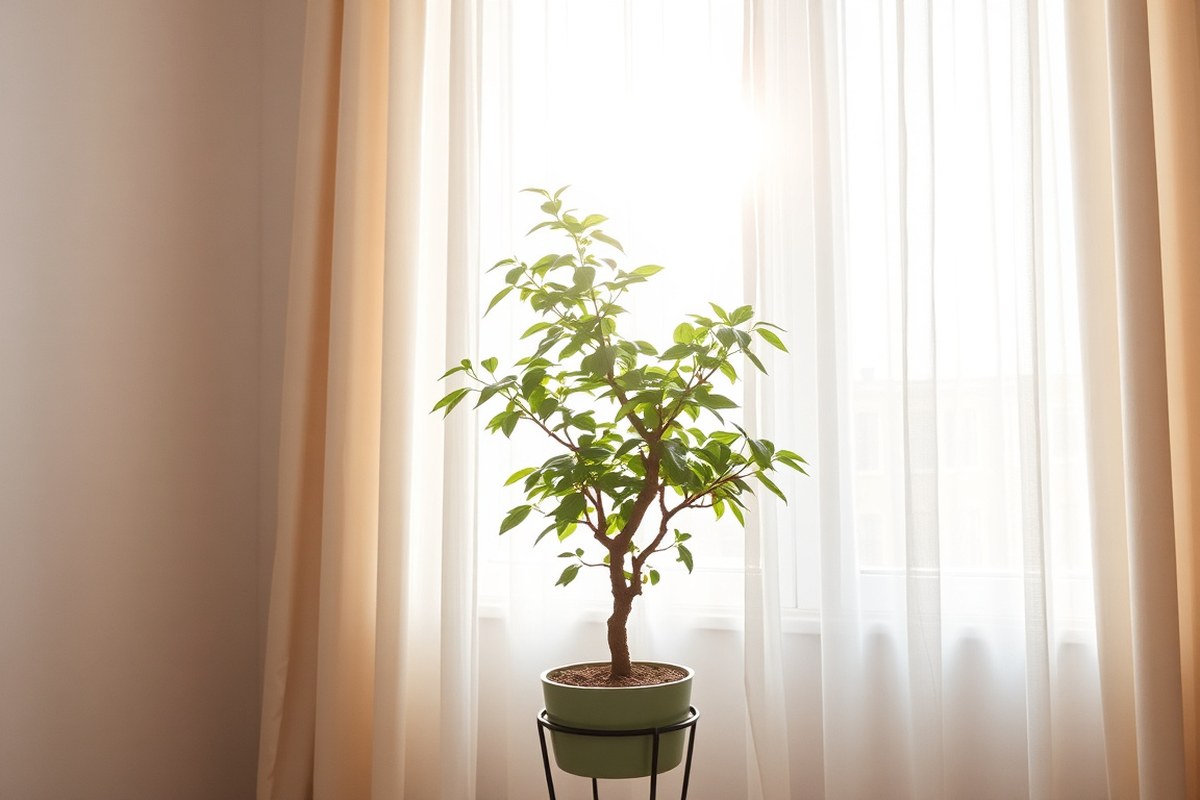
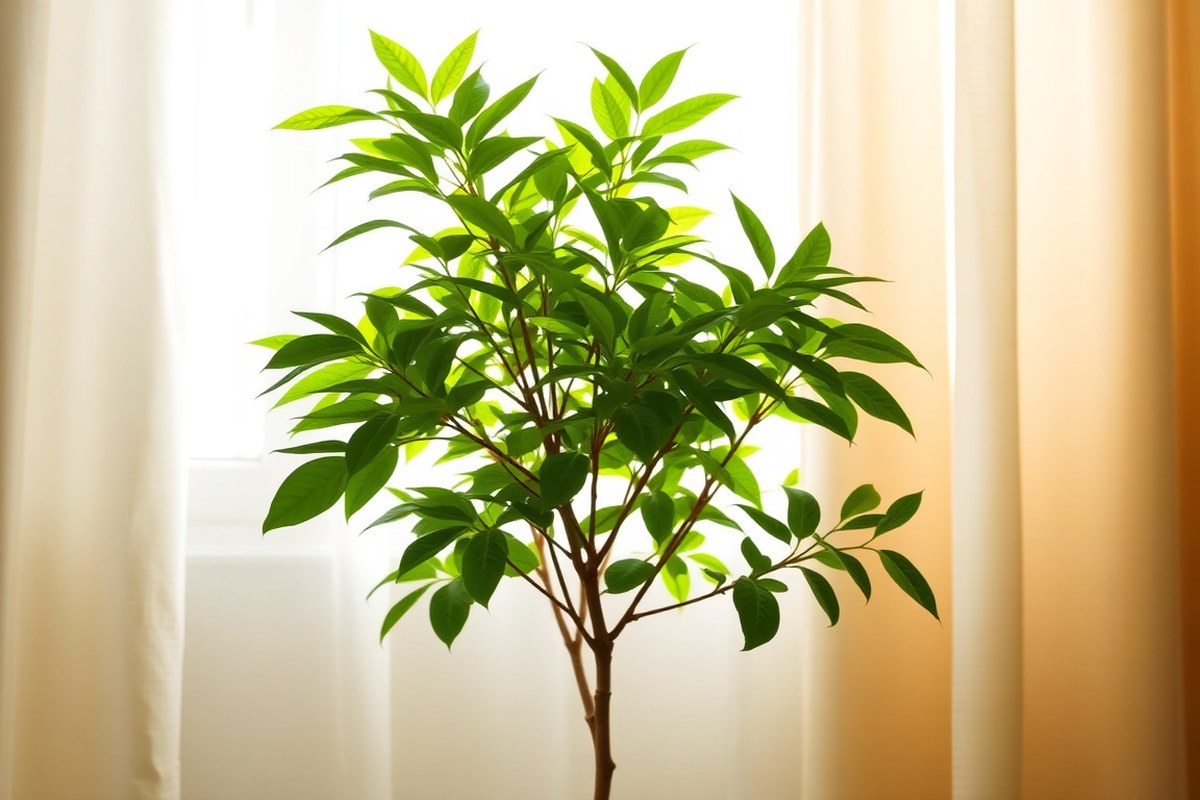
Your money tree thrives best with bright, indirect light near a window. East-facing windows deliver gentle morning sun, ideal for steady growth and healthy leaves. Avoid north-facing windows because they give too little light.
Spring and summer need more light. Your money tree will thrive with better lighting.
South windows usually give too strong sunlight, especially in summer. Keep your money tree at least 12 inches from south windows. Use a sheer curtain to soften bright sun rays.
This helps protect leaves from burning. West-facing windows bring intense afternoon sun that can scorch leaves. A linen or sheer curtain for several hours after 2 p.m. Can prevent this damage.
| Window Direction | Spring/Summer Suitability | Fall/Winter Suitability | Required Adjustments |
|---|---|---|---|
| East | Ideal: 3, 4 hours gentle morning light | Excellent: lower-angle sun reaches deeper indoors | None needed; best year-round choice |
| West | Risky: intense afternoon sun (2, 5 p.m. Over 6,000 lux) | Good: softer light with 1,500, 2,200 lux until sunset | Use linen curtain in summer; rotate plant weekly |
| South | Too intense; can burn leaves without shading | Moderate; lower sun angle less harsh | Keep plant 12+ inches away; use sheer curtains in summer |
| North | Insufficient light, especially in spring and summer | Poor: minimal light year-round | Not recommended for money trees |
Place the money tree about 12 inches from the window. This distance guards against direct sunburn while letting in enough light.
Turn your plant 90 degrees every one to two weeks. Rotating helps all sides get equal brightness and grow evenly without leaning.
Using sheer curtains is a simple way to protect your money tree from powerful sun rays. Curtains block harsh light but keep the brightness your plant needs.
They also lower the risk of leaf scorch and drying out. In winter, no shading is usually necessary because sunlight is weaker and lower angled.
Never leave your money tree in full direct sun without shading. It damages the leaves quickly.
Can Money Trees Be Placed Outside? Outdoor Sunlight Needs
Yes, you can place your money tree outside during the summer. It handles outdoor conditions best in USDA zones 10 to 12. Avoid direct, strong sun and watch temperature and humidity closely.
USDA Zones Suitable for Outdoor Cultivation
Money trees survive year-round outdoors only in USDA zones 10 through 12. These zones cover tropical and subtropical locations. Temperatures here rarely drop below 30°F (-1°C), which the tree tolerates well.
If you live outside these zones, keep the tree indoors or only bring it outside temporarily. Cold weather below freezing can damage or kill it. Make sure your area’s average lows stay above 30°F before planting outside.
Safe Duration and Timing for Outdoor Exposure
Place the money tree outdoors during late spring through early fall. Avoid exposing it to direct sunlight for more than 2 to 3 hours daily. The plant prefers medium, indirect light when outside.
The best timing is morning or late afternoon sun. The midday sun can be too intense and cause leaf burn. Limit outdoor time during the hottest part of the day, especially above 85°F (29°C).
Protecting Against Sunburn and Temperature Swings
Money trees can get leaf burn from direct, harsh sunlight. Use a shade cloth or place the tree where large trees or buildings filter the light. This prevents leaves from turning crispy or turning brown on the edges.
Temperature swings above 75°F (24°C) can stress the plant. Nighttime lows below 60°F (16°C) are also risky. Keep humidity around 40 to 60% when outdoors to match its native tropical environment.
- Choose a shady spot with dappled light during the day.
- Check temperature forecasts to avoid cold snaps or heat spikes.
- Use outdoor curtains or umbrellas to filter strong sun.
- Water regularly to keep soil moist without soggy roots.
- Protect from wind that dries out leaves quickly.
This care helps avoid common problems like dry leaves and sun damage. Watch your money tree daily for signs of stress when outside.
Acclimating Your Money Tree to Outdoor Light
Move your money tree outside gradually over 7 to 10 days. Start with 1 hour of morning shade, then slowly increase time and light intensity. This reduces shock from sudden sun and air changes.
By the end of acclimation, your tree should handle 2 to 3 hours of indirect sunlight. Avoid placing it in direct sun without gradual adjustment. Always bring it indoors if temperatures drop below 60°F (16°C).
How to Tell If Your Money Tree Gets Too Much or Too Little Sun
Too much sun makes money tree leaves turn yellow and dry. You might also see brown, crispy spots that mean sunburn.
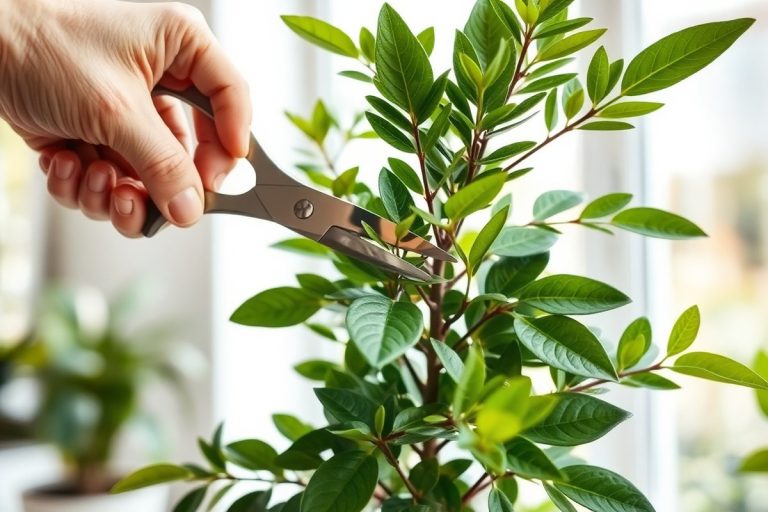
If this happens, move your plant to a spot with indirect light right away. Cut off any damaged leaves with clean scissors to avoid stress.
Too little light shows up as pale leaves and leggy growth. The stems stretch out, and the space between leaves becomes longer than 2 inches.
The leaves may droop or look faded because the plant can’t make enough chlorophyll. This weakens your money tree and slows growth.
To fix low light, put your tree somewhere with bright, indirect sunlight. Rotating the plant helps all sides get enough light. Keep it near a sunny window but avoid direct rays.
- Move plant to indirect light if you see yellow or dry leaves
- Trim off damaged leaves at the base to help recovery
- Put plant near a bright window to stop leggy, pale growth
- Rotate your money tree every week for even light exposure
- Do not place money tree in direct sunlight more than 6, 8 hours
- Watch for drooping leaves as a sign of too little light
- Wait 3 weeks before fertilizing after fixing light problems
Keep an eye on the leaves angle too. Healthy leaves rest at 30 to 45 degrees from horizontal.
Anything floppier means the tree might want stronger light. Acting fast stops damage and helps your money tree stay healthy and green for longer.
Using Grow Lights for Your Money Tree When Natural Sun Is Insufficient
Money trees grow best with bright, indirect light. But natural sunlight might not always be enough.
You can use LED grow lights as a replacement or supplement to natural light. These lights provide the full spectrum your money tree needs, similar to sunlight.
LED grow lights are energy-efficient and don’t add too much heat. Position them 12 to 18 inches above your money tree’s top leaves. This distance prevents burning and helps the plant absorb light evenly.
Set the grow lights on a timer for about 12 hours each day. Match this with your local sunrise and sunset times. This helps your plant get natural light just like outside.
Syncing light with these times supports healthy growth. Keeping a consistent schedule helps the money tree maintain a healthy growth cycle.
Here’s how to set up grow lights for your money tree:
- Choose a full-spectrum LED grow light designed for indoor plants.
- Place the light 12 to 18 inches above the money tree’s canopy.
- Use a timer to run the light about 12 hours daily, mimicking natural daylight.
- Check the plant’s leaves weekly for signs of light stress or lack of light.
- Adjust the light height if leaves look scorched or start turning pale.
- Ensure room temperature stays between 60º and 75º Fahrenheit for best growth.
- Move the money tree closer to a window or light source if possible.
- Replace grow lights every 1 to 2 years to maintain effective light output.
Keep grow lights about a foot above your money tree to avoid leaf burn.
How to Acclimate Your Money Tree to Stronger Sunlight Safely
To safely acclimate your money tree to stronger sunlight, you need to increase light exposure slowly. This prevents leaf scorch and lets the plant adjust without stress. Use a step-by-step plan to prevent shocking your money tree.
This is important when it grew in low light. Take gradual steps to adjust its light exposure.
Initial Assessment of Current Light Conditions
Start by checking where your money tree sits now and the kind of light it gets. East-facing windows work best, providing gentle morning sun. Avoid any sudden moves into direct sunlight, as the leaves can burn quickly.
Look for how your money tree reacts to the current light. The leaves might lean toward the window or stretch out.
This shows the plant probably needs more light. Also, check if your pot has proper drainage, because light changes can affect water needs.
Gradual Daily Increase in Light Exposure
Move your money tree closer to brighter light slowly over 10 days. This helps the plant adjust without leaf drop or damage. Add light in small steps so the plant builds tolerance steadily.
- Choose a starting spot about 3 feet from the brightest window you have.
- To brighten your money tree’s spot, shift it closer to the window in small moves. Doing this every 3 days works well.
- Keep it in indirect sunlight, never direct, during the first week.
- Watch for reflections or bright patches that might still cause burns.
- Use a sheer curtain if direct sun is strong, especially midday.
Keep soil moisture consistent but avoid waterlogging. Your money tree may use water faster with more light.
Monitoring and Adjusting for Signs of Stress
Check your money tree daily for signs of stress like leaf yellowing or dry edges. These symptoms mean the light is too intense, or the plant is drying out too fast. Also, monitor for leaf curl or brown spots on leaves.
Watch the plant for trouble signs during light changes. Slow down or add shade if you see them. Healthy new growth and bright green leaves show your plant is adjusting well.
When to Pause or Reverse Acclimation
Stop moving your plant closer if leaf scorch appears or leaves start dropping. Give the money tree a few days back at a lower light level to recover. This pause helps the plant regain strength and prevent lasting damage.
You should reverse the acclimation if stress signs continue or worsen after several days. Move the plant back 1 or 2 feet, then try moving closer more gradually next time. Patience here avoids costly mistakes in your plant’s health.
Seasonal Light Adjustments and Year-Round Care Tips
Money trees need changes in light care as seasons shift. Adjusting their spot and light helps them stay healthy. Temperature and humidity also affect how much light they use.
Winter: Compensating for Low Light and Shorter Days
Winter brings weaker light and shorter days, often less than seven hours. Moving your money tree closer to a window keeps it in strong indirect light. Avoid direct sun to prevent leaf burn during cold months.
Adding a grow light for 4 to 6 hours daily helps. This makes up for low natural light. Your plant will get the light it needs.
Keep your tree away from drafts and sudden temperature shifts, which can stress it. Water less in winter since the plant grows slowly and uses less moisture.
Spring and Summer: Optimal Light, Temperature, and Humidity
Spring and summer offer longer, brighter days for your money tree. Place your plant near a window with bright, indirect light. Keep it about 3 to 5 feet away.
This distance usually works well. During these months, more light supports faster growth and frequent watering.
Warm temperatures from 65 to 80 degrees Fahrenheit and higher humidity boost photosynthesis. You might need to mist leaves or use a humidifier to keep humidity near 50%. Fertilize every 4 to 6 weeks with balanced liquid fertilizer to support your tree’s growth.
Fall: Preparing for Reduced Light
As fall sets in, daylight hours drop and sunlight weakens. Start moving your money tree closer to light sources gradually to prepare for winter. Cut back watering slightly since the plant’s growth slows down in fall.
You can reduce fertilizing or stop by late fall to avoid stimulating new growth before winter. Watch your plant’s leaf color and firmness closely. Dull leaves can mean not enough light.
Check often to catch problems early. Steady temperatures help the tree adjust smoothly to changing light conditions.
Maintaining Humidity and Temperature for Light Efficiency
Higher humidity helps money trees absorb and use light better by keeping leaves healthy. Try to keep the humidity around 40% to 60%. This is important, especially in winter.
Indoor air tends to be dry then. Use a humidifier, pebble tray, or regular misting to keep humidity steady.
Temperature affects how the tree responds to light. Cold drafts or hot spots reduce its ability to photosynthesize.
Keep room temperature steady, ideally between 65 and 80 degrees Fahrenheit, without sudden swings. Combining steady warmth and good humidity creates the best environment for your money tree’s light needs.
Common Light-Related Mistakes with Money Trees and How to Fix Them
People often confuse low light tolerance with thriving in shade. Money trees can survive in low light but won’t grow strong or bright there. You might see leggy growth when the tree stretches toward windows, trying to find more light.
Direct sunlight through windows can scorch leaves quickly. Bright morning or late afternoon sun is usually safe.
Avoid harsh midday sun, which can reach over 10,000 lux and burn foliage. Watch for crispy brown patches or bleached spots as signs of sun damage.
Uneven growth happens when the tree leans toward the light source. Rotate your tree every week so all sides get balanced light. This keeps branches full and leaves healthy on every side.
- Place your money tree where light is bright but not direct. Keep it about 6 to 8 feet from south or west windows. This distance helps avoid harsh sunlight.
- Rotate the plant gently every 7 days to prevent leaning and patchy growth
- Use sheer curtains to filter strong sunlight. Or move your plant back 1 to 2 feet from direct rays. Both limit leaf damage and stress.
- Reduce watering in low light to avoid root rot due to slower growth
- Repot every 2 years in fresh soil to replenish nutrients and support growth
Overwatering is common when light is low because the plant uses less water. Check soil moisture before watering to avoid soggy roots that cause yellow leaves. Bring bright indirect light near enough to keep the leaves vibrant and the growth compact.
Too little light slows growth; too much direct sun burns leaves. Balance is key.
Correcting leggy growth means increasing light gradually. Add supplemental light or move closer to a window. Watch new leaves for healthy green color and sturdy stems.
Your tree may stretch or look pale from low light. Try moving it to a brighter spot or adjust its care routine. Better lighting helps keep it healthy and vibrant.
Step-by-Step Action Plan for Perfect Money Tree Sunlight
Follow these simple steps to give your money tree the right amount of light every day.
- Before you start: Find a spot near an east or north-facing window for bright, indirect sun. Check if the light feels gentle, not harsh.
- Day 1 to 3: Place your money tree by the window and watch for leaf color. Bright green leaves mean good light; pale or scorched leaves mean adjust placement.
- Week 1: Rotate the tree once a week to ensure even sunlight. Check for balanced growth and no leaning.
- Week 2: If natural light is low, add a grow light for 10-12 hours daily. Use a timer and observe if leaves brighten and new growth appears.
- Week 3: If moving outside, start with just an hour in morning sun. Gradually increase sunlight every few days to avoid burns.
- After 1 month: Assess the plant for signs of too much or too little sun. Adjust location or light hours if leaves show browning or drooping.
- Seasonal check: In winter, move closer to windows or boost with grow lights. Watch for slower growth and adjust accordingly.
Frequently Asked Questions
How Do I Adjust Sunlight Exposure for a Young Money Tree?
Young money trees need gentle, indirect sun for 6, 8 hours. Gradually increase light to avoid leaf burn as it grows.
Can My Money Tree Survive in Low Light Rooms?
Money trees can survive low light for a while but growth will slow. For healthy growth, aim for brighter indirect light.
What’s the Best Way to Measure Light Intensity for My Money Tree?
Use a light meter to check foot-candles; 500, 1,000 foot-candles suits money trees best. It helps avoid too much direct sun risk.
Can Artificial Light Fully Replace Natural Sunlight for a Money Tree?
Artificial grow lights can substitute natural light if placed correctly. Use full-spectrum bulbs for 6, 8 hours daily near the plant.
How Often Should I Rotate My Money Tree for Even Light?
Rotate your money tree every 1-2 weeks to promote even growth. This prevents leaning toward the light source.
Is Morning or Afternoon Sun Better for Money Trees Indoors?
Morning sun is gentler and safer for money trees. Avoid harsh afternoon sun that can scorch leaves.
The Bottom Line
Your money tree thrives on bright, indirect sunlight most of the day. Adjusting its spot seasonally and using grow lights helps it stay healthy year-round. Try placing your tree in the best-lit room and watch its leaves for quick clues.